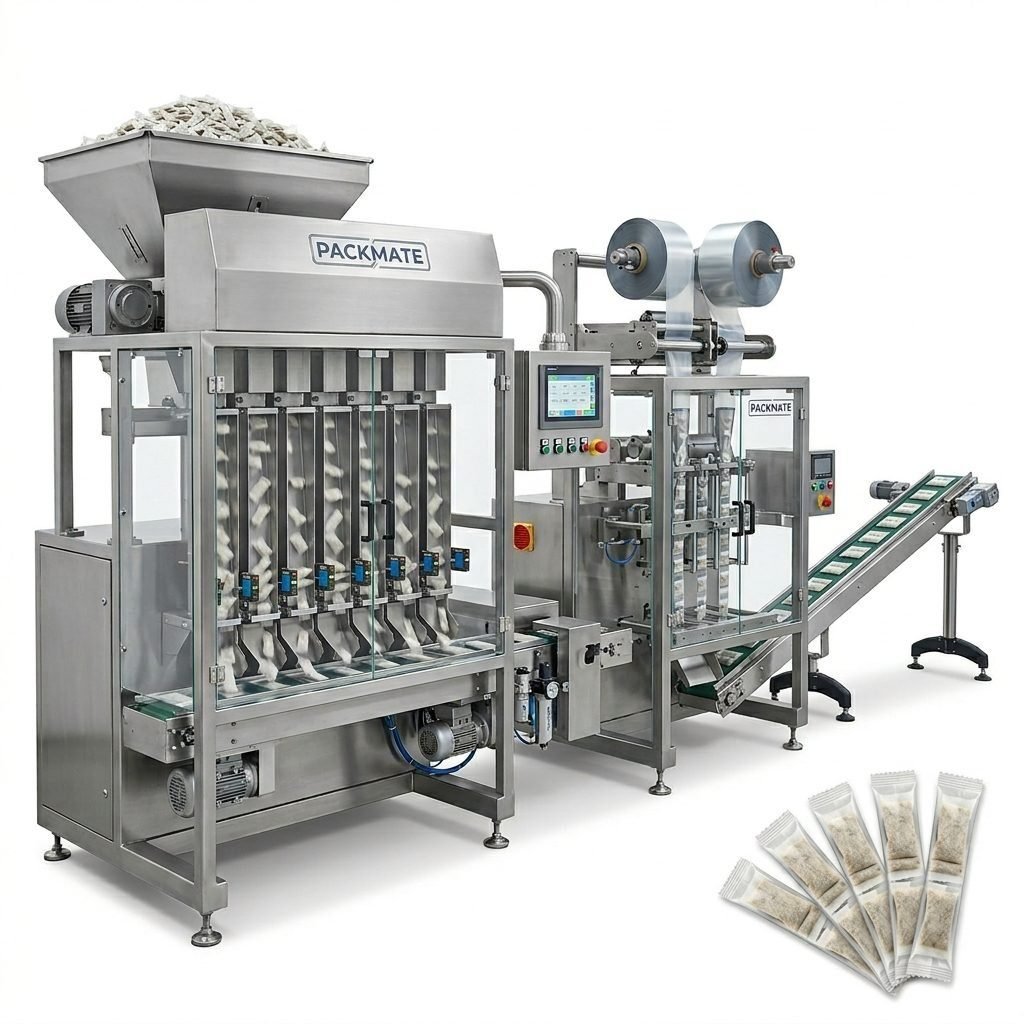
Choosing the right partner for snus packaging machinery is a strategic decision that affects product quality, line efficiency, regulatory compliance, and long-term operational costs. For businesses in Afghanistan planning to enter or scale in the nicotine pouch and snus market, understanding the technical and commercial aspects of machinery suppliers is essential. This guide walks you through practical criteria, evaluation steps, and negotiation tips so you can select the best snus packaging machinery manufacturer with confidence.
Understand Your Production Requirements
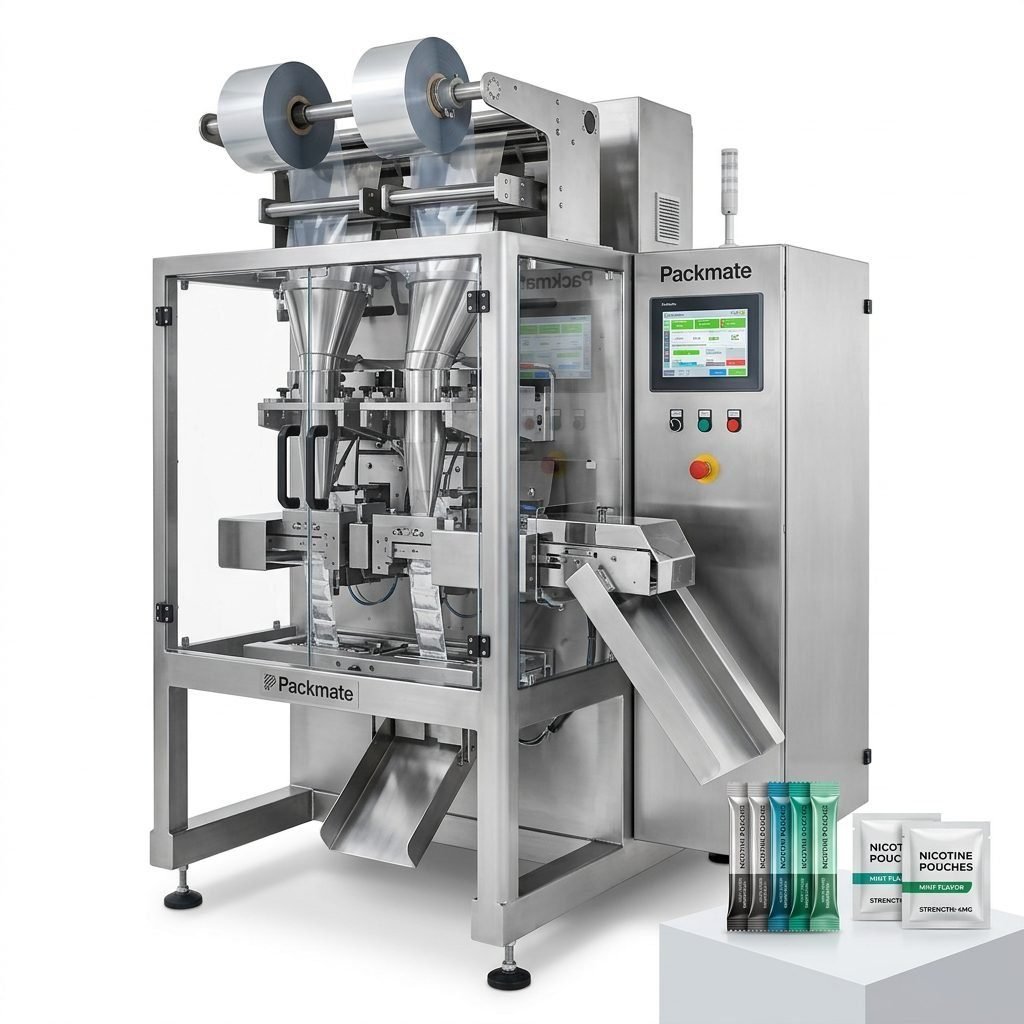
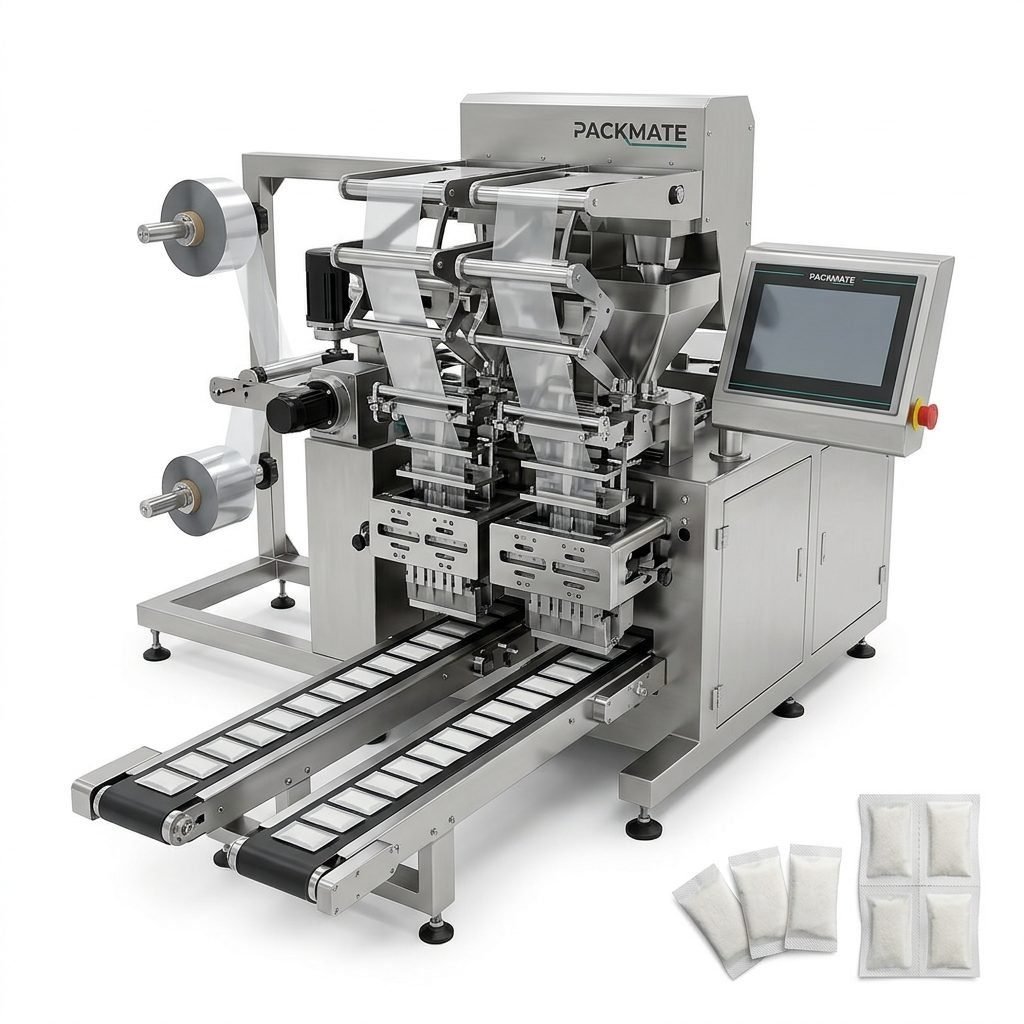
Start by documenting your production targets, product formats, and quality standards. Key parameters include daily output (pouches/hour), pouch size ranges, material compatibility (films, foils, biodegradable substrates), and desired packing styles (single-lane stick packs, multi-lane sachets, or standard snus pouch formats). Clarifying these points upfront will help you filter out suppliers that cannot meet your throughput or technical preferences.
Tip: if you plan to expand SKUs or implement multi-lane configurations, list future capacity goals. A supplier with modular solutions can save future investments and downtime.
Checklist — Production & Technical Needs
⚙️ Production capacity: required pouches per hour
📦 Formats: stick packs, sachets, multi-lane pouches, or specialized snus cans
🔍 Material: film thickness, barrier properties, laminates compatibility
🔧 Flexibility: modular upgrades, lane additions, and quick-change tooling
Assess Manufacturer Experience and Capabilities
Experience matters in packaging machinery because real-world performance depends on design maturity, manufacturing precision, and after-sales systems. Look for manufacturers with a proven track record in snus and nicotine pouch machinery. A company with decades of engineering experience is more likely to have refined designs, reliable spare part supply, and a deeper understanding of regulatory needs.
✅ Proven heritage: manufacturers that started R&D early and evolved to multi-lane systems typically deliver stable lines.
Example: companies with 20+ years of machine building and a modern 20,000㎡ factory are better positioned to scale production and ensure consistent quality.
Suggested Reference Links
For technical comparisons and machine categories, review product portfolios such as:
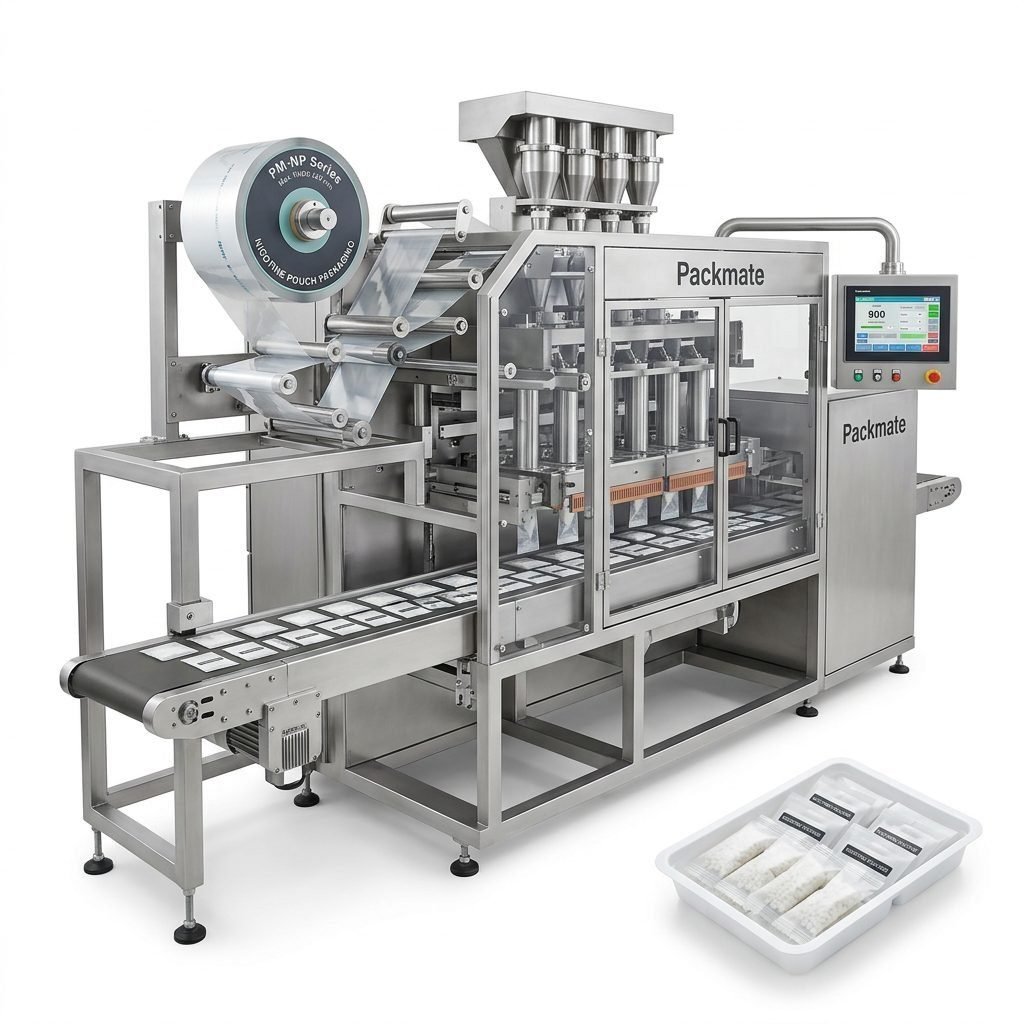
Snus & Nicotine Packaging Machines,
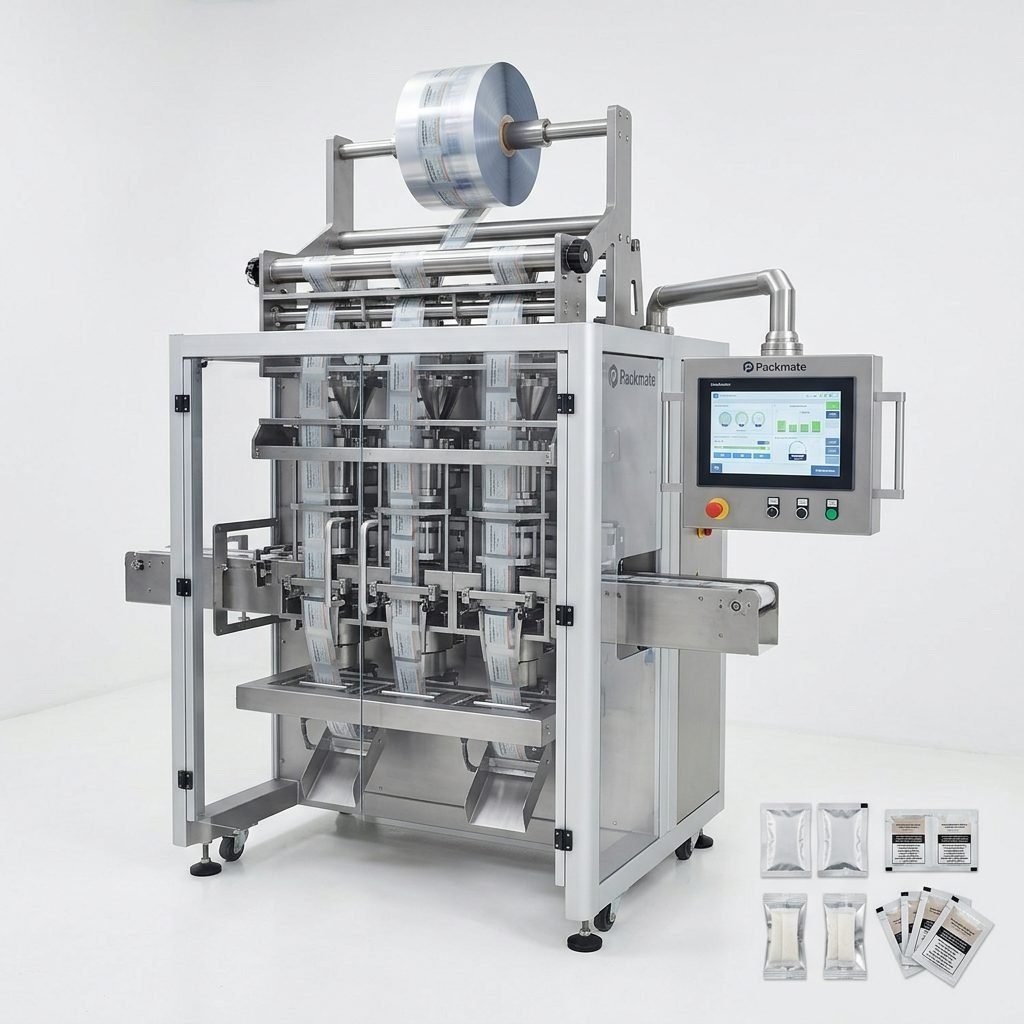
Sachet & Stick Pack Machines,
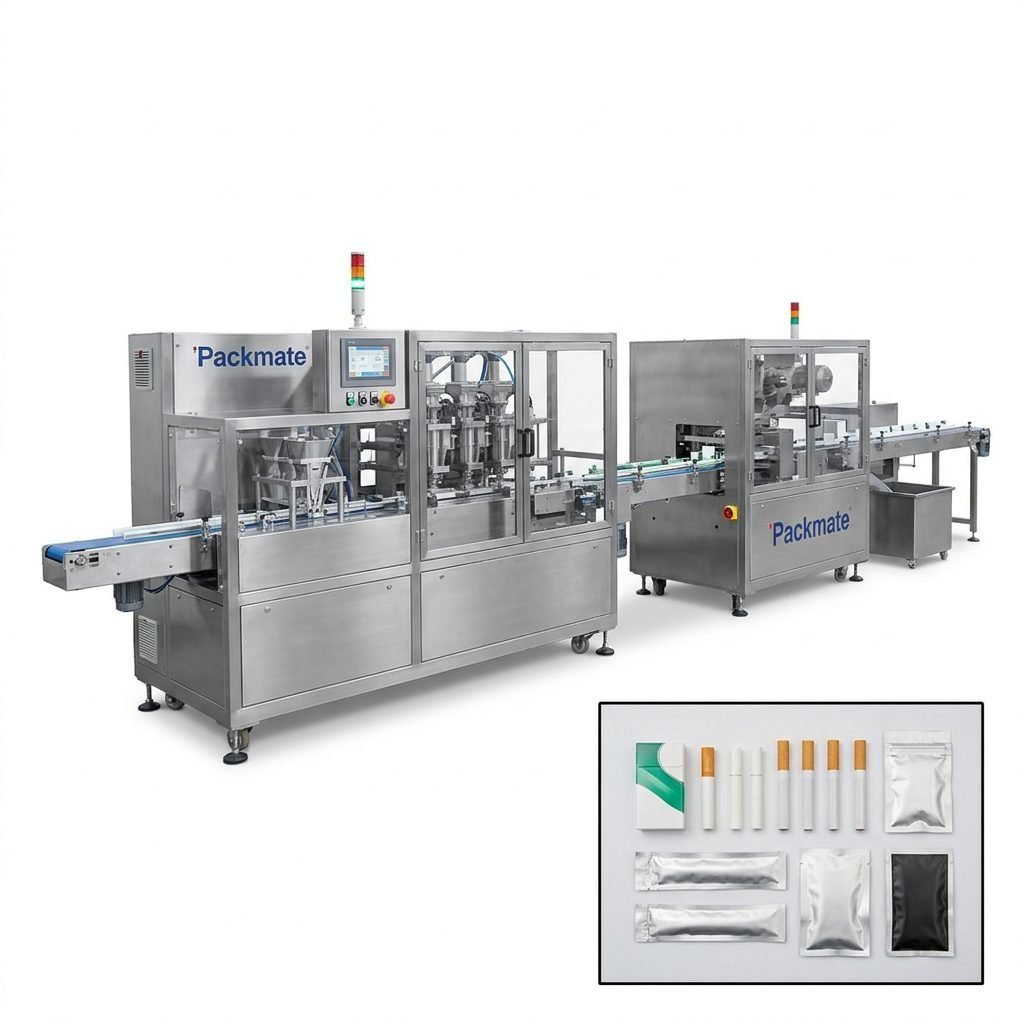
and Filling & Packaging Lines.
Verify Manufacturing & Quality Assurance
Inspecting manufacturing facilities (virtually or physically) helps validate claims. Important signs of a mature manufacturer include advanced CNC centers, precision assembly lines, and documented quality control workflows. Certifications such as CE and ISO indicate compliance with international safety and management standards, reducing regulatory risk for export or local distribution.
📌 Look for: factory photos, machine acceptance reports, QA test protocols, and spare-part traceability. A factory with 50+ machine models often signifies strong R&D and product depth.
Evaluate Machine Performance & Technical Features
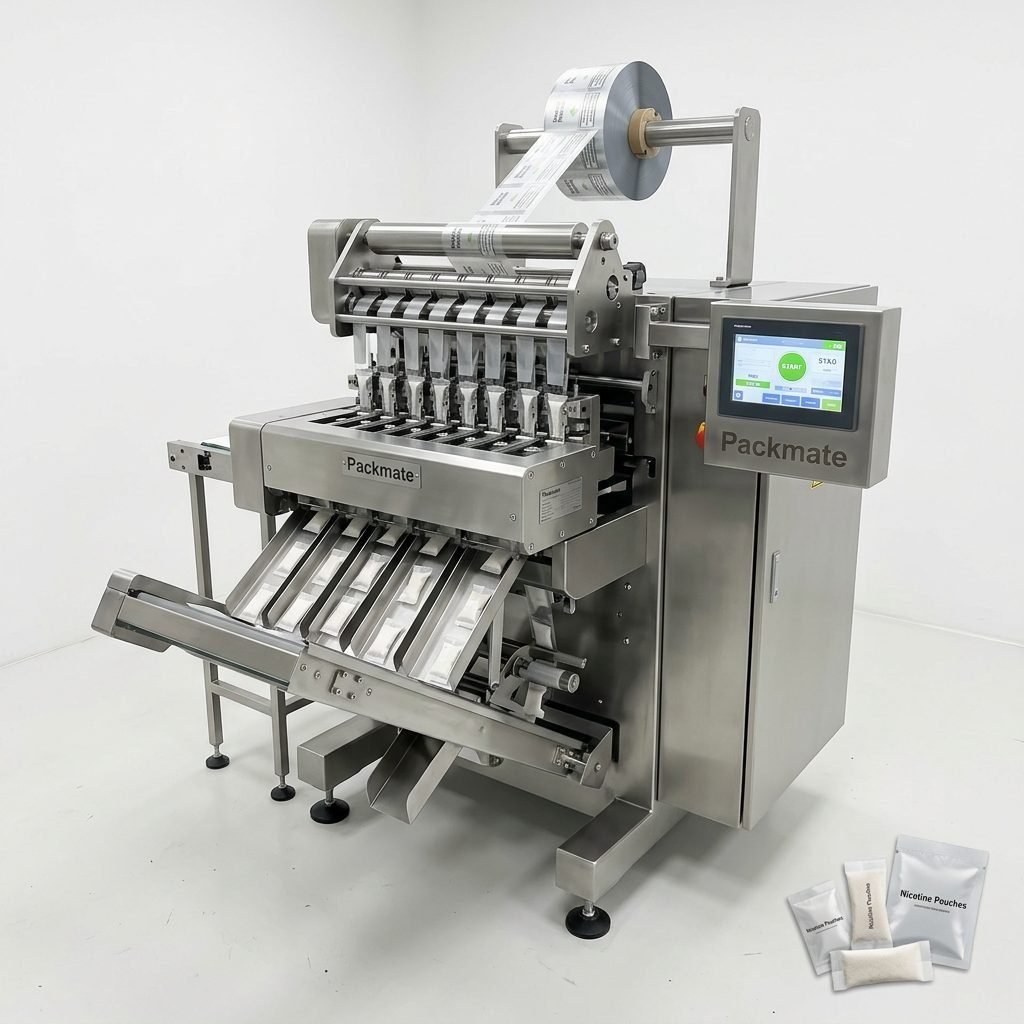
When comparing machines, assess key technical metrics: cycle speed, accuracy of dosing (for nicotine pouches or powders), sealing quality, film handling precision, and changeover time. Multi-lane systems require synchronization technology and robust control software to maintain uniform pouch weight across lanes.
🔧 Critical features include PLC & HMI integration, servo-driven mechanisms for precise material feed, and hygiene-friendly design for easy cleaning and maintenance. Confirm the machine’s mean time between failures (MTBF) and availability of diagnostic tools.
Performance Validation
Ask for live demonstrations or video proof of the machine running your intended pouch type. Manufacturers often show case studies and machine demos in exhibitions; visit the Exhibition or request machine samples and run-offs to verify sealing integrity and fill consistency.
After-Sales Support & Spare Parts Strategy
A strong after-sales program reduces downtime and protects your production targets. Confirm the manufacturer’s spare parts availability, recommended inventory levels, and lead times for critical components. Training for local technicians, remote diagnostics, and fast-response field engineers are differentiators.
📞 Support essentials: installation supervision, commissioning, operator training, maintenance manuals, and remote support channels. Check if the manufacturer offers extended service contracts or local agent partnerships.
Customization, Turnkey Solutions, and Integration
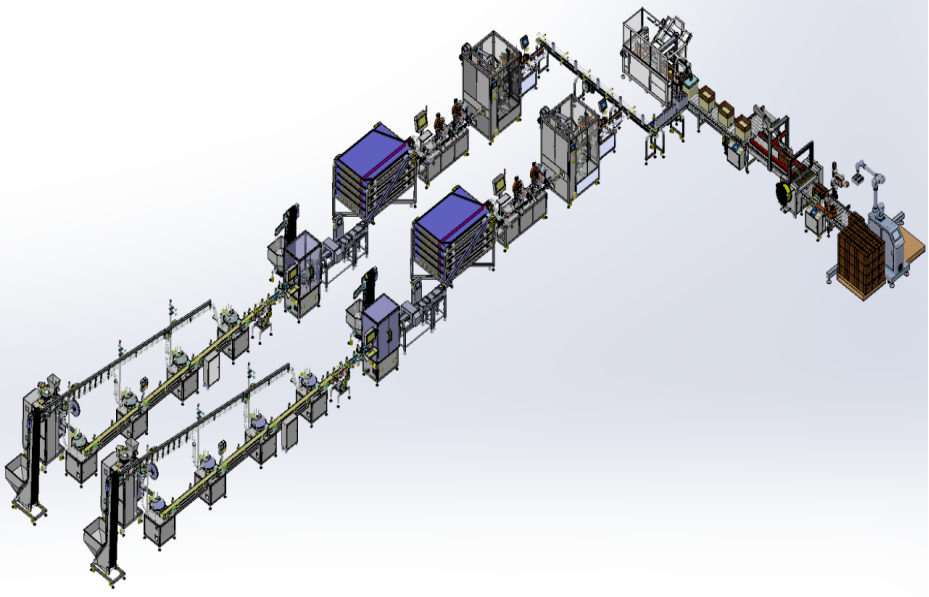
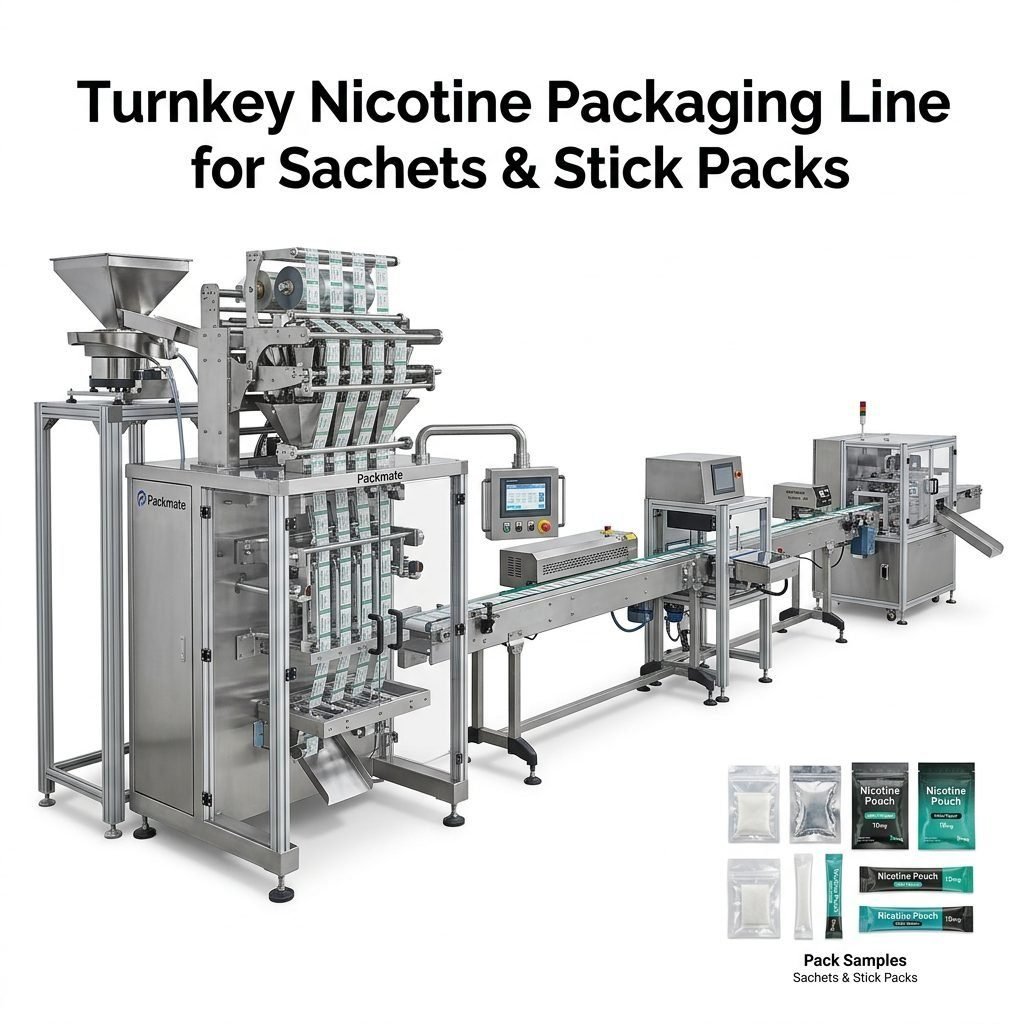
Your production line may require integration with upstream filling systems, weighing modules, or secondary packing (cartoning, case packing). Manufacturers that offer turnkey solutions and integration experience reduce project risk. Custom tooling, labeling systems, and quality inspection (checkweighers, metal detectors) should be available as modular add-ons.
If you require full-line solutions, check offerings for Weighing & Packaging Systems and Auxiliary Packaging Equipment to ensure compatibility and single-source responsibility.
Commercial Terms, Warranties, and Payment Options
Clear commercial terms protect both buyer and seller. Negotiate warranty scope (mechanical, electrical, software components), spare part packages, and delivery schedules. Consider payment terms that align with milestones: down payment, factory acceptance test (FAT), shipping, and installation completion. Ensure penalties and remedies for missed delivery dates are documented.
💡 Negotiation focus: warranty period, spare parts kit inclusion, training sessions, first-year support SLA, and clear FAT criteria. For export to Afghanistan, confirm export documentation and customs support from the manufacturer.
Factory Acceptance Test (FAT) and Site Acceptance Test (SAT)
FAT and SAT are essential milestones. During FAT, inspect machine performance against agreed KPIs using your materials or closest equivalents. After shipment and installation, SAT confirms performance in your environment. Include acceptance criteria for pouch weight variation, seal integrity, throughput, and downtime metrics.
🧾 FAT checklist: run rate stability, sealing temperature ranges, changeover time, film register accuracy, alarm logs, and documentation completeness (drawings, PLC code, spare parts list).
Regulatory Compliance & Traceability
For nicotine pouch products, regulatory compliance varies by market. Packaging machinery should support traceability features like batch coding, lot numbering, and serialization if required. Confirm the supplier’s experience supplying to markets with strict labeling or packaging laws.
References, Case Studies, and Site Visits
Ask for references in similar markets or product types. A reputable manufacturer will share case studies, client testimonials, and, where possible, facilitate site visits to existing installations. Reviewing real-world performance reduces the risk of surprises after procurement.
📁 Case resources — review success stories and line configurations on the supplier’s case pages to validate claims and gather ideas for layout and auxiliary equipment.
Making the Final Decision
Summarize your findings in a comparative matrix that includes equipment specs, total installed cost (machine, installation, spare parts, training), warranties, support options, and project timeline. Prioritize suppliers that offer transparent documentation, strong technical depth, and a proven global footprint. Consider long-term partnership potential over single-purchase bargains.
Key decision factors: technical fit, manufacturing quality, service & spare parts, compliance & traceability, and total cost of ownership.
Next Steps — Practical Checklist
1. Finalize product specifications and volume forecasts.
2. Shortlist 3–5 manufacturers and request detailed proposals.
3. Schedule FATs and request spare parts lists.
4. Negotiate commercial terms and support SLAs.
5. Plan installation, training, and startup timelines.
For more information on product lines and turnkey solutions, explore the manufacturer’s portfolio and service pages to align equipment choice with your business goals. Visit the company’s overview at
About Packmate and contact their team via
Contact Us for tailored consultation.
Final Considerations for Afghanistan Market Entry
Import logistics, customs documentation, local installation capabilities, and after-sales presence are particularly important when sourcing from international manufacturers. Factor in lead times for spare parts shipments and verify whether the supplier can provide remote commissioning or partner with a local agent to speed up support.
🔎 Pro tip: request a list of recommended local service partners or trained technicians who can reduce response time for routine maintenance and emergency repairs.
Common Questions
Q1: How long does delivery and installation typically take?
A1: Delivery depends on machine complexity and customization — typical lead times range from 8–24 weeks. Allow additional weeks for shipping, customs clearance, and onsite commissioning.
Q2: What spare parts should I stock initially?
A2: Stock highly consumed parts such as sealing jaws, belts, sensors, and critical PLC components. Ask the manufacturer for a recommended spare parts kit and minimum inventory plan based on expected uptime.
Q3: Can the machine handle different pouch sizes and formulations?
A3: Most modern snus packaging machines are designed for flexibility with modular tooling and adjustable dosing systems. Confirm the changeover time and whether quick-change kits are available for frequent SKU switches.
Q4: How do I validate supplier reliability?
A4: Verify factory certifications, request FAT videos, check reference installations, and review case studies. Visiting exhibitions or asking for customer contacts helps validate operational performance.
Q5: Where can I learn more and request a quote?
A5: Review detailed product lines and request tailored proposals through product pages and contact channels. Useful resources include the product catalogs and case references available on the manufacturer’s website.
Visit the Catalog and Case pages for examples of installed systems.