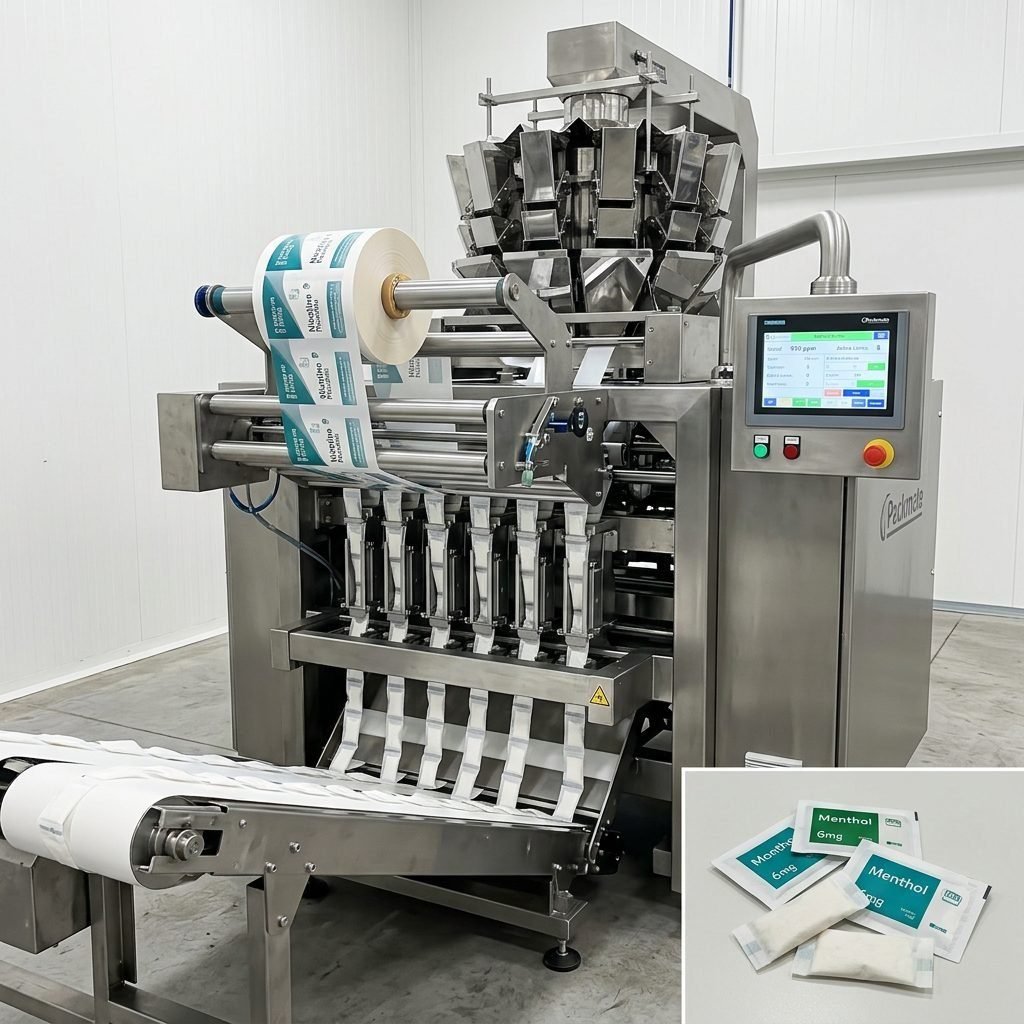
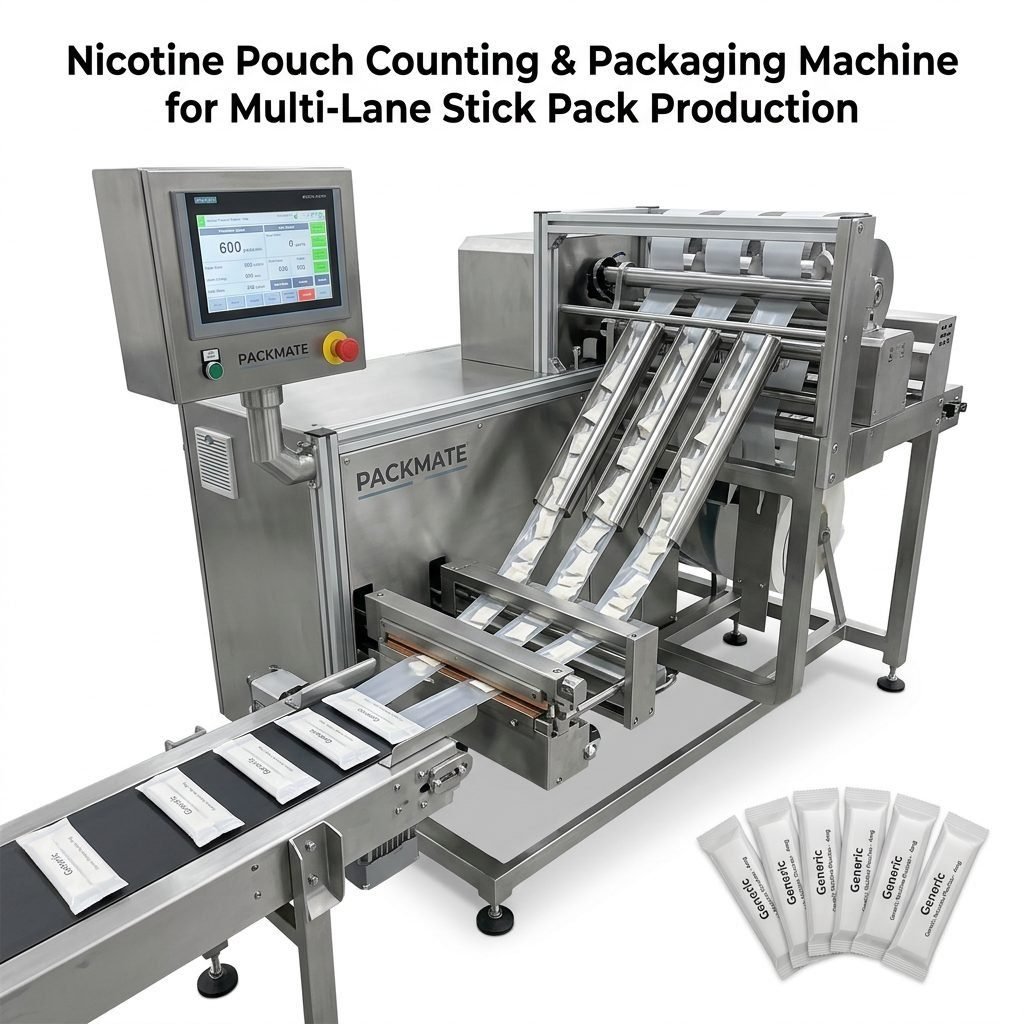
Choosing the right nicotine packaging machine for production in Trinidad and Tobago requires a careful balance of local regulatory compliance, production capacity, product format flexibility, and long-term service support. This guide walks you through the practical decisions, technical specifications, and vendor considerations that will help you select a machine that fits your business goals — whether you are packaging single-dose nicotine pouches, snus, stick packs, sachets, powders, or liquids.
Understand Your Product and Output Requirements
The first step is to define exactly what you need the machine to produce. Nicotine products can vary significantly:
• Single-dose nicotine pouches and snus require precise portioning and sealed pouches to ensure consistent dosing and shelf life.
• Stick packs and sachets may require different sealing profiles, materials, and printing options.
• Powders, granules, and liquid formulations each bring their own filling challenges and often need dedicated filling modules.
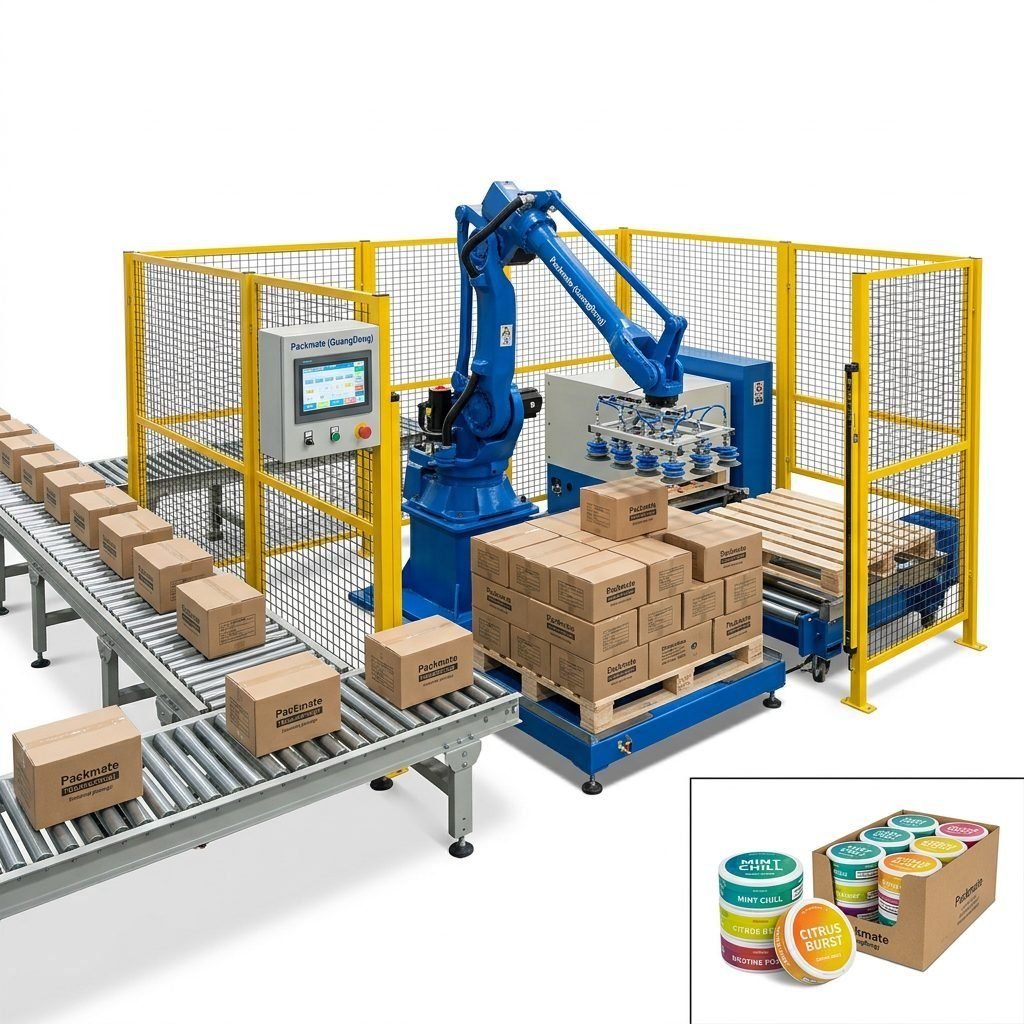
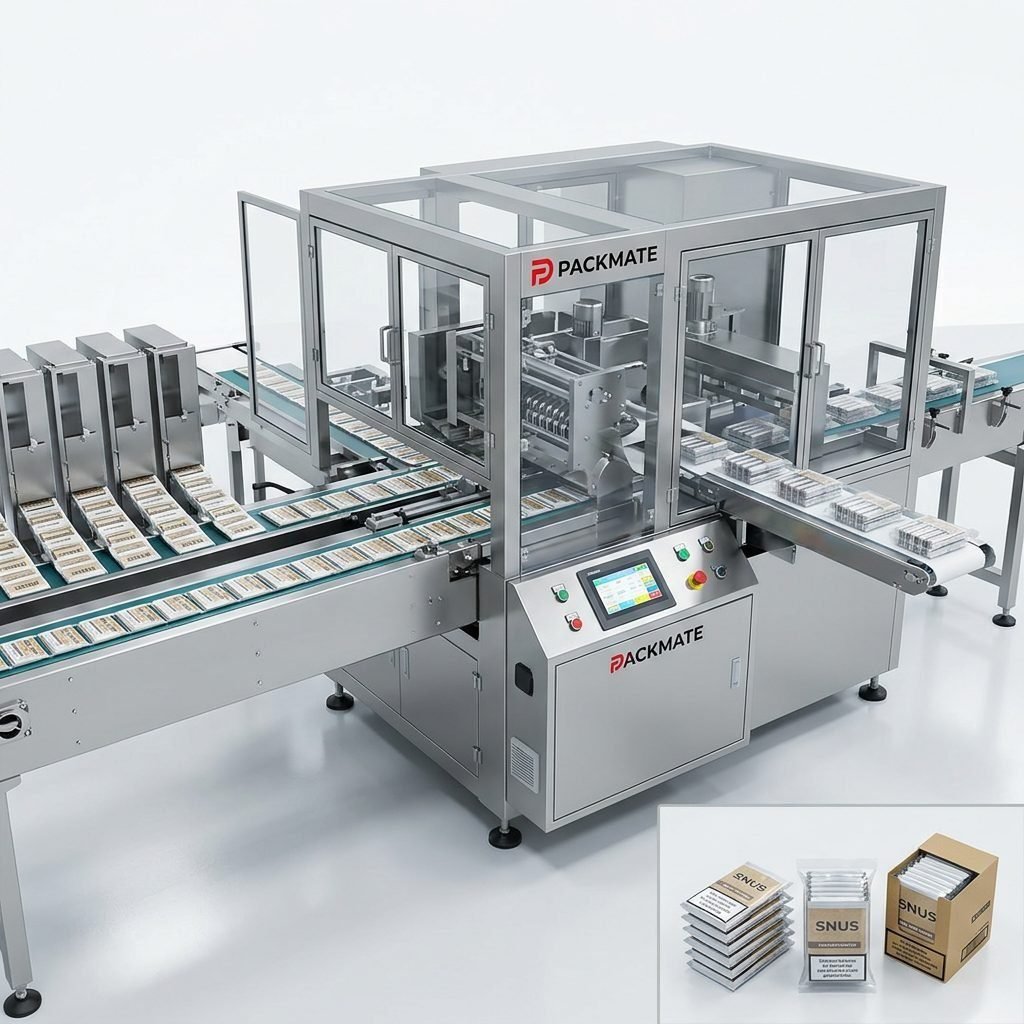
Define your desired production speed (units per minute or per hour), packaging format (pouch, stick, sachet, multi-lane), and any secondary operations (cartoning, case packing, labeling). Machines like multi-lane snus packaging lines deliver very high throughput for small-dose pouches, while single-lane sachet machines are suitable for lower-volume or specialized products.
Key production questions to answer
Before contacting suppliers, be ready to answer:
• What is your target daily, weekly, and monthly output?
• Which pouch sizes and materials will you use?
• Do you need multi-lane capability for high-volume lines?
• What level of automation and integration do you expect (weighing, feeding, labeling)?
Tip: If you anticipate growth, consider machines with modular designs that can be upgraded (e.g., adding extra lanes or integrating a different filling head) to avoid a full replacement later.
Match Machine Type to Your Product Format
Packaging machines are specialized. Selecting the right machine family will reduce unexpected production issues:
Snus & nicotine pouch machines
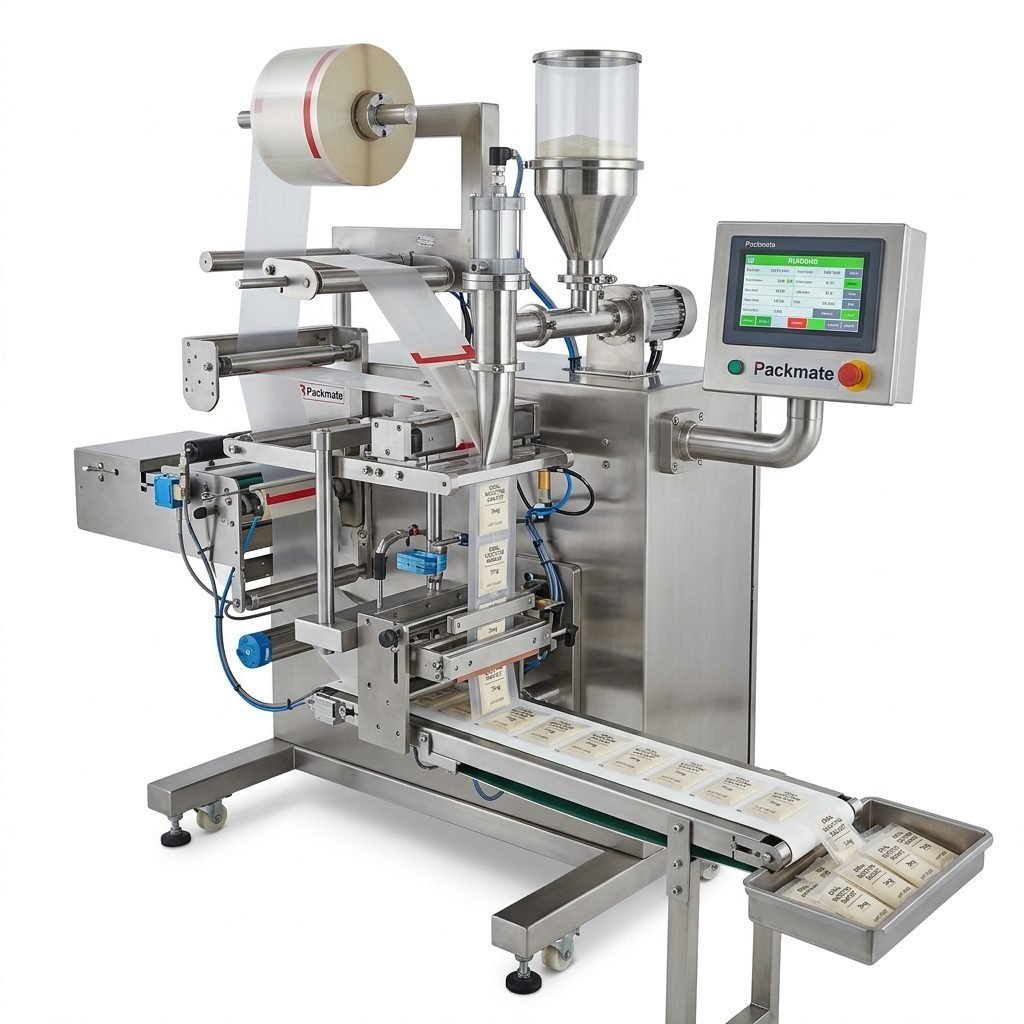
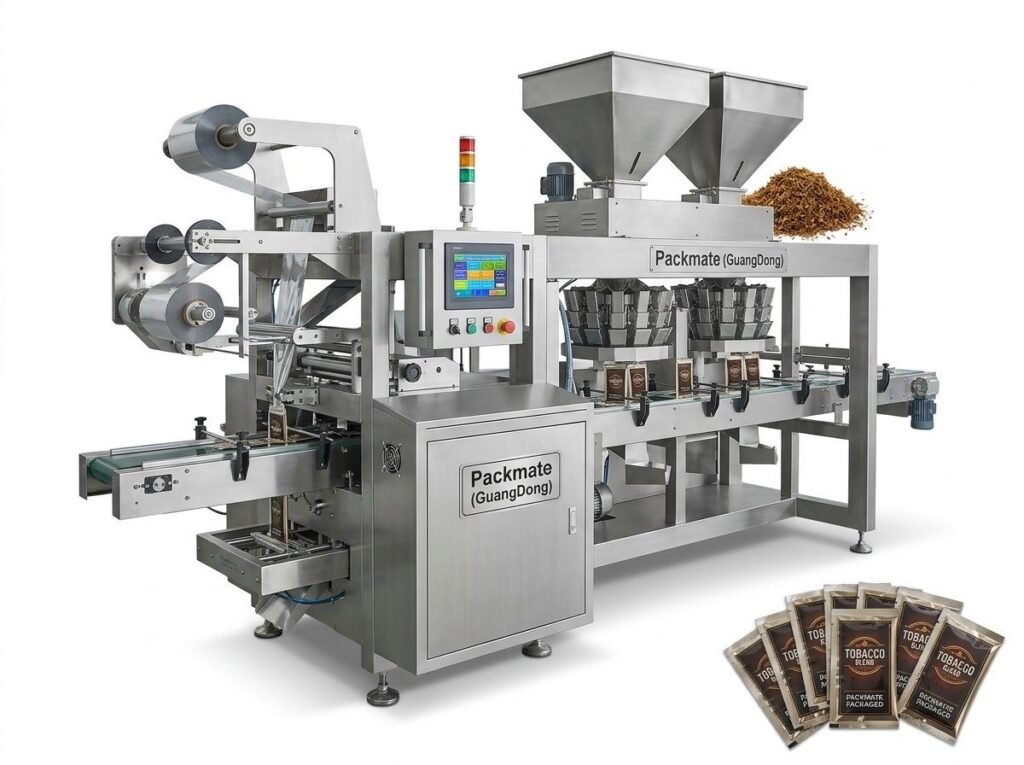
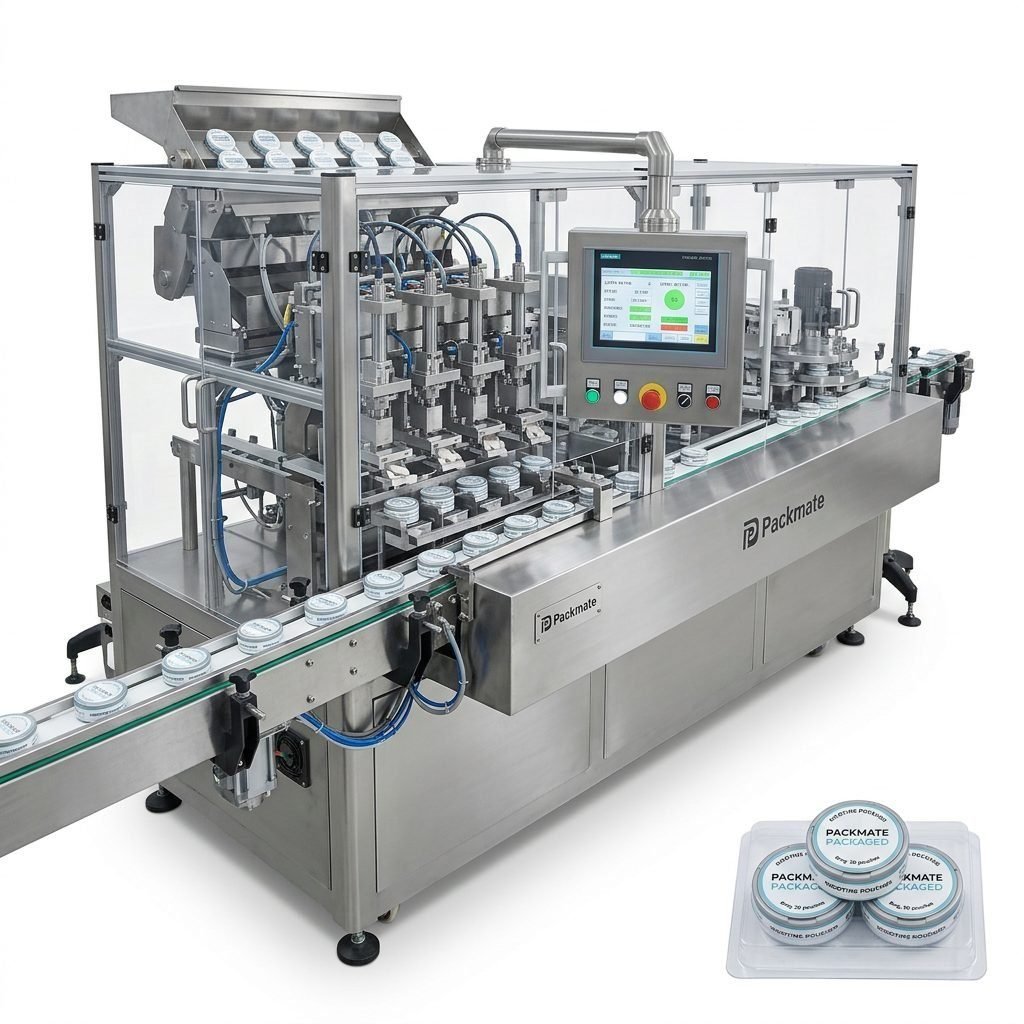
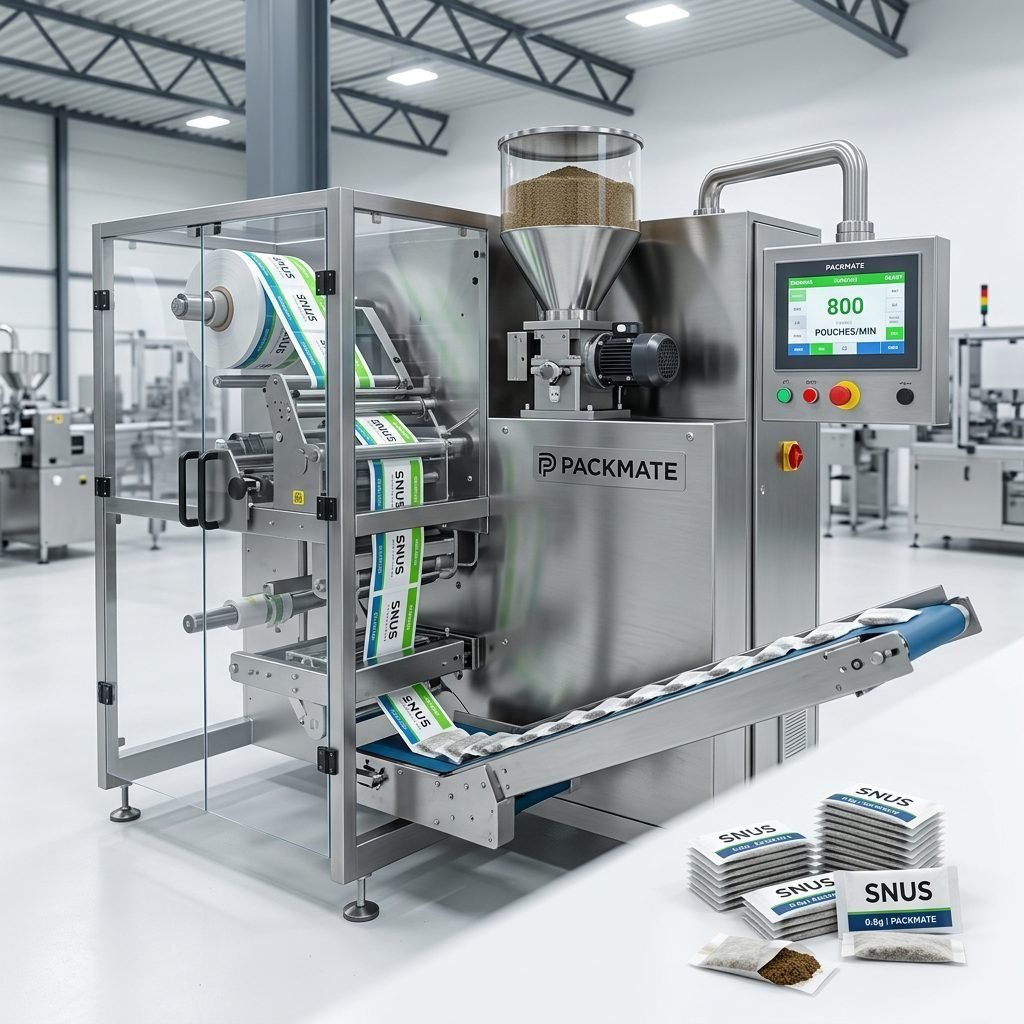
These machines are designed for small-dose pouch forming, filling, and sealing. They emphasize accurate dosing, gentle handling, and consistent pouch weld quality. For manufacturers in Trinidad and Tobago producing nicotine pouches, a high-performance snus packing line will often be the best fit. See examples of dedicated lines at
Snus & Nicotine Packaging Machines.
Sachet & stick pack machines
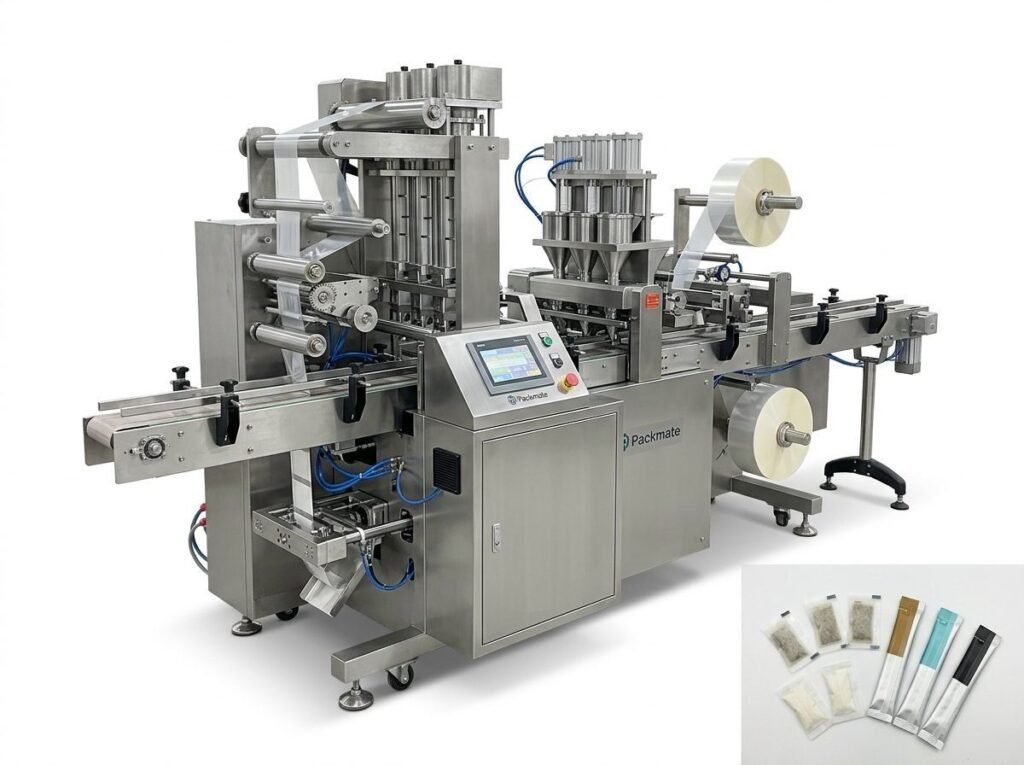
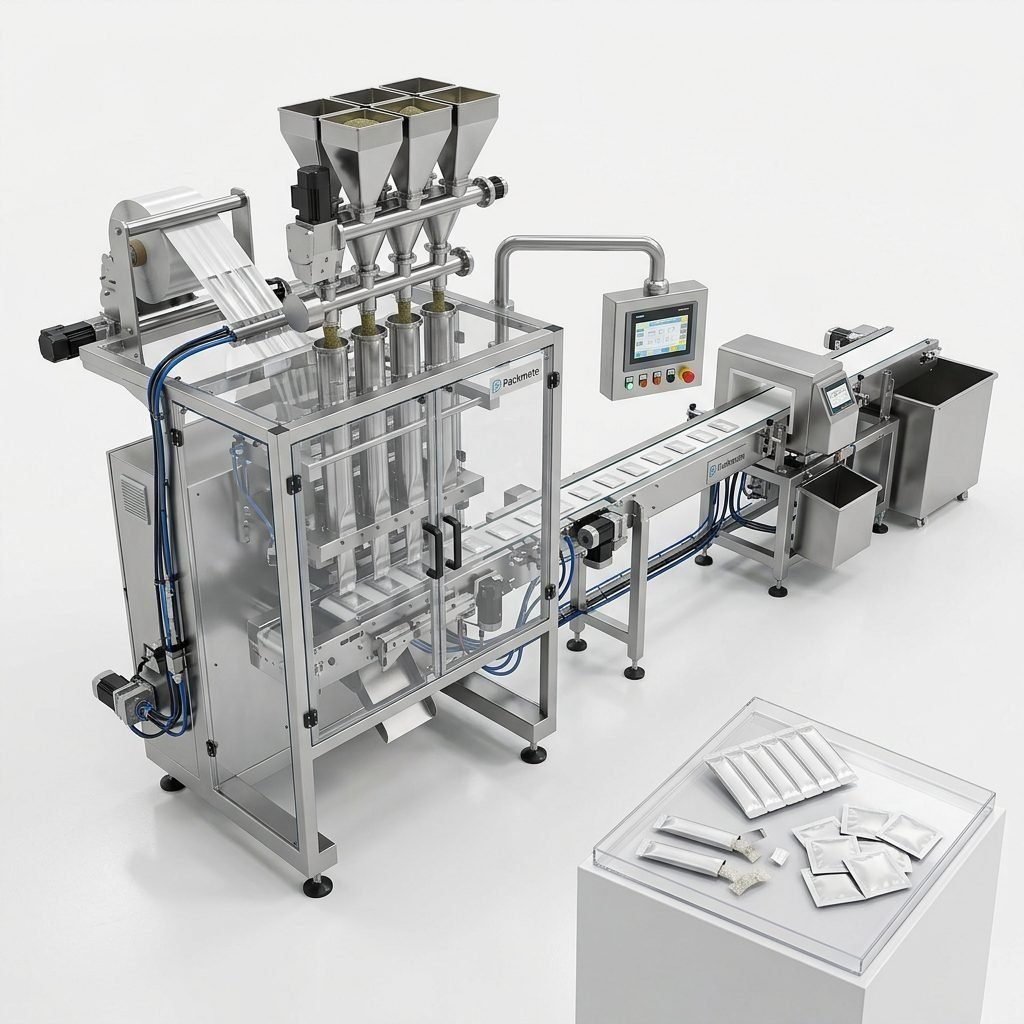
If you plan to offer single-serve sachets or stick packs, choose a machine that supports the specific seal type and print layout. These machines are versatile for powders, granules, and some liquid formulations. Learn more about high-speed stick and sachet systems at
Sachet & Stick Pack Machines.
Filling & multi-functional lines
For operations needing weighing systems, dosing for multiple SKUs, or combined processes (filling, sealing, cartoning), consider integrated filling & packaging lines. These systems often reduce labor and increase consistency.
Explore options at Filling & Packaging Lines.
🔍 Quick checklist: pouch dimensions, sealing type, material compatibility, dosing accuracy, and speed (units/min).
Evaluate Technical Specifications and Build Quality
Technical robustness determines how well a machine performs over time in a production environment. Key specs to review include:
• Construction materials and corrosion resistance (stainless steel contact parts).
• Precision of dosing systems (volumetric vs. electronic weighing).
• PLC and HMI quality — look for user-friendly controls and recipe management.
• Servo-driven components for accuracy and repeatability.
• Availability of spare parts and local service partners.
⚙️ Durability flag: Machines built with robust CNC-machined components and precision assemblies typically last longer with lower downtime. Packmate’s 20,000㎡ factory and advanced CNC production are indicators of scalable manufacturing quality. Learn more About Packmate.
Compliance, Certification, and Local Regulations in Trinidad and Tobago
Nicotine and snus products are regulated in many jurisdictions. Ensure your chosen machine supports compliance requirements:
• Materials in contact with product must meet hygienic standards.
• Sealing integrity and traceability systems may be needed for regulatory audits.
• Electrical safety and machine standards (CE, ISO) are important when importing equipment.
Choosing a manufacturer with international certifications and export experience reduces customs and compliance friction. Packmate Snus Machine provides CE and ISO-compliant equipment and global support networks that help simplify cross-border procurement.
Power, Climate, and Site Requirements
Verify local site constraints in Trinidad and Tobago:
• Electrical supply and phase requirements.
• Humidity and temperature control — nicotine products can be sensitive to storage conditions.
• Floor load capacity, ventilation, and noise considerations.
Service, Spare Parts, and After-Sales Support
After-sales service is critical to minimize downtime. Ask potential suppliers about:
• Lead times for spare parts and common wear items.
• Availability of remote troubleshooting and local technicians.
• Warranty coverage and preventative maintenance packages.
• Training for your operators and maintenance staff.
✅ Practical advice: Select a supplier that offers clear spare-part lists and can commit to rapid replacement shipping. Check case studies or customer references — for example, Packmate shares global cooperation cases demonstrating long-term service relationships at Case.
Cost Considerations: CapEx vs. OpEx
Price is important, but consider total cost of ownership:
• Initial capital expenditure (machine, tooling, installation).
• Operating costs (energy, maintenance, spare parts).
• Labor efficiency and throughput (higher-speed machines can reduce per-unit labor costs).
• Resale value and upgradeability.
A well-engineered machine with modular upgrades can lower your long-term OpEx even if the initial CapEx is higher. Consider financing options or turnkey solutions that include installation, commissioning, and training.
Factory Acceptance Testing and Commissioning
Before shipment, request Factory Acceptance Testing (FAT) and documented performance reports to verify the machine meets your specifications. FAT should include:
• Speed and throughput validation using your materials.
• Accuracy tests for dosing and weighing.
• Sealing and integrity checks.
• HMI demonstration and recipe loading.
After arrival in Trinidad and Tobago, plan for Site Acceptance Testing (SAT) with the supplier to confirm installation, training, and handover documentation.
📦 Shipping & installation note: Understand packing, crating standards, and customs clearance requirements. A supplier experienced with international exports can reduce delays and unexpected fees. Contact details and service information at Contact Us.
Vendor Selection: Questions to Ask Potential Suppliers
When evaluating vendors, use a structured checklist:
1. Can you provide references or case studies relevant to nicotine pouch production?
2. What certifications (CE/ISO) and quality processes do you follow?
3. What is included in warranty and after-sales support?
4. Are spare parts stocked locally or available for fast shipping?
5. Do you offer FAT and on-site commissioning?
A strong supplier will provide thorough answers, sample videos, and documented performance data. Consider suppliers with decades of engineering experience and a robust factory footprint to ensure product reliability and spare-part availability.
Why choose an experienced manufacturer?
Manufacturers with deep heritage in packaging machinery bring design maturity, tested solutions, and a broad range of compatible models. Packmate Snus Machine, for instance, emphasizes 30+ years of engineering and a wide product range including snus packing machines, sachet machines, and auxiliary equipment, which can be valuable when scaling production.
Explore their product range: Bag & Pouch Packaging Machines and Weighing & Packaging Systems.
Implementation Roadmap for Trinidad and Tobago Producers
A practical roadmap helps smooth the transition from purchase to full production:
• Define product formats, throughput goals, and regulatory needs.
• Shortlist suppliers and request quotations including optional extras.
• Schedule FAT and a clear delivery timeline.
• Prepare production site: power, HVAC, floors, and staff.
• Plan SAT, operator training, and maintenance handover.
🔧 Operational readiness: Ensure spare parts inventory and a maintenance contract are in place before commissioning to minimize early operational disruptions.
Final Selection Checklist
Use the following concise checklist when making your final decision:
• Product compatibility and dosing accuracy.
• Required throughput and lane configuration.
• Build quality, materials, and certifications.
• After-sales support, spare parts, and local service ability.
• Total cost of ownership and upgrade paths.
• Proven track record and customer references.
Closing thoughts
Selecting the right nicotine packaging machine in Trinidad and Tobago is a strategic decision that affects product quality, compliance, and long-term profitability. Prioritize machines that combine precise dosing, robust construction, modular upgradeability, and strong after-sales support. Working with experienced manufacturers who provide FAT, documented case studies, and reliable spare-part supply will significantly de-risk your investment and accelerate time to market.
Frequently Asked Questions (FAQs)
Q: What is the typical lead time for a custom snus packaging line?
A: Lead time varies by configuration and customization but typically ranges from 8 to 20 weeks including FAT and final testing. Ask your supplier for a detailed schedule.
Q: Can one machine handle multiple pouch sizes and materials?
A: Many modern machines are designed with adjustable tooling and recipes to handle several pouch sizes and materials, but extreme size or material differences may require additional tooling or separate machines.
Q: How important is FAT before shipment?
A: Very important. FAT confirms the machine meets agreed specifications using your materials or equivalents, reducing the risk of issues at installation and speeding up commissioning.
Q: What kind of after-sales support should I expect?
A: Expect spare-part availability, remote troubleshooting, on-site commissioning, and operator maintenance training. Contracts vary; prioritize vendors who provide clear SLAs and parts lists.
Q: Where can I find more information about turnkey solutions and specific machine models?
A: For a deeper dive into machine types, turnkey lines, and auxiliary equipment, review product catalogs and contact suppliers directly. Packmate presents a full range of models and services at their product pages and service sections.