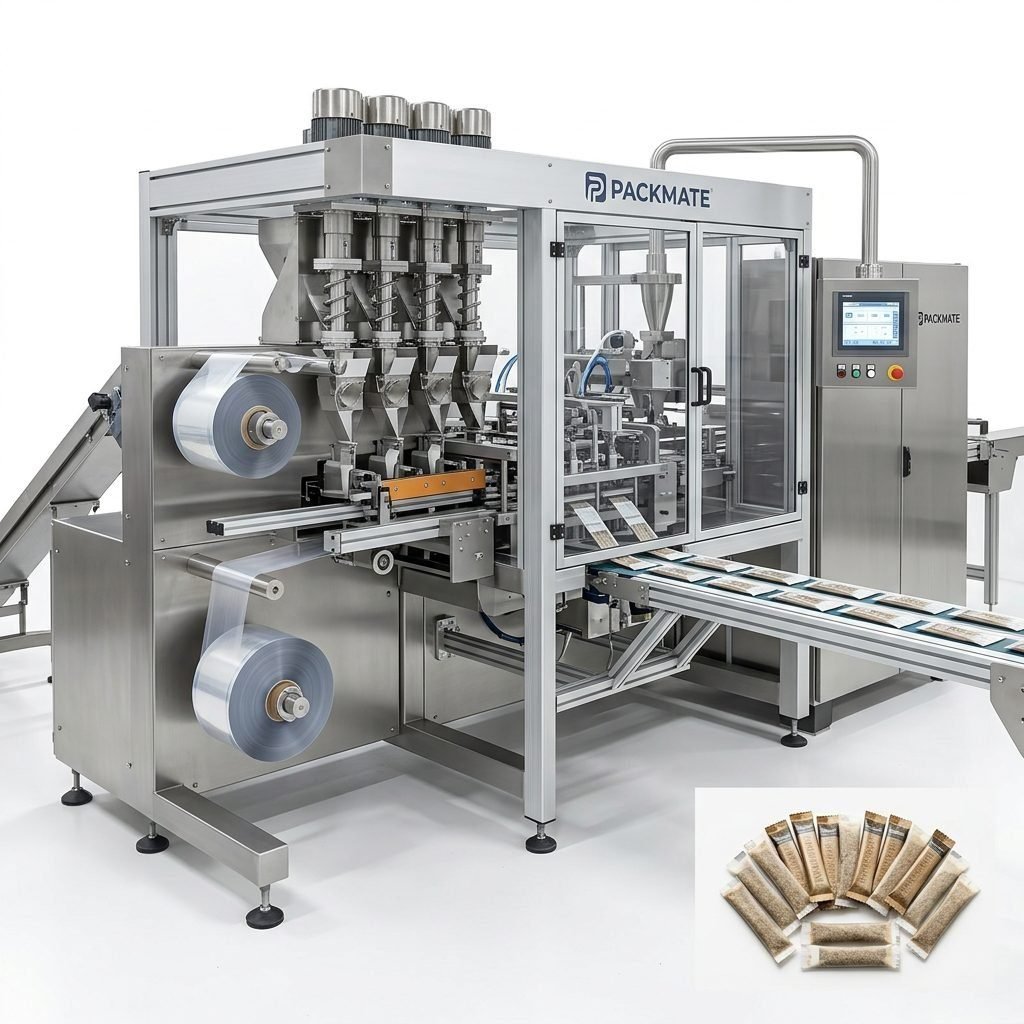
Choosing the right snus packaging machine manufacturer in the Dominican Republic involves more than comparing prices. You need a partner who understands nicotine pouch production, offers reliable engineering, and provides long-term technical support. This guide walks you through the essential criteria, inspection checklist, and practical tips to select a manufacturer that delivers high performance, compliance, and scalable solutions.
Understand the Machine Types and Production Needs
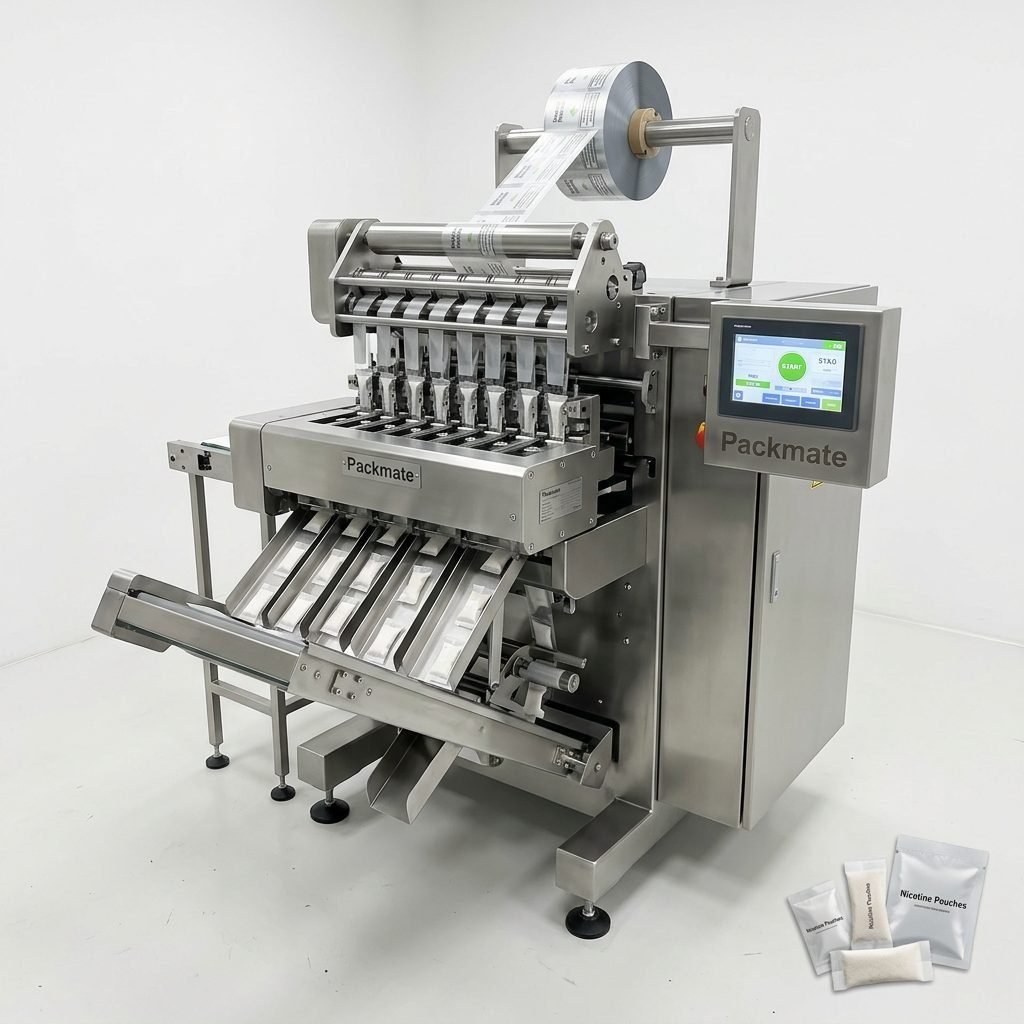
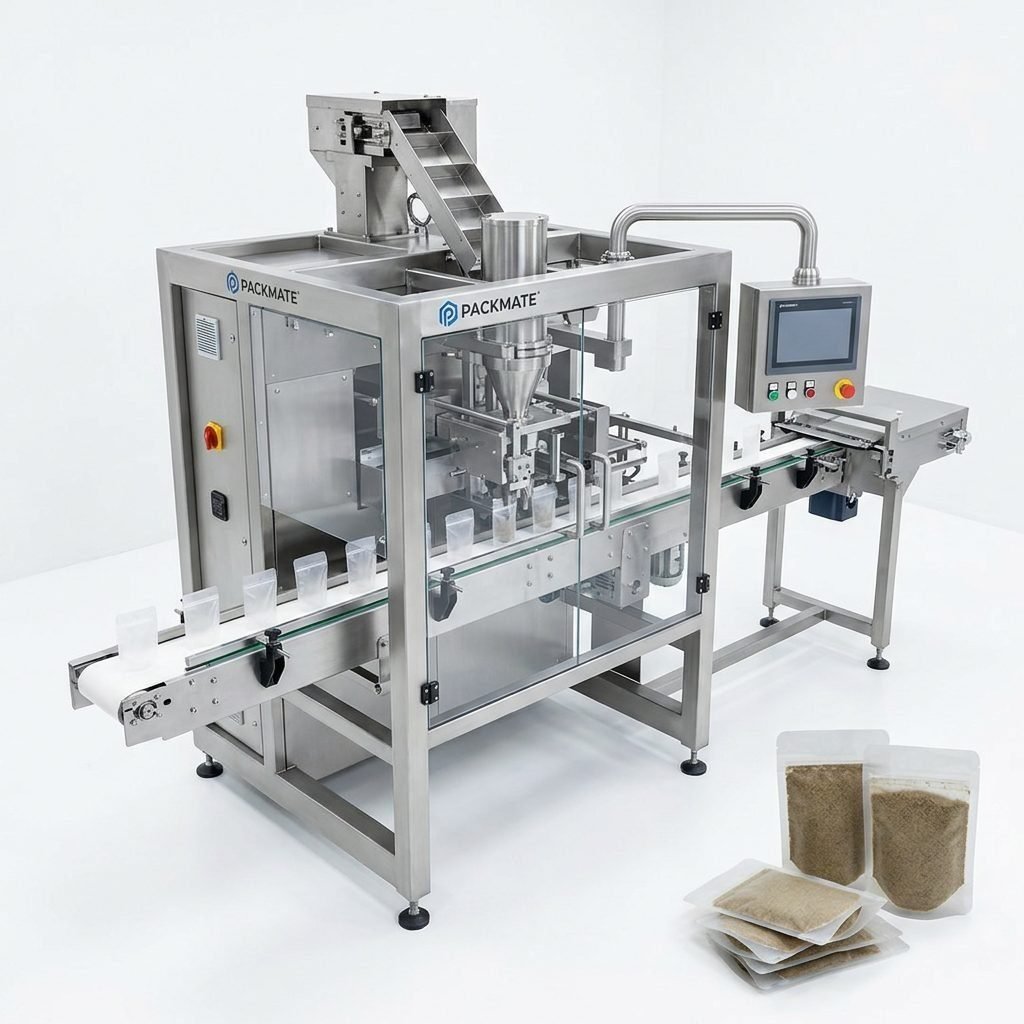
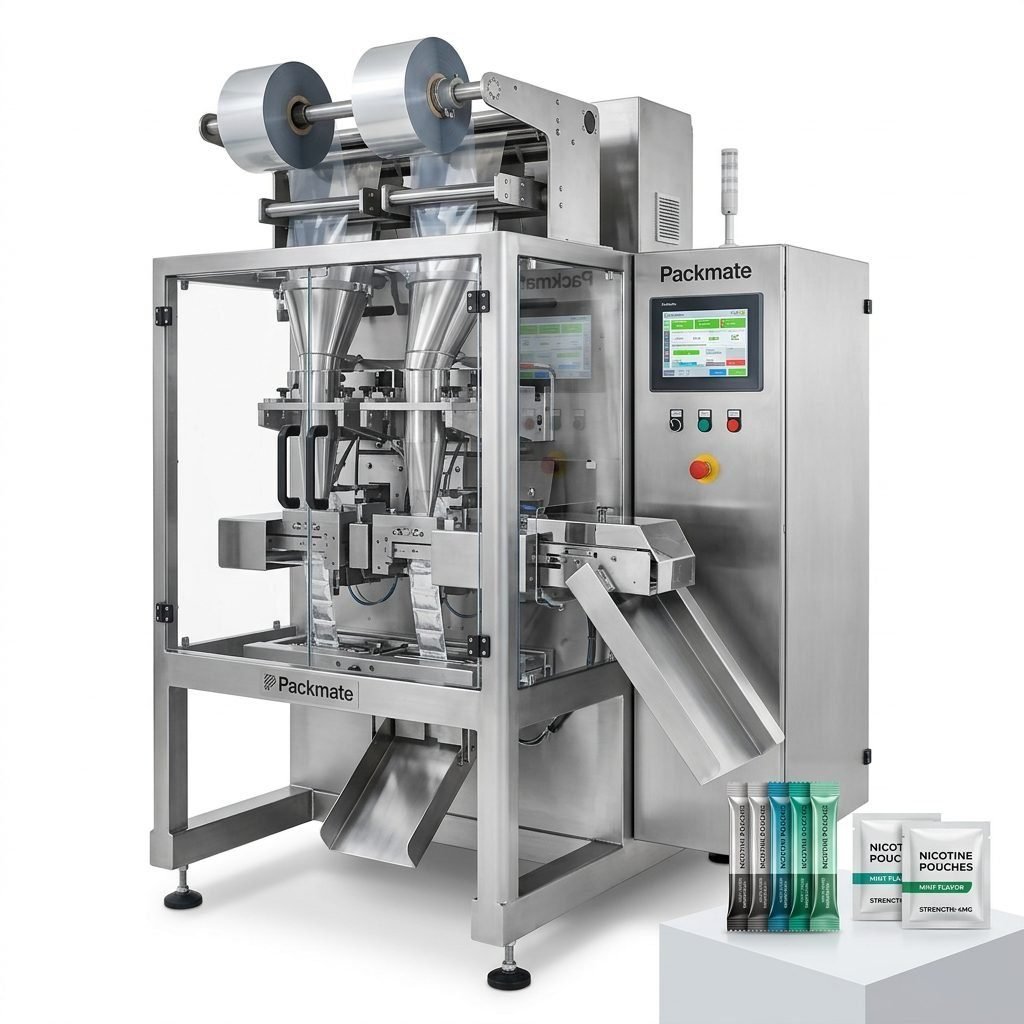
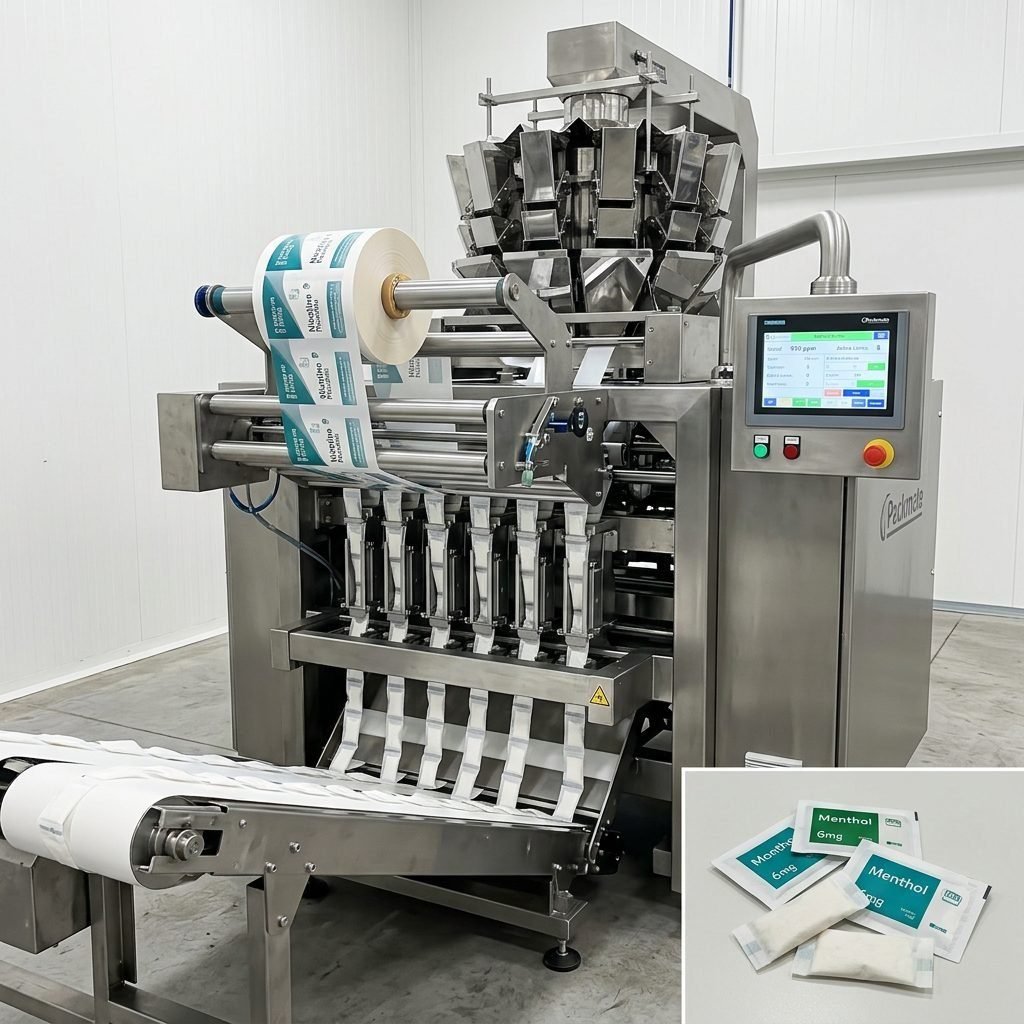
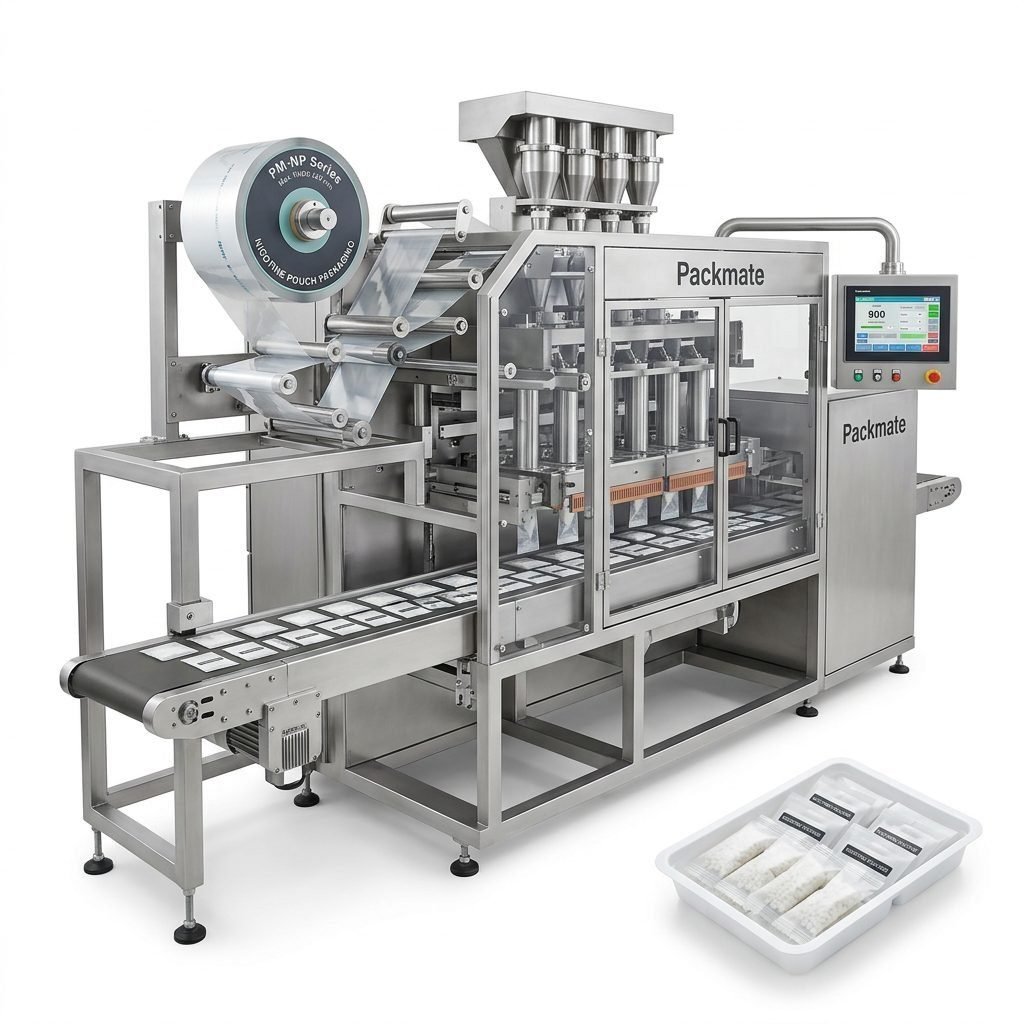
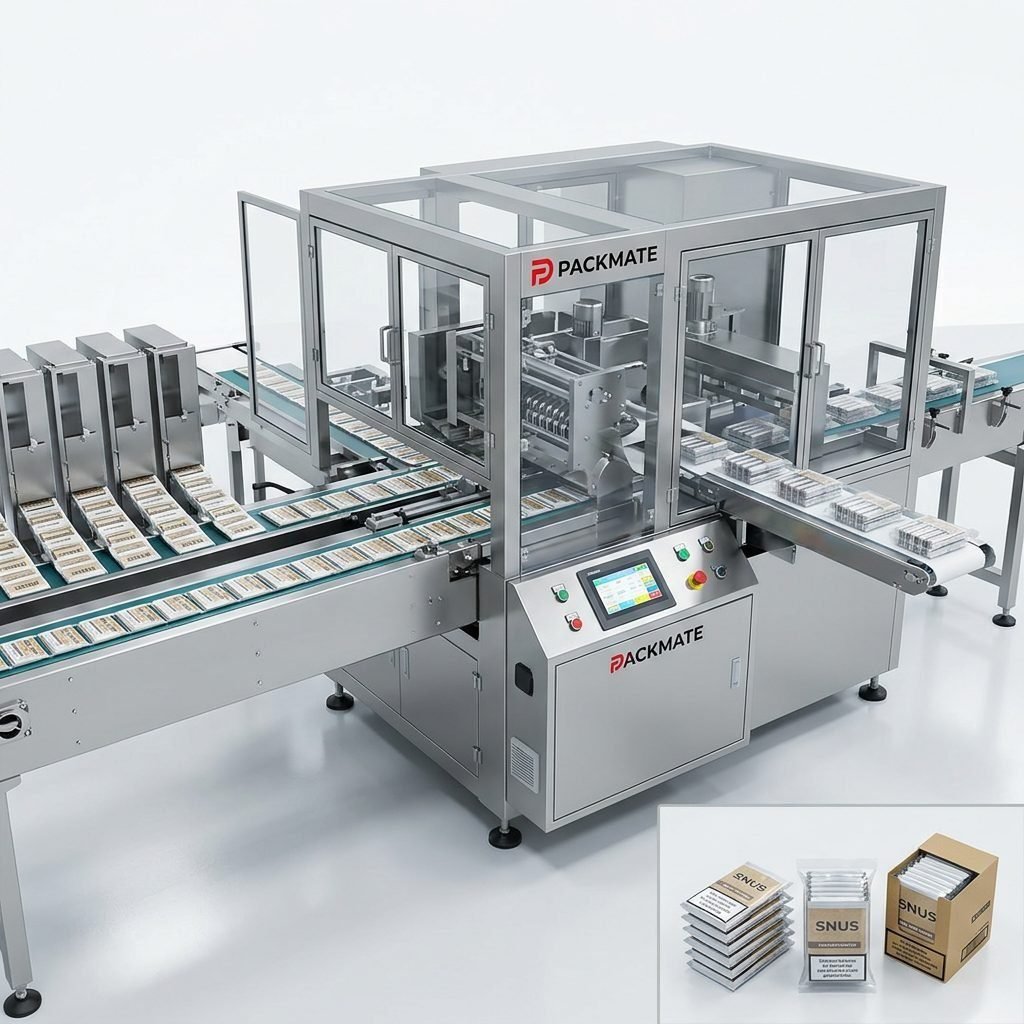
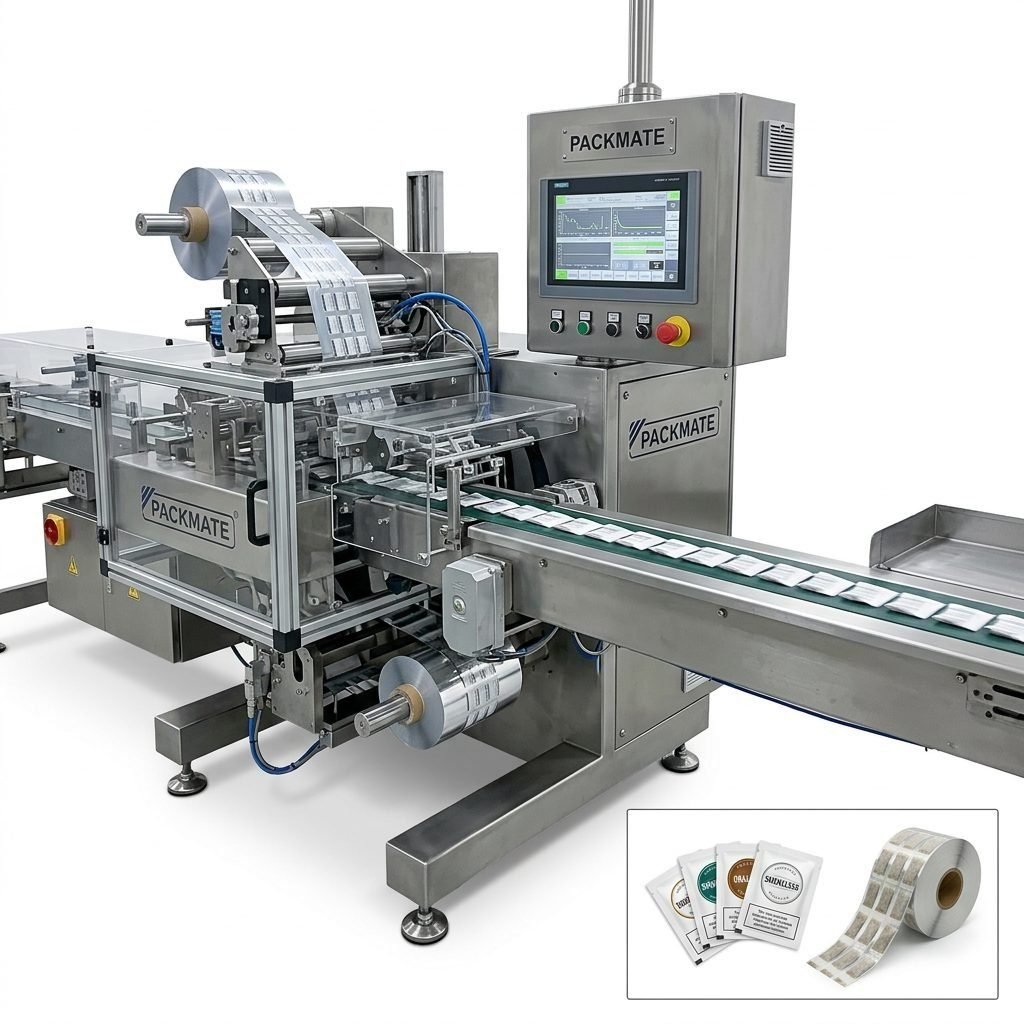
📌 First identify the packaging formats you will produce: loose snus pouches, nicotine sachets, stick packs, or multi-lane small-dose pouches. Each format has unique mechanical and dosing requirements. For example, multi-lane systems demand exact synchronization across lanes to ensure uniform pouch weight and seal integrity. Explore specialized solutions such as the Snus & Nicotine Packaging Machines and Sachet & Stick Pack Machines to match your product profile.
Key Technical Specifications to Evaluate
Knowing the right technical metrics helps you compare machines objectively. Focus on:
⚙️ Production speed (pouches/min) — ensure the machine meets your throughput targets at target quality and with your chosen pouch size.
🎯 Filling accuracy — critical for nicotine dosage control and regulatory compliance. Look for high-precision feeders and load-cell or weigh-scale integrations.
🔗 Lane count & scalability — multi-lane options let you produce multiple small pouches in parallel, improving yield without raising line speed.
🔌 Control & automation — PLC & servo systems for fast changeovers, recipe management, and minimal manual adjustments.
🧰 Materials & sealing — ensure compatibility with barrier films and reliable sealing systems to preserve product shelf life.
Factory Strength and Manufacturing Capability
📦 A supplier’s manufacturing base reveals its ability to deliver consistent machines and scale production. Look for factories with:
– Advanced CNC machining centers and precision assembly lines.
– Dedicated QC testing areas for endurance and performance tests.
– Factory area and output capacity—Packmate’s 20,000㎡ facility and 50+ machine models are examples of strong manufacturing capability. Learn more About Packmate.
Certifications, Standards and Compliance
Compliance reduces risk. Verify CE, ISO and other applicable certifications. Machines used for nicotine pouch production must meet safety and hygiene standards — ask for test reports and compliance documentation.
Customization & Turnkey Solutions
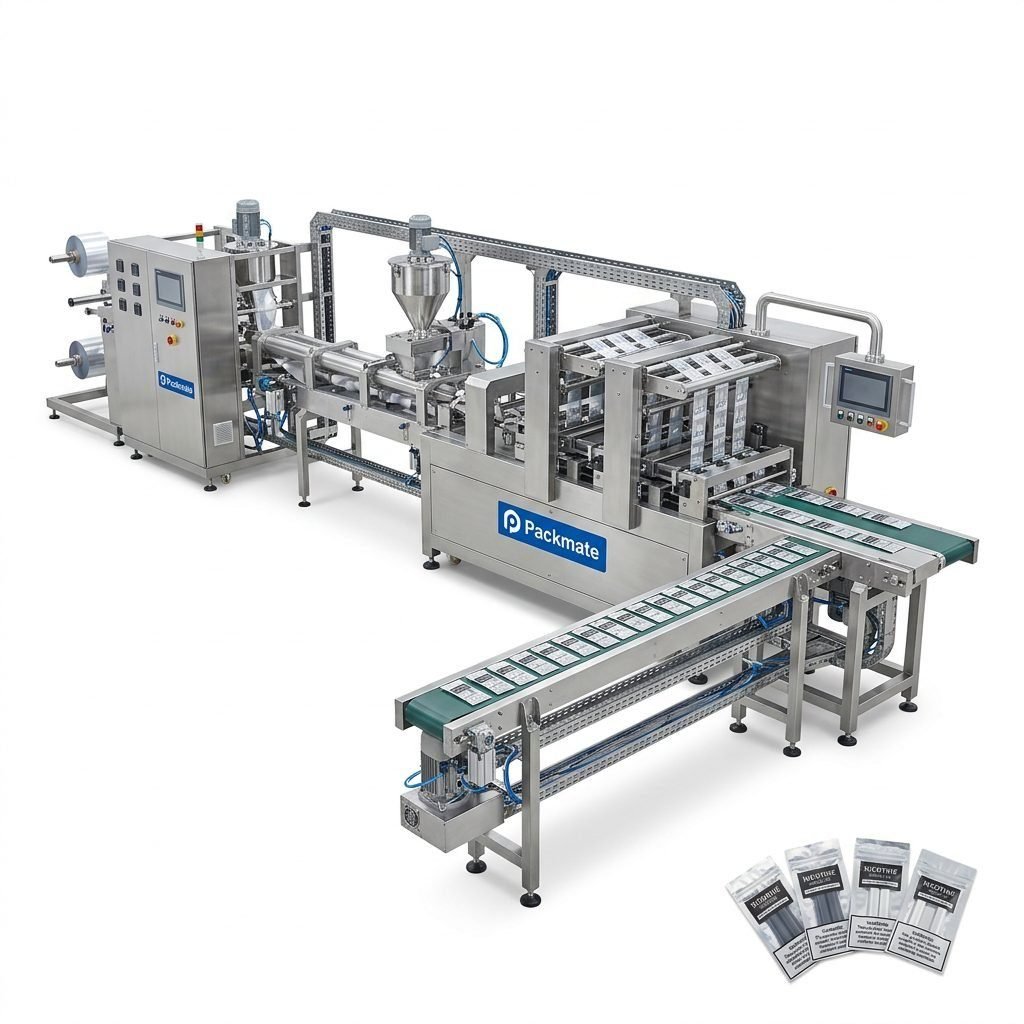
📈 If you need a complete line—feeding, dosing, multi-lane forming, sealing, checkweighing, boxing—choose a manufacturer offering turnkey solutions. Customization includes recipe-driven changeovers, tailored pouch sizes, and integration with upstream/downstream equipment. Packmate and similar suppliers often provide full lines covering filling, weighing and packaging for a seamless workflow; see examples at Filling & Packaging Lines.
After-Sales Service and Spare Parts Availability
After-sales support is critical for uninterrupted production. Confirm:
🔧 Local technical support or rapid remote troubleshooting.
📦 Spare parts lead times and availability—ask for a spare parts list and recommended stock levels.
🧾 Warranty & service plans — get clarity on scope, response times, and on-site service options.
Cost vs Value: Total Cost of Ownership
💡 Price is only one factor. Consider energy consumption, maintenance intervals, mean time between failures (MTBF), production uptime, and the machine’s flexibility for future products. A slightly higher upfront investment may save significantly in operating costs over time.
How to Validate a Manufacturer: A Practical Checklist
Use this actionable checklist when evaluating a Dominican Republic manufacturer or their local representative:
✅ Factory visit or video tour to inspect assembly lines and CNC equipment.
✅ Request machine performance data and live demo or on-site trial.
✅ Ask for client references and global case studies to confirm reliability—see real-world implementations at the Case page.
✅ Check spare parts logistics and service SLA documentation.
✅ Evaluate documentation quality: operation manuals, spare parts lists, CE/ISO certificates.
Red Flags to Watch Out For
⚠️ Vague technical specifications or no test data.
⚠️ Limited spare parts support or long lead times without alternatives.
⚠️ No traceable references or reluctance to provide factory access or demo videos.
⚠️ Overpromising speeds without proof of long-term stability.
Questions to Ask During Negotiation
Ask specific, measurable questions to uncover operational realities:
– What is the validated speed for my pouch format and filling weight?
– Can you provide an MTBF report and maintenance schedule?
– How quickly can you ship spare parts to the Dominican Republic?
– What training do you include for operators and maintenance staff?
– Do you offer turnkey integration with our existing weighing and packaging lines? Learn about complementary systems at Weighing & Packaging Systems.
Negotiation Tips and Contract Essentials
Negotiate terms that protect your operation and ensure delivery of promised performance:
📑 Include acceptance tests: factory acceptance test (FAT) and site acceptance test (SAT) with defined KPIs.
⏱ Include penalties or remedies for missed delivery timelines and non-conforming performance.
🧾 Define spare parts list, lead times, and pricing commitments.
🛠 Define warranty scope, response times, and training deliverables.
Working with International Suppliers from the Dominican Republic
If you’re importing to or operating in the Dominican Republic, ensure logistics and customs are planned: packaging for transport, export documentation, and local certifications. Reliable suppliers will assist with export packing, documentation, and partner referrals in your region.
Meetings and Exhibitions
📅 Attend live demonstrations and fairs to verify machine performance and meet technical teams. Check manufacturer exhibition schedules at Our Exhibition.
Final Selection Checklist
📌 Confirm production specs, FAT/SAT KPIs, documentation, spare parts policy, warranty, and on-site training. Verify factory capability and references. Ensure price reflects total cost of ownership and not just purchase price. When in doubt, request a short-term rental or pilot run if available.
Getting Started: A Recommended Approach
Begin with a clear product specification sheet (pouch dimensions, fill weights, materials), estimated monthly output, and growth plan. Share this with shortlisted manufacturers to get tailored proposals and performance guarantees. For detailed product and service inquiries, contact the manufacturer directly via their Contact Us page.
Conclusion
Selecting the best snus packaging machine manufacturer requires technical scrutiny, factory validation, and clarity on service commitments. Prioritize accuracy, uptime, and a partner that offers scalable turnkey solutions. With the right approach you will secure reliable equipment that supports compliance, productivity, and long-term growth.
Frequently Asked Questions
Q1 📌 What is the typical lead time for a snus packaging machine?
A1 The lead time varies by customization and factory queue but typically ranges from 8 to 20 weeks. Confirm with the manufacturer and include shipping and customs time for delivery to the Dominican Republic.
Q2 📌 How can I verify machine performance before purchase?
A2 Request a factory acceptance test (FAT), video demo with your specified pouch, or references with similar installations. Insist on documented KPIs for speed, accuracy, and uptime.
Q3 📌 Are turnkey lines expensive compared to single machines?
A3 Turnkey solutions have higher upfront cost but reduce integration risk, shorten commissioning time, and typically lower total cost of ownership through optimized workflows and fewer compatibility issues.
Q4 📌 How important are certifications like CE and ISO?
A4 Certifications demonstrate adherence to international safety and quality standards. They are essential for export compliance, workplace safety, and establishing trust with regulators and partners.