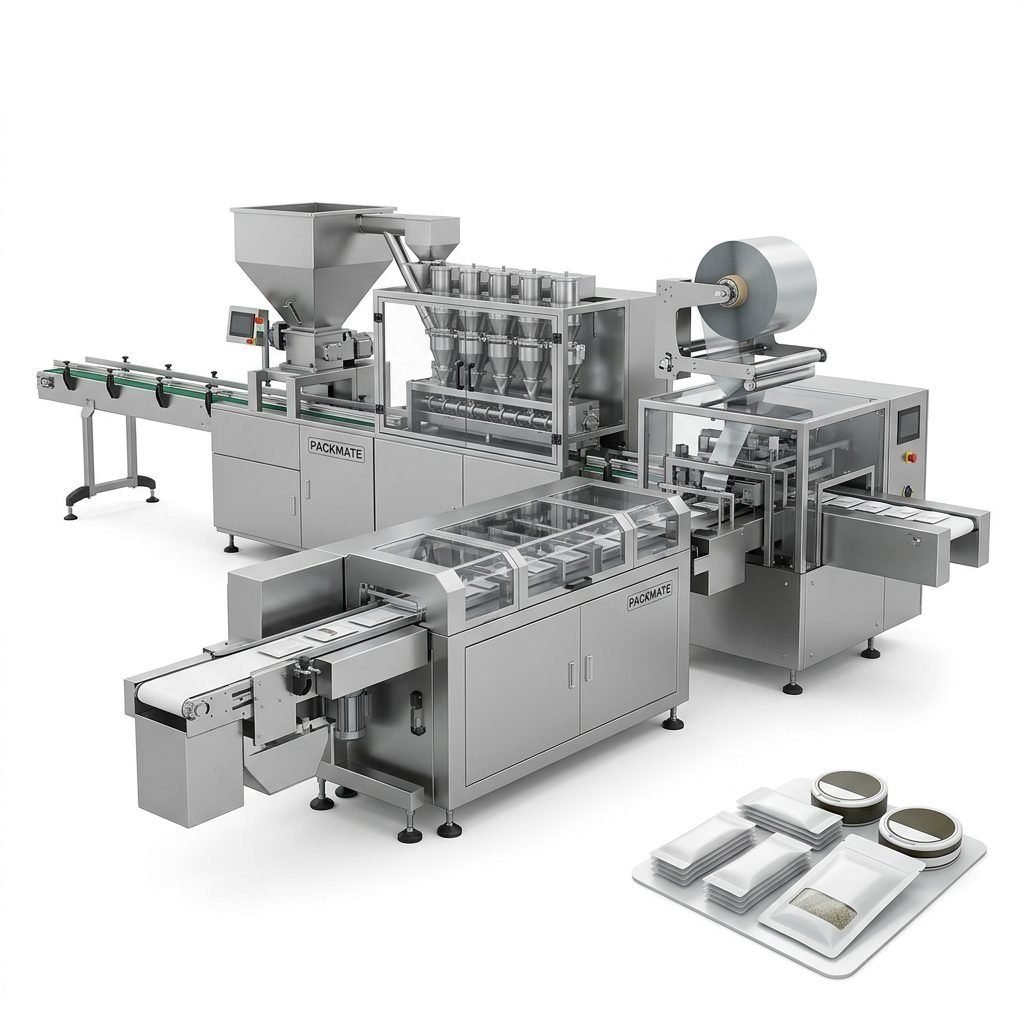
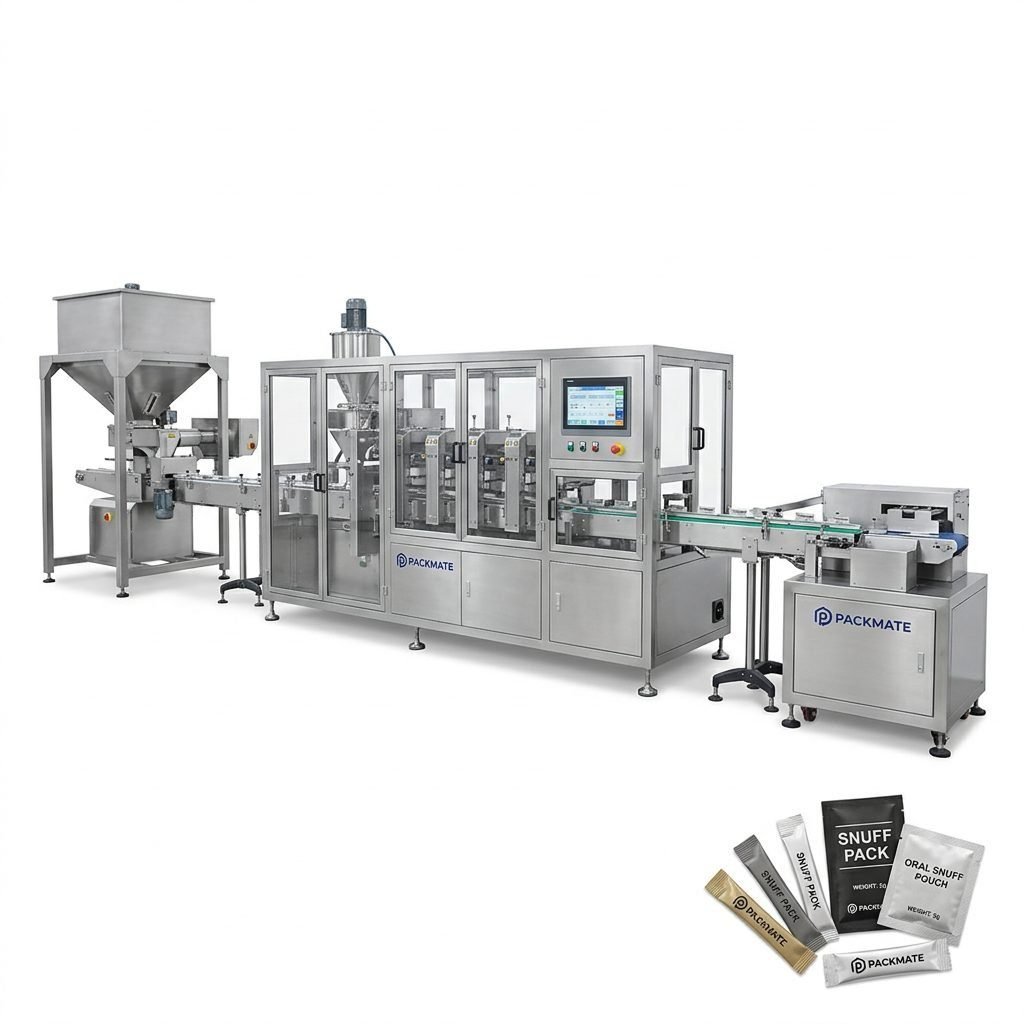
Choosing the right nicotine packaging machine in Guinea can be the difference between inconsistent output and a reliable, scalable production line. This guide walks you through the practical considerations, technical features, and vendor evaluation criteria you need to select the best snus or nicotine pouch packaging solution for your business. Whether you are expanding capacity or building a new production line from scratch, these insights will help you make an informed investment.
Understand Your Product and Production Needs
The first step in choosing any packaging equipment is a clear definition of your product specifications and throughput targets. Ask yourself:
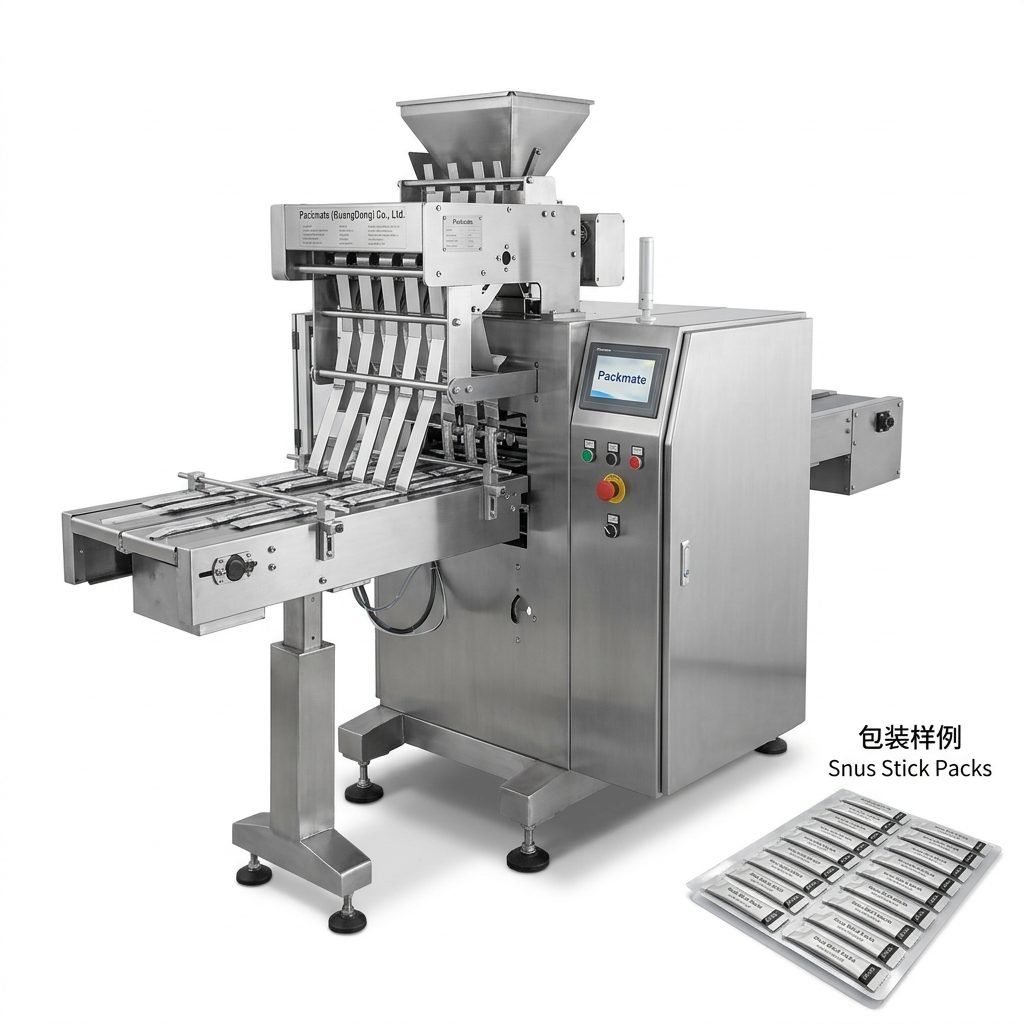
• Product format: nicotine pouches, snus sachets, stick packs, or loose powder/granule systems.
• Pouch size and dose accuracy requirements — small-dose multi-lane systems require higher precision.
• Expected output (pieces per minute) and planned shifts per day to determine capacity and reliability needs.
Match Machine Type to Your Product
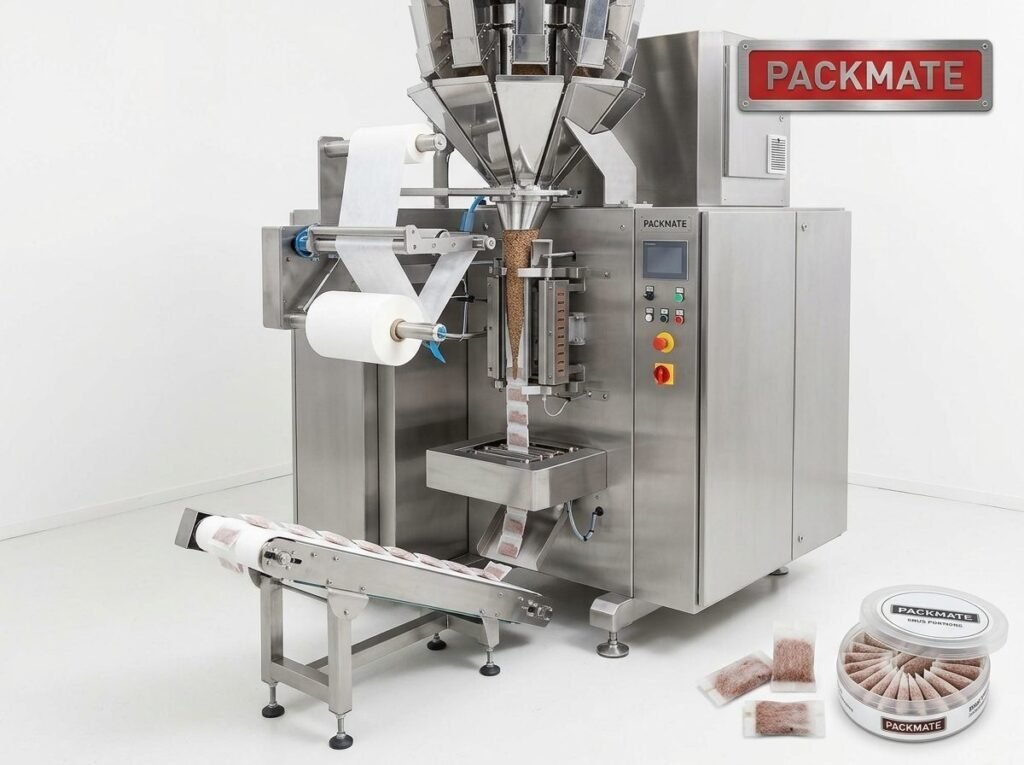
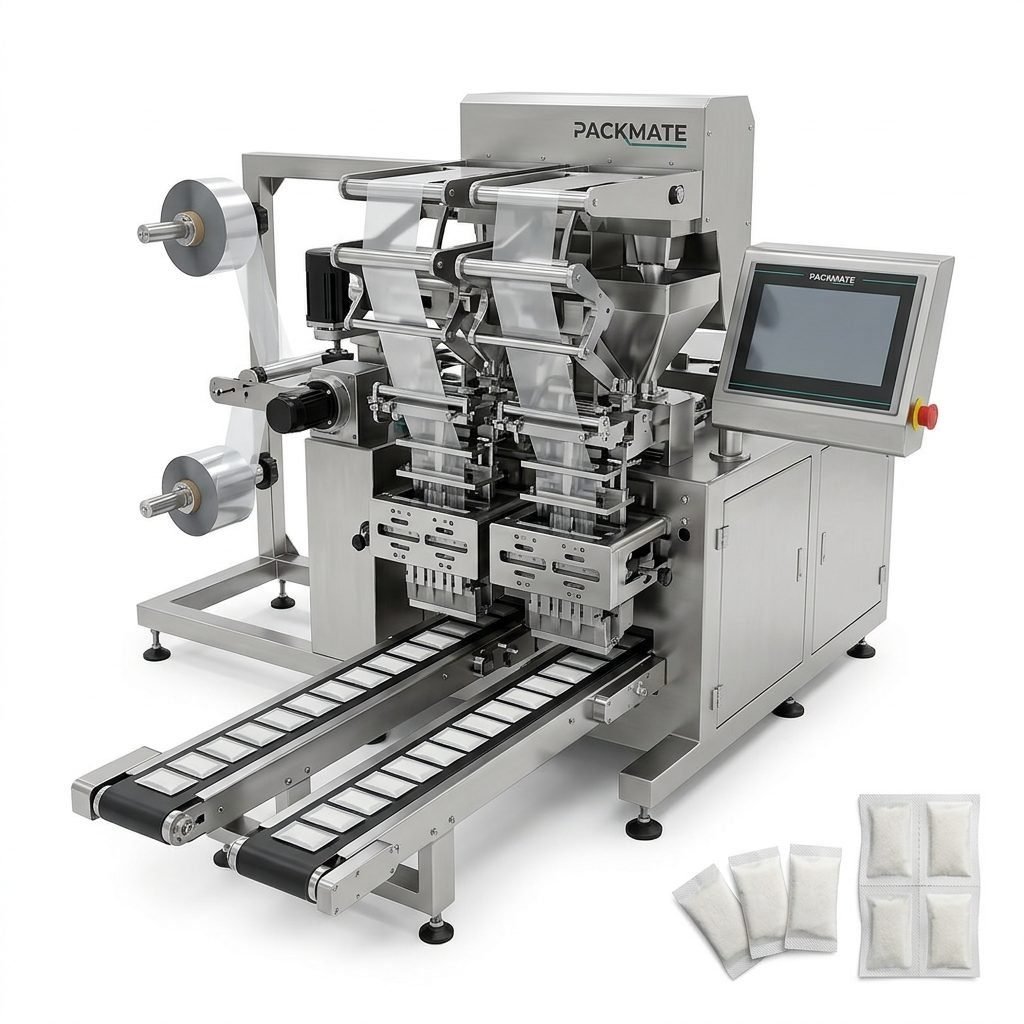
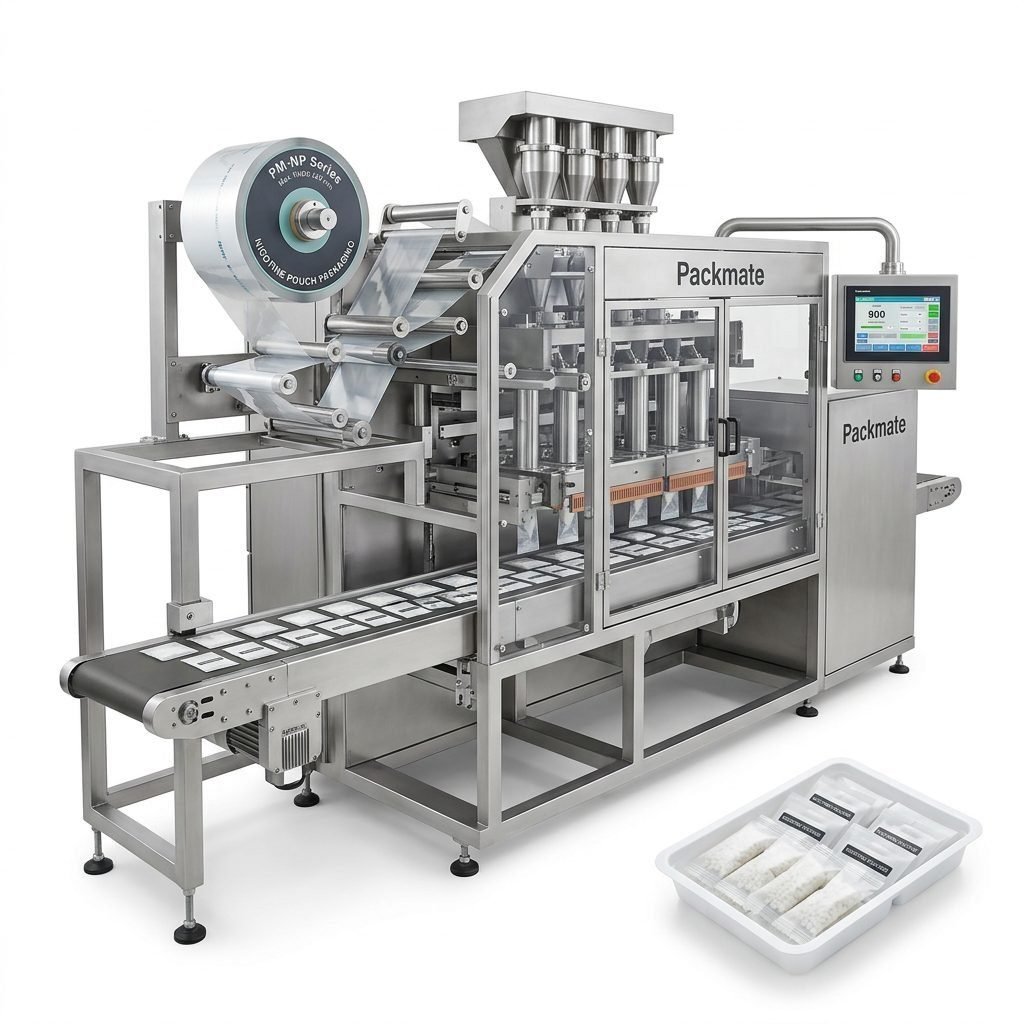
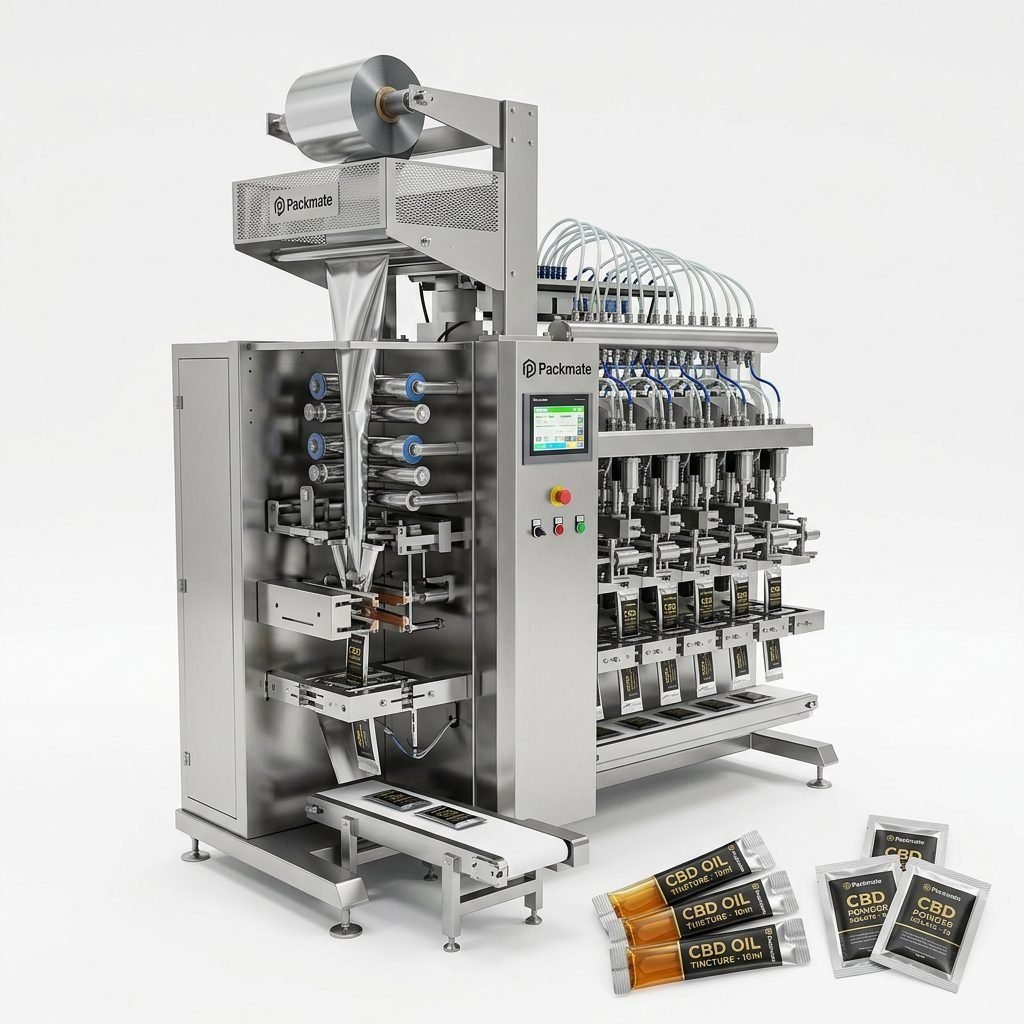
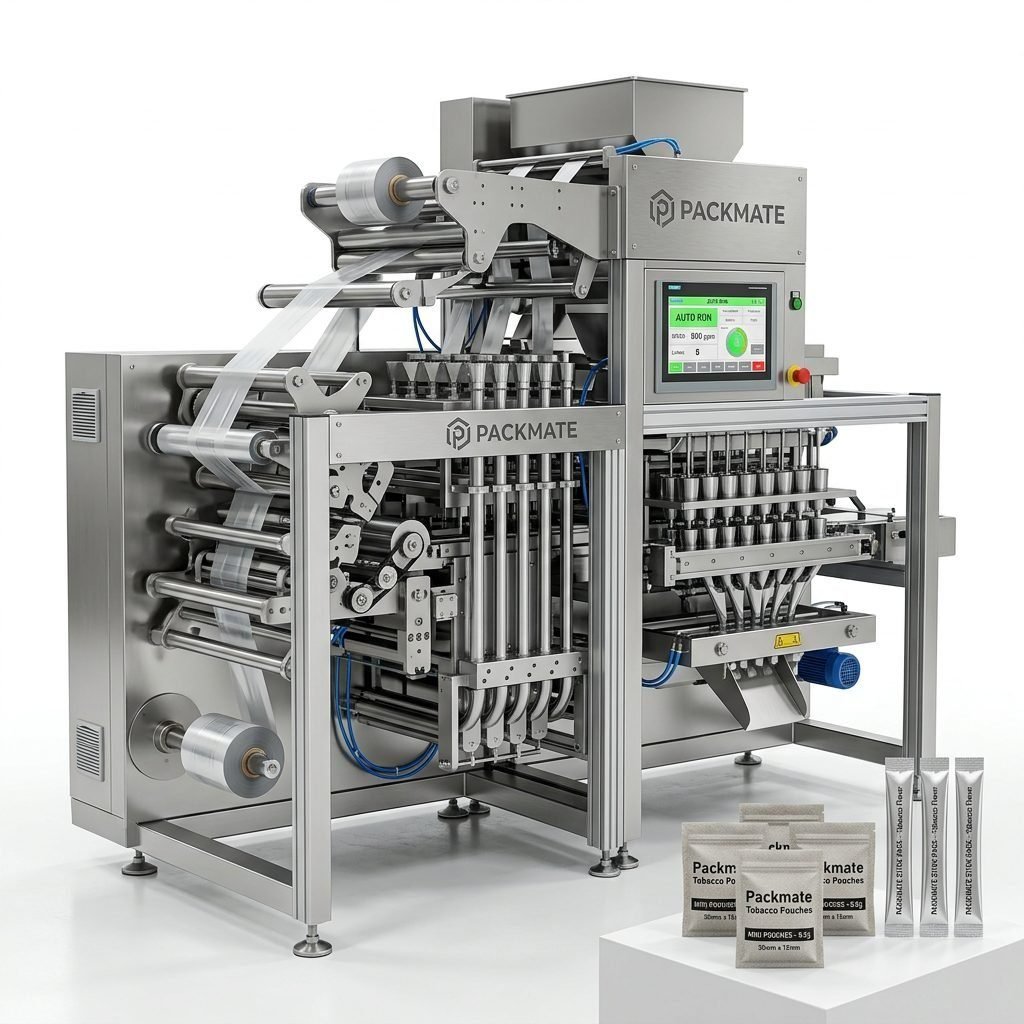
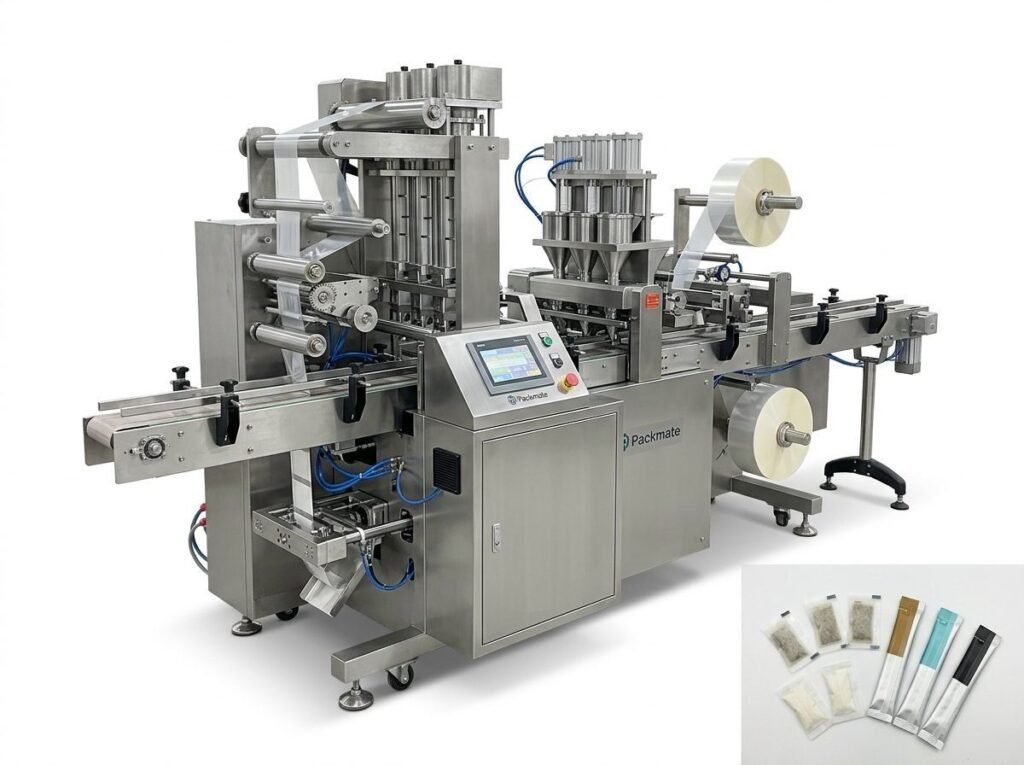
Different packaging technologies suit different applications. Typical options include stick pack machines for single-dose sticks, sachet machines for small sachets, and multi-lane pouch systems for high-speed nicotine pouch production. Explore specialized offerings like the ones found in the Snus & Nicotine Packaging Machines category for machines designed specifically for nicotine pouches.
Key Technical Features to Evaluate
When evaluating models, focus on the following technical features that directly affect performance and product quality.
Precision and Filling Accuracy
Accurate dosing is crucial for nicotine products to meet regulatory limits and ensure consumer safety. Look for machines with advanced weighing or volumetric dosing systems and consistent filling mechanisms that minimize variation between pouches.
Multi-Lane Capability and Throughput
If you need high output, multi-lane machines can multiply production without proportionally increasing footprint. Verify lane uniformity and ease of lane adjustment for flexible production.
Key spec checklist:
dosing tolerance, speed (ppm), number of lanes, changeover time, material compatibility, and CIP/cleaning features.
Material and Format Flexibility
Select machines that support the pouch materials and sealing formats you intend to run (e.g., kraft, laminated films, foil). Flexibility in bag dimensions and seal styles reduces future upgrade costs.
Automation and Integration
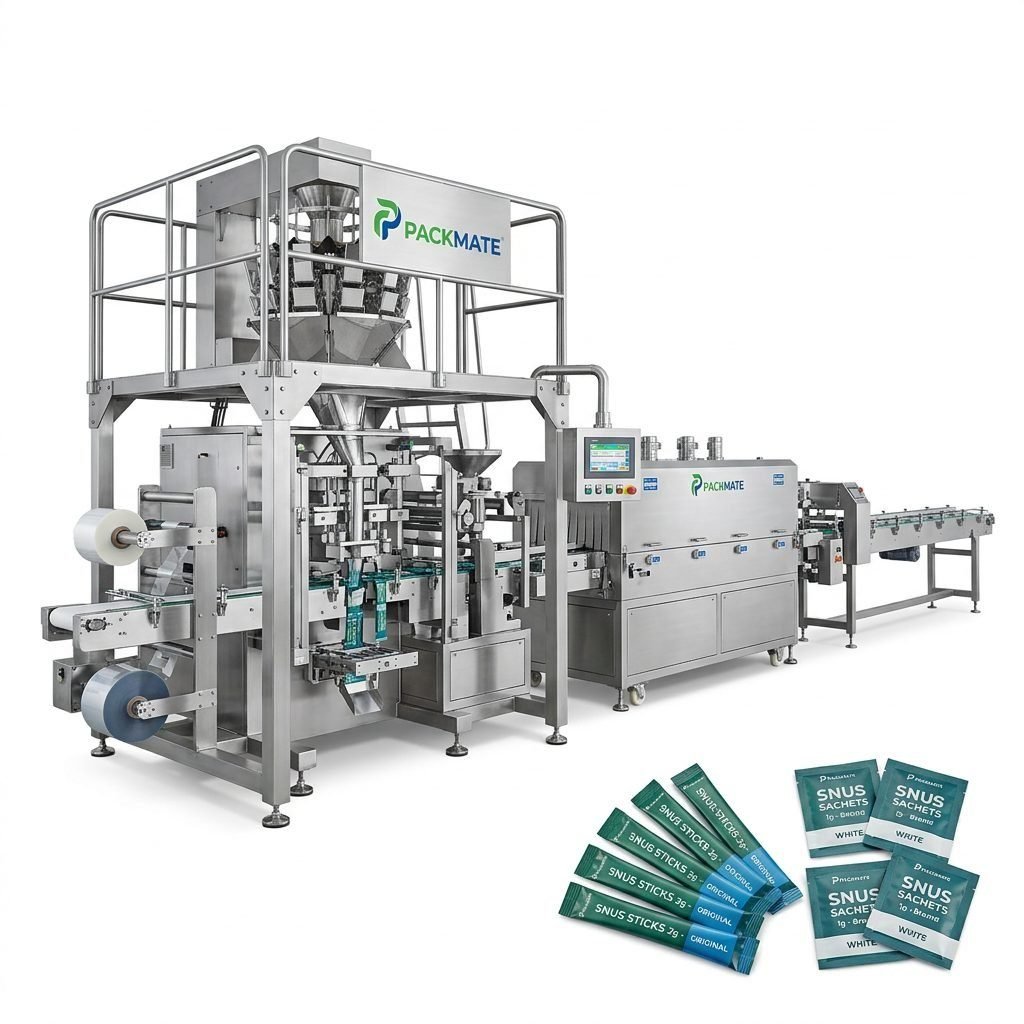
Consider turnkey solutions that integrate weighing, filling, labeling, and case packing. Integrated lines reduce manual handling and improve traceability. See examples in Filling & Packaging Lines and Weighing & Packaging Systems for complete line ideas.
Quality, Safety and Compliance
For nicotine packaging, regulatory compliance and safety are paramount. Check for international certifications and safety features before purchase.
• Look for CE, ISO certification, and machine documentation that supports validation and regulatory audits. Packmate’s certificate page provides an example of certified equipment for regulated markets.
Hygiene and Cleanability
Machines should be designed for easy cleaning without compromising electrical or mechanical components. Stainless contact parts, easy access panels and minimal crevices reduce contamination risk.
Operational Considerations and Total Cost of Ownership
Purchase cost is only part of the picture. Consider installation, spare parts availability, training, maintenance needs, and energy consumption.
Operational cost factors:
• Local availability of spare parts and technical support — reduces downtime.
• Energy efficiency and air consumption — ongoing operational expenses.
• Ease of maintenance — modular components and clear documentation shorten service times.
Vendor Selection: What to Ask Prospective Suppliers
When evaluating suppliers, ask targeted questions that reveal their experience, support capabilities, and product maturity.
Proven Experience and References
Prioritize vendors with demonstrated experience in snus and nicotine pouch packaging. Check global case studies and exhibition presence — companies that exhibit frequently and run live demos tend to have mature, field-tested equipment. You can view examples in the Case and Our Exhibition sections for supplier credibility.
After-Sales Service and Training
Confirm the availability of on-site commissioning, remote diagnostics, and local spare parts. Evaluate the training package for your operators and maintenance technicians. A strong service program reduces lifecycle costs and improves uptime.
Customization and Turnkey Solutions
If you have unique requirements—such as special dosing systems, custom-labeled pouches, or integration with existing lines—choose a partner capable of delivering customized turnkey packaging solutions. Review supplier catalogs and product lines to confirm their design and manufacturing capabilities. Packmate’s product pages for Sachet & Stick Pack Machines and Bag & Pouch Packaging Machines illustrate available machine families and customization options.
Red flag indicators:
• No factory tour or substantiated references.
• Vague specs on throughput or accuracy.
• Limited or no service network in your region.
Factory Capabilities and Build Quality
Assess the supplier’s manufacturing strength: modern CNC machining centers, precision assembly lines, and quality control systems indicate a higher likelihood of delivering durable, high-performance machines. Packmate’s factory profile highlights a 20,000㎡ manufacturing facility and decades of engineering experience—traits worth validating when choosing a partner.
Spare Parts and Documentation
Ensure spare parts lists, electrical drawings, and mechanical documentation are supplied. This information is essential for local technicians to maintain machines and for regulatory compliance during audits.
Installation, Commissioning and Training
A comprehensive installation plan and onsite commissioning will speed ramp-up and ensure the line meets performance guarantees. Training for operators and maintenance staff should be part of the contract.
Warranty and Performance Guarantees
Negotiate clear warranty terms and acceptance tests that verify performance metrics under real product conditions before final payment.
Practical Buying Checklist
Use this checklist when comparing proposals from multiple suppliers:
✓ Clear throughput and accuracy guarantees under your product conditions.
✓ On-site commissioning, operator training and documented SOPs.
✓ Spare parts availability and local service options.
✓ Detailed bill of materials, electrical schematics and maintenance manual.
✓ References and factory credibility (exhibition presence, certifications).
Where to Find Trusted Equipment Suppliers
Look for established manufacturers with a proven history in snus and nicotine packaging. Check product pages and catalogs to compare machine families and capabilities. Reliable sources include product categories like Snus & Nicotine Packaging Machines, Sachet & Stick Pack Machines, and Filling & Packaging Lines for multi-stage integration. For company background and service offerings, review the About Packmate and contact pages to confirm local support options.
Final Recommendations
When selecting a nicotine packaging machine in Guinea, prioritize proven technical performance, regulatory compliance, and strong after-sales support. Choose suppliers with transparent documentation, on-site commissioning services, and a demonstrated ability to deliver multi-lane, high-precision systems for small-dose pouches. Investing time in vendor validation and specifying clear acceptance tests will protect your production goals and reduce long-term costs.
Quick action items:
• Define product specs and throughput targets.
• Request onsite trials or video demos with your exact product.
• Verify spare parts lead times and warranty coverage.
Frequently Asked Questions
Q1: What machine type is best for high-speed nicotine pouch production?
Multi-lane pouch packaging systems designed for small-dose pouches are usually best for high-speed nicotine pouch production because they deliver high throughput while maintaining dose accuracy and consistent pouch formation.
Q2: How important is local service and spare parts availability?
Extremely important — local or regional support shortens downtime and lowers 운영 costs. Confirm lead times for critical spare parts and availability of trained service technicians in Guinea or nearby regions.
Q3: Should I buy a turnkey line or assemble machines from different vendors?
Turnkey lines typically offer better integration, fewer compatibility issues, and a single point of responsibility for performance. If customization or best-in-class modules from different vendors are required, ensure strong systems integration experience is in place.
Q4: What certifications should I request from suppliers?
At minimum, request CE and ISO documentation, machine safety assessments, and any product-specific compliance documentation relevant to nicotine or tobacco products in your target market.
Q5: How can I validate a supplier before purchase?
Ask for factory references, on-site inspection opportunities, video demonstrations using your product, performance guarantees, and detailed technical documentation. Reviewing case studies and exhibition participation also helps verify supplier credibility.