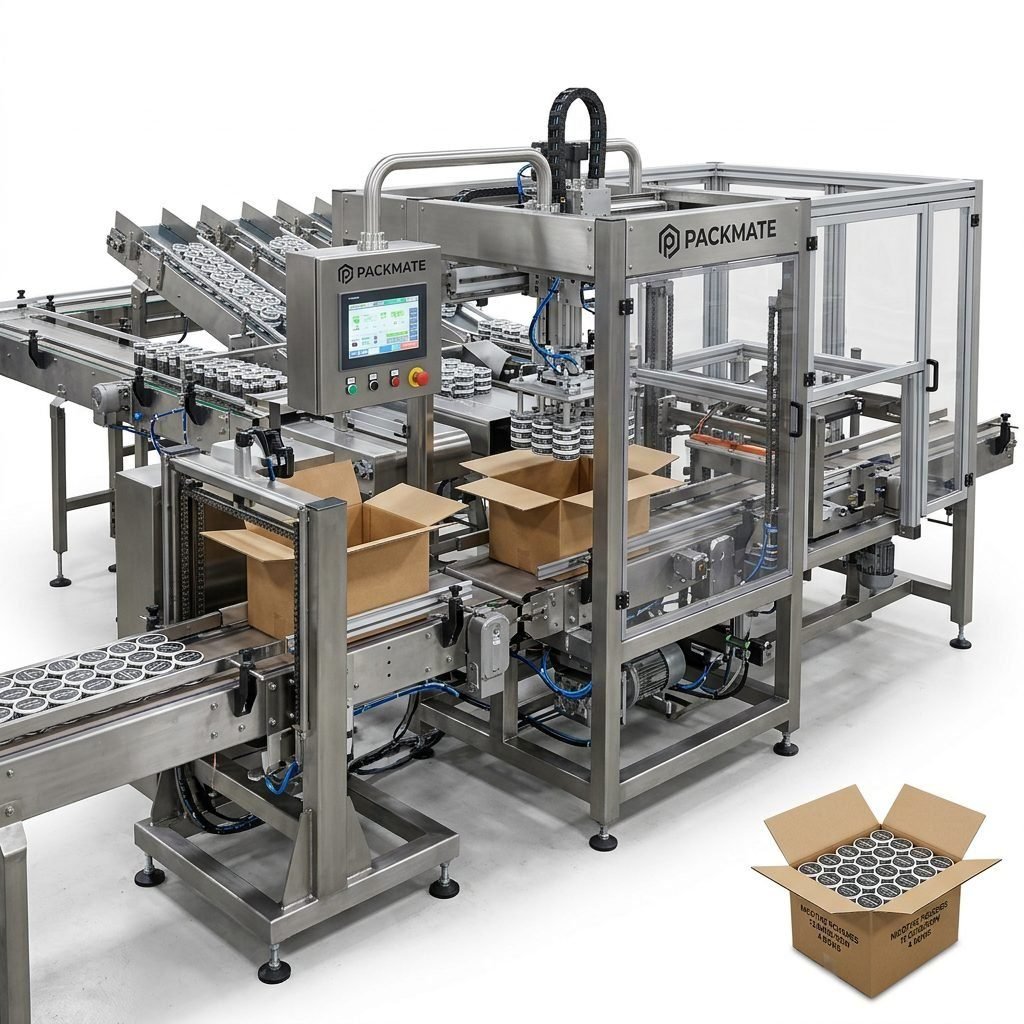
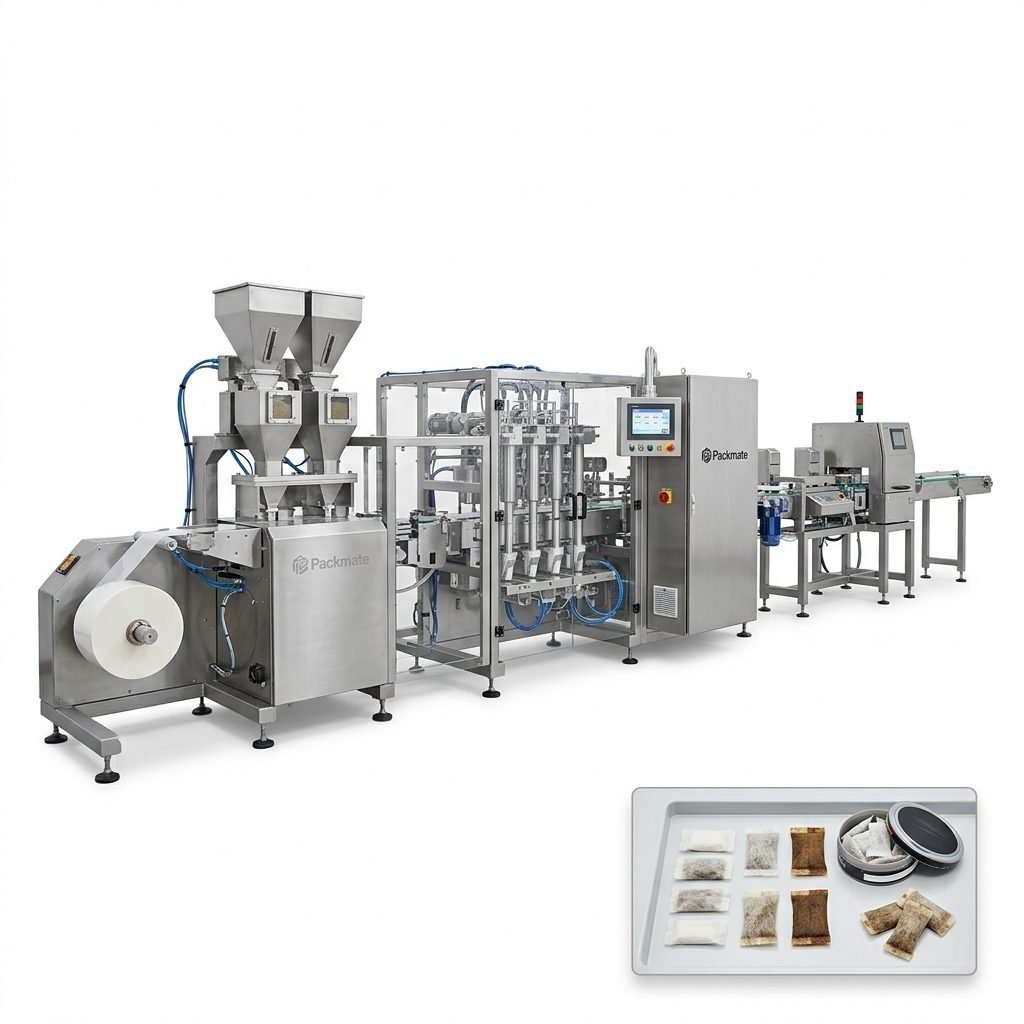
Choosing the right nicotine packaging machine manufacturer in Pakistan is a strategic decision that affects product quality, operational efficiency, regulatory compliance, and long-term profitability. This guide walks you step-by-step through the key considerations, evaluation points, and negotiation tips to find a reliable partner who can deliver high-performance snus and nicotine pouch packaging solutions tailored to your business needs.
🔍 Understand Your Production Requirements
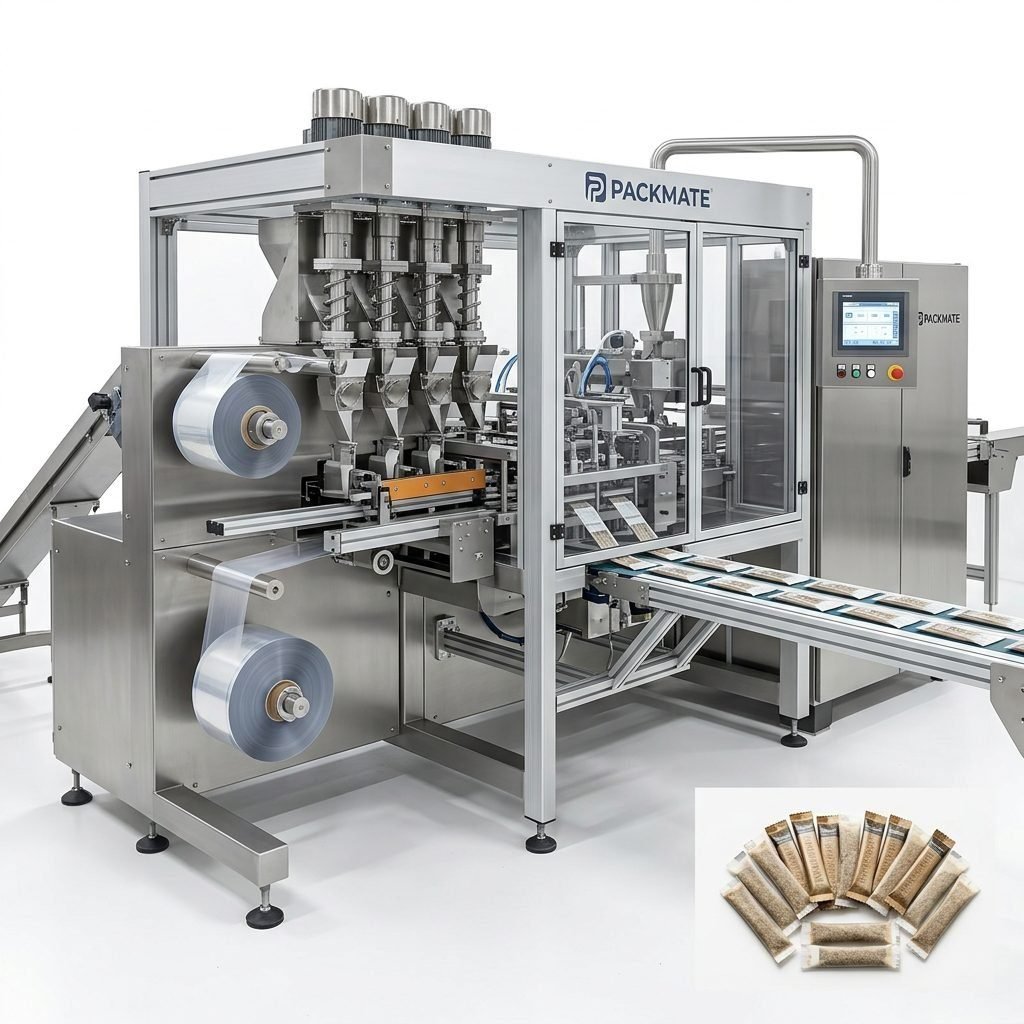
Before evaluating manufacturers, define your production profile precisely. Consider production speed (pouches/minute), packaging formats (stick pack, sachet, multi-lane snus pouches), fill weights, dosing accuracy, and product types (powder, granule, liquid, or nicotine pouches). A clear production brief helps manufacturers propose the right model and prevents scope creep during implementation.
📦 Production Variables to List
– Daily target output (total pouches or packs)
– Number of SKUs and expected changeovers per day
– Desired automation level (manual, semi-auto, fully automatic turnkey lines)
– Available factory footprint and utilities (power, compressed air, PLC control integration)
– Regulatory or traceability requirements such as batch coding or serialization
🏭 Evaluate Manufacturer Capabilities
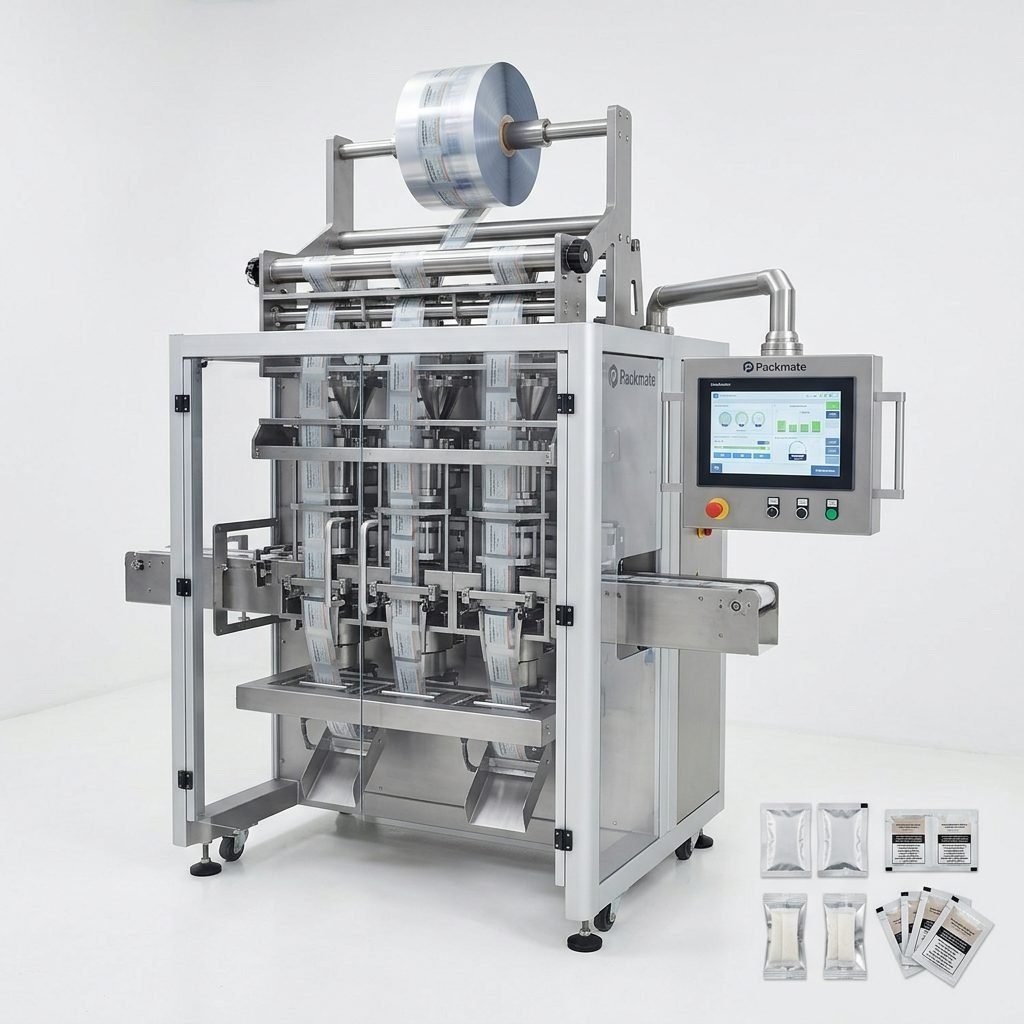
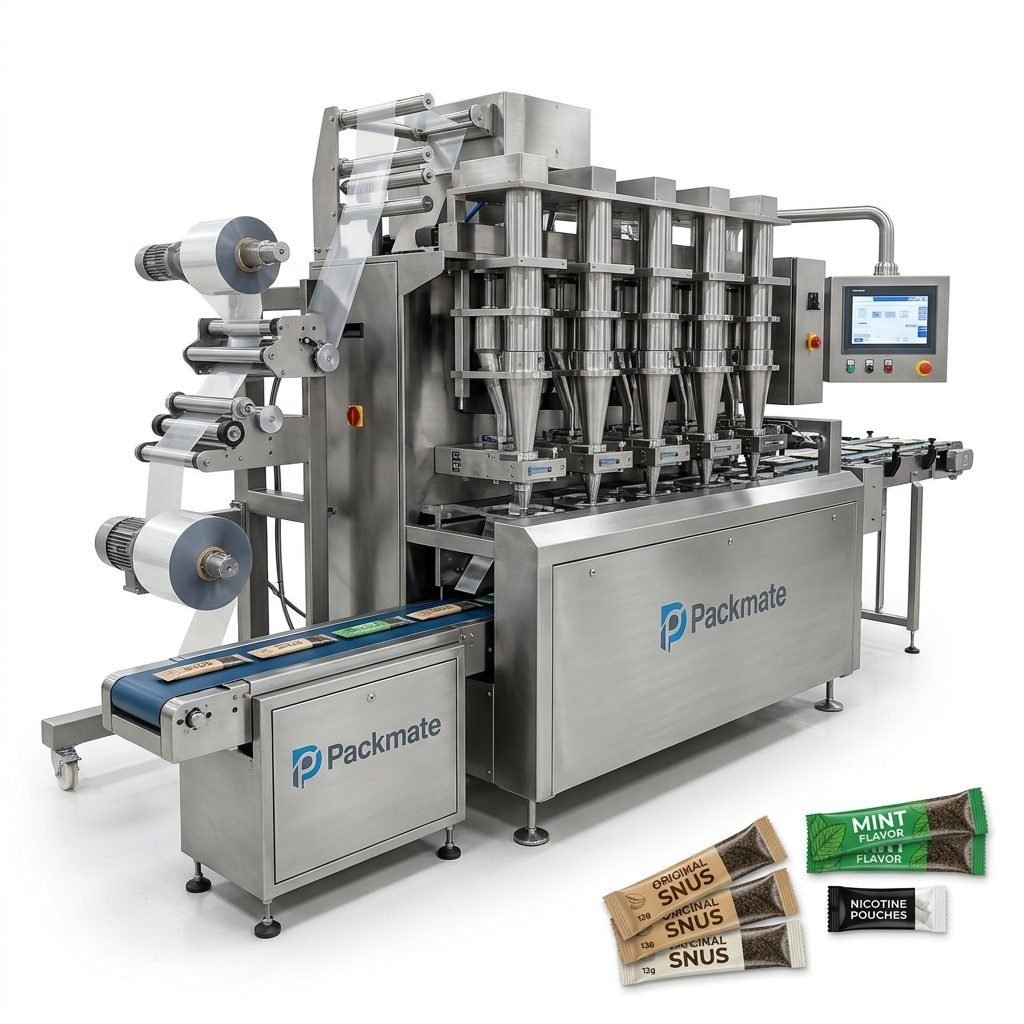
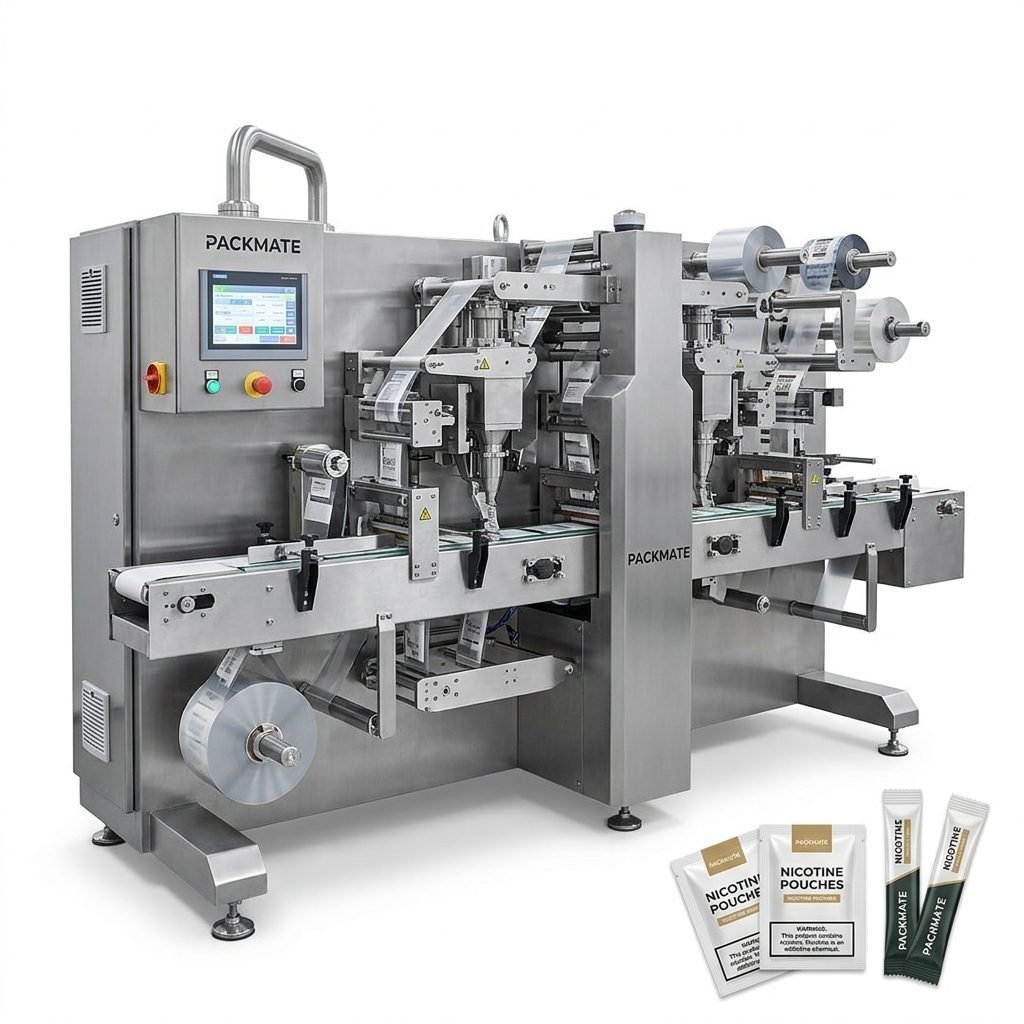
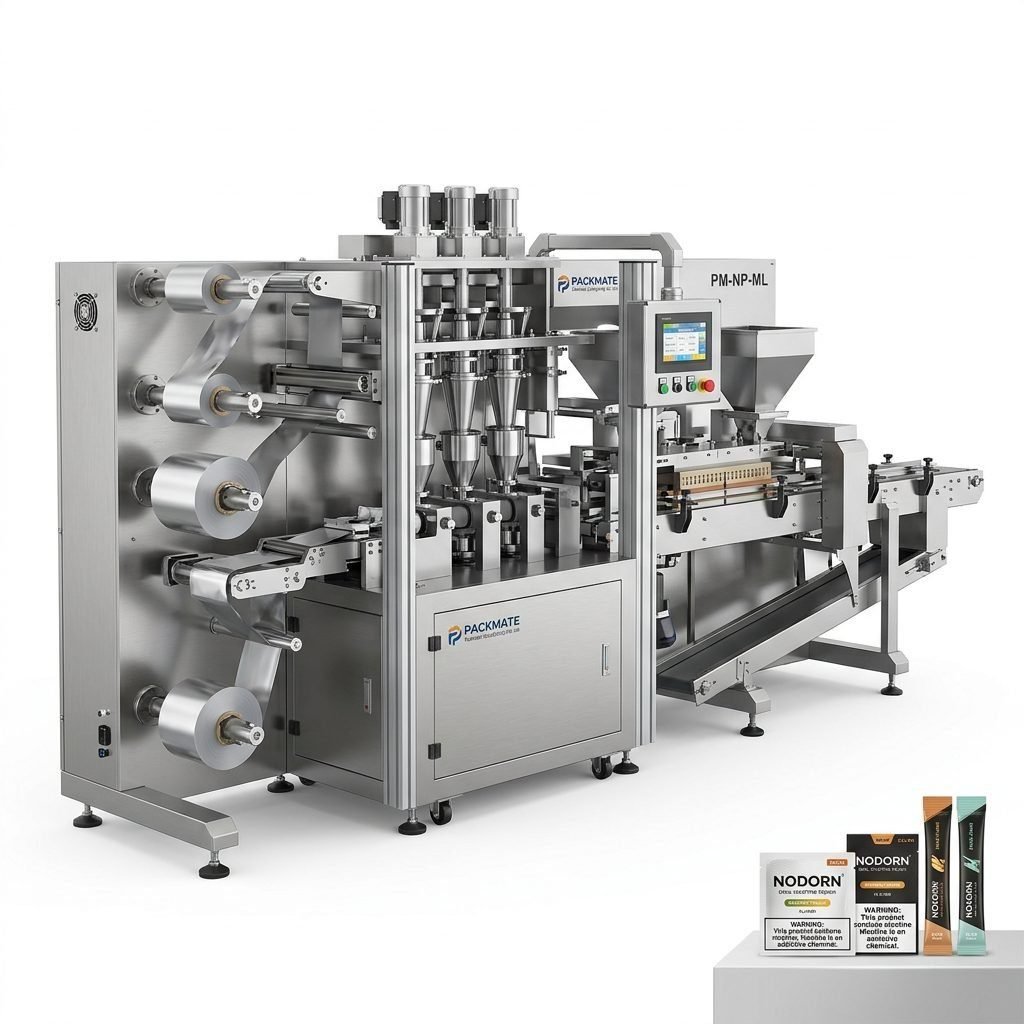
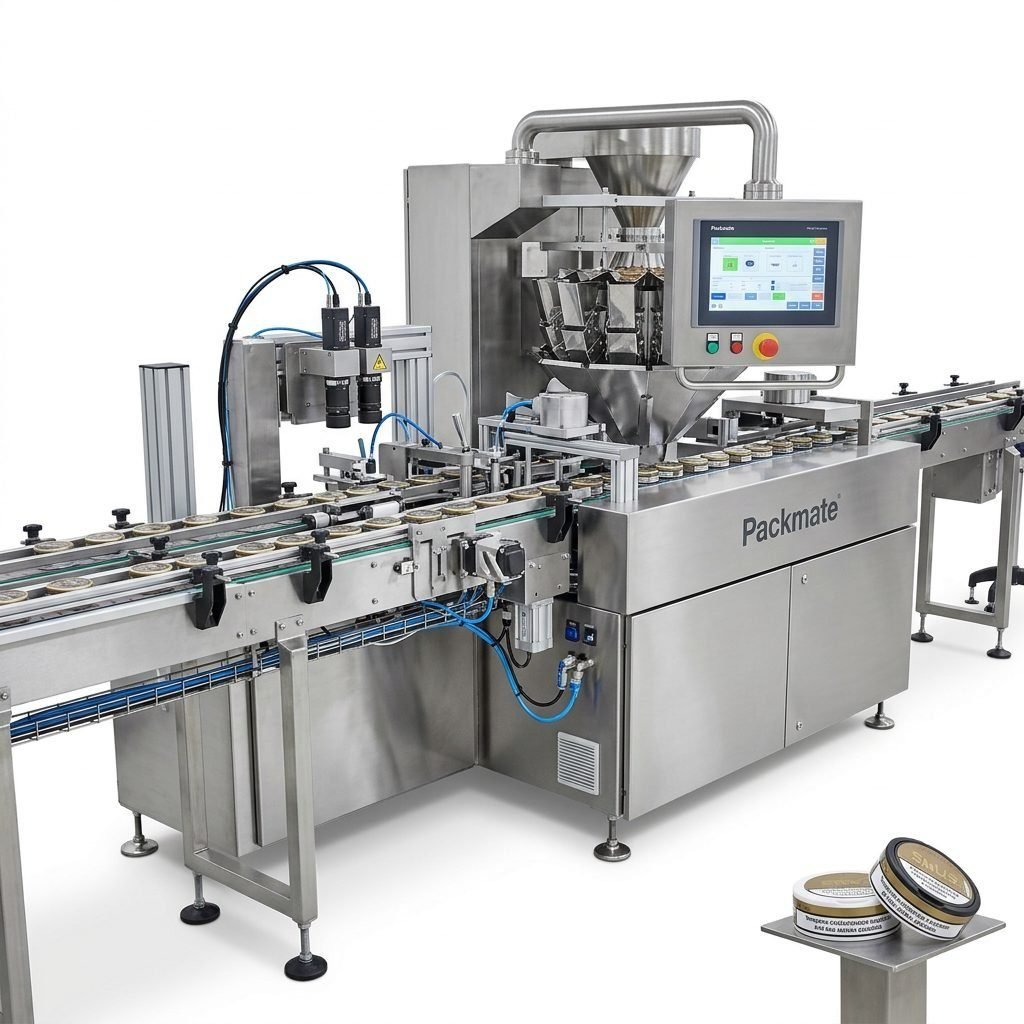
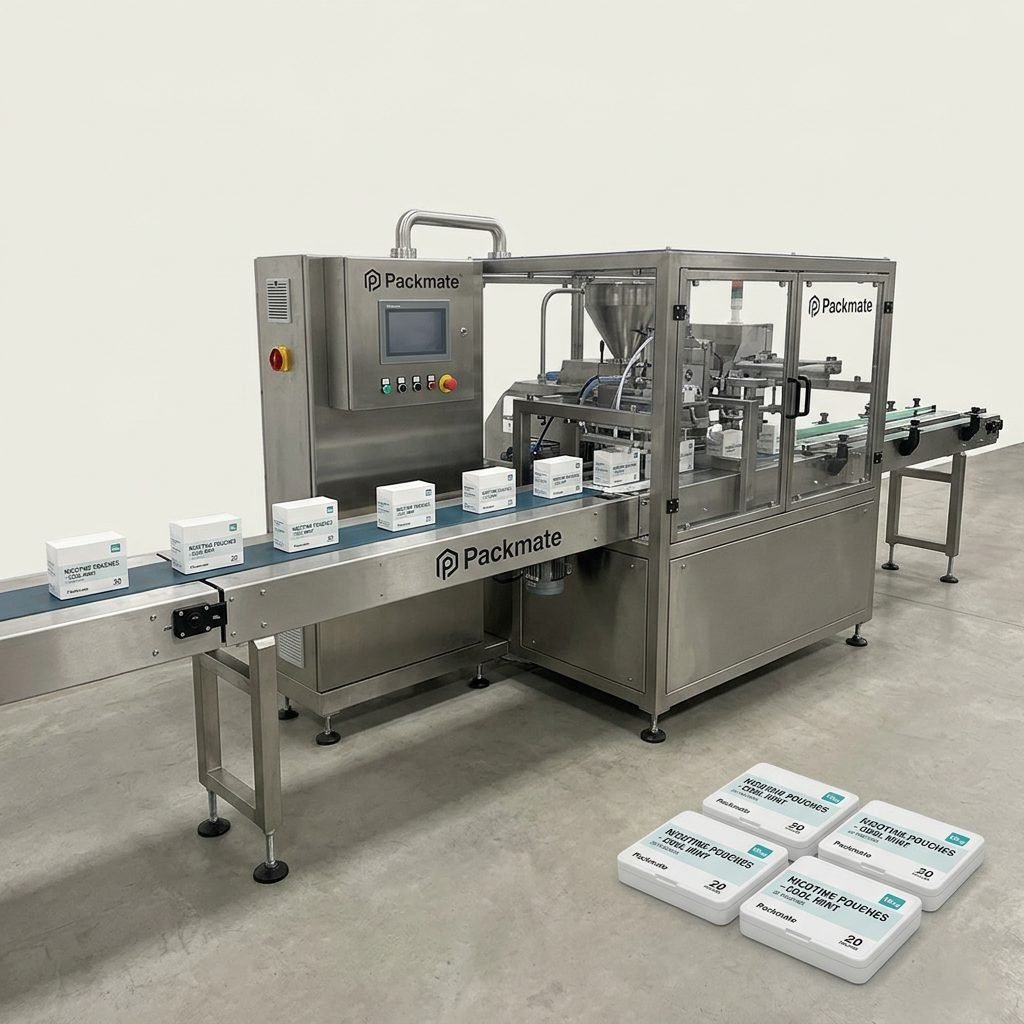
Look for manufacturers with a proven track record in snus and nicotine pouch equipment. Key indicators include factory size, engineering experience, available models, and the ability to provide turnkey solutions that integrate weighing, filling, pouch forming, and secondary packaging.
Must-have credentials:
Packmate-style facilities typically demonstrate these strengths: 30+ years industry experience, a 20,000㎡ manufacturing area, advanced CNC machining, precision assembly lines, and a catalog of 50+ machine models. These factors reduce delivery risk and support long-term maintenance.
🔧 Technical & Engineering Strength
Verify whether the manufacturer has in-house R&D, prototyping capabilities, and familiarity with multi-lane systems designed for small-dose pouch production. A supplier with robust engineering teams can customize solutions for your product viscosity, particle size, and dosing precision.
✅ Quality, Safety, and Compliance
Regulatory compliance and certification are non-negotiable. Ensure the manufacturer provides equipment that meets CE and ISO standards and can support documentation for audits. Equipment should be designed for hygiene, easy cleaning, and minimal product contact contamination risk.
Tip: Ask for certificates and recent factory inspection reports. Suppliers that actively exhibit at international trade shows and publish certificates online demonstrate transparency and credibility.
📈 Performance & Reliability Metrics
Request performance data such as actual running speeds under load, Mean Time Between Failures (MTBF), and availability percentages from existing customers. Reliable machines minimize downtime and lower cost per pouch over the machine life cycle.
🧪 Machine Testing and Acceptance
A credible supplier will offer Factory Acceptance Tests (FAT) and Site Acceptance Tests (SAT) with your actual product. Ask to witness validation runs and see video proof of machines running similar formulations and pack styles.
💬 Support, Spare Parts and After-Sales Service
After-sales service determines how fast you can recover from faults. Confirm response times, availability of local or regional service teams, spare parts lead times, remote diagnostics capabilities (PLC/HMI remote access), and training programs for operators and maintenance staff.
Reliable suppliers often provide structured support contracts and documentation, including electrical and mechanical drawings, spare parts lists, and troubleshooting guides. Evaluate the cost of critical spares and whether the supplier can stock them locally.
💡 Customization & Turnkey Integration
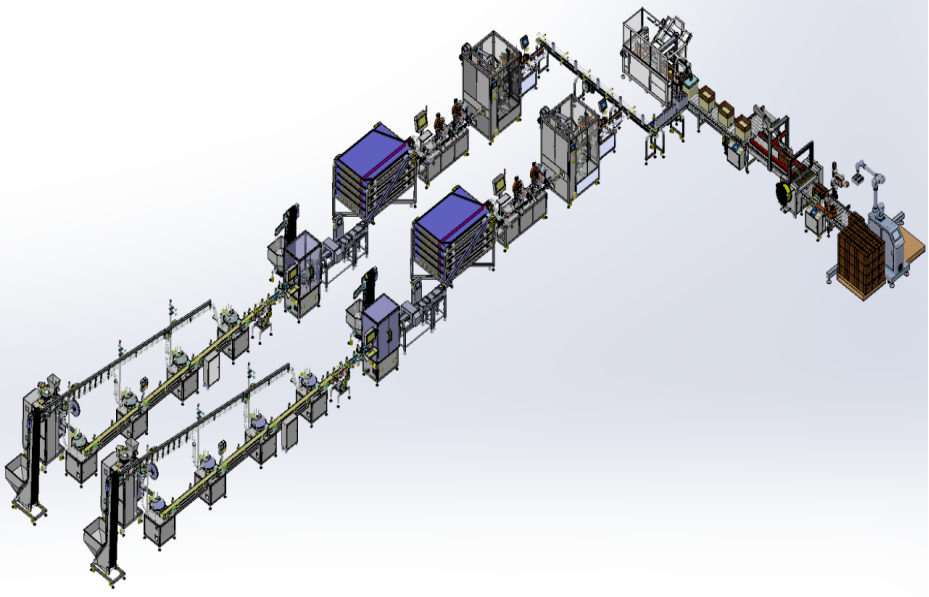
Many businesses require end-to-end lines that combine weighing, filling, sealing, and secondary packaging. Choose a manufacturer that offers modular equipment and integration experience so you can scale output or add auxiliary systems without redesigning the entire line.
Integration examples: automatic feeders, multi-head weighers, continuous gas flushing, pouch forming with zipper, and secondary carton packing lines. See product categories such as Snus & Nicotine Packaging Machines and Weighing & Packaging Systems for modular options.
💲 Total Cost of Ownership (TCO) vs. Purchase Price
Don’t focus solely on purchase price. Calculate TCO, including energy consumption, spare parts costs, operator labor, maintenance intervals, and expected lifetime. Machines built with higher-grade components and better engineering often deliver lower cost per unit over their operational life.
📊 Key TCO Inputs
– Expected depreciation period
– Annual maintenance and spare parts budget
– Energy consumption per 1,000 pouches
– Average yield and scrap rates during production
📝 Contract Terms, Warranties and Delivery
Protect your investment with clear contract terms: delivery timelines, acceptance criteria, warranties, penalties for delays, and training commitments. Also confirm export documentation, installation support, and commissioning scope to avoid surprises during handover.
Red flag: vague warranty language, missing FAT/SAT clauses, or unclear spare parts lead times. Always get commitments in writing.
🌐 Verify Customer References and Case Studies
Ask for customer references and case studies demonstrating success in similar markets. Review documented installations, performance figures, and testimonials. Online case pages and exhibition presence signal a supplier’s openness and market reach—see examples at Case and their exhibition history at Our Exhibition.
🤝 Long-term Partnership Considerations
Treat the relationship as a long-term partnership. Evaluate cultural fit, communication speed, willingness to adapt designs, and financial stability. A manufacturer that invests in after-sales training and local support will reduce operational risks.
🛠️ Installation, Training and Commissioning
Clarify the scope of installation and commissioning services: mechanical installation, electrical hookup, PLC/HMI configuration, product trials, and operator training. Effective on-site training shortens the learning curve and improves first-run yields.
Example request: ask for a commissioning plan with milestones, operator competency targets, and acceptance sign-off criteria.
📚 Documentation and Spare Parts Access
Confirm that the supplier provides full documentation in English: mechanical drawings, electrical schematics, PLC ladder logic descriptions, spare parts lists, and maintenance manuals. Fast access to spare parts stock or a local agent is essential to reduce downtime.
🔗 Useful Resources from Packmate
If you need to explore product lines and specifications, Packmate publishes detailed categories such as Sachet & Stick Pack Machines and Bag & Pouch Packaging Machines. Visit their About Packmate page to learn about company history and capabilities.
⚖️ Final Decision Checklist
Use this checklist to finalize your vendor selection:
✔️ Technical fit: Machine meets your production and product requirements.
✔️ Proven performance: FAT/SAT records and customer references available.
✔️ Support & spares: Clear after-sales plan and spare stocking.
✔️ Regulatory compliance: CE/ISO certificates and documentation.
✔️ Commercial terms: Warranty, delivery, penalties, and payment schedule agreed.
🧭 Negotiation Tips
Negotiate not just on price but on deliverables. Secure FAT witness rights, clear acceptance criteria, spare parts pricing, and fast-response service-level agreements. Consider phased payments tied to milestones (design approval, FAT completion, SAT/commissioning).
Negotiation advice: ask for training hours and spare parts in the initial contract to reduce initial operating costs.
🔚 Conclusion and Next Steps
Selecting the best nicotine packaging machine manufacturer in Pakistan requires a methodical approach: define your needs, validate manufacturer capabilities, assess performance and TCO, and secure strong contractual protections. By prioritizing experience, compliance, and after-sales support, you reduce operational risk and position your business for consistent, high-quality production.
Frequently Asked Questions
Q: How do I verify a supplier’s machine performance before purchase?
A: Request FAT videos, on-site demos, or references from customers producing similar products. Insist on FAT with your product and documented speed & yield figures.
Q: What certifications should nicotine packaging machines have?
A: At a minimum, look for CE and ISO compliance, sanitary design features, and documentation supporting material contact safety and electrical standards.
Q: How important is local after-sales support?
A: Very important. Local agents or regional service teams shorten repair lead times and reduce downtime. Confirm availability of stocked critical spares.
Q: Can manufacturers provide turnkey integration including weighing and secondary packaging?
A: Yes. Choose suppliers experienced in modular lines and turnkey solutions—review their product categories and integration capabilities to ensure they can deliver a full line.
Q: Where can I find more detailed machine options and case studies?
A: Explore product lists and successful case examples such as Snus & Nicotine Packaging Machines and related categories on Packmate’s resource pages to identify models that match your needs.