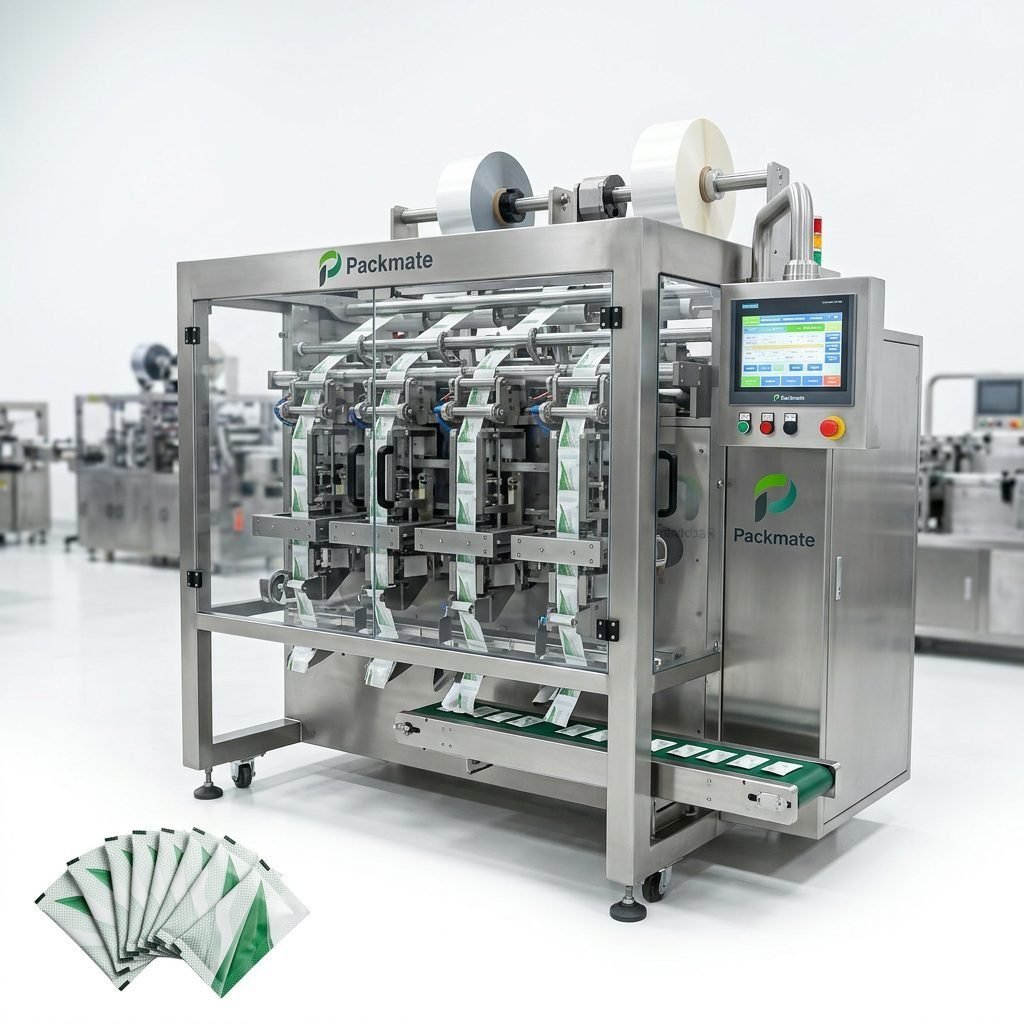
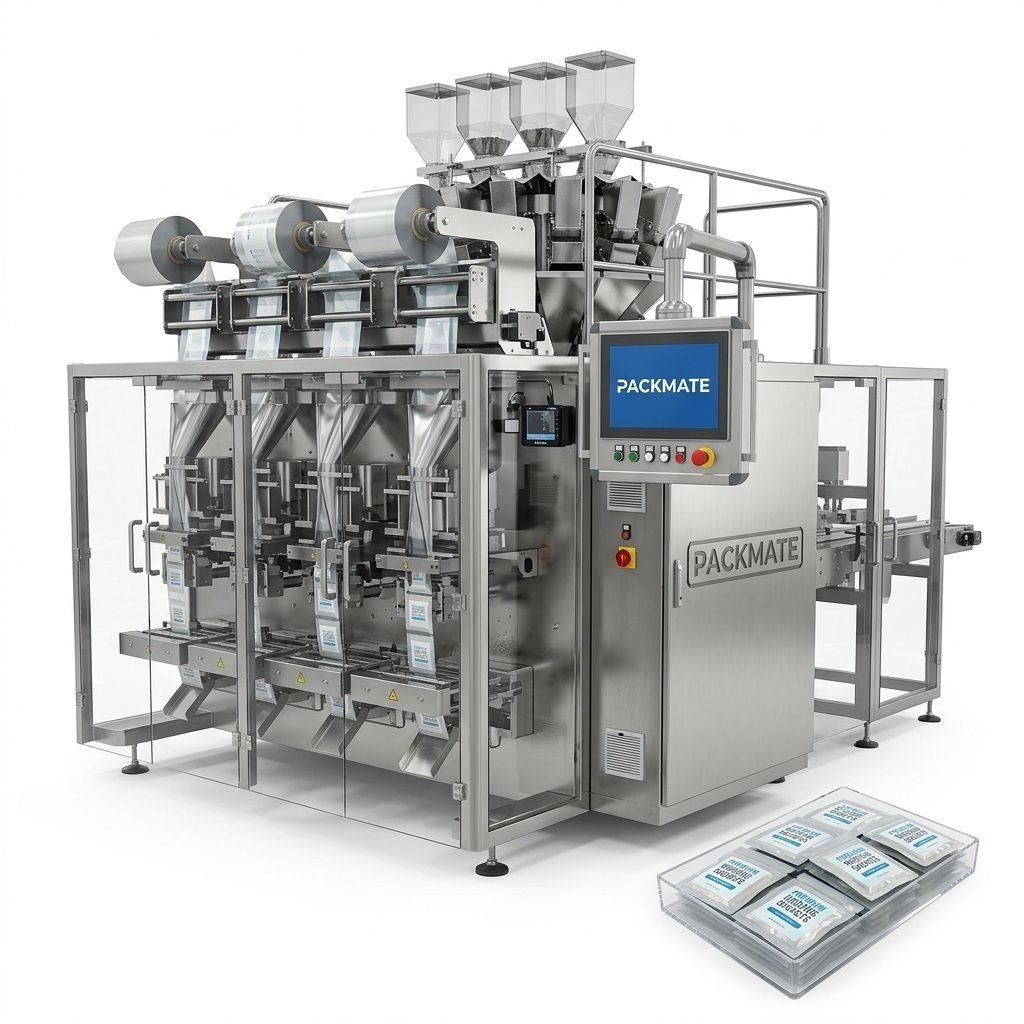
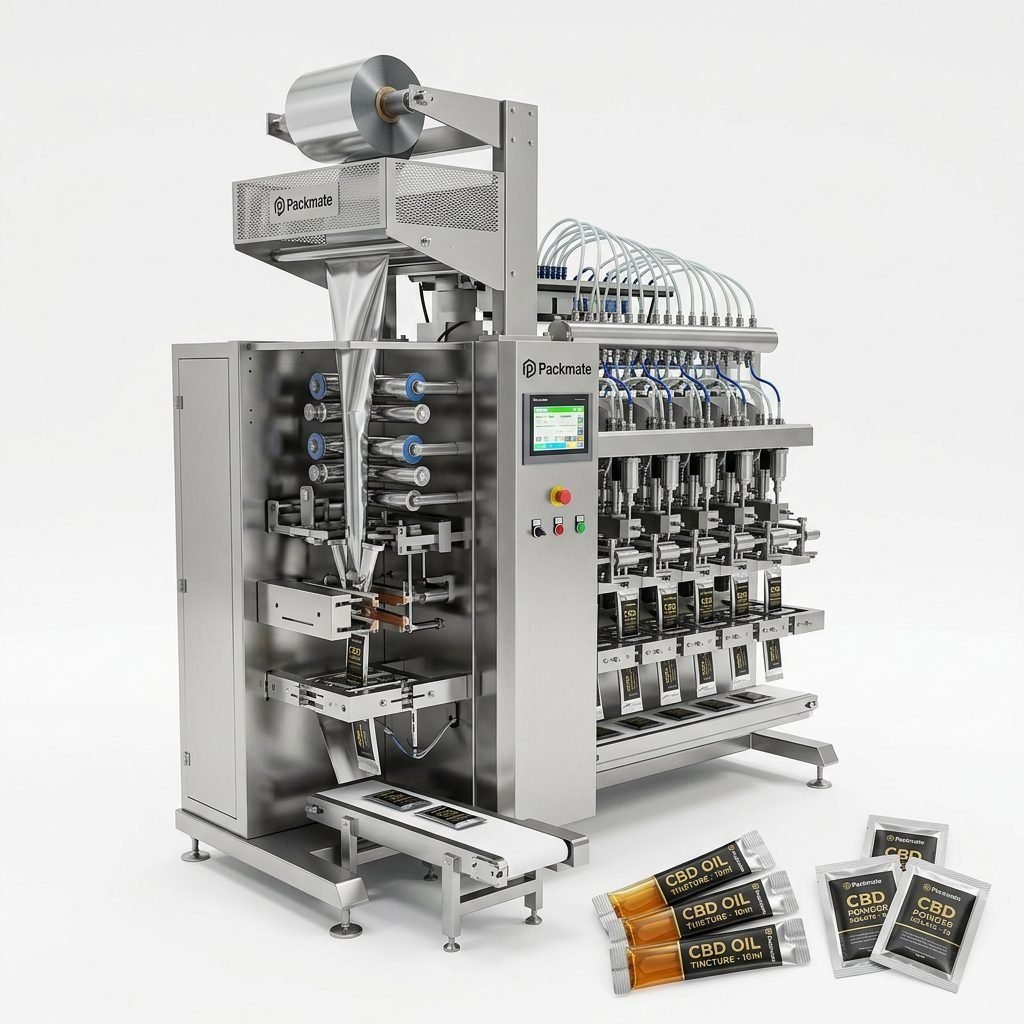
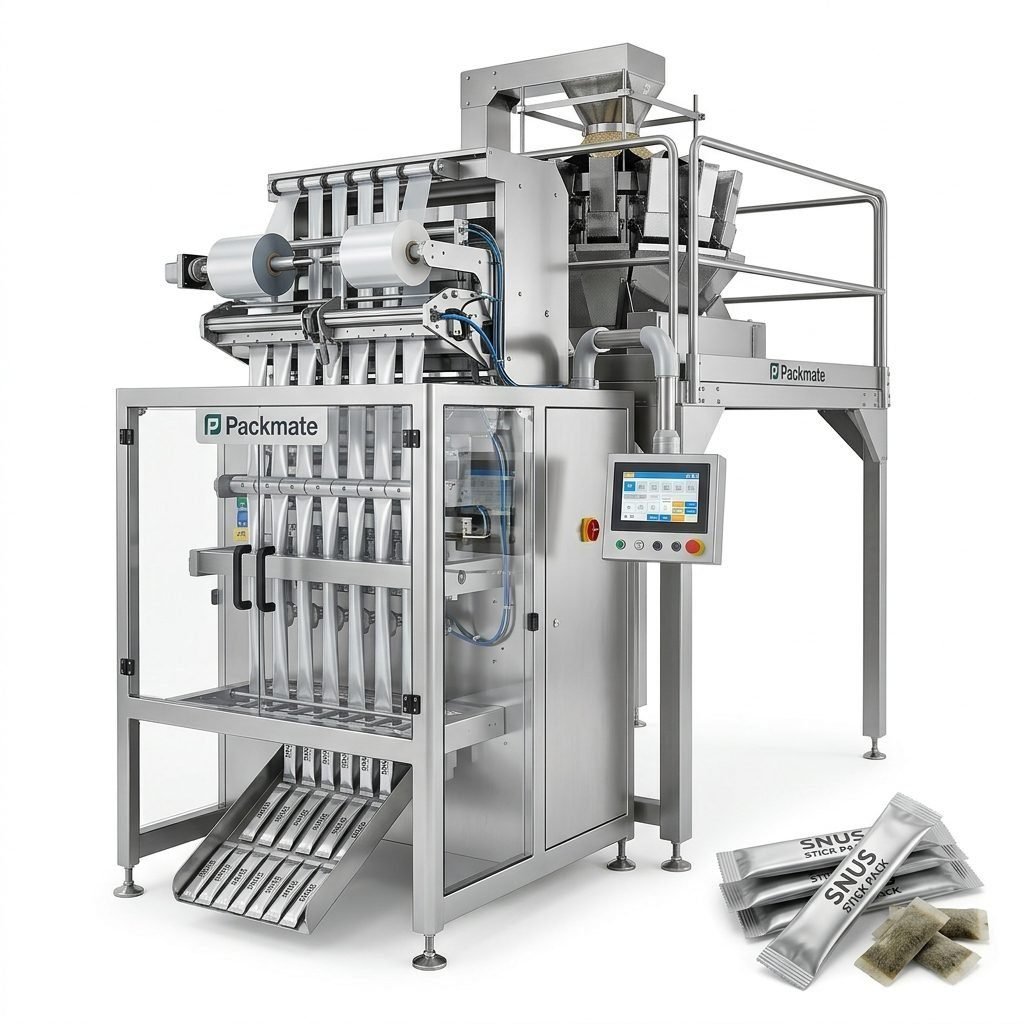
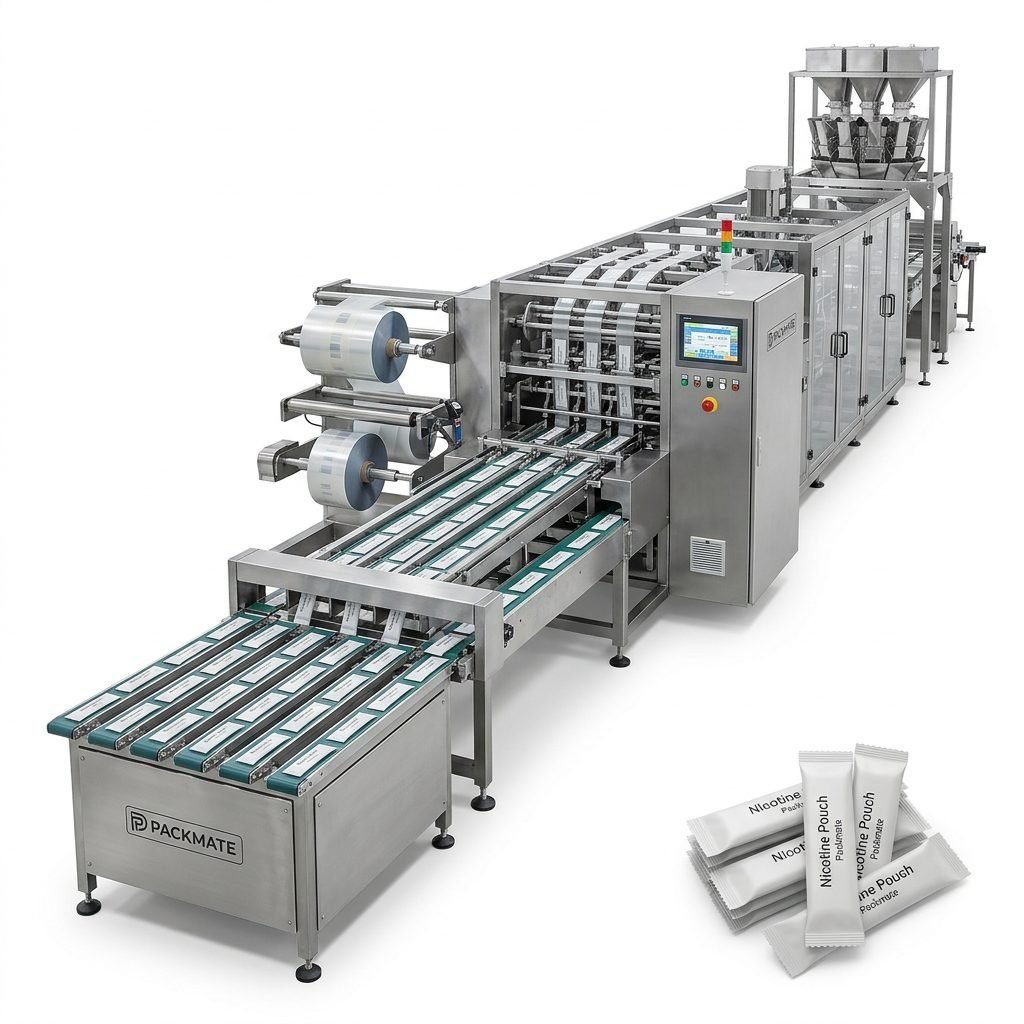
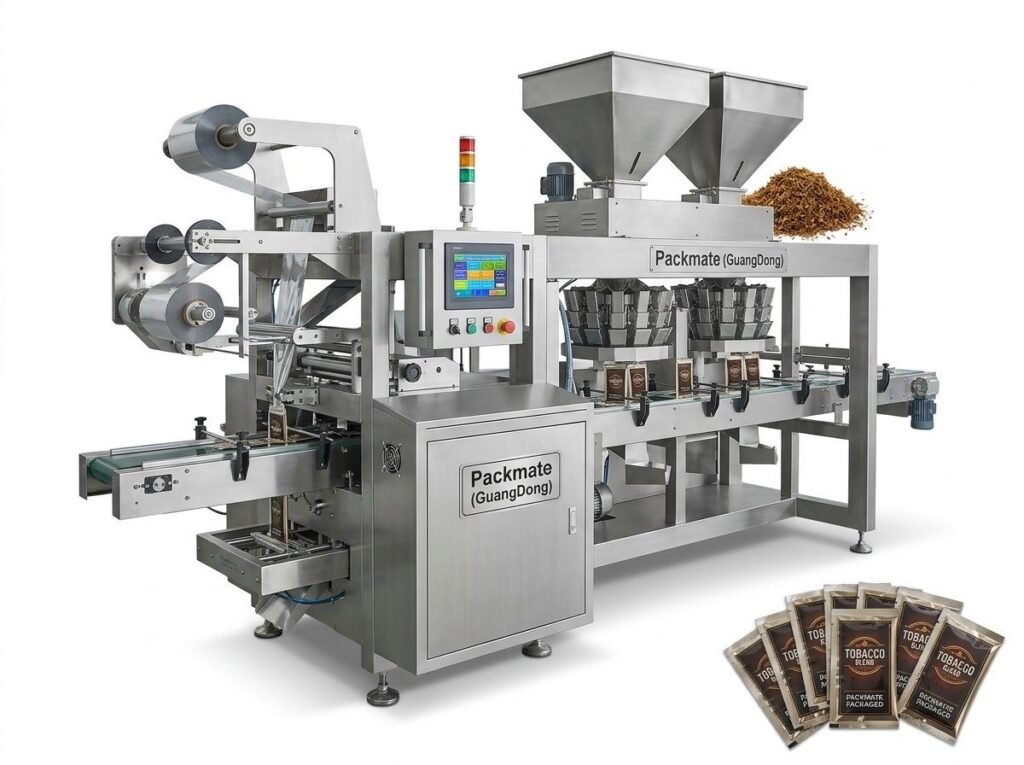
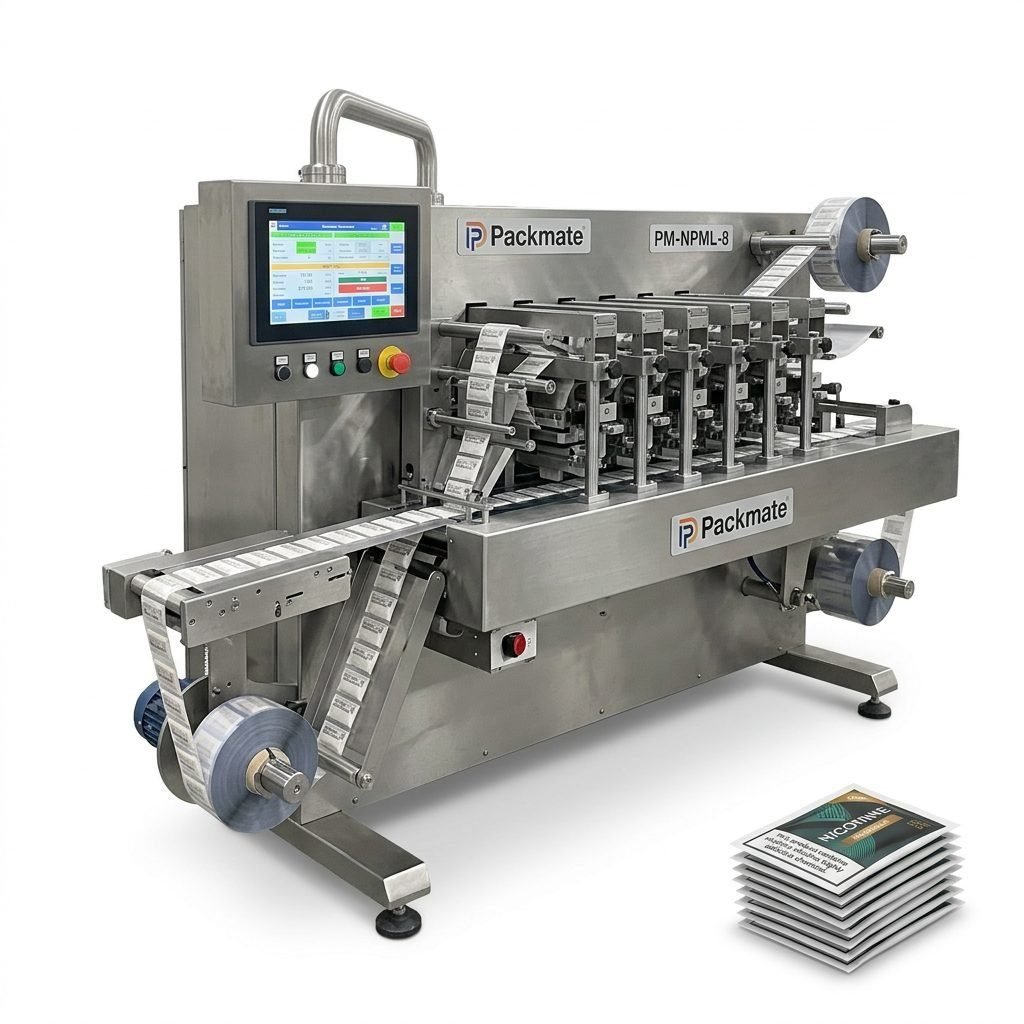
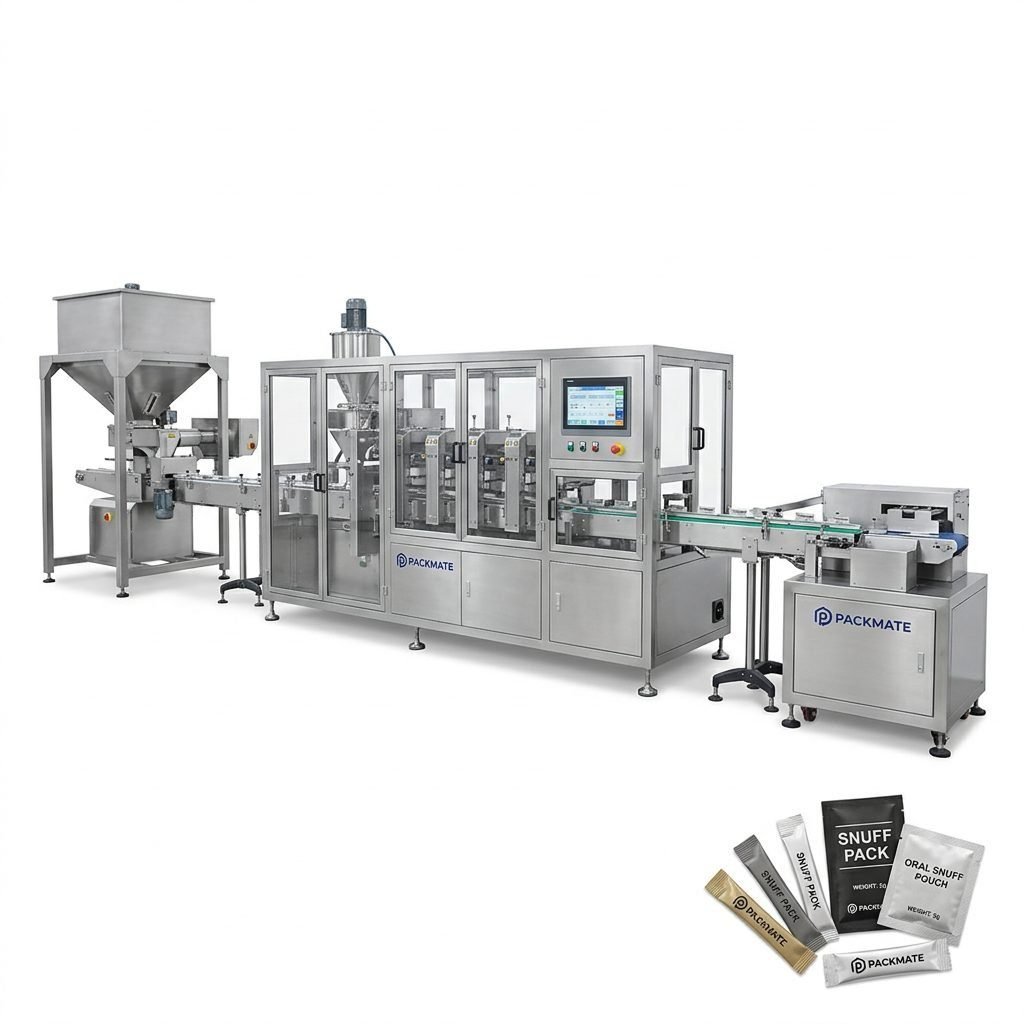
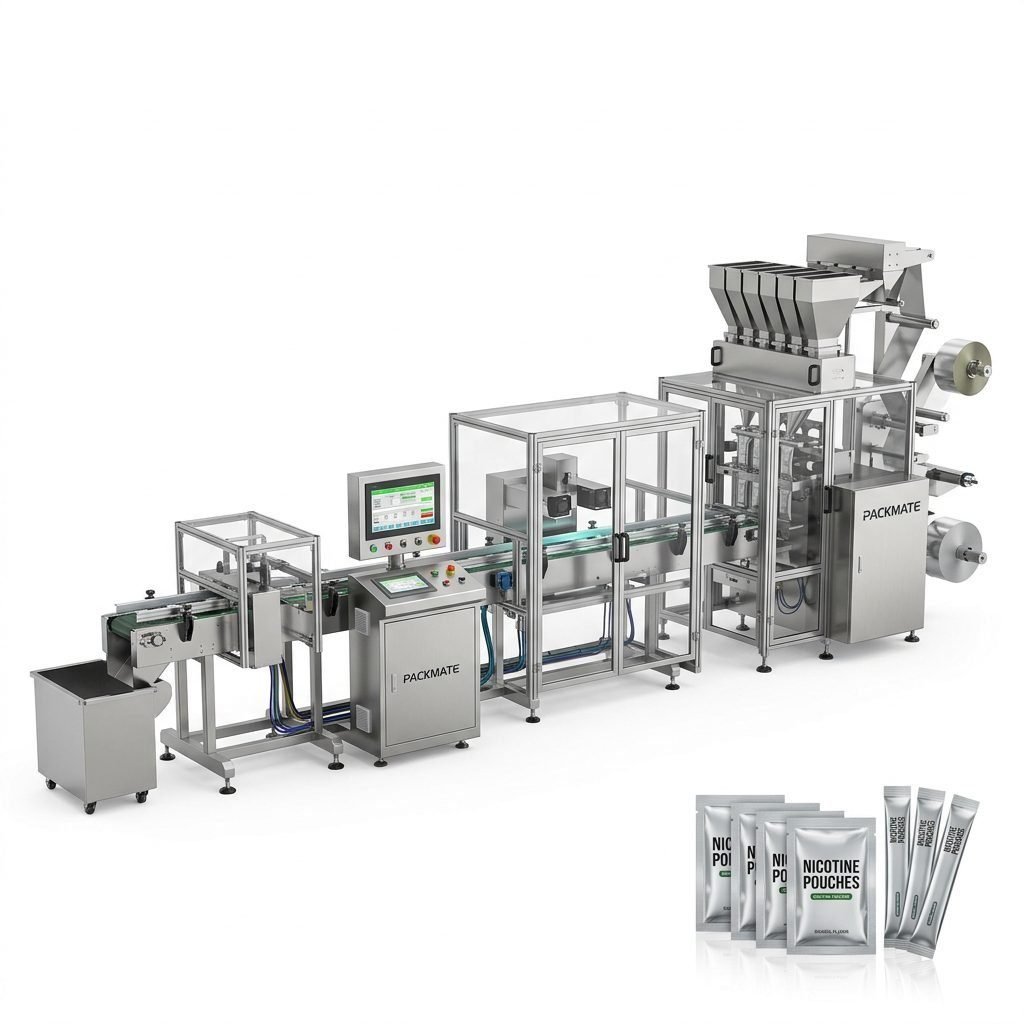
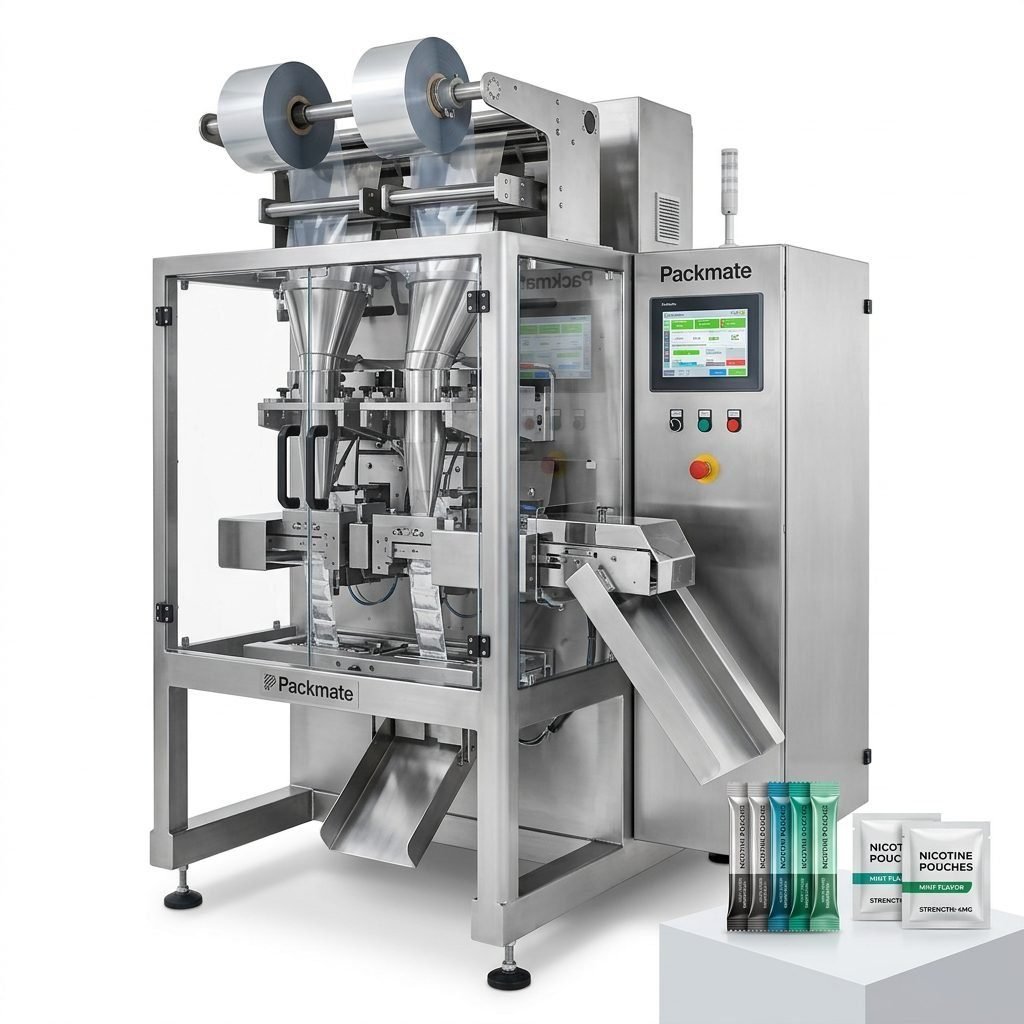
Choosing the right nicotine packaging machine manufacturer in Cyprus can make or break your production goals. With the nicotine pouch market expanding rapidly, you need a reliable partner who understands small-dose pouch technology, offers robust multi-lane systems, and delivers end-to-end packaging solutions. This guide walks you through the essential factors to evaluate so your investment yields consistent throughput, regulatory compliance, and long-term service support.
Understand Your Production Needs ⚙️
Start by defining clear production targets: daily output, pouch format (round, stick or sachet), dose size and product type (powder, granule or liquid). Throughput requirements determine whether you need a single-lane machine or a high-speed multi-lane line. Consider future growth — a scalable solution saves retrofit costs later.
If your product is centered on nicotine pouches or snus, examine specialized equipment built for small-dose, high-precision filling. For inspiration and specifics on machine types, review comprehensive product categories such as Snus & Nicotine Packaging Machines.
Quick checklist:
✔️ Desired pieces per minute and lanes
✔️ Pouch size and material compatibility
✔️ Integration needs (weighing, filling, boxing)
✔️ Local regulatory and certification needs
Evaluate Manufacturer Technical Strength 🏭
Technical capabilities are a top priority. Look for manufacturers with a strong engineering history, advanced machining centers and precision assembly lines. A proven factory footprint and experienced R&D team indicate reliable machine performance and quick troubleshooting.
For example, suppliers with a large-scale manufacturing facility and decades of experience typically offer better customization options and quality control. Learn about the manufacturer’s background and credentials through their company overview — it helps confirm production capacity and long-term stability.
Machine Models & Customization
A robust manufacturer will provide a wide model lineup and the ability to tailor machinery to your product. 50+ machine models and turnkey solutions mean you can find equipment designed for snus, stick packs, sachets, powders and liquids. Check model specifications for speed, lane count and changeover features.
Explore relevant product categories such as Sachet & Stick Pack Machines to compare machine types and customization possibilities.
Quality, Certification & After-sales
Certifications like CE and ISO are baseline assurances that the machine adheres to international safety and quality standards. More importantly, verify the manufacturer’s testing protocols, warranty terms and spare parts availability.
After-sales service matters: fast spare part shipment, remote diagnostics and on-site commissioning drastically reduce downtime. You can reference a manufacturer’s certifications directly — for instance, review their Certificate page to confirm compliance and test results.
Assess Performance: Speed, Accuracy & Flexibility 📈
When evaluating machines, compare real-world performance metrics: pieces per minute (ppm), filling accuracy (+/- tolerance), and waste rate. High-speed machines must maintain accuracy at elevated production levels; ensure the design minimizes vibration and material handling losses.
Flexibility counts too — modular designs allow rapid format changes and support multiple pouch types. Request production videos, reference case studies and factory acceptance test (FAT) reports to validate claims before purchase.
Performance priority:
⚙️ Confirm fill accuracy and low variation
⚙️ Validate speed at target product (not just maximum)
⚙️ Inspect ease of changeover and operator interface
Integration & Turnkey Solutions 📦
A single vendor offering integrated solutions reduces compatibility issues. Look for manufacturers that can supply weighing systems, filling lines, pouch forming machines, and end-of-line packing equipment within a single production line.
If you require combined systems, inspect offerings like Filling & Packaging Lines and linked weighing or auxiliary equipment to ensure seamless automation and synchronized control systems.
Factory Tour, Testing & Exhibitions 🧭
Whenever possible, visit the manufacturer’s factory or watch live demonstrations at industry exhibitions. Real machine inspections reveal build quality, component brands, and assembly practices. Exhibitions also let you see machines under production conditions; check the company’s events and demonstration schedules before deciding.
Review documented case studies and customer references to understand long-term reliability. A manufacturer with global installations and exhibition presence typically provides better real-world validation.
For real-world project examples and exhibition participation, check their case and exhibition information available online.
Cost, ROI & Total Cost of Ownership
Evaluate total cost beyond the purchase price. Factor in installation, operator training, maintenance, spare part consumption, energy usage and expected lifespan. A slightly higher upfront cost can be justified by lower downtime and higher efficiency.
Ask for ROI projections and sample calculations based on your specific product and targets. Reliable vendors will help estimate payback time and operational costs transparently.
Delivery, Installation & Training
Confirm lead times, shipping logistics and installation procedures. Ensure the manufacturer provides on-site commissioning, operator training and SOP documentation. Remote support and remote diagnostics are valuable features that reduce dependency on travel for problem resolution.
If you have special local requirements or need direct contact for pre-sales and after-sales support, reach out via the manufacturer’s contact channels to clarify timelines and service packages: Contact Us.
Key Questions to Ask Prospective Manufacturers
📝 What is the guaranteed output and tolerance for my target pouch format?
📝 Can you provide FAT reports, production videos and customer references?
📝 What spare parts are critical and how fast can they be shipped to Cyprus?
📝 Do you offer turnkey integration with weighing, filling and end-of-line packaging equipment?
Red flags to watch:
❗ Lack of production references or unwillingness to share FAT results
❗ Vague warranty terms or no clear spare-parts policy
❗ Minimal or no local support for installation and training
Making the Final Decision
Narrow down vendors by verifying documentation, visiting the factory (or requesting a virtual tour), and conducting site acceptance tests. Ask for a formal proposal that includes clear delivery schedules, acceptance criteria, warranty conditions and spare parts lists. Prioritize manufacturers who demonstrate engineering transparency and offer flexible, scalable solutions.
If you want to study industry-focused options for both pouch and auxiliary systems, explore the product categories such as Sachet & Stick Pack Machines and Weighing & Packaging Systems to understand how different modules can be combined into a turnkey line.
Practical Next Steps
1) Create a clear specification document for your product and production targets. 2) Request proposals from 2–3 shortlisted manufacturers and compare technical and commercial offers. 3) Visit the selected factory for FAT or request a sample run using your raw material. 4) Finalize contract terms including delivery, installation, training and spare parts support.
Why Manufacturer Reputation Matters
A company with decades of engineering experience and a broad global footprint offers advantages in reliability and support. Long-standing manufacturers often have refined designs, proven multi-lane systems, and established spare parts supply chains. Review their project portfolio and industry exhibitions to verify credibility and technical depth.
If you want to learn more about a manufacturer’s history and mission, you can read their company overview to assess long-term stability and values.
Final reminder before purchase
Ensure alignment on acceptance criteria (FAT/SAT), warranty coverage and spare parts delivery times. Confirm training scope for operators and maintenance teams. Getting these elements in writing prevents disputes and protects uptime after installation.
Frequently Asked Questions
Q1: How do I choose between single-lane and multi-lane machines? A: Base the decision on current and projected throughput. Multi-lane systems offer higher output per footprint but require consistent product quality and slightly higher initial investment. If you expect rapid growth, multi-lane can provide better long-term value.
Q2: What certifications should nicotine packaging equipment have? A: Look for CE and ISO compliance as a minimum. Depending on your target markets, additional hygienic and electrical standards may be required. Always request certificate documentation and test reports from the manufacturer.
Q3: How important is after-sales support in Cyprus? A: Extremely important. Local or regional support shortens downtime and reduces logistics costs for spare parts. Verify the manufacturer’s service network and availability of remote diagnostics.
Q4: Can vendors provide turnkey lines with weighing and filling? A: Yes, reputable manufacturers deliver integrated turnkey lines including weighing, filling, pouch forming and end-of-line packing. Confirm integration scope and control system compatibility in the proposal.
Q5: What should I inspect during a factory visit? A: Inspect assembly quality, CNC machining standards, testing procedures, and request demonstration runs. Review documentation such as FAT reports, maintenance manuals and spare parts lists to ensure full transparency.