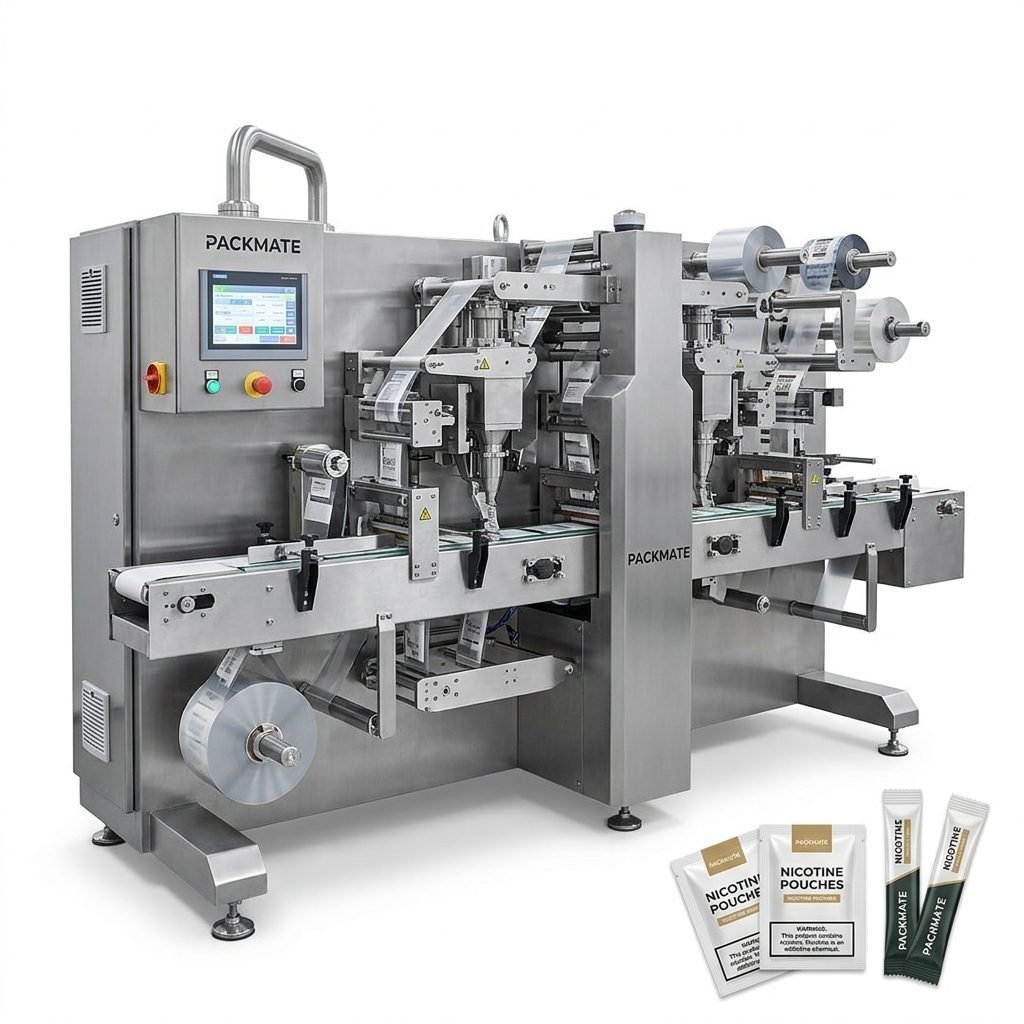
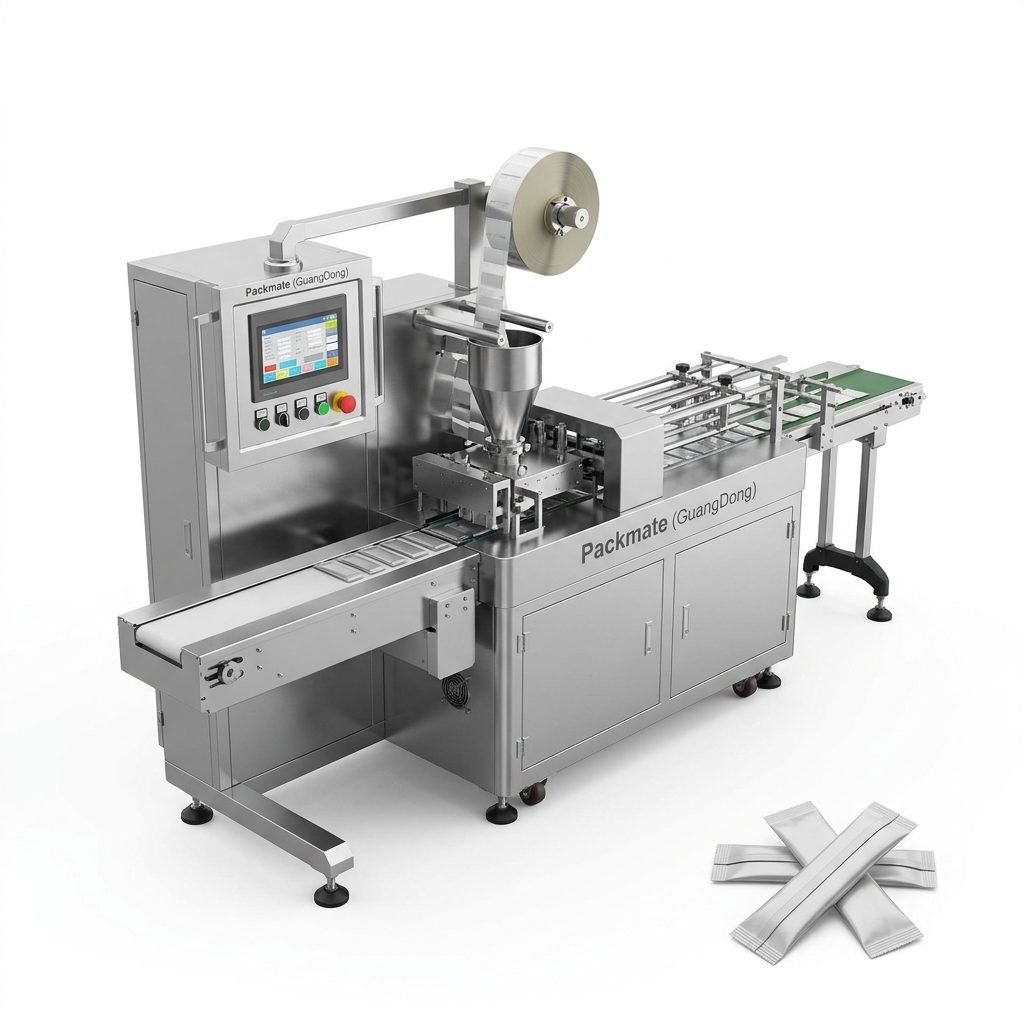
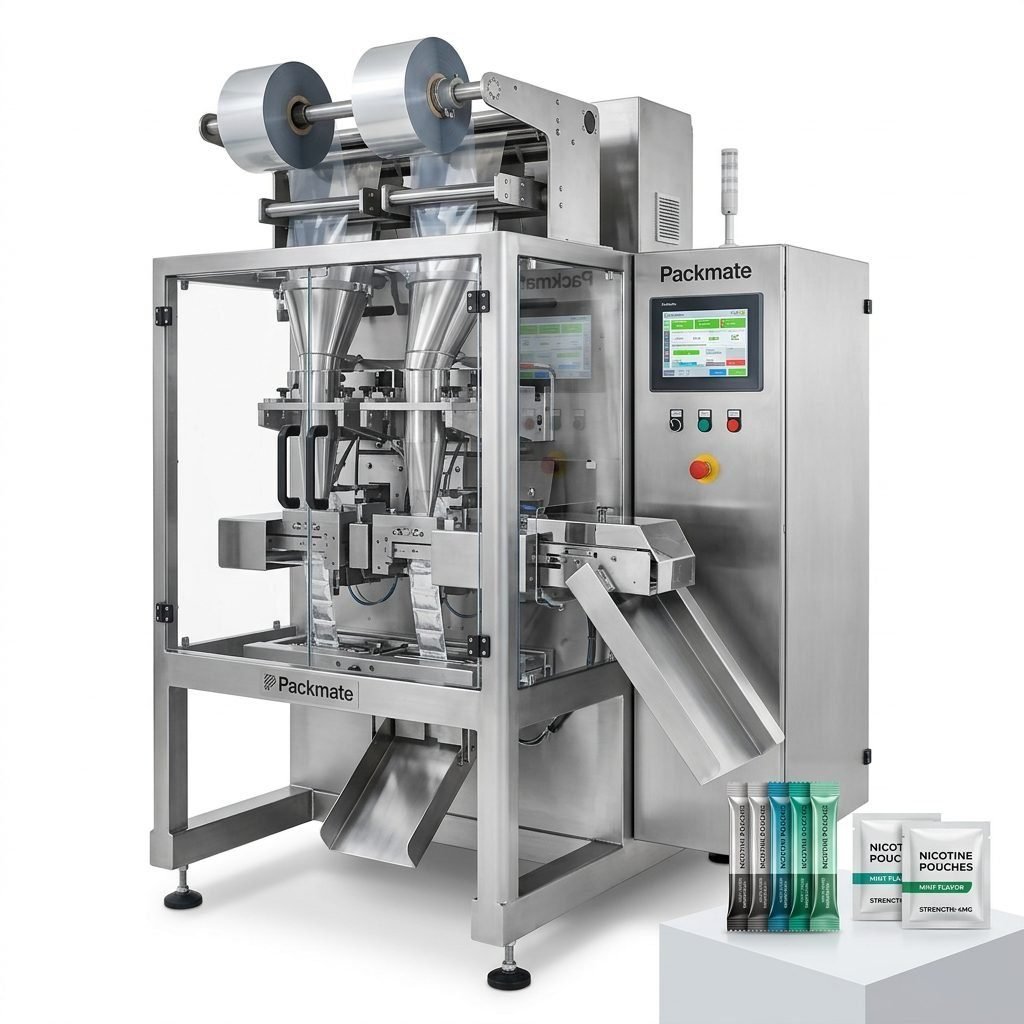
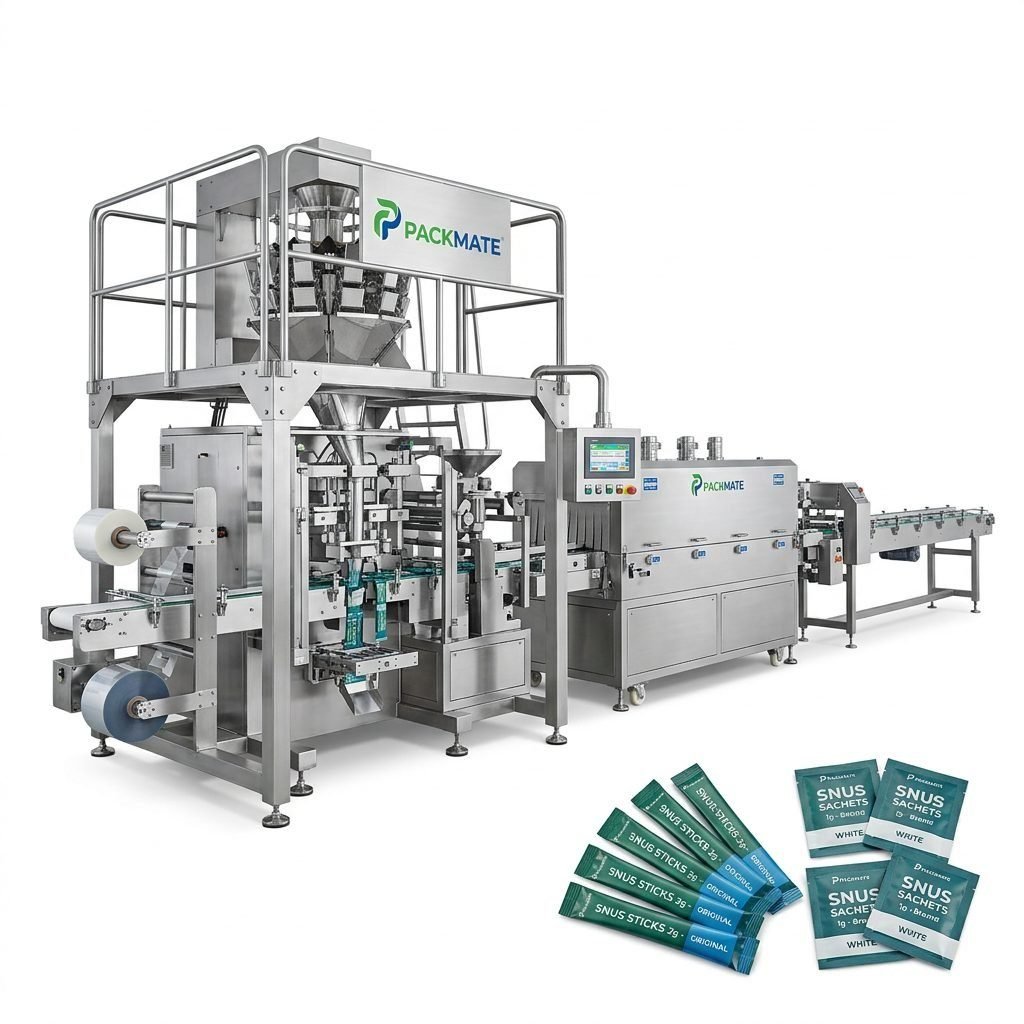
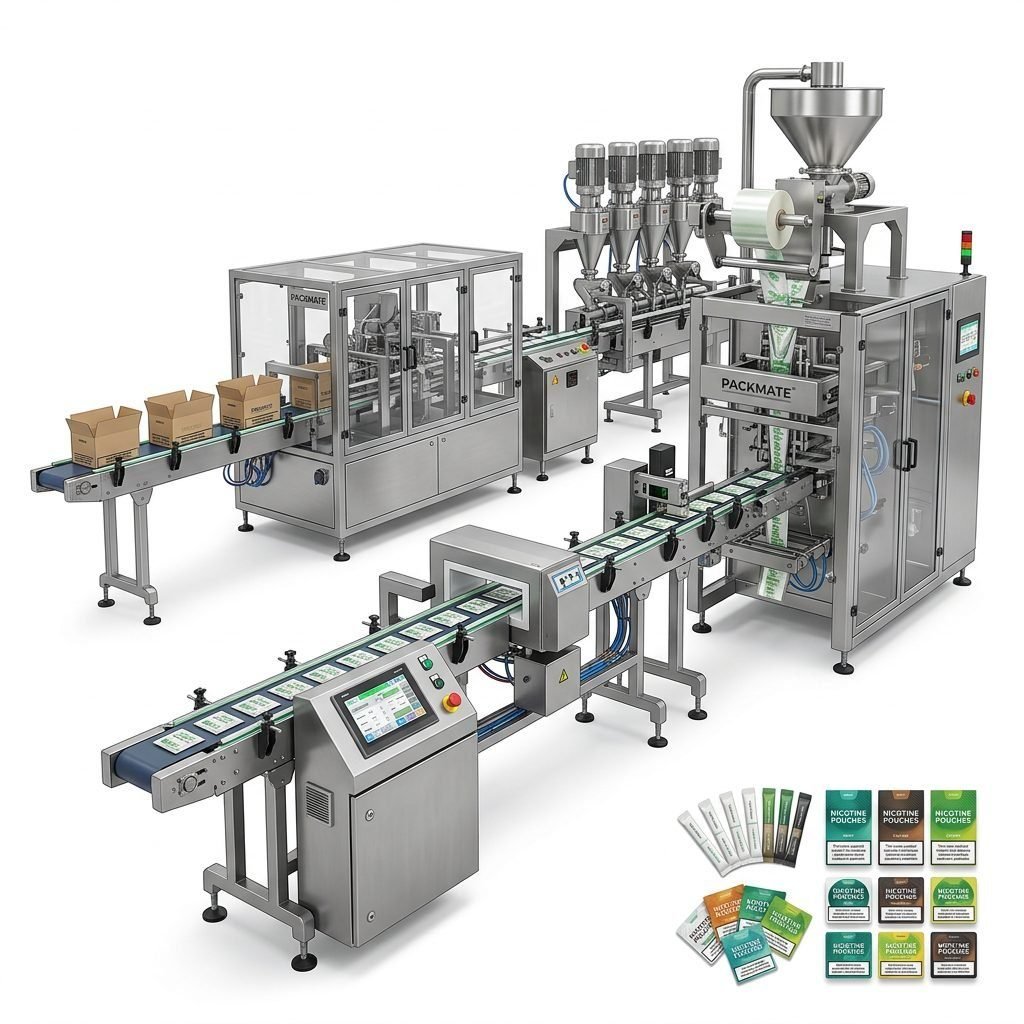
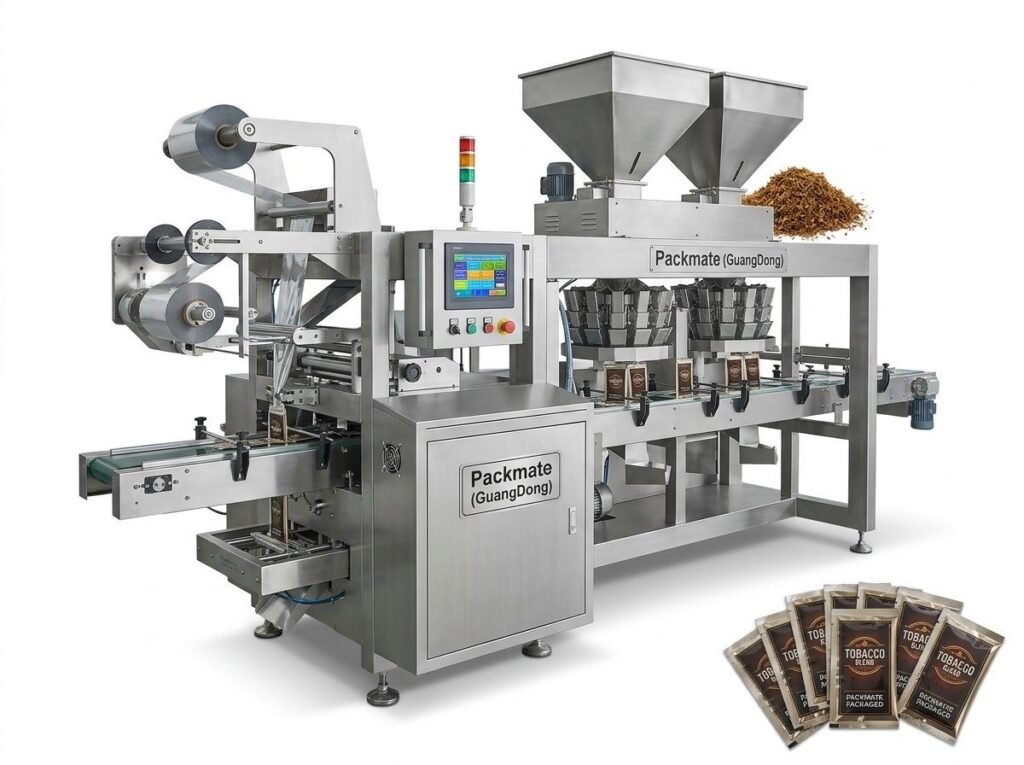
Choosing the right snus packaging machine in Spain requires a balance of technical know-how, regulatory awareness, and practical factory planning. This comprehensive buyer’s guide walks you through every major decision point — from machine types and throughput to certifications and after-sales support — so you can confidently select a packaging solution that fits your product, budget, and long-term growth plans.
Understanding the Spanish Snus Market and Regulations
Spain’s market for snus and nicotine pouches has been evolving rapidly, driven by adult consumers seeking alternatives to traditional tobacco. Before purchasing equipment, verify national and EU-level regulations regarding nicotine product packaging, labeling, and production hygiene. Machines must support clear, tamper-evident packaging formats and maintain traceability for compliance audits. Look for suppliers who understand EU requirements and can provide CE and ISO documentation for their equipment.
Why certification matters
A machine with CE and ISO compliance helps speed up regulatory clearances and shows a supplier’s commitment to safety and quality. Packmate Snus Machine, for example, lists their certifications and global export experience as part of their value proposition, which can reduce onboarding time for Spanish manufacturers.
Key Packaging Formats and Which Machines to Consider
Choosing the right format is the first step: the product and consumer preferences determine whether to choose stick packs, sachets, multi-lane pouches, or specialized nicotine pouch lines. Each format comes with its own set of machine features and throughput profiles.
Sachet & Stick Packs
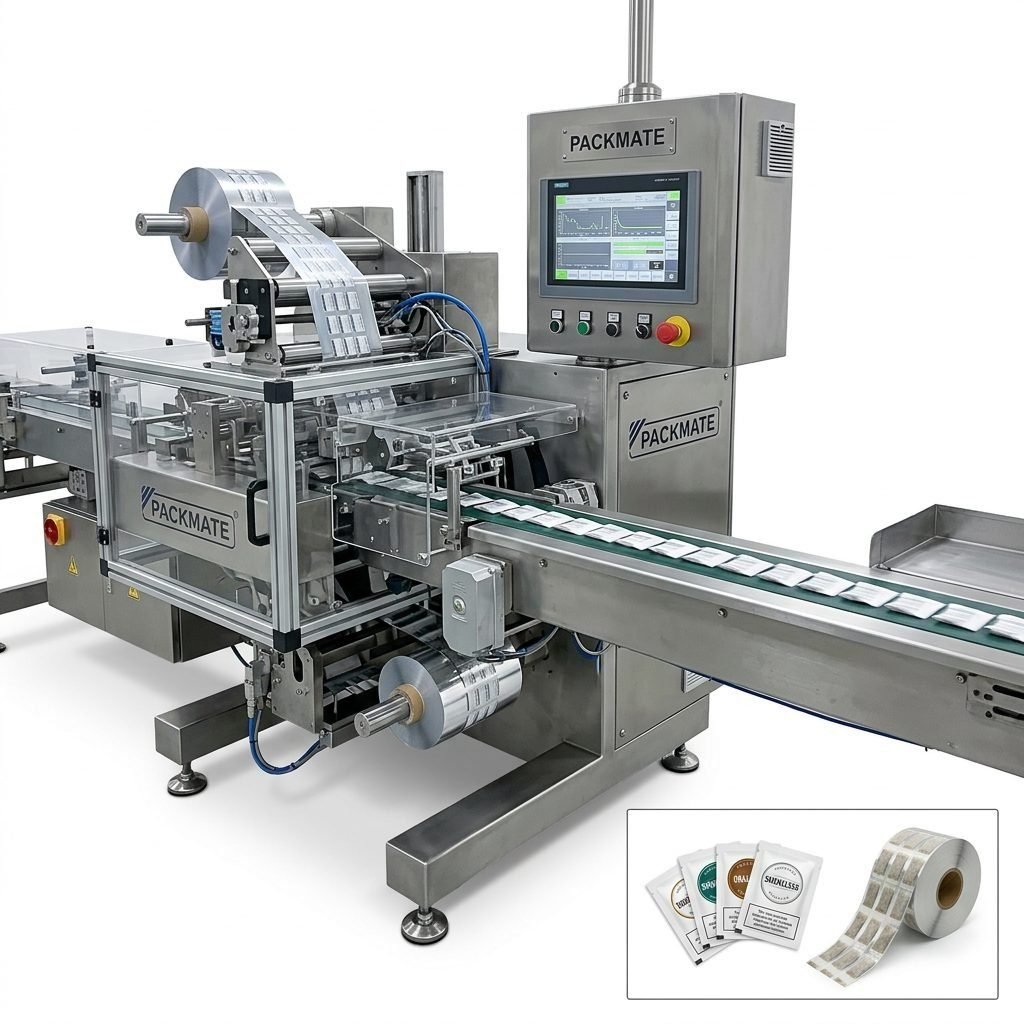
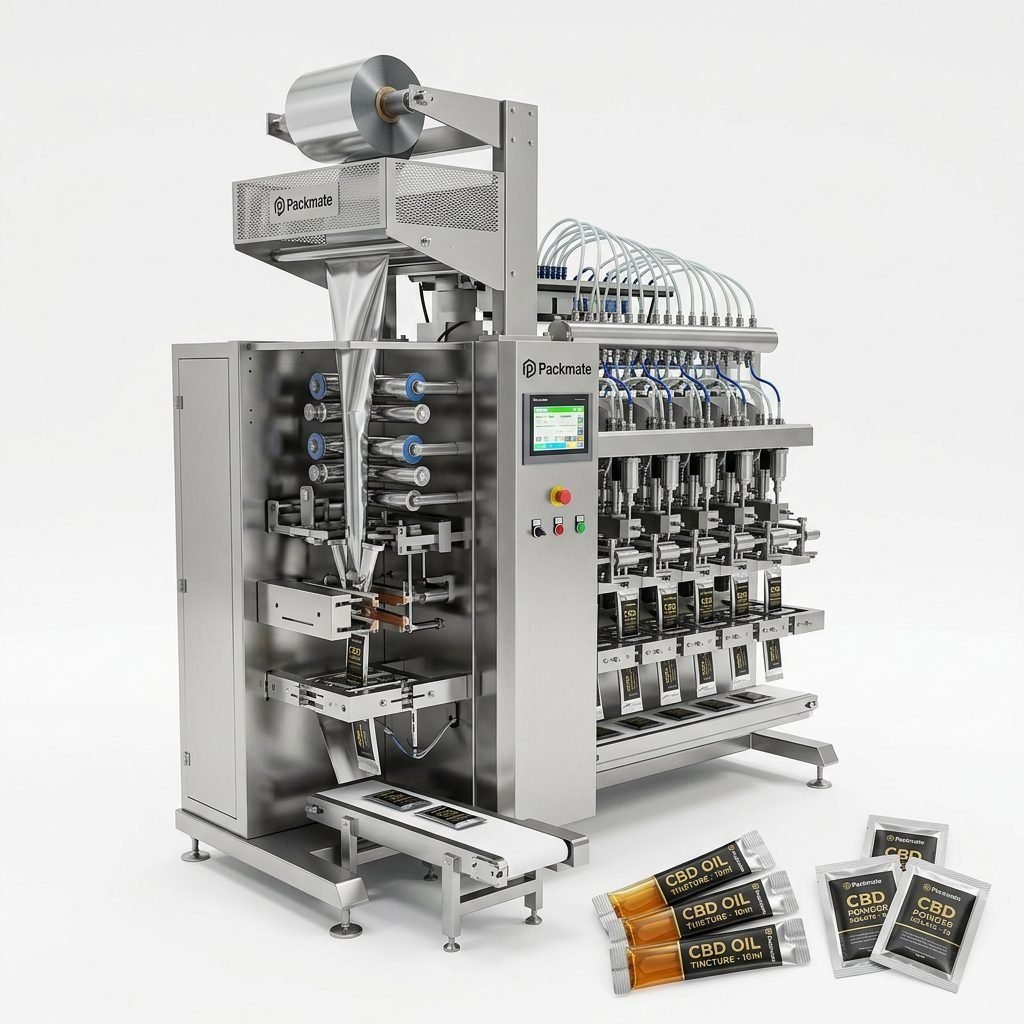
Sachet and stick pack machines are ideal for single-dose, consumer-facing portions. They are compact, cost-effective for small to medium runs, and offer simple changeovers. If your production leans toward consistent single-dose retail portions, evaluate the speed, film handling, and seal integrity of the stick pack line. See detailed product options in the Sachet & Stick Pack Machines catalog for comparisons.
Multi-lane Snus & Nicotine Pouch Systems
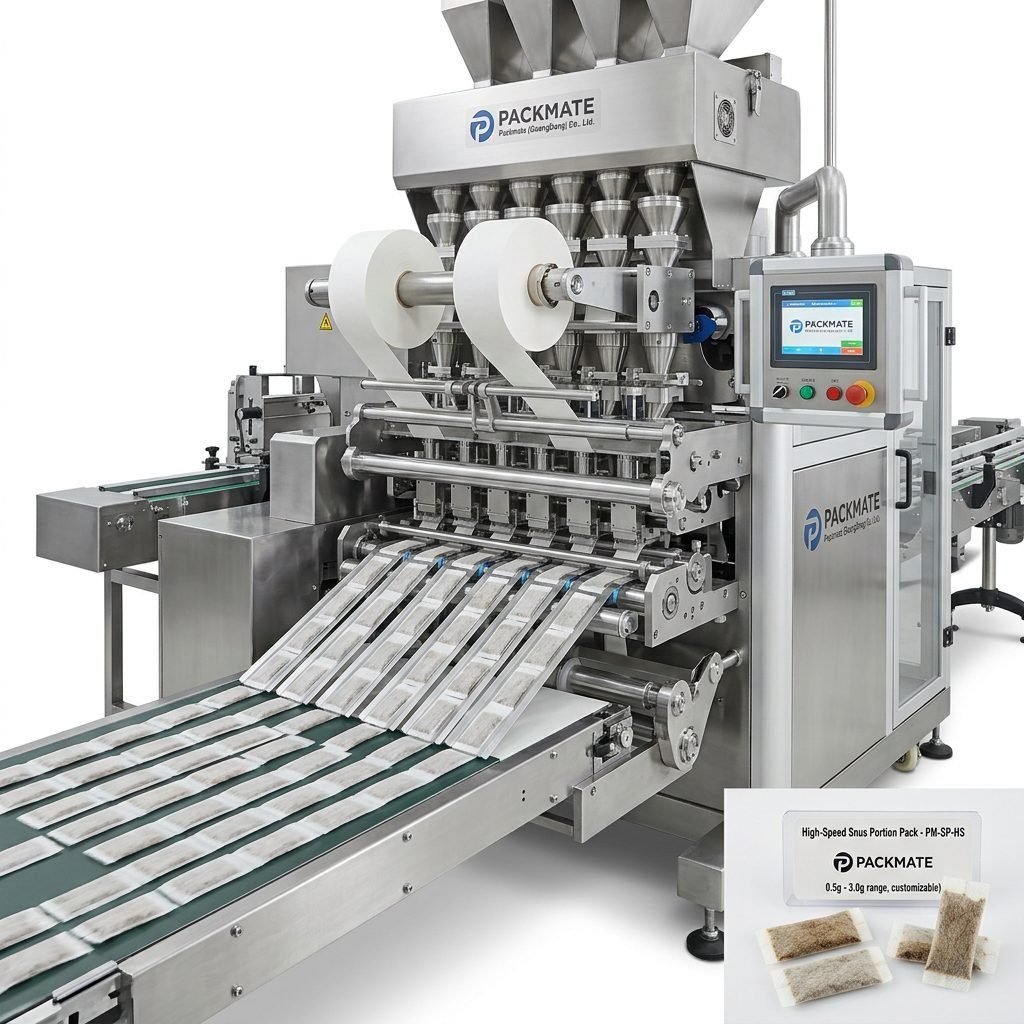
For high-volume producers or contract manufacturers supplying multiple SKUs, multi-lane systems allow several parallel filling lanes, dramatically increasing throughput per square meter. These systems need robust feeder design, synchronized dosing, and accurate lane balancing. Explore specialized Snus & Nicotine Packaging Machines that emphasize multi-lane solutions for nicotine pouches and snus.
Bag & Pouch Machines
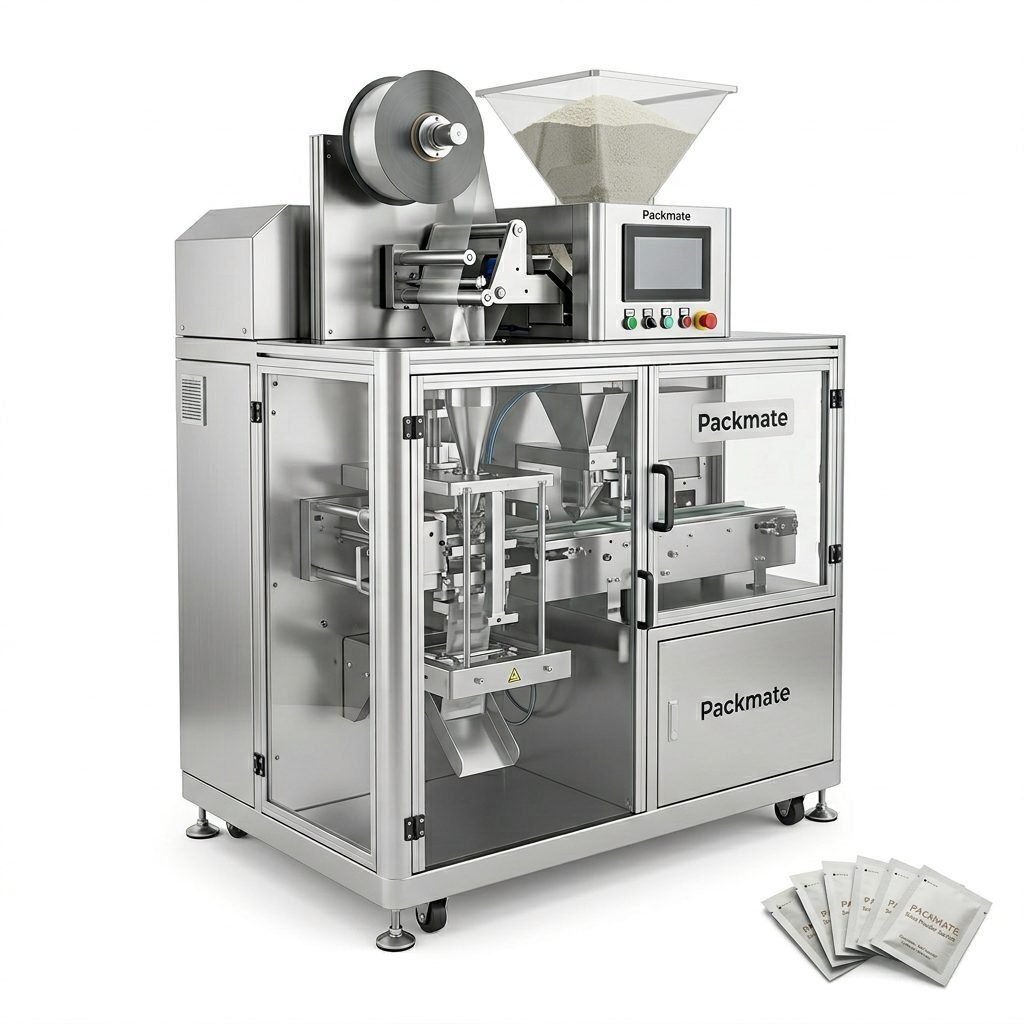
If your product requires outer bags or zipped pouches for multi-dose packs, bag & pouch machines are essential. Ensure the equipment supports the material types you plan to use (laminates, films, biodegradable options) and check sealing technology for robust tamper evidence.
🔧 Key tip: Select machines that can adapt to multiple formats with minimal tooling changes. This flexibility reduces downtime and future-proofs your investment.
Technical Specifications to Prioritize
Not all machines are created equal. Evaluate core technical specifications closely to ensure they align with your production targets and product attributes.
Throughput and OEE
Throughput (pieces per minute or packs per minute) must match your daily production targets. But also examine Overall Equipment Effectiveness (OEE): uptime, quality yield, and performance under continuous runs. A higher-rated OEE yields better ROI than a marginally faster machine with frequent stoppages.
Dosing Accuracy
Snus and nicotine pouches require precise dosing to ensure regulatory compliance and consistent consumer experience. Check dosing tolerance (mg or %), the type of dosing system (volumetric, auger, vacuum), and how the machine compensates for variations in bulk density or moisture.
Material Compatibility and Film Waste
Evaluate the machine’s film handling and tension control for different laminates and coatings. Efficient film usage and minimized waste lower COGS. Machines that support roll change automation and web guiding systems typically reduce scrap.
Cleaning, Maintenance & CIP
Sanitation-friendly design (smooth surfaces, accessible components) reduces downtime between SKU changes. For nicotine products, consider whether the machine supports fast tool-free cleaning and whether it accommodates CIP (clean-in-place) for liquid-dosing modules.
Operational Considerations for Spanish Facilities
Beyond machine specs, think about your facility layout, utilities, and staffing. Spanish factories often face constraints in floor space and utility capacity, so choose machines that offer high throughput per footprint and efficient energy usage.
Space and Workflow
Plan the complete production line: upstream fillers, dosing systems, the primary pouch machine, and downstream labeling/packing. Multi-lane systems can deliver greater output in compact footprints — a critical advantage for smaller facilities.
Electrical and Pneumatic Requirements
Verify voltage compatibility, phase requirements, and compressed air quality. Ask suppliers for detailed electrical and pneumatic schematics to ensure smooth installation in your Spanish plant.
Evaluating Supplier Capabilities and After-Sales Support
A machine is only as good as the supplier’s support network. Consider warranty coverage, spare parts availability, remote diagnostics, and spare parts lead times for Europe.
📦 Supplier checklist: Confirm CE documentation, spare parts list, field service options in Spain, and training programs. Suppliers with an international presence often provide faster response and proven installation experience.
When assessing suppliers, review their factory capabilities and track record. Packmate Snus Machine, for instance, highlights a 20,000㎡ facility, CNC machining centers, over 30 years of experience, and multiple machine models — factors that often correlate with reliable engineering and spare parts support. You can learn more about the company on the About Packmate page.
Total Cost of Ownership and ROI Calculations
Beyond purchase price, calculate TCO including energy, labor, maintenance, spare parts, tooling, and expected scrap rates. Higher initial investment in robust multi-lane systems can pay back quickly through reduced labor costs and higher throughput.
Example ROI factors
- Daily throughput vs. market demand
- Labor cost savings from automation
- Reduction in packaging material waste
- Quality yield improvements and fewer reworks
Customization, Upgrades, and Future-Proofing
Choose partners willing to customize modules (filling heads, web widths, sealing technologies) and offer software upgrades. Modular machines enable incremental upgrades without full replacement, which is valuable as product lines expand.
Integration with weighing and filling systems
If you plan multi-product operations, integrate your pouch machine with automated weighing and packaging lines for seamless transfer. See examples in Weighing & Packaging Systems and Filling & Packaging Lines for integrated solutions that reduce manual handling.
Factory Acceptance and Installation Best Practices
Perform FAT (Factory Acceptance Test) before shipping and SAT (Site Acceptance Test) after installation. Define acceptance criteria clearly: output rate, sealing integrity, dosing accuracy, and downtime metrics. Ensure supplier provides training for operators and maintenance staff during installation.
✅ FAT checklist: test at target speed, verify tooling change times, confirm alarm and safety systems, and validate software HMI functionality.
Real-World Cases and Demonstrations
Seeing machines in operation is invaluable. Attend trade shows, request video demonstrations, or visit supplier references. Packmate highlights a range of global cases and exhibitions where prospective buyers can see equipment performance in real production scenarios. Explore their Case and Our Exhibition pages for examples and show schedules.
Checklist for Final Decision-Making
Use this quick checklist to finalize your purchase decision:
- Production capacity meets 1–3 year growth forecasts
- Compliance with CE/ISO and Spanish/EU regulations
- Reliable dosing accuracy and material compatibility
- Strong after-sales support and spare parts availability
- Clear FAT/SAT procedures and operator training included
- Energy and space efficiency for your facility footprint
How to Start the Purchasing Process
Begin with a clear product specification sheet: pouch dimensions, target weights, film materials, desired output, and regulatory notes. Share this with vendors to receive tailored proposals, including layout drawings, electrical schematics, and lead times. For more product-focused information, consult the Packmate product categories such as Snus & Nicotine Packaging Machines and Sachet & Stick Pack Machines to compare equipment families.
ℹ️ Pro tip: Request a full line quote (including ancillary equipment like conveyors and secondary packers) to assess real installation costs and timeline.
Negotiating lead times and spare parts
Confirm lead times for the machine and critical spares. If you’re importing equipment into Spain, ensure logistics plans handle customs, VAT, and local installation services. Suppliers with European service networks or local partners can shorten response times.
Why Choose an Experienced Manufacturer
Experienced manufacturers bring engineering maturity and a history of iterative improvements. Packmate’s decades of R&D and global turnkey deliveries illustrate the benefits of working with established suppliers: predictable performance, reliable spare parts, and demonstrated multi-lane solutions for nicotine pouch production.
For additional references and to request quotes or demonstrations, visit the manufacturer’s Case studies and Contact Us pages to arrange machine evaluations or factory tours.
Final recommendations before purchase
– Prioritize machines with proven dosing accuracy and modular design.
– Choose suppliers offering strong European after-sales support.
– Validate machine performance with FAT and request references from similar product lines.
– Consider total cost of ownership rather than headline price alone.
Next steps
If you are ready to engage, prepare a technical brief and reach out to multiple vendors for in-depth proposals and FAT appointments. Comparing multiple offers will highlight which suppliers can best balance price, delivery time, and long-term support for your Spanish operation.
🔎 Useful links:
Snus & Nicotine Packaging Machines,
Sachet & Stick Pack Machines,
Case,
About Packmate
Common Questions (FAQs)
Q1: What type of packaging machine is best for small-batch snus production in Spain?
A1: For small batches, consider stick pack or single-lane sachet machines that offer low capital expenditure, easy changeovers, and reliable dosing. These formats are ideal for startups or limited SKU runs.
Q2: How important are CE and ISO certifications when buying packaging equipment for nicotine pouches?
A2: Very important. CE ensures machinery meets EU safety standards; ISO indicates quality management systems. These certifications simplify regulatory compliance and often reflect higher manufacturing standards.
Q3: Can I upgrade a single-lane machine to a multi-lane system later?
A3: Some manufacturers offer modular architectures that allow upgrades. Confirm modular upgrade paths up front and review the costs and mechanical adjustments required for lane multiplication.
Q4: What after-sales services should I prioritize?
A4: Prioritize quick spare parts delivery, remote diagnostics, onsite service capability in Europe, operator training, and documented FAT/SAT protocols.
Q5: How can I reduce film waste and lower packaging costs?
A5: Use precise web guiding, improved tension control, and optimized film layouts. Choosing equipment with advanced servo controls and minimal changeover waste will reduce material consumption over time.