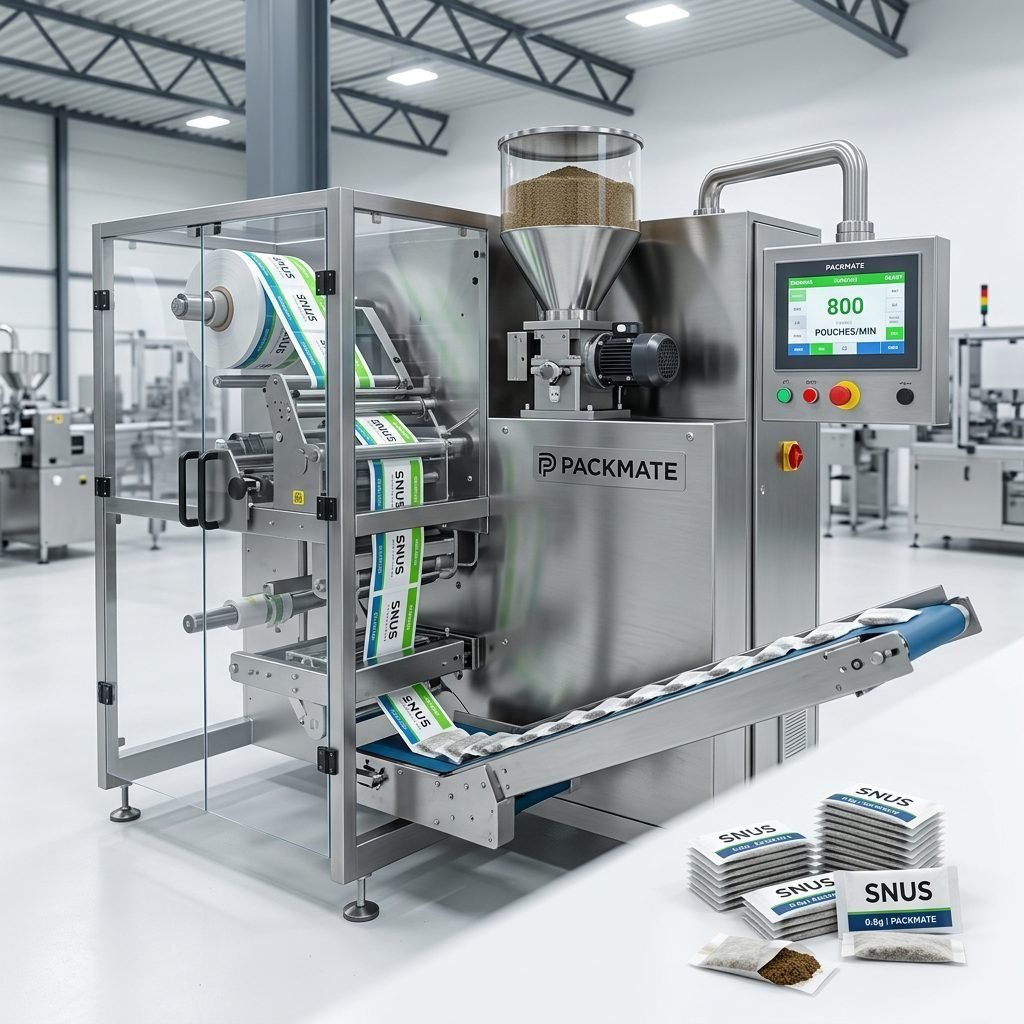
When you’re sourcing a snus packaging machine for the Marshall Islands market, making the right choice means balancing production needs, regulatory compliance, climate-related considerations, and long-term support. This guide walks you through each decision point so you can select a reliable, high-performance snus / nicotine pouch packaging solution that fits your business goals.
Understanding the Marshall Islands Market & Practical Constraints
The Marshall Islands presents unique logistical and operational realities: remote shipping routes, tropical humidity, and limited local service infrastructure. Before you buy, confirm local import rules, customs timelines, and any nicotine-related regulations. Plan for longer lead times for spare parts and consider vendors offering strong remote support and consolidated export packing.
⚠ Key reminder: verify nicotine product regulations locally and arrange clear shipping timelines. Choose a supplier with export experience to remote islands.
1. Define Your Production Requirements
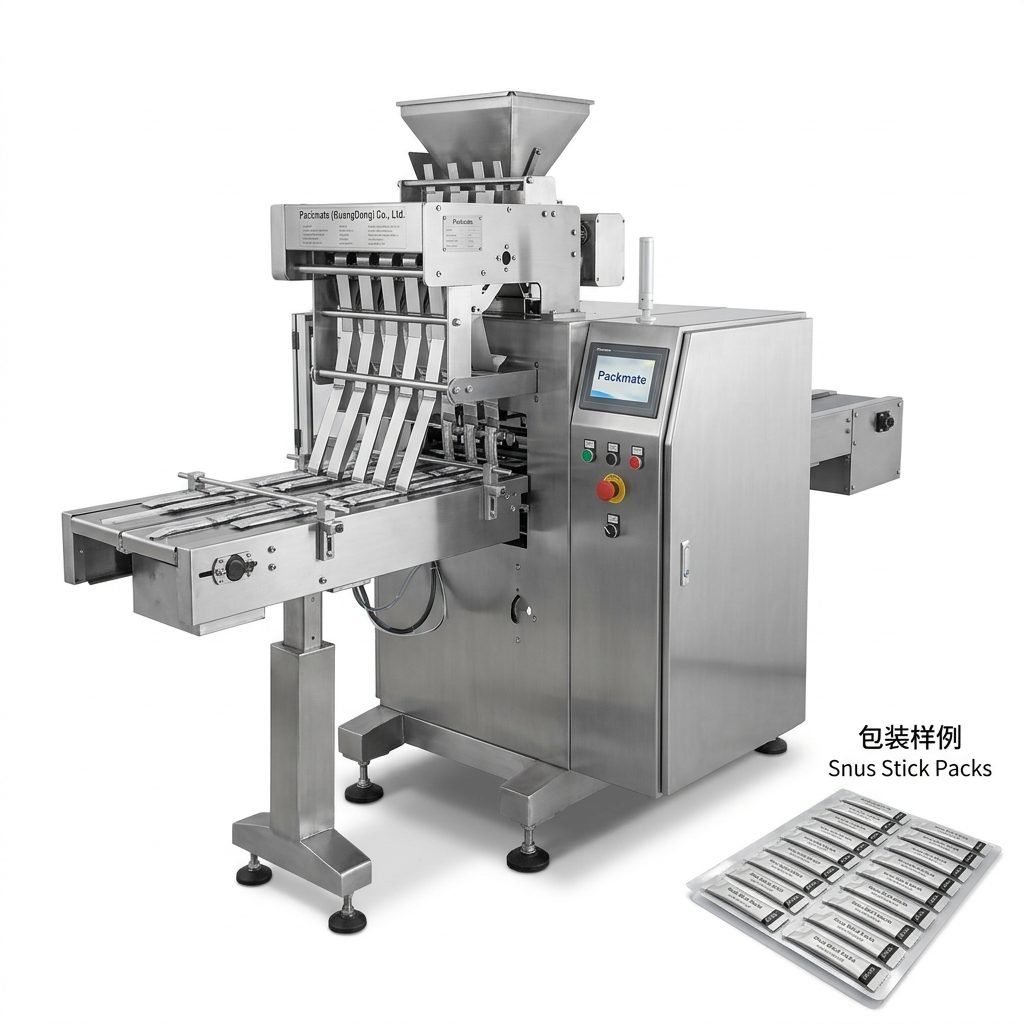
Start by defining expected daily throughput (pouches/hour), number of SKUs, pouch formats (single-dose pouches, sachets, stick packs), and whether you need multi-lane capability. Matching machine capacity to projected demand avoids overspending or capacity shortfalls. For nicotine pouches and snus, look for machines engineered for small-dose, multi-lane precision.
What to specify:
• Expected production speed (pouches/min or pouches/hr)
• Number of lanes (single vs. multi-lane)
• Pouch size range and material types (paper/aluminum/film)
• Fill types (powder, granule, paste) and dosing accuracy requirements
2. Machine Types & Which One Fits Best
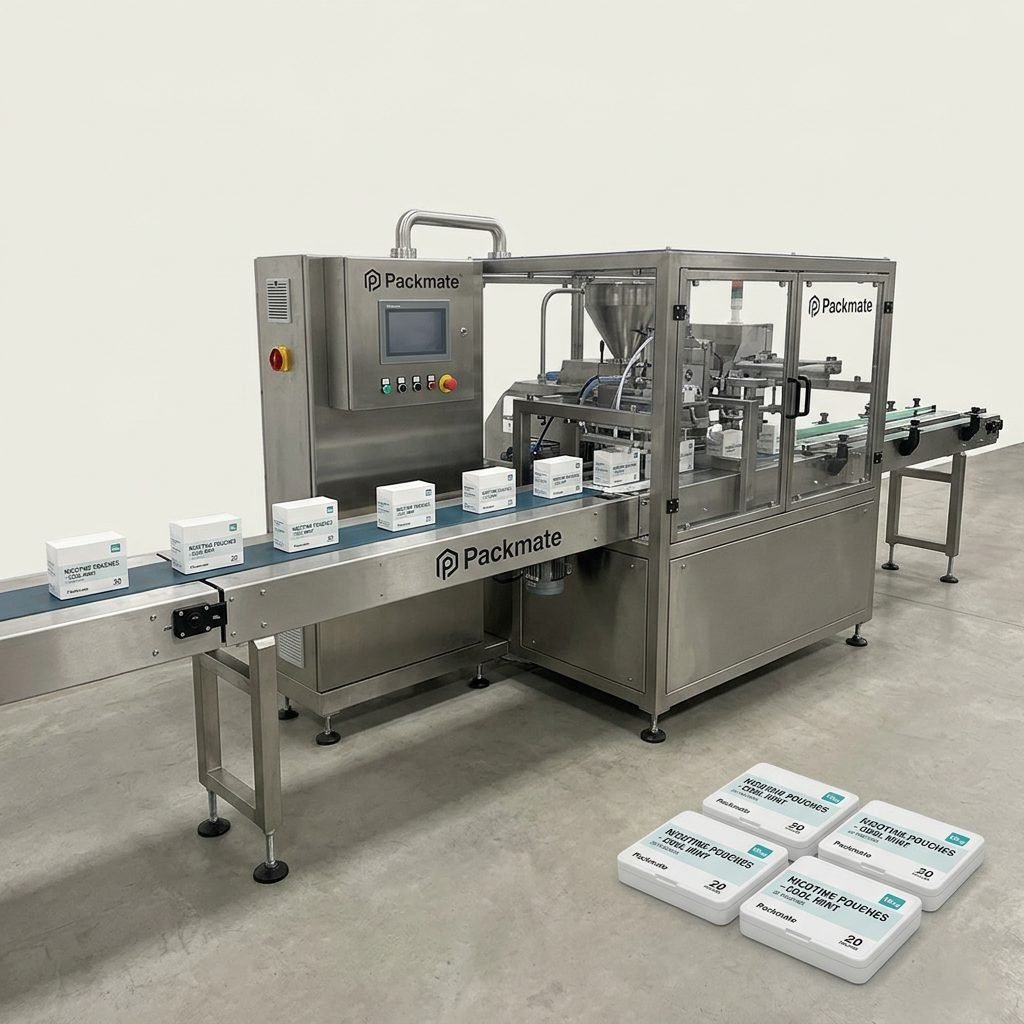
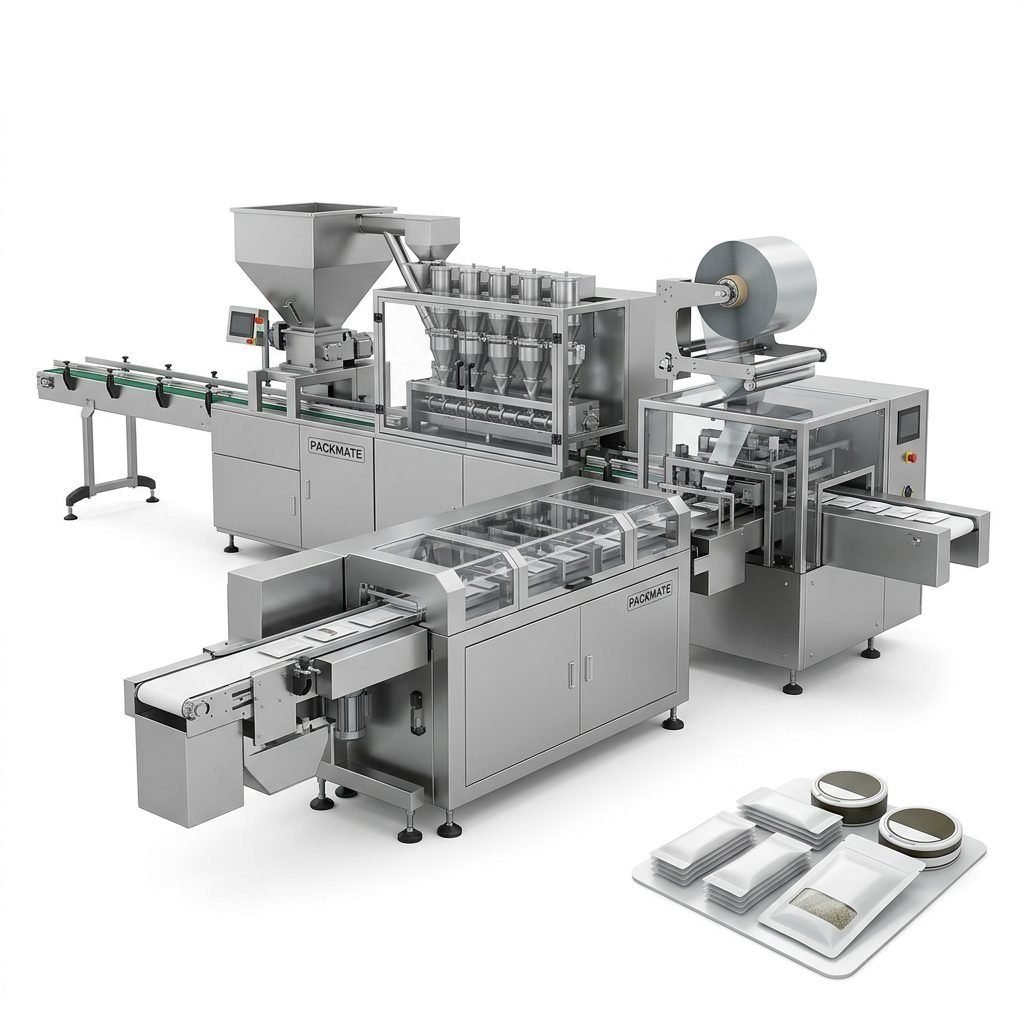
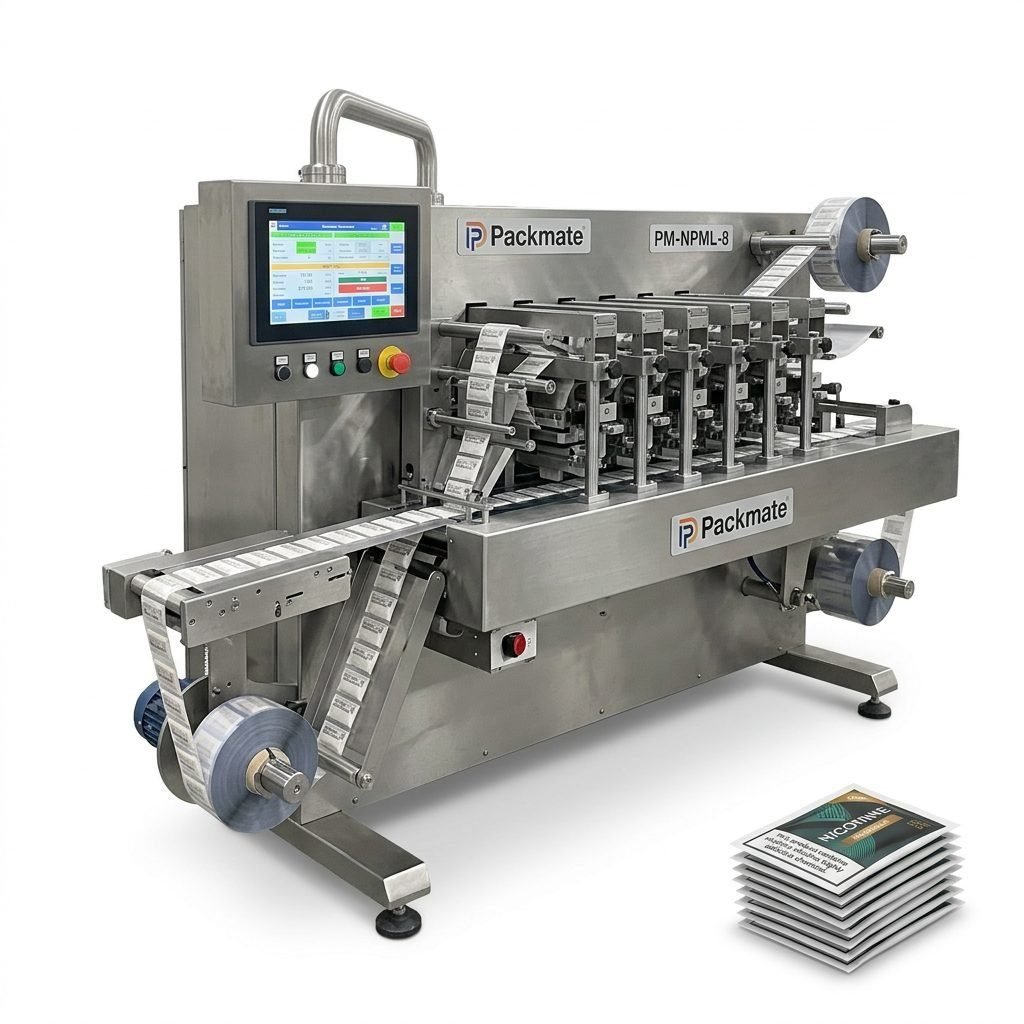
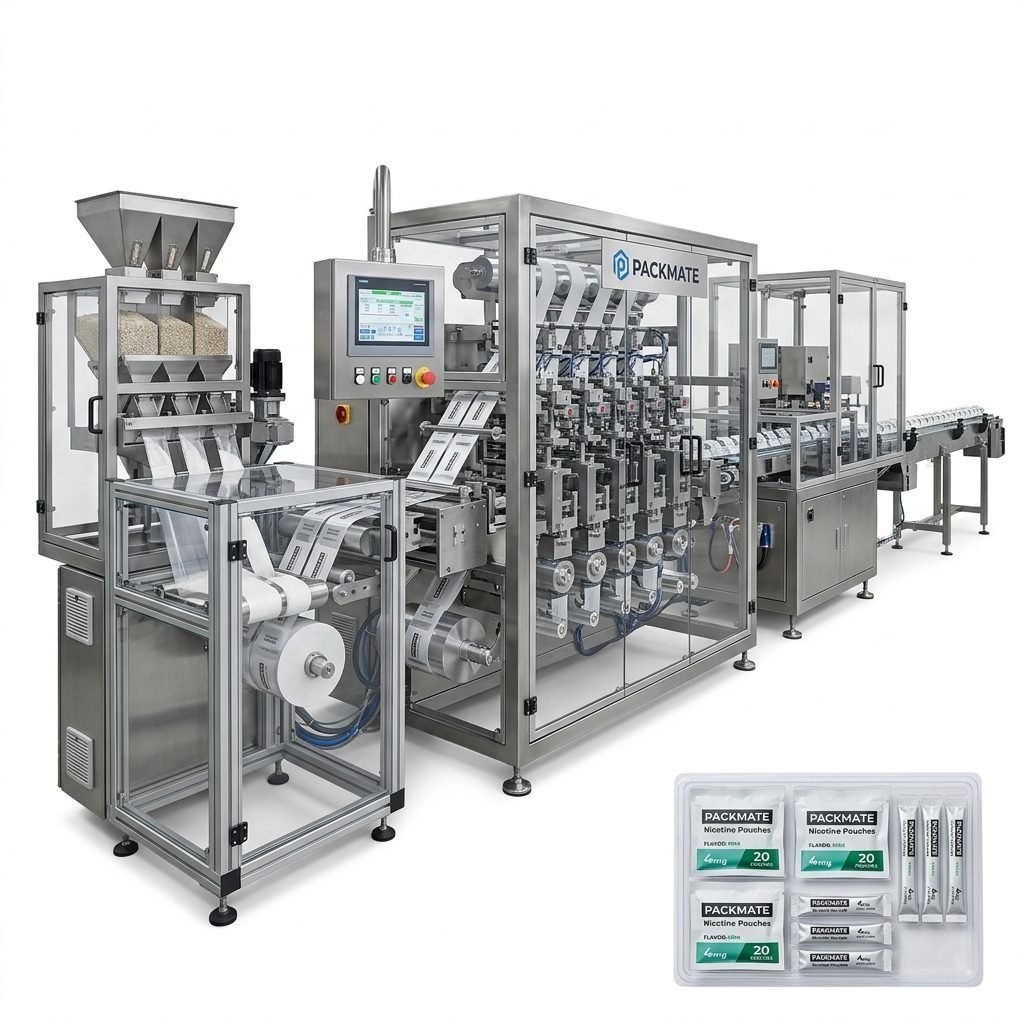
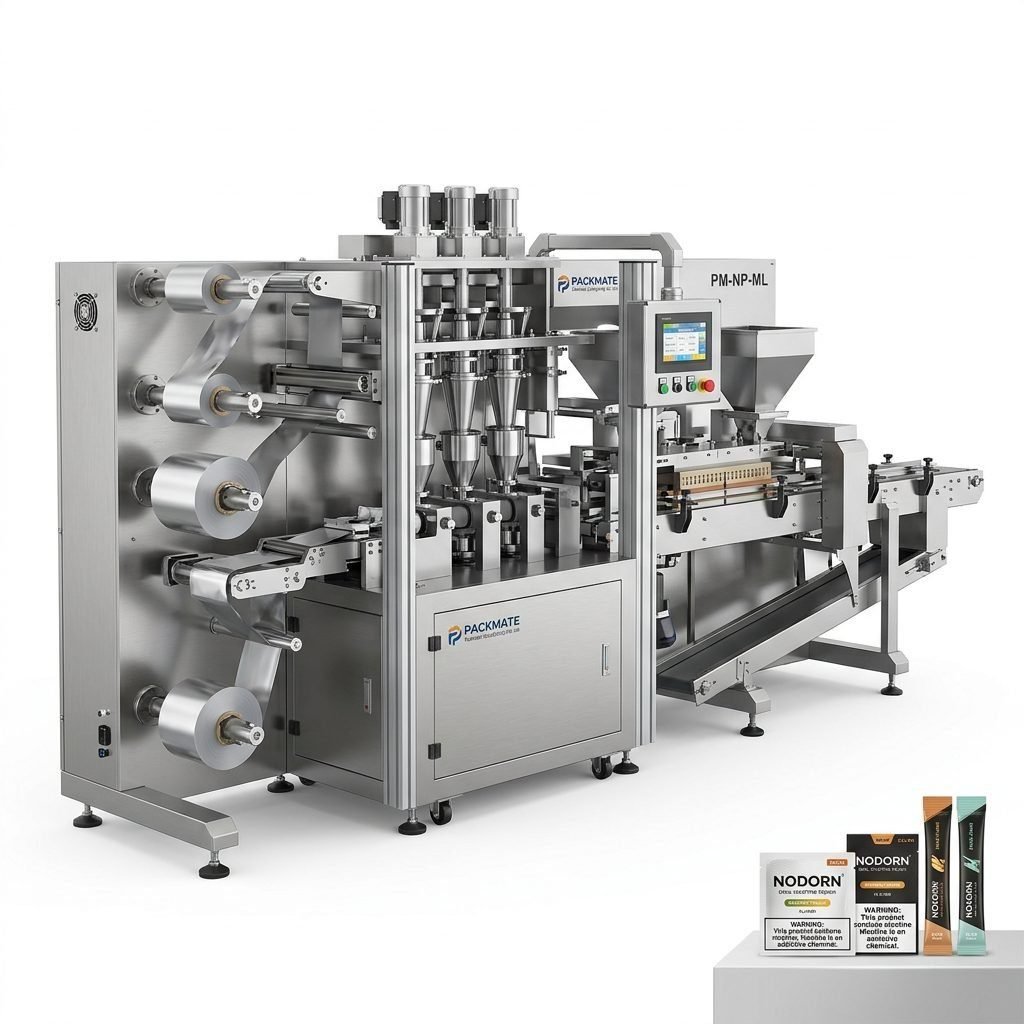
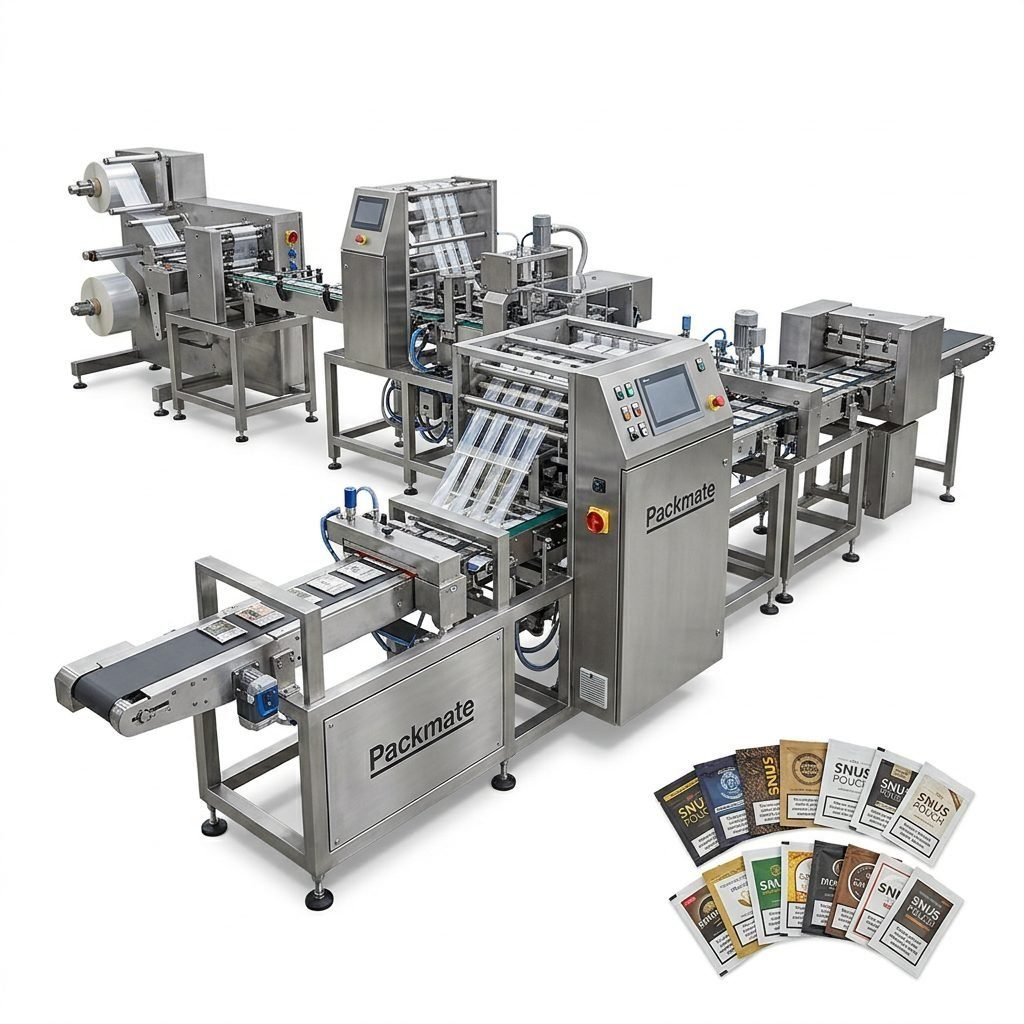
Packaging solutions range from vertical form-fill-seal sachet machines to multi-lane snus-specific pouch lines. If your focus is nicotine pouches and snus, review specialized models under Snus & Nicotine Packaging Machines to ensure material handling and dosing systems are optimized for small doses and hygiene.
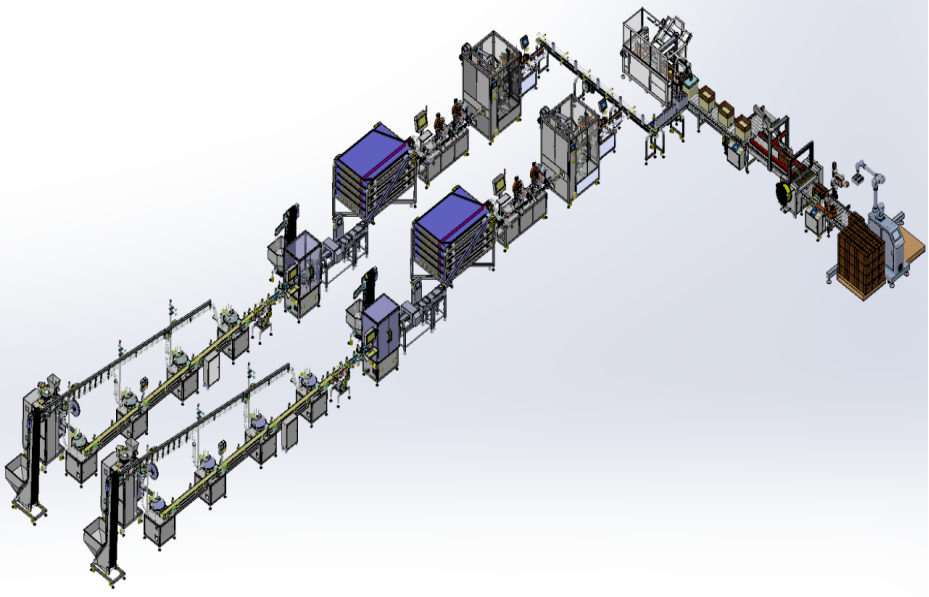
For flexible product portfolios, consider modular lines that integrate with auxiliary equipment such as weighing systems, conveyors, and case packers.
Tip: view real-world installations in the manufacturer’s case studies to see how similar lines perform.
3. Critical Technical Features to Prioritize
Selecting machines with robust technical specifications reduces downtime and improves output consistency. Look for:
- ✓ High-precision dosing (± small % for nicotine pouches)
- ✓ Servo-driven motion control for repeatable timing and fast changeovers
- ✓ Hygienic design with stainless steel contact parts and easy-clean access
- ✓ HMI with recipe management and remote diagnostics
- ✓ Compatibility with your pouch materials and printing/branding needs
4. Quality, Certifications & Manufacturer Credentials
Choose a manufacturer with proven quality systems, international certifications (CE, ISO), and documented testing. A strong production facility and long engineering history are valuable — companies like Packmate emphasize decades of experience and large manufacturing capabilities, which matter for reliability and spare parts availability. Learn more about the manufacturer on their About Packmate page.
Audit checklist for suppliers
• Factory size and manufacturing equipment (CNC, assembly lines)
• Production capacity and delivery lead times
• Test reports and acceptance procedures (factory acceptance test – FAT)
• Warranty terms, spare parts lead-time, and training packages
5. After-sales Support, Spare Parts & Remote Service
For the Marshall Islands, reliable remote support and a clear spare parts plan are essential. Verify:
- ⚡ Remote troubleshooting and software updates
- ⚡ Fast spare parts shipping or local stocking options
- ⚡ On-site commissioning and operator training
- ⚡ Clear escalation paths for urgent repairs
Ask your vendor: Do they include remote HMI access, training, and a spare parts kit for export to island destinations?
6. Integration with Auxiliary Equipment
A full packaging line requires weighing systems, feeding devices, conveyors, and case packing. Ensure compatibility and electrical control integration. Explore modular systems like Bag & Pouch Packaging Machines and complete Filling & Packaging Lines for turnkey configurations that reduce on-site integration time.
7. Total Cost of Ownership (TCO) — Beyond the Purchase Price
Evaluate energy consumption, consumables (film, sachets), routine maintenance, spare parts, and expected machine lifetime. A slightly higher upfront cost for better reliability often results in lower operating expenses over time. Ask vendors for a TCO breakdown and references from similar customers.
8. Installation, Commissioning & Operator Training
Installation in remote locations requires precise planning: site electrical specifications, floor anchoring, ventilation, and local safety compliance. Confirm that the supplier provides comprehensive commissioning, a FAT report, and hands-on operator training. Request documentation in advance to prepare your site.
9. How to Evaluate Vendors — Practical Steps
1) Shortlist manufacturers with industry experience and certifications; 2) Request machine videos and FAT records; 3) Ask for sample runs with your product; 4) Check references and case studies; 5) Confirm warranty, SP lead times, and training. Visit the vendor’s product pages like their Snus & Nicotine Packaging Machines and About Packmate to evaluate compatibility and expertise.
10. Packing, Shipping & Import Considerations for the Marshall Islands
Shipping heavy machinery to island nations involves special crating, corrosion protection for tropical climates, and clear labeling for customs. Confirm that the supplier has experience shipping to remote ports and provides export documentation (packing list, certificates, insurance). Factor in local handling and inland transport times when planning installation.
Purchase checklist: machine model, FAT report, spare parts list, training schedule, shipping plan, and warranty terms.
11. Why Choose an Experienced Manufacturer
Selecting a manufacturer with decades of engineering experience and a wide product range ensures better customization, reliable components, and global support. Manufacturers that provide turnkey solutions and have credible case references give you confidence for long-term operation.
If you want to explore specific product lines, check the manufacturer’s product suites: Snus & Nicotine Packaging Machines and Bag & Pouch Packaging Machines.
12. Final Buying Roadmap
1) Define production targets and pouch specs. 2) Shortlist 2–3 compatible machines. 3) Request sample testing and FAT videos. 4) Compare TCO and support packages. 5) Confirm shipping, installation, and training timelines. 6) Sign clear acceptance criteria and warranty conditions.
Quick vendor resource links
• Learn more about the manufacturer: About Packmate
• See customer installations and references: Case
Conclusion
Choosing the best snus packaging machine for the Marshall Islands is a mix of technical fit, vendor reliability, logistical planning, and long-term support. Prioritize precise dosing, hygienic design, robust vendor credentials, and a clear spare parts and service plan to keep your line running smoothly in a remote island environment.
Common Questions
Q1: How do I validate that a machine will handle my nicotine pouch formula?
A1: Request a sample run or on-site FAT with your exact material and pouch film. Confirm dosing accuracy reports and ask for video proof or live demo.
Q2: What spare parts should I stock in the Marshall Islands?
A2: Keep critical wear parts, sensor modules, belts, sealing jaws, and a control PLC/HMI backup. Coordinate a spare parts kit with your supplier for faster replacements.
Q3: Can I buy a fully integrated line rather than separate machines?
A3: Yes. Many manufacturers offer turnkey solutions that include filling, weighing, packaging, and case packing — reducing integration time and ensuring compatibility.
Q4: How important are certifications like CE / ISO?
A4: Certifications indicate that the equipment meets international safety and quality standards, which helps with export compliance and long-term reliability.
Q5: Who should I contact to get specifications, pricing and lead times?
A5: Reach out to the manufacturer’s sales or contact page to request quotations, machine specifications, and FAT schedules — for example, use the Contact Us page to begin the conversation.