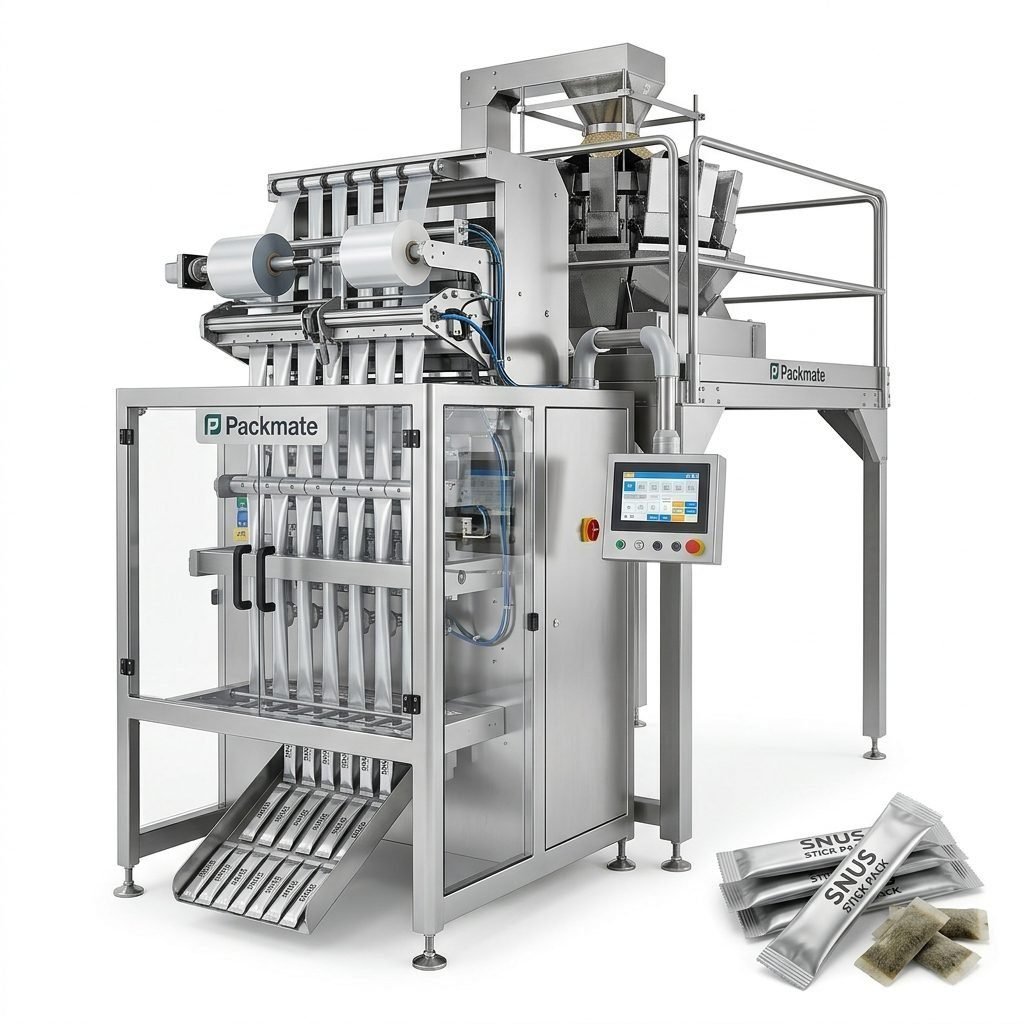
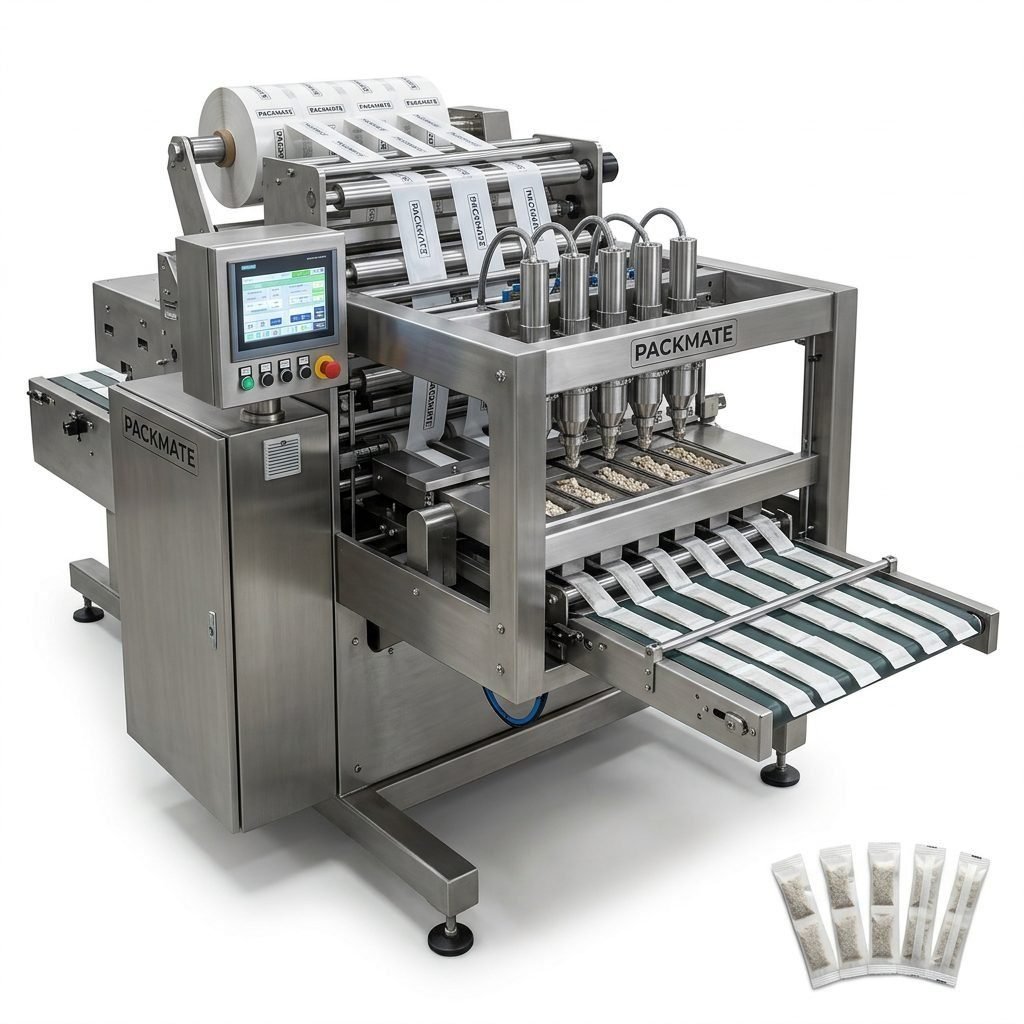
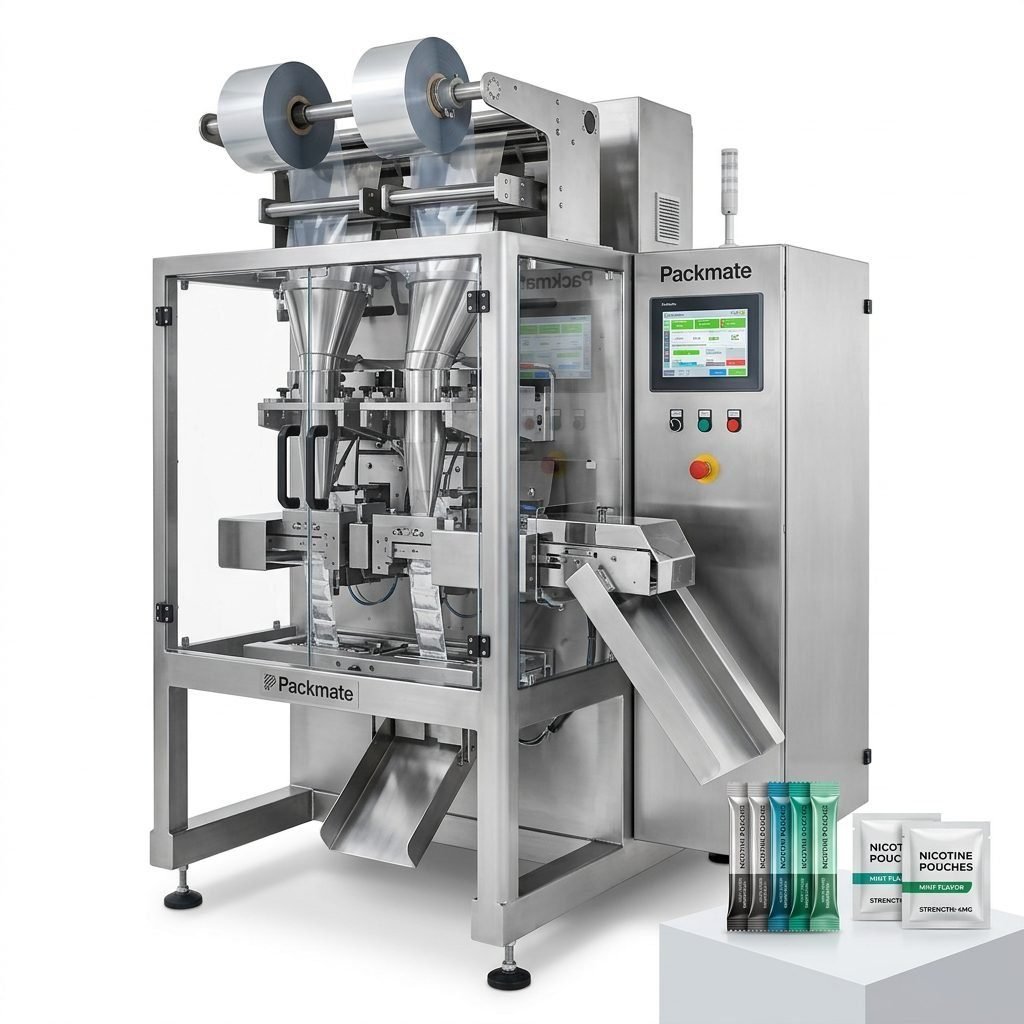
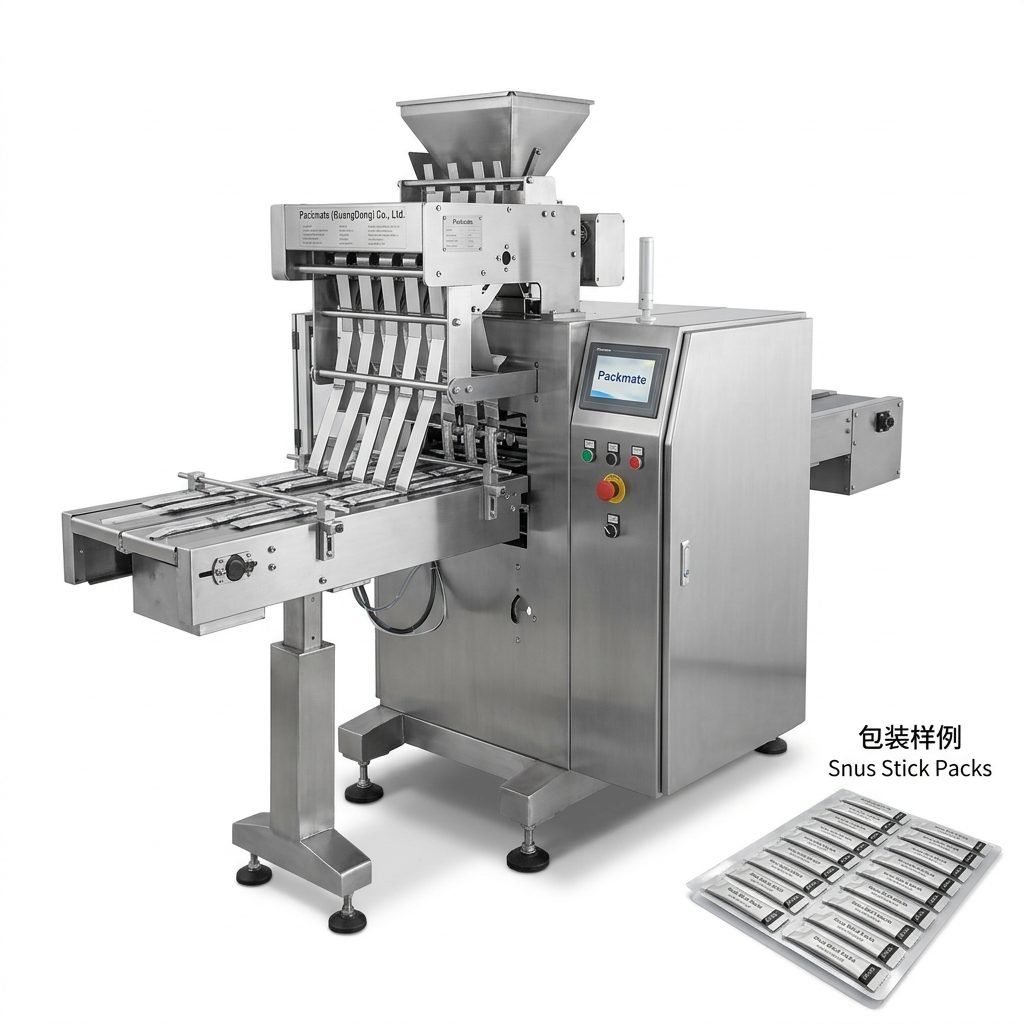
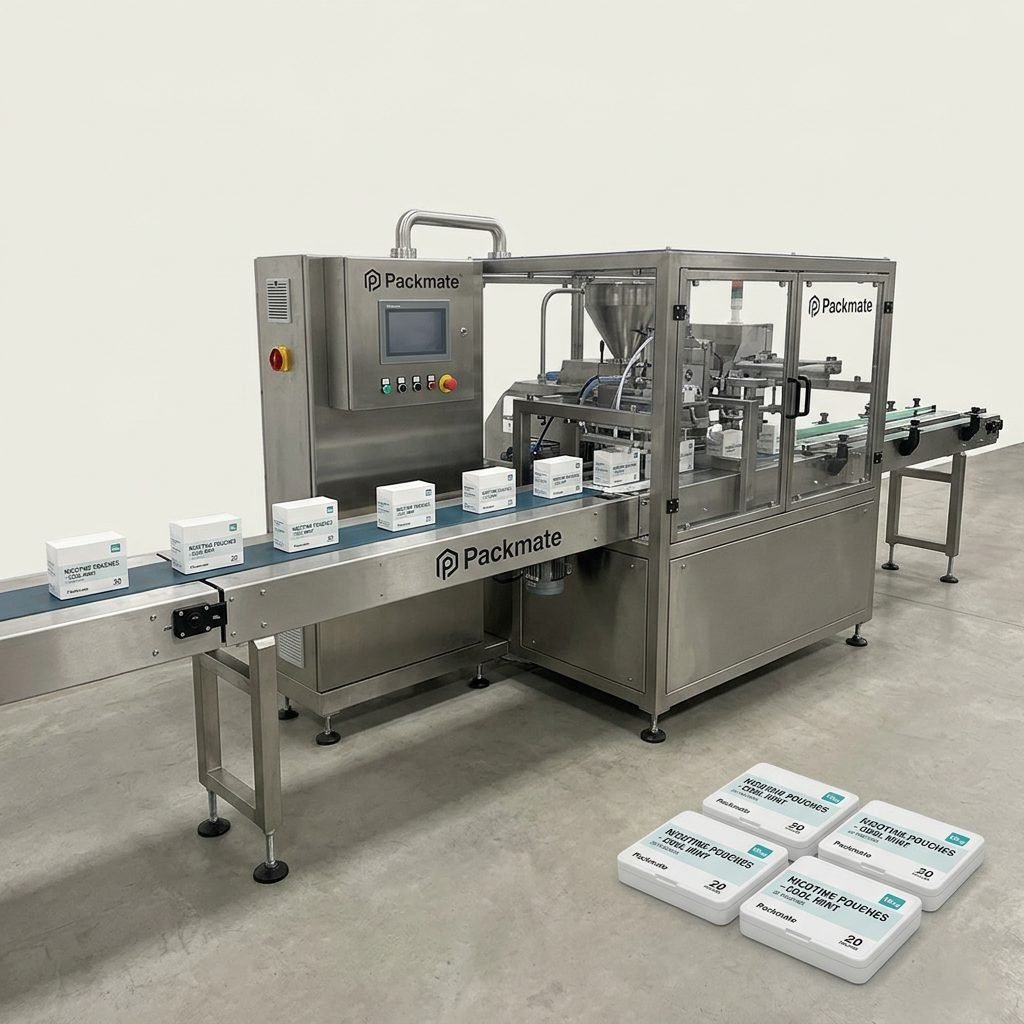
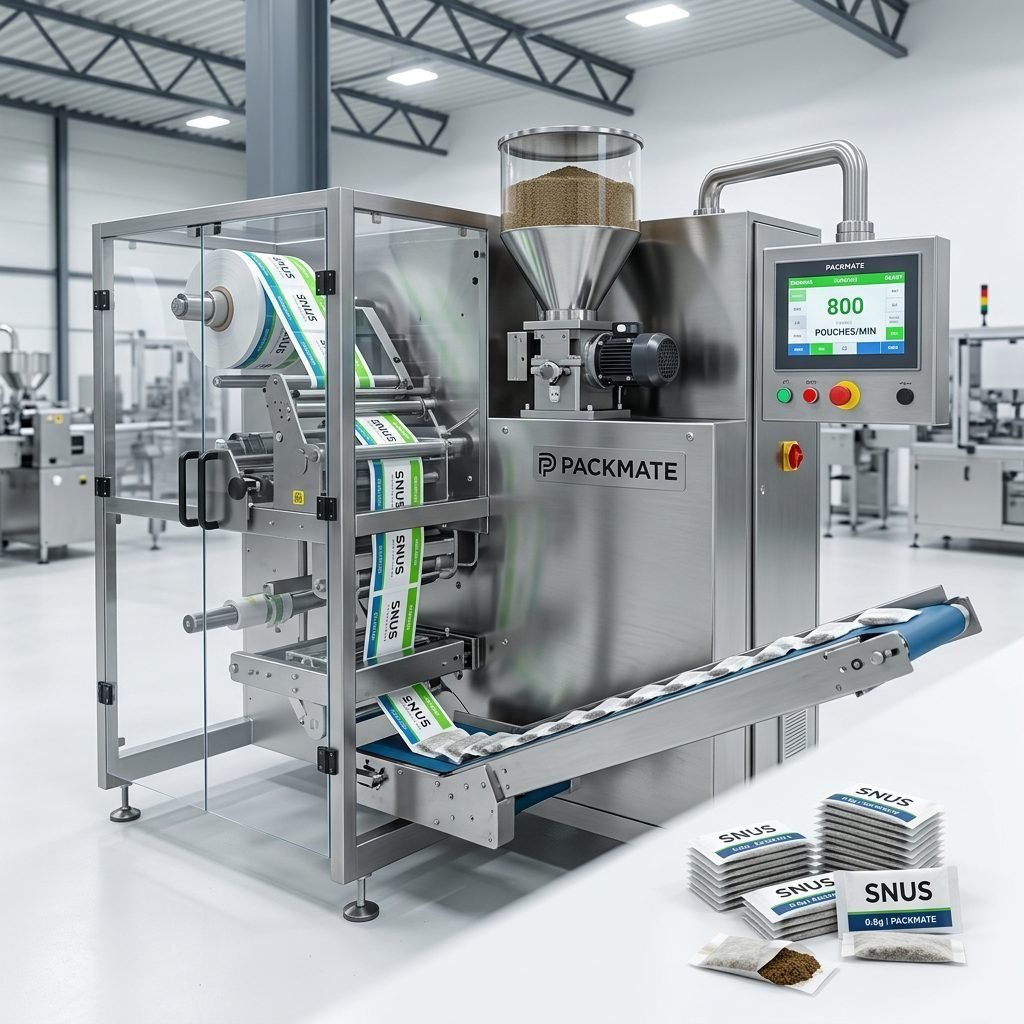
Choosing the right nicotine packaging machine in Slovakia is a strategic decision that impacts product quality, regulatory compliance, production efficiency, and long-term costs. This guide walks you through the practical steps to select the best snus and nicotine pouch packaging equipment for your operation, explains the technical and commercial criteria to consider, and highlights how working with an experienced supplier can accelerate your path to a reliable and compliant production line.
Understand Your Production Requirements
Before evaluating machines, document your core production needs. Key questions include: what daily throughput do you need, what pouch formats and sizes will you run, do you require single-lane or multi-lane systems, and will you package powders, granules, or portioned nicotine pouches? Clear answers to these questions form the baseline for selecting machines with the appropriate speed, filling accuracy, and format flexibility.
Consider the following target metrics for your specification sheet: planned units per minute (UPM), shift length and uptime expectations, acceptable weight variation for dosed products, and changeover time for format shifts. Those metrics will guide you to the right machine class — for example, high-throughput multi-lane lines for established brands or versatile single-lane systems for smaller runs and R&D.
Throughput and Scalability
If your plan includes market expansion in Europe, choose equipment that scales. A snus or nicotine pouch line capable of modular expansion (adding more lanes or an upgraded feeder) reduces future capital expense. Scalability also affects footprint — confirm factory space in Slovakia can accommodate future modules and associated conveyors, labeling, and carton packaging.
⚙️ Key tip: Request a capacity report from suppliers that shows tested UPM for your pouch format and product characteristics. This real-data approach prevents overpromising on speed.
Format Flexibility and Changeover
Nicotine pouches and snus products vary in size, weight, and pouch material. Ask potential suppliers about quick-change tooling, format memory, and how long routine changeovers take. Faster changeovers translate into more productive shifts and less downtime for format testing.
Technical Features That Matter
When comparing machines, focus on build quality, servo control systems, weighing accuracy, and materials-contact components. Machines designed with hygienic stainless steel frames and FDA/CE-compliant materials are easier to maintain and more likely to pass regulatory inspections in European markets.
Filling and Weighing Precision
Nicotine pouch filling demands precision. Look for integrated weighing systems or high-accuracy volumetric fillers that provide consistent portion weights with low standard deviation. Suppliers who pair packaging machines with weighing & packaging systems can deliver turnkey accuracy for sensitive formulations.
For combined solutions, explore machine lines that work with auxiliary equipment such as checkweighers, metal detectors, and vision inspection — these systems ensure product safety and consistency before primary packaging.
Control Systems and Automation
Modern packaging lines use PLCs and servo systems to deliver precise motion control and recipe management. Verify whether a supplier provides HMI interfaces in English, allows remote diagnostics, and supports data logging for traceability. Remote support capability is especially valuable for operations in Slovakia that want rapid troubleshooting without waiting for on-site technicians.
🔍 Note: Ask for demo videos showing HMI screens and format changeovers. Real footage reveals control ergonomics and operator workflows.
Compliance, Certifications and Local Regulations
European markets are sensitive to safety and product claims. Ensure the machine supplier adheres to CE and ISO standards and can provide documentation for electrical safety, machine directives, and material traceability. A reputable manufacturer will support you with certificates and technical files required for your regulatory submissions in Slovakia and across the EU.
In addition, discuss how the machine design supports cleaning and maintenance to meet hygiene requirements. Machines with easy-to-remove guides, tool-free access points, and washdown-friendly construction reduce cleaning time and contamination risk.
Service, Spare Parts and After-Sales Support
After-sales support is often the deciding factor between similar machine offers. Evaluate the supplier’s spare-parts strategy, standard warranty, and the availability of local or regional service. Choose a partner offering training for operators and maintenance staff and robust documentation — including manuals in English and other EU languages if needed.
If possible, select suppliers that can demonstrate a track record of international deliveries and have experience setting up lines in multiple countries. This greatly simplifies logistics, installation, and acceptance testing in Slovakia.
Evaluate Total Cost of Ownership (TCO)
Purchase price is only part of the cost picture. Evaluate energy consumption, spare parts pricing, planned maintenance intervals, and expected machine lifetime. Machines with higher initial cost but lower running costs and longer mean time between failures often yield a better return on investment.
📌 Pro tip: Request a TCO comparison for at least three years, including spare parts, typical consumables, and estimated downtime losses. That helps you compare apples-to-apples between suppliers.
Financing, Lead Times and Installation
Ask the manufacturer about lead times from order to shipment, shipping logistics to Slovakia, and installation support. Many established manufacturers also offer financing or leasing options to spread capital expenditure. A realistic project timeline with milestones helps align factory readiness and staff training before the machine arrives.
Why Choose an Experienced Snus & Nicotine Packaging Specialist?
Specialized manufacturers with deep experience in snus and nicotine pouch solutions understand the nuances of portion dosing, moisture control, and delicate pouch materials. They typically offer best-practice design features such as accurate dosing systems, gentle pouch handling, and multi-lane configurations to maximize throughput while protecting product integrity.
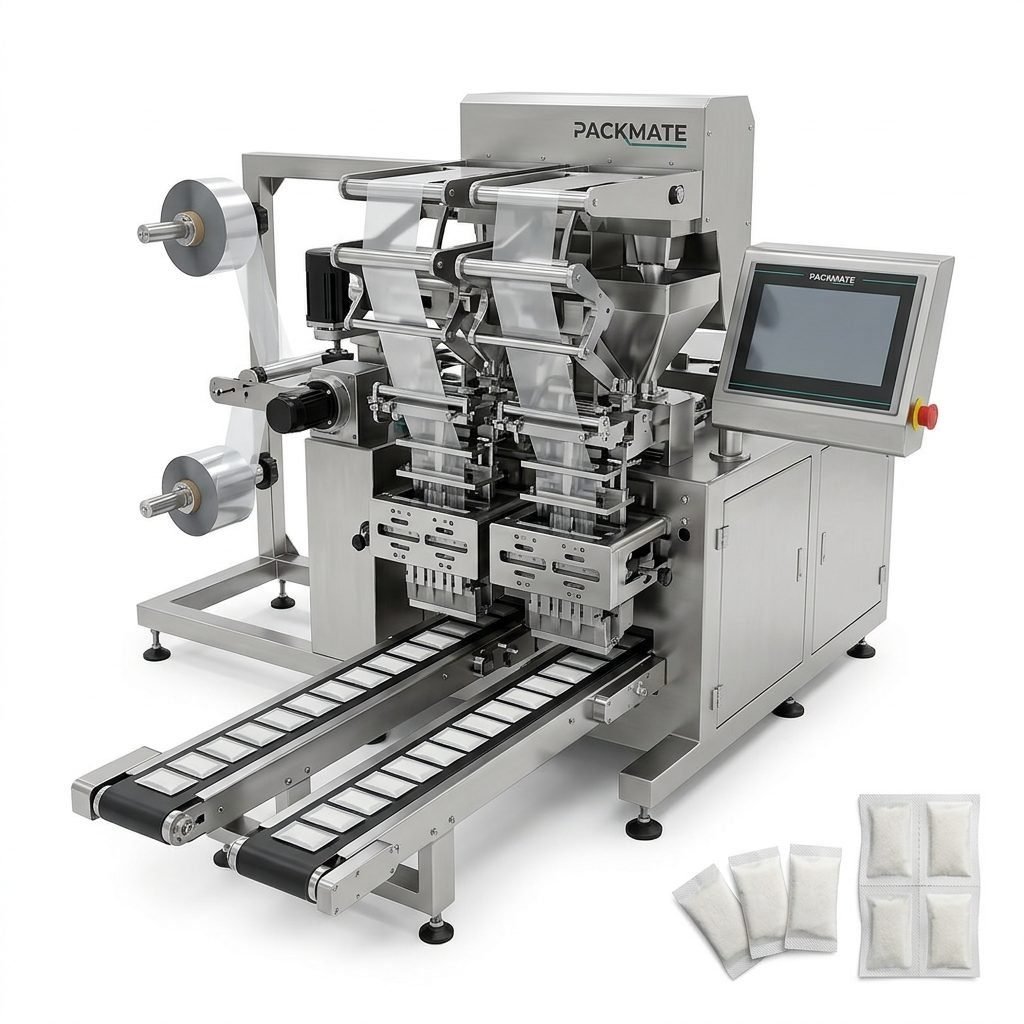
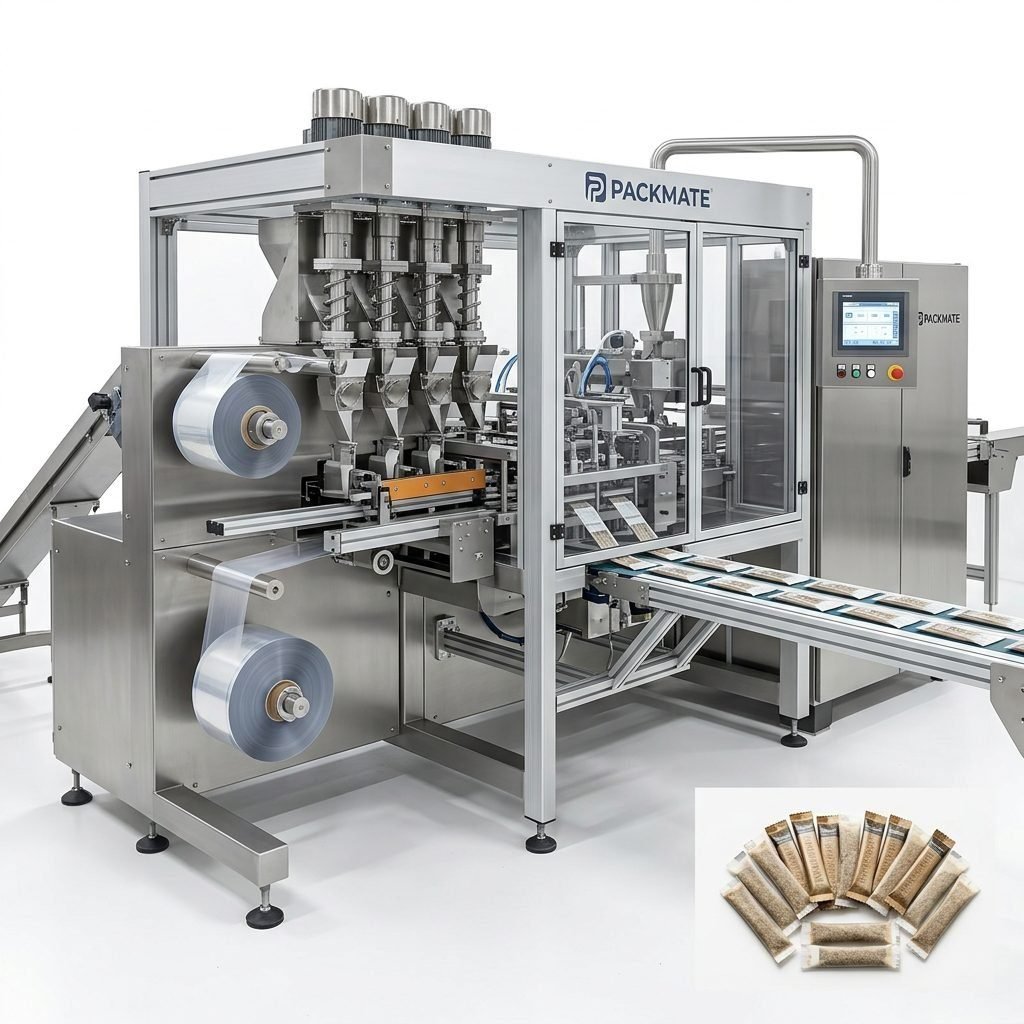
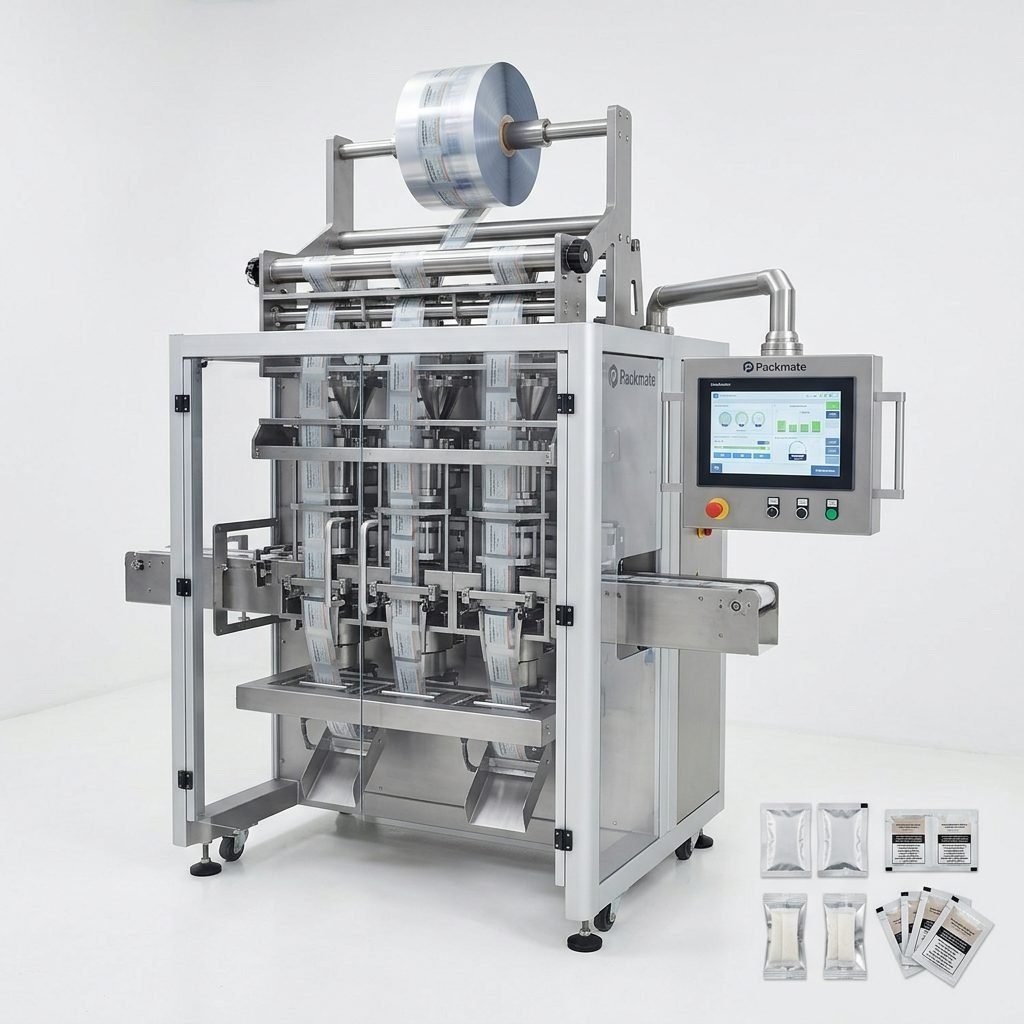
If you want to explore specialist equipment, review product categories such as Snus & Nicotine Packaging Machines, Sachet & Stick Pack Machines, and Weighing & Packaging Systems to see complete machine families and integration examples.
Case Studies and Factory Visits
Ask for case studies or examples of installations in similar markets. Visiting a factory or attending an exhibition where the supplier demonstrates machines in operation is invaluable. Live demos reveal real cycle times, operator ergonomics, and build quality. For further reading, suppliers often publish installation cases and exhibition schedules which can be reviewed for verification.
Packmate’s history and manufacturing capacity — including a 20,000㎡ facility and over 30 years of packaging expertise — show how established suppliers manage complex turnkey projects and deliver consistent machines worldwide. See more about the company and its projects at About Packmate and their Case pages.
Practical Checklist to Use When Requesting Quotes
Use a standard checklist to compare proposals objectively. Request the following from each supplier:
🔹 Formal quote with breakdown of machine options and optional extras
🔹 Actual machine test results for your pouch and product
🔹 Warranty terms, spare parts list, and lead times
🔹 Installation, training, and after-sales support plan
Factory Acceptance Tests (FAT) and Site Acceptance Tests (SAT)
Insist on FAT before shipment — this ensures the line performs to agreed specifications. During FAT, verify run rates, weight accuracy, and changeover times. After installation in Slovakia, SAT confirms integration with your upstream/downstream lines and local utilities.
Integration with Complete Packaging Lines
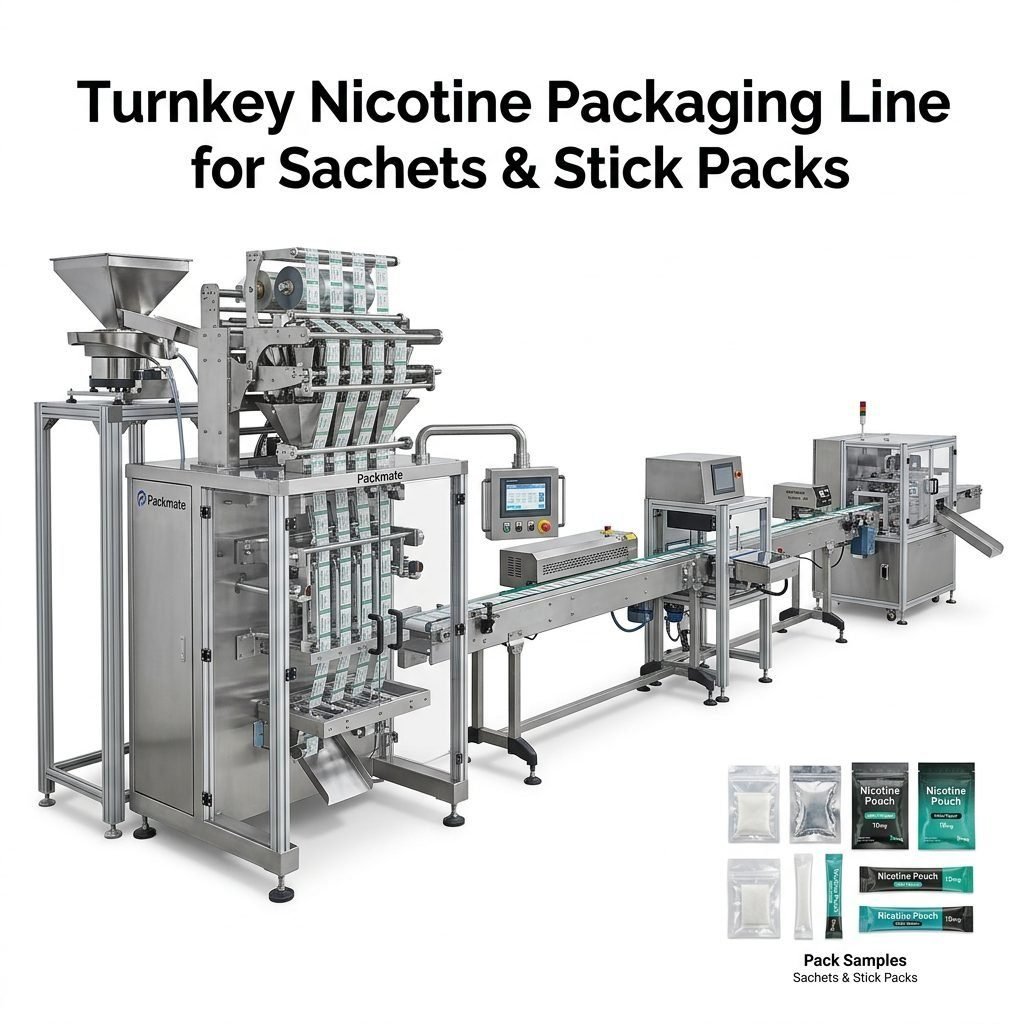
For a complete production solution, coordinate primary packaging (pouch forming and filling) with secondary packaging like cartoning, case packing, and palletizing. Manufacturers that offer full filling & packaging lines or auxiliary equipment simplify integration and reduce interface issues. Explore categories such as Filling & Packaging Lines and Auxiliary Packaging Equipment for end-to-end options.
Making Your Final Decision
When bids are comparable, prioritize proven reliability, local support, and supplier transparency. A longer warranty backed by a responsive service team can be more valuable than a low purchase price. If possible, negotiate performance guarantees tied to acceptance tests.
✅ Decision checklist: Confirm tested UPM, spare parts availability in Europe, training schedule, and FAT/SAT documentation before signing the purchase order.
Local Considerations for Slovakia
Slovakia offers strategic logistics access to the EU and a skilled manufacturing workforce. When sourcing machinery, account for local electrical standards, CE conformity checks, and potential language support for operators. Work with suppliers that can coordinate customs, transport, and local installation to reduce downtime and avoid import complications.
Consider visiting regional exhibitions or requesting virtual demos. Many manufacturers attend trade shows to showcase practical demonstrations of snus and nicotine pouch lines — this is a fast way to see the equipment in operation and speak to engineers directly. See exhibition schedules on suppliers’ show pages to plan a visit.
Next Steps and Contact
Summarize your requirements and share them with three qualified manufacturers to receive comparative quotes. Include target throughput, pouch formats, product characteristics, and expected project timeline. If you need a reliable supplier with turnkey capabilities and extensive experience in snus and nicotine pouch production, review manufacturer portfolios and contact them to schedule FATs and demos.
For direct inquiries about full solutions and machine options, consider reaching out through the supplier’s contact portal at Contact Us or download technical catalogs to start technical discussions at Catalog.
Frequently Asked Questions (FAQs)
Q1: How long does it take to install a snus packaging line in Slovakia?
A1: Typical installation and commissioning vary by line complexity; single-lane machines can be installed within days, while multi-lane turnkey lines often require several weeks including SAT and operator training.
Q2: What certifications should I request from a packaging machine supplier?
A2: Request CE declaration, ISO-related documentation, electrical safety certificates, and materials compliance statements. Suppliers familiar with EU markets should provide these documents readily.
Q3: Can nicotine pouch machines be adapted for other products?
A3: Yes. Many manufacturers design machines with format flexibility to run tea, powder, granules, and similar portioned products with appropriate dosing modules and tooling changes.
Q4: What ongoing support should I expect?
A4: Expect spare parts availability, remote diagnostics, training, and optional maintenance contracts. Verify response times and parts lead times during quotation.
Q5: How do I compare machine performance between suppliers?
A5: Compare measured UPM for your product, measured weight variation, changeover times, energy consumption, and documented FAT results. Use identical test criteria to ensure fair comparison.
If you need comprehensive solutions and real-world references, explore the supplier’s product ranges including Snus & Nicotine Packaging Machines, related stick/sachet systems, and full-line filling options to match your production roadmap.