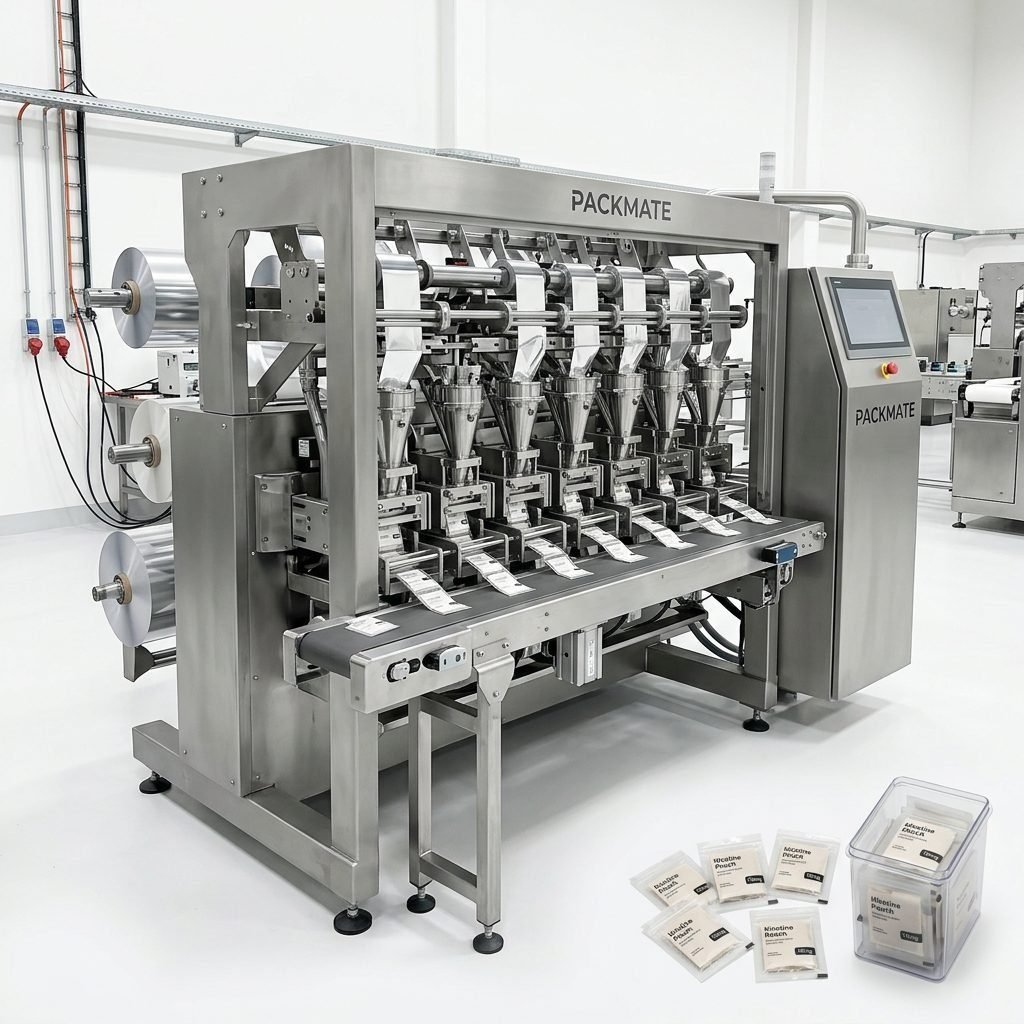
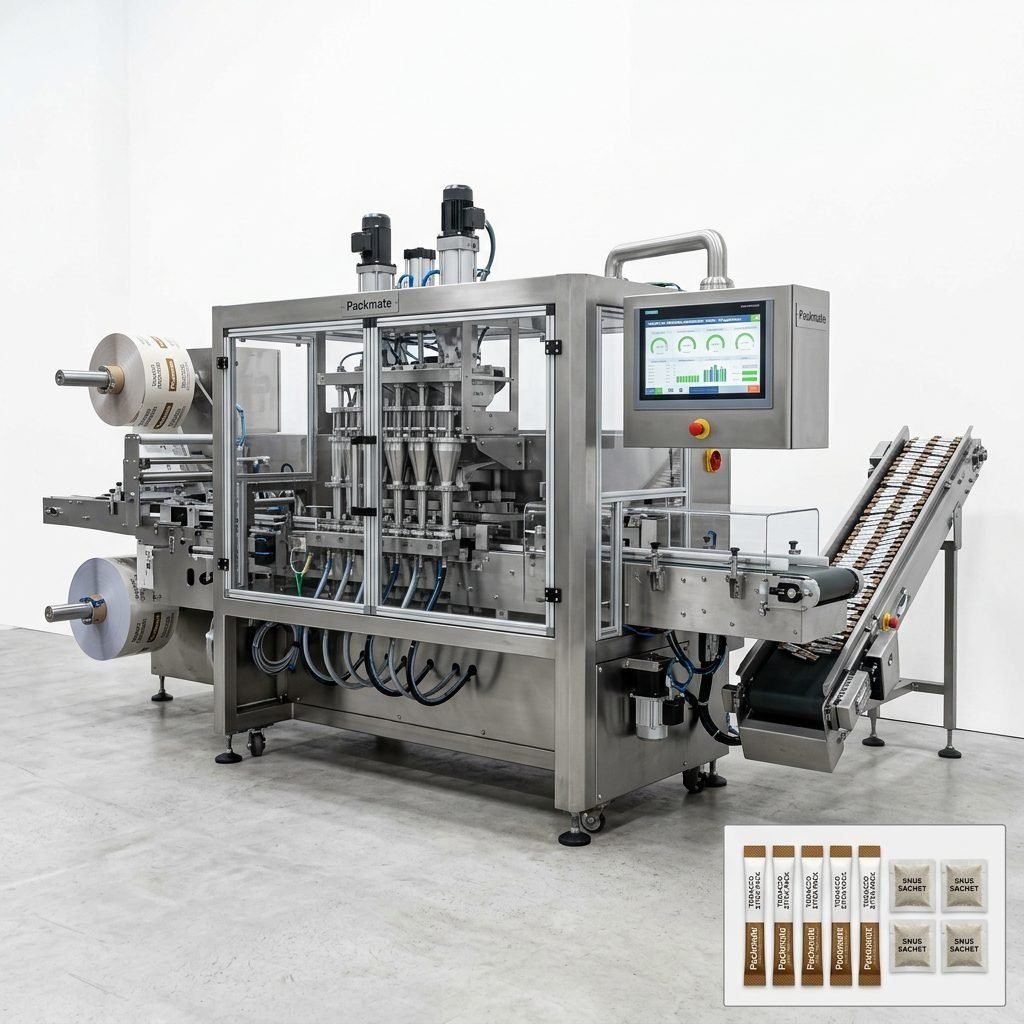
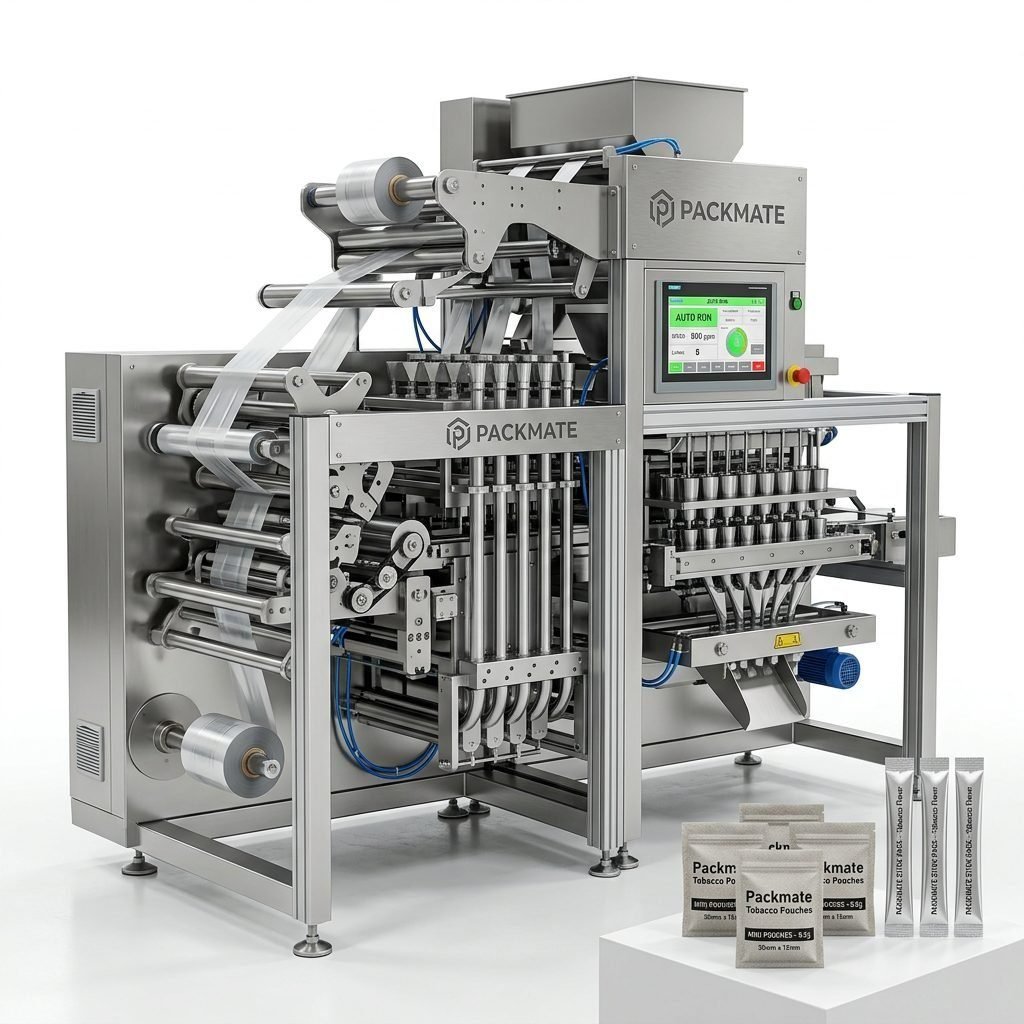
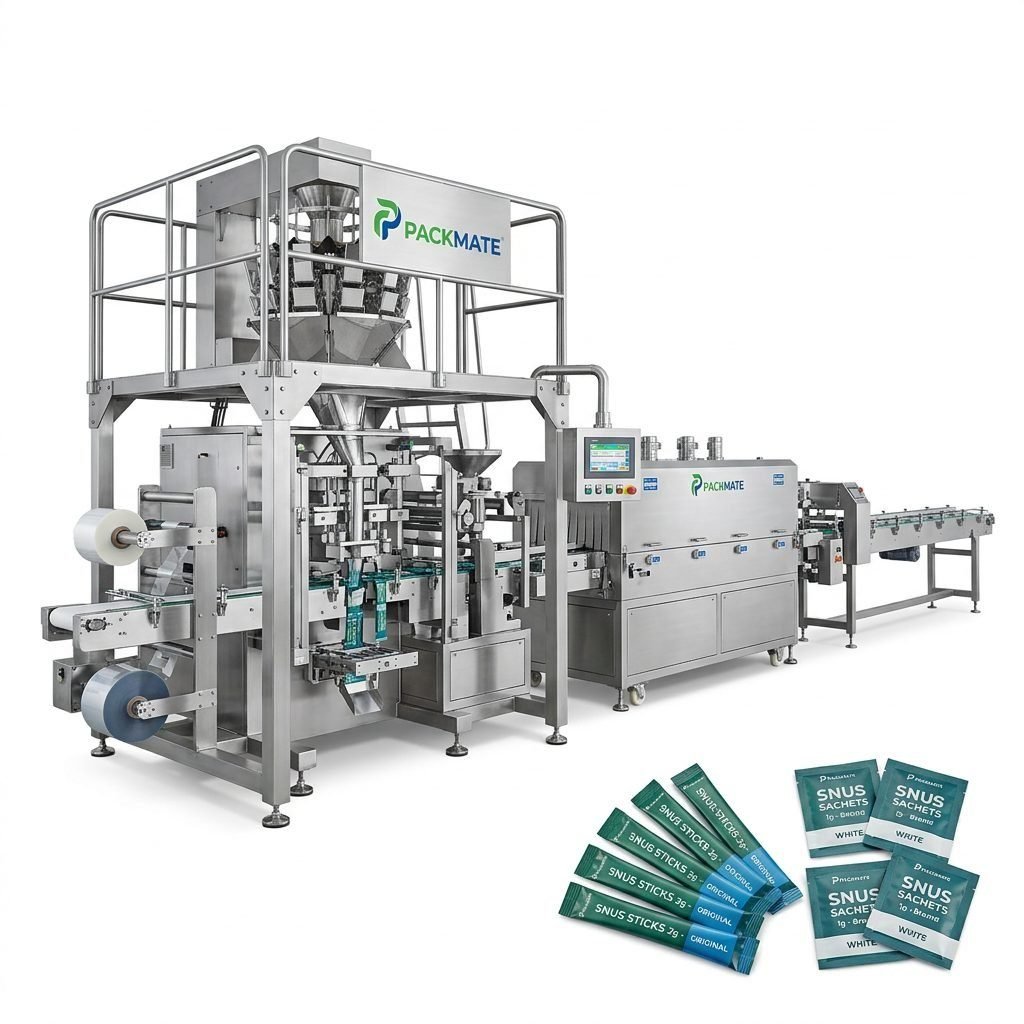
Choosing the right snus packaging machine manufacturer is one of the most important decisions for any business entering or expanding in the nicotine pouch / snus market. The right partner determines production efficiency, product consistency, regulatory compliance, and the ability to scale. This guide walks you through the practical steps and evaluation criteria to select the best snus packaging machine manufacturer in Micronesia for your business needs.
Understand Your Production Requirements
Before you start contacting manufacturers, define your core production parameters. Ask yourself: what daily output do you need? What pouch formats (stick pack, sachet, multi-lane pouches) will you run? Are you producing nicotine pouches with powders, granules, or moisture-controlled snus? The clearer your internal specification, the faster a supplier can propose an optimal solution.
Key production questions to answer:
✓ Target capacity (pieces per minute / per hour) •
✓ Pouch types and sizes •
✓ Product characteristics (powder, granule, wet) •
✓ Desired automation level (standalone machine vs. turnkey line).
Why Manufacturer Experience and Specialization Matter
Not all packaging machine builders are equally suited for snus and nicotine pouches. This niche demands precise dosing, consistent pouch sealing, and material handling that maintains product integrity. Manufacturers with a focused portfolio in snus packaging will understand the nuanced engineering, such as anti-static handling, fine dosing systems, and hygienic design requirements.
Look for manufacturers that can demonstrate:
• Industry track record: years of R&D in snus/nicotine packaging.
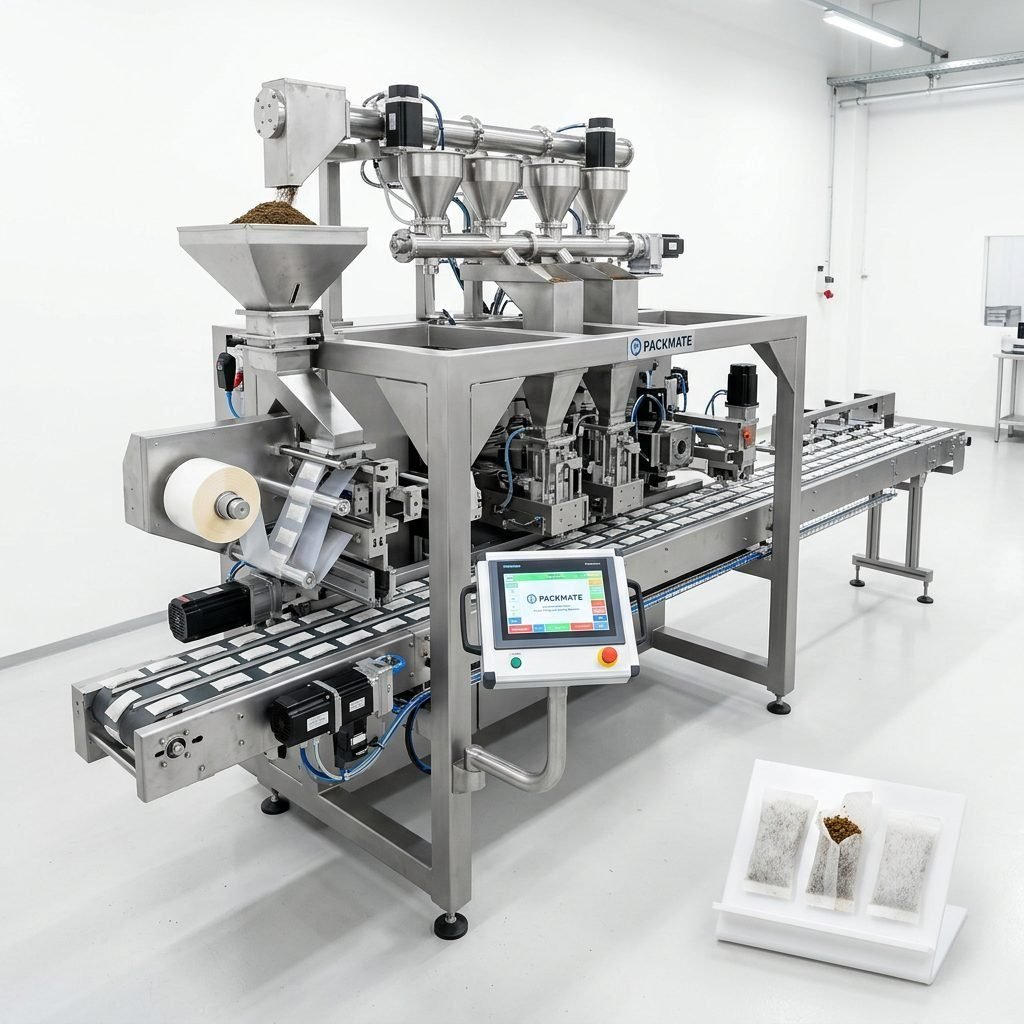
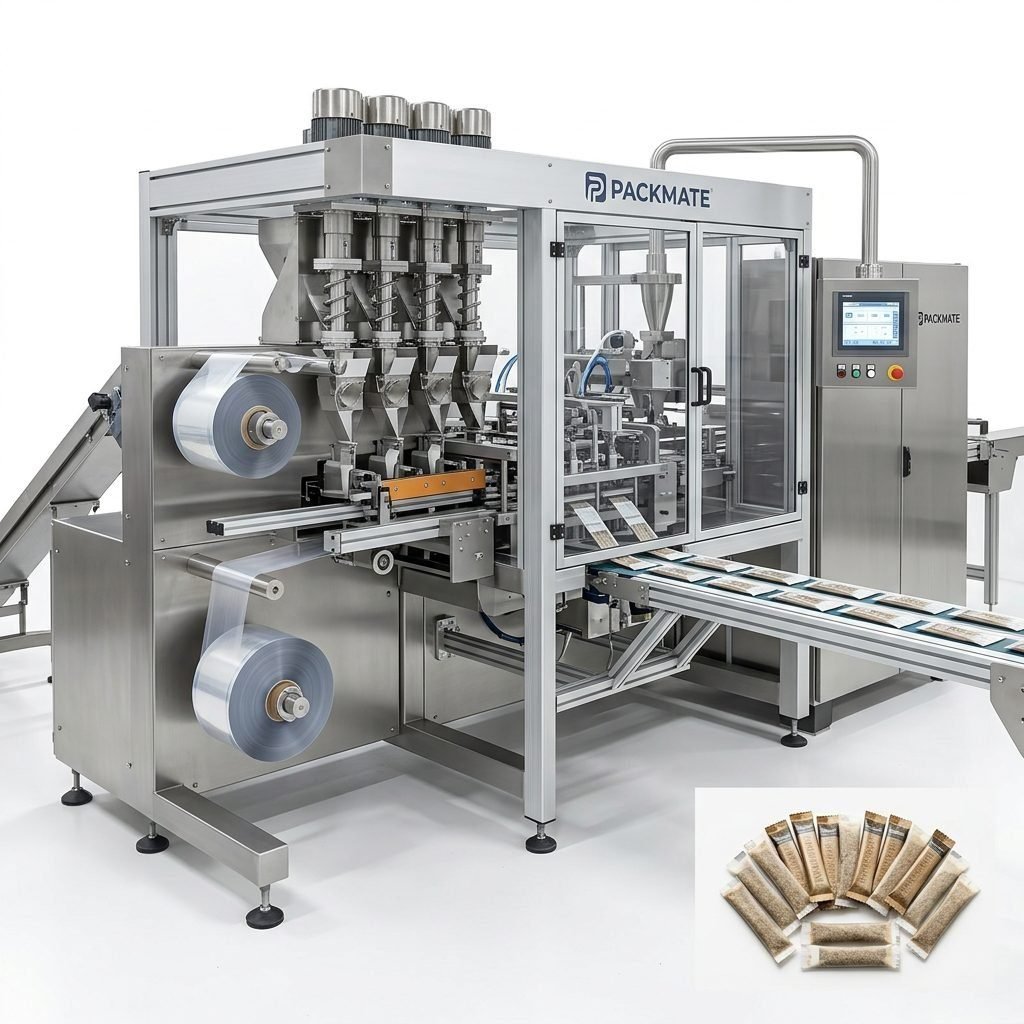
• Product range: multi-lane, stick pack, sachet machines and full lines.
• Case studies: real-world production lines and customer references.
Inspect Factory Capabilities and Quality Systems
A manufacturer’s workshop, equipment, and QC processes directly affect machine precision and long-term reliability. If possible, request a virtual or in-person factory tour and seek documentation of machining capabilities and quality control.
Factory checklist (high priority):
• 20,000㎡ factory footprint or similar large-scale production areas • Advanced CNC machining centers and precision assembly lines • Dedicated testing rigs and long-run reliability tests • ISO / CE certifications and documented QA processes
Why these matter
Higher machining accuracy and strict assembly standards reduce variability and machine downtime. A factory that performs simulated production runs can verify your line speed and pouch quality before shipment. International certifications (CE, ISO) indicate compliance with safety and quality norms that many buyers and regulators require.
Technical Features to Evaluate
When comparing technical proposals, focus on components and design attributes that reduce variation and maintenance needs. Request detailed specifications and, when possible, witness a live machine demonstration.
Must-check technical items:
• Feeding and dosing accuracy (weighing vs. volumetric) • Film unwinding & tension control systems • Heat-sealing units with temperature feedback • Multi-lane synchronization and servo controls • Easy-changeover design for different pouch sizes
Integration and Automation
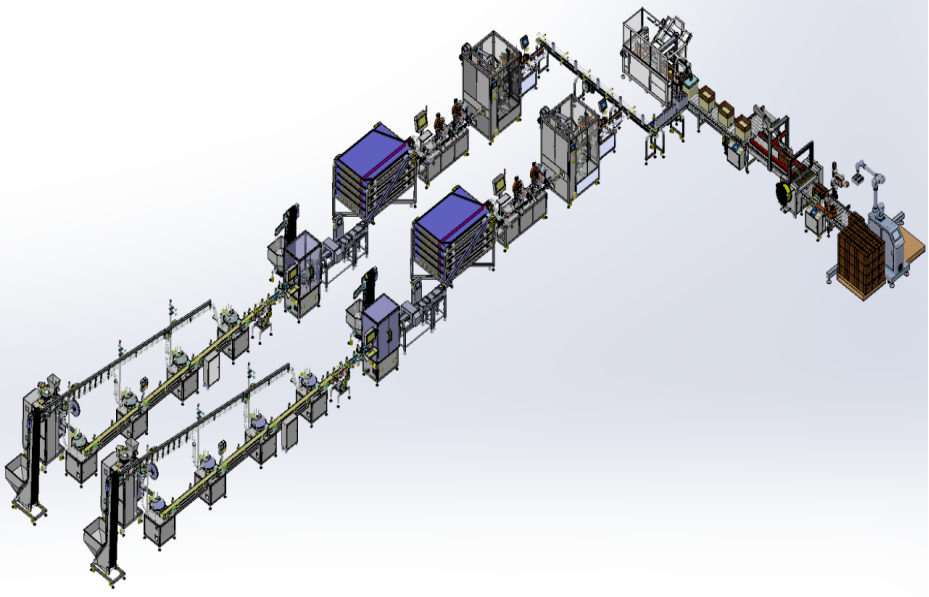
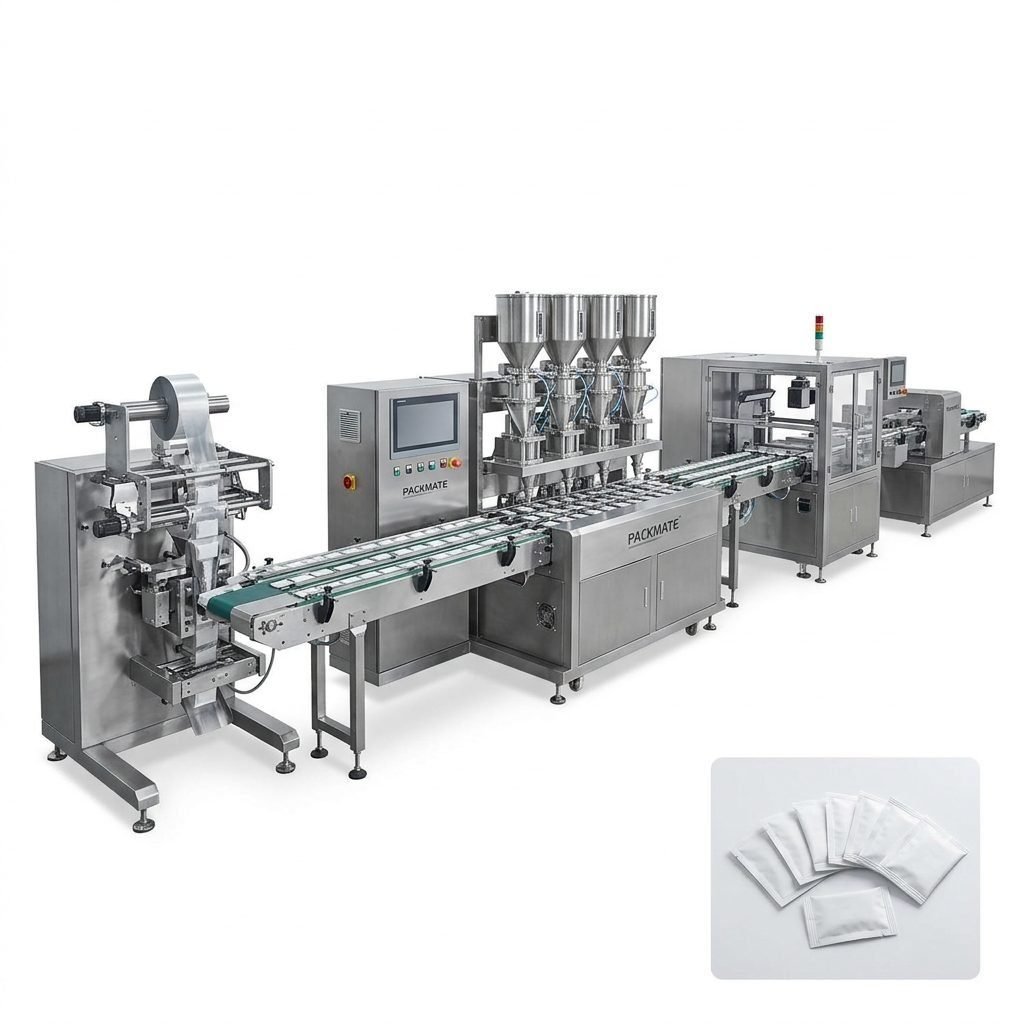
If you are aiming for a turnkey production line, ensure the manufacturer provides upstream and downstream integration: fillers, weighers, metal detectors, conveyors, and cartoning. A single supplier that designs full lines reduces interface issues and offers smoother commissioning.
See practical product modules and systems at Snus & Nicotine Packaging Machines and Sachet & Stick Pack Machines.
Customization, Flexibility and Future-Proofing
Market demands change: new pouch sizes, different materials, regulatory changes. A good manufacturer will offer modular designs and clear upgrade paths. Ask about software flexibility, spare-parts availability, and how easily the machine can be adapted for new recipes or formats.
Questions to ask: Can the line handle a new lane configuration? What is the lead time for critical spare parts? Are firmware updates provided remotely? These answers indicate how future-proof the investment will be.
After-sales Support, Training and Local Service
Machines are only as good as the support behind them. Evaluate the manufacturer’s training programs, availability of remote diagnostics, spare parts logistics, and the ability to dispatch field engineers to Micronesia when needed.
Support expectations:
• Formal operator and maintenance training during commissioning • Spare parts kits and clear parts lists with SKU numbers • Remote troubleshooting and software support • Global exhibition presence and documented case studies
For information on company history and service philosophy, check About Packmate and the Service page to verify available support channels.
Compliance, Safety and Documentation
Regulatory compliance is essential in nicotine product manufacturing. Machines should be designed for cleanability, safe maintenance, and with materials compatible with applicable hygiene standards. Insist on documentation that supports local approval processes in Micronesia and export paperwork for customs clearance.
Ask for:
• CE and ISO certificates • Electromechanical drawings, PLC source documentation • FAT (Factory Acceptance Test) reports and SAT (Site Acceptance Test) plans • Material certificates for product-contact components
Cost vs. Value: Total Cost of Ownership
Purchase price is one line item; the total cost of ownership (TCO) includes installation, commissioning, training, spare parts, consumables (e.g., seals), energy consumption, and downtime risk. When evaluating proposals, do a quick TCO estimate over 3–5 years to compare real value.
TCO factors to include:
• Initial equipment cost • Freight and import duties to Micronesia • Installation and onsite commissioning fees • Annual maintenance and spare parts budget • Expected production yield and scrap rates
Factory Acceptance Tests and Pre-shipment Verification
Never skip FATs. A thorough factory acceptance test proves machine performance under simulated production conditions and lets you verify speeds, sealing quality, and product appearance before shipment. Request recorded video of the test and detailed run sheets.
A professional manufacturer will provide:
• A pre-defined FAT checklist • Raw materials used for testing (or your supplied materials) • Performance data (cycles/min, rejects per hour) • Signed acceptance documents before shipping
Logistics, Lead Times and Installation in Micronesia
Shipping to Micronesia involves specific considerations: sea freight schedules, port handling, and potential customs delays. Verify lead times from order confirmation to shipping, and ask the supplier to provide a roadmap for delivery, including packing methods, IPT (installation and commissioning) timeline, and local support arrangements.
If the manufacturer offers turnkey solutions, they should coordinate with local contractors or provide recommended vendors for civil, electrical, and HVAC requirements to ensure your production area is ready on time.
References, Case Studies and Exhibition Presence
Real customer stories and trade show presence indicate a reputable manufacturer. Request case studies similar to your product profile and ask for references in nearby regions if possible. Meeting a manufacturer at exhibitions allows you to see machines running and to have technical conversations with engineers.
See global cooperation cases and exhibition records via the manufacturer’s case pages and events listings: Case and Our Exhibition.
Decision Checklist: What to Require in a Proposal
When you receive proposals, compare them using a consistent checklist. This makes comparison objective and highlights real differences between vendors.
Essential proposal items:
• Detailed technical specs and electrical/mechanical drawings • FAT plan and acceptance criteria • Included training and spare parts list • Warranties and after-sales SLAs • Lead times, packing, and shipping terms
Red flags to watch for
• Vague technical descriptions or missing drawings • No documented FAT or refusal to allow factory testing • Lack of spare parts support or unclear warranty terms • Poor communication or evasive answers on lead times
Practical Steps to Start Contacting Manufacturers
1) Prepare a concise specification sheet with production targets and product descriptions.
2) Request an initial proposal and an equipment datasheet.
3) Ask for FAT videos, case studies, and client references.
4) Negotiate payment milestones linked to key milestones: order, FAT, shipping, SAT.
If you want a reliable starting point that covers snus machine options, auxiliary equipment, and turnkey capabilities, explore the manufacturer’s product suites such as Snus & Nicotine Packaging Machines, Weighing & Packaging Systems, and Auxiliary Packaging Equipment.
Final Selection and Contracting Tips
Once you have narrowed choices, negotiate clear contractual points: performance guarantees, penalties for missed lead times, spare parts delivery SLA, and acceptance criteria. Ensure the contract includes a clear scope for installation and training, and that intellectual property and software ownership terms are defined.
Contract clause suggestions:
• Detailed FAT and SAT acceptance criteria • Spare parts list with committed lead times • Training scope and language of delivery • Warranty period and coverage details • Change request process and costs
Working with Local Authorities
Coordinate early with local import and health authorities in Micronesia regarding nicotine product regulations and machine documentation. Some approvals require detailed machine hygiene and engineering records that your supplier must provide.
For contact and direct inquiries, many manufacturers provide dedicated sales and support channels—use them to confirm any final technical or logistical questions: Contact Us.
Conclusion: Make an Informed, Future-oriented Investment
Selecting the best snus packaging machine manufacturer for Micronesia requires a balanced assessment of technical capability, factory strength, after-sales support, and commercial transparency. Prioritize vendors with clear documentation, factory testing, and a commitment to long-term support. The right supplier will be a partner who helps you scale efficiently, maintain consistent product quality, and adapt to future market demands.
Frequently Asked Questions
Q1: How long is the typical lead time from order to shipping for a snus packaging line?
A1: Lead times vary by complexity. Standard single machines may ship in 8–12 weeks; multi-lane or turnkey lines typically require 12–24 weeks including FAT. Confirm exact timelines in the proposal and include milestones.
Q2: What documentation should I insist on before importing a machine into Micronesia?
A2: Request CE/ISO certificates, FAT reports, electrical schematics, PLC and HMI documentation, material certificates for product-contact parts, and a detailed packing list for customs clearance.
Q3: How much training is usually provided during commissioning?
A3: Reputable suppliers include operator and maintenance training during commissioning. Training typically covers daily operation, changeovers, cleaning, preventive maintenance, and basic troubleshooting. Negotiate the scope and language in advance.
Q4: Are remote diagnostics and software updates commonly available?
A4: Many modern manufacturers offer remote support, diagnostics, and software updates. Confirm network requirements, data-security measures, and any recurring costs for remote access before purchase.
Q5: How do I choose between a local integrator and an overseas manufacturer that offers turnkey services?
A5: Choose a turnkey manufacturer if you want single-source responsibility, streamlined integration, and easier commissioning. Local integrators can be useful for civil works and local compliance, but ensure strong coordination and a clear project manager to avoid handoff gaps.