Entering Cambodia’s growing nicotine pouch and snus market requires careful selection of packaging equipment that balances regulatory compliance, speed, product integrity, and cost. This guide walks you through how to choose the right nicotine packaging machine for your business in Cambodia, covering machine types, production capacity, automation levels, maintenance, and supplier evaluation. Whether you are launching a startup line or upgrading an existing plant, these practical considerations will help you make an informed purchase.
Understanding the Cambodian Market and Regulatory Context
Cambodia’s consumer goods landscape is evolving with rising interest in alternative nicotine products. Before selecting equipment, confirm local regulatory requirements for labeling, packaging materials, and product safety. Consider how import duties, electrical standards, and local skilled labor availability will affect machine choice and long-term operation. Aligning machine capabilities with compliance needs upfront saves time and prevents costly rework.
Core Machine Types and When to Choose Each
Choosing the right machine begins with identifying the pouch format and production goals. Common options include:
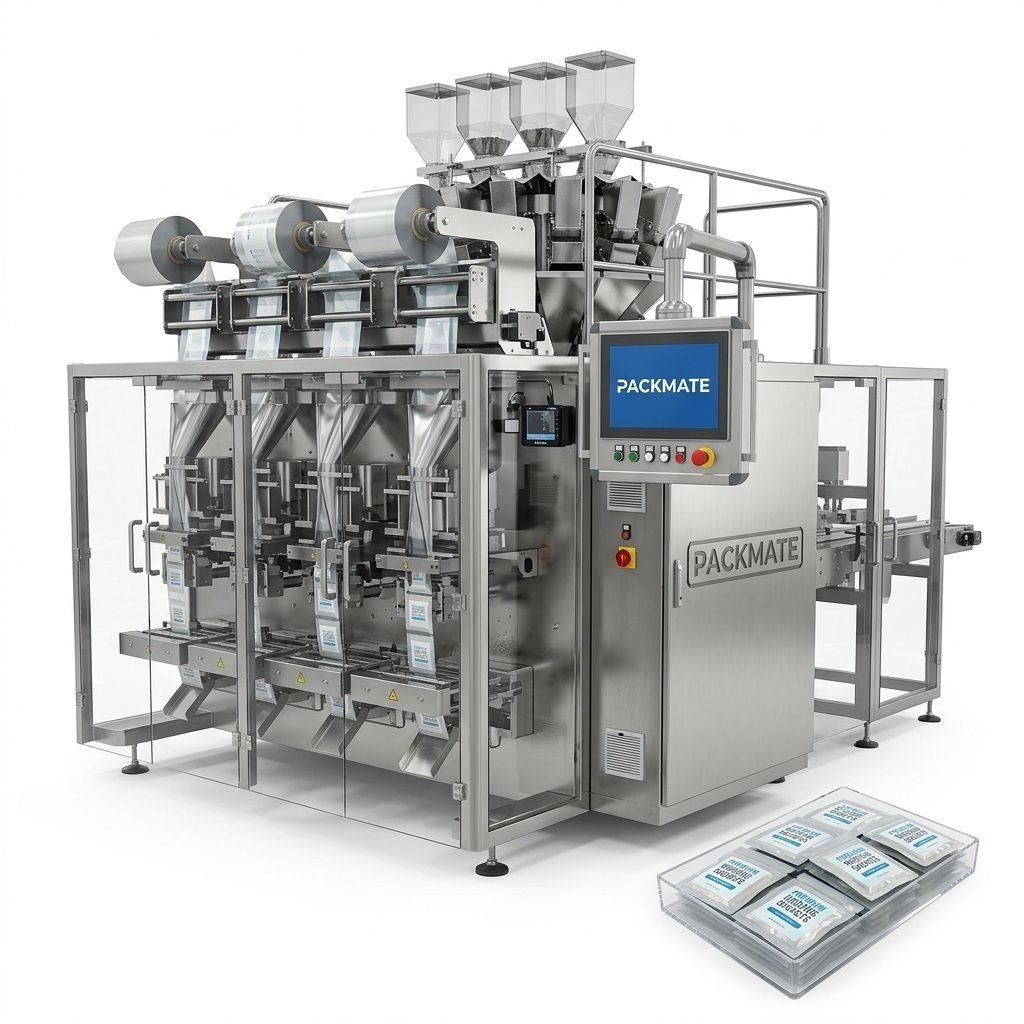
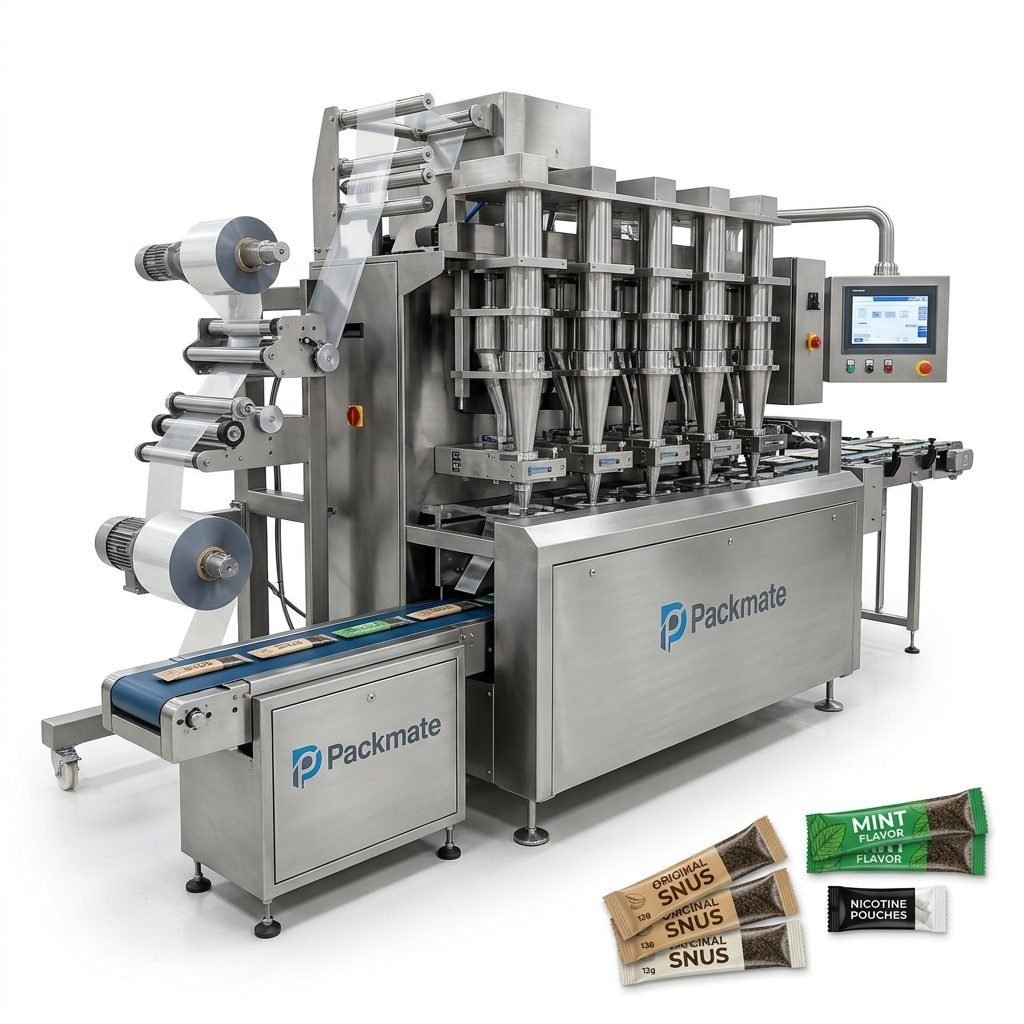
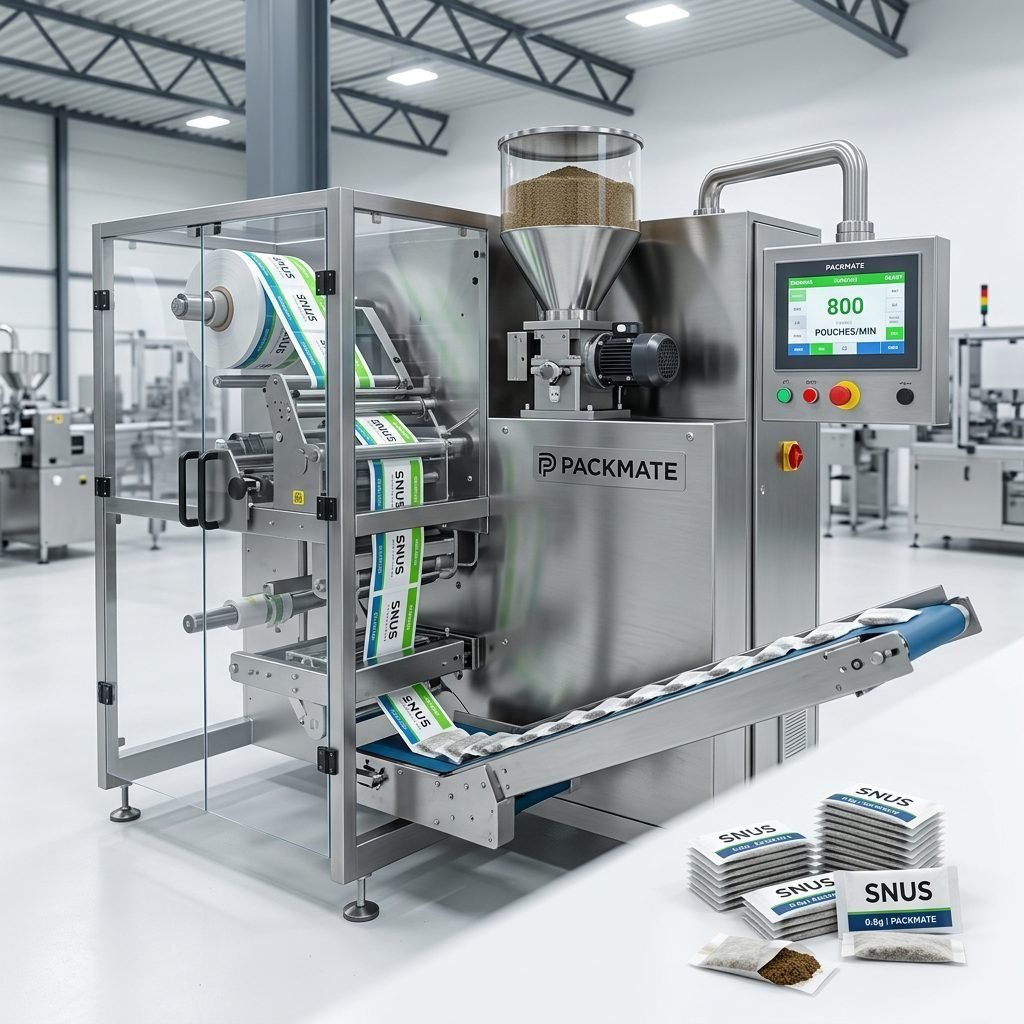
• Snus / Nicotine Pouch Packaging Machines: Best for dedicated nicotine pouch lines where tight control over pouch weight and sealing integrity is critical. Explore specialized models for pouch dosing and multi-lane production to scale efficiently. See a selection of models here: Snus & Nicotine Packaging Machines.
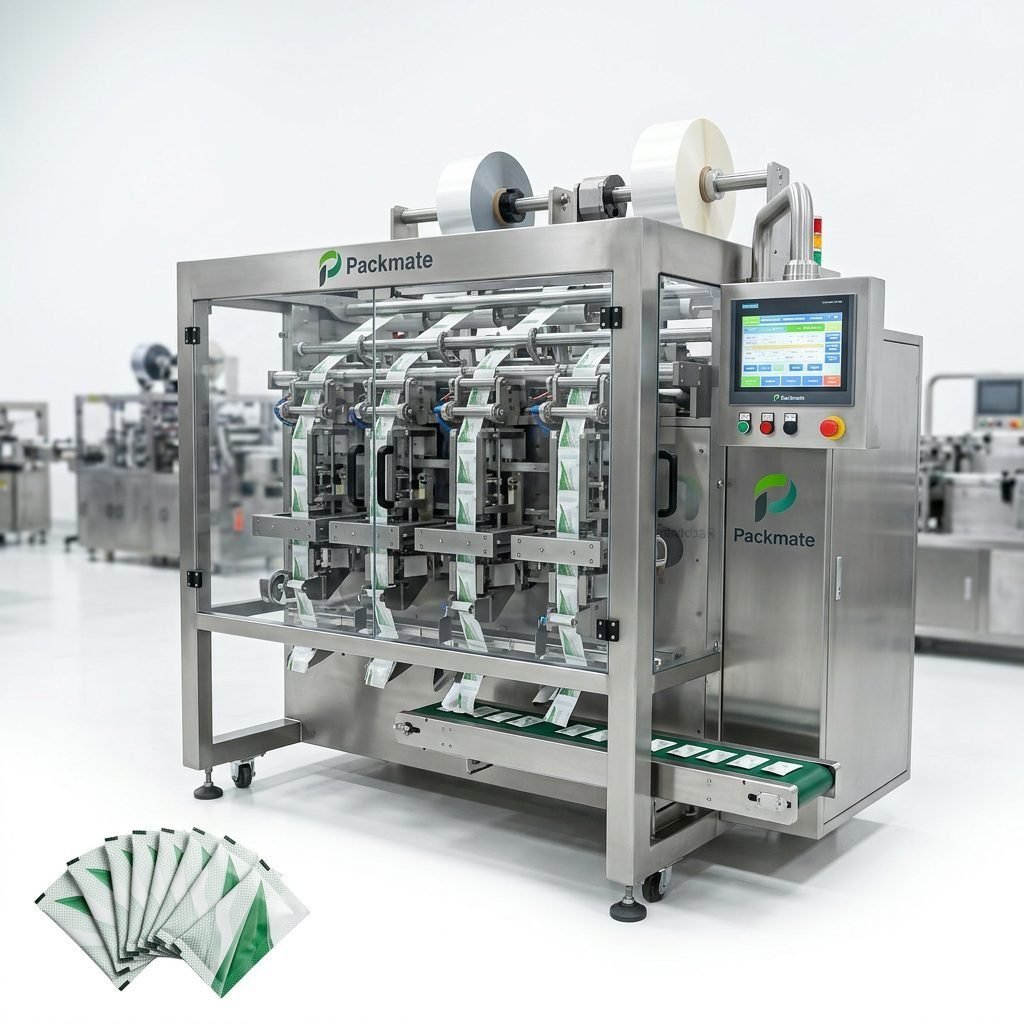
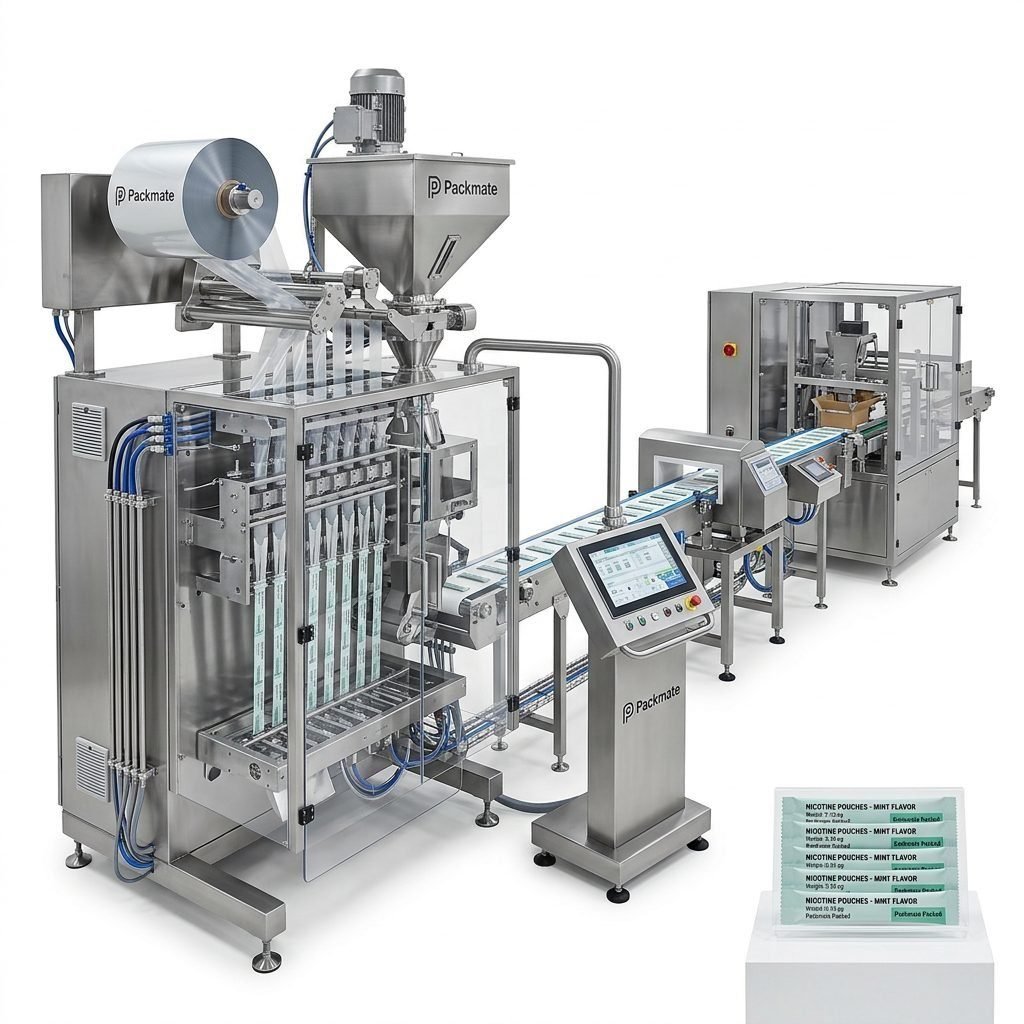
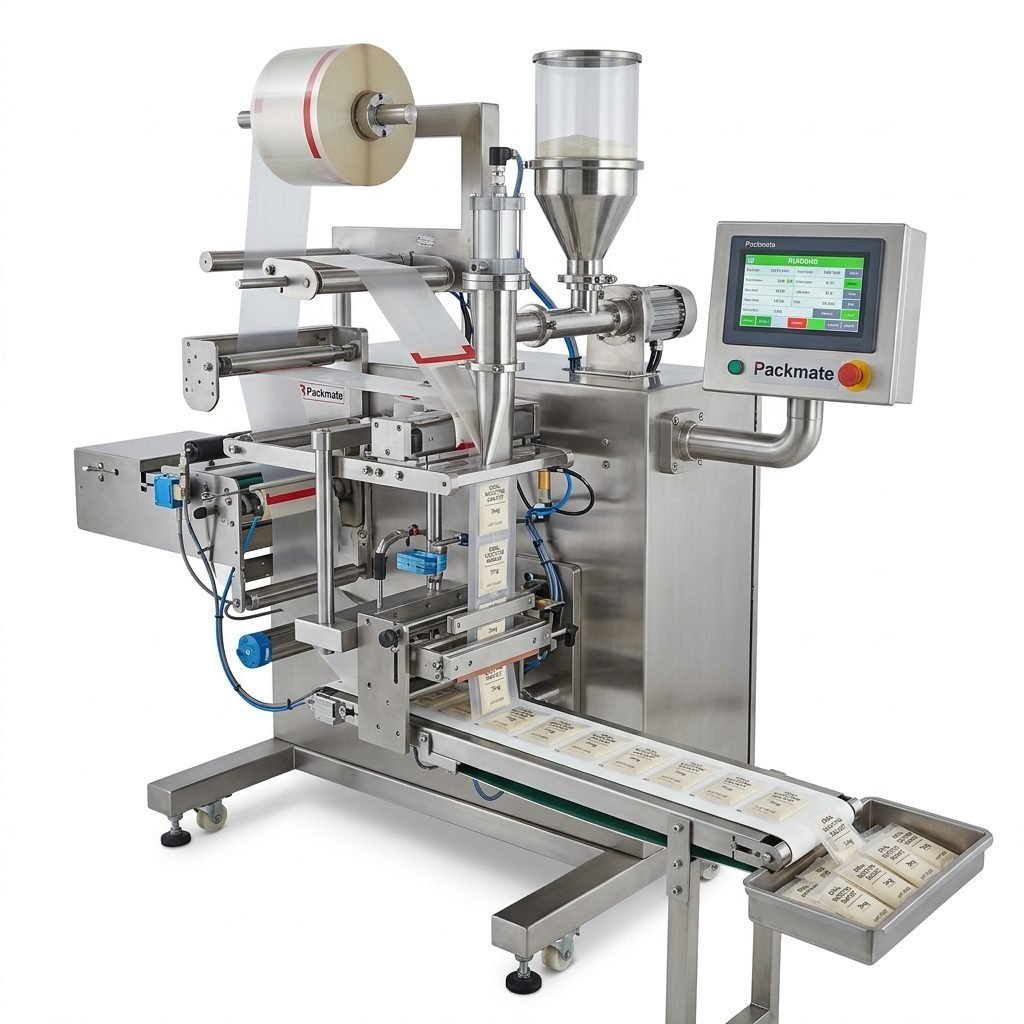
• Sachet & Stick Pack Machines: Ideal for single-dose pouches or promotional sachets. These machines are compact, cost-effective, and suitable when you need flexible pack sizes. Check options: Sachet & Stick Pack Machines.
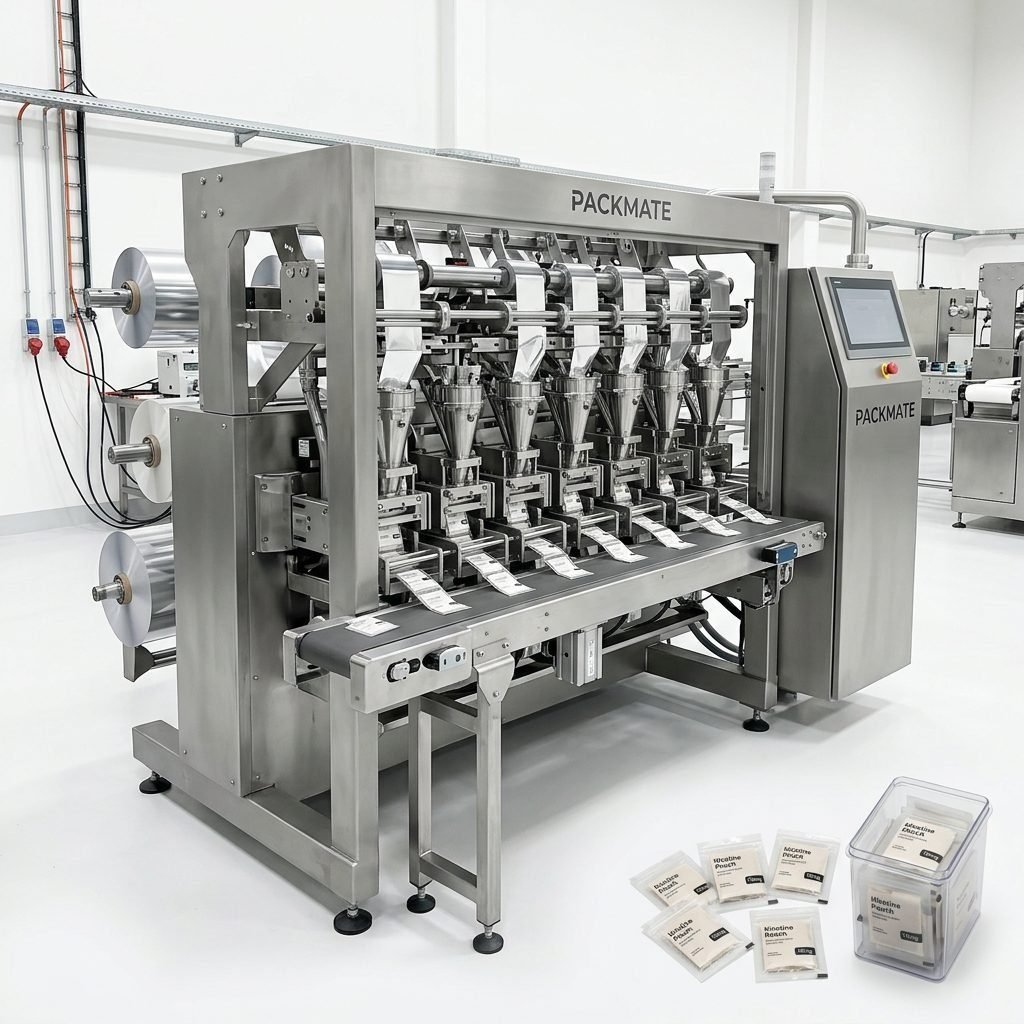
• Multi-lane Systems: Use multi-lane machines when high throughput and small-dose pouches are required. They multiply output while keeping floor space efficient—critical for growing Cambodian operations.
Key Performance Parameters to Evaluate
When comparing machines, prioritize measurable parameters that directly affect your production efficiency:
1) Throughput (pouches per minute): Match machine speed to your target monthly output. High-speed units reduce labor and per-unit costs but can be more complex to operate.
2) Accuracy and Filling Precision: Nicotine dosage must be consistent. Look for machines with precise volumetric or auger dosing controls and good repeatability.
3) Product Handling & Gentle Filling: Pouches and delicate formulations require gentle handling to avoid deformation or dust generation. Check for soft-feeding systems and dust control features.
4) Changeover Time & Flexibility: Fast changeovers save downtime when switching flavors, sizes, or pouch formats. Modular designs and easy-to-adjust tooling are advantages.
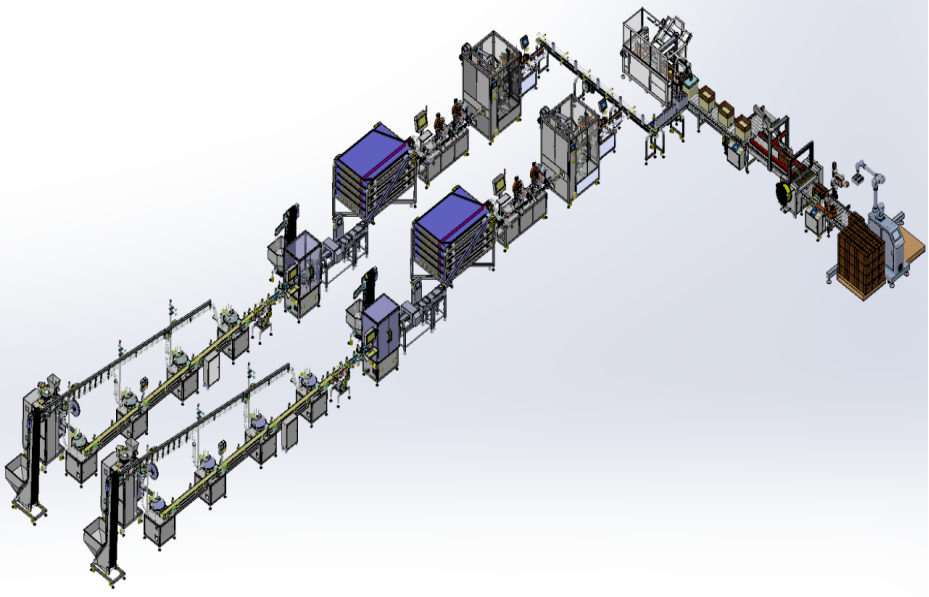
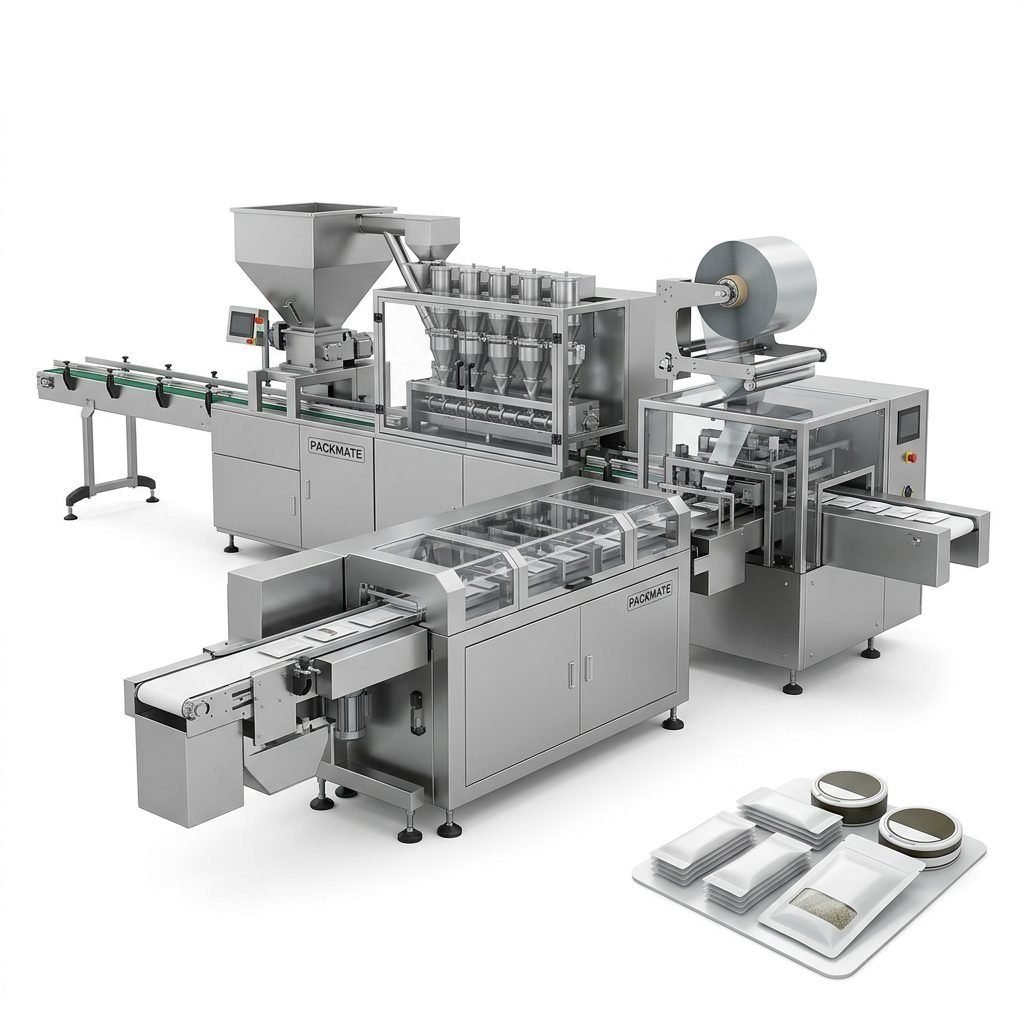
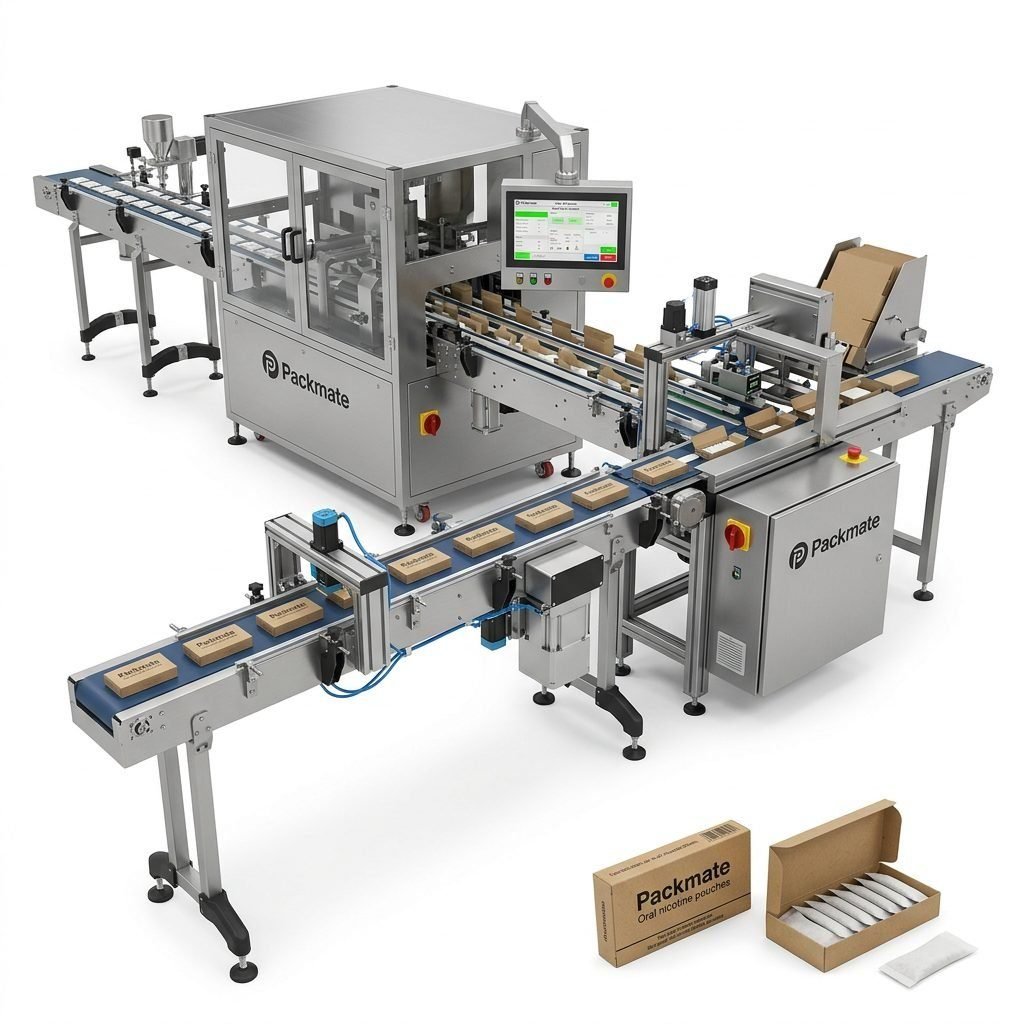
5) Integration with Upstream/Downstream Lines: Consider how the machine will work with dosing/weighing systems and secondary packaging like cartons or flow-wrap machines. For full-line consideration, review Filling & Packaging Lines.
Automation Level and Factory Fit
Decide how much automation you need. Fully automated lines with centralized control reduce operators but require higher capital and better-trained technicians. Semi-automatic machines can be cheaper initially but may increase labor costs long-term. Evaluate electrical supply, available floor space, and ceiling height in your Cambodian facility to avoid installation surprises.
Material Compatibility and Packaging Films
Confirm the machine supports the specific films and laminates you plan to use—barrier properties, sealing temperatures, and film thickness all matter. Machines with adjustable temperature zones and adaptable sealing jaws are beneficial for experimenting with different materials.
Important: Hygiene and Cleanability
Nicotine products demand high standards of cleanliness. Choose machines with stainless steel contact parts, smooth surfaces, and easy-disassembly features for cleaning. This reduces contamination risk and eases maintenance.
⚠️ Important
— Ensure the supplier can provide documentation for material traceability and cleaning protocols if you intend to export or meet stricter markets.
Supplier Selection: What to Audit
Selecting the right manufacturer is as vital as the machine spec. Key audit points include:
• Experience and Specialization: Prefer manufacturers with a proven track record in snus and nicotine pouch equipment. A specialized supplier is more likely to understand niche requirements.
• Factory Capabilities: Check if the manufacturer uses advanced CNC machining, precision assembly lines, and testing systems—these reduce defects and improve machine longevity. Learn about a dedicated manufacturer here: About Packmate.
• Certifications & Compliance: CE and ISO certifications indicate adherence to international quality and safety standards. Request certificates and test reports.
• References & Case Studies: Ask for case studies from similar regions or products. Real-world references show how machines perform under comparable conditions. Browse global cases for insight: Case.
Service, Spare Parts, and Local Support
After-sales support is crucial, especially in a market where local expertise may be limited. Evaluate:
• Spare parts availability: Ask about lead times and stocking options in the region.
• Training & Commissioning: Ensure the supplier offers on-site commissioning, operator training, and troubleshooting documentation.
• Remote Support & Upgrades: Remote diagnostics and software updates can reduce downtime. Confirm connectivity and support response times.
Total Cost of Ownership: Beyond Purchase Price
Evaluate total cost over the machine’s life, including:
• Energy Consumption: More efficient motors and drive systems reduce operating expense.
• Maintenance Frequency: Simpler, robust designs with modular replacements lower labor costs and spare part consumption.
• Depreciation and Resale Value: Quality machines from reputable manufacturers maintain value longer and can be upgraded or resold.
Practical Considerations for Installation in Cambodia
Plan installation carefully to avoid delays:
• Site Preparation: Confirm floor load capacity, power supply (voltage and phase), and environmental controls like humidity and dust.
• Logistics & Customs: Work with freight forwarders familiar with Cambodian customs to prevent clearance delays.
• Local Workforce Training: Provide early operator training and maintenance manuals in the local language where possible to accelerate ramp-up.
✔️ Pro Tip:
Consider modular lines that allow you to start with a single-lane or semi-automatic system and scale to multi-lane automation as demand grows. This lowers initial investment and accelerates ROI.
Why Choose an Experienced Manufacturer
Manufacturers with decades of focused experience in snus and nicotine pouch machinery bring advantages: proven designs, specialized tooling, and optimized production lines. They can offer turnkey solutions including weighing, dosing, and secondary packaging. For example, suppliers with extensive manufacturing facilities and precision assembly systems are better positioned to deliver reliable equipment and ongoing service.
If you want to explore manufacturing partners that specialize in nicotine pouch production, check their product ranges and service offerings to ensure they match your scale and technical needs.
Checklist Before You Buy
Use this quick checklist to validate potential purchases:
• Confirm target throughput and machine speed.
• Verify dosing accuracy and pouch integrity test results.
• Check service, spare parts, and training commitments.
• Request site-specific installation requirements and lead times.
Final Considerations and Next Steps
Choosing the right nicotine packaging machine for Cambodia involves balancing technical requirements, supplier reliability, and total cost. Begin with a clear production forecast, evaluate specialized snus/nicotine suppliers, and prioritize machines that offer flexibility and strong after-sales support. Engage suppliers early to discuss factory acceptance tests (FAT), commissioning timelines, and training plans.
For a full packaging line or additional auxiliary equipment, you may want to review modular solutions and complementary systems such as weighing and auxiliary equipment to build a complete, efficient production line: Weighing & Packaging Systems and Auxiliary Packaging Equipment.
Frequently Asked Questions
Q1: What machine capacity should I choose for a new nicotine pouch brand in Cambodia?
A1: Estimate your monthly demand and desired lead time. For small startups, a single-lane sachet or stick pack machine may suffice. For faster scaling, consider multi-lane snus pouch machines that increase throughput without proportionally increasing floor space.
Q2: How important are certifications like CE and ISO?
A2: Very important—certifications indicate adherence to safety and quality standards which can simplify customs clearance, ensure operator safety, and improve machine reliability. Always request and verify certificates.
Q3: Can I start with a semi-automatic machine and upgrade later?
A3: Yes. Many manufacturers design modular systems that allow upgrades to automation, additional lanes, or integration with upstream dosing systems. Plan for future expansion when selecting base models.
Q4: What after-sales support should I require from the supplier?
A4: Request clear SLAs for spare parts, technician response times, remote support availability, and onsite commissioning and training. Local spare parts stocking or fast shipping options are highly beneficial.
Q5: Where can I see real-world examples of packaging lines for nicotine products?
A5: Review manufacturers’ case studies and exhibition demos to observe machine performance. Visiting live demonstrations or requesting video of production runs helps validate suitability; check exhibition and case resources from established suppliers for reference.
For further details on equipment ranges, specifications, and full-line solutions, explore manufacturer catalogs and product pages to match precise technical specs with your operational needs.