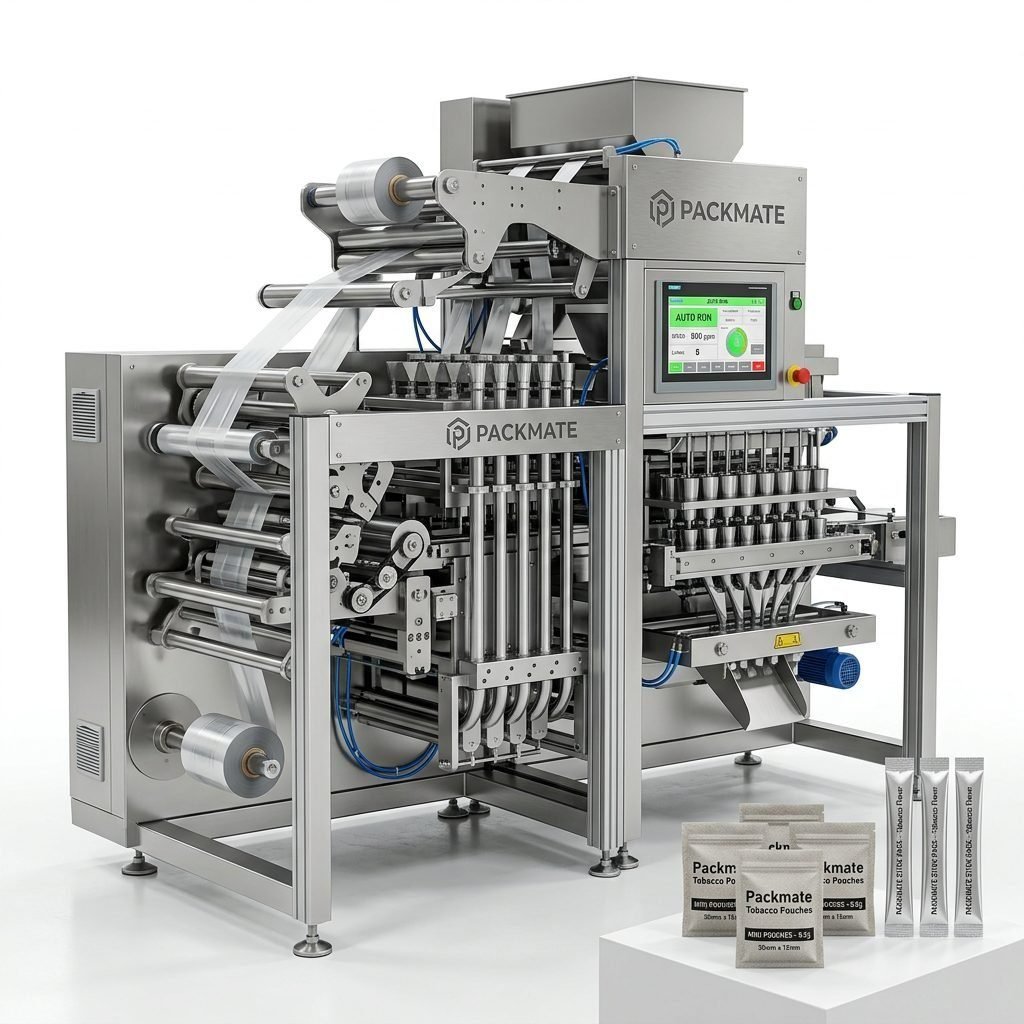
Choosing the right snus packaging machinery manufacturer in Japan—or choosing a supplier capable of meeting Japanese production standards—requires a structured approach. This guide breaks down the decision process into practical steps, technical checkpoints and commercial considerations so you can select a partner who delivers reliability, efficiency and regulatory compliance for nicotine pouch and snus production lines.
Why a focused selection process matters
Investing in snus packaging equipment is not only about machine price—it’s about long-term stability, uptime and the ability to adapt as your product range evolves. A targeted selection prevents costly retrofits, production bottlenecks and non-compliance with international standards. When evaluating manufacturers, prioritize proven engineering experience, complete packaging solutions and after-sales support.
Tip: Look for suppliers with decades of industry experience and a full factory setup—these are strong indicators of manufacturing maturity and capacity to deliver turnkey lines.
Step 1 — Define your production requirements
Begin with a clear specification: target daily output (pouches/hour), pouch formats (stick, sachet, multi-lane), dosing accuracy, primary product type (powder, granule, liquid, nicotine pouch) and packaging materials. Document expected SKUs and planned product line expansions for the next 3–5 years.
Key production metrics to record
• Required production speed (pouches per minute or hour)
• Number of lanes for multi-lane lines
• Dosing range and weighing accuracy
• Preferred pouch seals and materials
• Cleanliness and GMP requirements for nicotine handling
Step 2 — Match machine types to your needs
Different machine platforms are optimized for different formats. Evaluate machine classes and sample them against your production metrics to ensure fit.
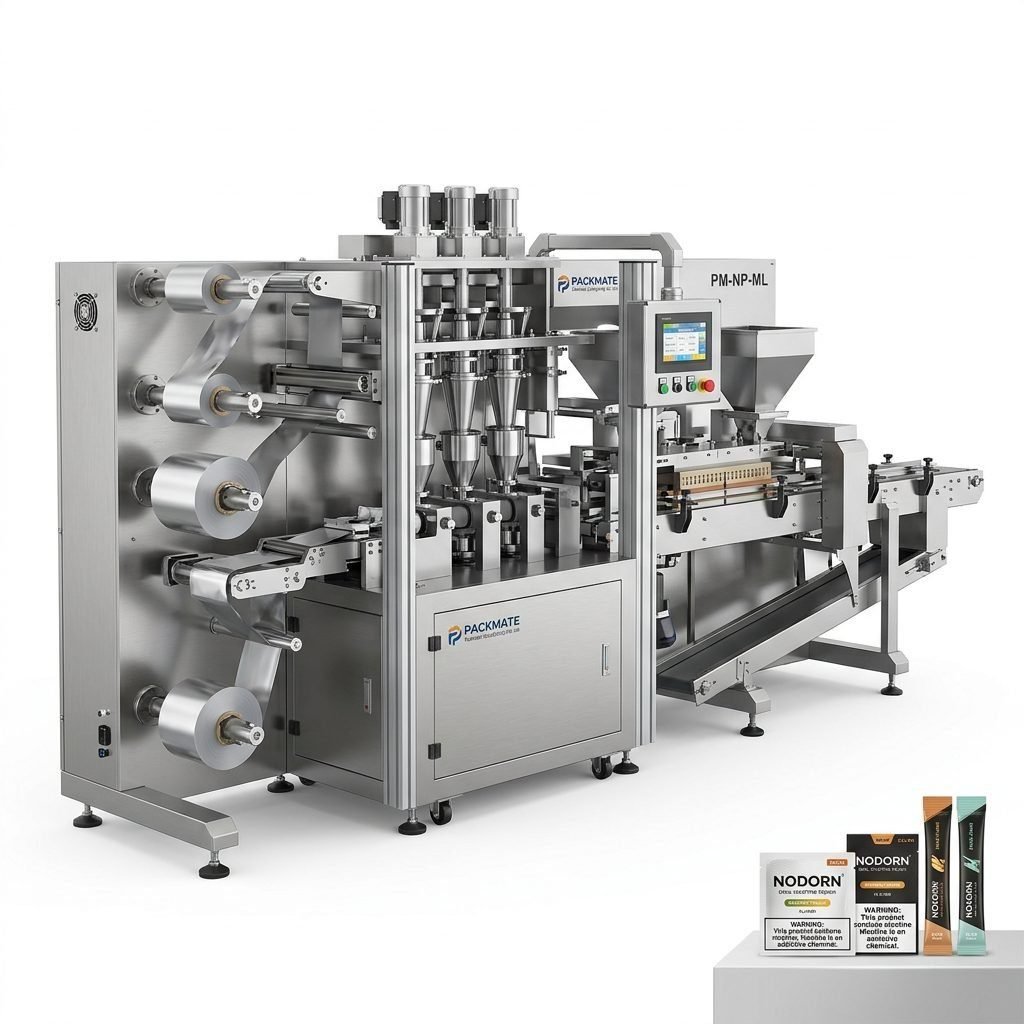
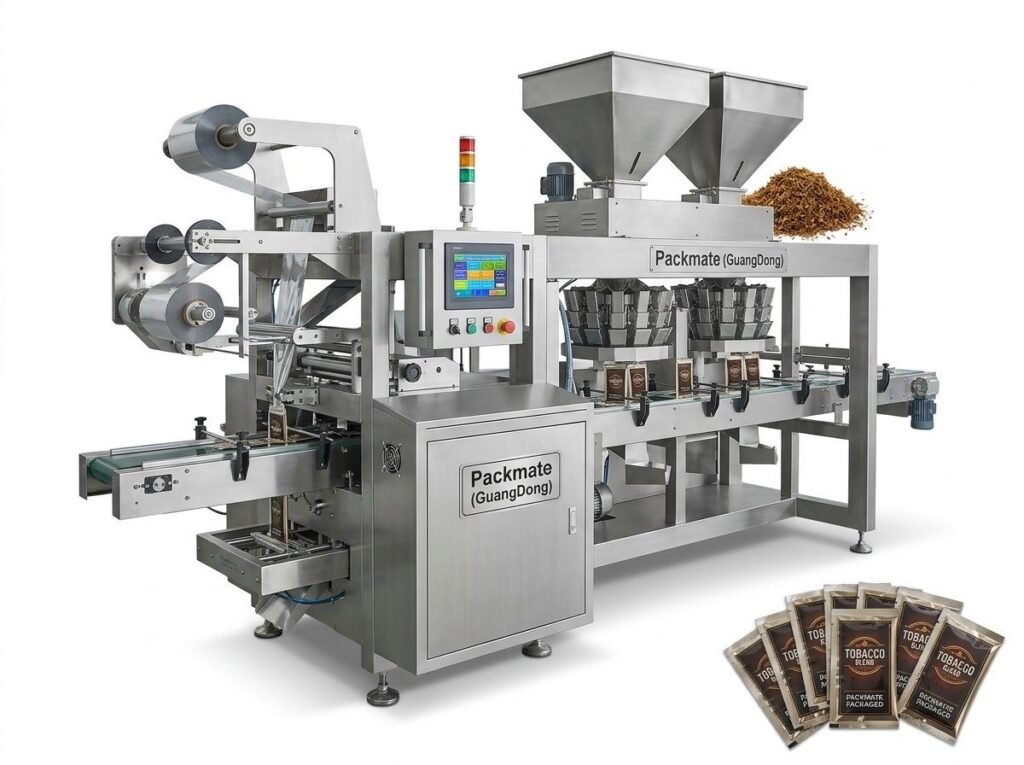
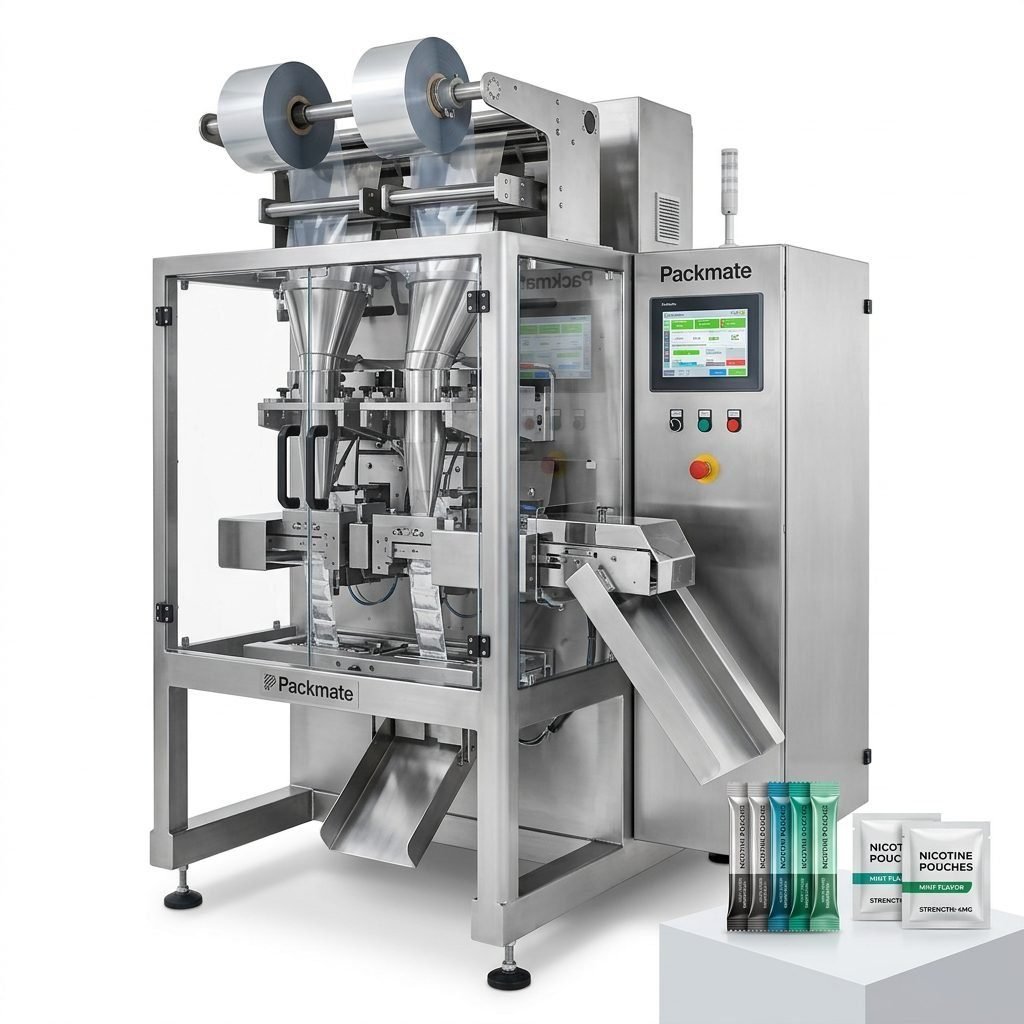
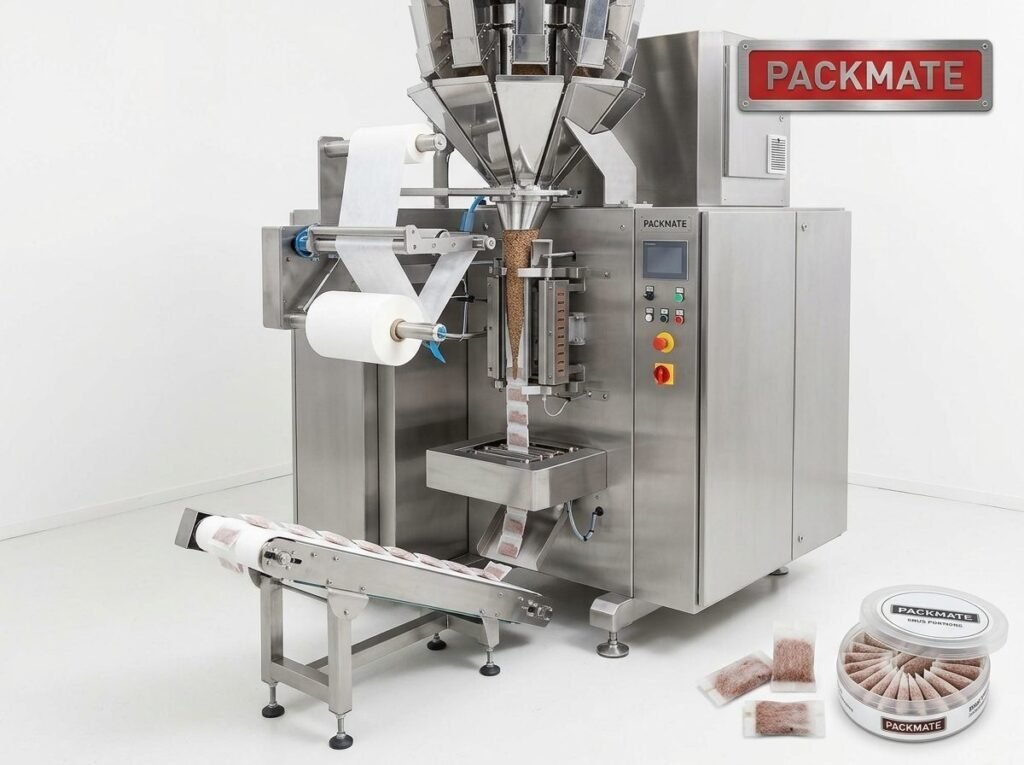
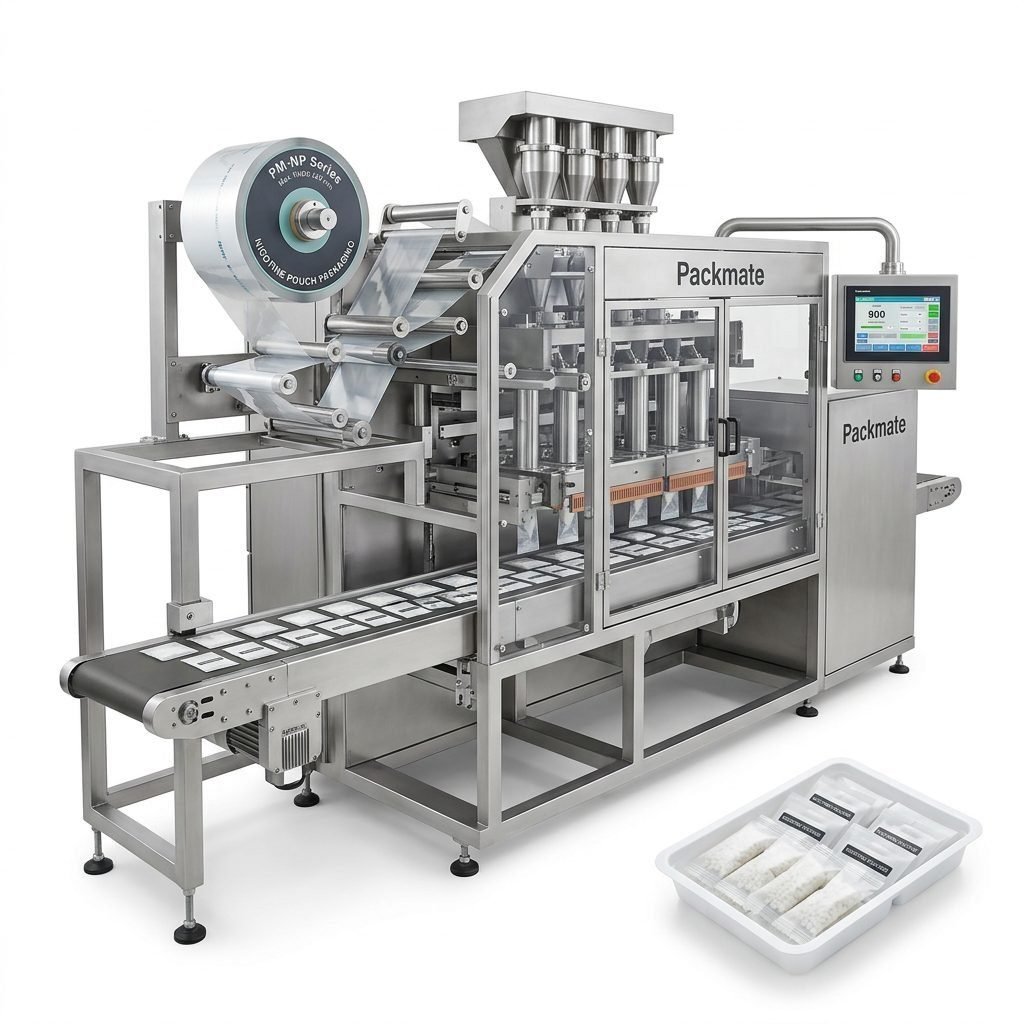
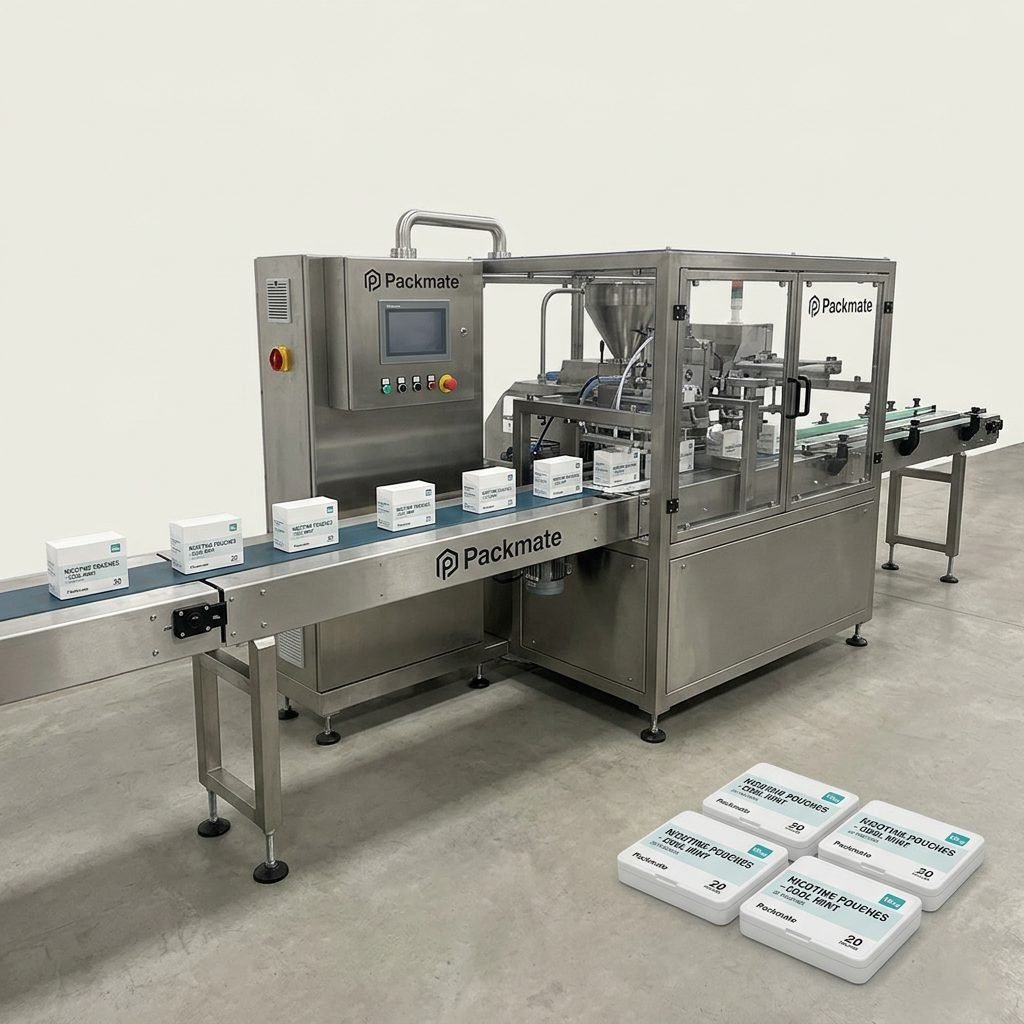
Common machine categories: stick pack machines, sachet & stick pack machines, multi-lane snus packaging systems, weighing & filling systems and auxiliary equipment for handling and inspection.
Where to focus for nicotine pouch/snус lines
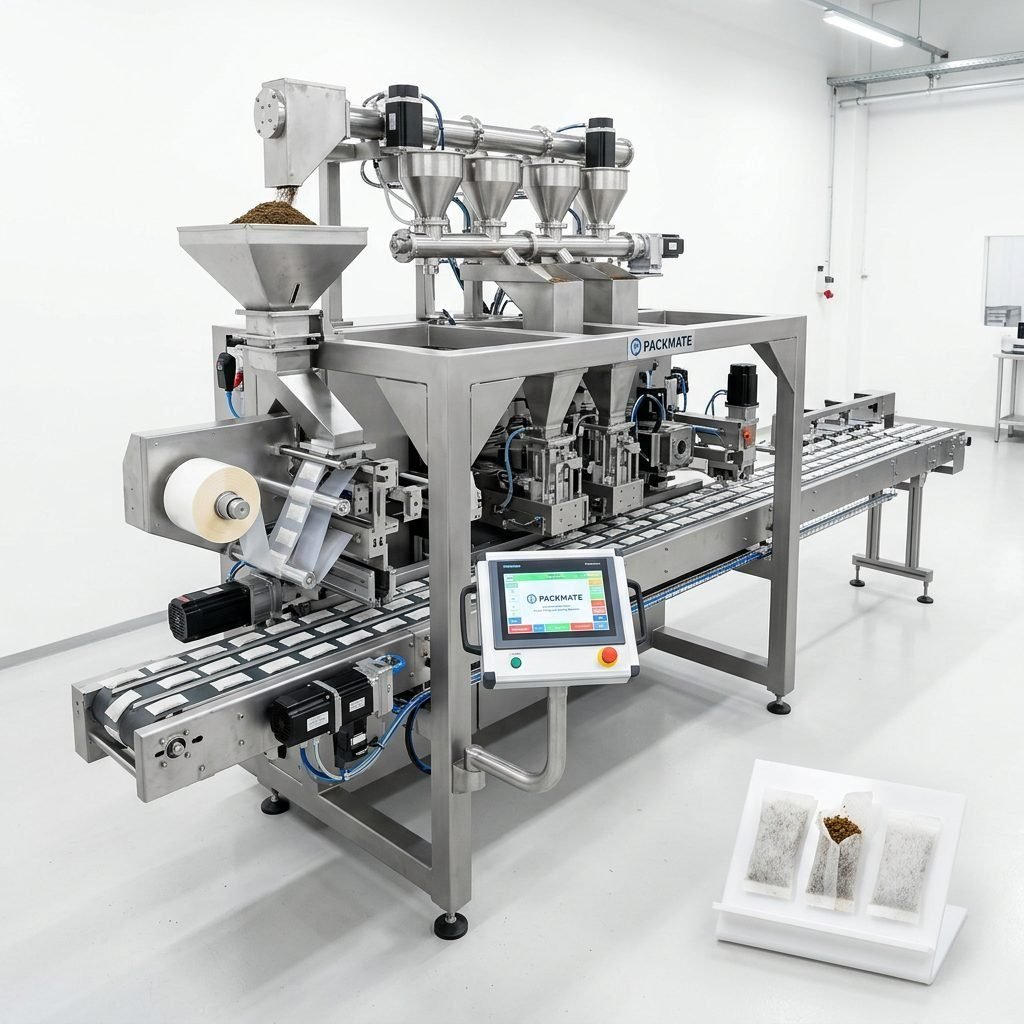
• Precise feeding and dosing, often with integrated weighing systems
• Multi-lane synchronization to increase throughput without sacrificing accuracy
• Compatibility with thin-film and laminated pouches for extended shelf life
• Clean material handling and easy sanitation for regulatory compliance
Explore product families such as Snus & Nicotine Packaging Machines and Sachet & Stick Pack Machines to find platform examples that align with your format and speed.
Step 3 — Validate engineering capabilities and factory strength
Confirm the manufacturer’s production capacity, tooling and assembly processes. A well-equipped factory with CNC machining, precision assembly lines and thorough quality control is essential for delivering machines that run reliably for years.
Packmate Snus Machine, for example, highlights a 20,000㎡ manufacturing facility and advanced CNC & assembly systems—features that reduce lead times and improve part fidelity on complex multi-lane equipment.
Questions to ask during factory assessment
• What is the factory lead time for standard and customized machines?
• Can I inspect assembly and QA processes in person or via video?
• Are spare parts stocked and which critical components are readily available?
• What certifications (CE, ISO) and documentation are provided?
Step 4 — Evaluate automation, customization and turnkey capability
Production environments differ. Choose suppliers able to provide flexible automation modules, custom tooling for your pouch types and integrated upstream/downstream equipment for a true turnkey line.
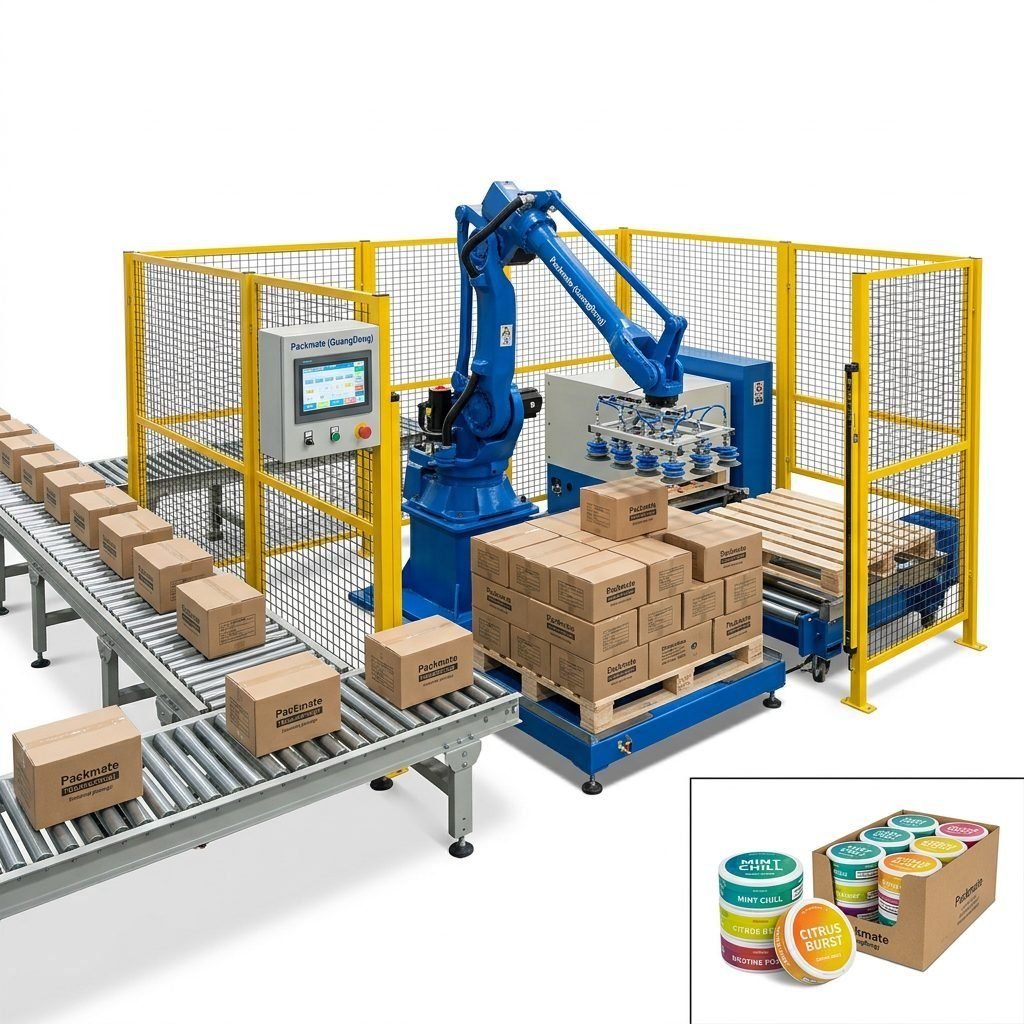
Verify if the manufacturer offers complete lines that include filling, weighing, pouch forming, sealing, date coding and case packing. Visit the supplier’s case studies or project examples to see real-world integrations—see sample projects at Case.
Step 5 — Check technical specifications and performance guarantees
A machine’s spec sheet should include cycle speed, accuracy, air and power requirements, material compatibility and mean time between failures (MTBF). Request factory acceptance test (FAT) reports and performance guarantees tied to acceptance criteria.
Performance checklist: speed verification, dosing/weight accuracy, pouch seal integrity, material feed reliability and ease of format changeover.
Factory acceptance and testing
Insist on FAT with your product or a close simulant. FAT should include full-speed runs, measurement logs and video evidence. Post-shipment commissioning (SAT) at your site with the supplier’s engineers is critical to achieve full production capability.
Step 6 — Assess after-sales support, spare parts and training
After-sales service keeps lines productive. Confirm the supplier provides rapid spare parts supply, online and on-site technical support, training programs for operators and maintenance teams, and clear documentation.
Look for suppliers with global service networks and detailed service offerings—review the manufacturer’s service page such as Service and support resources.
Step 7 — Commercial terms, warranties and total cost of ownership
Beyond the quoted machine cost, calculate installation, commissioning, spare parts, consumables, local compliance modifications and expected maintenance. Seek clear warranty terms, including duration and coverage, and an outline of excluded items.
Negotiation pointers: include FAT acceptance criteria in the contract, set KPIs for initial performance, and agree on spare parts kits for the first 12 months.
Step 8 — Verify regulatory and quality credentials
For nicotine pouch manufacturing, regulatory consistency and safety are crucial. Check for CE and ISO certifications and ask for material contact documentation, cleaning procedures and traceability systems.
The manufacturer’s certificate portfolio and exhibition presence (to validate reputation) can be found on their pages such as Certificate and Our Exhibition.
Step 9 — Reference checks and live demonstrations
Ask for customer references in similar markets and request live demos or machine videos. Visiting a running line or viewing video proof of performance helps validate throughput and reliability claims.
What to look for during demos
Smooth material handling, consistent pouch formation, minimal format-change downtime and easy operator interfaces. Confirm the control system is intuitive and that spare parts are modular and quick to replace.
Step 10 — Making the final selection and next steps
After technical, commercial and reference validation, score shortlisted suppliers across criteria such as performance, cost of ownership, customization ability and service. Select the supplier with the best balance of technical fit and long-term support.
Action checklist before signing: complete FAT acceptance criteria, confirm spare parts list, schedule commissioning dates and sign off on training scope.
Why Packmate-style suppliers are worth considering
Suppliers with decades of R&D experience, large-scale manufacturing facilities and a broad product portfolio—including snus/nicotine packaging machines, weighing & packaging systems and auxiliary equipment—reduce project risk and provide clear upgrade paths as production needs grow. Learn more about the manufacturer’s background at About Packmate.
If you need to explore specific formats, the product catalogs around Bag & Pouch Packaging Machines and Weighing & Packaging Systems can give you concrete machine models and specifications to compare.
Final practical note: treat the machine purchase as a collaborative engineering project. Regular communication, clear acceptance criteria and joint testing cycles produce the best outcomes.
Need direct help choosing a model or arranging a demo?
Contact the supplier early in the process to discuss your SKUs, production goals and compliance needs. If you require a fast reply on models, specs or commissioning timelines, reach out via the official Contact Us page.
Common Questions (FAQ)
Q1: What is the typical lead time for a multi-lane snus packaging line?
A1: Lead times vary by customization and factory workload. Standard machines may ship in a few months, while fully customized multi-lane turnkey lines can take longer—confirm exact timelines during quoting and include FAT scheduling in contract terms.
Q2: How do I ensure dosing accuracy for small-dose nicotine pouches?
A2: Use precision weighing or auger dosing systems calibrated to your product density. Request FAT runs and accuracy logs to verify performance at production speeds.
Q3: Are spare parts and local support available internationally?
A3: Reputable manufacturers provide spare parts kits and can arrange regional support or remote troubleshooting. Confirm spares lead time and stocking arrangements before finalizing the contract.
Q4: What certifications should I expect for snus packaging machines?
A4: CE and ISO certifications are common for international markets. Additionally, request documentation for material contact surfaces, cleaning protocols and any country-specific compliance relevant to nicotine products.
Q5: Can I visit the factory or see a live demo before purchasing?
A5: Yes—factory visits or virtual tours are standard practice for major equipment purchases. Arrange FAT attendance and visit scheduling early to align with production timelines.