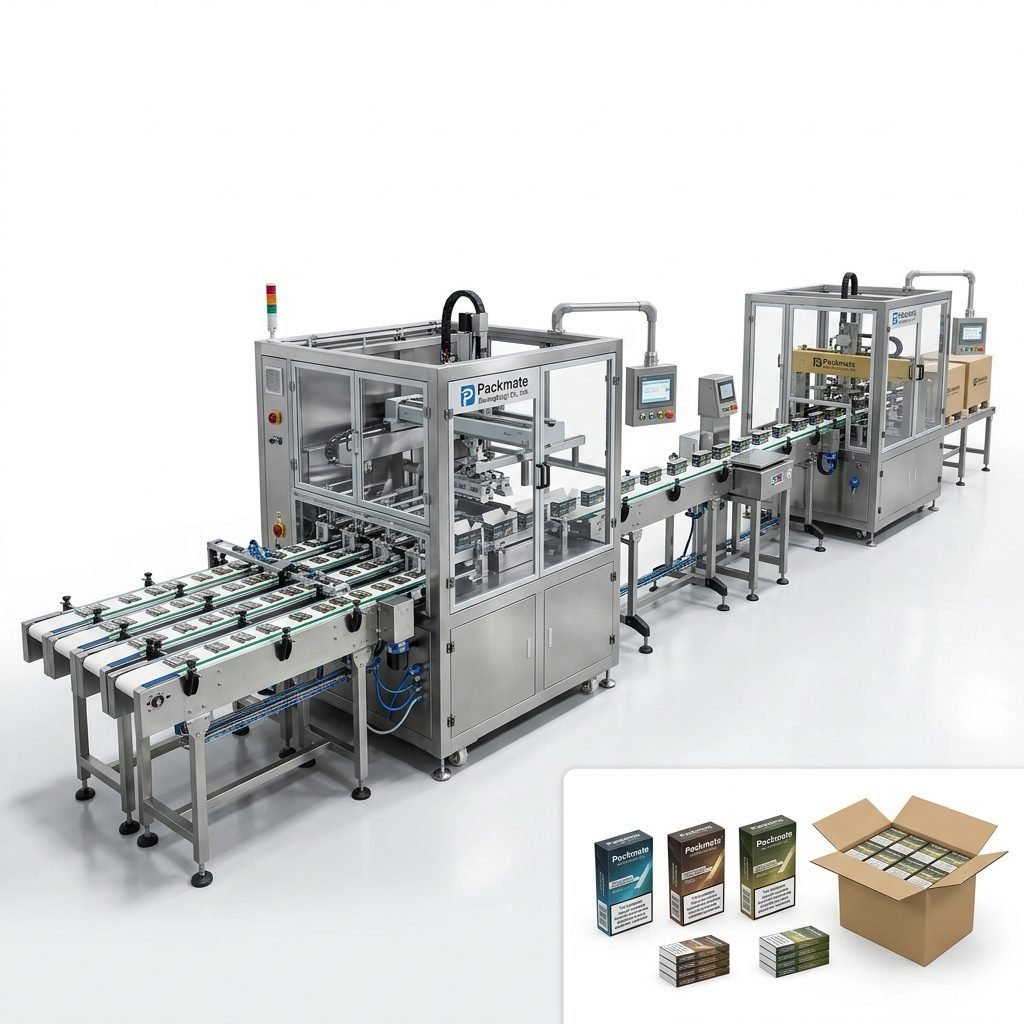
Choosing the right nicotine packaging machine manufacturer in Malta is a critical decision that affects product quality, production efficiency, regulatory compliance, and the long-term growth of your business. This guide walks you through practical steps and evaluation criteria to help you identify a manufacturer that offers reliable snus and nicotine pouch packaging solutions, strong technical support, and a clear path for scaling production.
Understand Your Production Needs and Product Characteristics
Start by mapping out your current and projected production volumes, pouch formats, and product characteristics. Nicotine pouches and snus come in different sizes, weights, and materials — from dry powder to slightly moist blends — and your chosen equipment must be compatible with these parameters. Document:
– Target units per minute/hour/day
– Pouch type (e.g., round, oval, sachet, stick pack, multi-lane pouches)
– Typical fill weights and tolerances
– Film and pouch material (aluminum laminated films, paper, biodegradable films)
– Required package sealing and secondary packaging formats
🔍
Key point:
Manufacturers with a track record in small-dose multi-lane systems will better support snus/nicotine pouch production with high throughput and stability.
Match Machine Types to Your Product
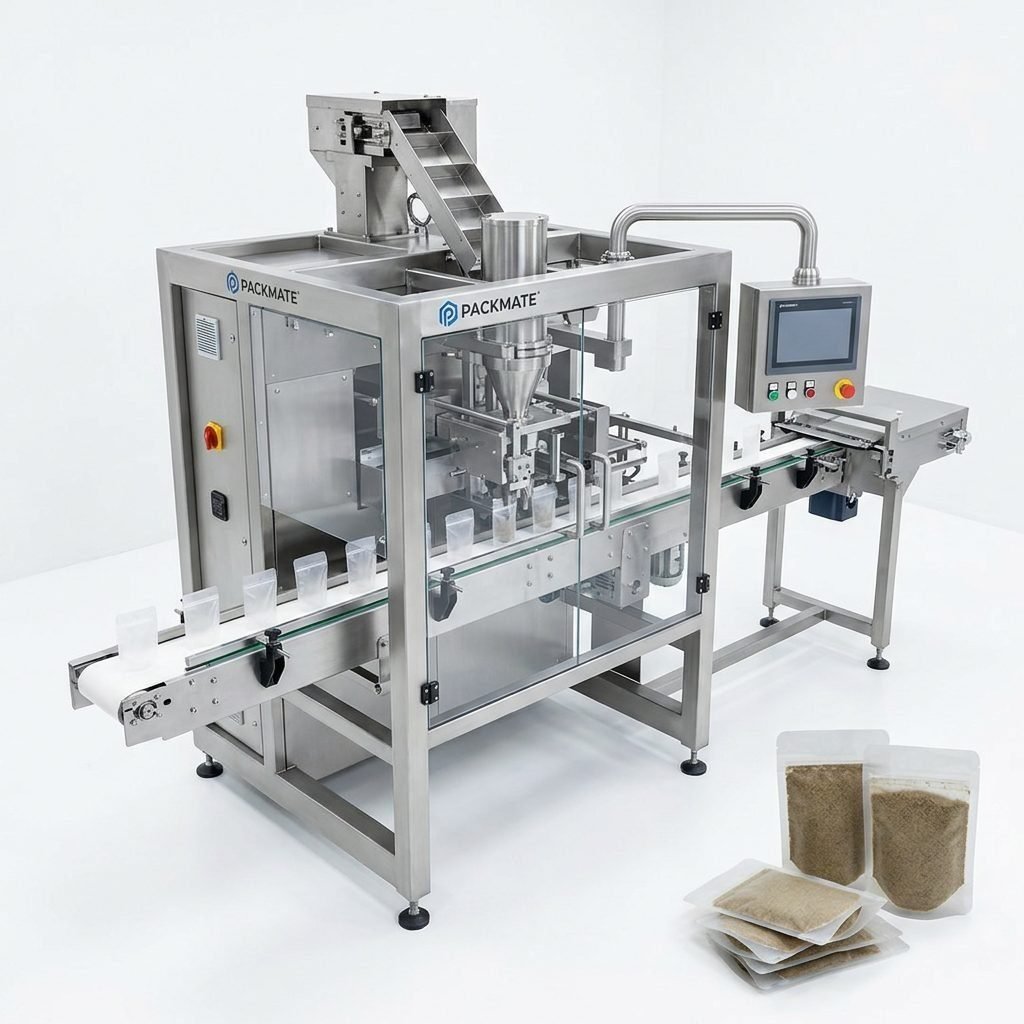
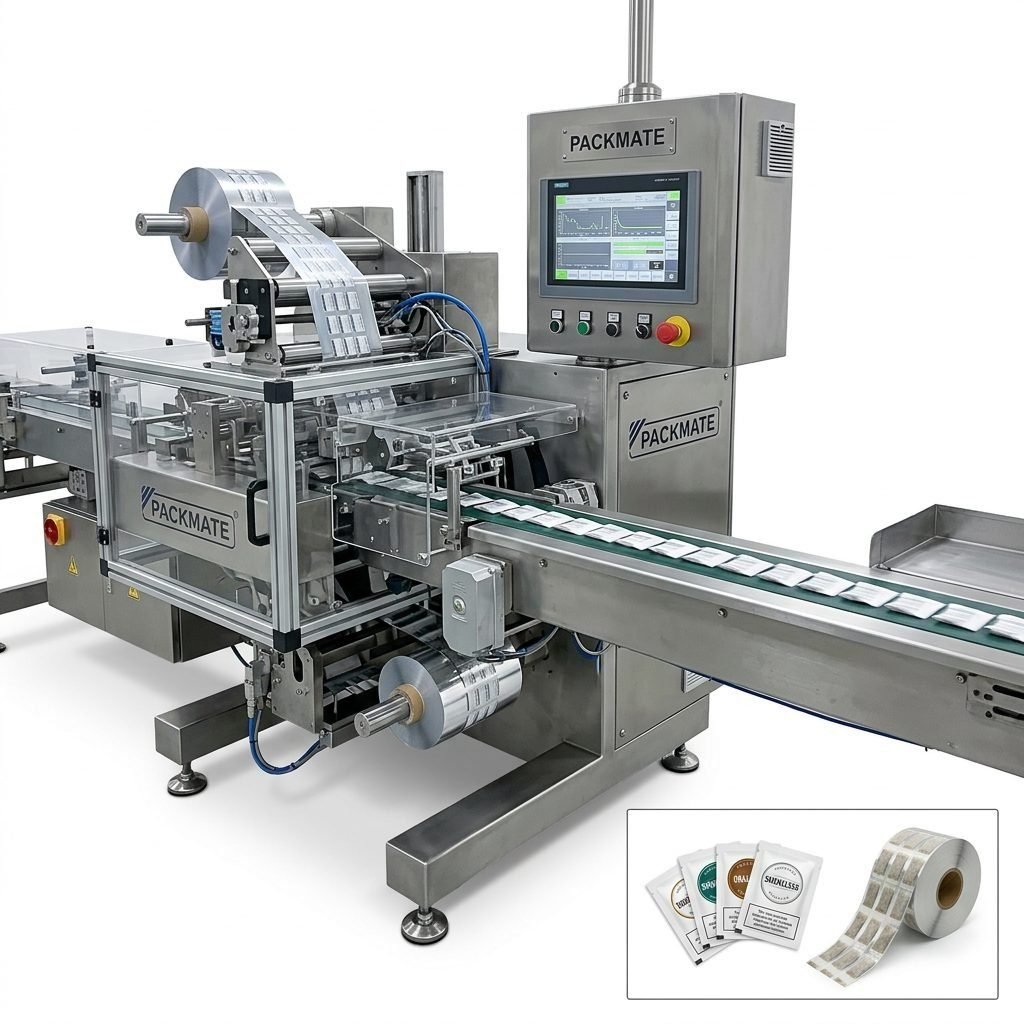
Different machine types suit different packaging styles. Look for vendors offering diverse options or modular solutions:
– Stick pack and sachet machines for single-dose formats
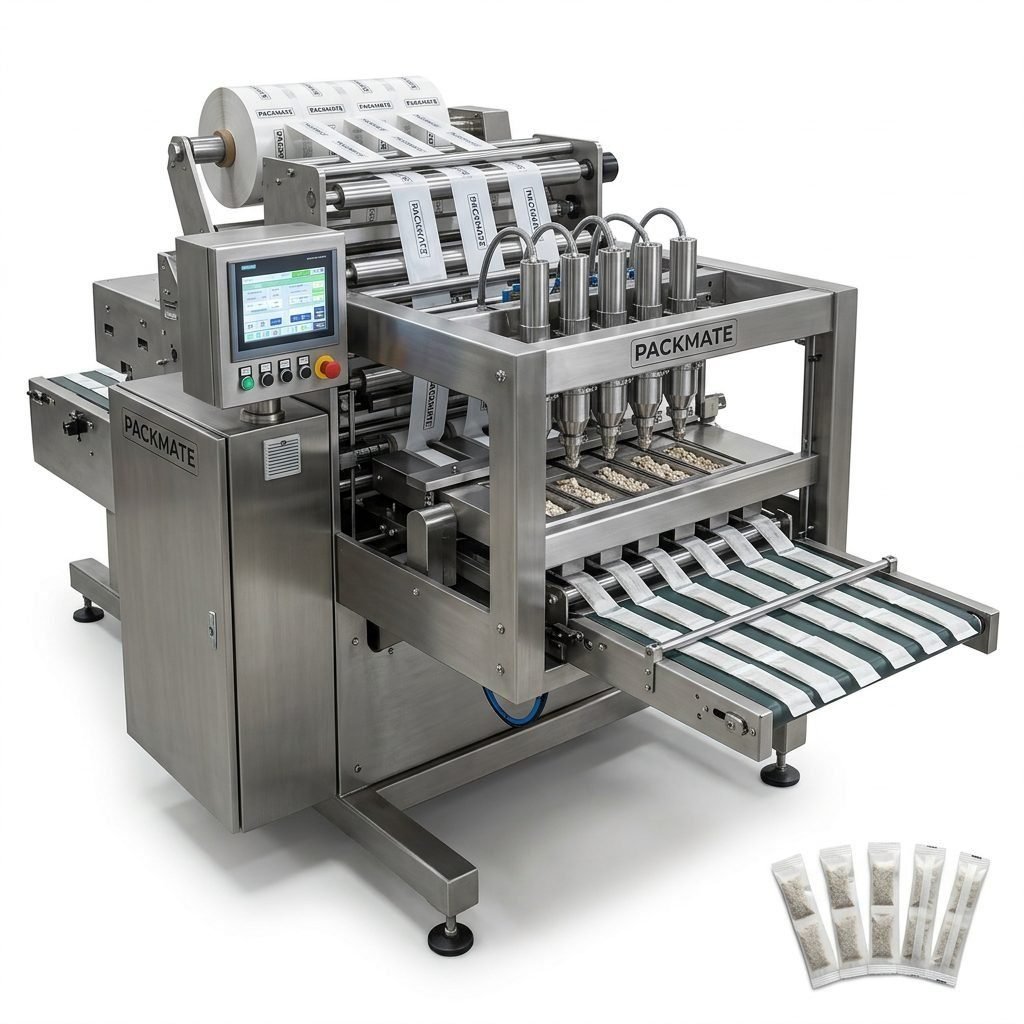
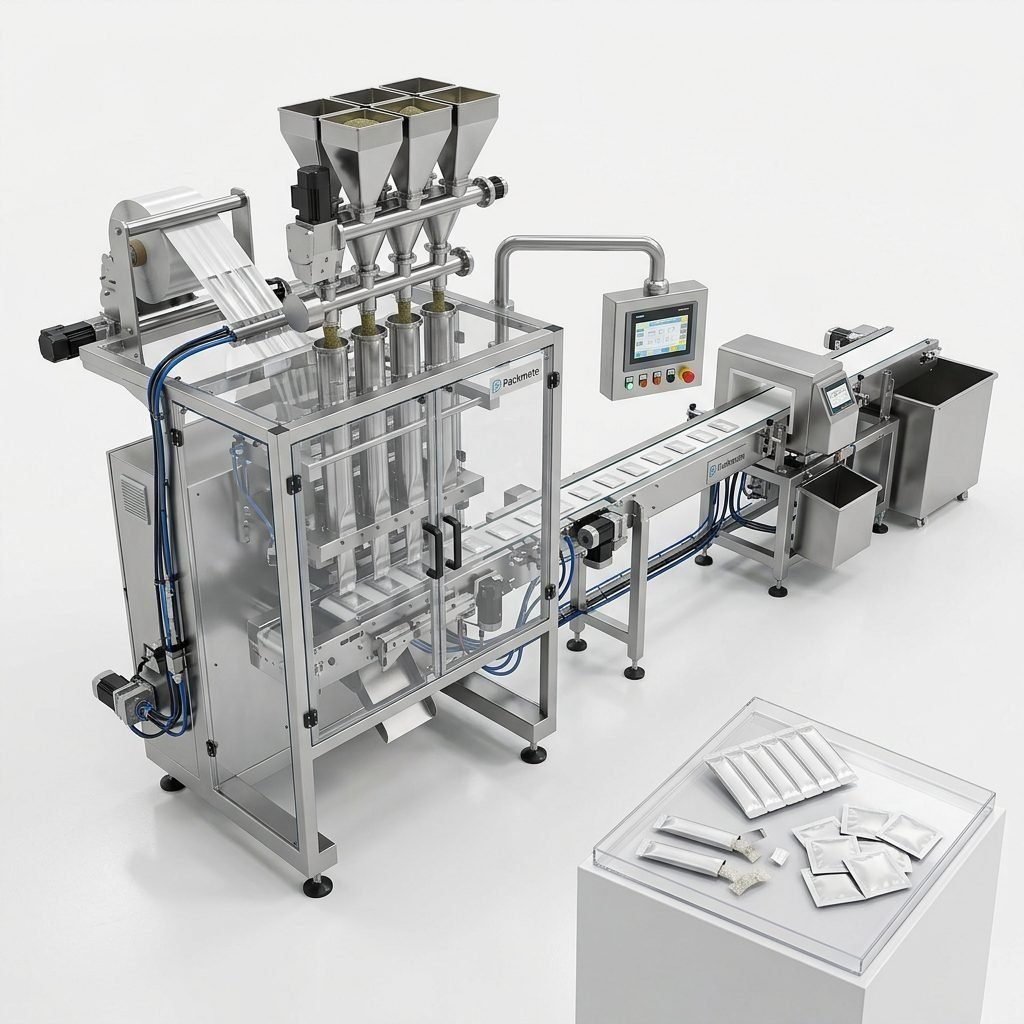
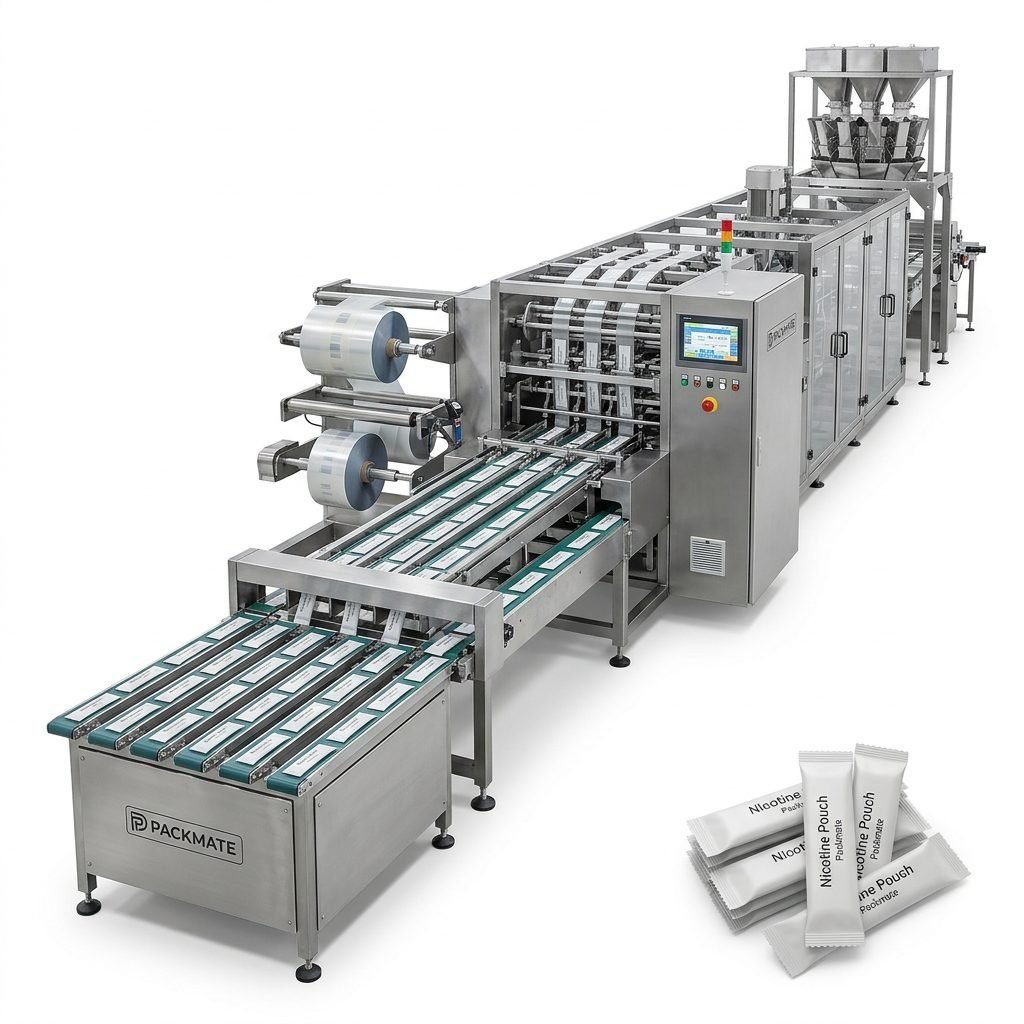
– Multi-lane snus pouch machines for small-dose nicotine pouches and high-speed production
– Bag & pouch packaging machines for larger or secondary packaging needs (see Bag & Pouch Packaging Machines)
– Integrated weighing & filling systems for powder accuracy (see Weighing & Packaging Systems)
Check Manufacturer Experience and Technical Strength
Experience matters. A manufacturer with decades of R&D and production experience demonstrates stability, continuous improvement, and mature engineering practices. Evaluate:
– Years in the packaging machine industry and specific experience with snus/nicotine pouch equipment
– Number of machine models and customizable solutions available
– Factory scale, CNC capabilities, and assembly precision
– Production capacity and lead times
⚙️
Why it matters:
A supplier with an established 20,000㎡ facility and advanced CNC machining centers can deliver consistent machine quality and faster customizations.
Inspect Certifications and Compliance
Ensure machines comply with international standards. Certifications such as CE and ISO indicate safety, quality management, and suitability for global markets. Also confirm that the manufacturer understands local regulatory requirements in Malta and target markets.
For detailed credentials, check the manufacturer’s certificate pages and case histories (see Certificate and Case).
Evaluate Turnkey Capabilities and Customization
The ideal manufacturer offers turnkey solutions — designing, supplying, and integrating complete production lines. Look for:
– Customization: machine configurations, lane counts, and tooling for specific pouch types
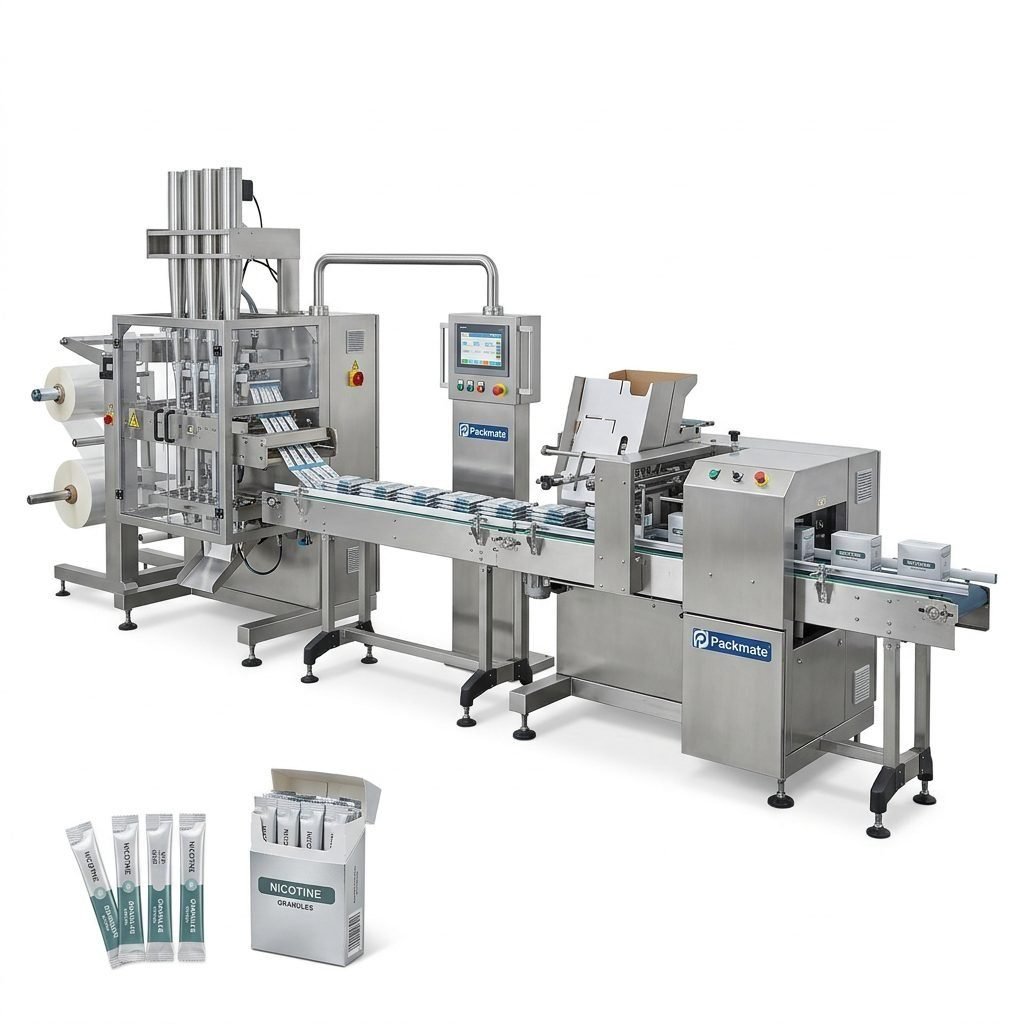
– Integration: upstream dosing/weighing and downstream secondary packaging lines (see Filling & Packaging Lines)
– Modular design for future capacity increases
✅
Practical tip:
Request a proposed turnkey layout and timeline. Reliable manufacturers provide floor plans, equipment lists, and a clear commissioning schedule.
Spare Parts, Upgrades, and Lifecycle Support
Downtime damages business. Verify spare part availability, typical lead times, and support contracts. Ask about:
– Local or regional spare part stocks and shipping arrangements
– Remote diagnostics, software updates, and upgrade paths
– Training programs for operators and maintenance staff (on-site and virtual)
Assess After-Sales Service and Warranty
Strong after-sales support is essential. Clarify warranty terms, response times, and SLA metrics. Good vendors provide:
– Clear warranty scope and exclusions
– Global technical support and spare part logistics
– Preventive maintenance programs and performance optimization services
– Local partners or service teams for fast on-site response
Verify References, Demos, and Factory Visits
Ask for references and video demonstrations of similar machines running your product or comparable SKUs. If possible, arrange a factory visit or attend an exhibition where the vendor displays their equipment (see Our Exhibition).
During visits, inspect machine build quality, assembly areas, testing rigs, and quality control processes. Verify the manufacturer’s R&D and testing capabilities and review documented production test reports.
Questions to ask during a visit
– Can you see a live machine running a similar product?
– What is the typical throughput and yield during tests?
– Can we witness QC procedures and acceptance tests?
– What training and documentation will be provided at handover?
Compare Total Cost of Ownership (TCO) Not Just Purchase Price
Low initial cost can hide higher long-term expenses. To evaluate TCO, consider:
– Energy consumption and consumables costs
– Maintenance frequency and average downtime per month
– Spare parts pricing and shipping time to Malta
– Upgrade and retrofit costs as product ranges change
💡
TCO checklist:
Request a projected 5-year cost estimate that includes spare parts, preventive maintenance, and probable downtime impact.
Legal, Logistics, and Contract Terms
Ensure contracts cover delivery terms, acceptance tests, penalties for missed milestones, and clear warranty language. Consider logistics and customs implications for Malta:
– Incoterms (FOB, CIF, DDP) and responsibility for customs clearance
– Installation schedule and on-site commissioning plan
– Payment milestones tied to factory acceptance tests (FAT) and final acceptance tests (SAT)
Pilot Runs, Factory Acceptance Test (FAT) and Site Commissioning
A reputable manufacturer will conduct FATs and offer pilot runs with your product. FATs should include full documentation, performance data, and a punch-list. During site commissioning:
– Confirm machine speeds, accuracy, and consistent sealing under real conditions
– Validate operator training and maintenance procedures
– Ensure integration with upstream/downstream equipment is seamless
Integration with Auxiliary Equipment
Check if the manufacturer supplies auxiliary equipment like feeders, conveyors, and labelers or if they can integrate third-party systems (see Auxiliary Packaging Equipment). Smooth integration reduces technical risks and commissioning time.
Vendor Reputation, References and Case Studies
Review customer testimonials, published case studies, and exhibition presence. A vendor active in major trade shows and global markets demonstrates reliability and the ability to support diverse customers (see About Packmate).
Ask for references in similar markets and industries. Speak with current customers about their real-world experience with uptime, spare parts availability, and responsiveness.
📌
Real-world check:
Visit reference sites if possible. Nothing replaces firsthand observation of operational machines and service turnaround.
Making the Final Decision
Once you’ve collected quotations, performed FATs, and validated references, score suppliers across technical fit, TCO, lead times, after-sales support, and flexibility. Prioritize partners that can grow with you and provide predictable long-term support.
If you need a starting point for vendor discussions, review product portfolios like Snus & Nicotine Packaging Machines and request examples of similar deployments.
Quick selection checklist
– Confirm production speed and pouch compatibility
– Evaluate factory and technical strength (CNC, assembly, QA)
– Verify certifications (CE, ISO) and compliance with Malta regulations
– Ensure spare parts and service coverage in Malta / EU
– Review TCO and warranty terms
– Conduct FAT and pilot runs with your product
📞
Next steps:
Contact potential partners early and request a combined proposal that includes equipment, spare parts plan, on-site training, and a clear commissioning schedule (see Contact Us).
Conclusion
Selecting the best nicotine packaging machine manufacturer for your Malta-based operation requires a balance of technical fit, proven manufacturing strength, post-sale support, and clear commercial terms. Prioritize vendors with experience in snus and nicotine pouch lines, strong factory capabilities, and a commitment to long-term service. Doing so minimizes risk, reduces downtime, and accelerates your path to consistent, high-quality production.
常见问题 (FAQs)
Q1: How long does it take from order to delivery?
Delivery timelines vary by configuration and customization. Standard models may ship in a few weeks, while custom turnkey lines typically require several months including FAT and shipping. Confirm lead times in writing and align milestones with payment terms.
Q2: Can machines be adapted for different pouch sizes?
Many modern machines are modular and support changeover kits for different pouch sizes and materials. Ask for details on changeover time, tooling costs, and any limitations for your specific pouch geometry.
Q3: What support is available after installation?
Reputable manufacturers provide on-site commissioning, operator training, spare parts kits, remote diagnoses, and preventive maintenance packages. Ensure response times and spare part logistics are spelled out in the service agreement.
Q4: Are machines compatible with EU/Malta regulatory requirements?
Verify CE and ISO certifications and request documentation for electrical safety, machine guarding, and software compliance. The supplier should help you understand documentation needed for Malta customs and regulatory audits.
Q5: Where can I see real examples or get more details?
Review product lines and case studies on the manufacturer’s website, and attend industry exhibitions. Useful pages include product catalogs and service pages such as Catalog and Service.