Choosing the right snus packaging machinery manufacturer for your factory in the Czech Republic is a strategic decision that affects production efficiency, product quality, regulatory compliance, and long-term cost. Whether you are launching a new nicotine pouch line or upgrading an existing snus production line, this guide walks you through practical criteria, evaluation steps, and negotiation tips to help you select a reliable partner who can deliver tailored packaging solutions.
Understand Your Production Needs ⚙️
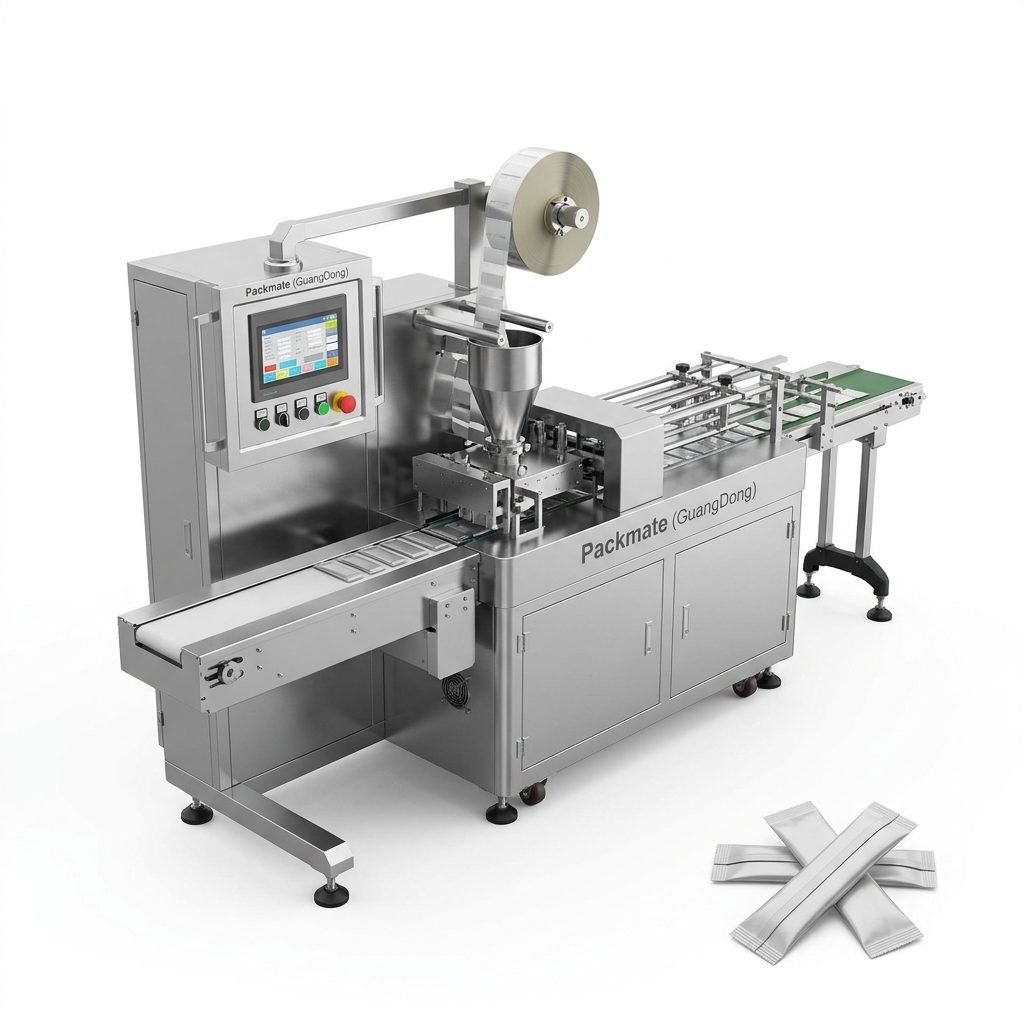
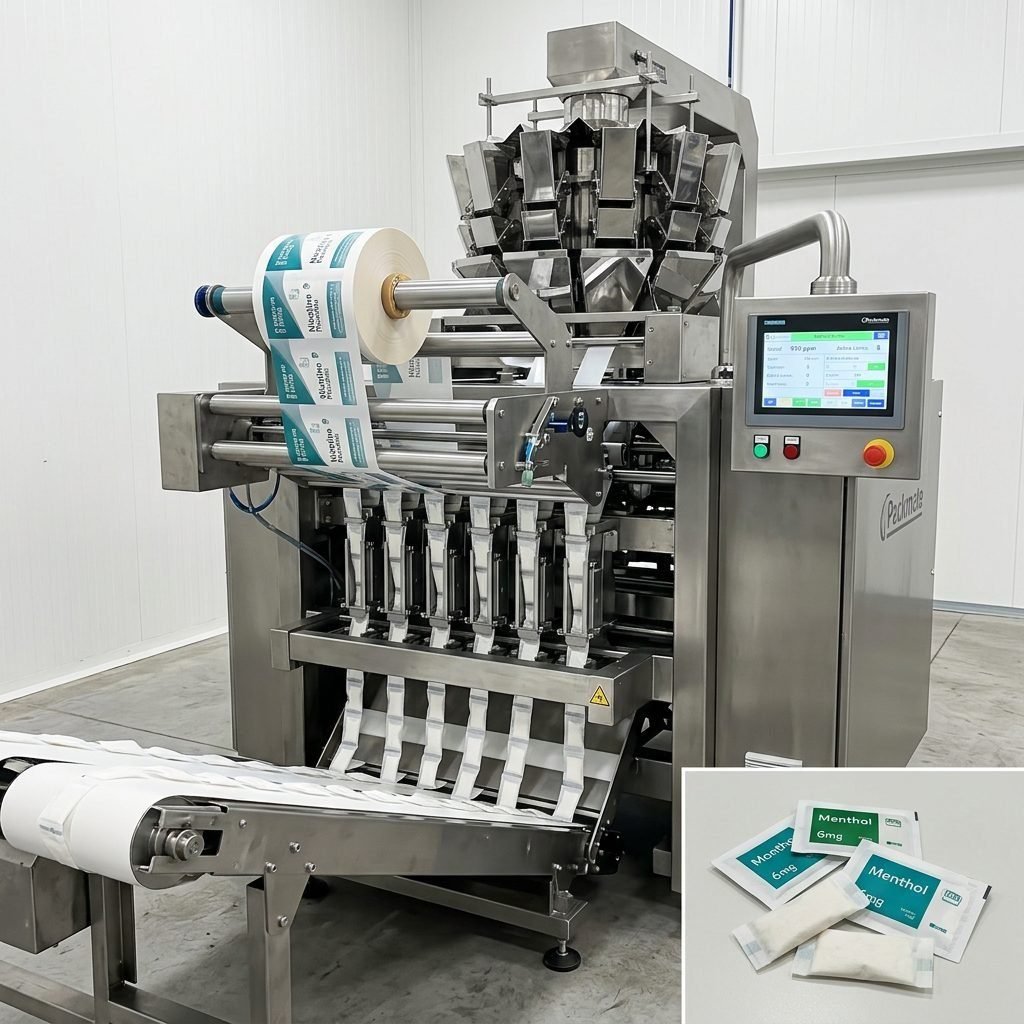
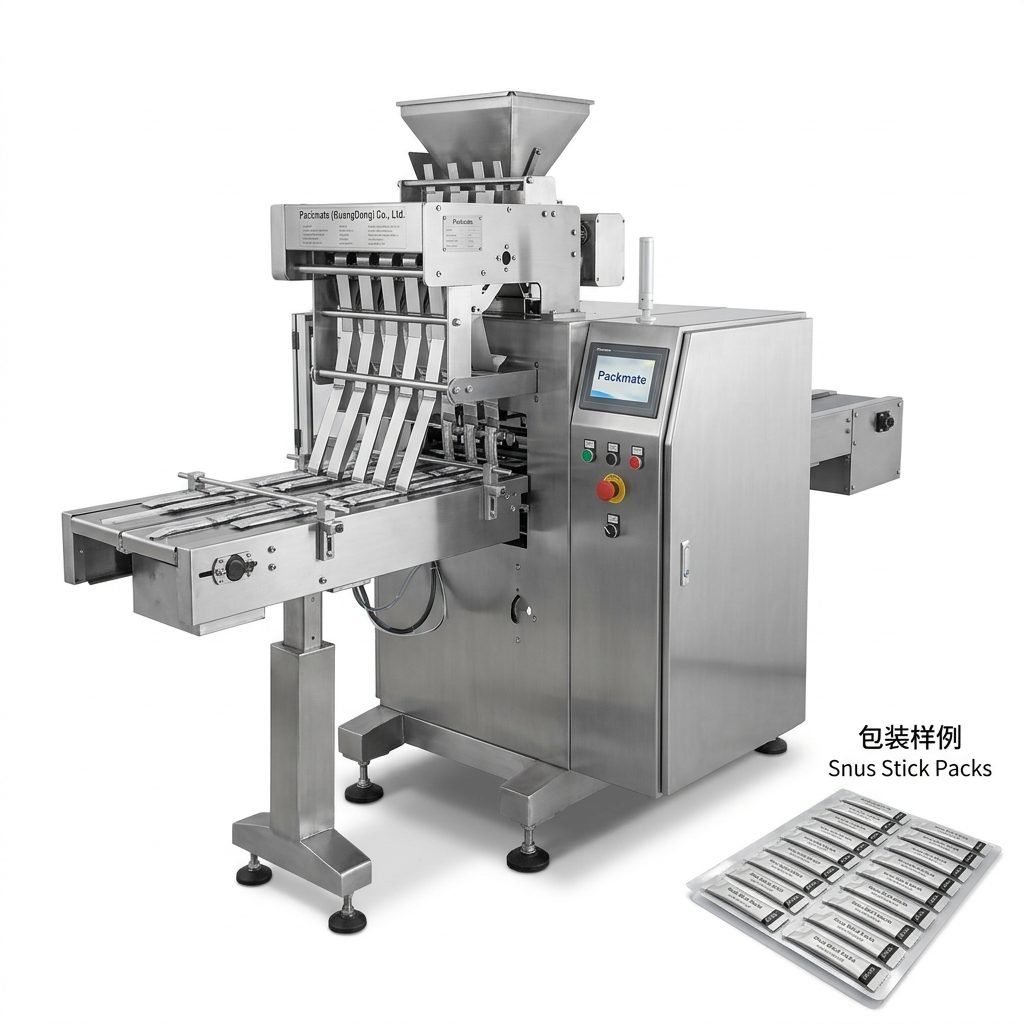
Start with a clear assessment of your factory’s current and future requirements. Identify product formats (loose snus, portion pouches, nicotine pouches), throughput targets (pouches per minute), packaging film materials, pouch sizes, and any special features such as reclosable pouches, multi-lane output, or tamper-evident seals. A precise specification helps shortlist manufacturers who specialize in the right machine types, such as multi-lane snus lines or stick pack systems.
- Target capacity (daily/monthly throughput)
- Pouch types and sizes
- Filling materials: powder, granule, liquid, tobacco or nicotine pouches
- Integration needs with weighing, feeding, and secondary packaging
- Cleanability and maintenance access
Why a Specialized Manufacturer Matters 📦
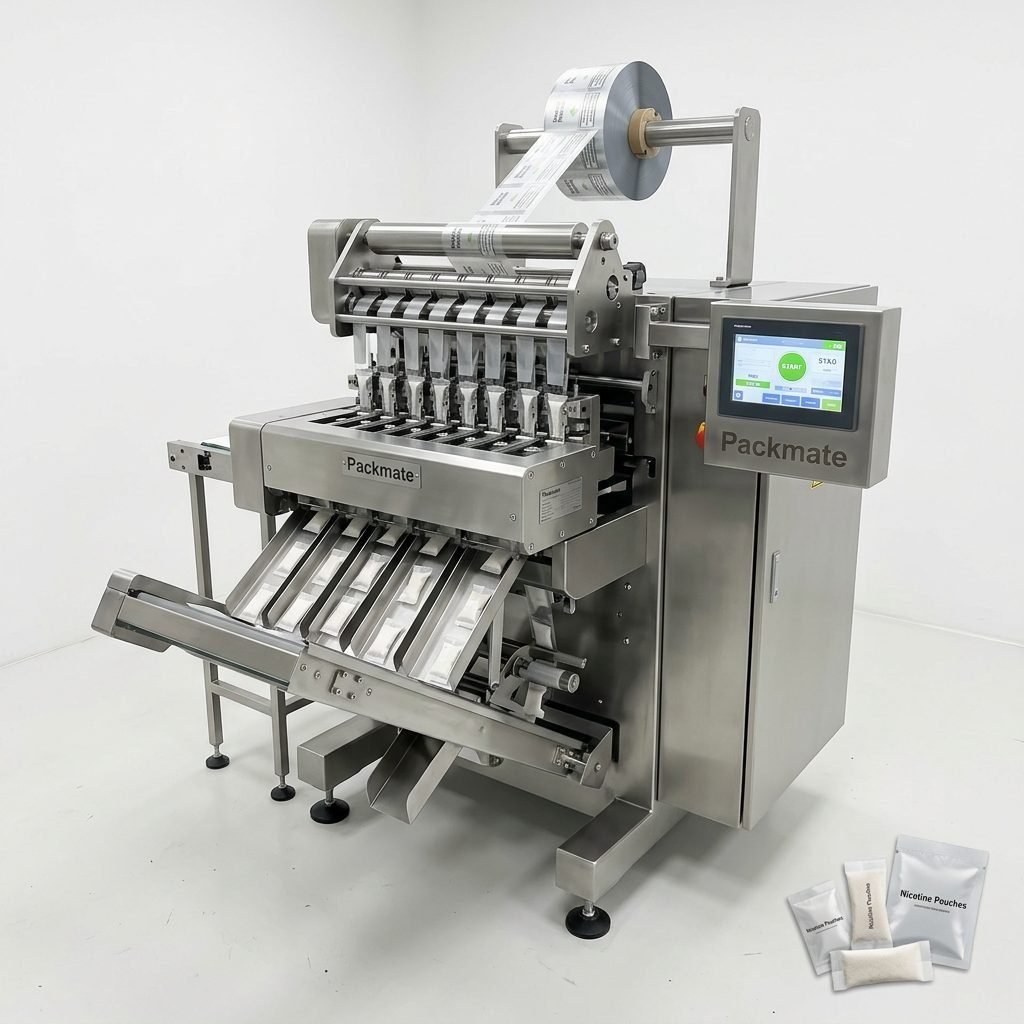
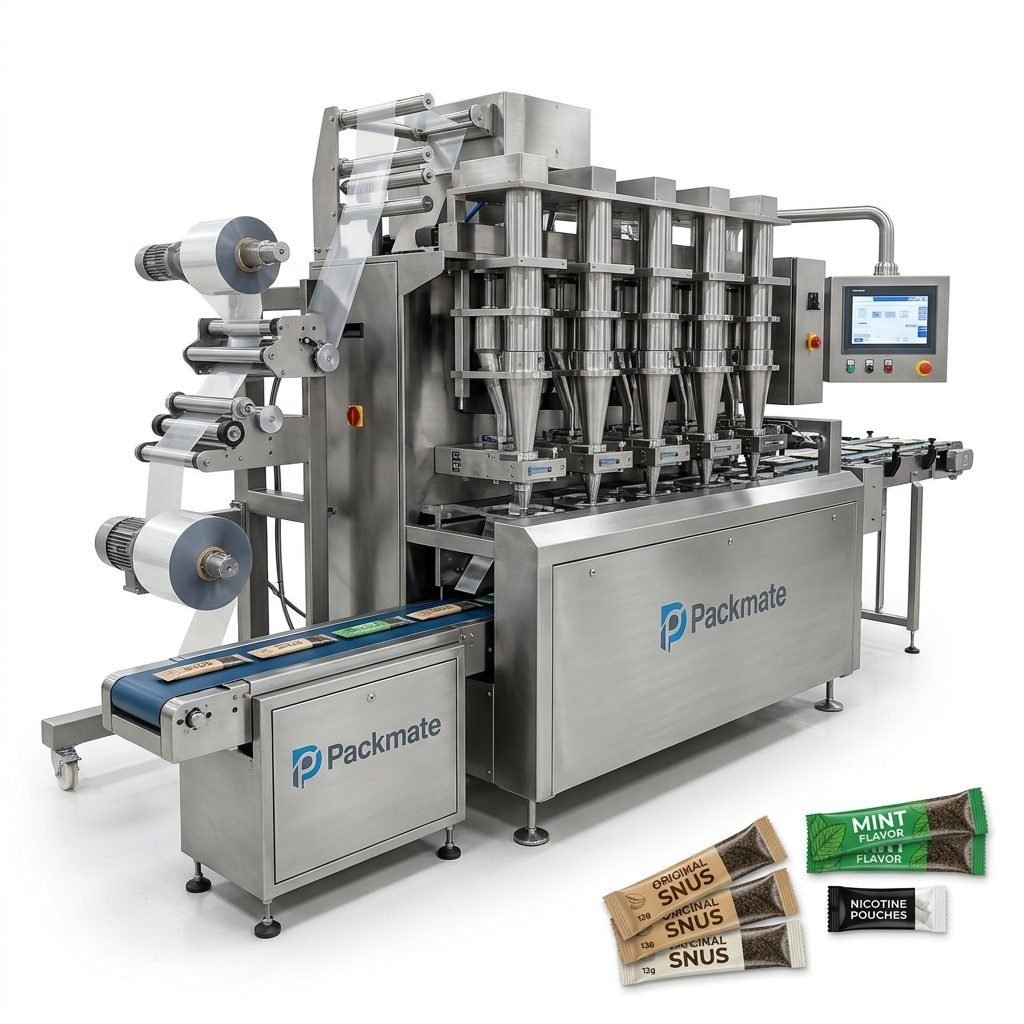
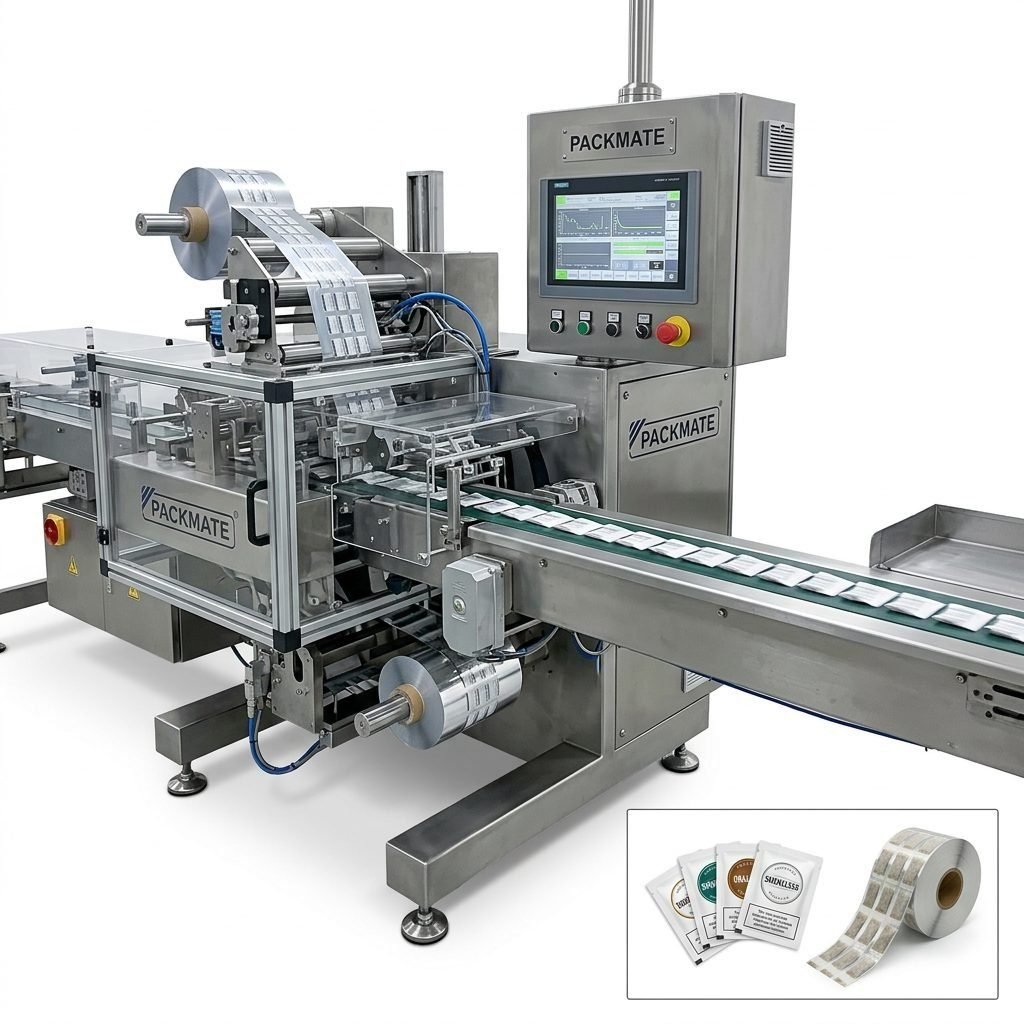
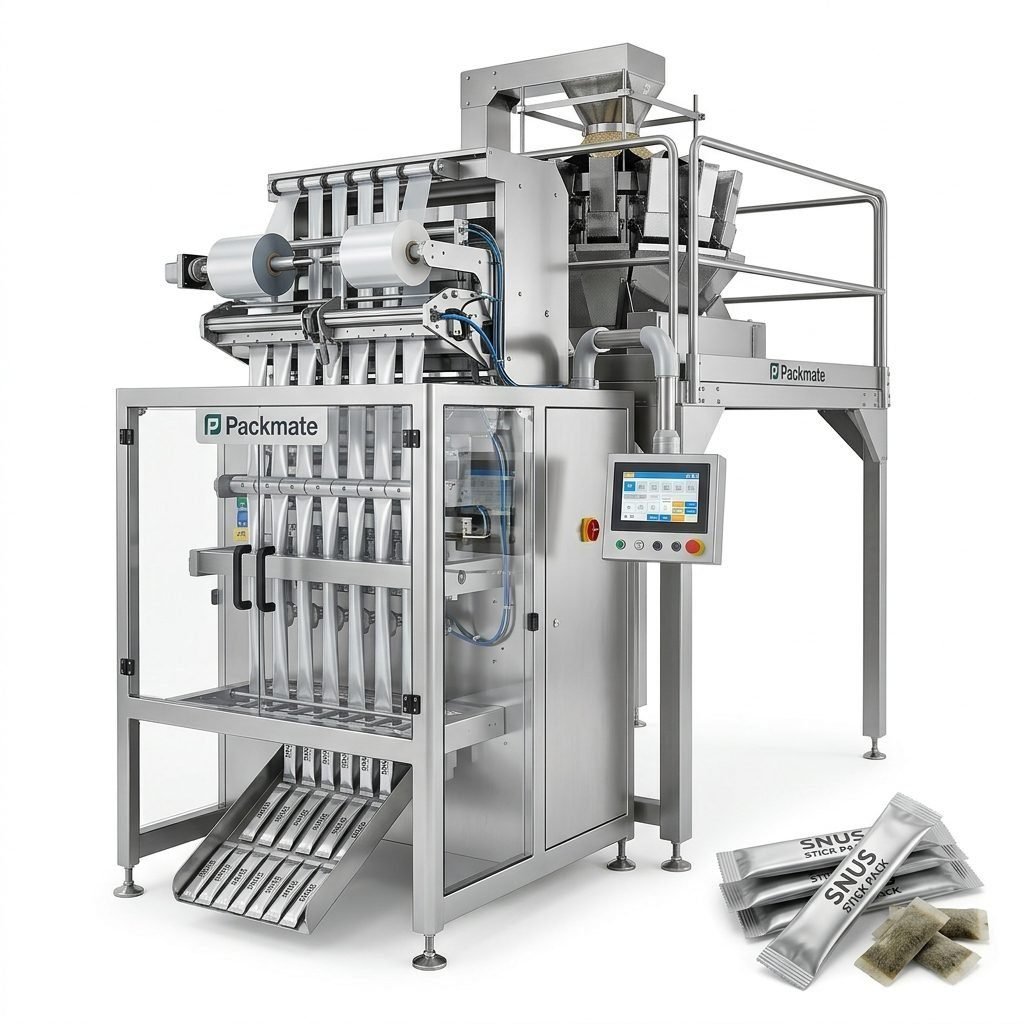
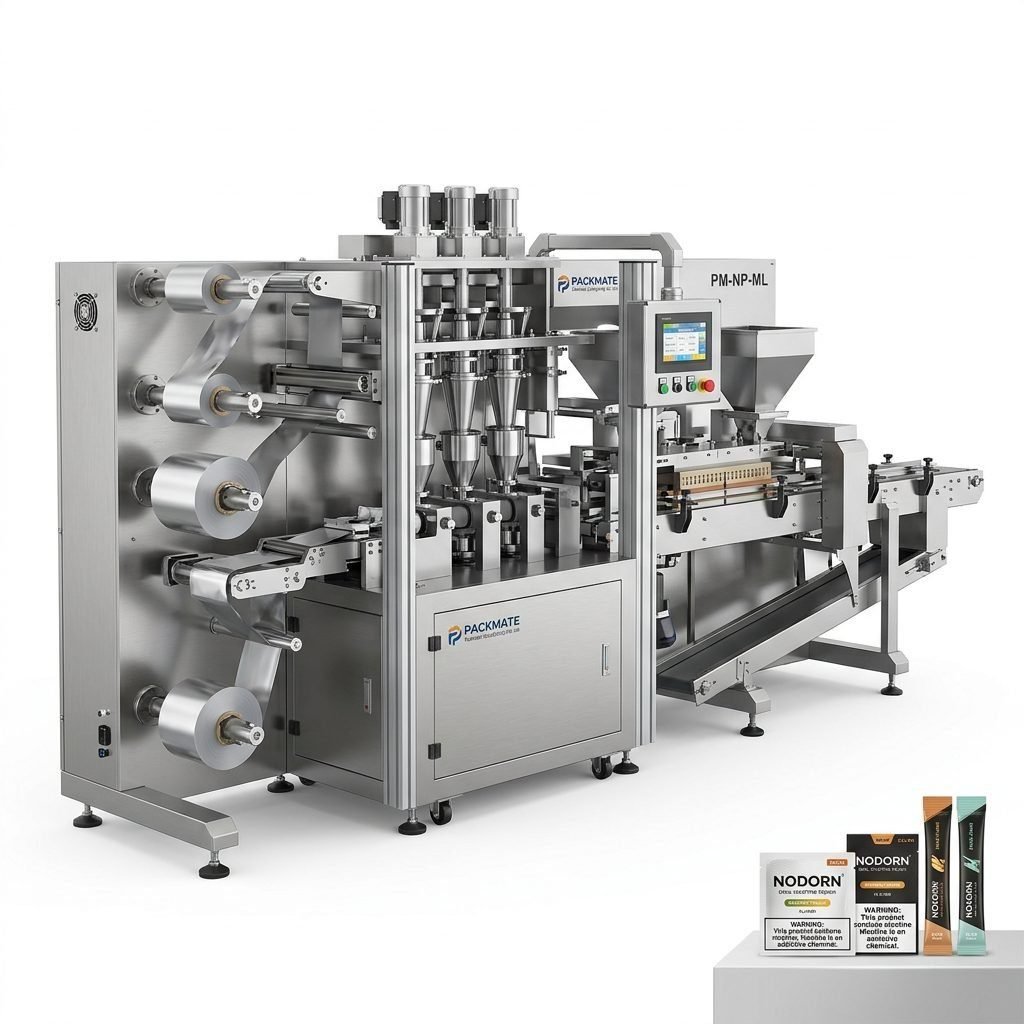
Specialized snus and nicotine pouch packaging manufacturers bring domain-specific experience that general packaging suppliers may lack. They understand dosage control for small portions, multi-lane synchronization, anti-static handling, and materials compatibility. Consider companies that list snus or nicotine packaging machines in their product range, such as Snus & Nicotine Packaging Machines, because this specialization reduces commissioning time and operational risk.
Evaluate Manufacturer Capabilities and Track Record ✅
A manufacturer’s capabilities can be judged from their facilities, engineering depth, certifications, and global references. Look for firms with advanced CNC machining, precision assembly lines, and a culture of quality testing—these attributes lead to durable and reliable machines. If possible, request factory photos, equipment lists, or a video tour of their assembly lines.
- No CE, ISO, or equivalent certificates for machinery
- Unwillingness to share references or case studies
- Vague details about after-sales service or spare parts availability
Ask for Case Studies and References 📂
Request case studies relevant to nicotine pouch or small-dose packaging. Reputable suppliers often share success stories or a portfolio—see examples on their case pages like Case. Speaking directly with existing customers can reveal real-world uptime, spare parts lead times, and support responsiveness.
Inspect Technical Specifications and Customization Options 🔍
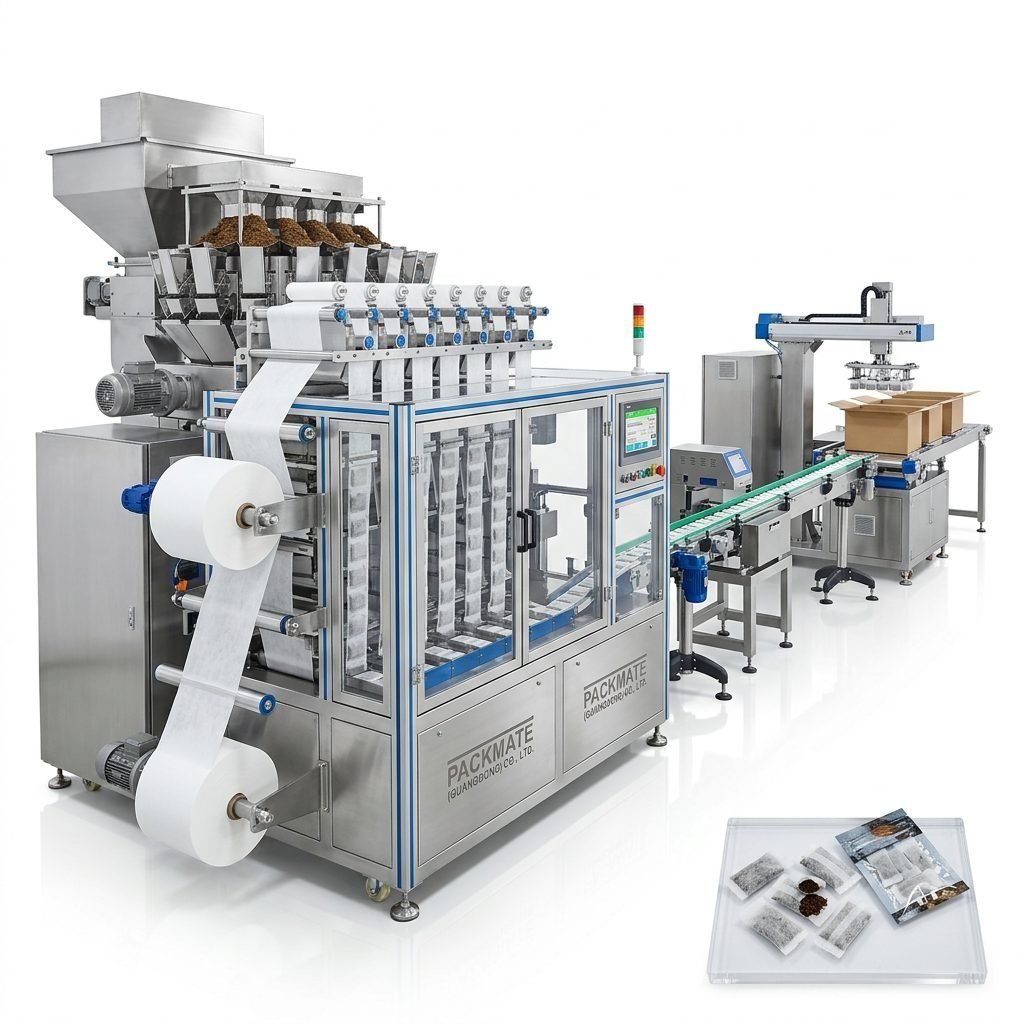
Compare machine specifications side-by-side: speed, lane count, filling accuracy, film handling, sealing methods, and footprint. Equally important is the manufacturer’s ability to customize machines for your unique products—such as modified dosing units for fine powders or gentle handling for delicate pouches. Manufacturers that offer multiple product lines like Sachet & Stick Pack Machines and Filling & Packaging Lines demonstrate broader engineering competence.
- Ask for machine trial reports showing variance, rejection rates, and calibration data
- Confirm film widths supported, and film tension control strategies
- Clarify PLC and HMI brands—prefer widely supported models for easier local servicing
- Validate electrical and pneumatic requirements for Czech facilities
Integration and Turnkey Solutions 🧩
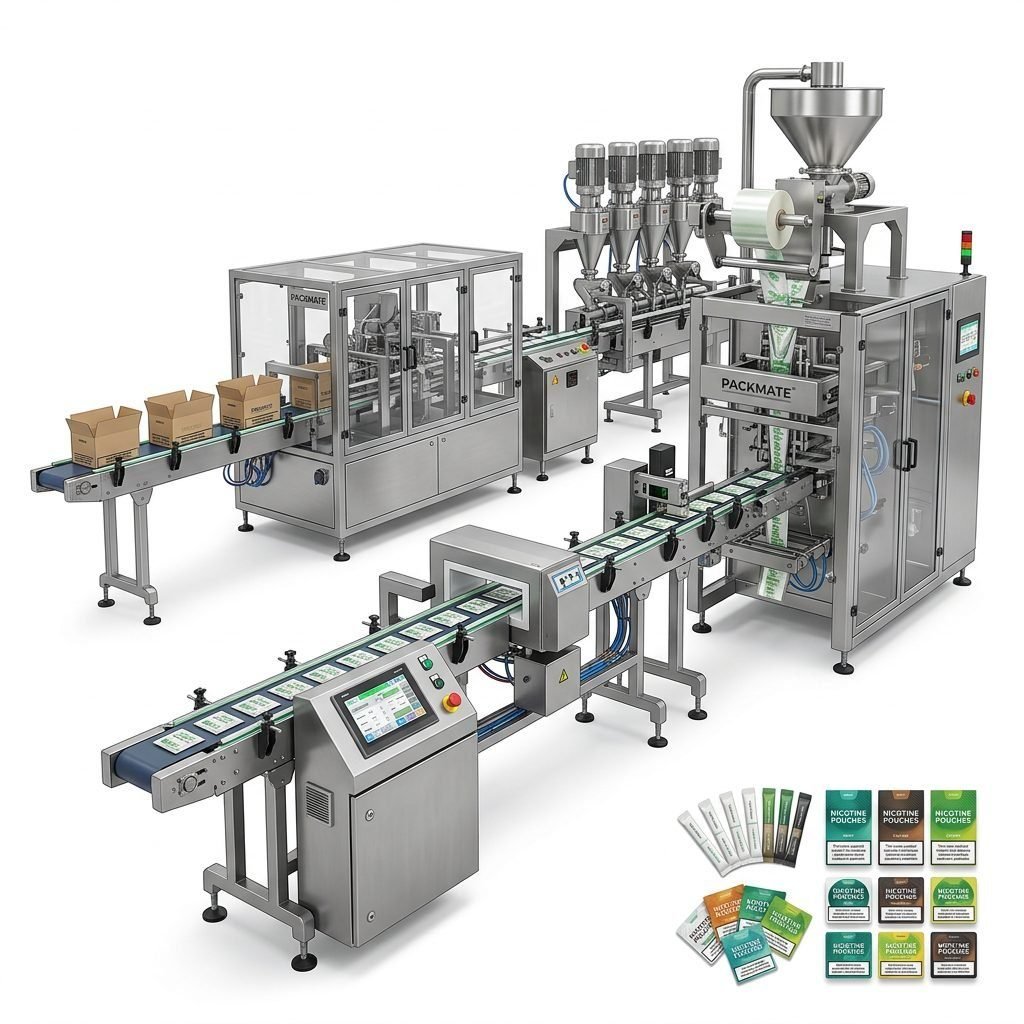
For many factories, the value lies in turnkey production lines that integrate weighing, feeding, filling, sealing, and secondary packaging. Manufacturers that provide full-line solutions reduce the time and risk of integrating disparate suppliers. Check offerings such as Weighing & Packaging Systems and auxiliary equipment to ensure compatibility with your upstream/downstream processes.
Quality Assurance and Certifications 🏷️
Certification and compliance are essential—machines must meet CE, ISO and any local Czech regulatory requirements for electrical safety and machine guarding. Seek documentation for materials and electrical components, and confirm the manufacturer’s quality control procedures: incoming inspection, in-process testing, and final acceptance checks.
- CE declaration of conformity
- Factory acceptance test (FAT) reports
- Operating manuals and maintenance schedules
- Spare parts list with part numbers and expected lead times
Factory Acceptance Test (FAT) and Site Acceptance Test (SAT)
Insist on a detailed FAT before shipment where the manufacturer demonstrates machine performance under simulated production conditions. FAT should include production of a representative batch of pouches using your materials. After installation, a SAT verifies performance in your production environment. This process reduces surprises and helps establish acceptance criteria.
Service, Spare Parts and Local Support 🛠️
Long-term availability of spare parts and prompt technical support are crucial to minimize downtime. Ask about spare parts stocks, typical lead time for critical components, and service contract options. Manufacturers with established global service networks or local partners make after-sales easier. For example, reviewing the manufacturer’s service page such as Service can clarify response times and support packages.
- Availability of remote troubleshooting and software updates
- Training packages for operators and maintenance teams
- On-site commissioning and warranty support
- Local spare parts stocking or express shipping options to the Czech Republic
Total Cost of Ownership (TCO) and Financing 💰
Purchase price is only part of the cost. Evaluate TCO: energy consumption, spare parts cost, mean time between failures (MTBF), expected lifetime, and operator training. Inquire about financing or leasing options, package pricing for multi-machine lines, and the potential for staged payments tied to milestones like FAT and SAT.
Warranty and Contract Terms 📜
Carefully review warranty scope and exclusions. Define acceptance criteria, penalties for missed delivery dates, and support SLAs in writing. Ensure clarity on intellectual property (IP) for any custom designs—some clients require transfer of certain design documents for local servicing rights.
Logistics, Installation and Training 🚚
Plan logistics: packing standards for overseas shipping, customs clearance in the Czech Republic, and crane or lifting needs for installation. A professional manufacturer will provide detailed lifting plans and installation requirements. Confirm who handles installation and whether operator/maintenance training is included onsite. Documentation such as an installation checklist reduces delays.
Local Compliance and Electrical Compatibility ⚡
Ensure electrical systems (voltage, phase, frequency) and safety guarding conform to Czech regulations. Manufacturers familiar with EU markets will typically provide machines configured to European electrical standards and with CE marking. If in doubt, request electrical schematics and grounding requirements prior to shipment.
Build a Strong Partnership 🤝
The best outcomes are achieved when buyers and manufacturers collaborate as partners. Clear communication of production goals, sample materials, and timelines cultivates a stronger relationship. Visit the manufacturer if possible, or invite them to tour your factory so they can recommend optimal layouts and process flows. Manufacturers with transparent company information and a clear mission—see about pages like About Packmate—often make better long-term partners.
- Does the manufacturer have documented snus or nicotine packaging experience?
- Can they demonstrate FAT with your product materials?
- Are certifications and SAT procedures provided?
- Is local support, spare parts, and training available?
- Are warranty, delivery terms, and TCO transparent and documented?
Additional Resources and Next Steps 🔗
When you are ready to request quotes, prepare a detailed RFQ packet including product specification sheets, target outputs, film samples, and installation site photos. Share your maintenance capabilities and highlight any required integrations. If you want to explore specific product families, check categories like Bag & Pouch Packaging Machines and Auxiliary Packaging Equipment for complementary modules.
Quick decision matrix for suppliers 🧾
Rank potential suppliers on these weighted criteria: technical fit (30%), quality & certifications (20%), service & spare parts (20%), TCO (15%), and lead time & delivery reliability (15%). Use this data-driven approach to make a defensible selection that aligns with your factory goals.
Reach out to suppliers’ contact pages for a direct consultation. For instance, you can learn more or request a quote via Contact Us. Many manufacturers also publish FAQs and catalogs to help buyers compare options—see FAQs and Catalog.
Making the right selection for snus packaging machinery requires diligence, clear specifications, and a focus on long-term performance. Prioritize manufacturers with proven snus expertise, robust quality systems, and reliable after-sales support to ensure your factory operates smoothly and scales with market demand.
Frequently Asked Questions
Q1: How long does it take to install a snus packaging line?
A1: Installation time varies by line complexity and site readiness. A standard multi-lane snus line might require 2–6 weeks for installation and commissioning, plus additional time for operator training and SAT. Detailed planning and pre-shipment FAT shorten on-site work.
Q2: What is the expected lead time for custom snus machines?
A2: Lead time depends on customization level, parts availability, and current production schedules. Typical lead times range from 8 to 20 weeks. Manufacturers with larger facilities and stocked critical parts may deliver faster.
Q3: Do snus packaging machines require special utilities?
A3: Yes—most machines need three-phase power, compressed air, and sometimes vacuum and chilled water depending on auxiliary units. The supplier should provide a utility list and electrical schematics during the RFQ stage.
Q4: How do I ensure consistent pouch weight and low rejection rates?
A4: Use precision dosing systems, regular calibration, stable material flow, and in-process checks. Choose manufacturers who provide dosing technology matched to your product and include test reports from FAT demonstrating acceptable variance.