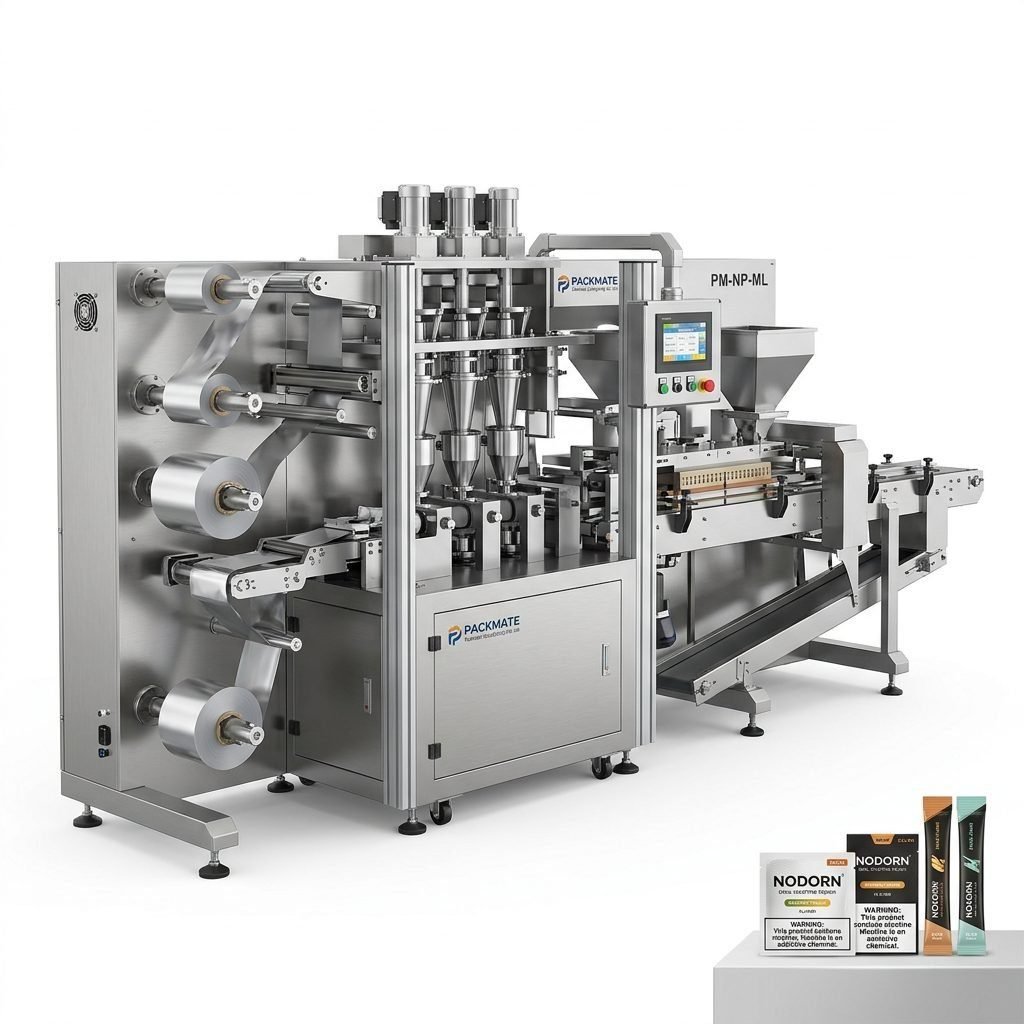
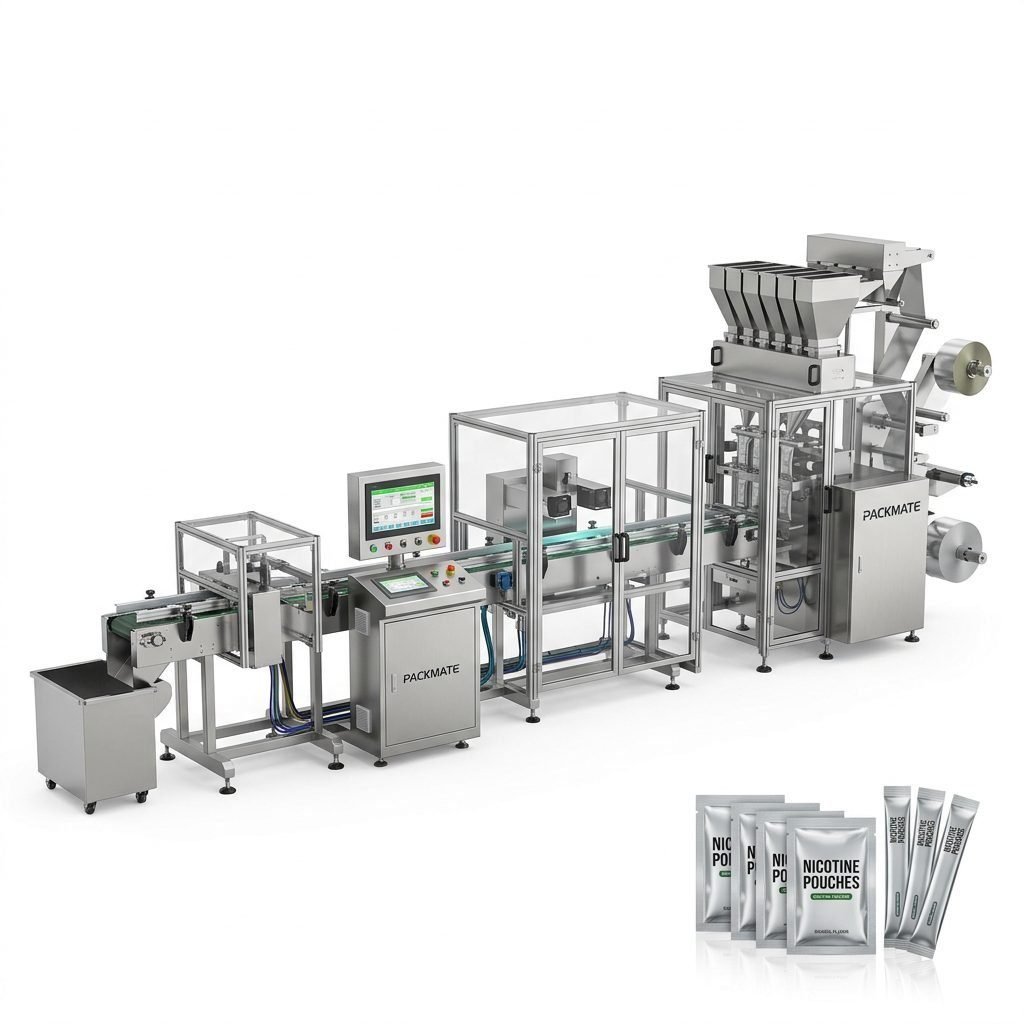
In today’s competitive snus and nicotine pouch market, automated packaging lines are essential for achieving consistent product quality, high throughput and regulatory compliance. This guide walks you through the complete snus packing production line — from filling and precision weighing to sealing, secondary packaging and after-sales support — to help manufacturers select, configure and operate an efficient, compliant system.
Overview: What Is a Snus Packing Production Line? ⚙️
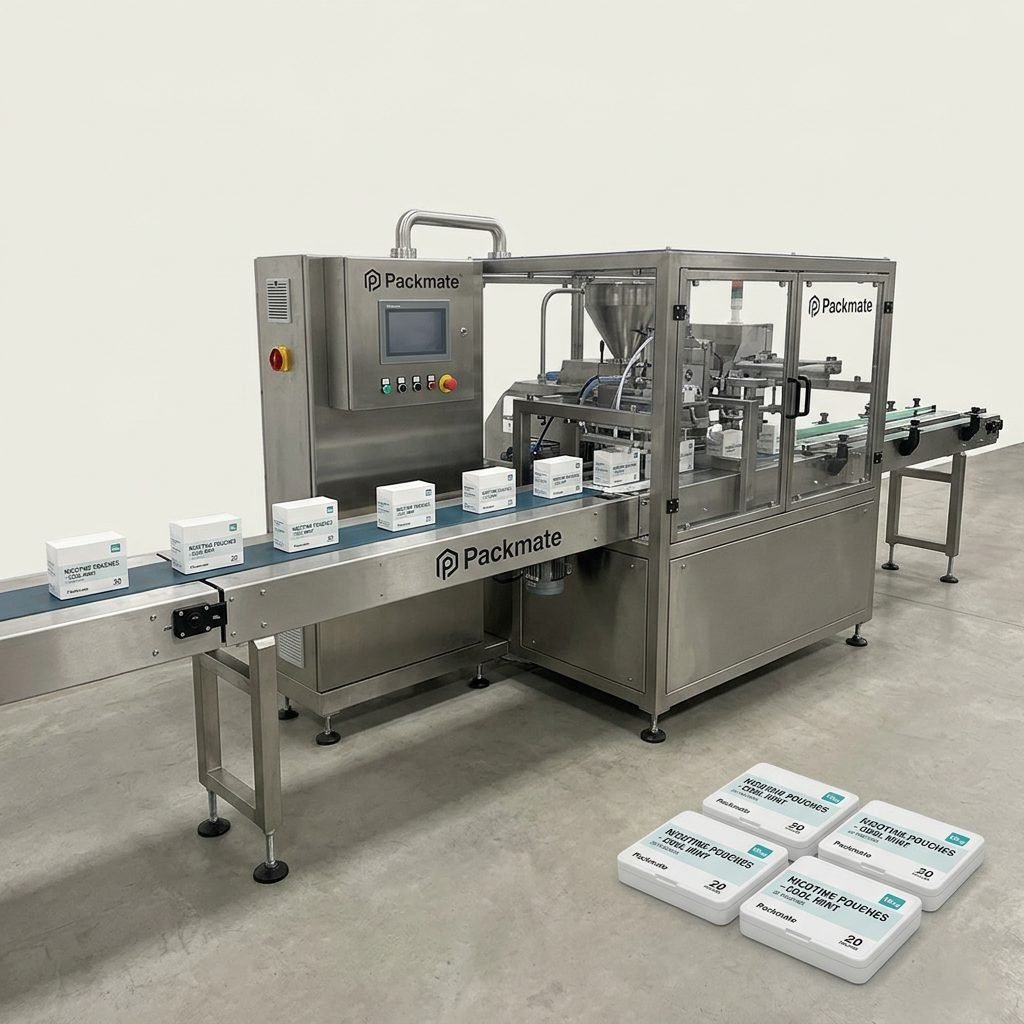
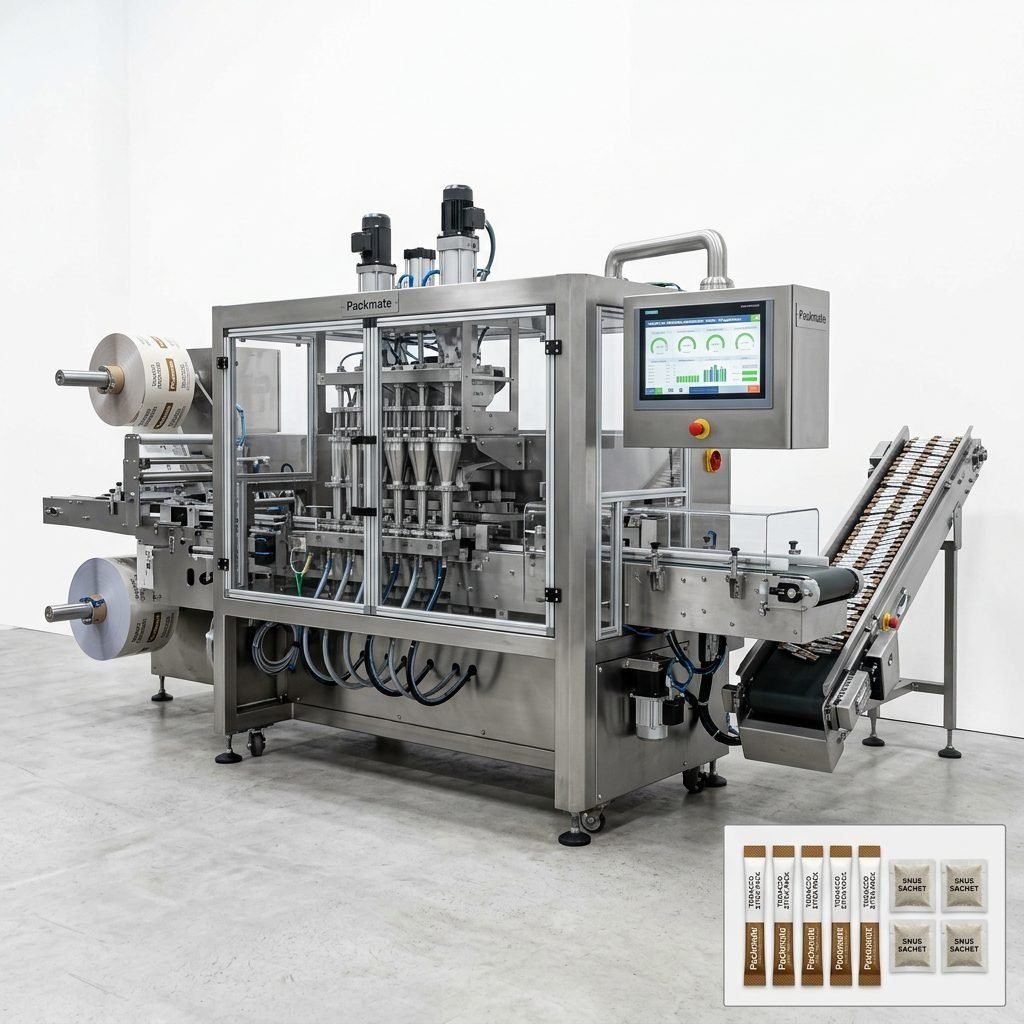
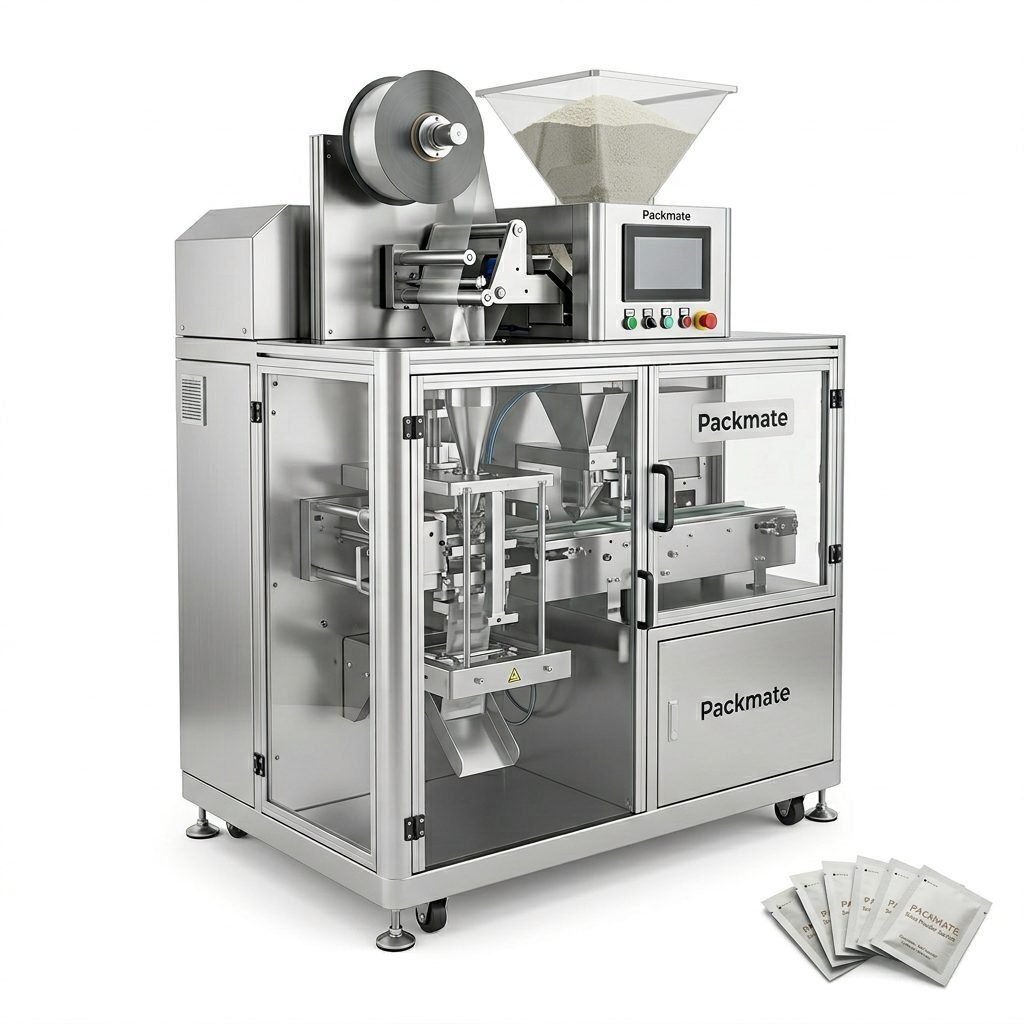
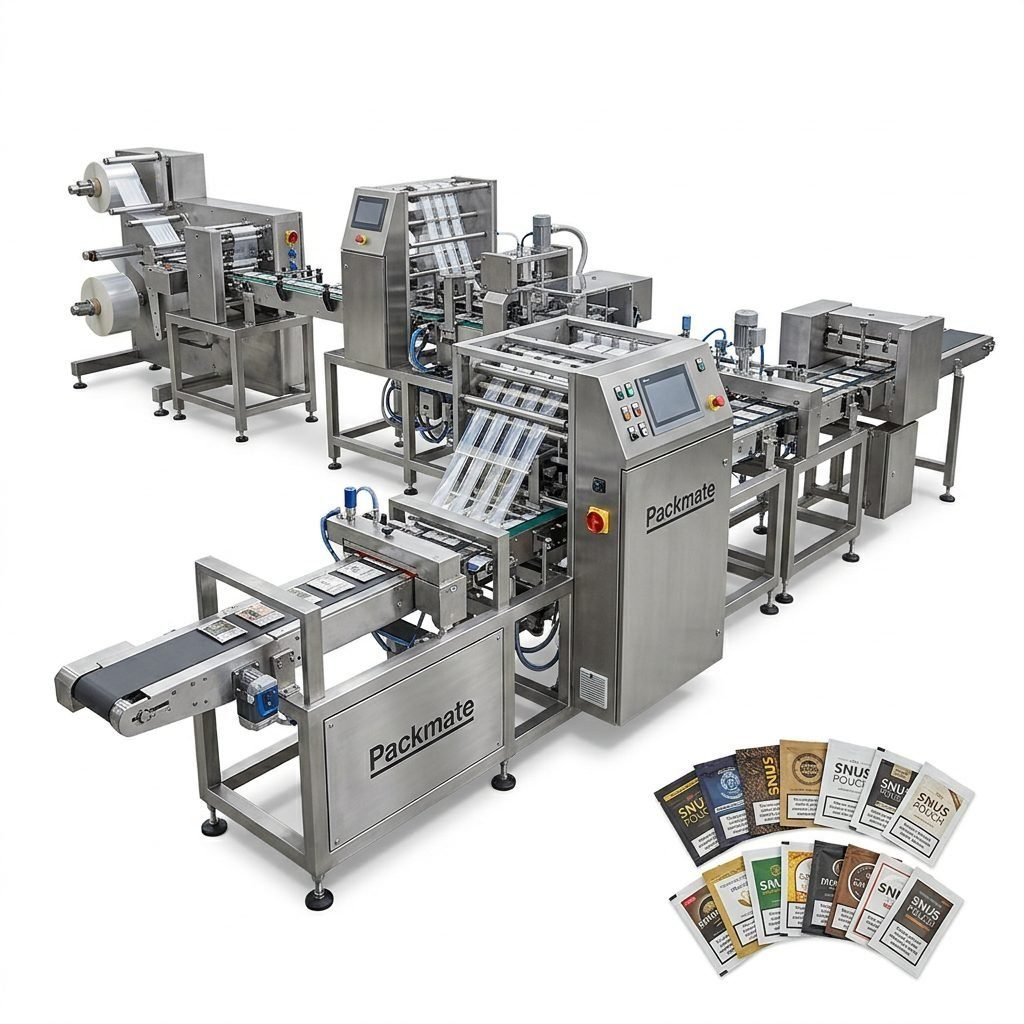
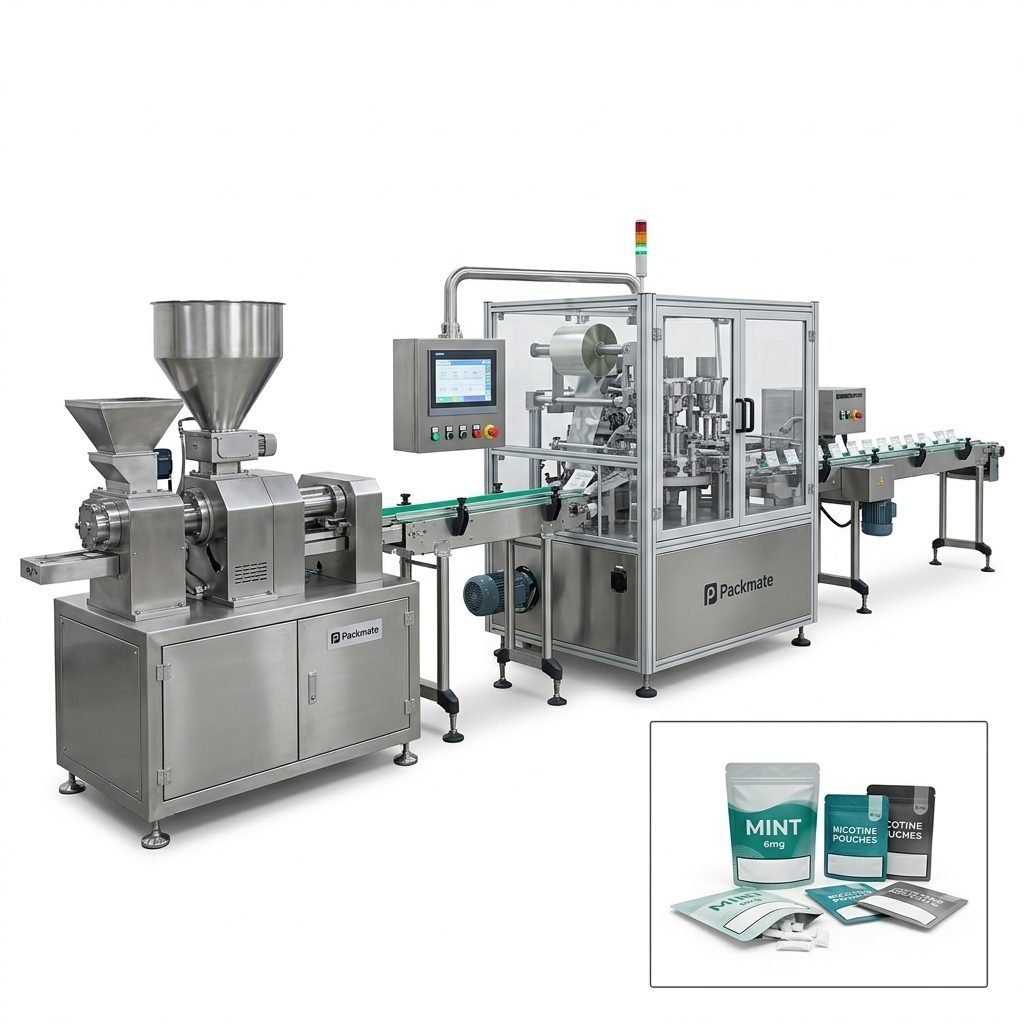
A snus packing production line is a coordinated set of machinery designed to convert raw nicotine pouch material into finished retail-ready products. Typical lines include material feeding, pouch forming (for stick packs or sachets), high-precision dosing, weighing & verification, sealing, coding and secondary packaging. When integrated correctly, these systems deliver high output, minimal waste and traceability for regulatory audits.
Key Benefits
Higher throughput: Multi-lane systems can produce thousands of pouches per minute.
Consistency: Precise dosing and automatic weighing reduce variation.
Traceability & compliance: Integrated coding and data logging simplify audits.
Core Components of a Snus Packing Line
1. Feeding & Dosing Systems
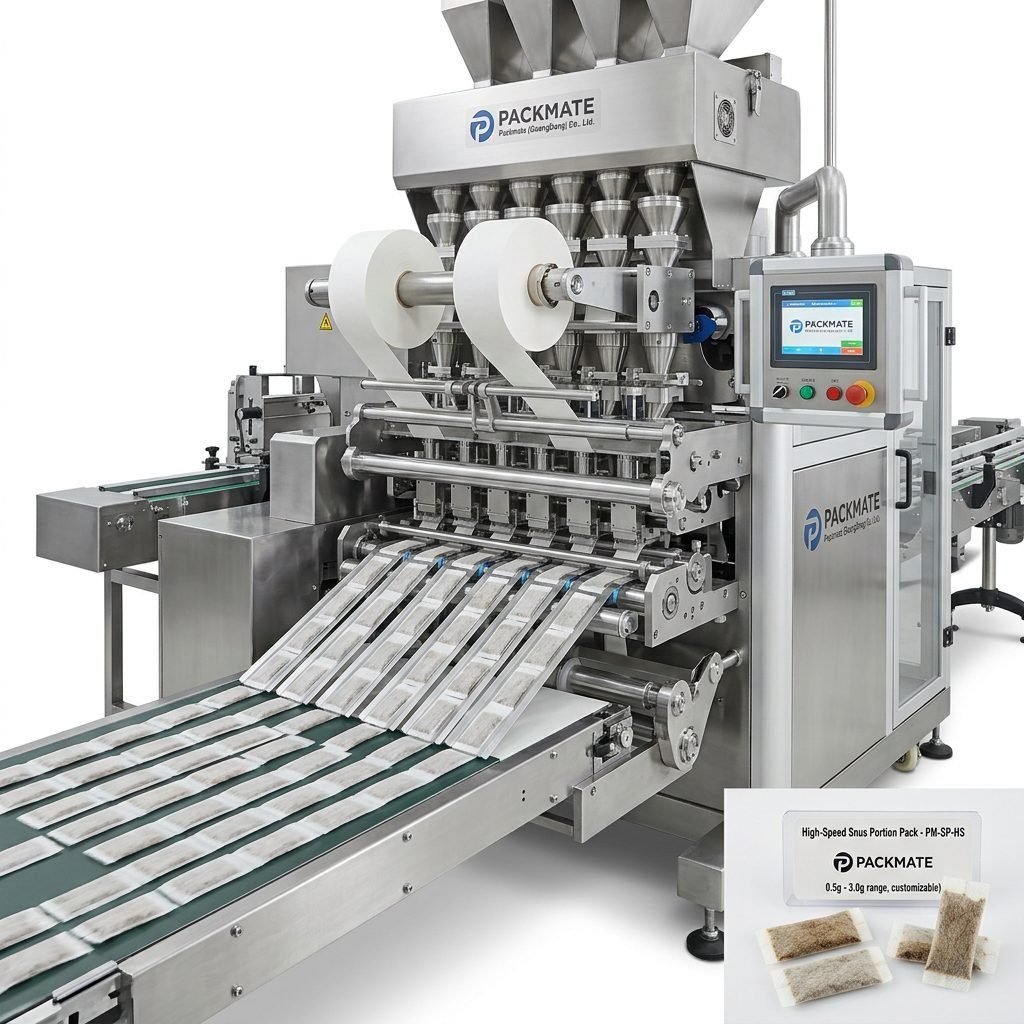
Material handling begins with reliable feeders and dosing systems. For nicotine pouches and powdered blends, volumetric or gravimetric feeders are common. Gravimetric feeders combined with high-speed auger dosing deliver superior accuracy for small-dose products. Precision at the filler reduces rework and ensures regulatory compliance.
2. Pouch Forming & Sealing Machines
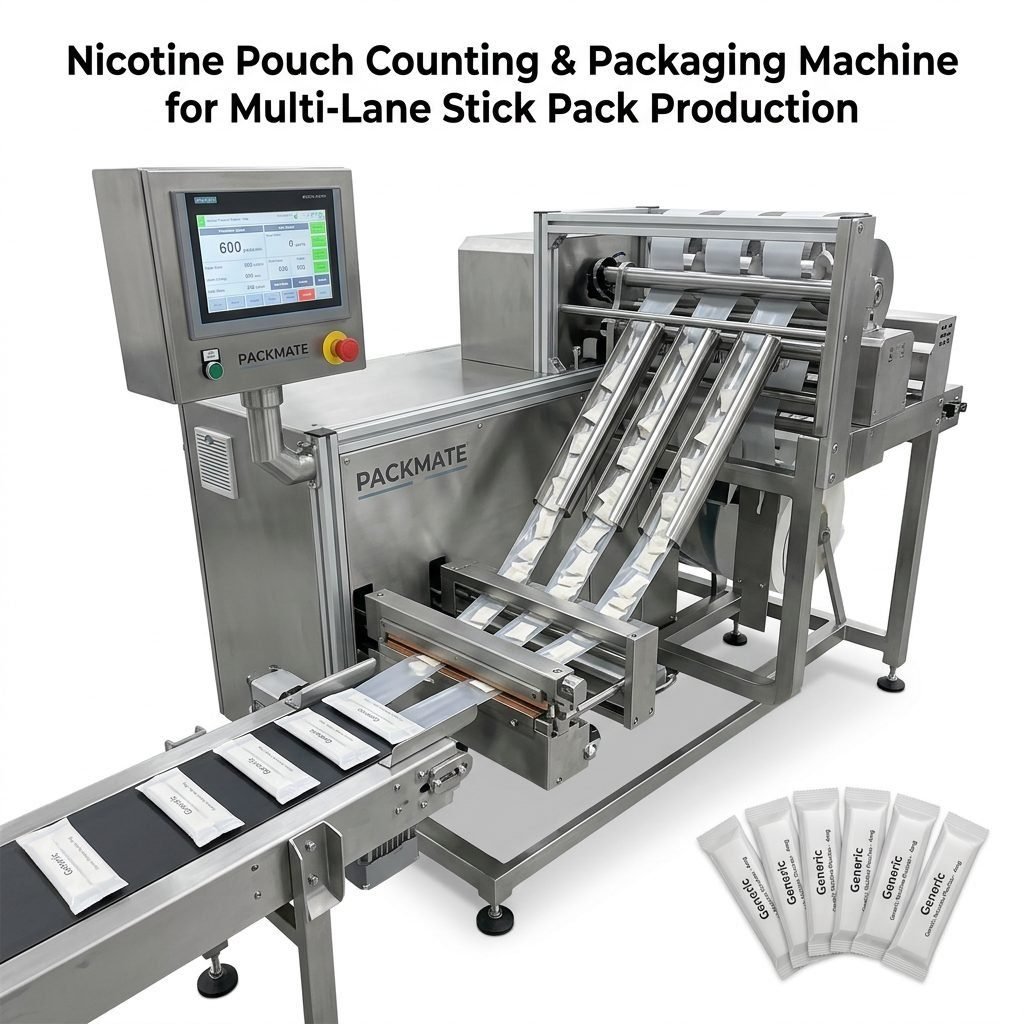
Depending on product format, lines may include stick pack machines, sachet machines or multi-lane pouch formers. These machines handle web transport, pouch shaping, filling and sealing. For multi-lane formats, synchronization and web tension control are critical to prevent misfeeds and uneven seals.
3. Weighing & Checkweighing
Checkweighers and multi-head weighers ensure each pouch meets target weight. A proper weighing strategy blends speed with accuracy: initial dosing via feeder, followed by checkweigher verification and rejection of out-of-tolerance units. Integration with the line’s HMI enables immediate adjustments to dosing parameters.
4. Labelling, Coding & Traceability
Inkjet or thermal transfer coding prints batch codes, manufacture dates and serial numbers. Advanced lines include serialization and database logging to support full traceability across supply chains. This capability is essential where regulatory oversight is strict.
Typical Workflow: From Raw Material to Packed Carton
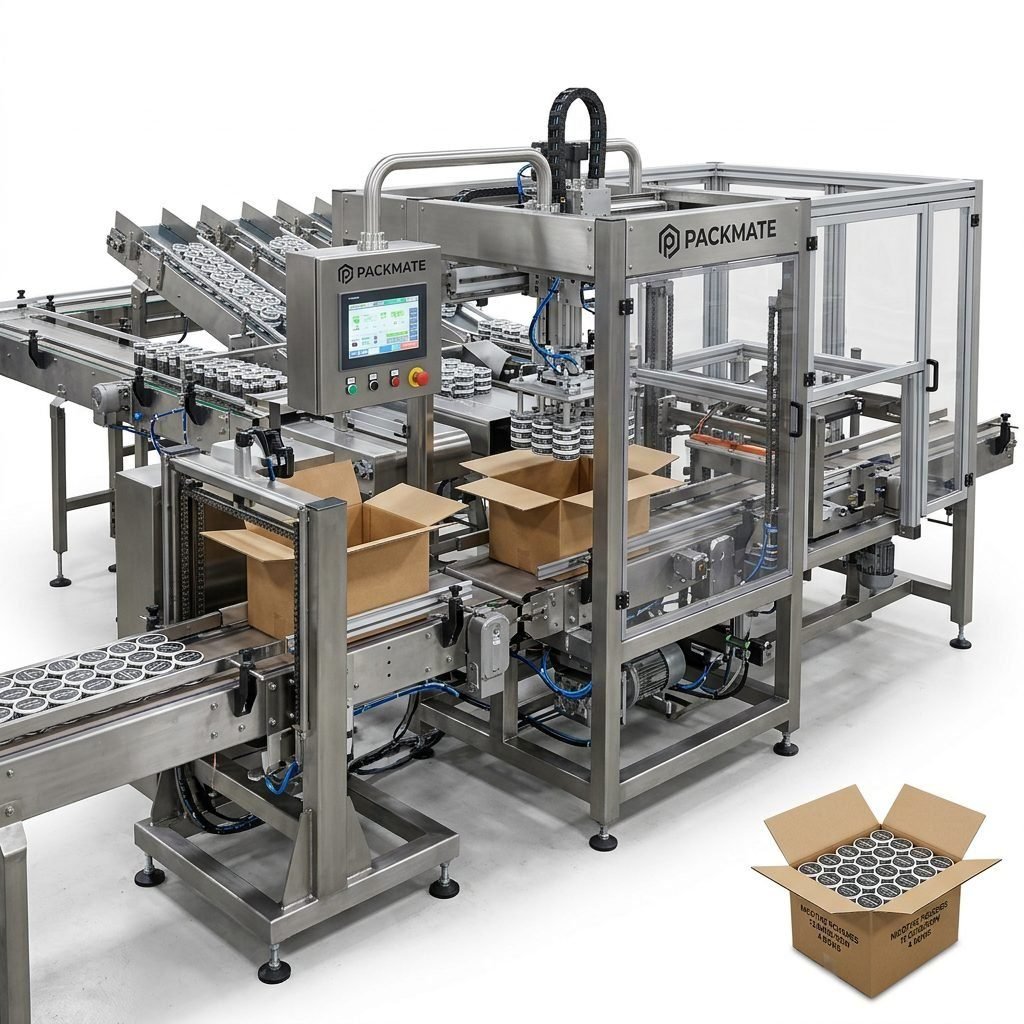
A well-designed workflow improves yield and minimizes downtime. Typical steps include: material feed → mixing/blending → dosing and filling → weighing & checkweighing → sealing and coding → secondary packaging (boxes, cartons) → palletizing. Each stage should include sensors and interlocks to avoid product loss and ensure worker safety.
Tip: Employ modular machine design so you can scale capacity by adding lanes or modules without a full line rebuild.
Design Considerations for Snus & Nicotine Pouches
When selecting or designing a line, focus on small-dose accuracy, cleanability and material compatibility. Corrosion-resistant materials, easy-to-disassemble components and washdown-capable electronics improve hygiene and maintenance turnaround time. For discreet consumer formats like stick packs and sachets, aesthetic seal quality and consistent fill depth are also vital.
Material Handling & Containment
For nicotine-containing products, proper containment and operator protection are required. Closed dosing hoppers, negative-pressure enclosures and HEPA filtration help protect staff and maintain product integrity. Consider integrated solvent recovery or dedicated ventilation when the process involves adhesives or solvents.
Automation & Control Features
Modern snus packing lines leverage PLCs, servo drives and HMI touchscreens for centralized control. Features to look for include recipe management, remote diagnostics, predictive maintenance alerts and data logging for batch records. High-precision servo control is often essential for synchronization in multi-lane systems.
Safety & Compliance
Certification to CE and ISO standards is a baseline requirement for export markets. Safety guarding, interlocks, emergency stops and compliant electrical installations protect operators and reduce liability. Documented validation protocols and IQ/OQ/PQ support help customers meet regulatory obligations.
Customization & Turnkey Solutions
Leading suppliers deliver turnkey lines that include not only machines but also plant layout, installation, commissioning and operator training. Customizations can include multi-lane configurations, special product handling (wet or sticky blends), secondary packaging formats and integration with upstream mixing or downstream cartoning equipment.
For examples of specialized solutions, see product portfolios for Snus & Nicotine Packaging Machines and Weighing & Packaging Systems.
Manufacturing Strength & Quality Control
High-quality snus lines come from manufacturers with robust machining, assembly and testing capabilities. Look for companies with CNC centers, precision assembly lines and a test area for full-line commissioning. Factory acceptance testing (FAT) and strict quality protocols ensure delivered lines match performance guarantees.
Manufacturer indicators: 30+ years industry experience, 50+ machine models, and a 20,000㎡ factory are strong signs of production and engineering depth.
Service, Installation and After-sales Support
Reliable after-sales service minimizes downtime. Look for suppliers offering installation, commissioning, training and spare parts availability. Remote support, on-site diagnostics and scheduled maintenance contracts extend equipment life and protect your investment. For more service options, review vendor service pages such as Service and Contact Us for direct inquiries.
Case Studies & Global Adoption 🌍
Successful deployments show how lines handle different raw materials, formats and regulatory environments. Case studies of lines installed across Europe, Asia and the Americas demonstrate adaptability and production stability. See real-world examples in vendor case sections to evaluate performance metrics and customer feedback: Case.
How to Choose the Right Snus Packing Machine Supplier
Evaluate suppliers on technical capability, custom engineering, manufacturing footprint, quality certifications and global support. Ask for FAT videos, references, spare parts lead times and warranty terms. Ensure the supplier can integrate auxiliary equipment such as fillers, checkweighers and cartoners — view Auxiliary Packaging Equipment for common add-ons.
Checklist for Vendor Selection
✔️ Production capacity & scale-up options
✔️ Equipment accuracy & speed specifications
✔️ Certifications (CE / ISO) and documentation
✔️ After-sales support & training availability
ROI Considerations and Cost Drivers
Capital cost is only one component. Consider operating costs (labor, utilities), yield improvement from automation, waste reduction and maintenance expenses. Multi-lane machines often deliver faster payback through higher throughput and lower per-unit labor. Include spare parts, validation time and packaging consumable costs in your calculations.
Maintenance Best Practices
Scheduled preventive maintenance, proper lubrication, and routine calibration of weighing modules maintain accuracy and reduce unexpected downtime. Maintain a small stock of critical spares (seals, sensors, belts) and document maintenance logs to support uptime targets.
Sustainability & Packaging Trends
The industry is shifting toward recyclable films and lower-material secondary packaging. Suppliers increasingly support compatible sealing technologies and modified-atmosphere packaging (MAP) for extended shelf life. Designing a line with flexible format changeovers future-proofs capital investment.
Conclusion
Investing in a complete snus packing production line delivers consistent product quality, regulatory traceability and strong throughput. Prioritize precision dosing, reliable weighing systems and modular automation to scale efficiently. Partner with experienced manufacturers who provide turnkey solutions, strong factory capabilities and ongoing service to protect production and accelerate time-to-market.
Common Questions
Q: How do I choose between stick pack, sachet and multi-lane formats?
A: Choose based on product dose, desired output, marketing format and budget. Multi-lane formats are ideal for high-volume, small-dose pouches while stick packs and sachets suit specific retail designs.
Q: What certifications should snus packing machines have?
A: Look for CE and ISO certifications as minimums; ensure electrical and safety standards match your target market and ask for validation documentation.
Q: How precise are modern dosing and weighing systems?
A: With gravimetric feeding and high-performance checkweighers, tolerance bands of small fractions of a gram are achievable for nicotine pouches, depending on product characteristics.
Q: Can lines be upgraded later?
A: Yes — many suppliers design modular machines that allow lane expansion, additional auxiliary equipment or upgraded control systems for future capacity needs.
Q: Where can I see real machine examples and request quotes?
A: Visit product pages such as Sachet & Stick Pack Machines and Filling & Packaging Lines to explore models and request more information.