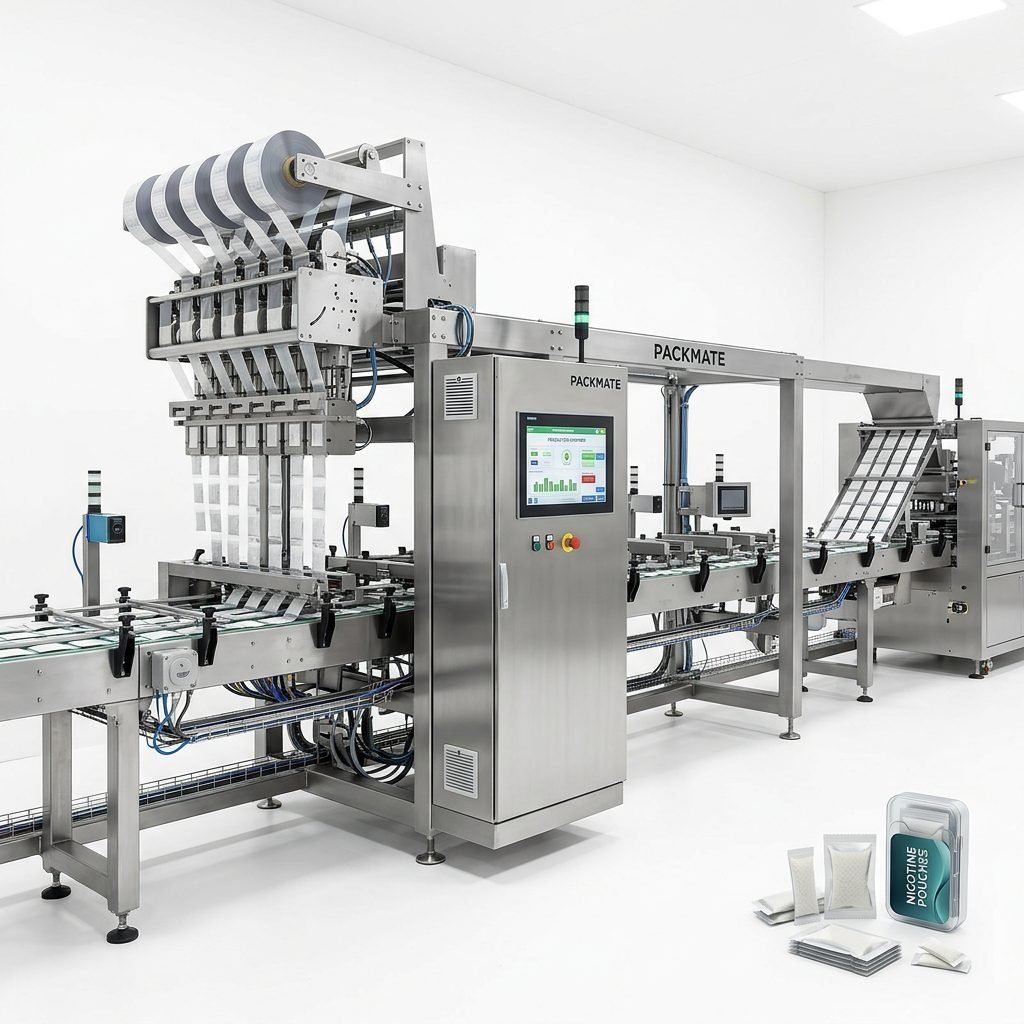
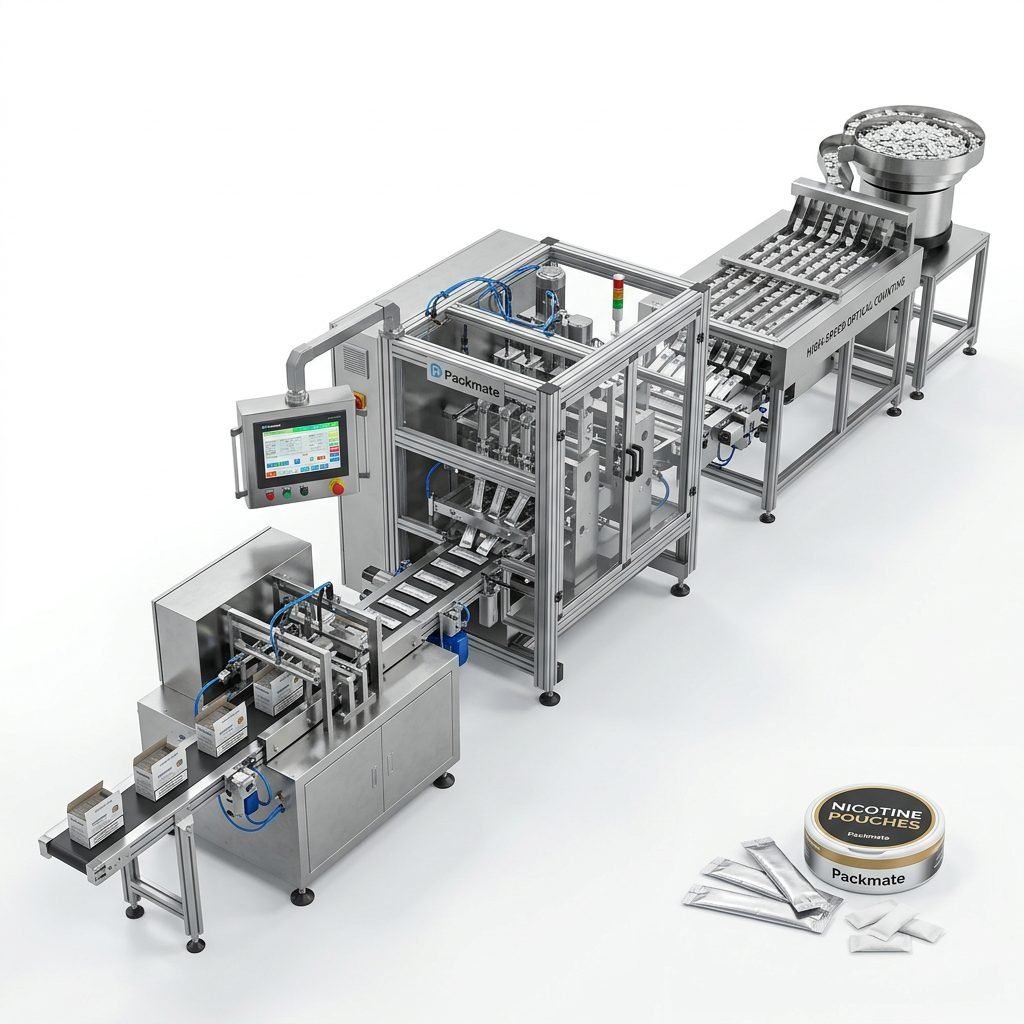
Choosing the right nicotine packaging machine for your operations in France requires a balanced understanding of product format, regulatory constraints, production volume, and the vendor’s engineering capabilities. This practical buyer’s guide walks you step-by-step through the decision process so you can select a machine that delivers consistent quality, regulatory compliance, and a strong return on investment.
🔎 Understand the French Market & Product Formats
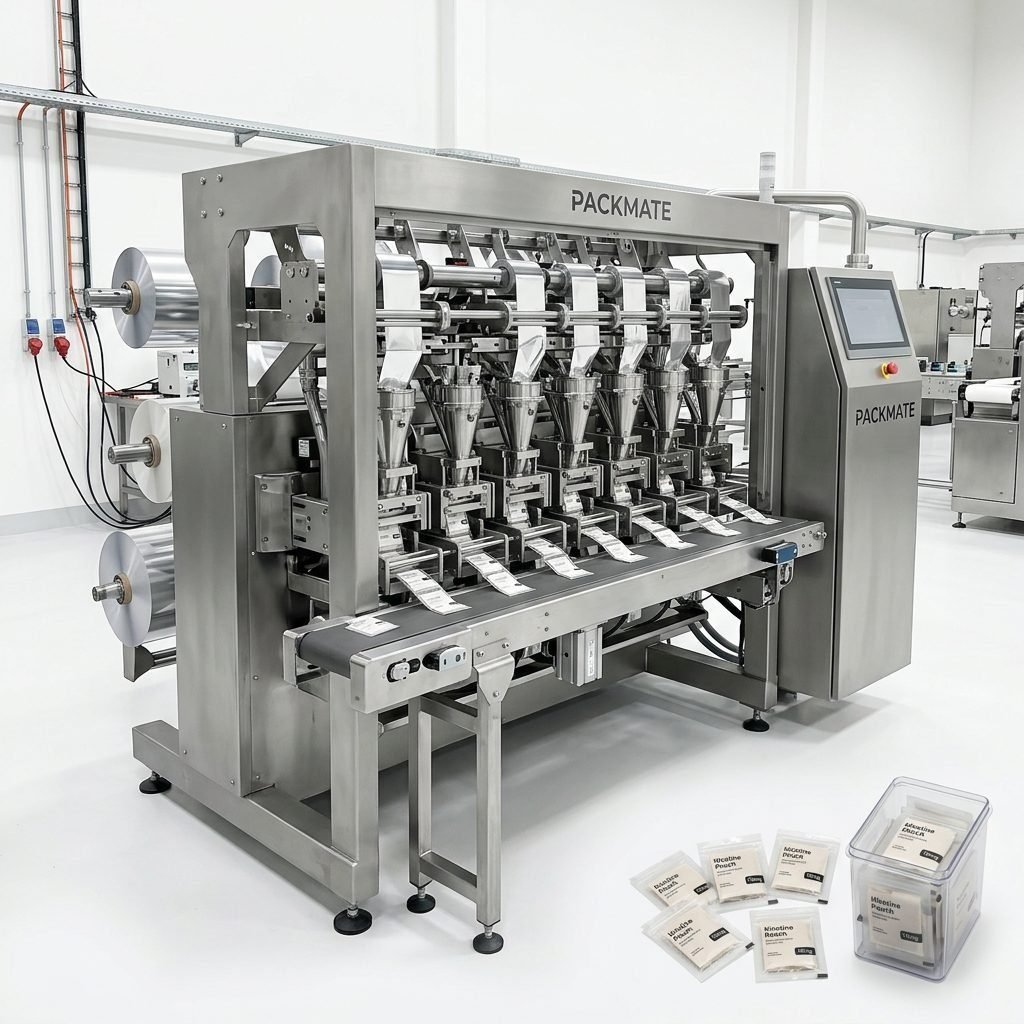
The nicotine pouch and snus market in France is evolving. Before you buy, clarify the exact product formats you intend to run: single-dose pouches, sachets, stick packs, or multi-lane small-dose formats. Each format has different mechanical requirements and affects throughput, packaging material, and secondary packaging logistics.
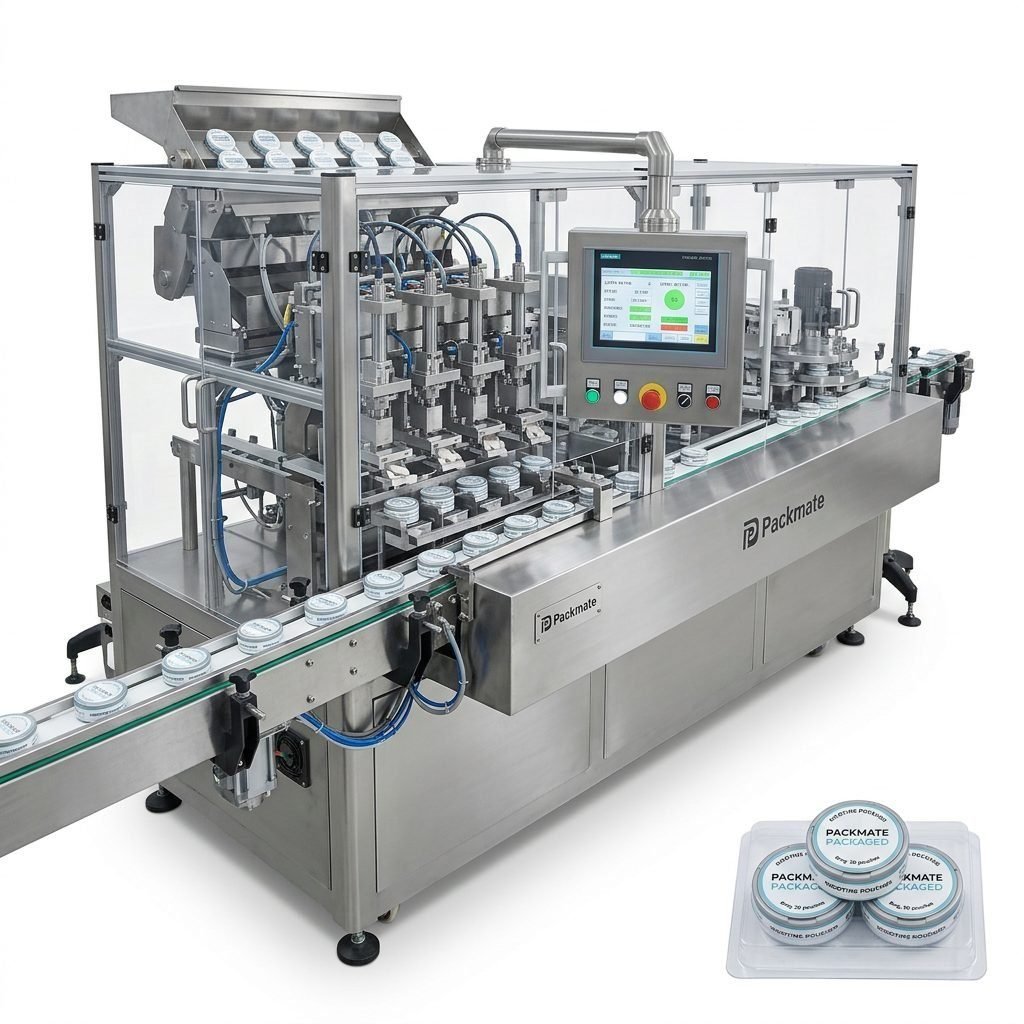
Tip: For nicotine pouches, precision filling and gentle handling are critical to protect product integrity and guarantee consistent weight. Consider machines designed specifically for Snus & Nicotine Packaging Machines.
📦 Main Machine Types and When to Use Them
Evaluate these common packaging machine categories:
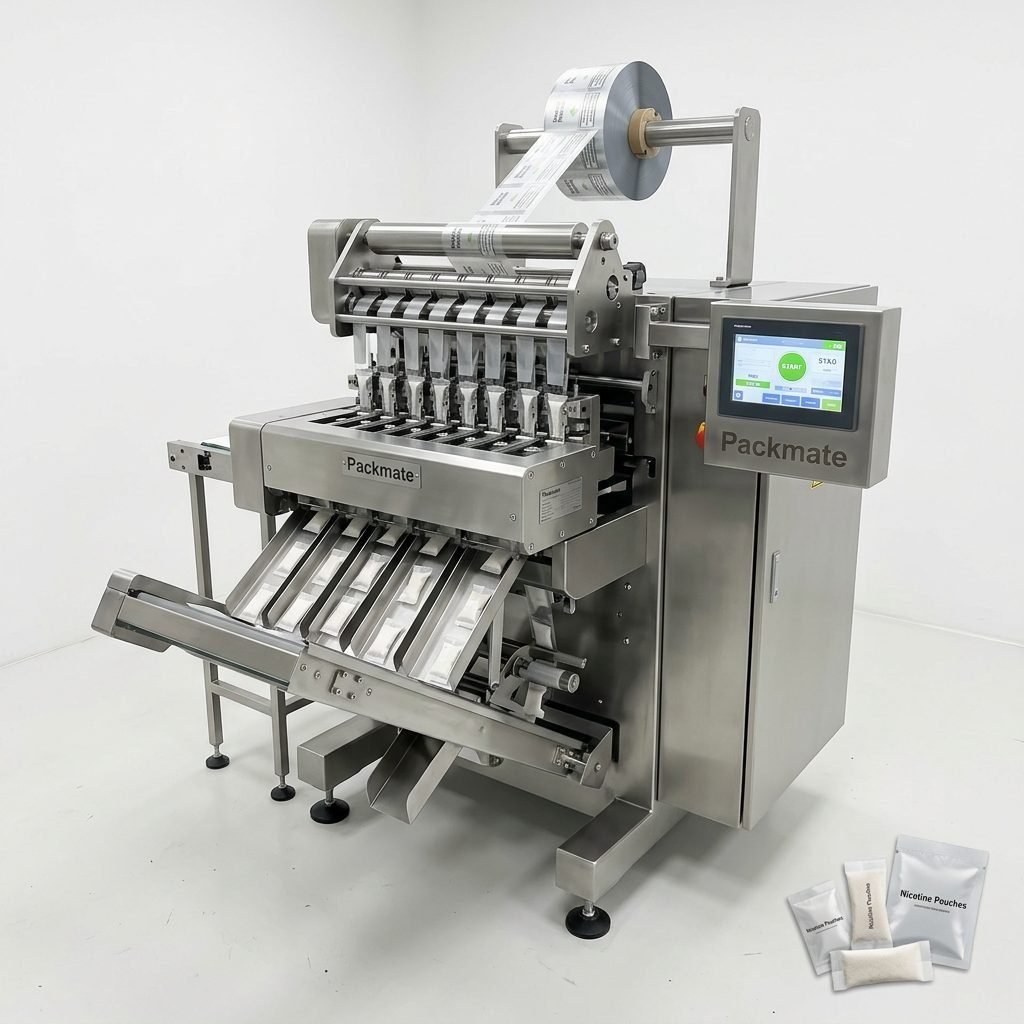
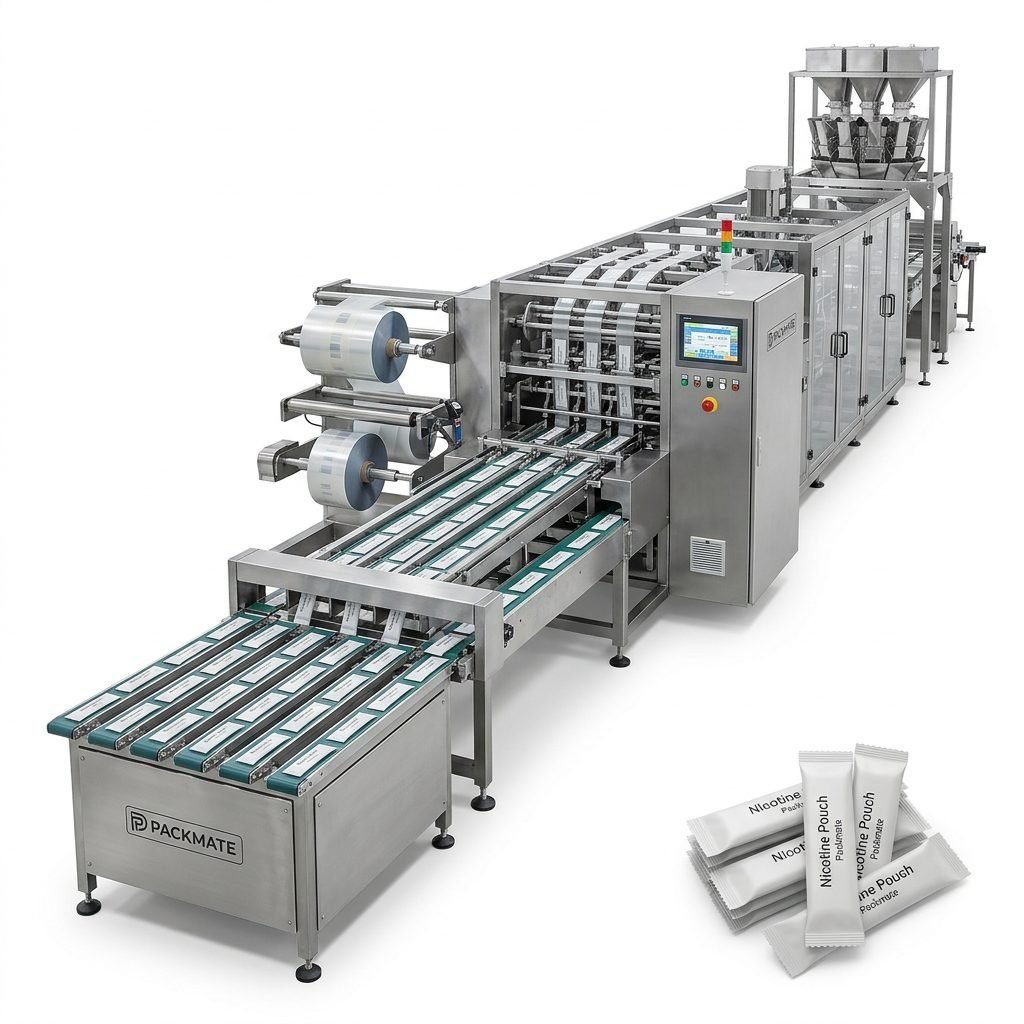
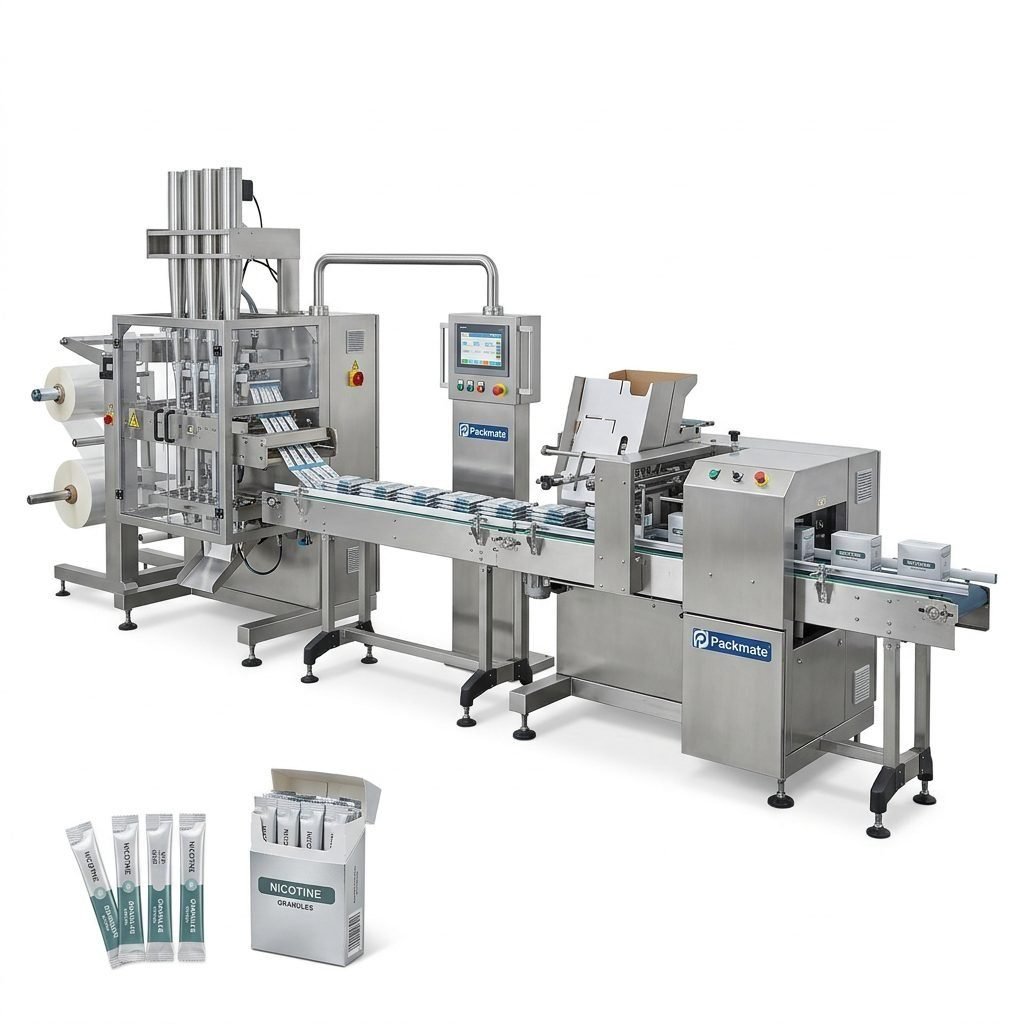
Stick Pack Machines — Ideal for single-dose, elongated pouches and convenient consumer formats. Good for moderate to high speeds with controlled dosing.
Sachet & Multi-Lane Sachet Machines — Best for multi-lane production of small pouches; excellent for compact nicotine pouches where lane synchronization is crucial. See options in Sachet & Stick Pack Machines.
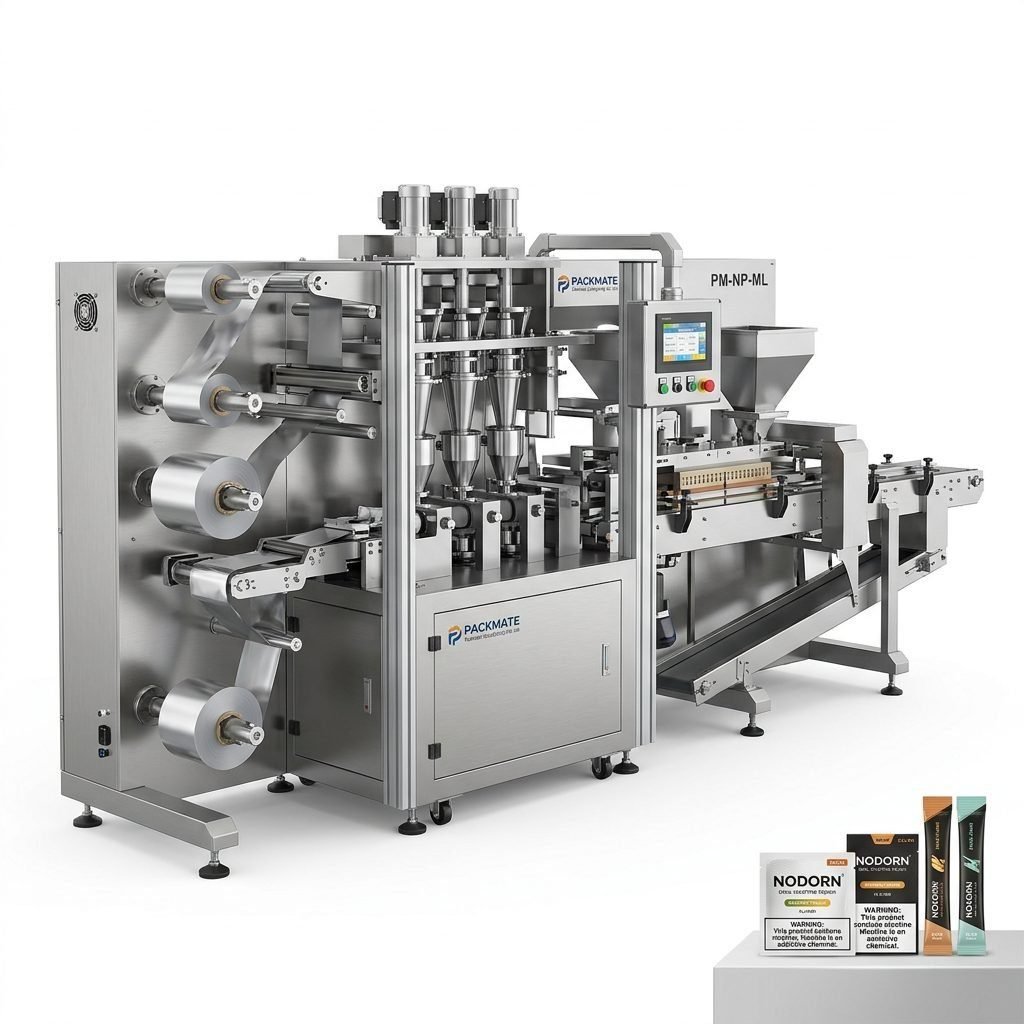
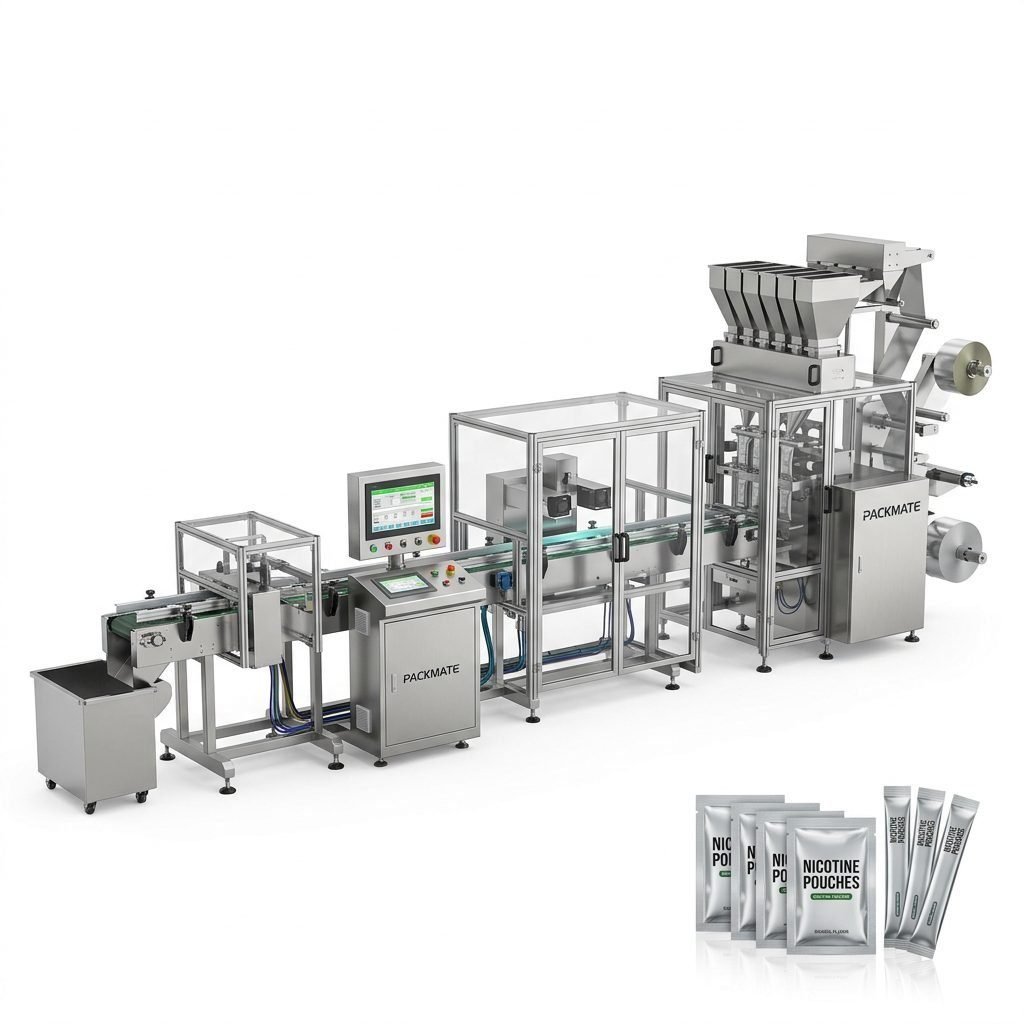
Form-Fill-Seal (FFS) & Pouch Machines — Used when flexible laminate films are preferred; suitable for various formats including resealable pouches.
⚙️ Critical Technical Specifications to Compare
When comparing machine models, focus on measurable specs that influence performance and total cost of ownership:
- Capacity (pouches per minute) and multi-lane synchronization
- Filling accuracy and dosing system type (volumetric, auger, loss-in-weight)
- Material compatibility (powder blends, fibers, moisture-sensitive formulations)
- Touchscreen control, recipe storage, and PLC/HMI integration
- Changeover time between formats and ease of tool-less adjustments
- Sanitation, cleanability, and maintenance access
Essential metric: filling accuracy — small deviations multiply across thousands of pouches and can cost you significantly in product giveaway or regulatory non-compliance.
📋 Regulatory Compliance & Certifications
France and the EU impose strict rules on nicotine products and their packaging. Ensure the machine manufacturer can supply equipment that supports:
CE marking, suitable materials for food-contact or regulated substances, and robust traceability features (batch codes, date/lot printing, serialization if required). Request machine documentation and certificates; trusted vendors typically highlight CE & ISO compliance. Check the manufacturer’s credentials on pages like Certificate and About Packmate.
🏭 Factory Capability & Quality Assurance
A reliable vendor should have proven manufacturing capacity, precision machining, and a disciplined assembly process. Important factors:
- Manufacturing footprint and advanced CNC capabilities
- Quality inspection procedures and acceptance testing
- Available machine models and customization options
- References and case studies from similar projects (ask for factory acceptance test reports)
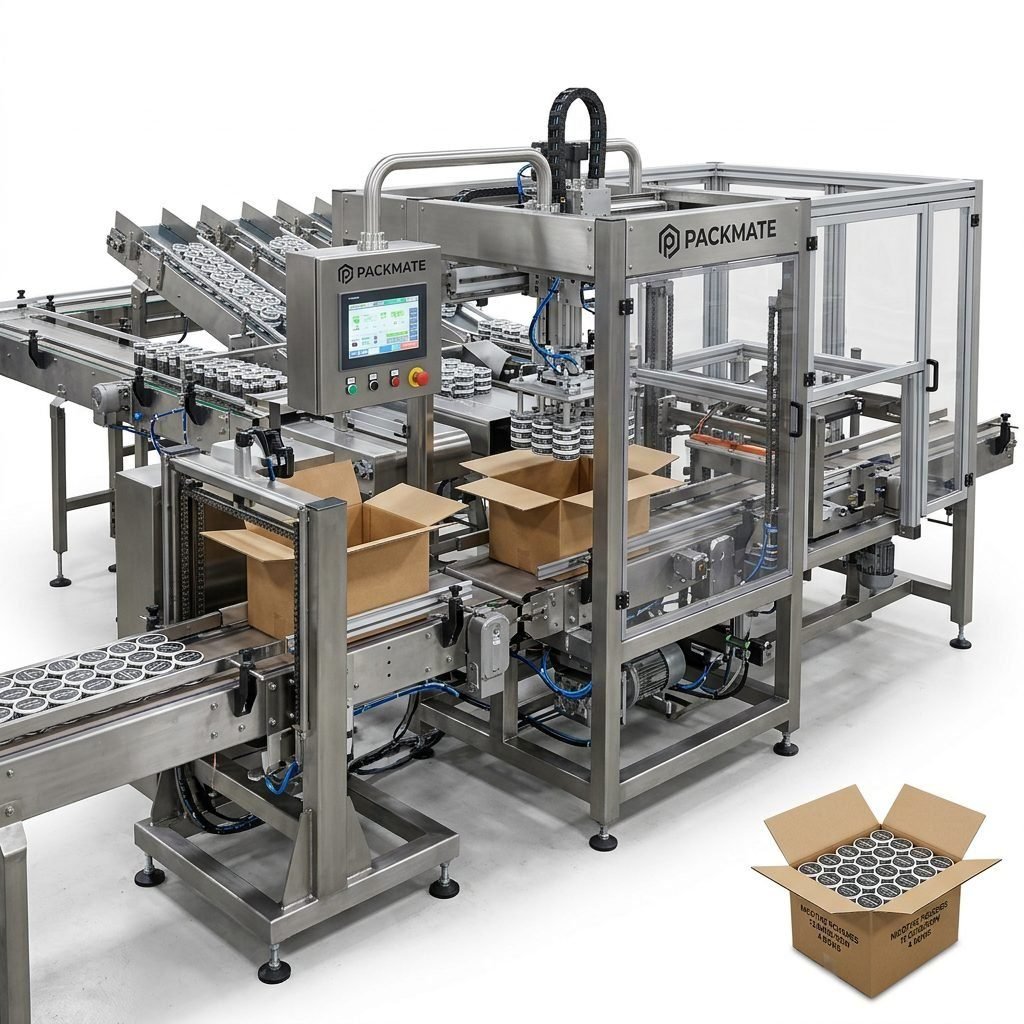
Companies offering turnkey lines (weighing, filling, packing, and auxiliary equipment) help reduce integration risk. Explore their product range like Filling & Packaging Lines and Weighing & Packaging Systems.
🔧 Customization, Upgrades & After-Sales Service
For nicotine pouches, minor adjustments in tooling or dosing can make major differences in quality. Ask vendors about:
- Customization options for pouch size, material reels, and sealing systems
- Software features: recipe management, remote diagnostics, data logging
- Availability of spare parts and consumables
- Installation, commissioning, operator training, and warranty terms
Service matters: fast local or remote support reduces downtime — confirm typical response times and whether on-site service is available in France or via reliable partners.
💶 Budgeting, TCO & Return on Investment
Purchase price is only part of the equation. Build a TCO model including installation, training, spare parts, energy consumption, consumables, cleaning time, and expected lifetime. Ask for case-based ROI examples from the vendor:
– How quickly does the machine pay back the investment at target throughput?
– What are typical consumable and spare-part costs per year?
– What is expected machine uptime and preventive maintenance schedule?
✅ Vendor Selection Checklist
Use this checklist during evaluations and factory visits:
- Proven machine models for nicotine pouches and references in similar markets
- Documentation: CE/ISO certificates, FAT reports, electrical and pneumatic schematics
- Demonstrations or sample runs with your product formulation
- Clear warranty and spare parts agreement
- Training plan for operators and maintenance staff
- Scalable solutions for future product diversification
🧾 Contract Negotiation & Delivery
Before signing, confirm lead time, delivery terms, installation and commissioning timeline, acceptance criteria (FAT/SAT), and penalties for missed milestones. If you plan to integrate into an existing line, request a layout review and electrical/air requirements in advance to avoid surprises during installation.
🔗 Additional Resources & Case Studies
Review manufacturer case studies and exhibition demonstrations to validate claims. Manufacturers often publish real-world success stories that highlight machine stability, multi-lane solutions, and turnkey integration examples. See relevant information like Case and Our Exhibition.
✔️ Quick Decision Flow (one view)
1. Define product format, throughput, and material → 2. Shortlist machines with required dosing and lane count → 3. Request FAT with your product → 4. Verify compliance documentation → 5. Finalize warranty, spare parts, and service terms.
⚠️ Common Pitfalls to Avoid
Don’t buy solely on machine speed. Speed without stability, accuracy, or service support increases long-term costs. Avoid vendors who cannot demonstrate runs with your actual product or cannot provide clear spare-parts lists and lead times.
📞 Next Steps
Contact prospective suppliers with a detailed product specification sheet: product weight range, moisture sensitivity, acceptable film materials, target throughput, and current pain points. If you need end-to-end solutions, explore full offerings including auxiliary equipment at Auxiliary Packaging Equipment.
Final reminder: prioritize accuracy, service and regulatory support over headline speeds. A well-matched machine will reduce downtime and ensure compliance in the French market.
Frequently Asked Questions
Q1: What documentation should I request before purchasing a nicotine pouch packing machine?
A1: Ask for CE/ISO certificates, FAT reports, electrical and pneumatic schematics, spare-parts lists, and references from similar projects.
Q2: How important is multi-lane synchronization for small-dose pouches?
A2: Extremely important — lane synchronization affects weight uniformity and sealing quality. Multi-lane designs must be mechanically and electronically synchronized to avoid variation.
Q3: Can I get a turnkey line that includes weighing and filling systems?
A3: Yes. Many manufacturers offer integrated solutions; explore combined systems such as Weighing & Packaging Systems and full Filling & Packaging Lines.
Q4: What level of after-sales service should I expect for operations in France?
A4: Expect the vendor to provide installation, training, remote diagnostics, and clear spare-parts availability. Verify on-site support options or certified local partners.
Q5: How do I verify a supplier’s claims about machine performance?
A5: Request live demos or FAT with your product, ask for performance data from existing customers, and review case studies or exhibition demonstrations to validate real-world performance.