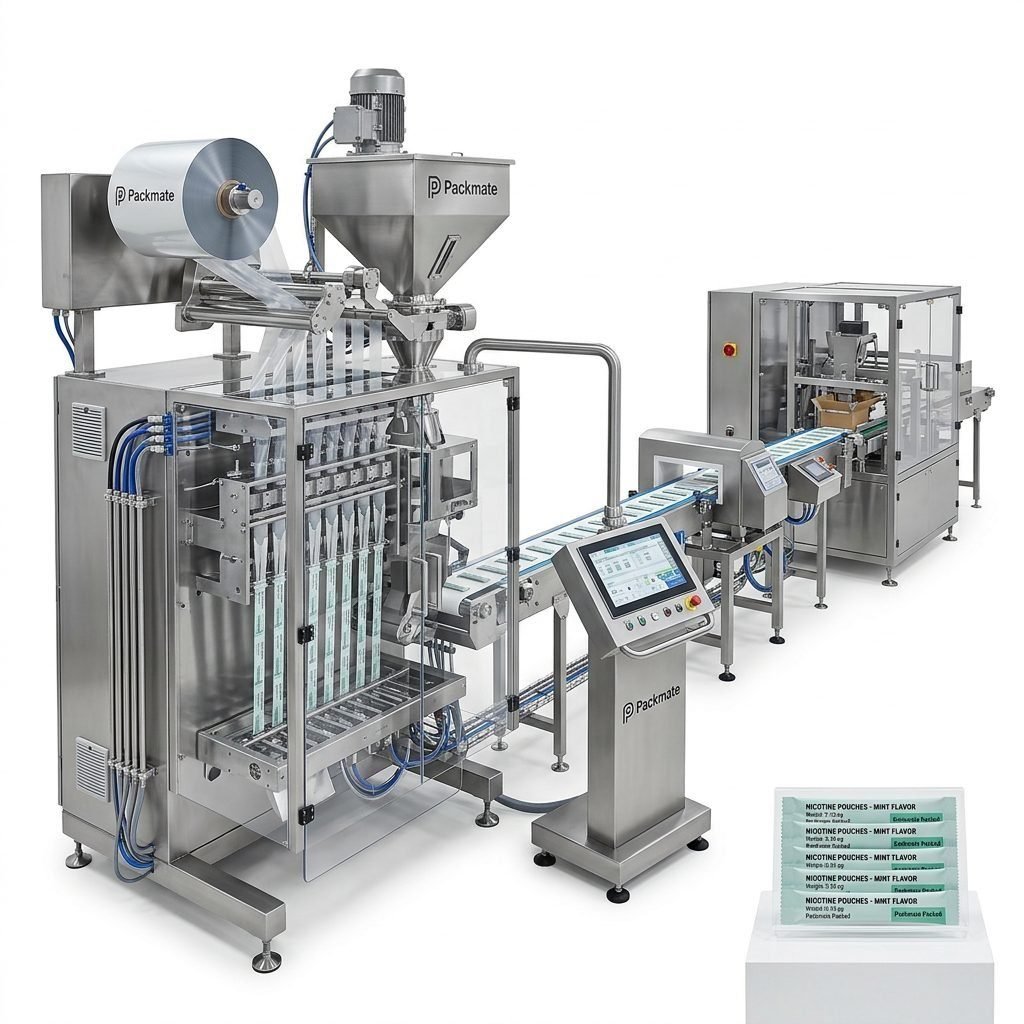
Choosing the right nicotine packaging machinery manufacturer in Albania can determine the speed, compliance, and profitability of your nicotine pouch or snus production. This guide walks you through the key criteria—technical, commercial, and operational—you should evaluate before signing a contract with a supplier. Whether you are starting a new line or upgrading capacity, these practical steps and decision points will help you select a manufacturer that fits your product specs, regulatory needs, and growth plan.
🔍 Understand Your Production Needs
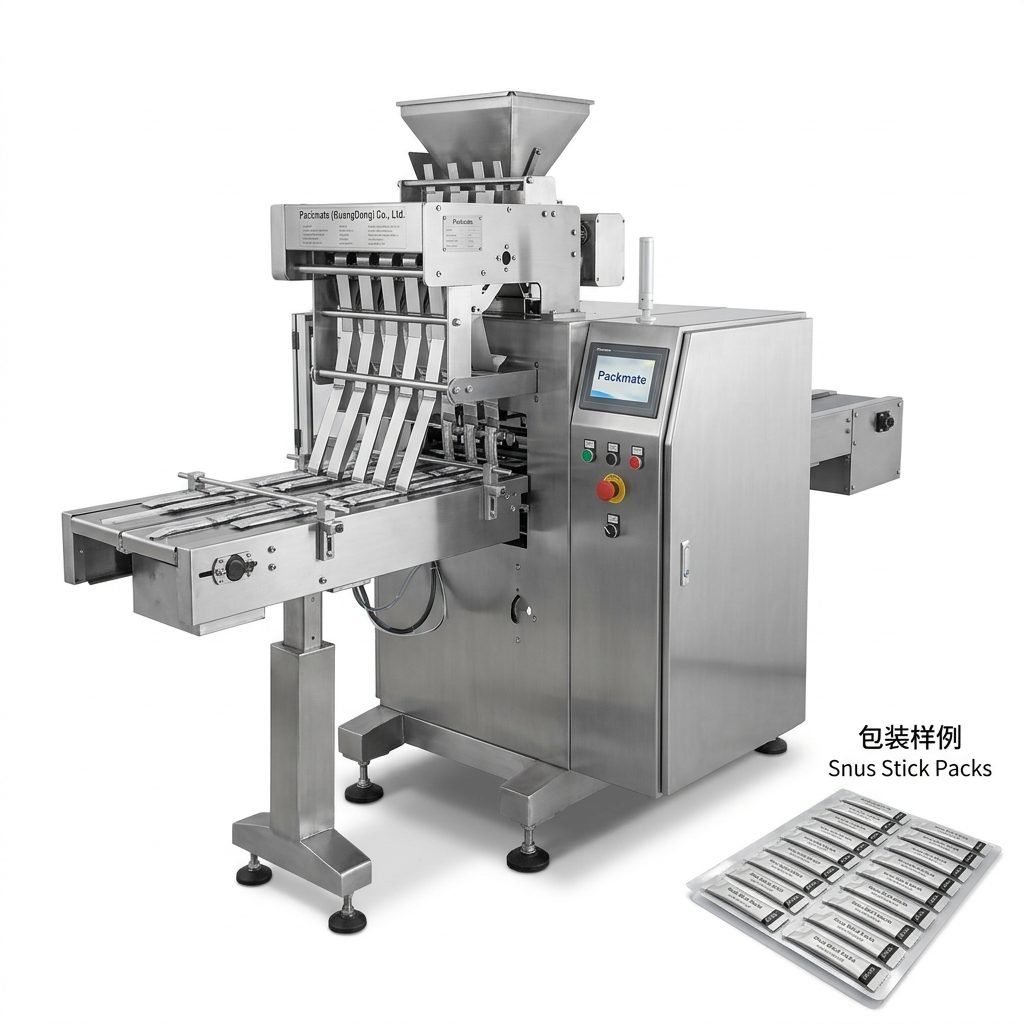
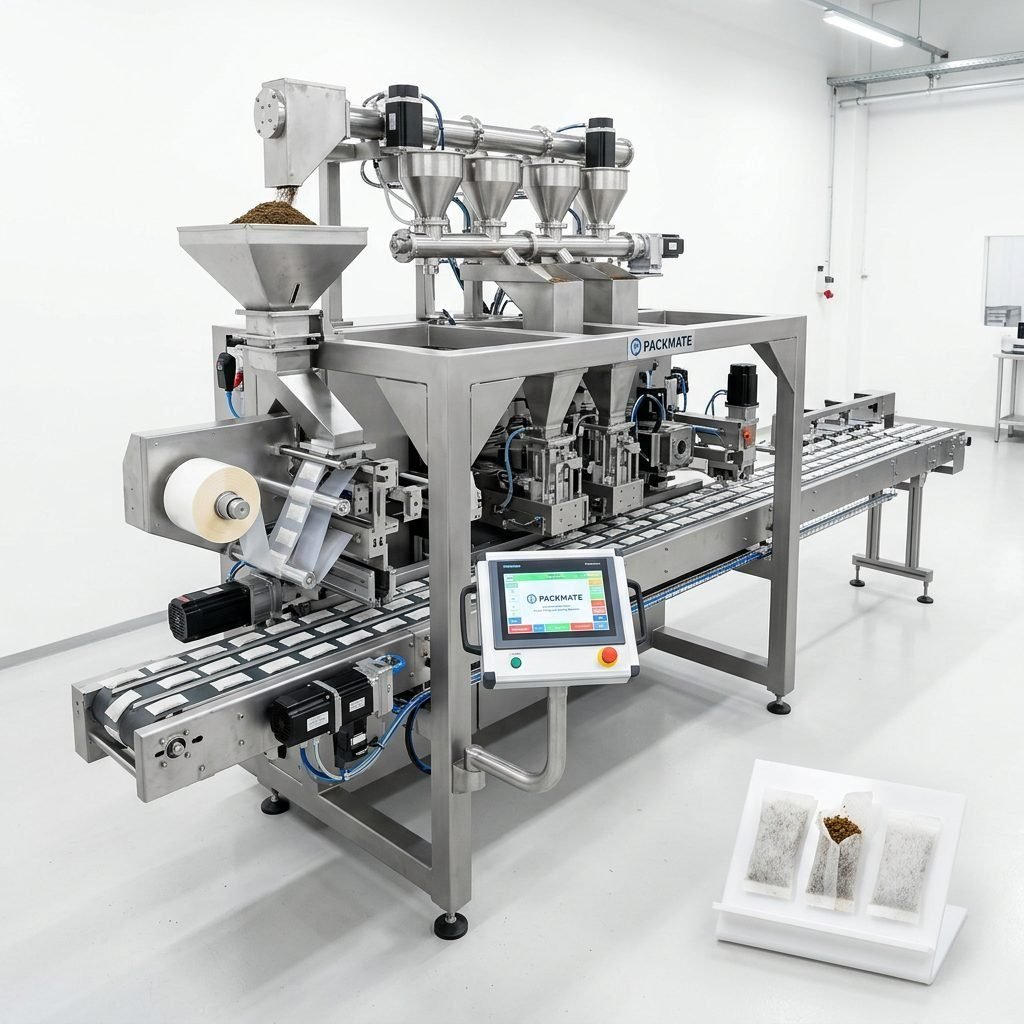
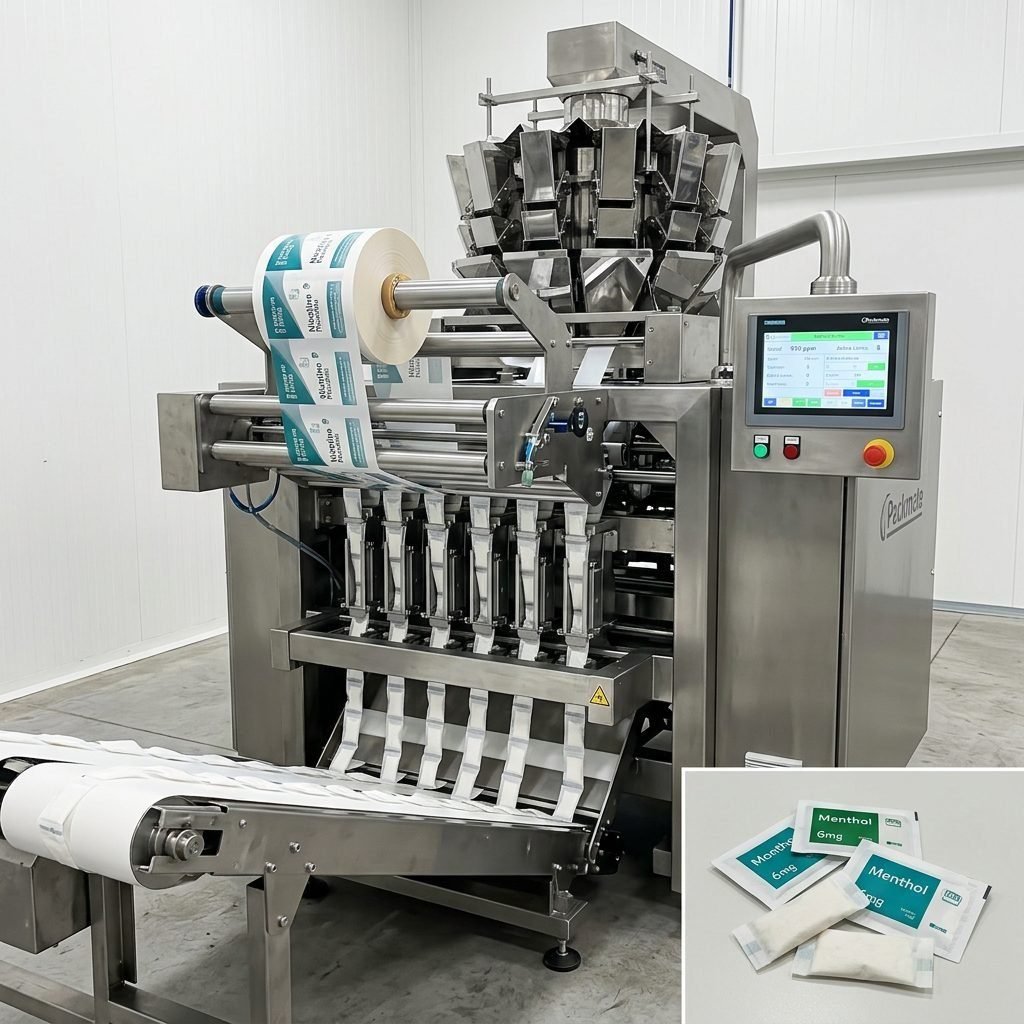
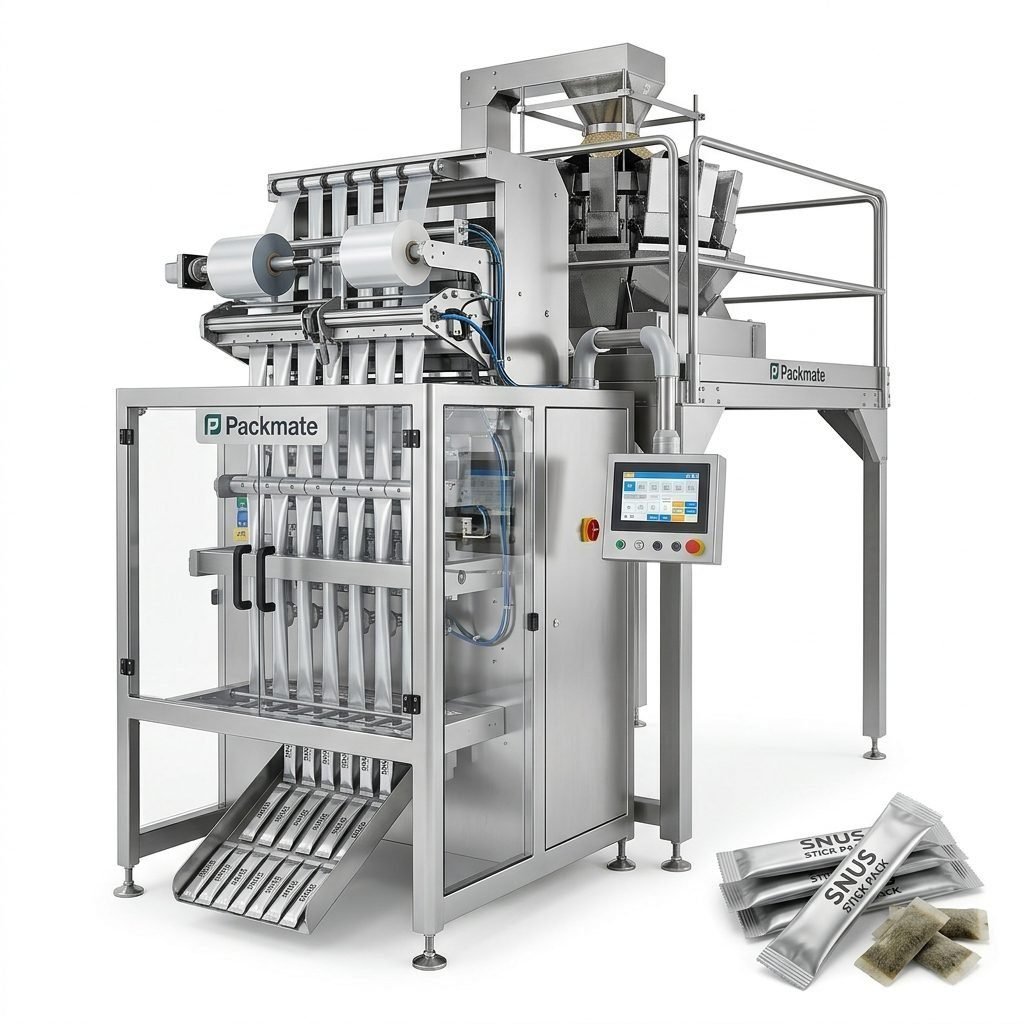
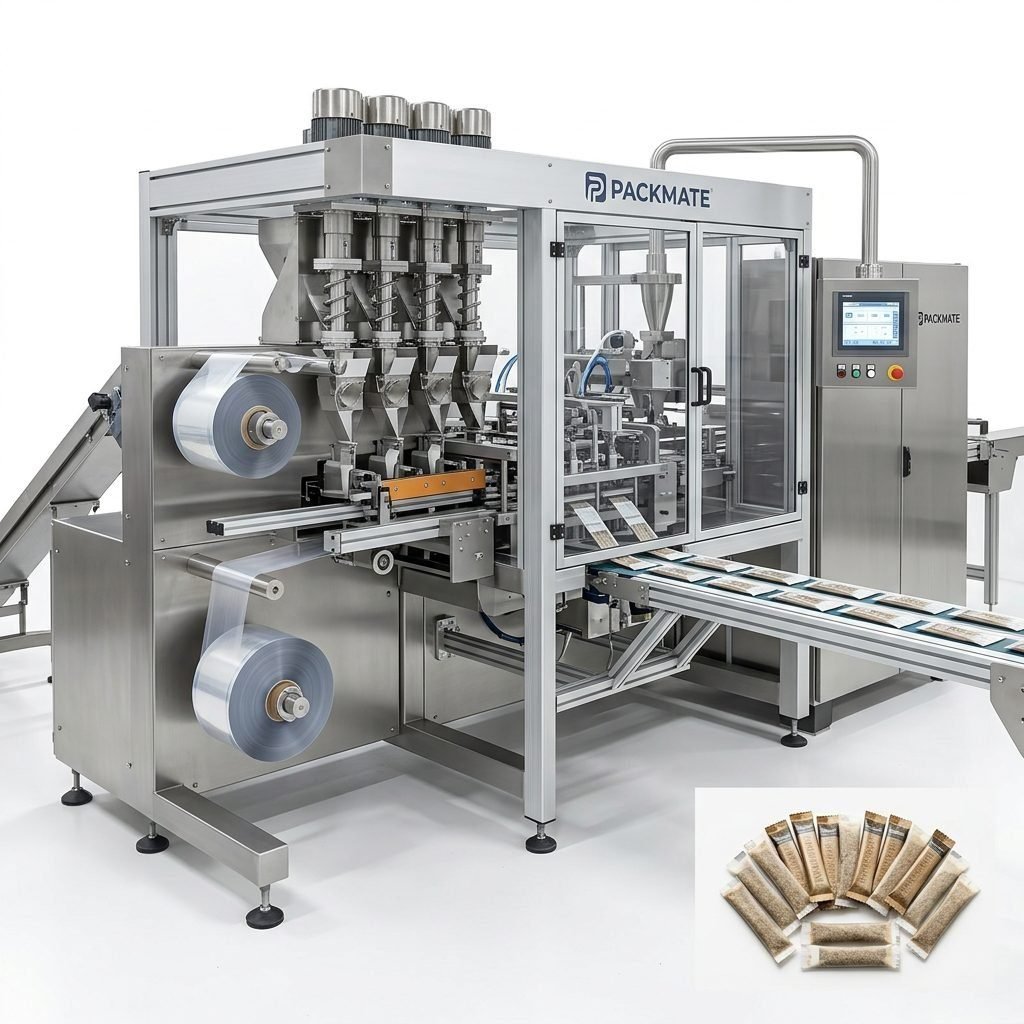
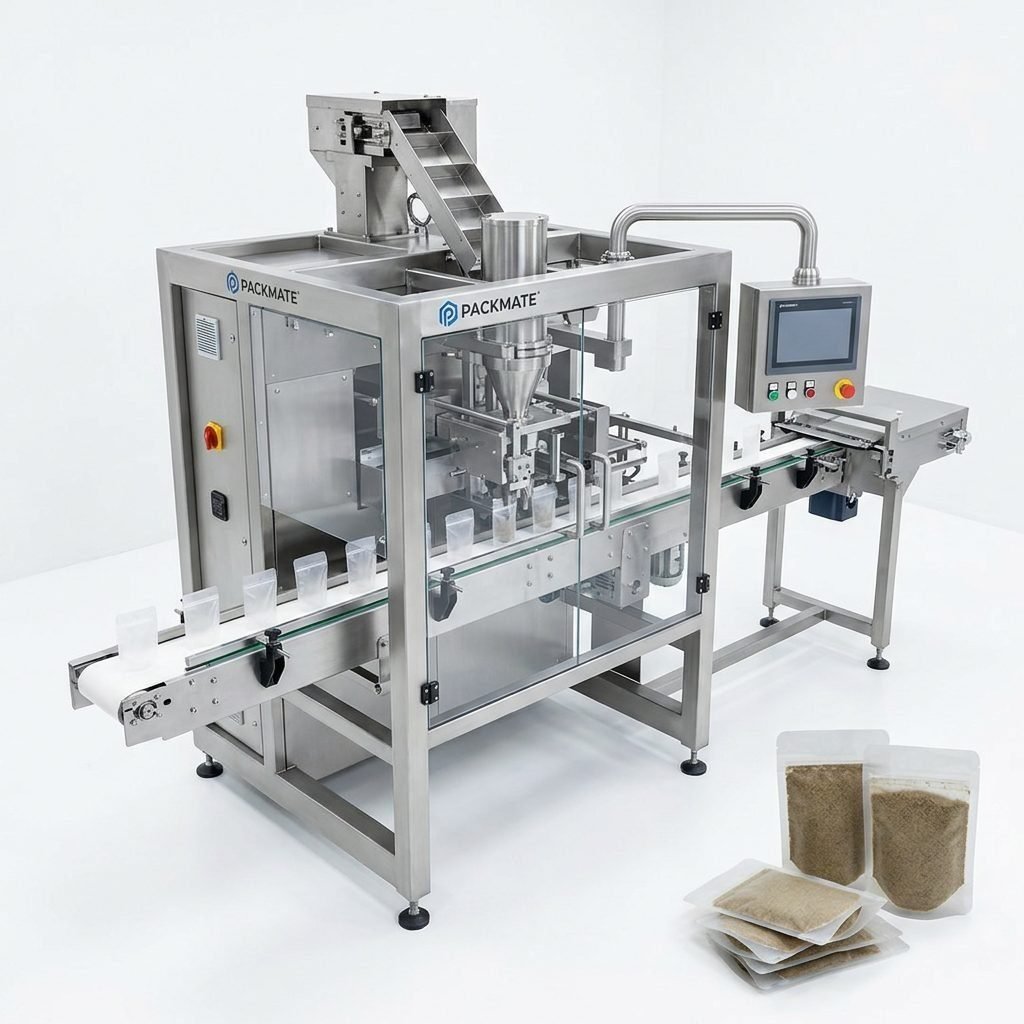
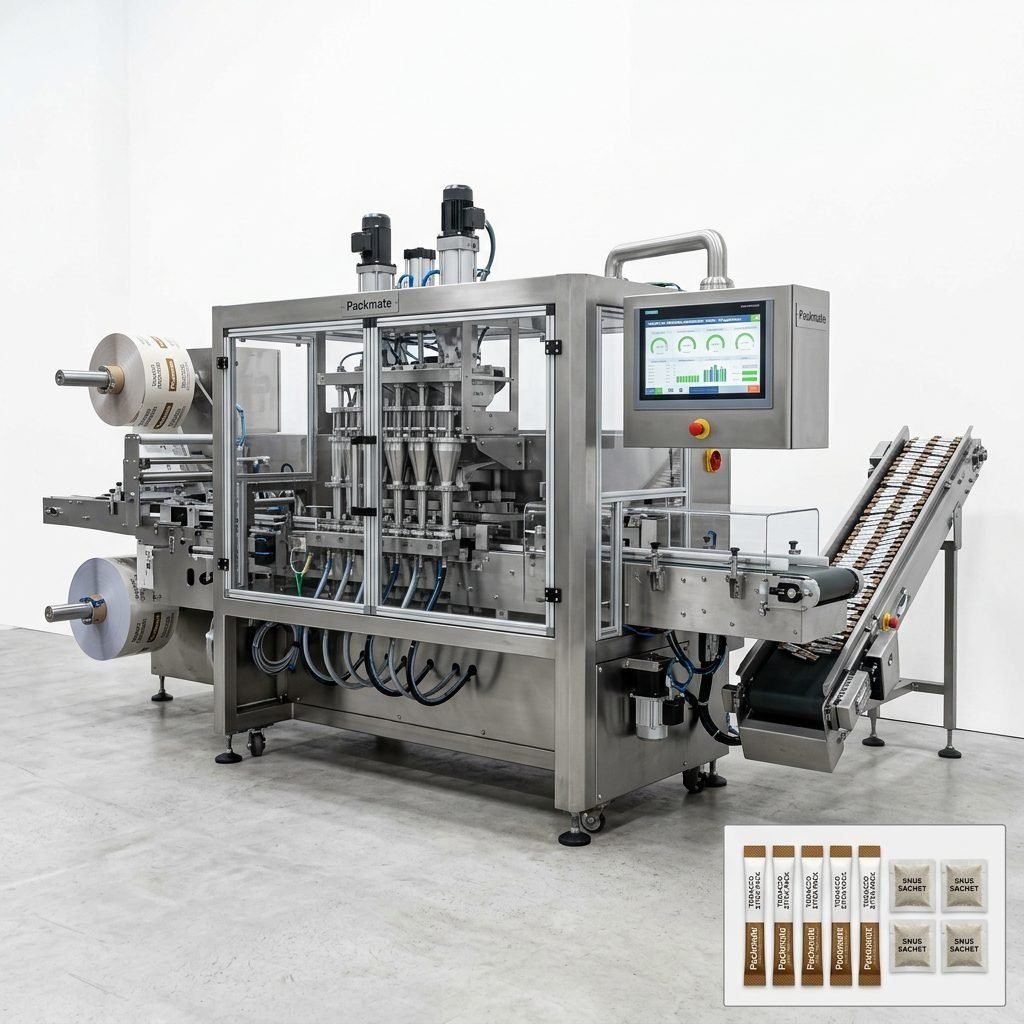
Before contacting manufacturers, clearly define your production targets. Consider the planned daily output, pouch formats (single-dose, multi-lane, stick pack, sachet), and product types (powder, granule, liquid, nicotine pouch). A detailed brief helps suppliers like specialist snus & nicotine packaging machine vendors propose machines that match your needs instead of selling generic options. Key metrics include: target pieces/hour, acceptable downtime percentage, desired levels of automation, and integration points with upstream weighing or downstream case packing equipment.
✅ Production format and flexibility
🏭 Assess Factory & Manufacturing Strength
A manufacturer’s production environment reveals a lot about quality and delivery reliability. Look for a supplier with a sizable factory area, modern CNC machining, precision assembly lines, and a structured quality control process. For instance, companies that operate a 20,000㎡ facility with advanced machining centers often provide more consistent build quality and shorter lead times. Ask about their capacity to produce spare parts, the presence of a controlled assembly area, and whether they perform full line testing before shipment.
🔧 Factory capabilities checklist
Request evidence of factory capabilities: facility photos, production flow descriptions, tooling inventory, and the number of machine models they build. A manufacturer offering 50+ machine models typically has broad engineering expertise and configurable solutions, which benefits companies needing customization or turnkey lines.
📜 Certifications & Regulatory Compliance
Nicotine packaging is subject to strict safety and quality regulations. Verify that the manufacturer’s equipment complies with international standards like CE and ISO. Compliance ensures safer electrical systems, machine guarding, and traceability features required for regulated products. Ask for certificates, factory audit reports, and documented conformity tests. A credible supplier will provide copies of certificates and explain how they maintain compliance across modifications and custom builds.
🤝 Evaluate Technical Support & After-Sales Service
After the sale, support matters more than the initial price. Assess the manufacturer’s service network, response times, remote diagnostics capabilities, and spare parts availability. Look for documented service packages, training offerings for operators and maintenance teams, and a service portal or hotline. Many reputable suppliers also offer installation, commissioning, and extended warranty options that reduce long-term risk.
What is the average response time for critical failures? Do they supply a recommended spare parts list? Is remote troubleshooting included?
⚙️ Technology & Customization Capabilities
Modern nicotine pouch lines often require sophisticated dosing, multi-lane synchronization, and integration with upstream fill/weighing systems and downstream packaging modules. Evaluate the manufacturer’s engineering team and their ability to provide tailored solutions — from custom filling heads to complete turnkey production lines. Suppliers that demonstrate experience with multi-lane systems and small-dose accuracy will be invaluable if you handle small nicotine pouches or high-speed stick packs.
If your product requires precise micro-dosing, ask for performance data, accuracy reports, and case studies. A useful resource is the manufacturer’s catalog and case collection; review real-world examples to verify claims: Case studies.
📦 Integration with other systems
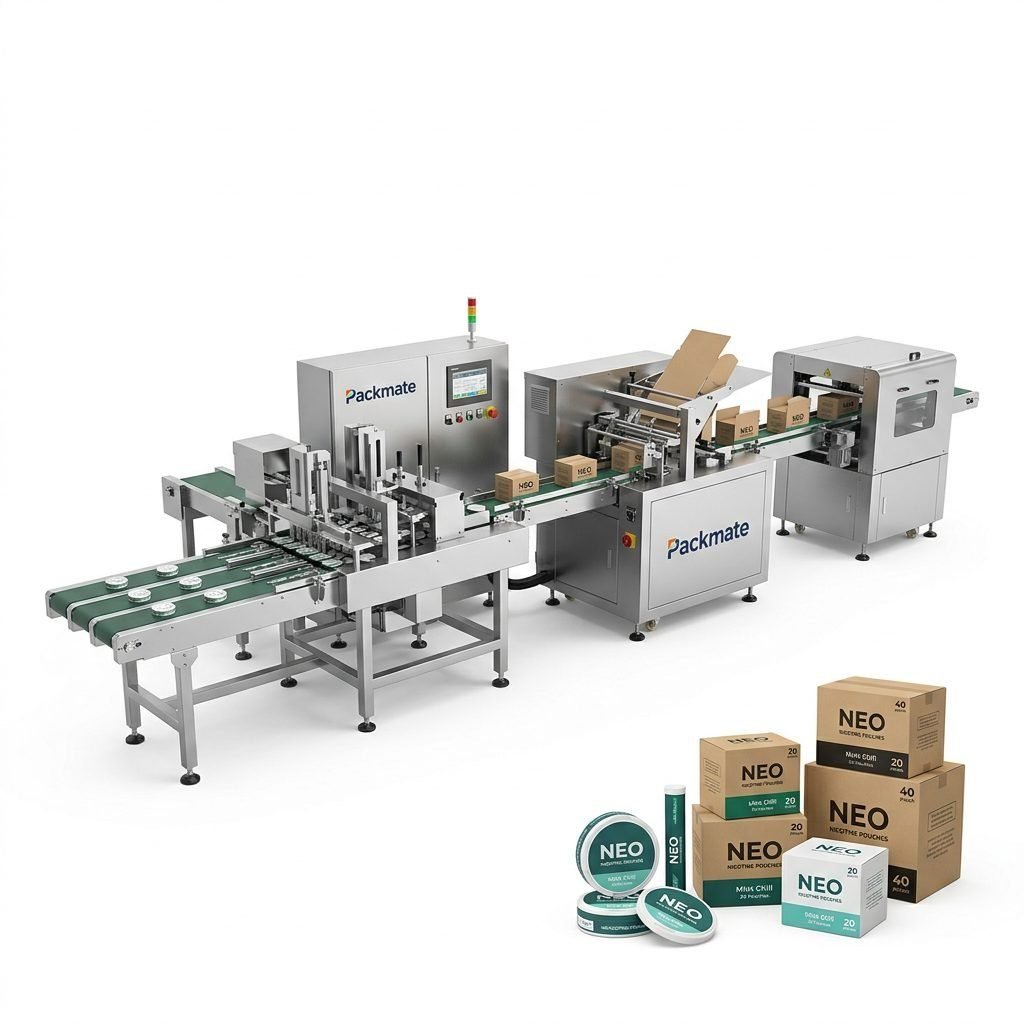
Check whether the manufacturer can integrate their machine with weighing and packaging lines. Integration reduces manual handling and improves traceability. Look for suppliers who provide a full stack of equipment such as weighing & packaging systems and filling & packaging lines for streamlined procurement and single-point accountability.
💡 Track Record & Global Experience
A manufacturer’s global footprint and exhibition presence indicate maturity and trust. Vendors that attend major exhibitions and operate worldwide demonstrate reliable logistics, export compliance, and exposure to diverse operating standards. Review testimonials, project references, and partner lists to confirm consistent performance across markets. A proven track record is especially important when sourcing for a regulated product like nicotine pouches.
💰 Total Cost of Ownership (TCO) – Not Just Initial Price
When evaluating quotes, calculate the total cost of ownership: purchase price plus installation, spare parts, energy consumption, maintenance, operator training, and expected depreciation. A low-cost machine with high downtime or frequent parts replacement can be far more expensive over time than a higher-quality, reliable solution. Request sample cost scenarios for three to five years and compare real-world productivity figures.
Ask for bundled discounts when ordering complementary equipment (e.g., stick pack + case packing), and clarify included services like commissioning and training.
📅 Lead Times, Delivery & Installation
Lead times can affect project schedules significantly. Confirm realistic timelines for design, fabrication, FAT (Factory Acceptance Test), shipping, and onsite installation. For critical lines, negotiate milestone-based delivery schedules and penalties for unreasonable delays. A strong supplier will provide a clear Gantt or timeline and support with customs documentation and logistics coordination.
🔧 Spare Parts & Consumables Management
Reliable access to spare parts reduces downtime. Ask for a recommended spares list, lead times for common parts, and whether parts inventory can be stocked locally or shipped on demand. Some suppliers offer parts kits tailored to your expected runtime and preventive maintenance plans—an economical way to avoid extended stoppages.
🧾 Contracts, Warranties & Payment Terms
Read contracts carefully: warranty coverage, exclusions, acceptance criteria, performance guarantees, and payment terms. Favor suppliers that offer clear acceptance tests, such as FAT and SAT (Site Acceptance Test), with defined criteria for speed, accuracy, and reliability. Consider payment structures tied to delivery milestones and successful commissioning.
📞 How to Vet a Manufacturer: Practical Steps
Follow a structured vetting process: request detailed proposals, visit the factory or arrange a virtual tour, request references, review certificates, ask for FAT videos, and confirm post-sale support. If you prefer to start with proven equipment lines, explore the manufacturer’s product pages for specific categories like sachet & stick pack machines and bag & pouch packaging machines.
🔁 Proof in performance
Ask for performance logs from existing customers producing similar products. Evidence of long-term stability at target speeds is more convincing than theoretical machine specs.
📋 Questions to Ask Prospective Manufacturers
Prepare a checklist: lead time, warranty, spare parts policy, FAT procedure, documentation language, operator training duration, recommended spare parts inventory, remote support options, and local references. Also confirm whether the manufacturer will assist with regulatory documentation for your market.
🌍 Why Choose a Specialist in Snus/Nicotine Packaging?
Specialist manufacturers bring domain knowledge about fragile micro-dosing, pouch sealing integrity, and materials compatibility. They understand the nuances of nicotine pouches and snus production, such as aroma retention, moisture control, and small-dose accuracy. Suppliers with a focused portfolio, modern R&D, and global case studies can adapt designs quickly for new formulations or regulatory changes.
If you want to learn more about a supplier’s company, history, and mission, review their profile and exhibition activity: About Packmate and Our Exhibition.
A balanced decision weighs technical fit, TCO, service quality, and proven references. Prioritize suppliers who offer transparent performance data, factory audits, and a strong after-sales policy.
Frequently Asked Questions
Q1: How long does it take to install a nicotine pouch packaging line?
Installation and commissioning timelines depend on complexity. A single standalone machine may be installed in a few days, while a full turnkey multi-lane production line typically requires several weeks including mechanical setup, electrical hookups, software integration, and staff training. Expect additional time for FAT, shipping, customs clearance, and onsite validation.
Q2: What certifications should I require from a manufacturer?
Essential certifications include CE and ISO for quality and safety compliance. For machines intended for regulated markets, ask for documented risk assessments, electrical safety reports, and material contact certifications if applicable. Confirm that the supplier can provide documentation required for your local regulators.
Q3: Can a supplier provide turnkey lines that include filling, weighing, and packaging?
Yes, many specialized suppliers offer integrated solutions that include weighing & packaging systems and filling lines. Consolidating equipment from a single supplier simplifies integration, reduces interface issues, and often lowers the overall project risk. Review the supplier’s portfolio and case studies to confirm prior turnkey deliveries.
Q4: What after-sales support is most valuable?
Fast spare parts supply, remote diagnostics, operator training, and preventive maintenance plans are high-value services. A dedicated service team and clear escalation procedures help minimize production downtime. Request a service level agreement (SLA) that defines response times for critical incidents.
Q5: Where can I find more detailed product information and contact the supplier?
For detailed machine specifications, catalogs, and direct contact, visit the supplier’s product pages and contact portal: Catalog and Contact Us.