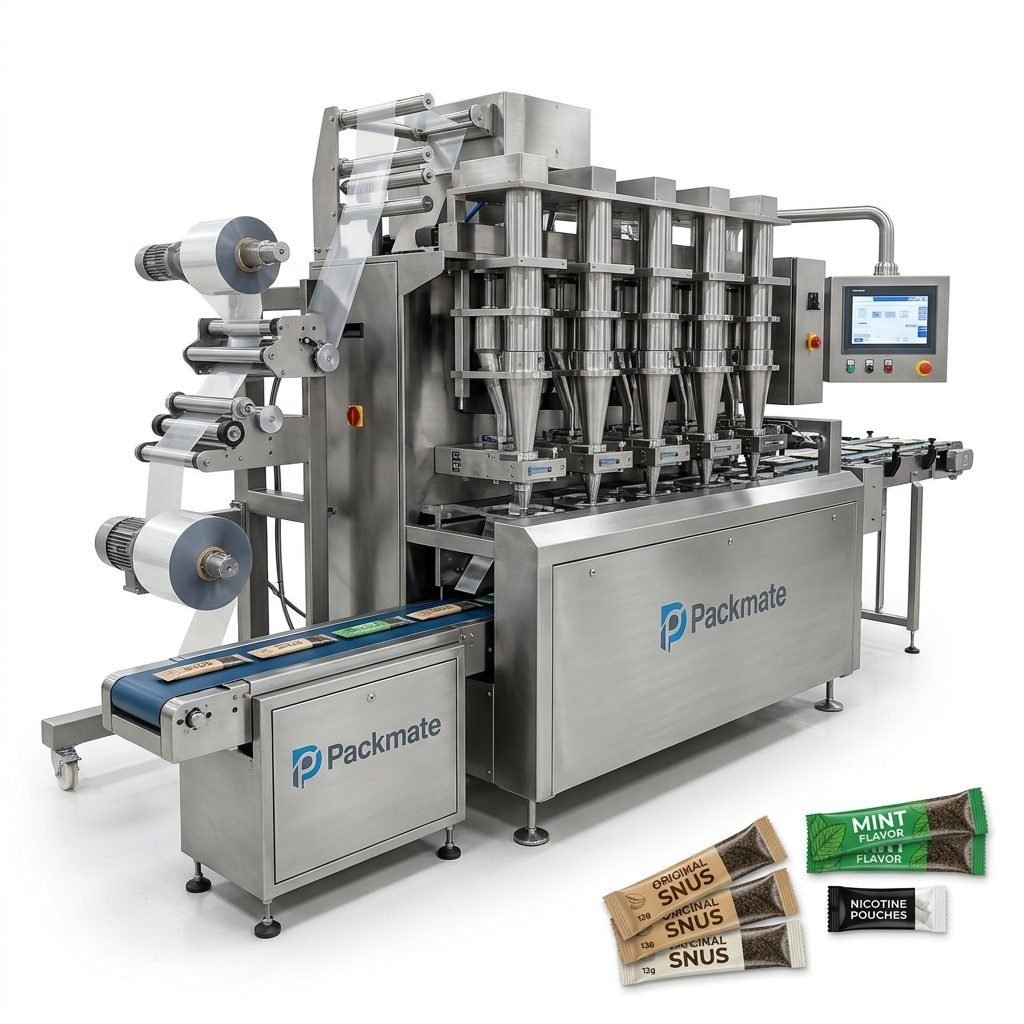
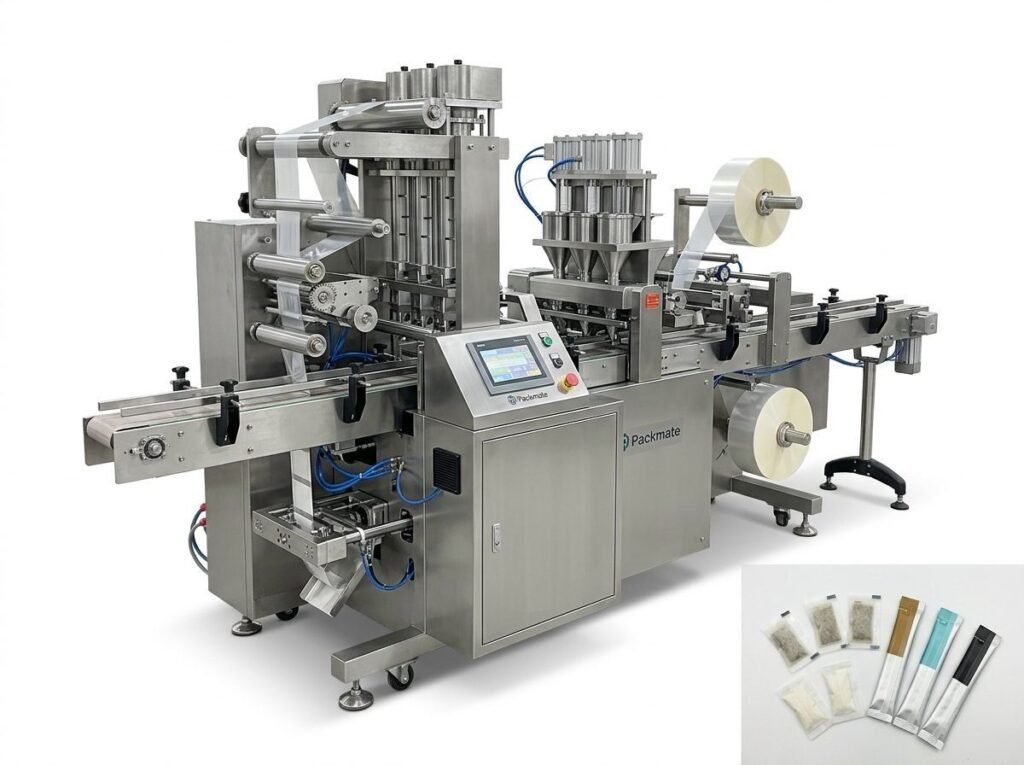
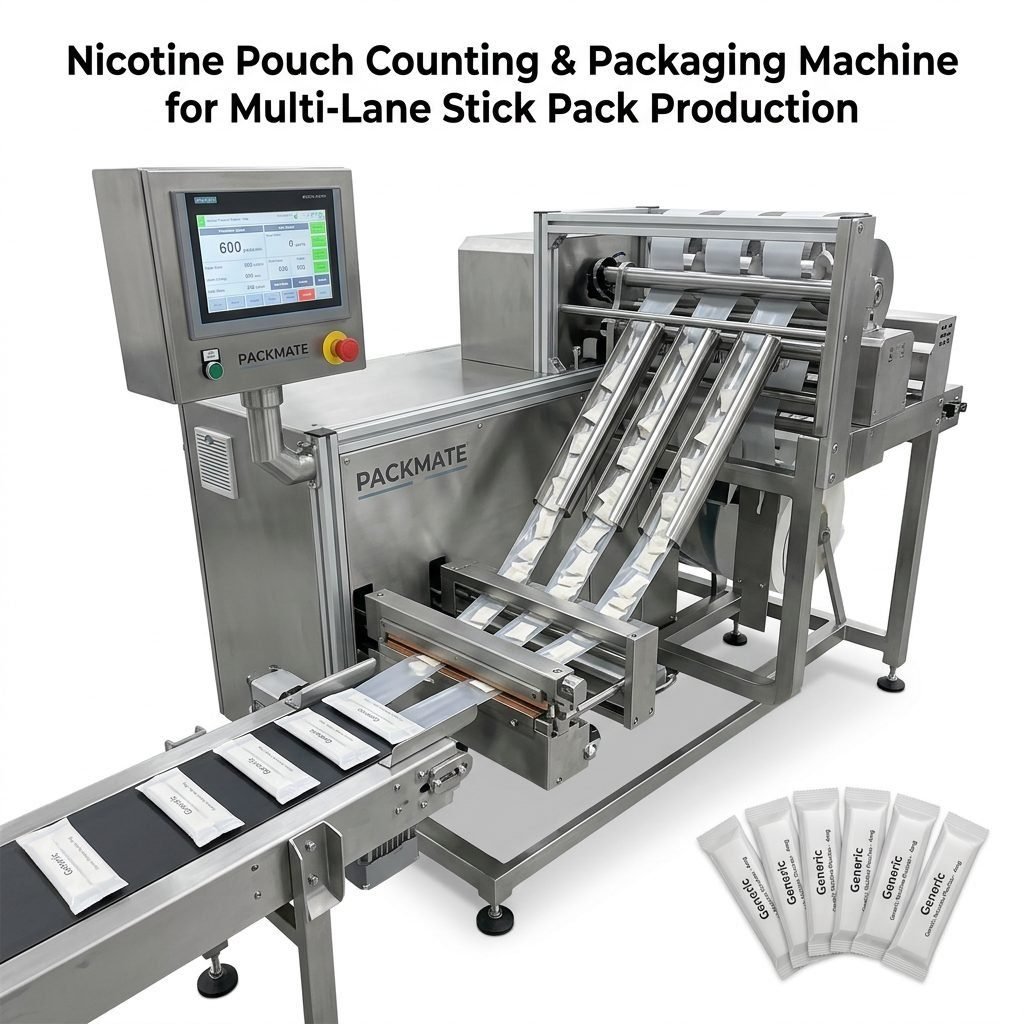
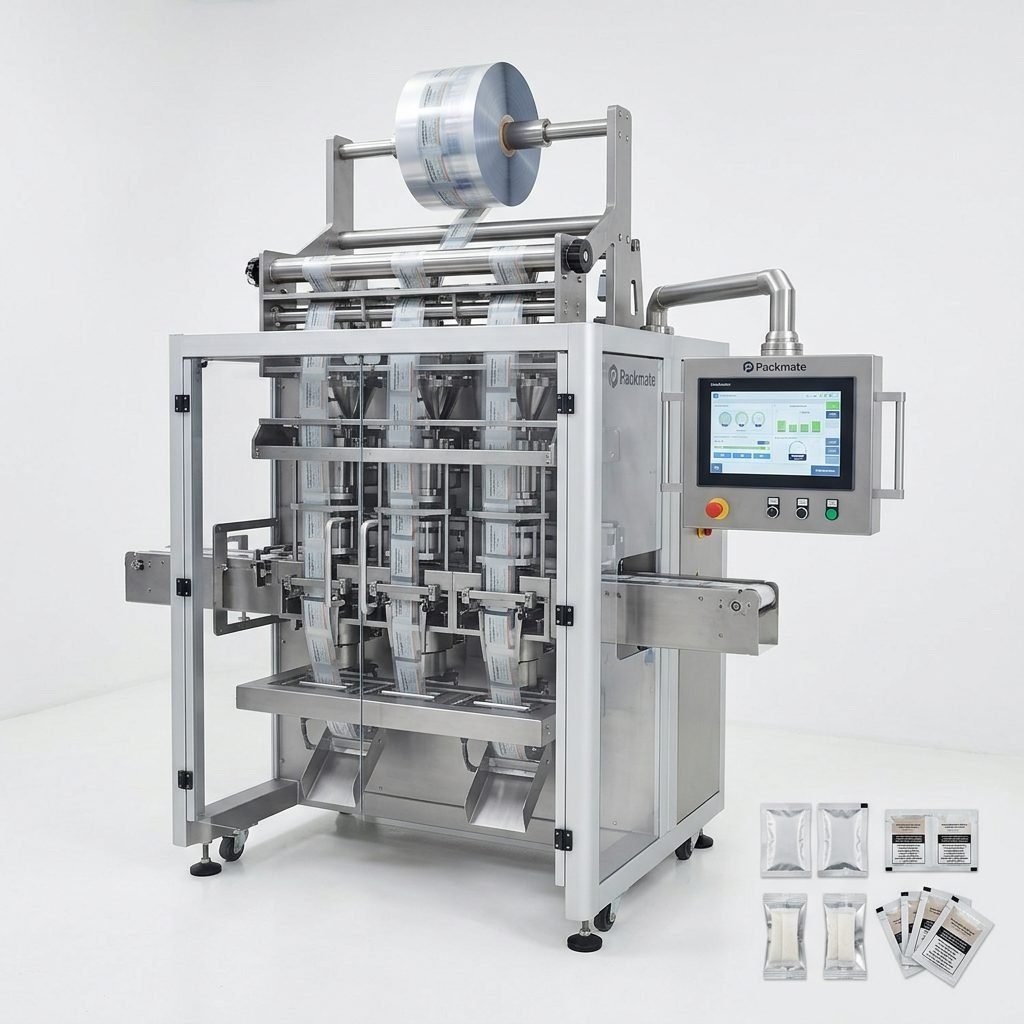
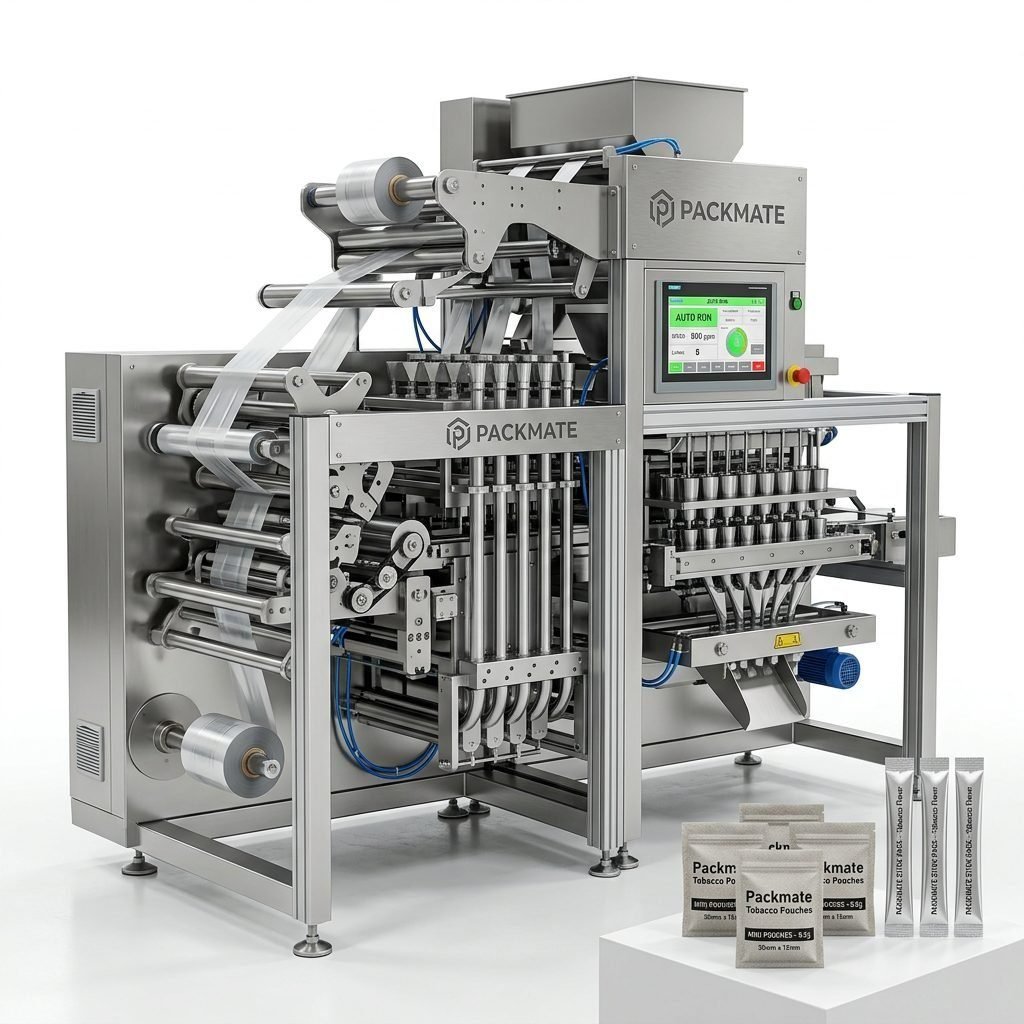
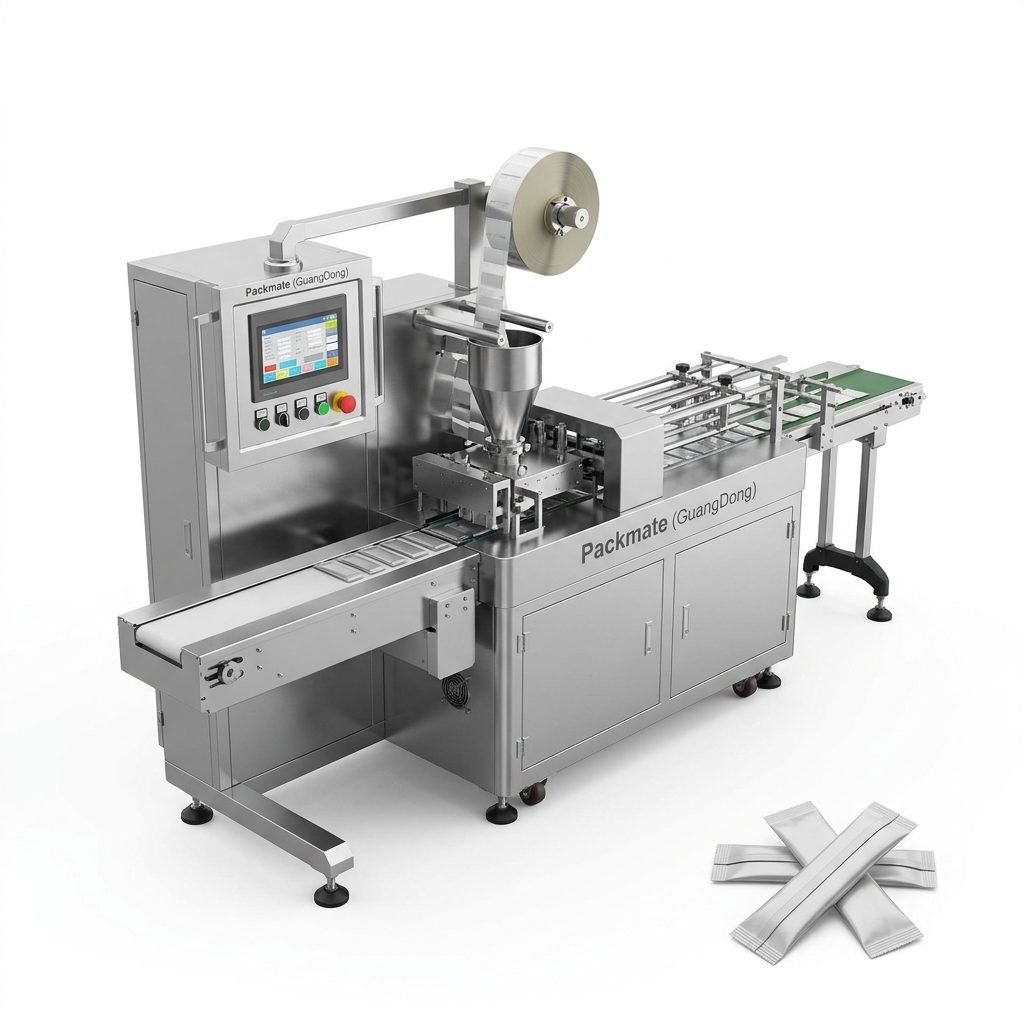
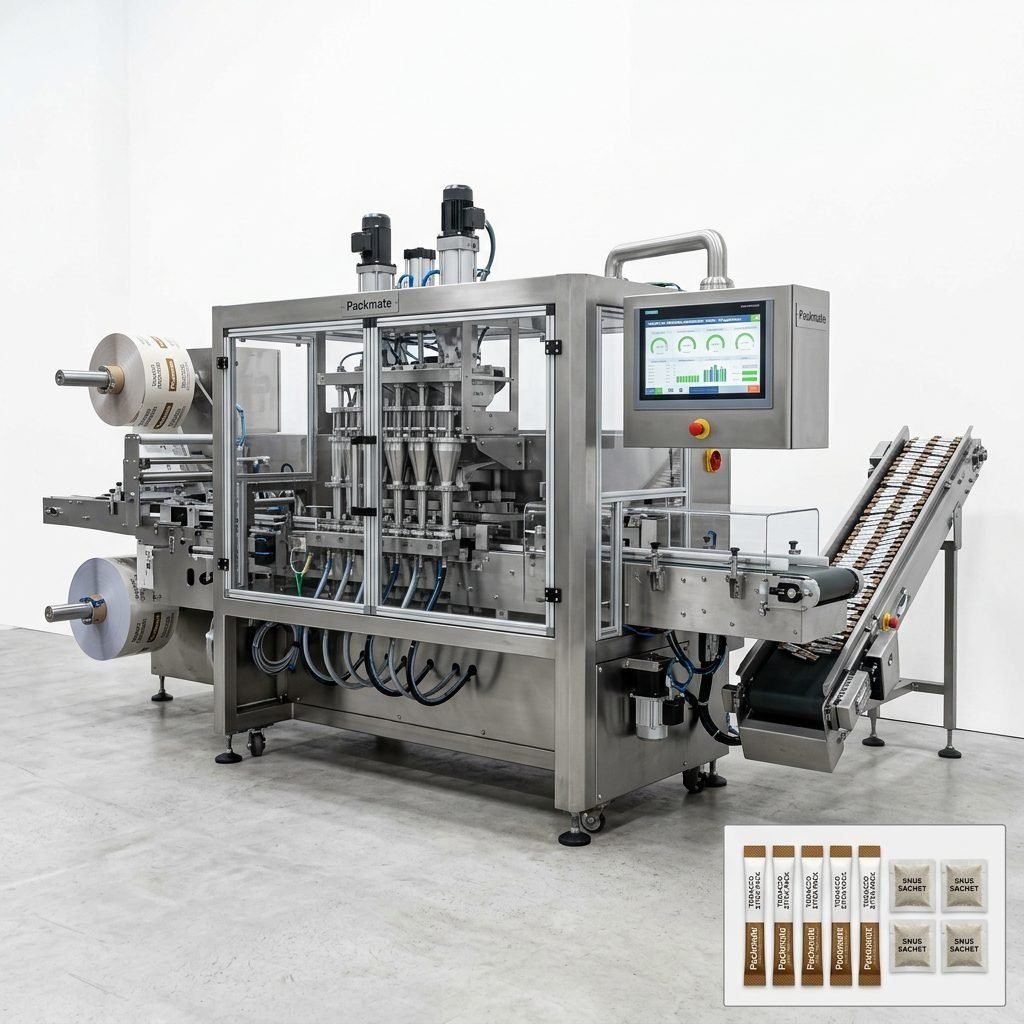
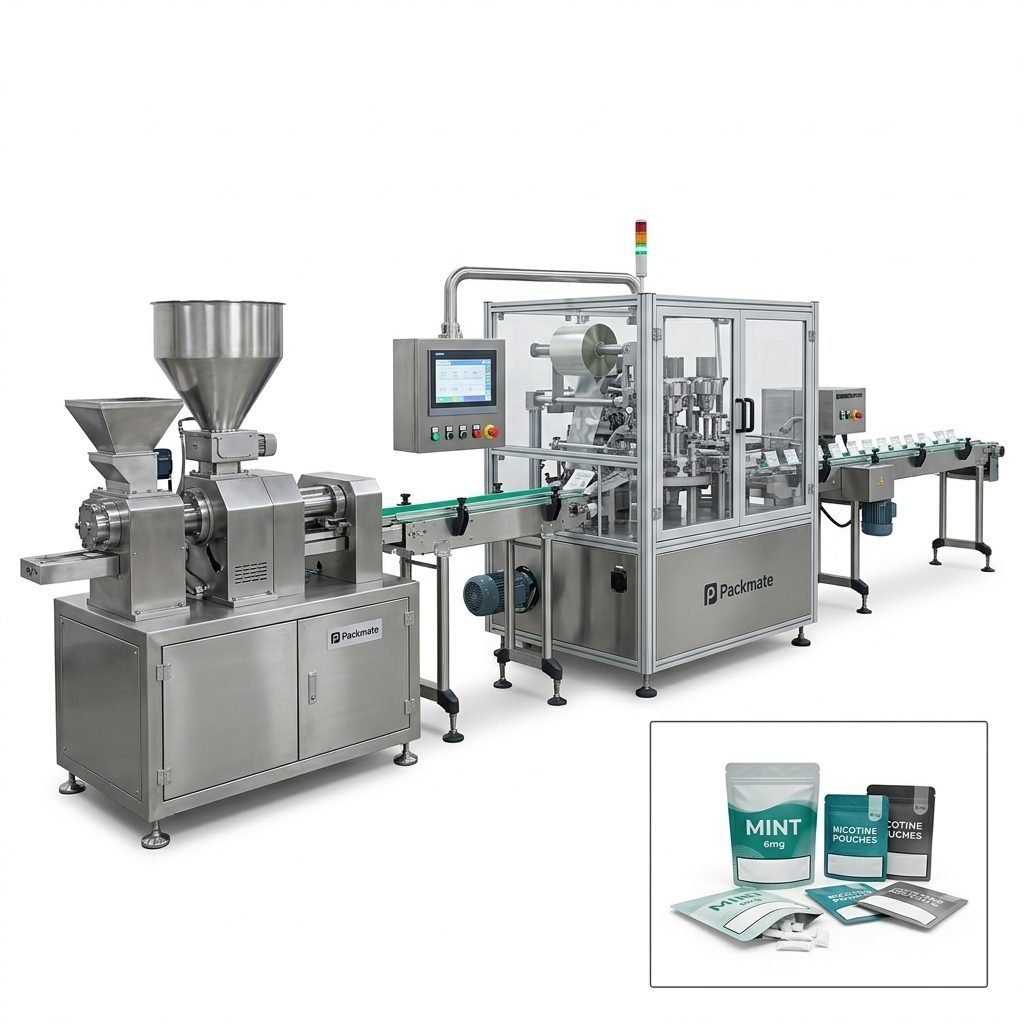
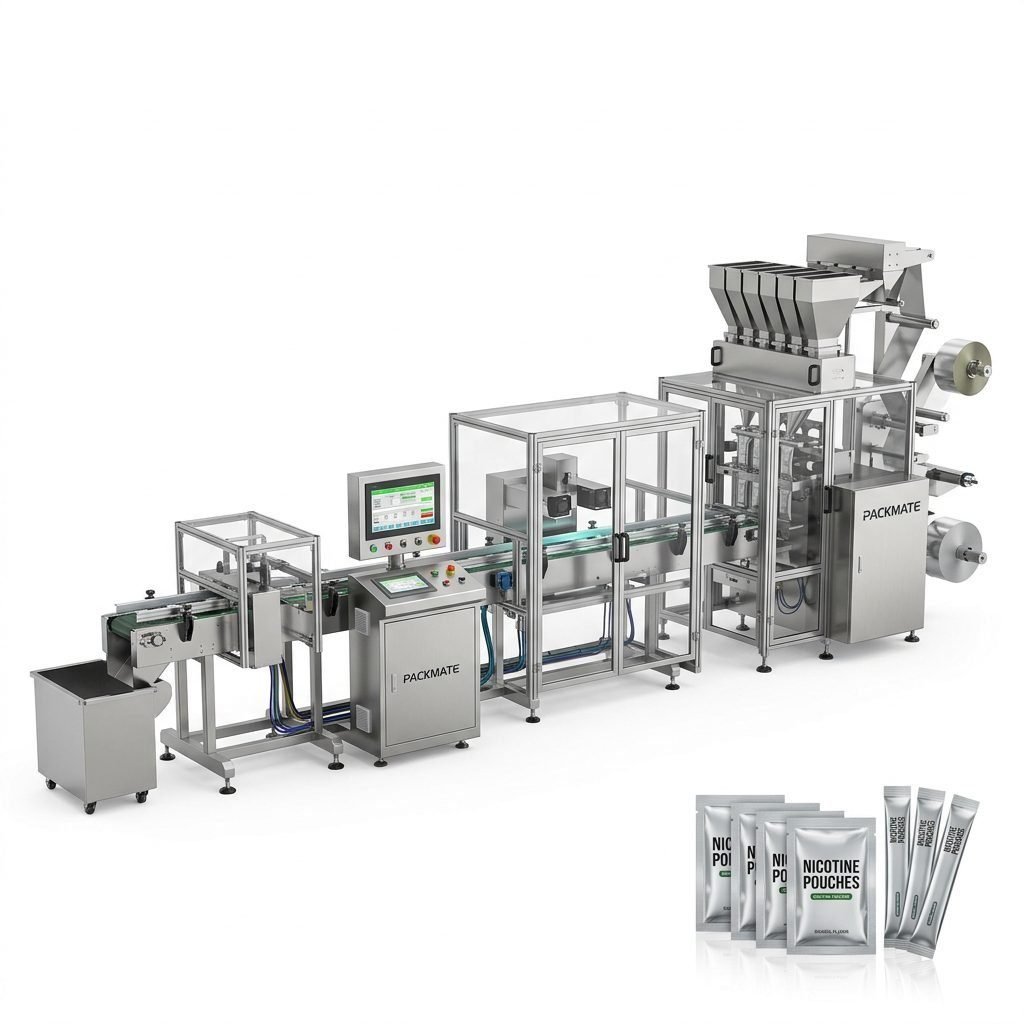
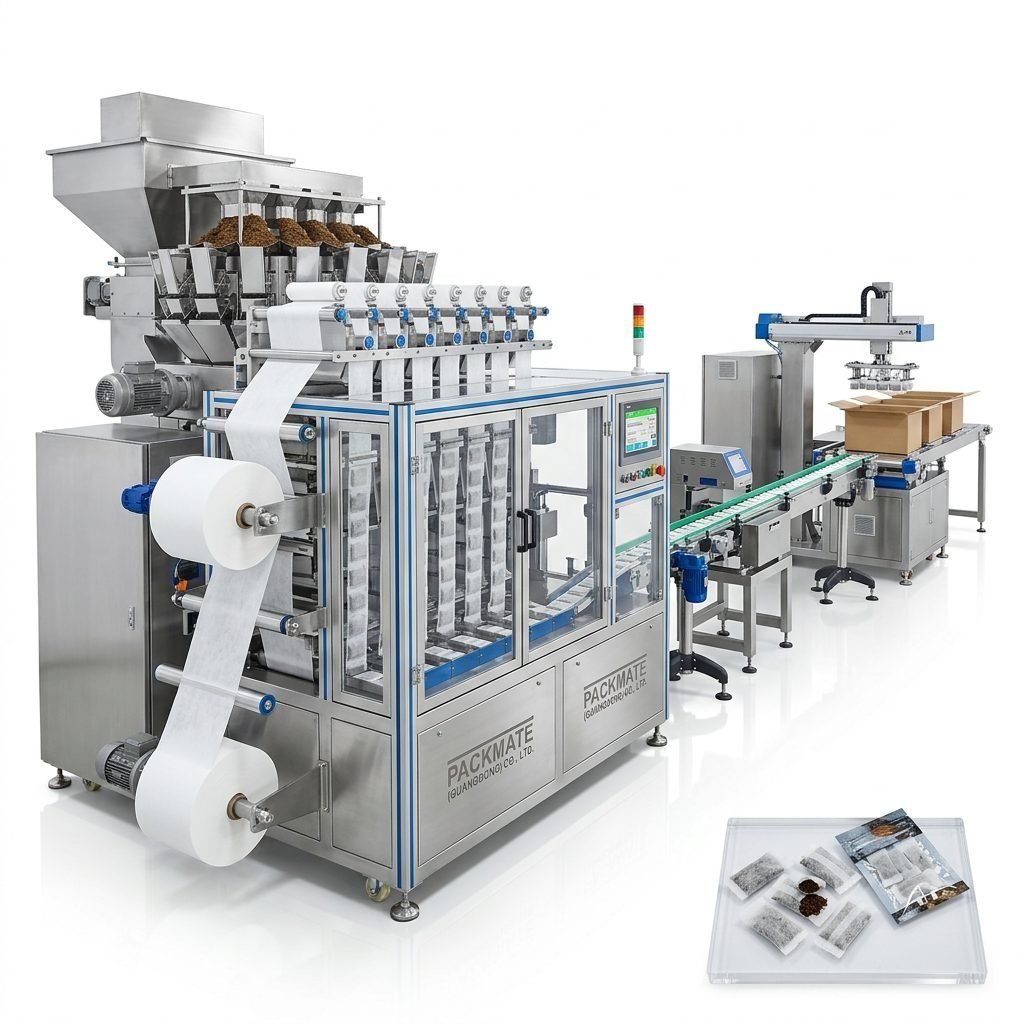
The snus production industry demands precision, consistency, and fully integrated workflows to meet rising global demand for nicotine pouches and related oral products. Modern snus production line equipment brings together high-speed forming, filling, sealing, weighing and secondary packaging into turnkey systems that reduce labor, improve yield, and ensure regulatory compliance. This article outlines the essential machines, technologies, and advantages of complete snus manufacturing lines, and highlights how an experienced manufacturer can deliver tailored, reliable solutions.
🔧 What Is a Turnkey Snus Production Line?
A turnkey snus production line is a comprehensive, end-to-end solution that integrates all machinery and processes required to produce finished snus or nicotine pouch products. From raw material dosing and pouch formation to sealing, inspection, and secondary packaging, a turnkey line is delivered ready for operation with minimal on-site assembly and validation. These lines support continuous, automated production and are engineered for hygienic operation, traceability, and fast changeovers.
⚙️ Typical Modules in a Complete Line
Core modules usually include forming & feeding systems, precision weighing and dosing, multi-lane filling heads, ultrasonic or thermal sealing stations, rotary or linear pouch cutters, vision inspection systems, and conveyorized secondary packaging. Auxiliary equipment — such as nitrogen flushing, desiccant insertion, and cartoning machines — helps preserve product stability and present retail-ready packs.
📦 Common Machine Types
Leading equipment in snus production includes specialized pouch form-fill-seal machines for stick packs and sachets, multi-lane nicotine pouch formers for high throughput, precision auger or volumetric dosers for powders, and rotary filling systems for small-dose pouches. For more product-specific options, explore product families such as Snus & Nicotine Packaging Machines and Sachet & Stick Pack Machines.
✅ Key Features That Define High-Performance Lines
When evaluating equipment, focus on throughput, accuracy, hygiene design, and adaptability. High-performance lines deliver consistent pouch weights, minimal product waste, rapid format changes, and robust control systems. Advanced models incorporate servo drives, PLC controls, and HMI interfaces to make production intuitive and data-driven.
Performance callouts:
• High-speed multi-lane operation for small-dose pouches
• ±0.02–0.05 g dosing accuracy with advanced weighing systems
• Tool-free changeover options to reduce downtime
🔎 Inspection, Quality Control & Compliance
Modern production lines include vision systems for seal verification, metal detection, and weight monitoring to keep rejects low and ensure compliance with international quality standards. Machines are designed for easy cleaning and validation to meet CE and ISO requirements. Manufacturers often provide documentation, IQ/OQ, and FAT support to assist regulatory approvals.
🧩 Customization & Modular Design
A flexible, modular approach lets you scale capacity or add new capabilities without replacing the entire line. Whether you need additional lanes for higher throughput, a different pouch format, or integrated secondary packaging such as cartoning or shrink-wrapping, modular systems simplify upgrades and lower long-term capital costs.
Customization highlights:
• Multi-lane heads to multiply output per machine footprint
• Interchangeable forming plates and dies for rapid product change
• Integrated weighing & feeding systems tailored for powders, granules, or liquid extracts
🔗 Product Integration Examples
Typical integrations pair pouch form-fill-seal machines with upstream dosing feeders and downstream cartoning or case-packing modules. For a close look at auxiliary devices and support systems, visit Auxiliary Packaging Equipment and the Filling & Packaging Lines overview.
🏭 Manufacturing Strength & Proven Track Record
Selecting a partner with robust manufacturing capabilities ensures consistent machine quality and after-sales support. Look for firms with extensive CNC machining centers, precision assembly lines, and long-term engineering experience. A company with a 20,000㎡ facility and a history of continuous development provides assurance for scalable projects and global deliveries.
Factory strengths to check:
• Large production area with modular assembly lines
• ISO/CE compliant production and testing protocols
• 30+ years of design and R&D experience in packaging machinery
📅 Development & Support History
A reliable supplier will provide a clear timeline of development and evidence of international cooperation and exhibition presence. Check for global case studies and references, which demonstrate machine performance across different regulatory environments and product types. Learn more about the company background via About Packmate and see real-world implementations on the Case page.
💡 Choosing the Right Capacity and Configuration
Determining the correct configuration begins with your target output, pouch format, and product characteristics. Low-dose nicotine pouches benefit from multi-lane pouch formers, while stick packs or sachets might require distinct sealing and cutting solutions. Consult with engineering teams early to model floor layouts, utility requirements, and maintenance access.
Capacity planning tips:
• Match lane count to foreseeable demand growth
• Allow headroom for maintenance and planned downtime
• Design for easy integration of future automation modules
🔁 Maintenance, Spare Parts & Service
Robust after-sales support and stocked spare parts reduce production interruptions. Choose suppliers that provide on-site commissioning, operator training, remote diagnostics, and preventive maintenance programs. This quick response capability is crucial for global operations and ensures high equipment uptime.
📈 ROI and Operational Benefits
Investing in a turnkey snus production line can significantly reduce labor costs, improve yield, and increase throughput. Automation reduces human handling, which minimizes contamination risks and variability. Over time, improved efficiency and lower reject rates translate to a faster return on investment and stronger product margins.
Business advantages:
• Lower operating costs via automation and optimized workflows
• Faster time-to-market with turnkey delivery and commissioning
• Consistent product quality and traceability for regulatory reporting
🔗 How to Evaluate Suppliers & Next Steps
Evaluate suppliers on engineering depth, factory capabilities, global references, and the availability of full-line solutions including auxiliary systems like weighing and packaging. Request a factory acceptance test (FAT), detailed layout drawings, and a complete scope that covers installation, validation, and training. To explore dedicated systems for weighing and packaging, see Weighing & Packaging Systems.
📋 Documentation & Certifications
Insist on CE/ISO documentation, electrical schematics, spare parts lists, and validated software versions. Proper documentation ensures compliance, smooth commissioning, and predictable maintenance. Suppliers with exhibition presence and international partnerships often provide the strongest long-term support—visit Our Exhibition to learn more.
📞 Final Considerations & Support
Selecting the right turnkey snus production line is a strategic decision that impacts product quality, regulatory compliance, and business growth. Work with suppliers who provide end-to-end project management, transparent timelines, and clear service agreements. If you require custom proposals or technical datasheets, make sure to ask for reference line drawings and production simulations.
Explore detailed product groups such as Bag & Pouch Packaging Machines and reach out directly via the supplier Contact Us page for tailored turnkey quotes.
Frequently Asked Questions
Q1: How long does it take to install and commission a turnkey snus production line?
A1: Installation and commissioning time depends on line complexity and site readiness. Typical timelines range from 8 to 16 weeks after delivery for standard configurations, with extended schedules for highly customized or multi-stage integrations.
Q2: What levels of output can multi-lane snus machines achieve?
A2: Multi-lane machines vary widely; common systems can deliver tens of thousands to hundreds of thousands of pouches per hour depending on lane count, pouch size, and dosing speed. Discuss target throughput with an engineer to size lanes appropriately.
Q3: Are turnkey lines compatible with different raw materials (powder, granule, liquid)?
A3: Yes. Turnkey lines can be configured with specialized dosing, conveying, and filling modules for powders, granules, and liquids. Proper material handling systems and hygienic design ensure consistent dosing and minimal cross-contamination.
Q4: What after-sales services should I expect?
A4: Reputable suppliers provide installation, operator training, preventive maintenance plans, remote support, spare parts supply, and performance guarantees. Verify service SLAs and local support coverage.
Q5: How can I review past implementations and certifications?
A5: Request case studies, FAT videos, and certification documents (CE/ISO). Many manufacturers publish exhibition appearances and project references online—see the Certificate and Mission & Vision pages for additional context.