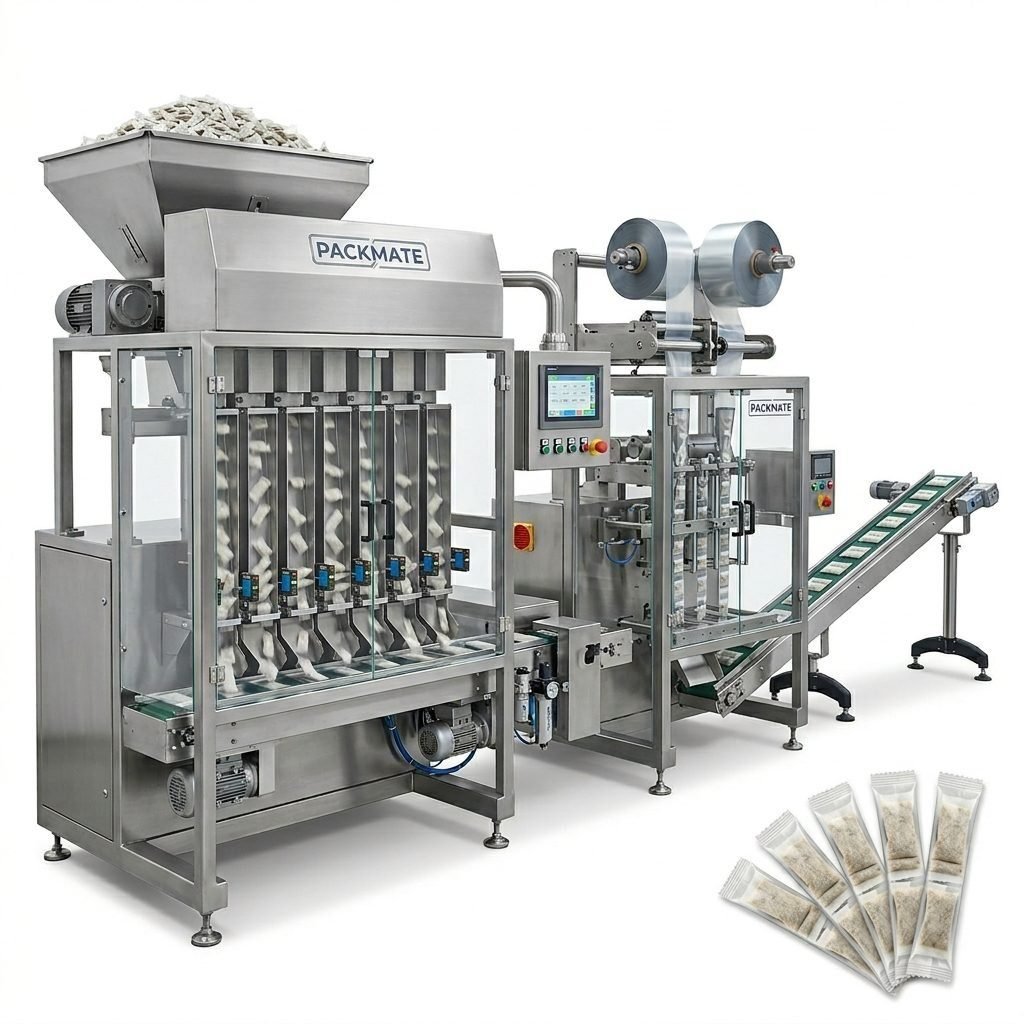
Selecting a reliable nicotine packaging machine manufacturer for operations in Afghanistan requires more than just comparing prices. You need a partner who understands regulatory risks, local logistics, machine reliability, and long-term support. This guide walks you through the practical steps, technical checks, and commercial due diligence to confidently choose a supplier that will keep your production running safely and efficiently.
Why the Right Manufacturer Matters for Afghanistan
Afghanistan’s logistics, regulatory landscape, and market access present unique challenges. A good manufacturer is not only a machine builder but also a reliable logistics and technical partner. Choose a supplier with a clear track record in nicotine pouch or snus packaging equipment and with capabilities to provide international documentation and shipping assistance.
Key business benefits from choosing a reputable manufacturer
Reduced downtime because of robust machine design and local-friendly support. Faster ramp-up thanks to clear installation guidance, and lower regulatory risk through proper certification and documentation.
Step 1 — Verify industry experience and product fit
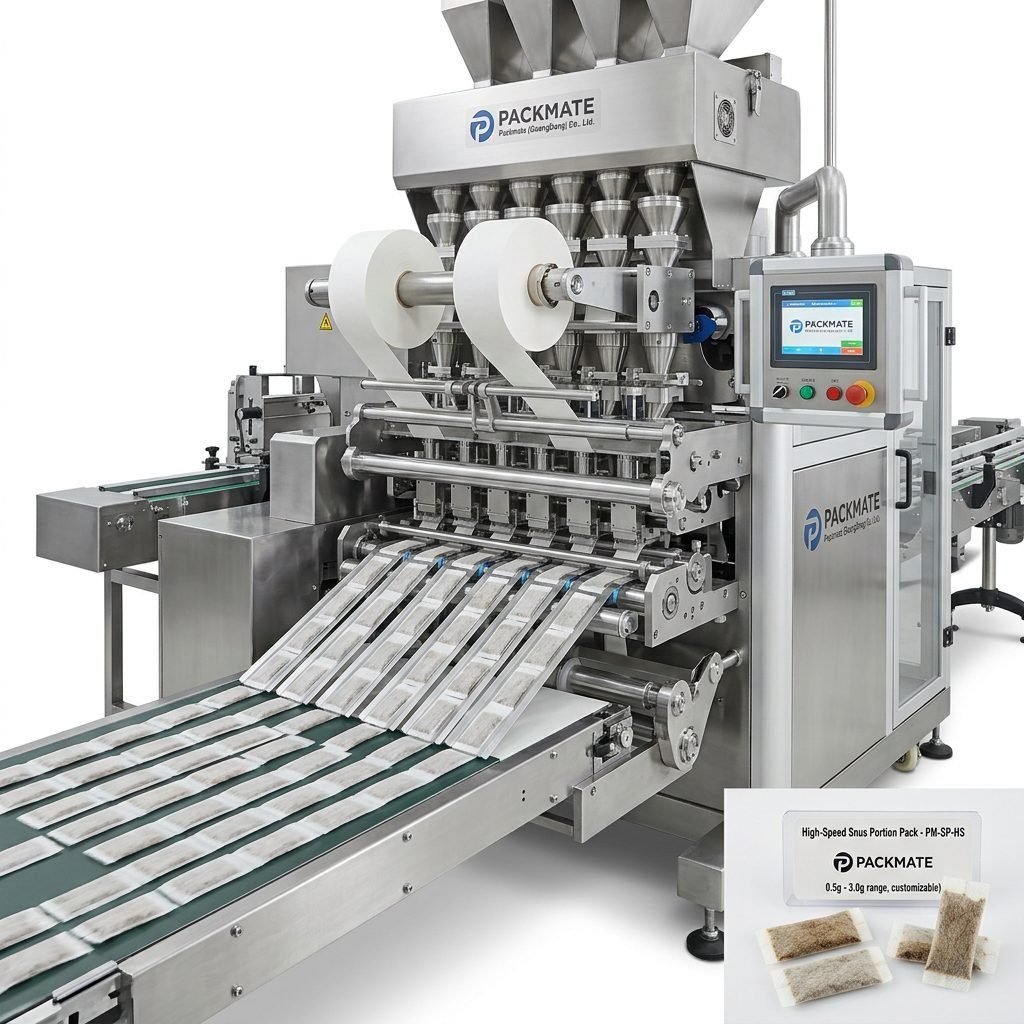
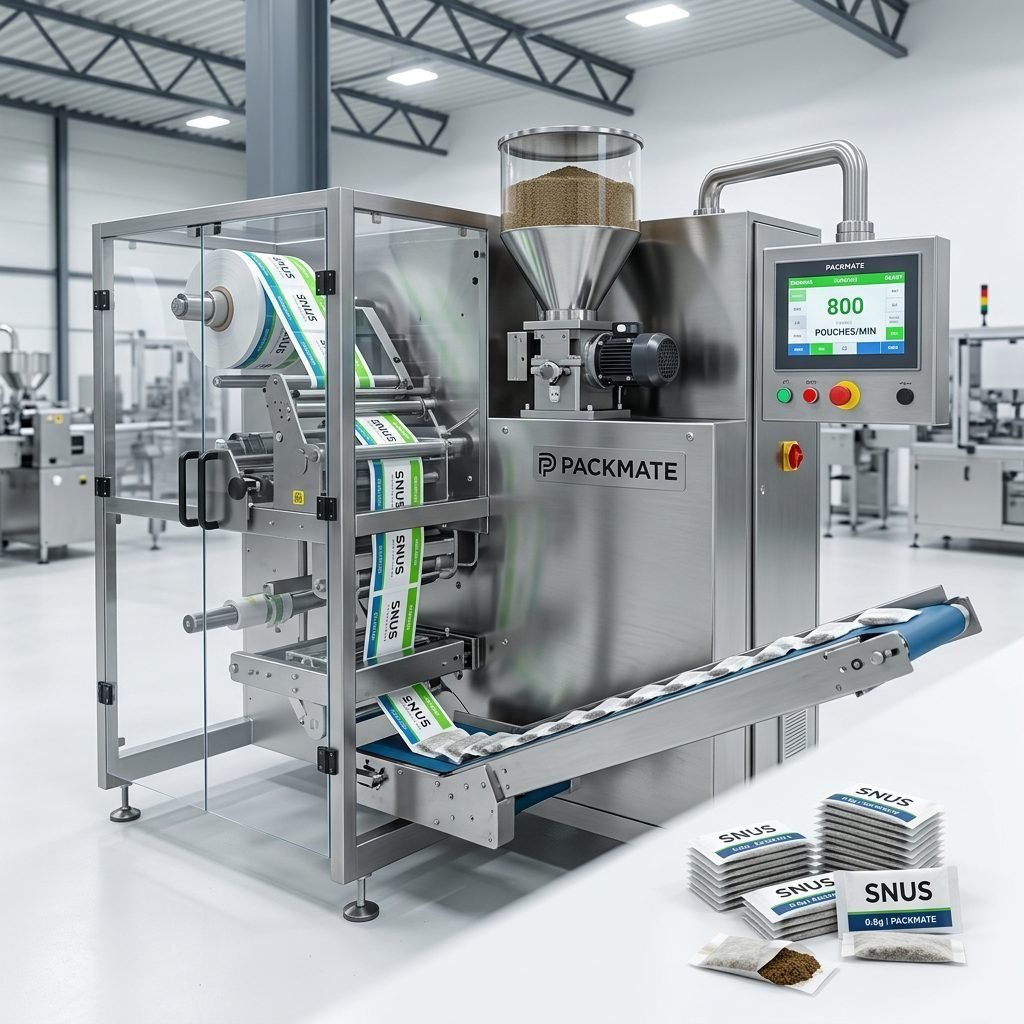
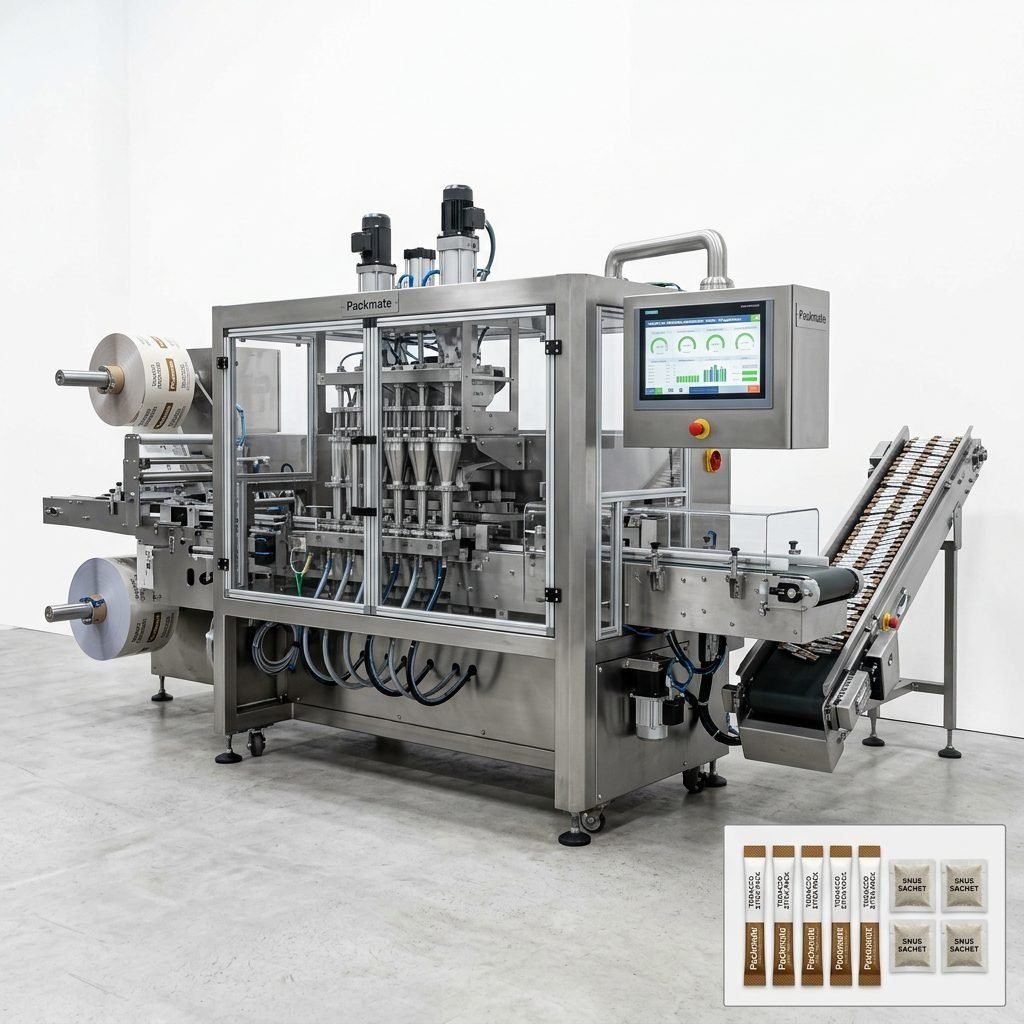
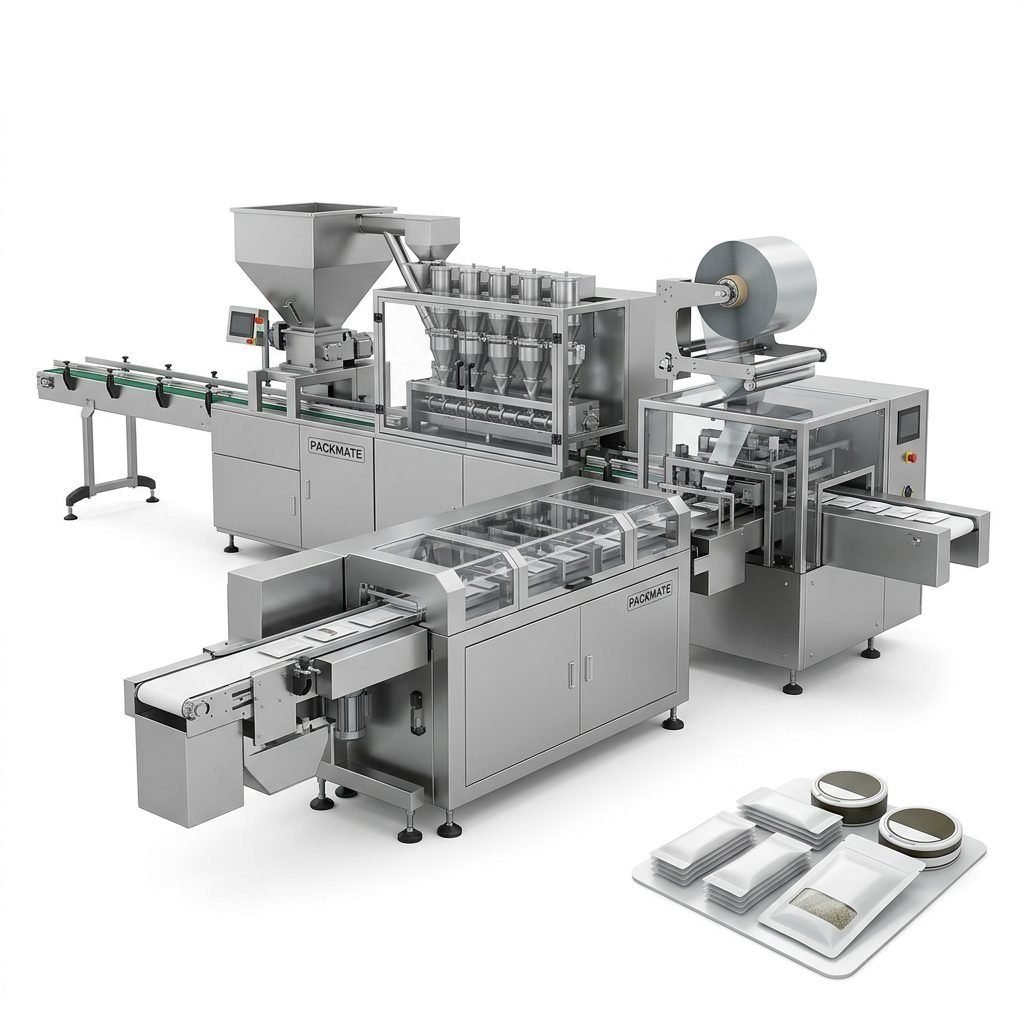
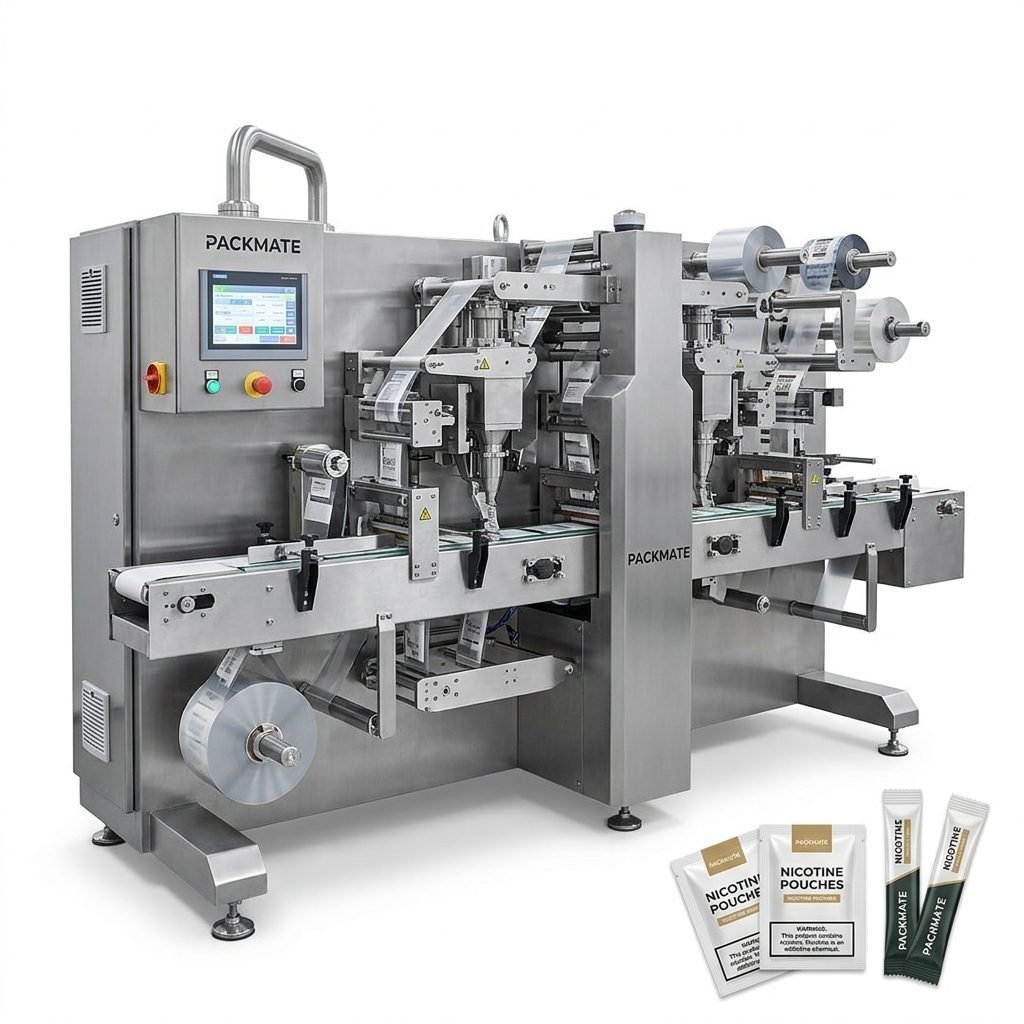
Look for manufacturers who specialize in snus, nicotine pouch, sachet, and stick pack technologies. Experience in small-dose multi-lane systems is especially valuable if you need high throughput with small pouches. Suppliers with a 20+ year engineering history show maturity in design and production processes.
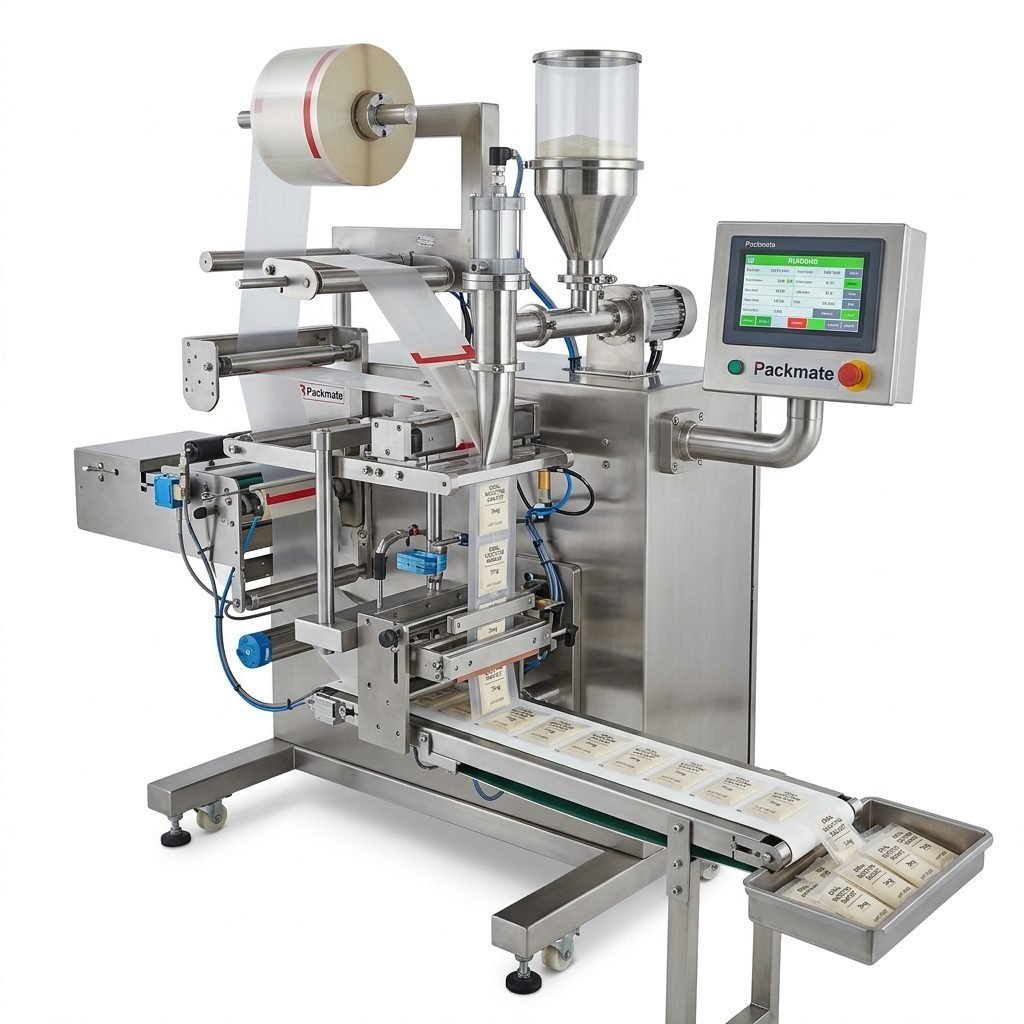
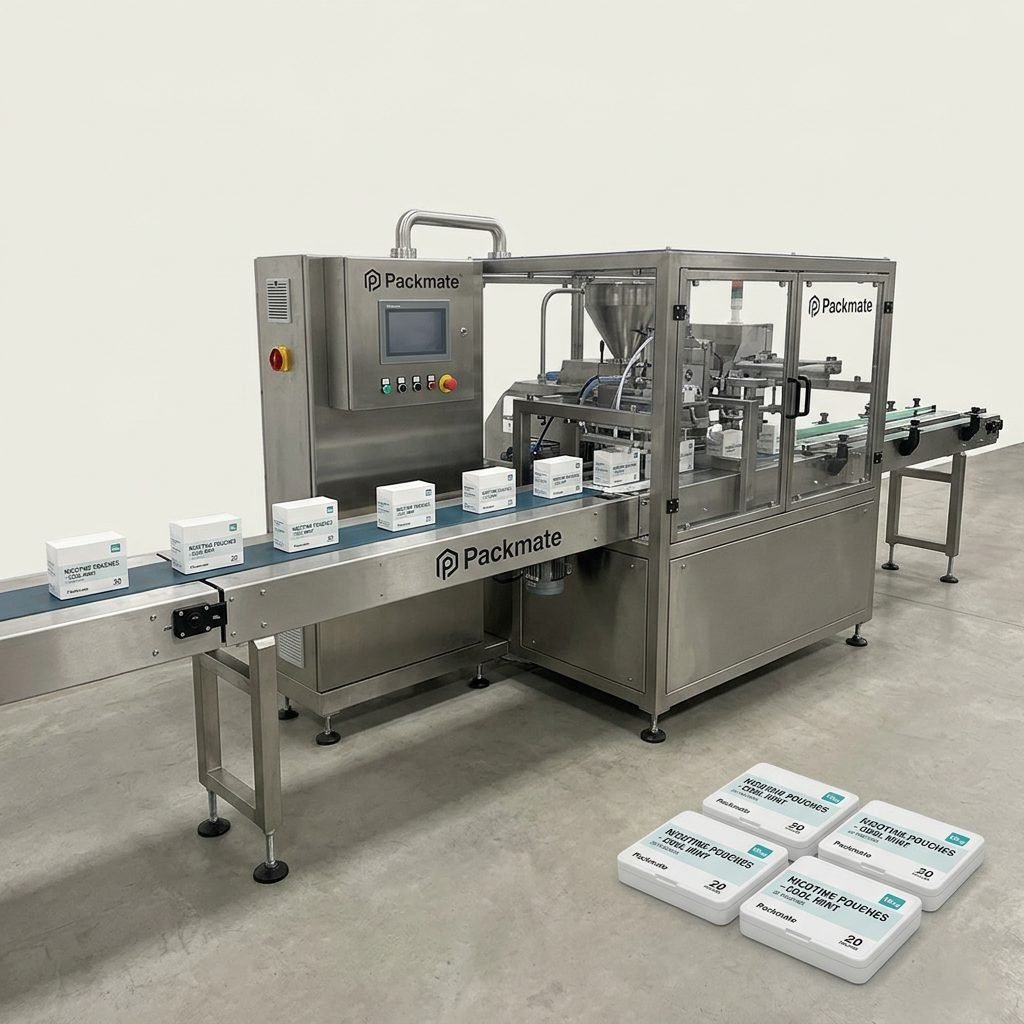
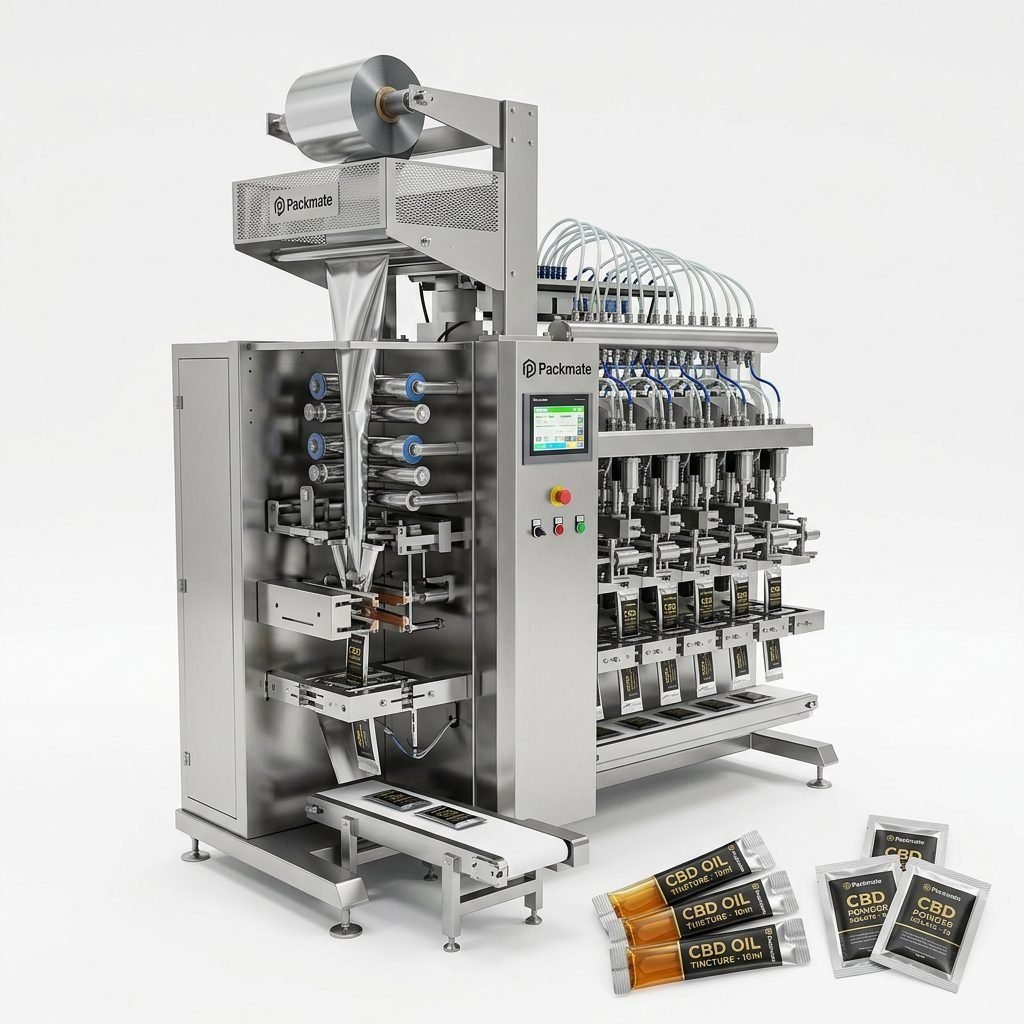
✓ Example capability to look for: multi-lane snus pouch machines, stick pack, and sachet lines with modular options for powders, granules, and liquids.
How to confirm product fit quickly
Ask for machine datasheets, layout drawings, and video demonstrations of the exact model or similar production lines. If available, ask for references in similar climates or regions. Manufacturers often present product portfolios such as Snus & Nicotine Packaging Machines — check those links and technical specs carefully.
Step 2 — Inspect factory capability and quality systems
A supplier’s manufacturing footprint indicates reliability. Key indicators include factory size, CNC capability, assembly lines, and testing facilities. Certifications such as CE and ISO are non-negotiable for international shipments and compliance documentation.
⚙️ Look for specific factory facts: floor area, number of models produced, and examples of precision equipment like CNC centers. These suggest a mature quality process and consistent machine tolerances.
Questions to ask during a factory check
Request videos or, if possible, visit the factory. Key items to verify include machining accuracy, spare parts inventory, final testing procedures, burn-in records, and sample production runs.
Step 3 — Evaluate technical specifications and customization
Ensure the machine matches your product characteristics: pouch size, filling accuracy, humidity control, sealing types, lane count, speed, and upstream/downstream compatibility. Good manufacturers provide modular designs that allow future upgrades without full replacement.
- Filling precision and dosing technology (weighing vs volumetric)
- Sealing quality and materials compatibility
- Multi-lane synchronization and changeover time
- PLC and HMI controls with language options
Red flags in technical proposals
Vague specifications, missing tolerance figures, or refusal to show test results are warning signs. Also avoid suppliers that cannot explain how their machine handles local power standards, dust, or environmental controls common in Afghanistan.
Step 4 — Confirm certifications, documentation and compliance
For nicotine-related products, clear documentation is essential for import clearance and regulatory compliance. Ask for copies of CE, ISO, and factory inspection reports. Also request detailed packing lists, operation manuals, electrical drawings, and spare parts lists.
Trusted manufacturers will provide detailed installation guides and testing certificates. If you need to export, ensure the supplier can support customs paperwork and provide export-friendly packing.
Step 5 — After-sales support and spare parts strategy
After-sales service is critical when working in regions where local OEM support is limited. Verify lead times for spare parts, remote diagnostic support, and availability of field engineers. Contractual guarantees on spare parts availability for minimum 5 years add long-term security.
ℹ️ Ask if the supplier offers training packages, remote commissioning, and spare parts kits tailored to your machine model and local conditions.
Step 6 — Logistics, shipping and installation planning
Clear logistics planning is mandatory. Shipping to Afghanistan may involve multi-modal transit and special permits for nicotine-related equipment. Confirm who arranges export customs, freight forwarding, and local delivery. Also clarify on-site installation responsibilities, customs clearance assistance, and estimated timelines.
Packaging and transit tips
Machines should be crated with shock protection and corrosion prevention. Request documentation showing seismic and impact testing where applicable, and ensure electrical panels are well sealed for dusty or humid environments.
Step 7 — Commercial terms, contracts, and risk mitigation
Avoid paying the full price upfront. Common practice is a deposit with staged payments linked to milestones: design approval, factory acceptance test (FAT), shipping, and successful installation. Ensure warranty terms are written into the contract and define responsibilities for transport damage and defects found after delivery.
Consider adding an acceptance test clause that stipulates performance metrics at handover. If possible, include service-level agreements (SLA) for response times to service calls and spare parts delivery.
Step 8 — Factory Acceptance Test (FAT) and sample runs
A FAT is the most effective way to confirm machine performance before shipment. Request witness access (remote or on-site) and insist on seeing production of representative samples under realistic conditions. Detailed FAT reports should include speed, accuracy, reject rates, and energy consumption.
✓ Key FAT deliverables: video proof of continuous run, sample pouches for testing, and signed FAT protocol.
Step 9 — Evaluate total cost of ownership (TCO)
Purchase price is only one component of cost. Factor in installation, training, spare parts, consumables, energy consumption, and expected lifespan. A slightly higher initial investment may deliver lower TCO through higher efficiency, fewer stoppages, and longer service intervals.
TCO checklist
- Energy efficiency and compressed air consumption
- Wear parts and their expected lifetimes
- Availability of local technicians or remote support
- Spare parts shipping times and costs
Step 10 — Make the final selection and prepare for launch
Rank vendors based on technical fit, factory capability, references, certifications, logistics readiness, and TCO. Before signing, ensure all contractual terms are clear and that the supplier commits to a timeline for delivery, installation, and acceptance.
Practical onboarding tips
Plan a project timeline with clear milestones. Book local engineers or translators for installation if necessary. Prepare the production area, utilities, and safety measures in advance to reduce commissioning time.
Useful resources and links
For product references and technical portfolios, explore manufacturer product pages and company profile materials before shortlisting. Relevant links include: Snus & Nicotine Packaging Machines, About Packmate, and real-world installations in the Case section. Use the Contact Us page to start direct communication and request customized proposals.
Common pitfalls and how to avoid them
Avoid choosing purely on price, skipping the FAT, ignoring spare parts availability, or accepting vague warranty terms. Make sure the supplier can demonstrate track record, provide verification tests, and support cross-border logistics to Afghanistan.
⚠️ Important: Always keep a written FAT checklist and a clearly defined warranty clause to prevent disputes after delivery.
Final checklist before signing
- Factory credentials and certifications verified
- FAT plan and sample production agreed
- Warranty, spare parts availability, and SLA documented
- Logistics, packing, and customs responsibilities defined
- Payment milestones tied to verifiable deliverables
Conclusion
Choosing a reliable nicotine packaging machine manufacturer for Afghanistan is a strategic process: verify technical fit, inspect factory strength, demand clear documentation, and secure robust after-sales support. Prioritize total cost of ownership and factory acceptance testing to ensure your investment translates into steady production and long-term value.
Frequently Asked Questions
Q1: How important is a Factory Acceptance Test (FAT)?
A1: A FAT is essential. It verifies machine performance under controlled conditions and reduces the risk of on-site surprises. Ensure you receive a signed FAT report and sample pouches for independent testing.
Q2: What certifications should I request from a packaging machine supplier?
A2: At minimum request CE and ISO certifications, plus any export and electrical compliance documents relevant to the destination country. Also ask for material, welding, and component traceability if available.
Q3: How can I ensure spare parts availability in Afghanistan?
A3: Negotiate spare parts stocking terms in your contract, request a minimum years-of-supply guarantee (e.g., 5 years), and consider stocking critical wearable parts locally to minimize downtime.
Q4: Is remote commissioning reliable for initial setup?
A4: Remote commissioning can be effective when combined with thorough documentation, video guidance, and local technical support. For complex lines, plan for at least one on-site visit from the supplier or an authorized technician.
Q5: Where can I review real-world cases and contact suppliers?
A5: Review project case studies on supplier websites and contact the manufacturer directly via their Contact Us page to request references, FAT records, and tailored proposals.