Selecting the best nicotine packaging machine in Italy requires a clear understanding of your production goals, regulatory environment, and long-term operational needs. This guide walks you through practical steps to evaluate machine types, technical specifications, supplier credentials, and total cost of ownership so you can make an informed investment that scales with your business.
Understand Your Production Profile
Start by documenting what your line must achieve. Consider daily output targets, product format (loose nicotine pouches, snus sachets, stick packs), pouch size variability, and desired packaging materials. Typical questions include:
Tip ✓
Quantify your maximum, average, and minimum hourly outputs. This clarity prevents under- or over-specifying machine capacity.
Choose the Right Machine Type
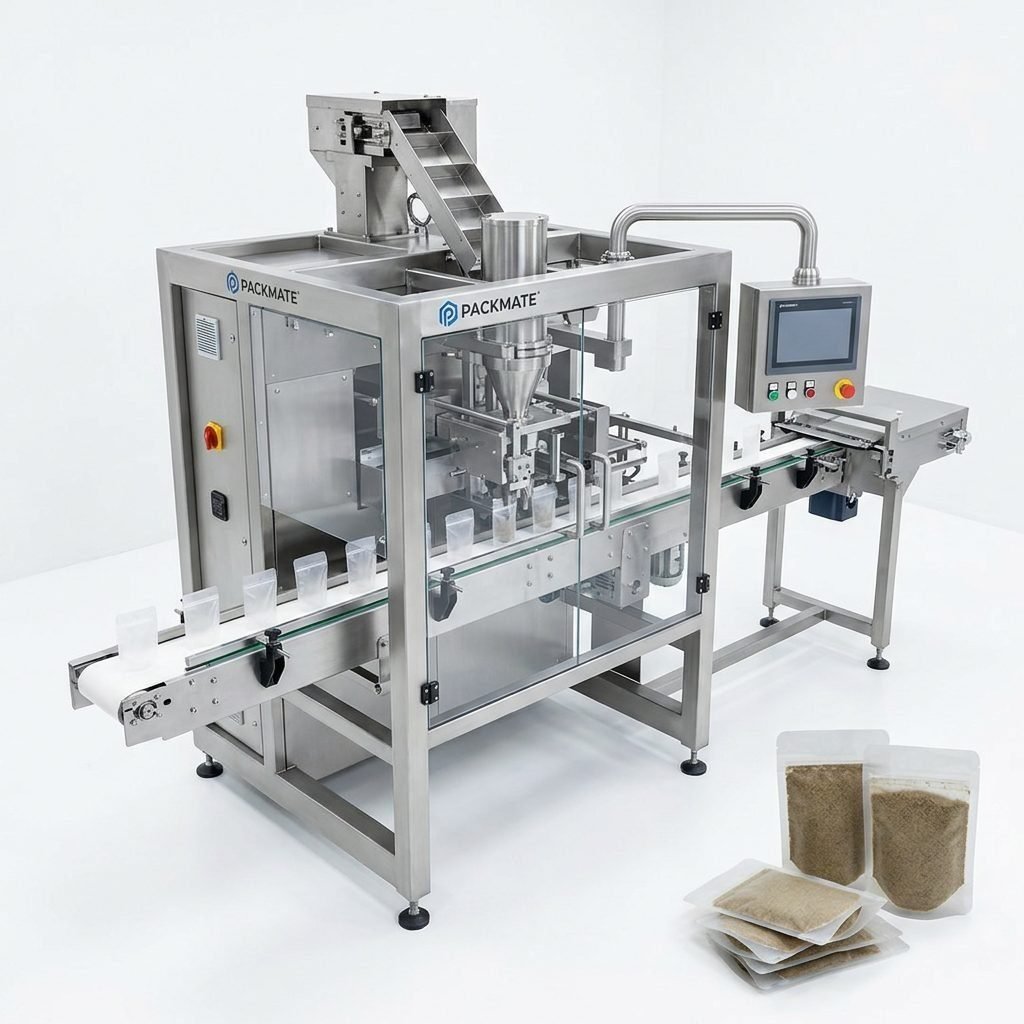
The nicotine pouch segment can be served by several packaging machine families. Matching product characteristics to machine architecture is critical:
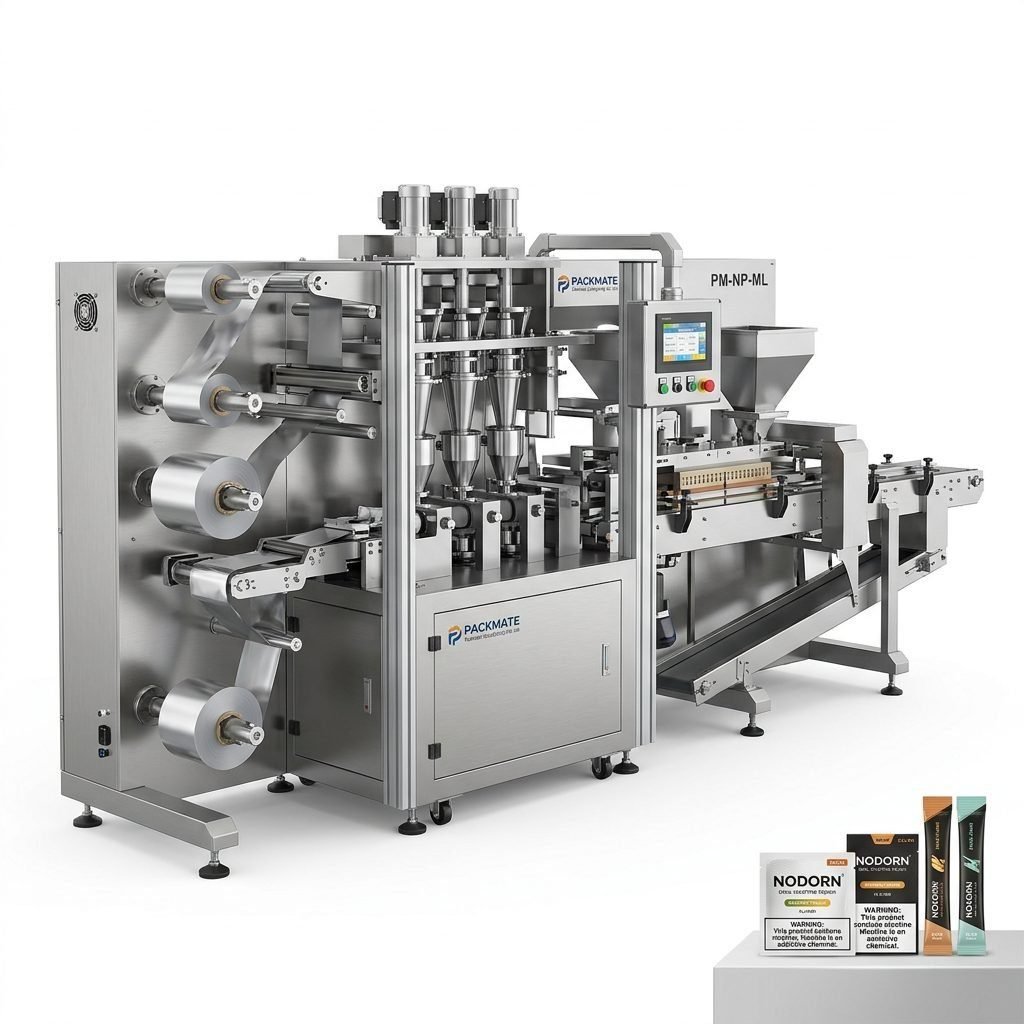
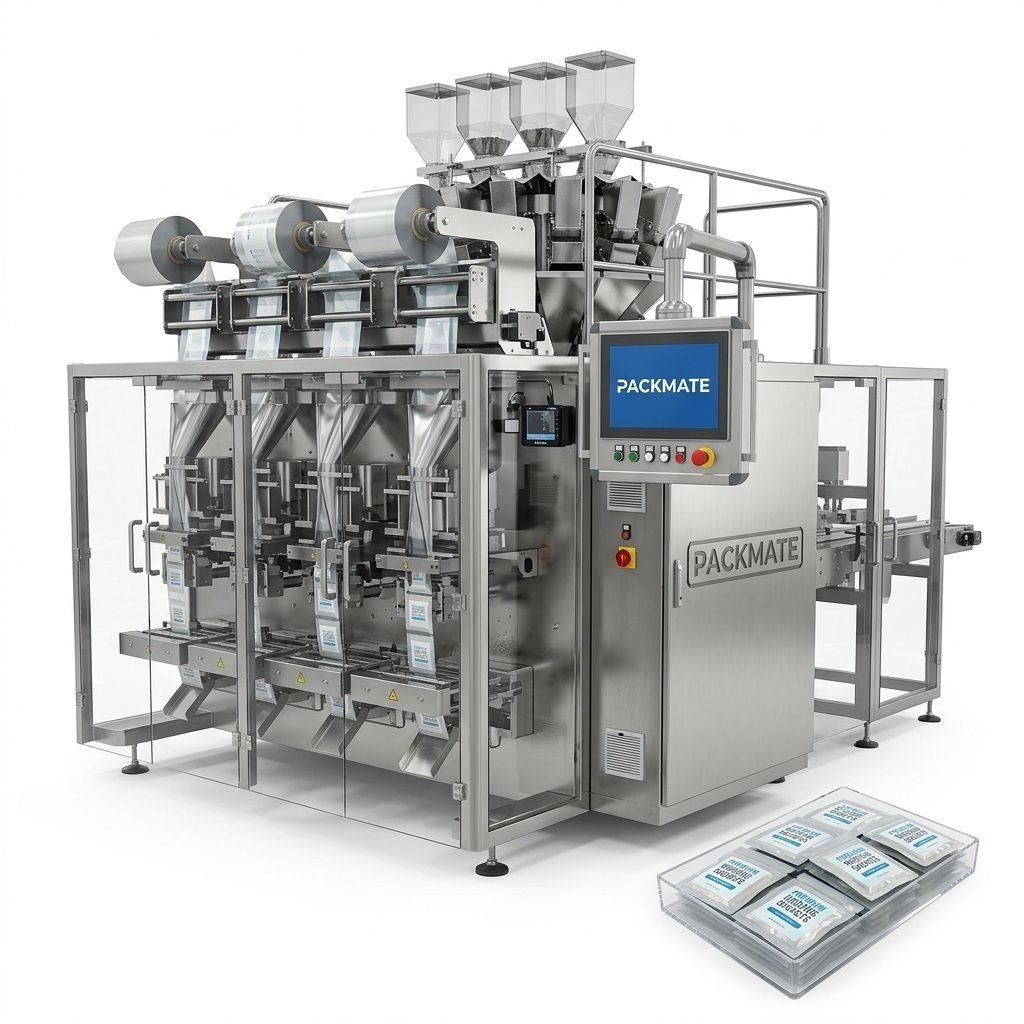
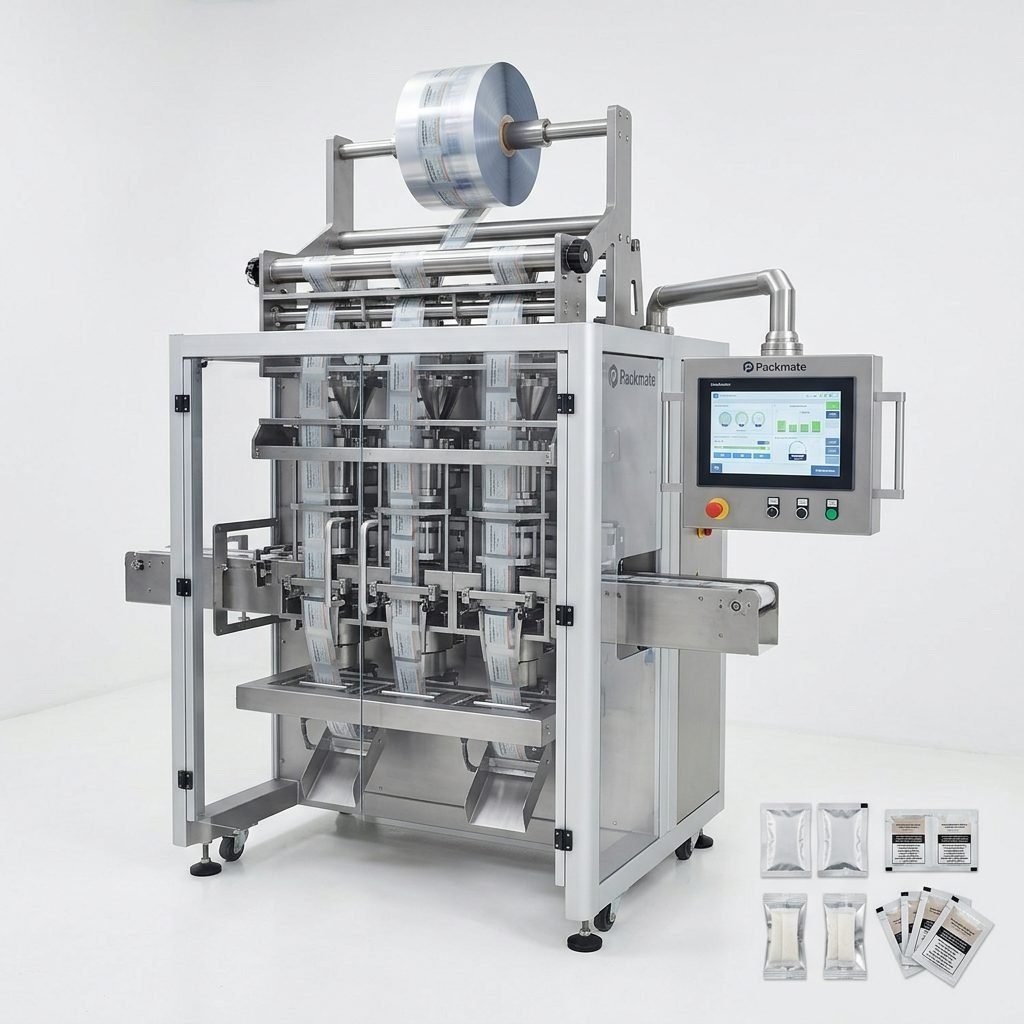
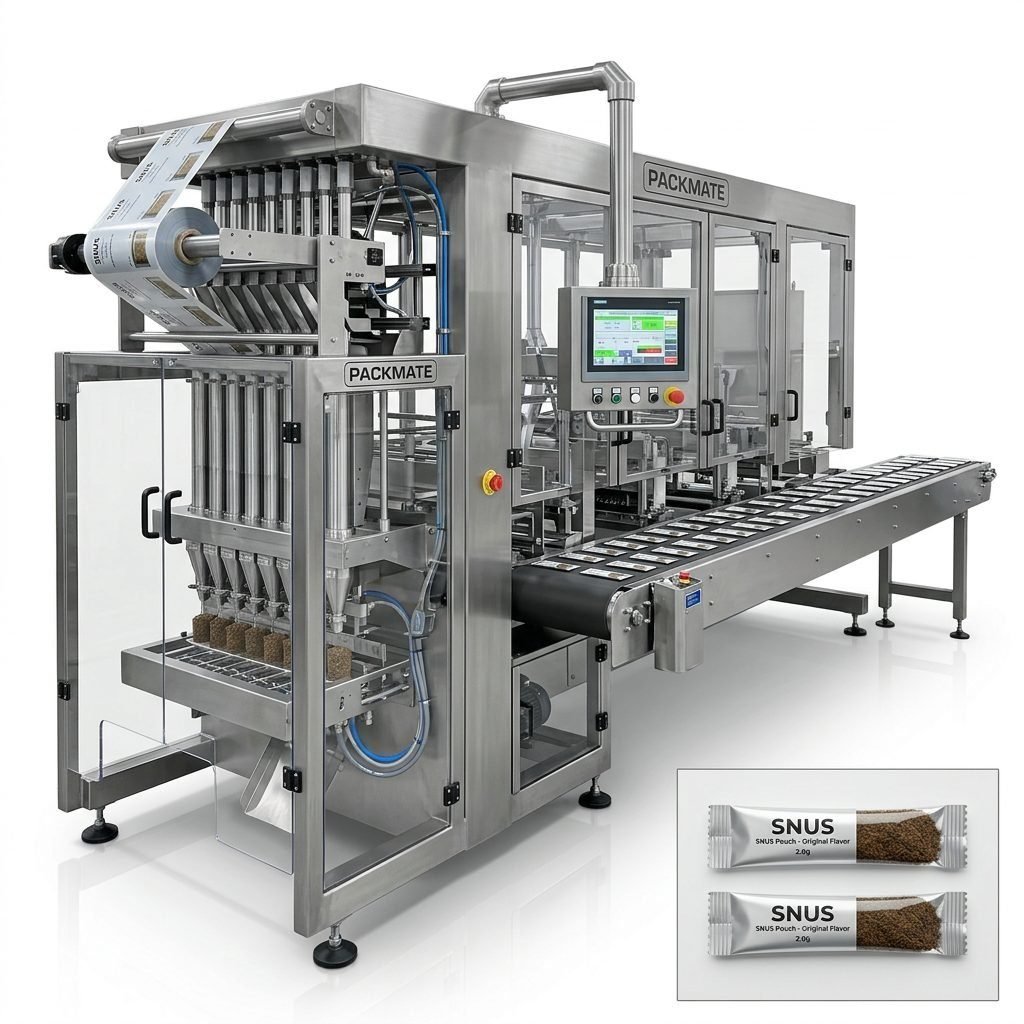
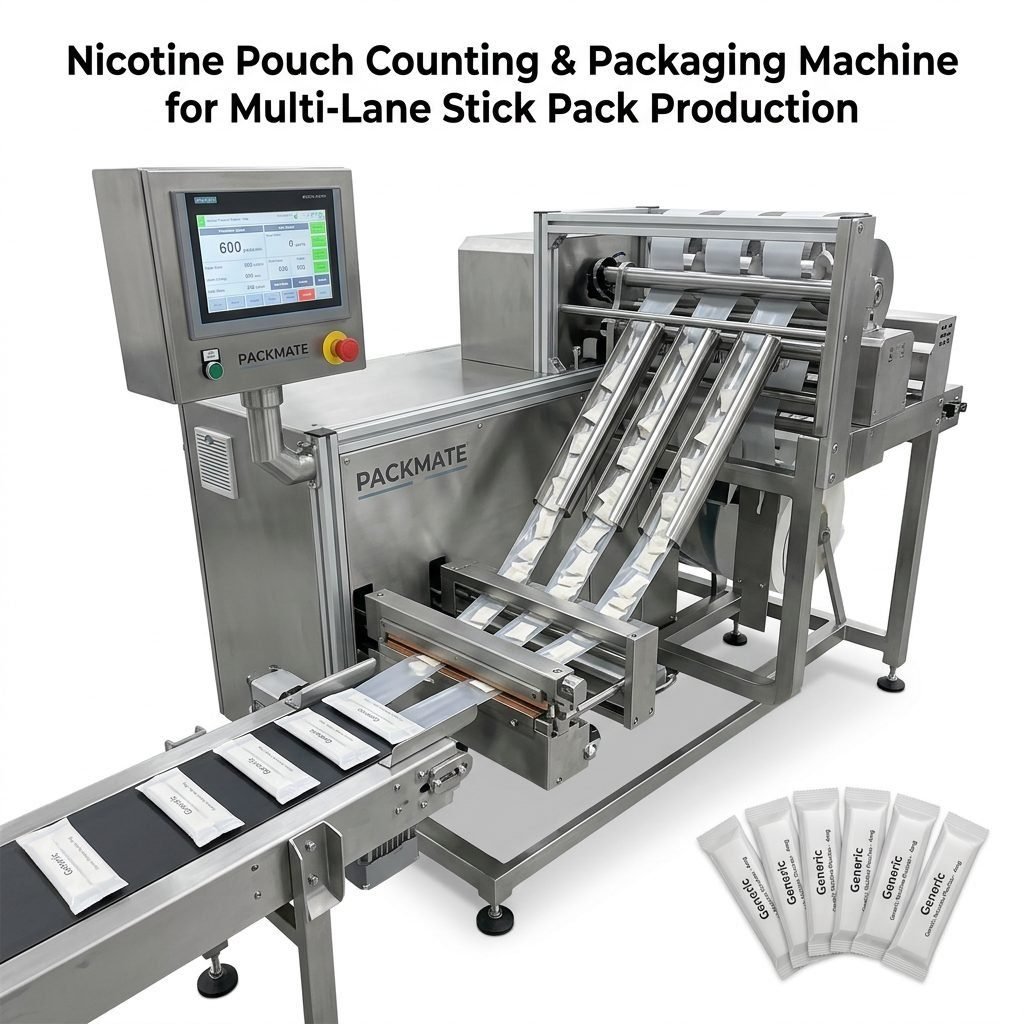
Multi-lane pouch machines — Ideal for high-throughput, small-dose nicotine pouches (multi-lane systems increase output without a proportional footprint increase).
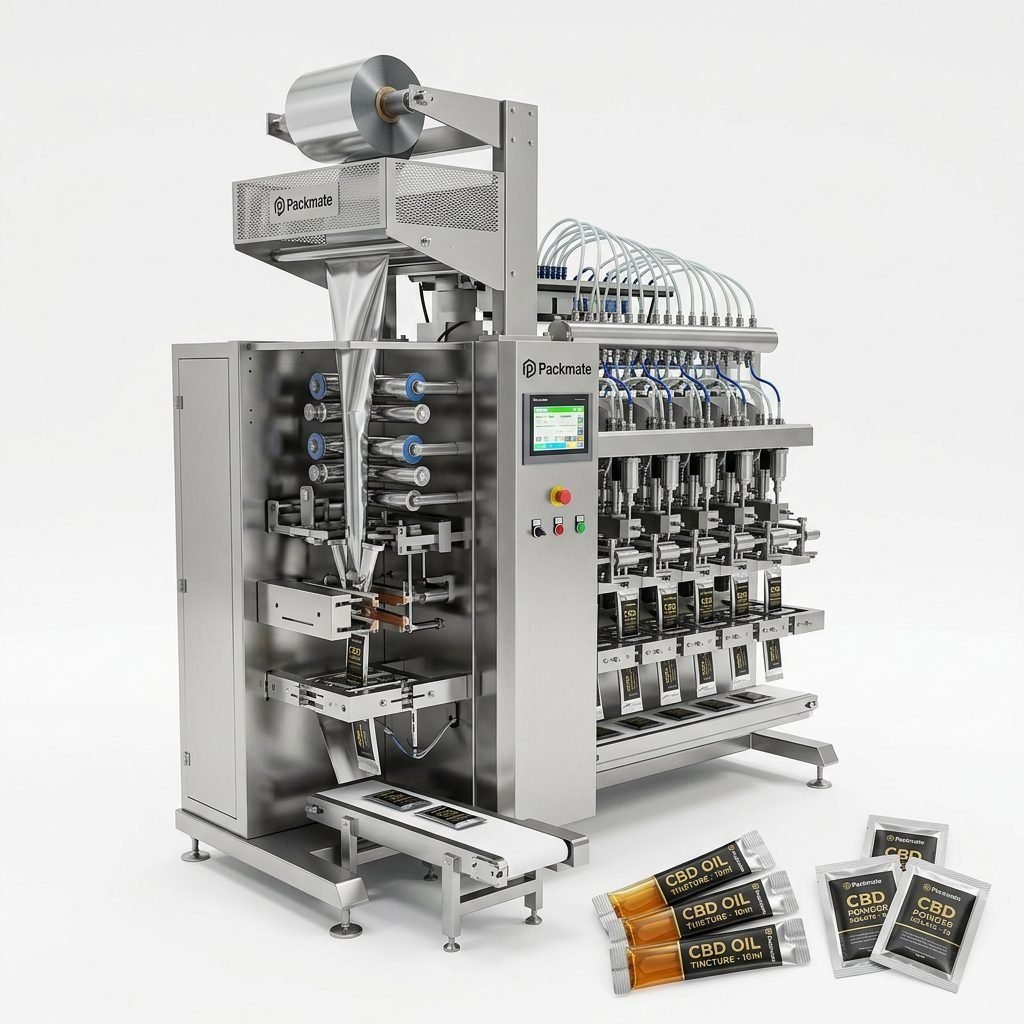
Sachet & stick pack machines — Suitable when the product needs sachets or single-serve stick formats; often used for nicotine lozenges or liquid-based products.
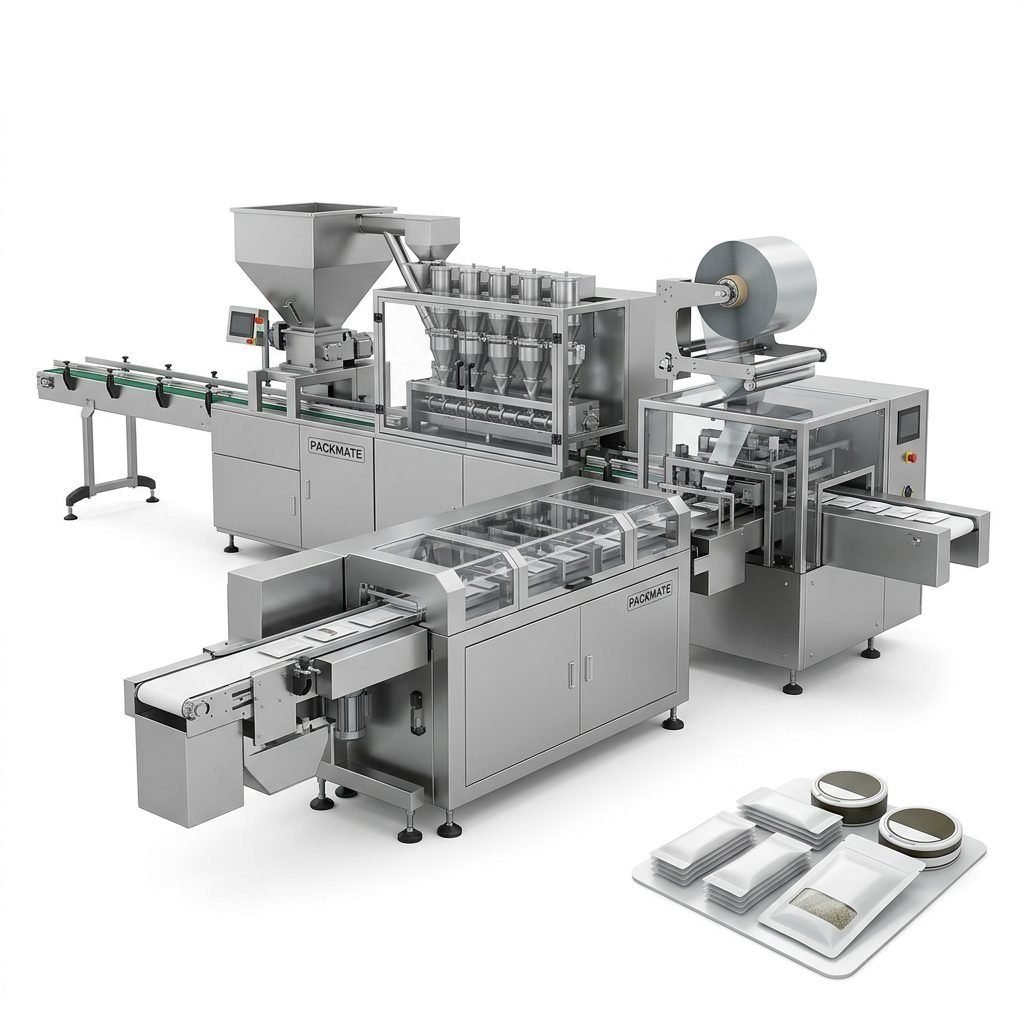
Filling & packaging lines — End-to-end solutions that integrate dosing, sealing, and secondary packing. Useful when you need a turnkey line with unified control.
Quick links for machine types
Explore machine options and line architectures:
Snus & Nicotine Packaging Machines,
Sachet & Stick Pack Machines, and
Filling & Packaging Lines.
Critical Technical Specifications to Compare
When comparing machines, evaluate a balanced set of specifications rather than a single metric like maximum speed. Important factors include:
Throughput and Lanes
Look at pieces per minute per lane and the number of lanes. Multi-lane machines (4, 6, 8 lanes or more) can multiply throughput while keeping footprint compact — ideal for nicotine pouches where dose size is small.
Dosing Accuracy & Weighing
Dosing precision affects product consistency and compliance. If your process includes powders or granules, verify compatibility with weighing systems or auger/volumetric fillers. Check reject rates and calibration routines.
Sealing Integrity & Materials
Packaging materials (foil, laminate, paper) and the sealing method (continuous heat, impulse, ultrasonic) determine shelf life and tamper evidence. Ensure the machine supports your chosen film types and provides stable seal control.
Automation & Control
Modern machines offer PLC-based control, HMI touchscreens, recipe management, and remote diagnostics. Choose systems that reduce changeover time with quick tooling or servo-driven adjustments.
Operational Considerations
A profitable machine is more than speed — consider ergonomics, maintenance, spare parts availability, and operator training.
Key focus ⚙️
Mean Time Between Failures (MTBF) and simple maintenance access for belts, blades, and sensors reduce downtime. Verify local service capability or a committed spare parts plan.
Changeover and Flexibility
If you plan to run multiple SKUs, look for fast changeover features: adjustable lanes, modular tooling, and recipe recall. A flexible machine reduces production losses and supports seasonal or promotional SKUs.
Hygiene & Cleanability
Materials that contact product should use food-grade stainless steel and easy-to-clean surfaces. For nicotine, ensure seals prevent cross-contamination and that the machine supports required sanitation cycles.
Regulatory Compliance and Certifications
In Europe, compliance and traceability are essential. Choose machines from manufacturers with CE certification and experience supporting regulatory documentation. Ask about machine validation, IQ/OQ documentation, and material traceability.
Packmate note: A supplier with international certifications and exhibition presence demonstrates both product maturity and exposure to global regulatory needs. Visit their profile pages like
About Packmate and check certifications at
Certificate.
Selecting a Reliable Supplier in Italy
Local support is a major advantage. When evaluating suppliers, consider factory footprint, years of experience, machine variety, and global case studies. Suppliers that offer turnkey solutions simplify project delivery.
Look for:
- Clear factory capabilities and CNC precision machining
- Proven multi-lane systems for nicotine pouches
- Turnkey delivery, commissioning, and operator training
Packmate’s 20,000㎡ facility and 30+ years of engineering (with 50+ machine models) highlight the importance of supplier scale and R&D depth — factors that reduce project risk. For real-world examples, review their global case studies at
Case.
Customization, Turnkey Projects & Integration
Customization is often necessary — whether adding more lanes, inline weighing, or secondary packing. Discuss electrical standards for Italy (CE compliance), language localization for HMIs, and the integration of upstream dosing and downstream cartoning.
Integration ✓
Plan for data capture and Industry 4.0 readiness — recipe logs, OEE reporting, and remote support cut total ownership cost.
Installation, Training & After-Sales Support
A contract should clearly define installation scope, acceptance testing, spare parts kits, and training. Fast spare parts delivery and remote troubleshooting ensure uptime — verify lead times and local stocking options.
Consider suppliers that offer scheduled preventive maintenance programs and extended warranty options. For ongoing service and documentation, see Packmate’s
Service and
FAQs.
Assessing Total Cost of Ownership (TCO)
Purchase price is just one component. Calculate energy consumption, spare parts, changeover time, labor costs, waste rates, and expected depreciation. High-efficiency multi-lane machines can lower TCO despite higher initial cost.
ROI Focus
Model several scenarios — conservative, expected, and optimistic throughput — to estimate payback period accurately.
Practical Buying Checklist
Use this quick checklist when visiting suppliers or evaluating proposals:
- Does the machine meet required throughput with spare capacity?
- Are sealing, material handling, and dosing compatible with your pouch/film?
- Is CE certification and IQ/OQ documentation provided?
- What is included in the warranty, and what spare parts are recommended?
- Is operator training and onsite commissioning included in the scope?
- Are there references or case studies for similar nicotine packaging projects?
Why Choose an Experienced Manufacturer
Working with an established manufacturer reduces project risk. Experience in multi-lane snus production, a large model range, and a strong manufacturing base ensure robust machine design and reliable spare part availability.
For full-package solutions, explore additional equipment such as weighing systems and auxiliary units:
Weighing & Packaging Systems and
Auxiliary Packaging Equipment.
Final Evaluation and Next Steps
Shortlist 2–3 suppliers, request site visits or video demonstrations, and ask for a factory acceptance test (FAT) before shipment. Confirm delivery timelines, installation plans, and acceptance criteria in writing.
If you need tailored turnkey solutions or want to review similar installations, check detailed offerings and catalogs at
Catalog and contact the manufacturer via
Contact Us.
Conclusion
Choosing the best nicotine packaging machine in Italy requires balancing throughput, flexibility, regulatory compliance, and after-sales support. Prioritize vendors with proven multi-lane snus experience, consult case studies, and plan for total cost of ownership — these steps will help you invest wisely and scale production reliably.
Common Questions
Q1: What is the best machine type for high-volume nicotine pouches?
Multi-lane pouch packaging machines are typically the best choice for high-volume, small-dose nicotine pouches because they multiply output while maintaining a compact footprint and consistent dosing.
Q2: How important is CE certification and documentation?
CE certification and proper IQ/OQ documentation are essential in Europe for regulatory compliance and machine acceptance. They also simplify import and installation processes across EU countries.
Q3: Should I buy a turnkey line or assemble machines from different vendors?
Turnkey lines offered by experienced manufacturers reduce integration risk, ensure compatibility, and provide a single point of responsibility for commissioning and after-sales support. However, selective buying may be suitable if you have strong in-house integration capabilities.
Q4: What post-sale services should I insist on?
Insist on clear spare parts lists, recommended spare kits, remote diagnostics, onsite commissioning, operator training, and agreed response times for critical parts.
Q5: Where can I find proven nicotine packaging solutions and references?
Review manufacturer case studies and product pages for proven solutions. Start with
Snus & Nicotine Packaging Machines and explore real-world projects at
Case.