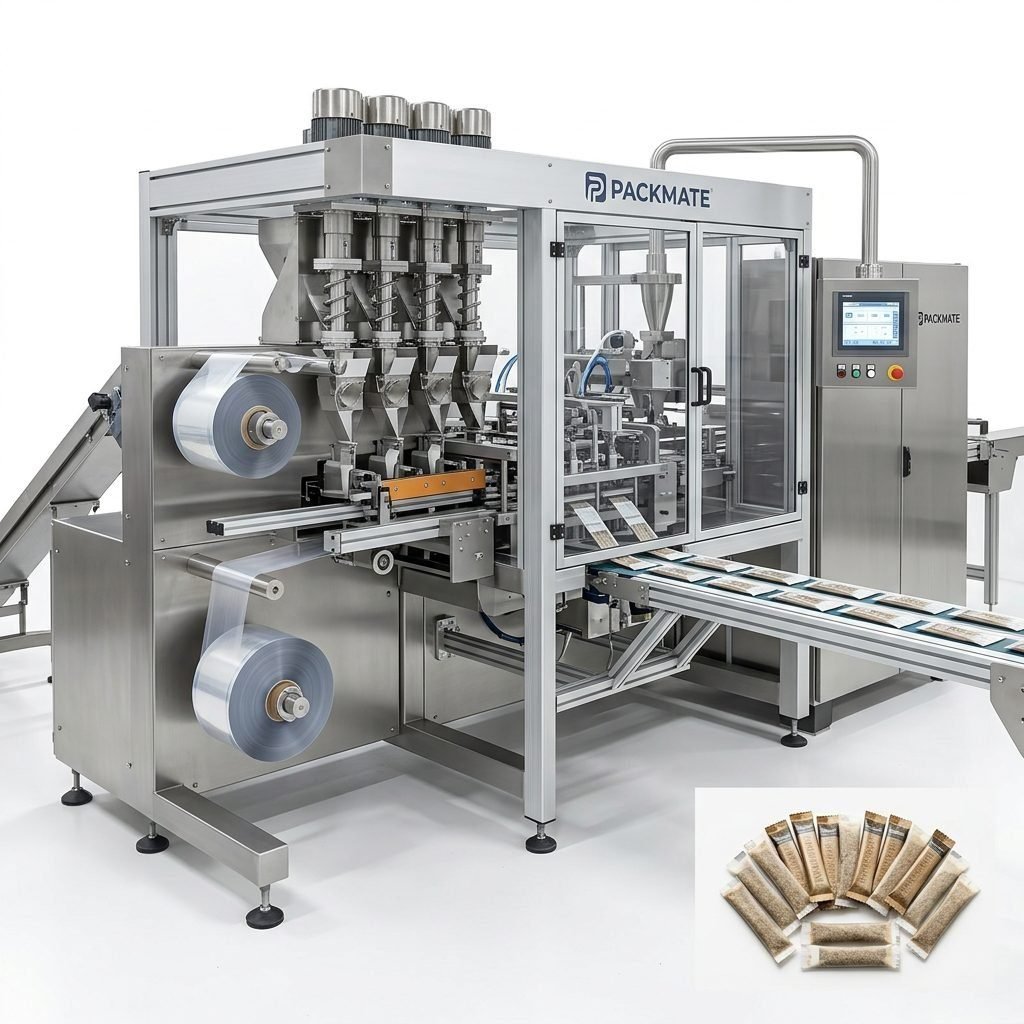
Improving the efficiency of a snus production line requires a balanced approach across equipment, processes, and people. Whether you’re running a single-lane snus pouch machine or a high-speed multi-lane packaging line, targeted strategies can significantly boost output and reduce downtime without sacrificing product quality. This guide walks you through practical, actionable steps—rooted in packaging engineering best practices—to increase throughput, lower waste, and keep your line running reliably.
1. Start with a Clear Baseline: Measure Current Performance
Before making changes, capture the line’s current performance metrics. Track:
✓ Production rate (packs/min or pouches/min) • Overall Equipment Effectiveness (OEE) • Mean Time Between Failures (MTBF) • Mean Time To Repair (MTTR) • Scrap and rework rates. These numbers help prioritize improvements and quantify gains.
Quick tip
Capture baseline data over a representative period (at least one full production week) including changeovers and maintenance events. A realistic baseline avoids overoptimistic targets.
2. Identify Bottlenecks: Where Is the Line Slowing Down?
Walk the line and use data to find the true bottlenecks. Common pressure points include:
⚙️ Feeding and dosing systems that struggle with powder or hygroscopic ingredients
⚙️ Form-fill-seal stations that stall due to pouch handling issues
⚙️ Labelling or case packing steps that cannot keep pace with upstream speeds
⚙️ Insufficient buffering or accumulation between machines leading to frequent stops.
Diagnostic approach
Use simple time-motion studies, PLC logs, and operator interviews. Look at cycle times and variability—reducing fluctuation often improves overall throughput more than raising theoretical top speed.
3. Preventive Maintenance and Predictive Care
A robust maintenance program is the backbone of high availability. Replace reactive maintenance with scheduled preventive tasks and add condition monitoring where possible.
Key actions: implement lubricant schedules, vibration checks on motors, thermal imaging for electrical cabinets, and scheduled replacement intervals for wear parts such as belts, jaws, and seals.
Use predictive tools
Consider adding sensors that feed runtime and vibration data to a simple dashboard. Early detection of bearing wear or belt drift avoids unscheduled stops and expensive emergency repairs.
4. Optimize Changeovers and Line Balancing
Frequent changeovers can drastically reduce effective production time. Apply SMED (Single-Minute Exchange of Die) principles to minimize downtime during format changes.
Important steps include standardized setup checklists, pre-staged tooling, quick-release fixtures, and parallelized tasks so multiple operators can prepare simultaneously.
Balancing multi-lane systems
For multi-lane snus lines, ensure upstream and downstream module speeds are harmonized. Unbalanced lanes lead to frequent accumulation and stoppages. Fine-tune pouch feeding, transfer timing, and sealing jaws to match lane throughput.
5. Upgrade Controls & Automation Strategically
Upgrading PLC logic, HMI screens, and integrating machine-to-machine communication reduces operator error and improves responsiveness. Simple improvements can yield large gains.
Examples: auto-adjusting feed rates, recipe-based setup, servo synchronization across feeders and sealers, and automatic alarm escalation to maintenance teams.
6. Improve Material Handling and Supply Chain Readiness
Downtime for material shortages is preventable. Optimize your material replenishment with kanban or min-max inventory rules for high-use components like sachets, adhesives, and spare parts.
Streamline upstream handling: ensure powder hoppers feed consistently, anti-caking measures are in place, and pouch rolls are stored to prevent edge deformation that causes feeding jams.
7. Staff Training, SOPs, and Operator Empowerment
Skilled operators and clear SOPs yield faster troubleshooting and fewer stoppages. Train teams on common fault codes, quick fixes, and preventive checks. Use competency matrices to track skill coverage across shifts.
Empower operators with authority to stop the line for quality-critical issues and to escalate mechanical concerns immediately. A culture that values timely reporting prevents minor issues from becoming major failures.
8. Quality Control: Reduce Rework and Waste
Frequent rejects reduce effective capacity. Tighten inline quality checks—weight controls, seal integrity testing, and visual inspection stations—so you catch problems early.
Consider installing automatic weight-checking systems and reject stations to remove out-of-spec pouches without stopping the entire line.
9. Use Data to Drive Continuous Improvement
Establish KPIs and review them at regular intervals. Key metrics include OEE, first-pass yield, downtime frequency, and average changeover time. Hold short, focused reviews with operators and engineers to prioritize fixes.
Implement simple dashboards on the shop floor and tie alarms to ticketing systems so each stop is logged, categorized, and assigned an owner for corrective action.
10. Hardware Improvements: When to Retrofit or Replace
Evaluate critical equipment for upgrade potential. Common retrofits include higher-precision dosing heads, upgraded sealing jaws for faster dwell times, or converting mechanical drives to servo systems for better synchronisation.
If a machine is repeatedly causing downtime despite repairs, calculate lifecycle costs: frequent repairs, lost production, and quality penalties may justify replacement with a modern, higher-throughput model.
Solution resources
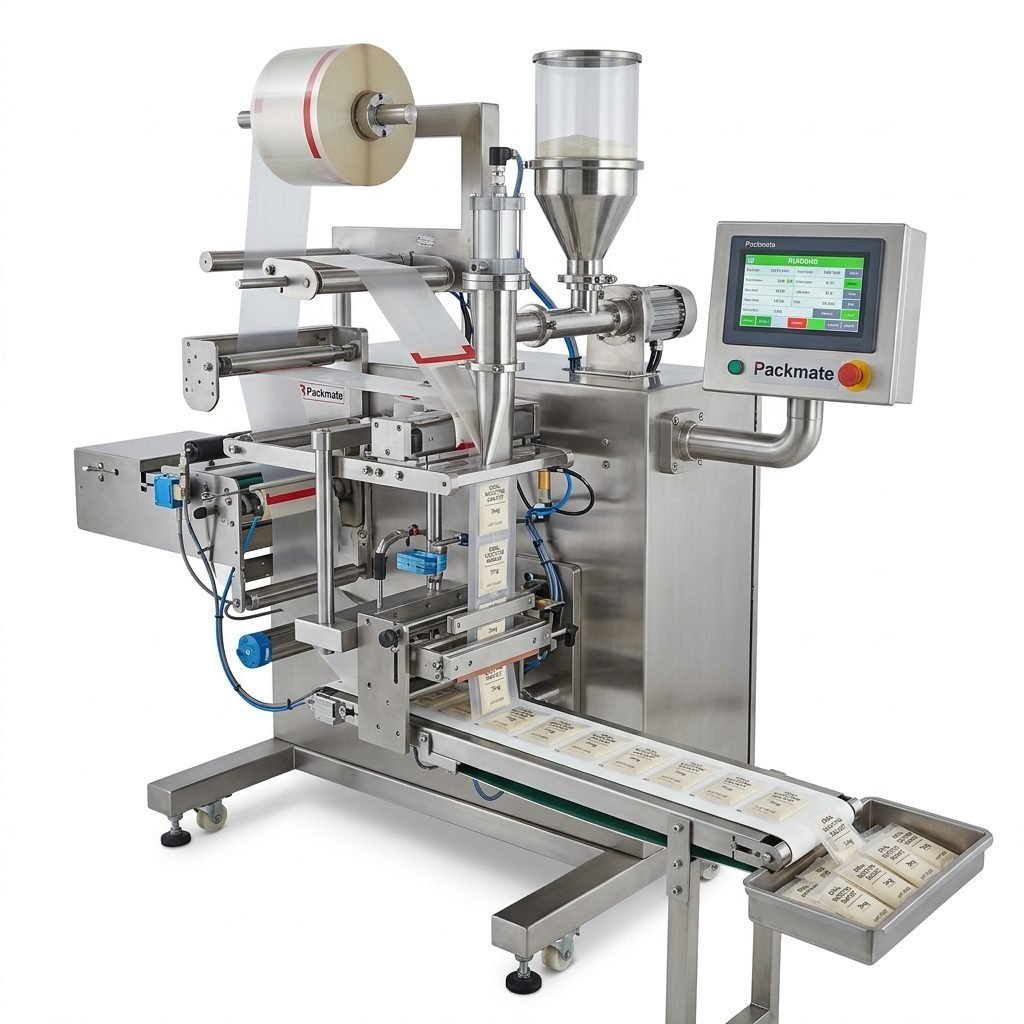
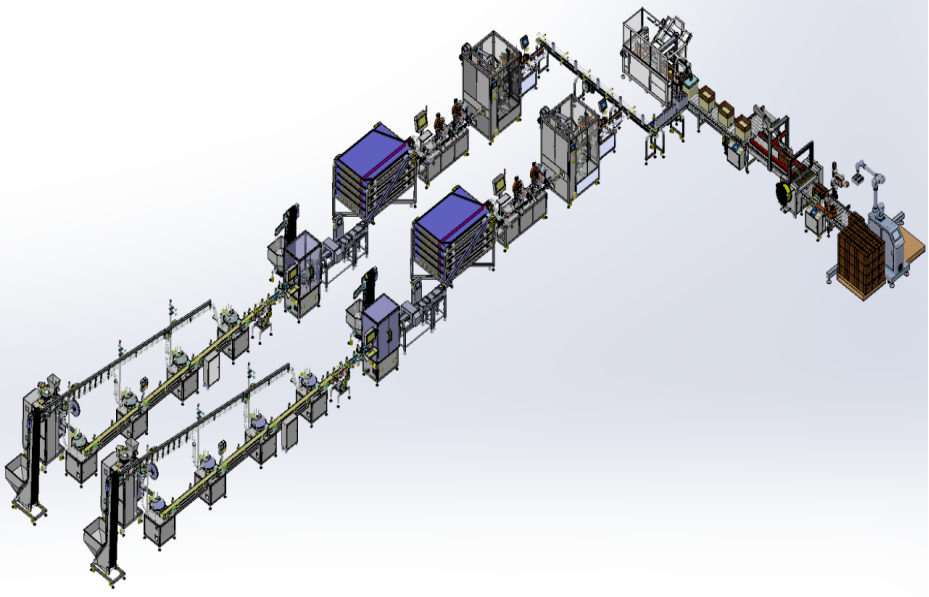
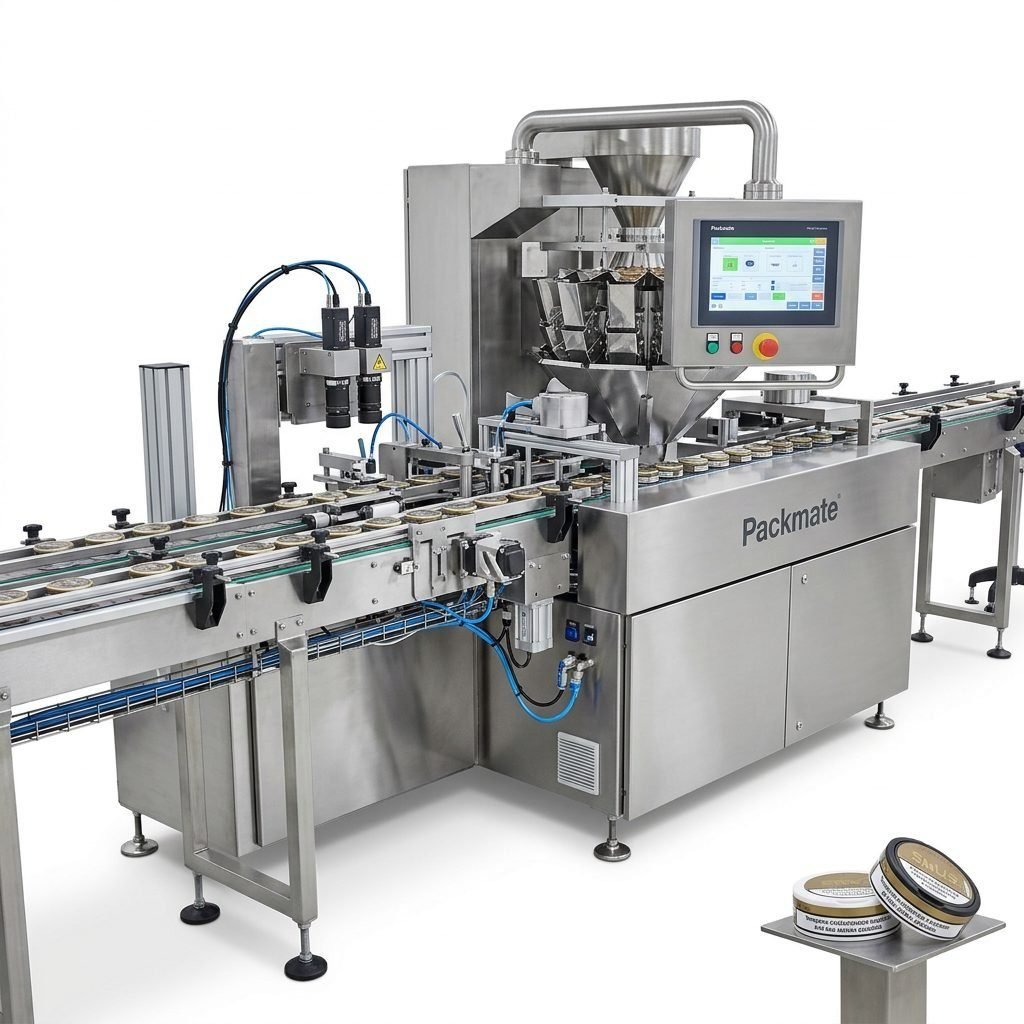
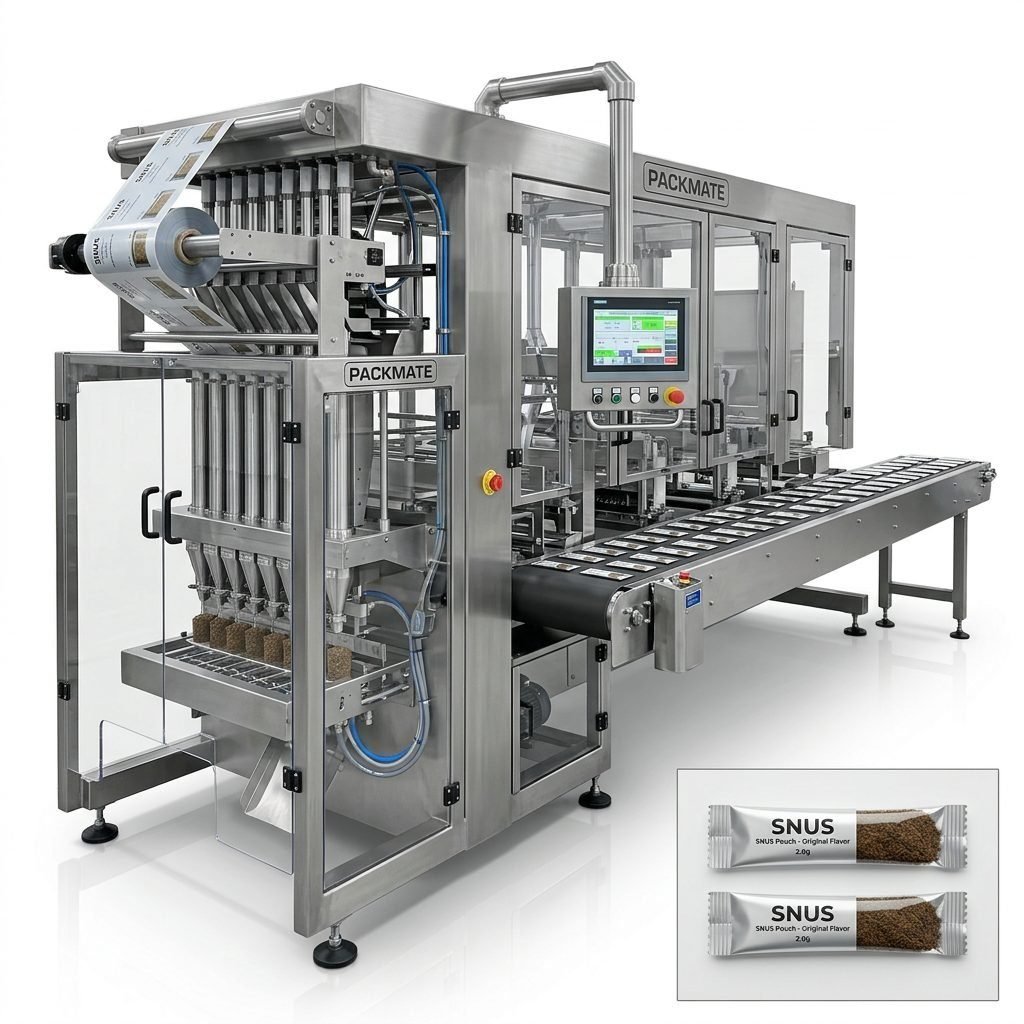
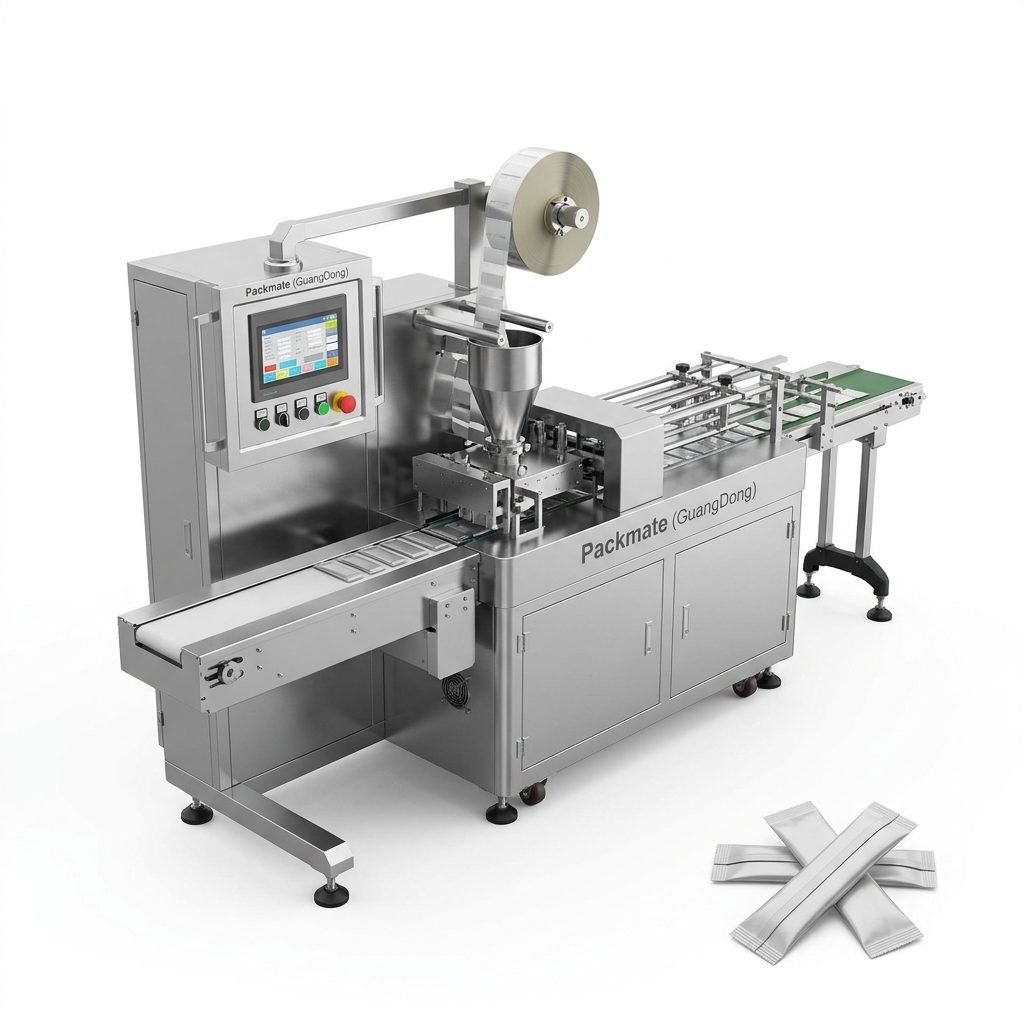
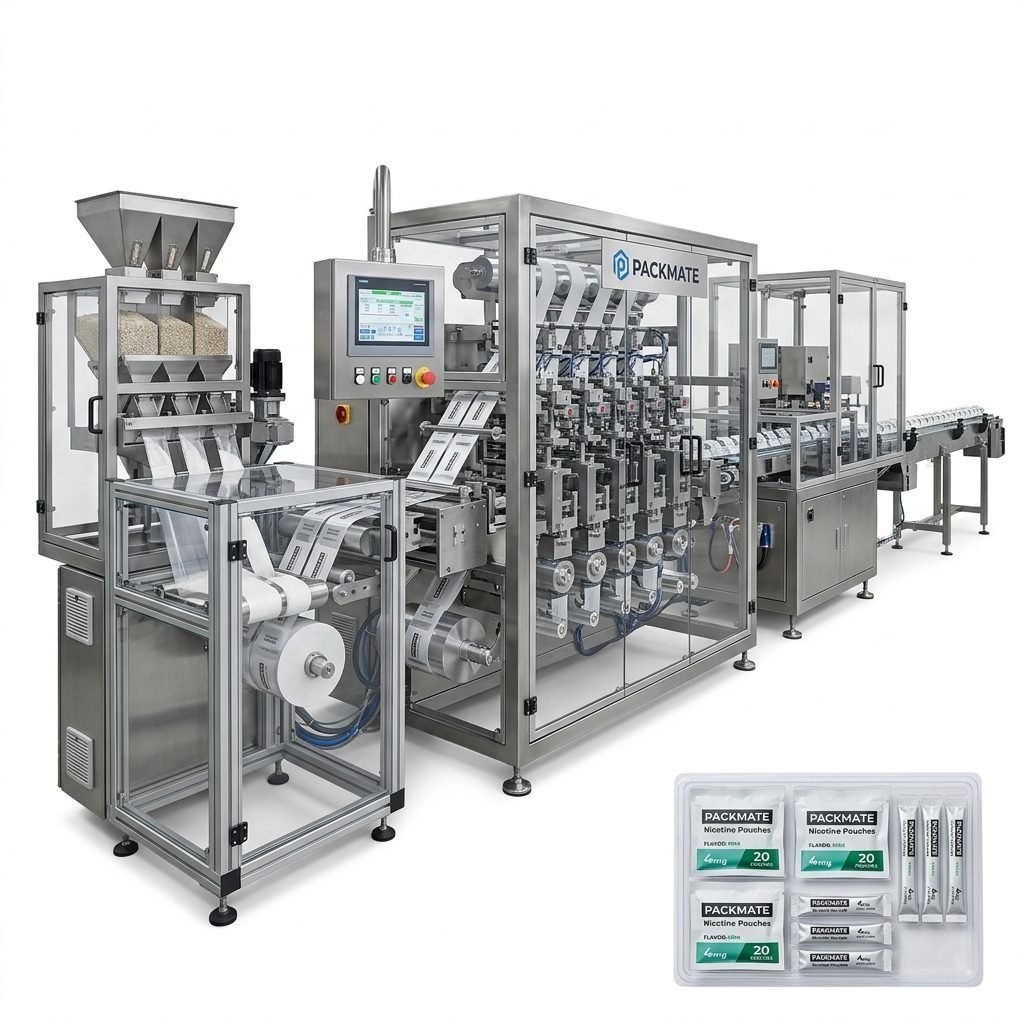
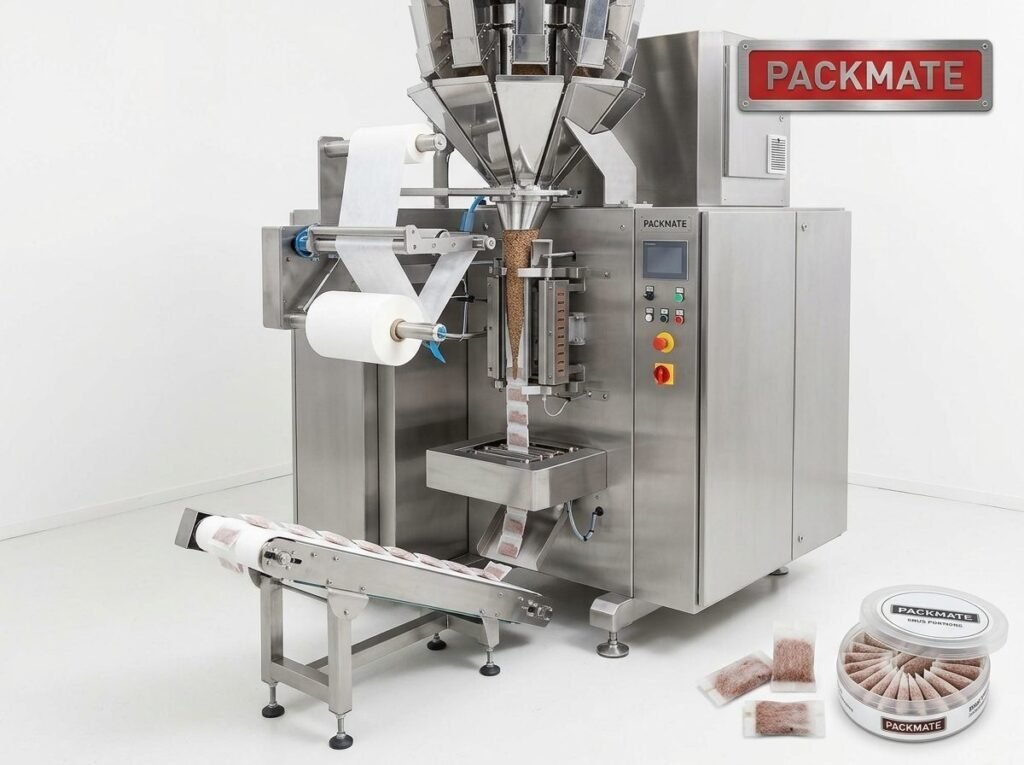
Explore specialized equipment options such as multi-lane snus and nicotine packaging machines and complete filling lines that are engineered for higher uptime and easy maintenance. For example, consider reviewing product ranges such as Snus & Nicotine Packaging Machines and integrated Filling & Packaging Lines to identify scalable upgrades.
11. Spare Parts Strategy and Supplier Relationships
Maintain a prioritized spare parts list for critical components. Work with trusted suppliers for fast lead times and consider local stocking for high-impact items. A healthy supplier relationship often accelerates service response and troubleshooting support.
12. A Practical Implementation Roadmap
Break improvements into phased projects:
1) Stabilize: Apply quick maintenance fixes, create SOPs, and train staff.
2) Optimize: Implement changeover reduction, line balancing, and simple automation tweaks.
3) Transform: Invest in upgrades, add condition monitoring, and upgrade control systems.
Prioritize projects using an ROI lens: choose actions that offer the fastest payback in reduced downtime or increased throughput.
13. KPIs to Monitor Post-Improvement
After implementation, monitor improvements with measurable KPIs:
• OEE improvement percentage
• Reduction in unplanned downtime hours
• Changeover time reduction
• Increase in first-pass yield
• Spare-part stockouts avoided
14. Practical Example: Multi-Lane Snus Line Upgrade
A typical multi-lane snus line upgrade might include:
– Replacing mechanical drives with servo motors for synchronization across lanes
– Upgrading feeding systems to anti-bridge hoppers and active vibratory feeders
– Installing automatic roll splicing for pouch material
– Adding inline weight-check and reject conveyors to maintain high speed without stopping for out-of-spec pouches
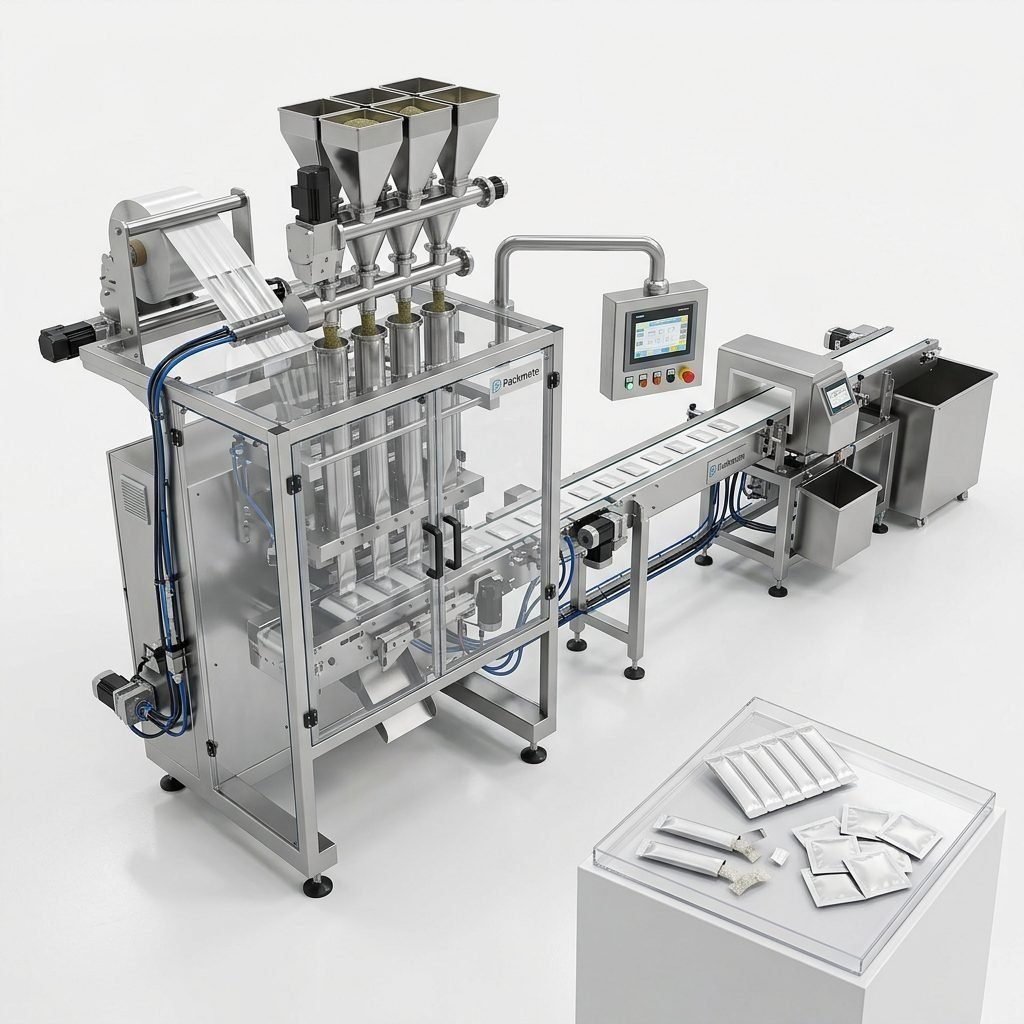
For more examples and case studies, review manufacturer case pages such as Case and product pages for tailored solutions like Sachet & Stick Pack Machines.
15. Final Checklist Before You Start
✔ Baseline metrics captured and validated
✔ Bottlenecks prioritized with responsible owners
✔ Preventive maintenance program scheduled
✔ Quick wins identified for immediate OEE gains
✔ Roadmap and ROI estimates for medium-term upgrades
Summary
Improving snus line efficiency is a systematic effort: measure accurately, eliminate root causes of downtime, streamline changeovers, strengthen maintenance, and invest in targeted automation. Focus on data-driven decisions and incremental wins to build momentum. Working closely with experienced equipment manufacturers and service partners helps align upgrades with your production goals and budget—explore resources such as About Packmate and their product families to find scalable solutions.
Common Questions
Q: How quickly can I expect to see improvements after applying these strategies?
A: Quick fixes like better maintenance and changeover reduction often yield visible gains within weeks. Larger hardware upgrades may take months including procurement and installation.
Q: What is the most cost-effective first step for small snus producers?
A: Start with preventive maintenance and operator training. These low-cost measures typically reduce unplanned stops and improve yield quickly.
Q: When should I consider a full machine replacement rather than retrofit?
A: If downtime frequency and repair costs are rising, or if the machine can’t meet target throughput even after upgrades, replacement may be more economical long-term.
Q: Where can I find specialized multi-lane snus packaging equipment and end-to-end line solutions?
A: Manufacturer product pages and case studies are a great starting point—see categories such as Snus & Nicotine Packaging Machines and Weighing & Packaging Systems.