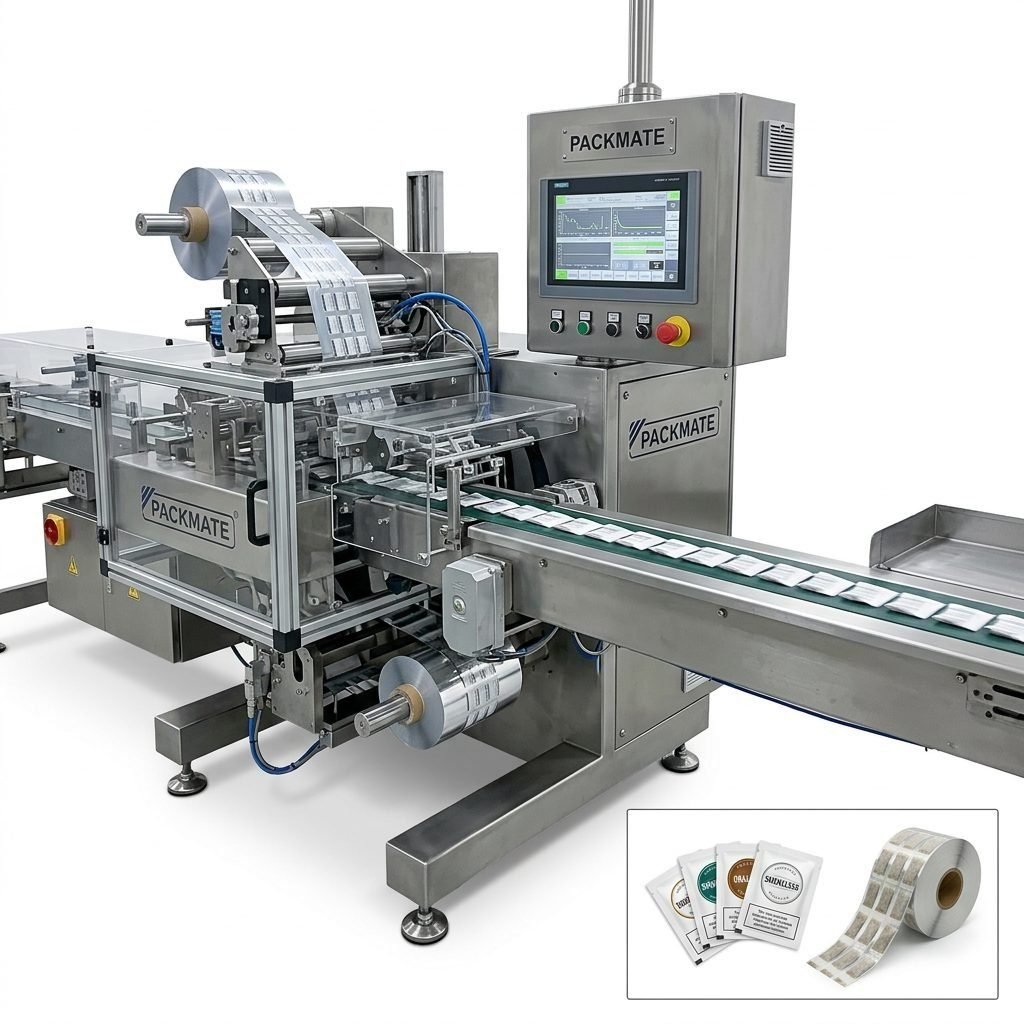
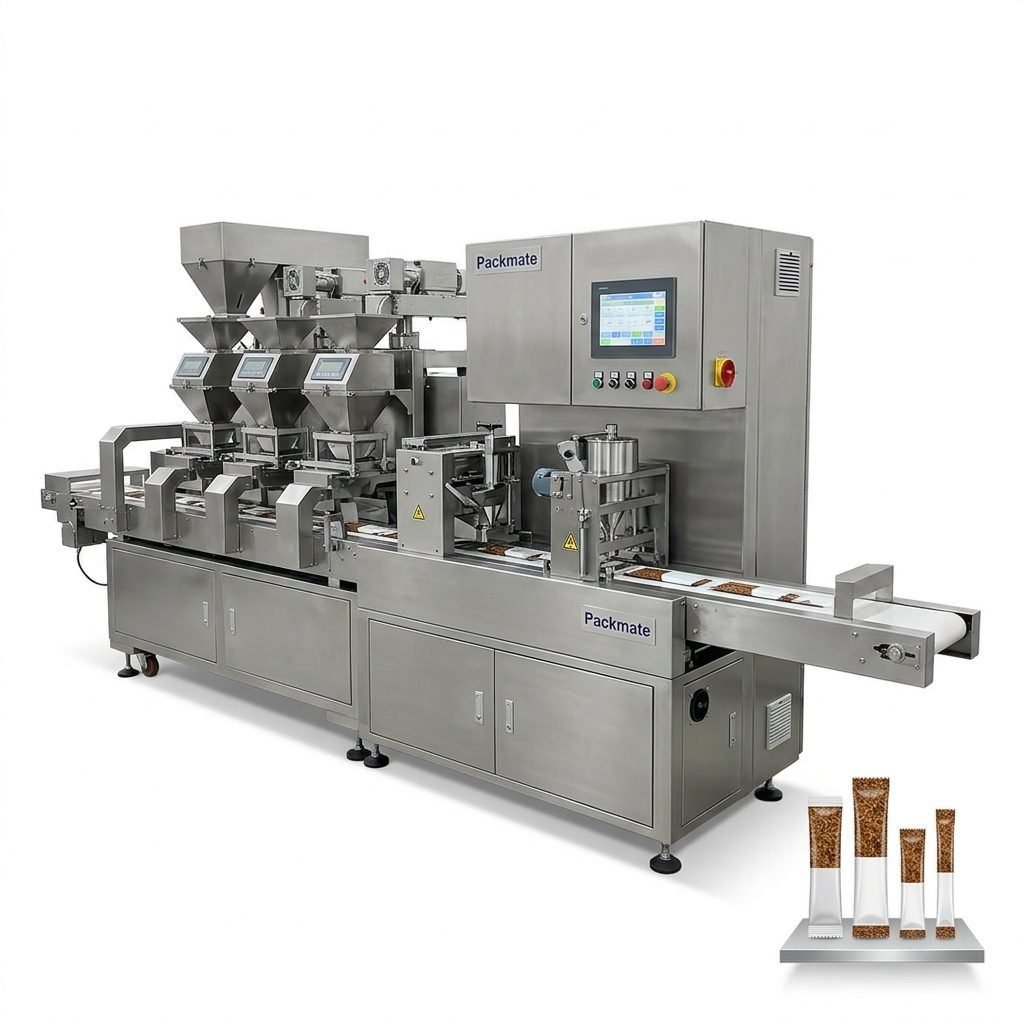
In the rapidly evolving snus and nicotine pouch market in Palestine, choosing the right packaging machine manufacturer is a critical decision that affects production efficiency, product quality, and long-term operational costs. This guide walks you through the factors to evaluate when selecting a snus packaging machine partner, with actionable advice tailored to businesses operating in Palestine and similar markets.
🔍 Understand Your Production Needs
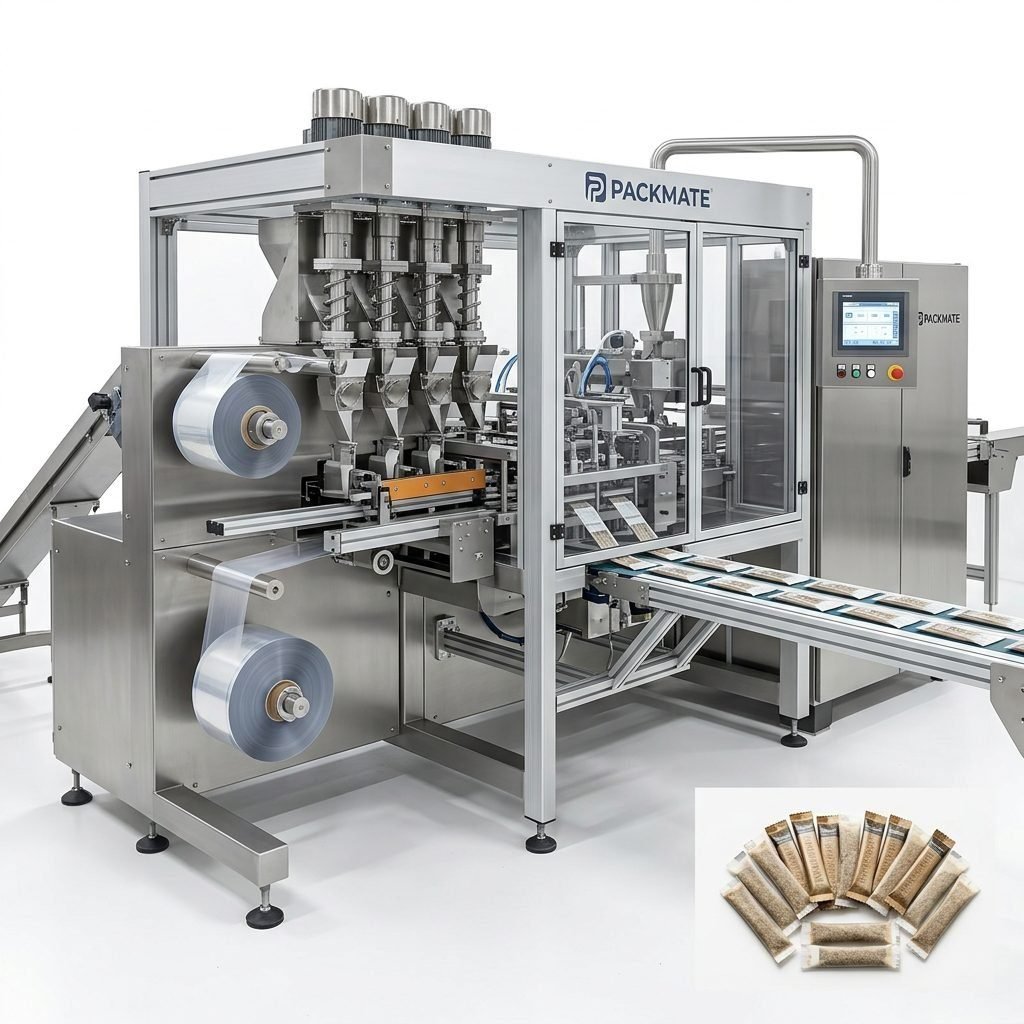
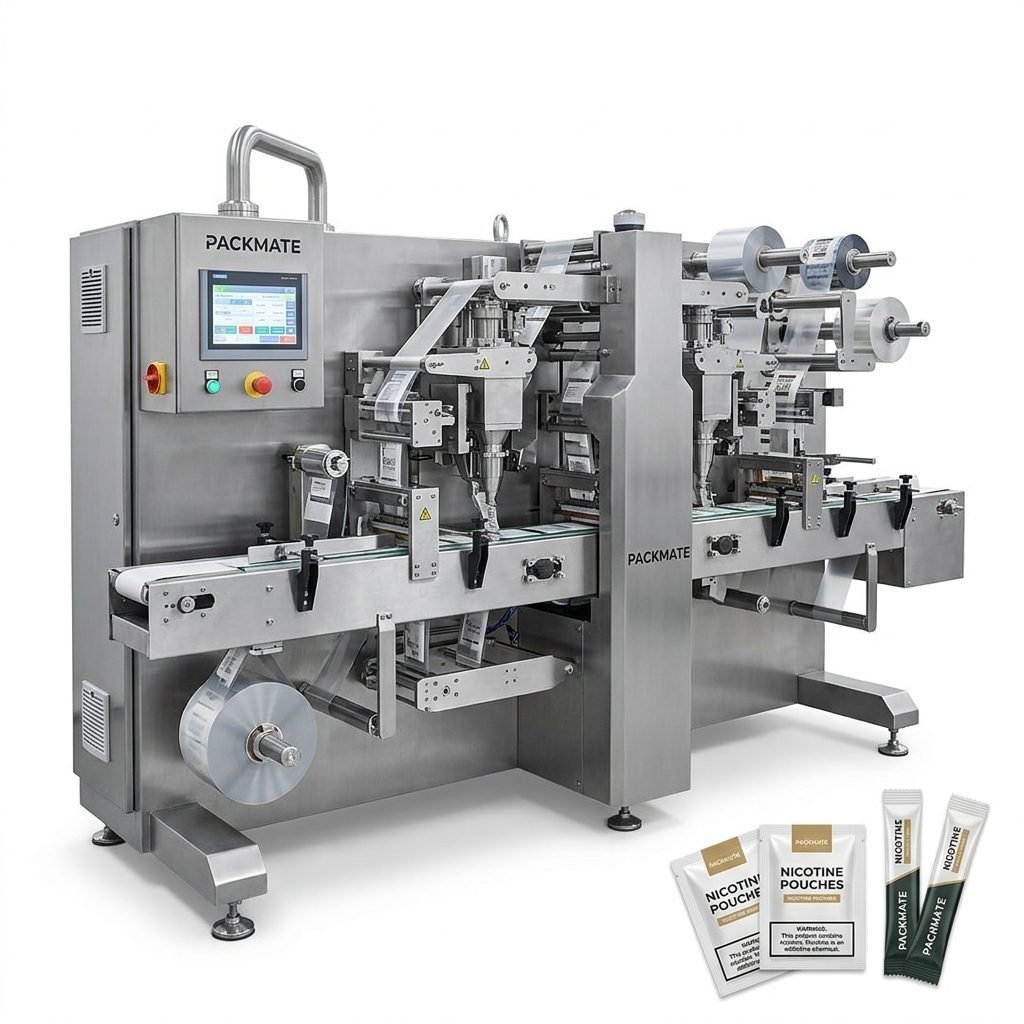
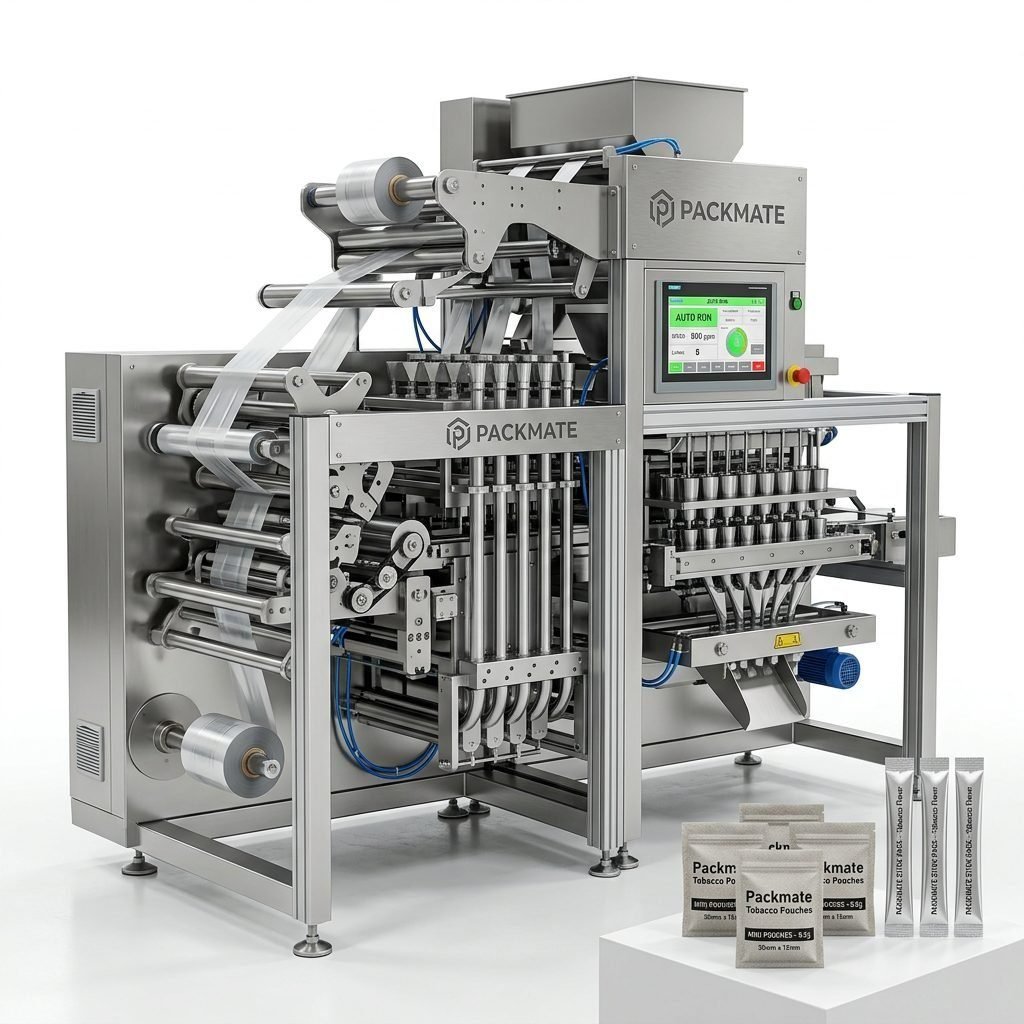
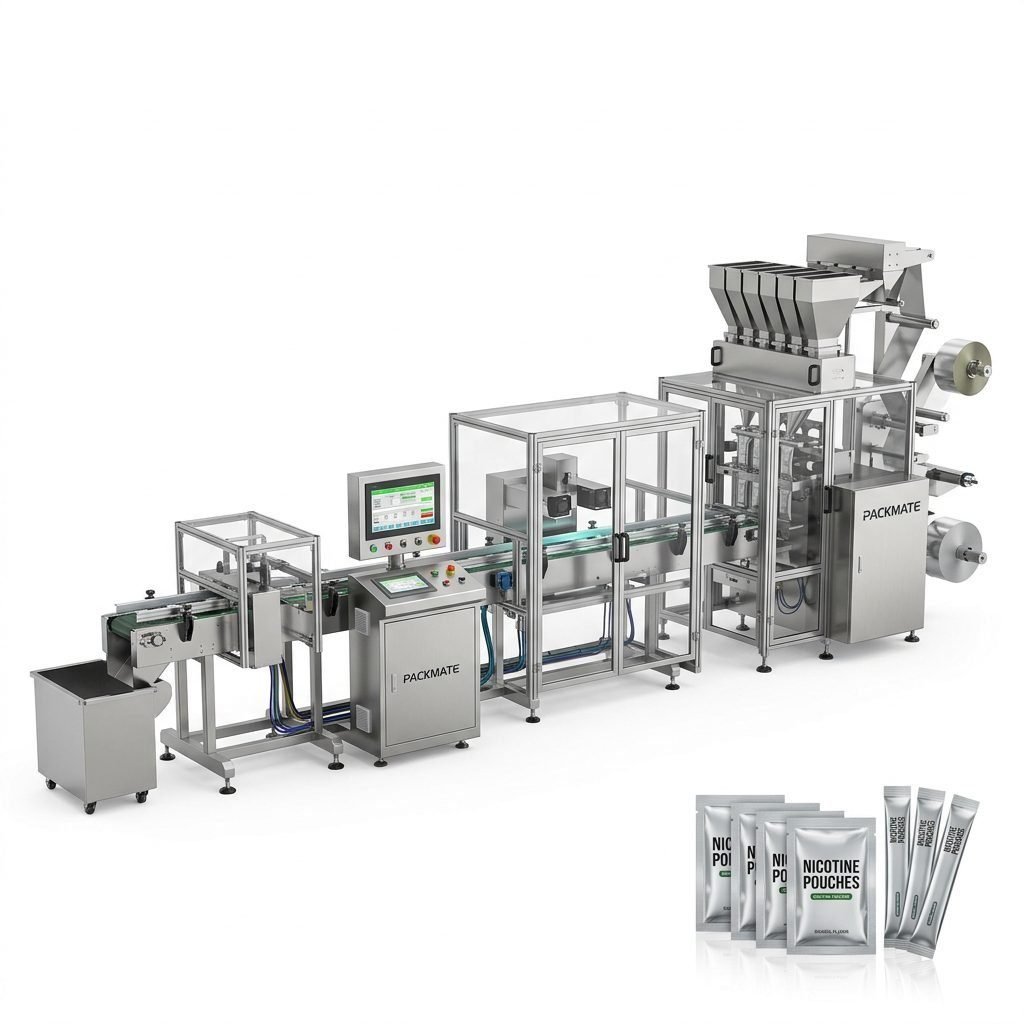
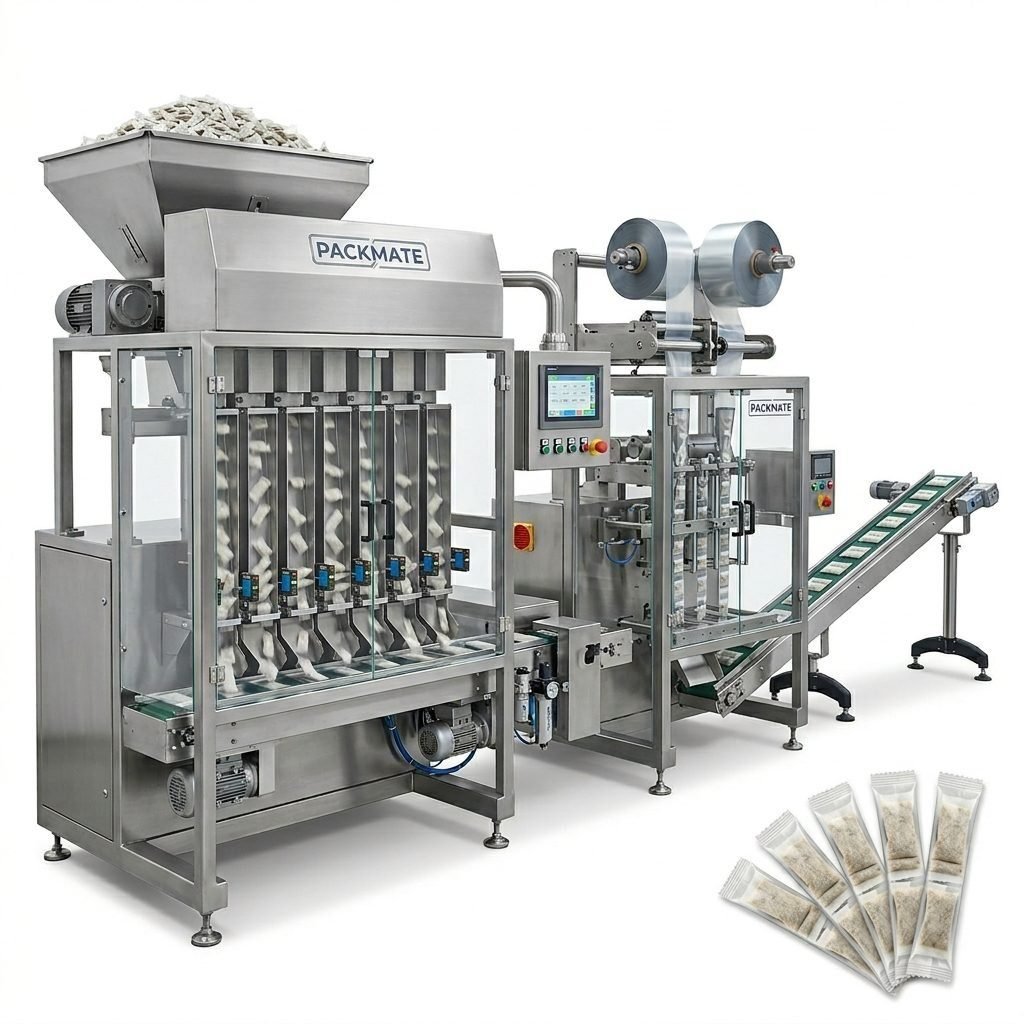
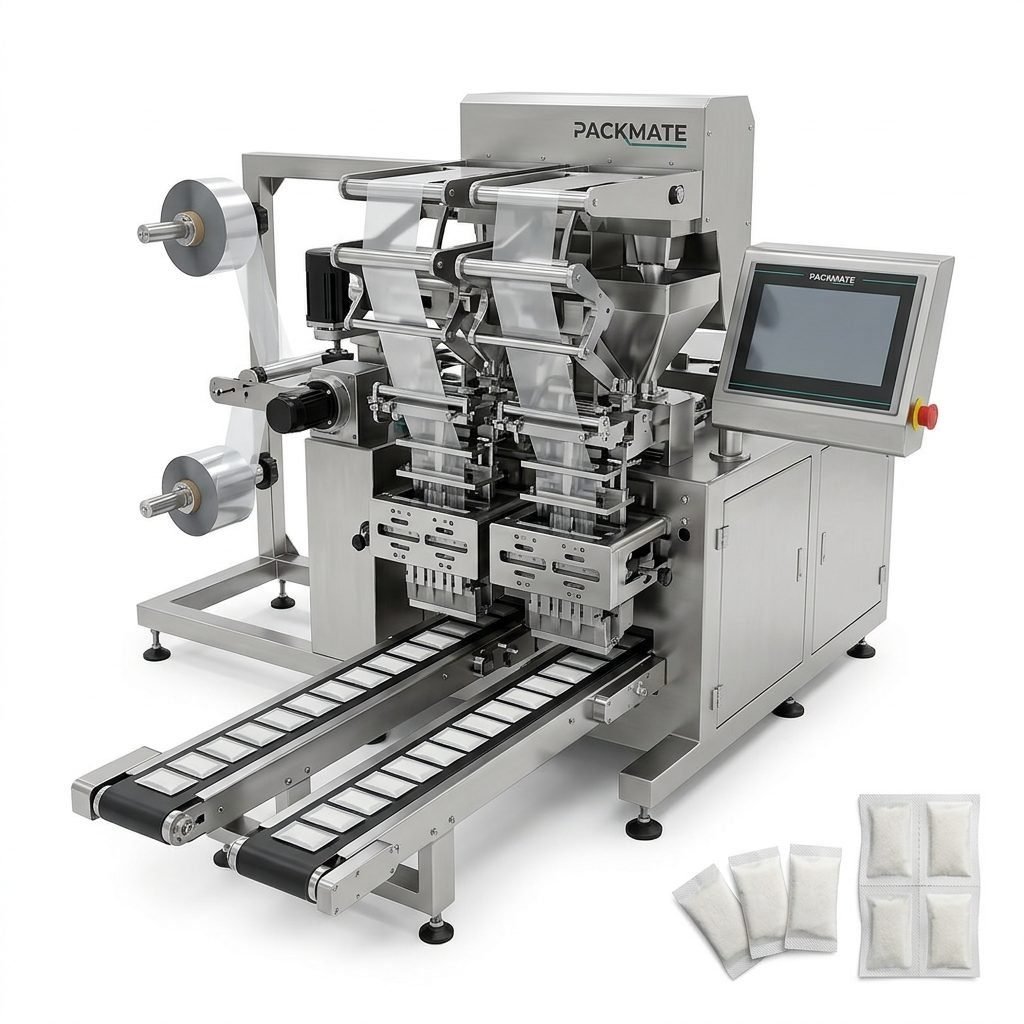
First, clearly define your production targets. Ask yourself: What daily output do you need? Will you produce single-portion snus pouches, stick packs, sachets, or multi-lane systems? Different machine architectures serve different purposes. For example, a high-speed multi-lane snus packaging machine is ideal for mass production, while a single-lane sachet machine may suit boutique or pilot-scale operations.
Key considerations
• Product form: powder, granule, liquid, or small-dose nicotine pouch.
• Desired packaging type: pouch, sachet, stick pack, or tray.
• Capacity and speed (units/minute or packs/minute).
• Flexibility for different sizes and formats.
Tip: If you expect frequent SKU changes or seasonal variation, prioritize machines with modular tooling and quick-change capabilities to reduce downtime and tooling cost.
🏭 Evaluate Manufacturer Experience & Capabilities
Experience matters. Manufacturers with decades of engineering expertise often deliver machines that run reliably under continuous production. Look for a company profile that demonstrates a history of designing and producing snus-specific packaging lines, not just generic filling machines.
Packmate Snus Machine, for example, brings over 30 years of engineering background and a focused product suite for snus and nicotine pouch packaging. Their experience spans stick pack, sachet, and multi-lane systems designed specifically for small-dose pouch production.
What to verify
• Years in business and core product focus.
• Number of machine models and customization options.
• Manufacturing capacity, facilities (CNC centers, assembly lines), and testing procedures.
• Certifications such as CE and ISO indicating compliance with international standards.
✅ Performance, Reliability & After-Sales Support
Reliability is non-negotiable. A machine that frequently stops or requires complex adjustments increases labor and waste. Evaluate real-world performance: uptime figures, mean time between failures (MTBF), and spare-part strategies.
Important: Confirm the manufacturer’s global service network and whether technicians can be deployed or trained locally in Palestine. Local responsiveness reduces downtime and protects production schedules.
After-sales checklist
• Warranty terms and scope.
• Availability of local spare parts or fast international shipping.
• Training programs for operators and maintenance staff.
• Remote diagnostics and support tools (PLC remote access, video guidance).
⚙️ Technical Features to Compare
When evaluating technical specs, prioritize machine elements that directly influence product consistency and efficiency.
Must-review technical areas
• Filling accuracy: Important for nicotine pouches where dose consistency is regulated.
• Sealing quality: Look for consistent heat-seal control and monitoring to prevent leaks or contamination.
• Multi-lane synchronization: For high-output lines, ensure lanes are balanced to avoid waste.
• Material compatibility: Can the machine handle different pouch films, laminates, and barrier materials?
• Control system: Modern HMI, programmable recipes, and recipe memory save setup time between SKUs.
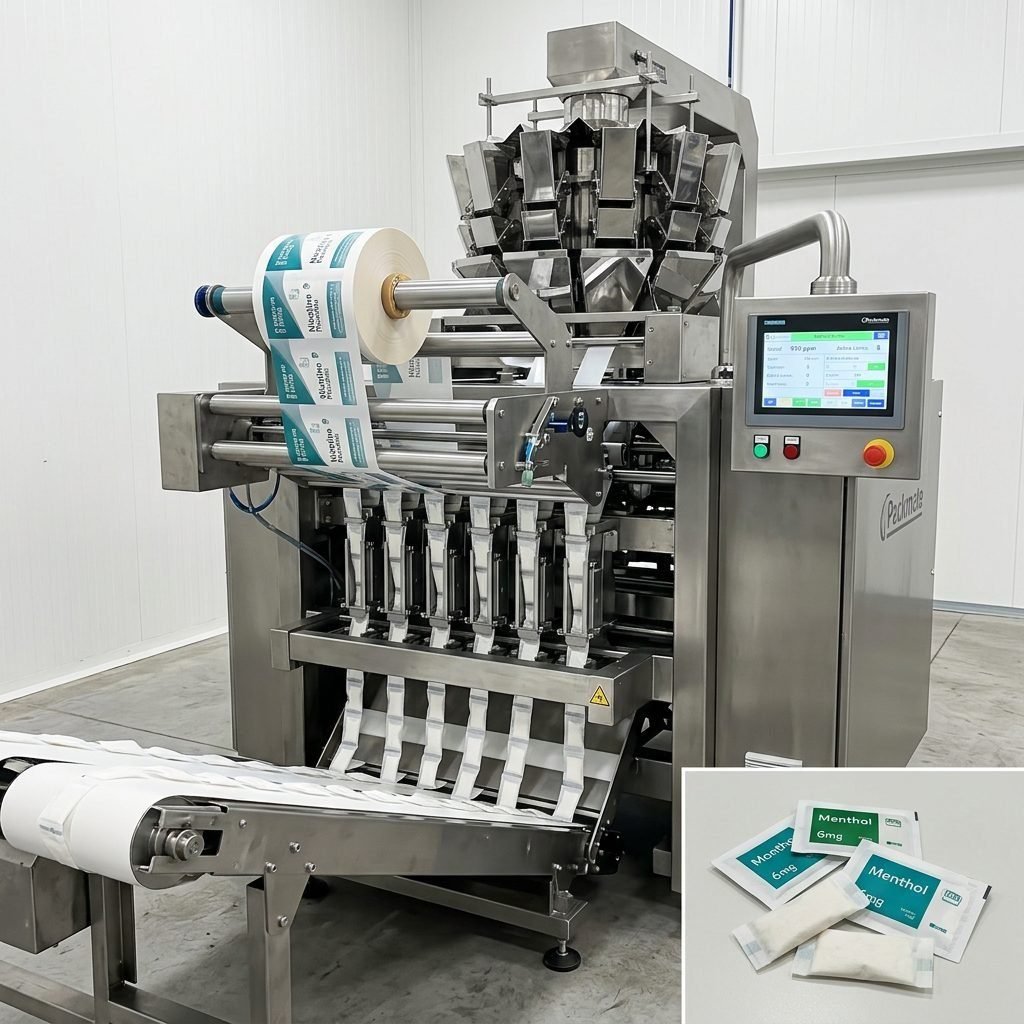
Pro insight: Machines with integrated weighing or dosing systems (check the weighing & packaging systems) can dramatically improve dosing precision for micro-dose products.
📦 Regulatory Compliance & Quality Assurance
Regulatory compliance is central to nicotine product packaging. Ensure the manufacturer follows international safety and hygiene standards and can provide documentation for regulatory audits.
Request quality assurance records and testing procedures. A transparent manufacturer will show test protocols for sealing, longevity, electronic safety checks, and material compatibility.
💡 Customization & Scalability
Your needs will change as the market grows. Choose a partner that offers scalable solutions: from pilot machines for market testing to high-speed production lines with automation and auxiliary equipment.
Consider whether the supplier offers auxiliary equipment (such as conveyors, case packers, or integrated filling systems) and full-line solutions that minimize integration risks.
📊 Total Cost of Ownership (TCO)
Purchase price is only the beginning. Calculate TCO by including installation costs, training, spare parts inventory, energy consumption, and expected maintenance. A slightly higher upfront investment may yield lower operational costs and better ROI over time.
Checklist for TCO: energy use (kW), spare parts pricing, consumables, labor requirement, expected lifespan, and upgrade paths.
🌍 Supplier Reputation & Global Cases
Look for manufacturers with a track record of supplying global markets. Case studies or references reveal real-world performance and the supplier’s ability to handle complex installations. Global cooperation examples are particularly valuable if you plan to export finished products or scale internationally.
Explore manufacturer galleries, exhibition presence, and customer testimonials to understand their reliability. Seeing equipment deployed in similar commercial settings gives confidence that the machine will meet your expectations.
📄 Documentation, Training & Integration
Good documentation reduces installation time and ensures safe operation. Ensure the manufacturer provides detailed manuals, electrical and pneumatic diagrams, and preventive maintenance schedules.
Confirm training options—on-site commissioning, operator training, and maintenance workshops are essential. If your facility needs line integration, choose vendors who offer integration services or clear interfacing protocols.
🔧 Factory Visit & Pre-Shipment Inspection
If possible, visit the manufacturer’s factory. A visit lets you inspect manufacturing practices, assembly quality, and test procedures. If travel is not feasible, request video walkthroughs, live machine tests, and recorded performance metrics.
Pre-shipment inspections and FAT (Factory Acceptance Testing) are powerful tools—ensure FAT protocols are clear and include test runs with your actual materials when possible.
🤝 Commercial Terms & Delivery
Negotiate clear commercial terms covering lead time, payment schedule, delivery conditions (Incoterms), insurance, and installation. Long lead times are common for custom lines—ensure your contract includes realistic delivery expectations and penalty clauses if needed.
Contract tip: Include acceptance criteria and performance guarantees in writing. This protects both parties and prevents post-delivery disputes.
🔗 Recommended Manufacturer Resources
Learn more about specialized equipment and view product lines from experienced suppliers:
• Explore specialized snus & nicotine packaging machines: Snus & Nicotine Packaging Machines
• Review company background and capabilities: About Packmate
• See real-world applications and global cases: Case Studies
• Get in touch for quotes and technical discussion: Contact Us
📌 Final Selection Checklist
Summarizing the decision points into a practical checklist helps compare vendors objectively. Ensure you rate each supplier across the following dimensions:
1. Technical match to your product and speed requirements.
2. Proven experience in snus/nicotine pouch packaging.
3. Quality certifications and documented QA procedures.
4. After-sales support, spare parts, and training.
5. Clear TCO analysis including energy, consumables, and maintenance.
6. Factory acceptance testing and pre-shipment verification.
7. Commercial terms, lead times, and performance guarantees.
Quick reminder: Choosing a packaging machine is a partnership. Select a manufacturer that invests in long-term collaboration, technical support, and continuous improvement.
📋 Example Workflow for Choosing a Supplier
Step 1: Define product specs, capacity, and packaging format.
Step 2: Shortlist 3–5 manufacturers with snus-specific experience.
Step 3: Request quotations, technical datasheets, and FAT plans.
Step 4: Conduct factory visits or remote inspections.
Step 5: Negotiate contract terms with acceptance criteria and service provisions.
Step 6: Plan installation, operator training, and start-up validation.
📬 Next Steps for Businesses in Palestine
If you operate in Palestine and are planning to establish or scale snus production, start by documenting your product portfolio and expected monthly volumes. Reach out to experienced manufacturers with proof of prior snus projects. A focused partner will advise on the right configuration—whether a multi-lane high-speed line or a flexible single-lane system for premium pouches.
For more detailed product line information, including sachet and stick pack machines or integrated filling & packaging lines, explore the supplier product pages to align equipment with your business model.
Helpful links
• Sachet & stick pack options: Sachet & Stick Pack Machines
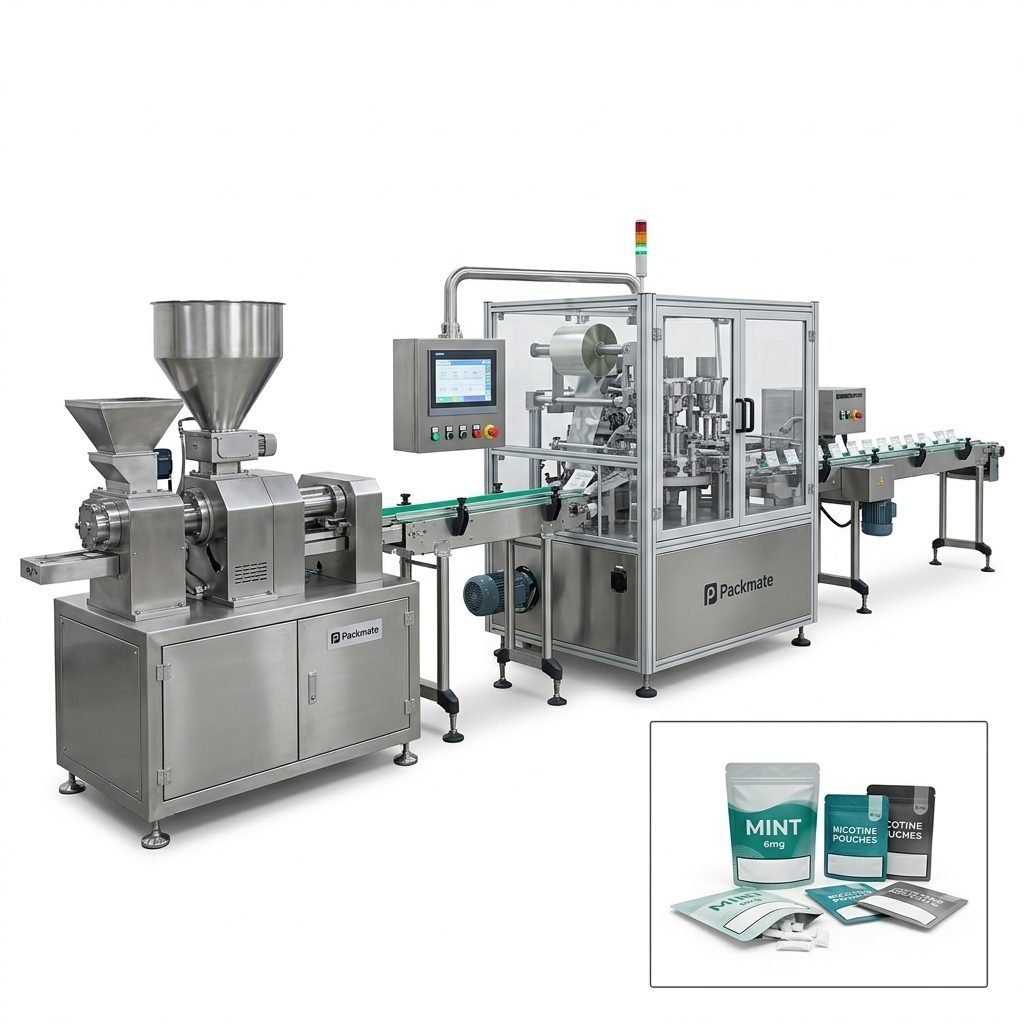
• Full filling & packaging lines: Filling & Packaging Lines
❓ Frequently Asked Questions
Q1: How do I determine the right machine speed for my needs?
A1: Calculate your target monthly or daily output, then factor in operating hours and uptime. Consider future growth—selecting a machine with modular speed upgrades can protect against early obsolescence.
Q2: What certifications should I request from a packaging machine supplier?
A2: Ask for CE and ISO as baseline compliance. Additionally, request documentation for electrical safety, EMC testing, and material-contact food-grade certifications if applicable.
Q3: How important is local support in Palestine?
A3: Extremely important. Local or regional technical support reduces downtime and shipping costs for spare parts. If local presence is limited, ensure the manufacturer provides rapid remote support and clear spare-parts logistics.
Q4: Can manufacturers provide turnkey lines including weighing and auxiliary equipment?
A4: Yes—many experienced suppliers offer full production lines including weighing & packaging systems and auxiliary equipment. Request integrated solutions to minimize integration risk.
Q5: How do I validate machine performance before shipment?
A5: Insist on Factory Acceptance Testing (FAT) with your materials when possible. Record test runs, check sealing, dosing accuracy, and cycle rates, and include acceptance criteria in the contract.