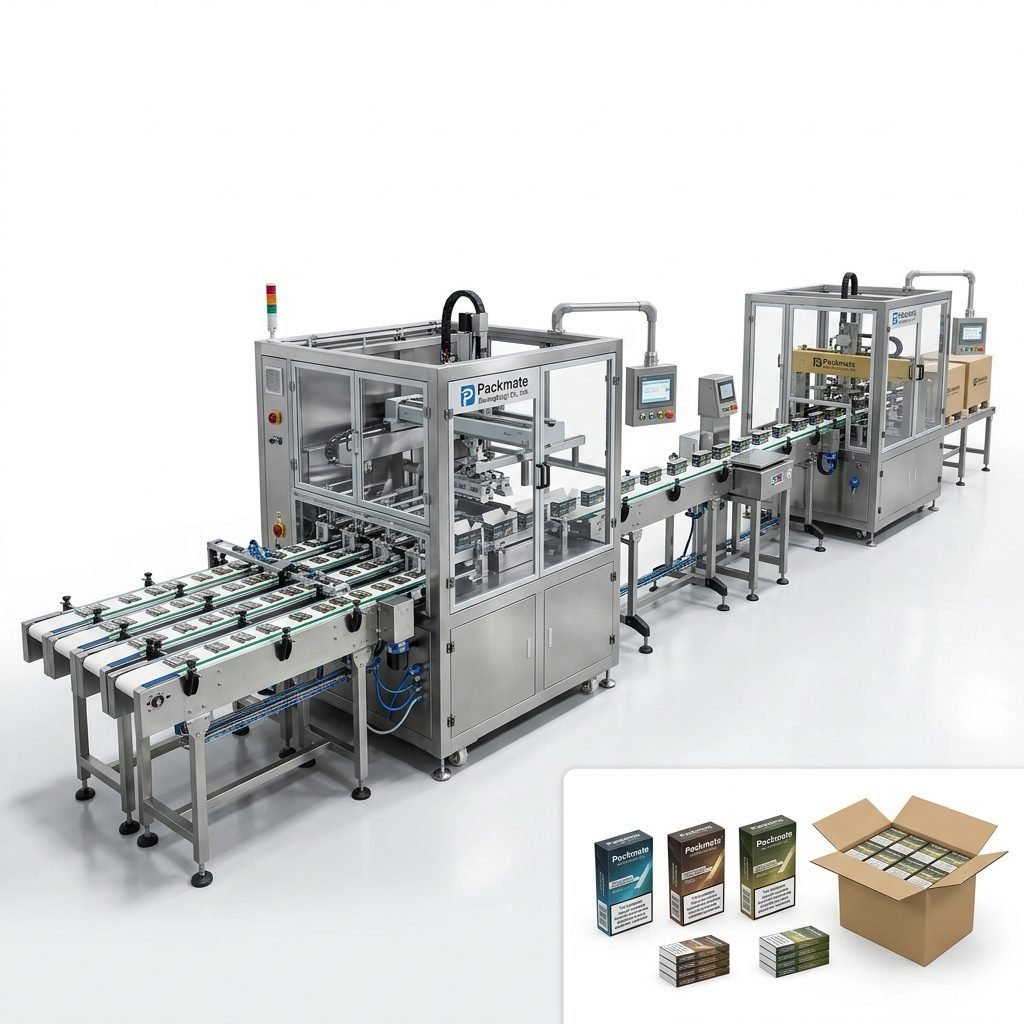
Choosing the right snus packaging machinery for your production line in Qatar is a strategic decision that affects product quality, regulatory compliance, and long-term profitability. Manufacturers and production managers must balance speed, flexibility, and reliability while considering local market demands and import regulations. This guide walks you through practical steps and key considerations to select machinery that fits your snus or nicotine pouch production goals.
Understand Your Product and Market Requirements
Before evaluating machines, define what you will produce: traditional snus pouches, nicotine pouches, or flavored sachets. Consider pouch size, fill weight (mg or grams), moisture content, and packaging style (pouch-in-pouch, sachet, stick pack). In Qatar, consumer preferences and compliance obligations may require specific sealing standards and clear labeling. Mapping these details helps narrow down machinery types and configurations.
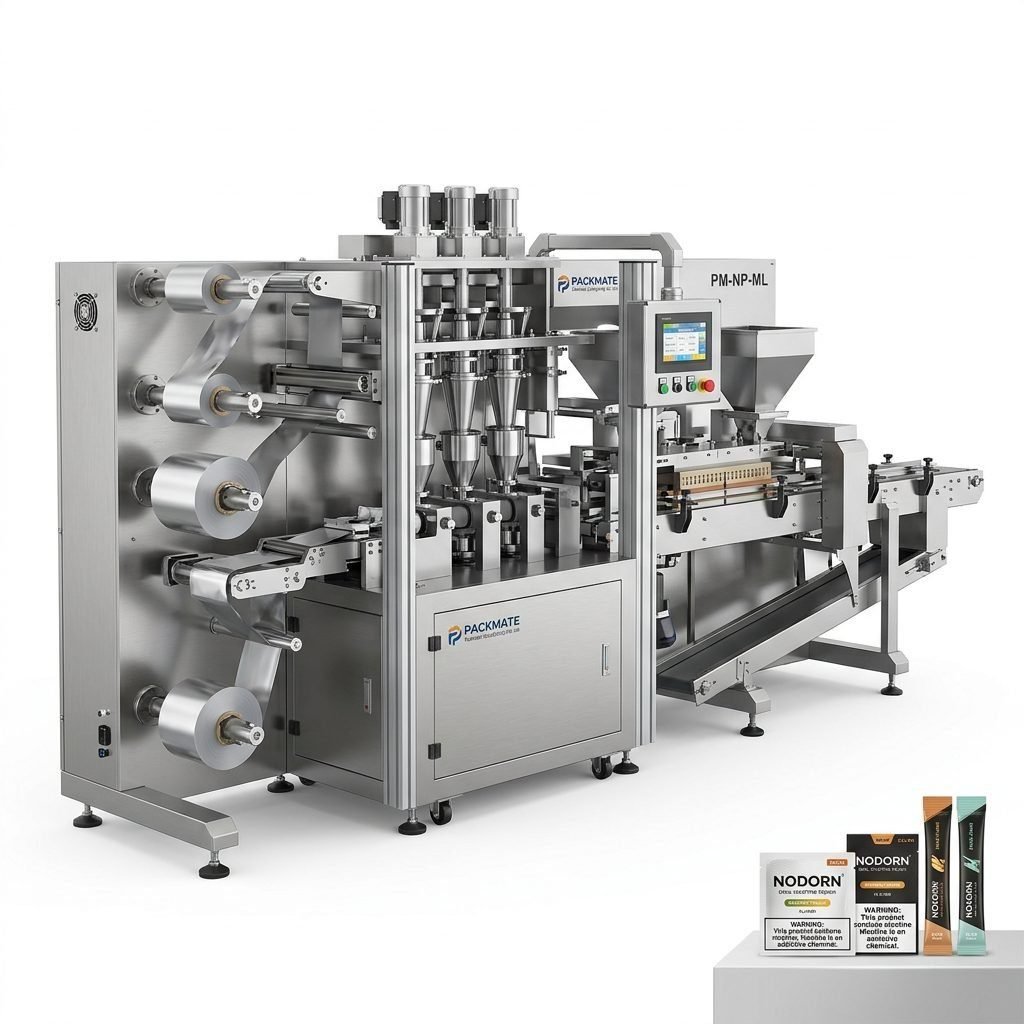
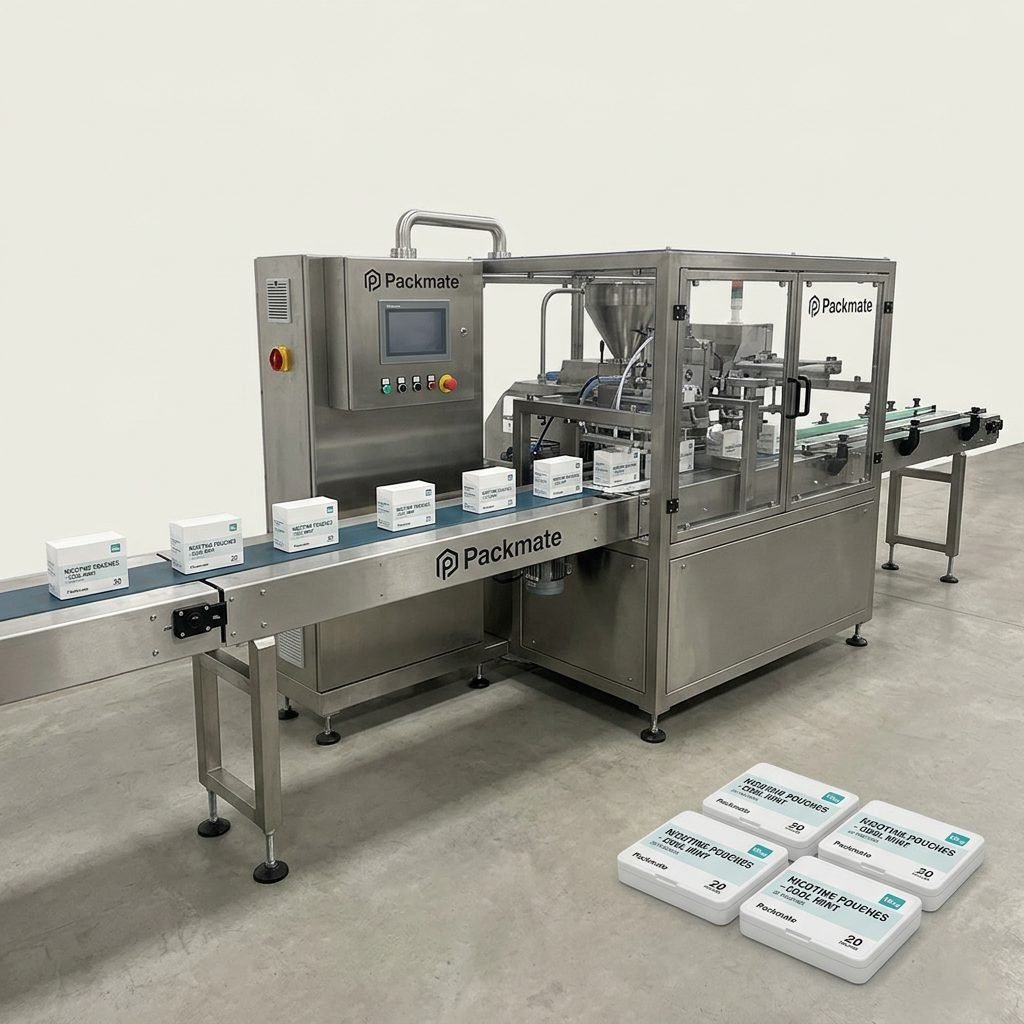
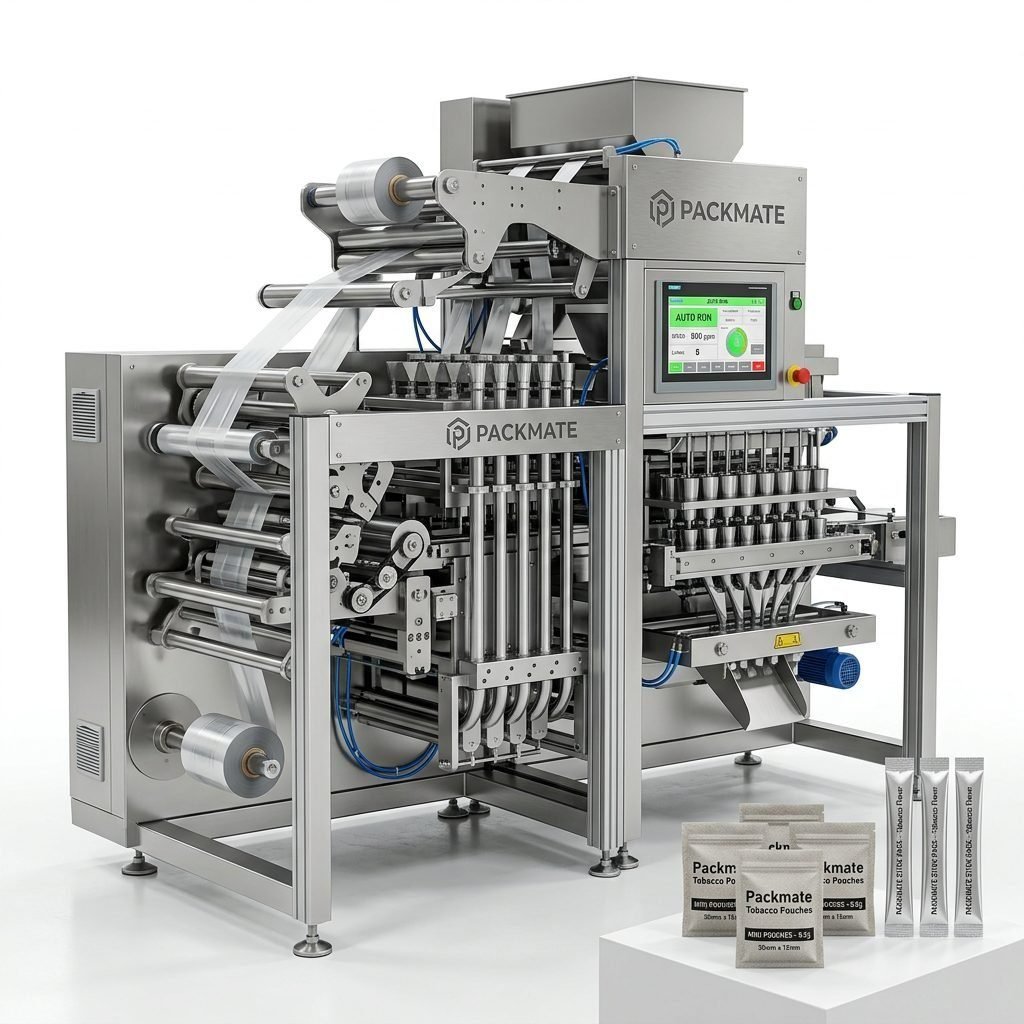
Types of Snus Packaging Machines
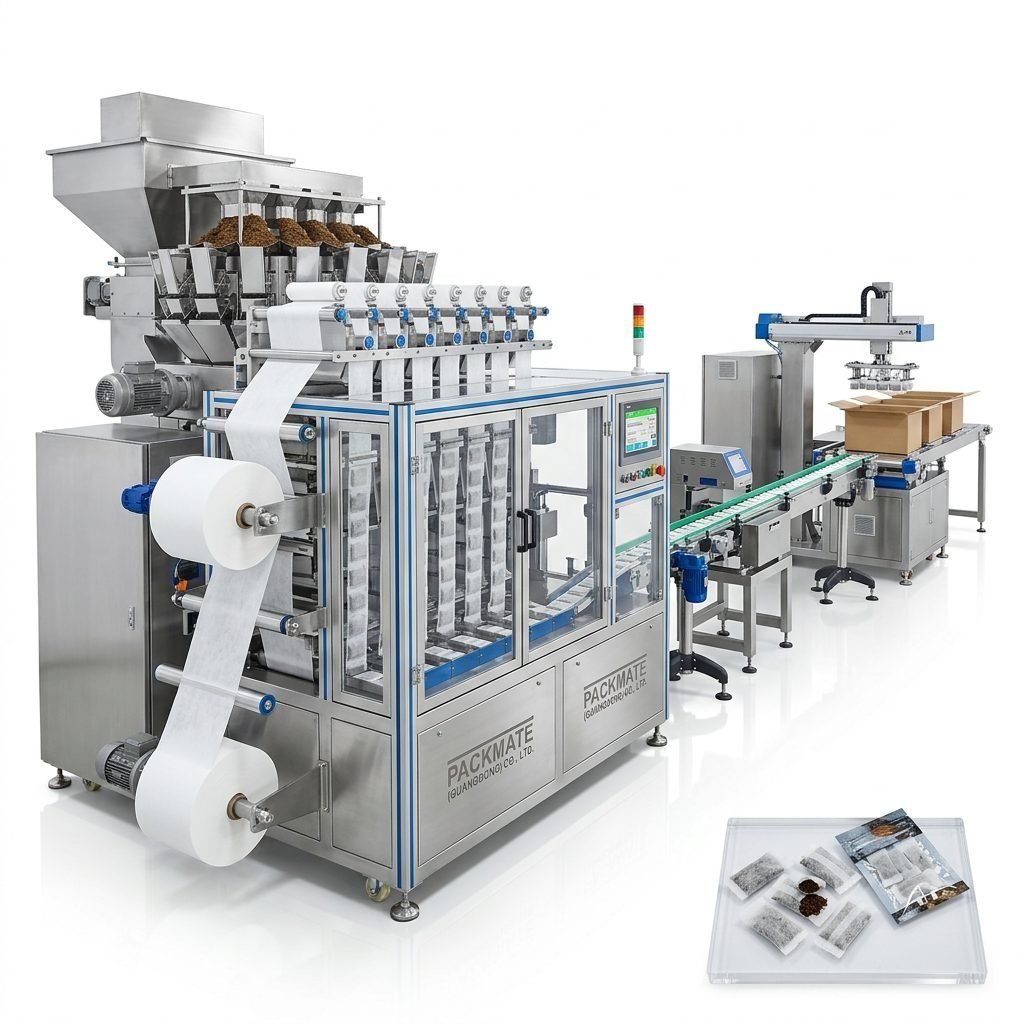
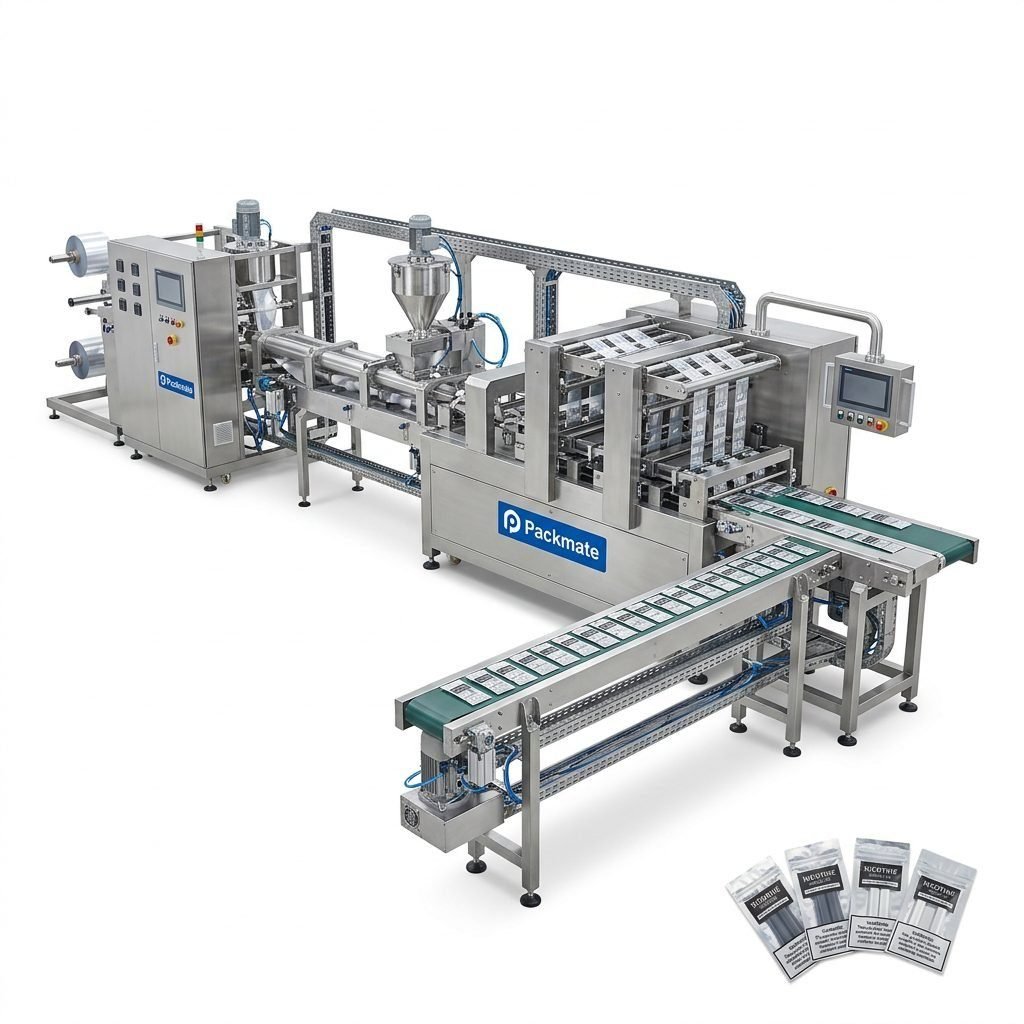
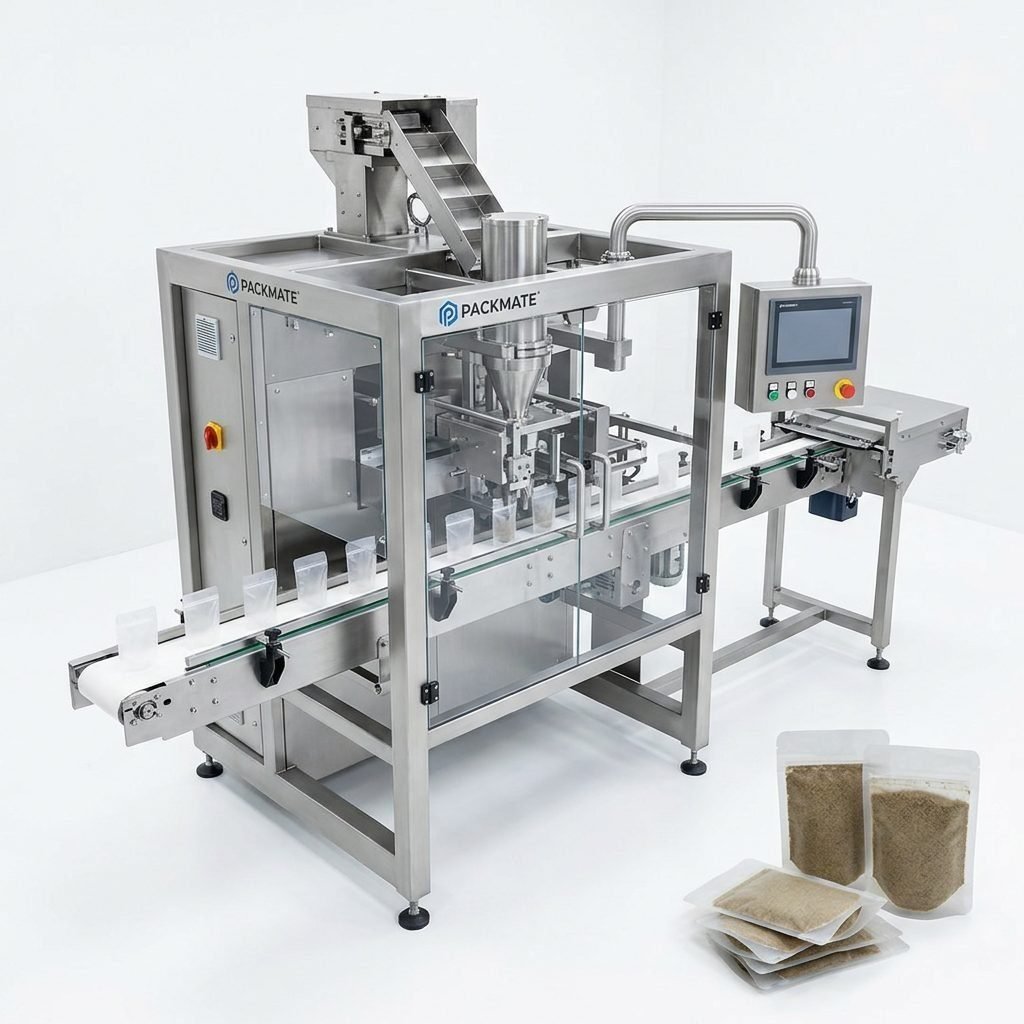
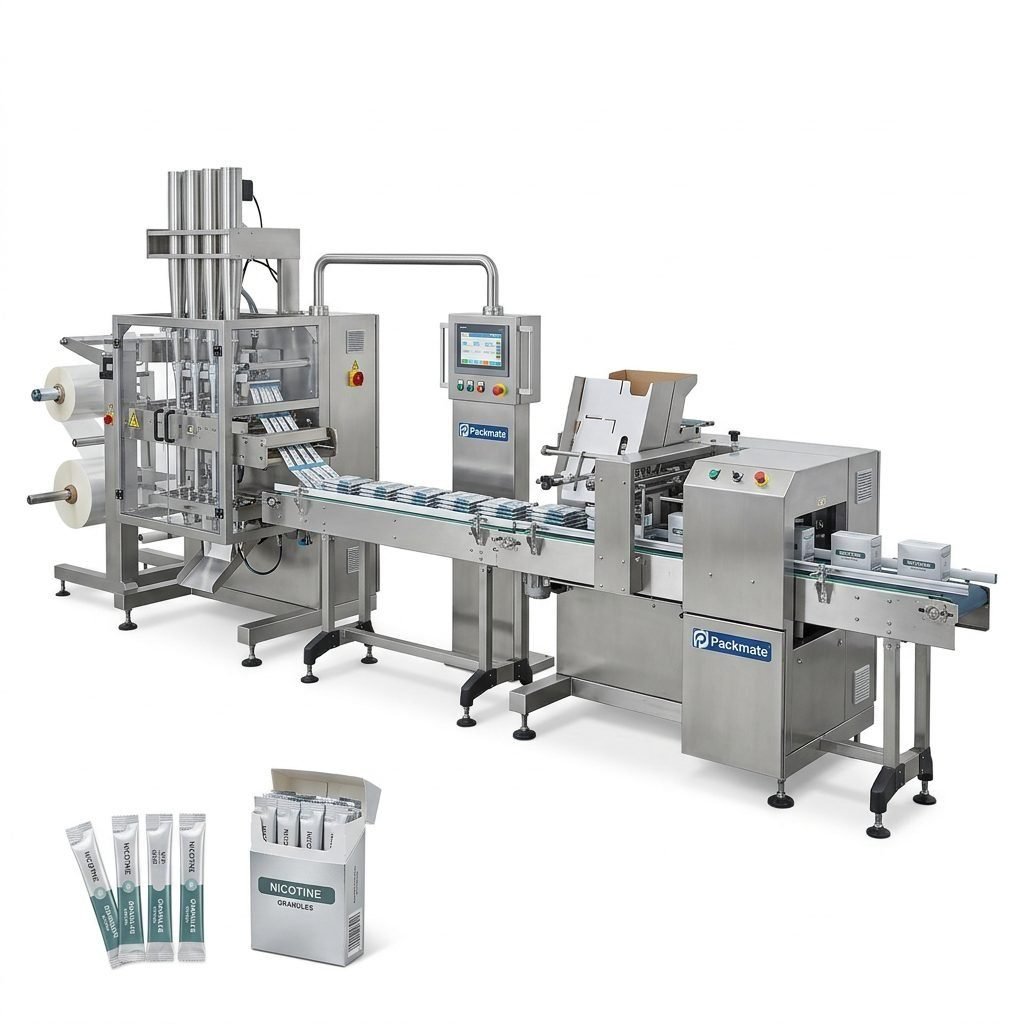
Packaging systems vary from single-lane semi-automatics to fully automatic multi-lane lines. Typical options include:
⚙️ Stick pack and sachet machines for thin sachets and single-dose formats.
⚙️ Multi-lane rotary pouch machines for high-speed nicotine pouch production.
⚙️ Integrated filling & weighing systems when consistency of fill weight is critical.
Quick link to machine types
Explore detailed models and specifications:
Snus & Nicotine Packaging Machines,
Sachet & Stick Pack Machines.
Key Selection Criteria for Qatar Production Lines
Selecting equipment requires a holistic assessment. The most impactful criteria include capacity, product compatibility, automation level, footprint, and serviceability. Below are the primary factors to evaluate.
1. Throughput & Lane Configuration
Production targets determine whether you choose single-lane or multi-lane systems. If your target daily output is high, multi-lane rotary machines offer dense throughput in a smaller footprint. Consider:
✓ Desired pieces per minute and daily shift production.
✓ Scalability: ability to add lanes or modules as demand grows.
2. Product Characteristics & Filling Accuracy
Nicotine pouch filling demands precise weight control and gentle handling to preserve texture. Look for integrated weighing systems or compatible feeders that maintain consistency. Machines designed for powders, granular tobacco, or moist blends will have different conveyor and sealing technologies.
Note: If you require multiple formats (e.g., both snus pouches and stick packs), prioritize modular equipment that supports format changeovers with minimal downtime.
3. Regulatory Compliance & Certifications
Ensure the machine vendor can provide equipment compliant with international standards and documentation that complies with Qatar customs and regulatory bodies. Certifications like CE and ISO are commonly expected for exported machinery and help with import approvals and workplace safety.
Packmate’s experience and certificates often simplify procurement: see company credentials and history for assurance. Certificate
4. After-sales Support & Spare Parts
Local support or accessible global service is vital. Confirm spare-parts lead times, remote troubleshooting options, and training services. Machines with established global footprints usually offer documented spare parts lists and service agreements that reduce downtime.
Practical Considerations for Site Installation in Qatar
Site realities influence machine choice: electrical specs, available floor area, HVAC for humidity control, and local labor skill levels. Coordinate with your vendor to perform a site survey and get machine layout drawings ahead of shipment.
Power, Utilities & Environment
Verify that the machine’s power requirements match your facility supply and that you have the necessary compressed air and water connections. In Qatar’s climate, consider temperature and humidity control for consistent product quality and machine reliability.
Footprint & Workflow Integration
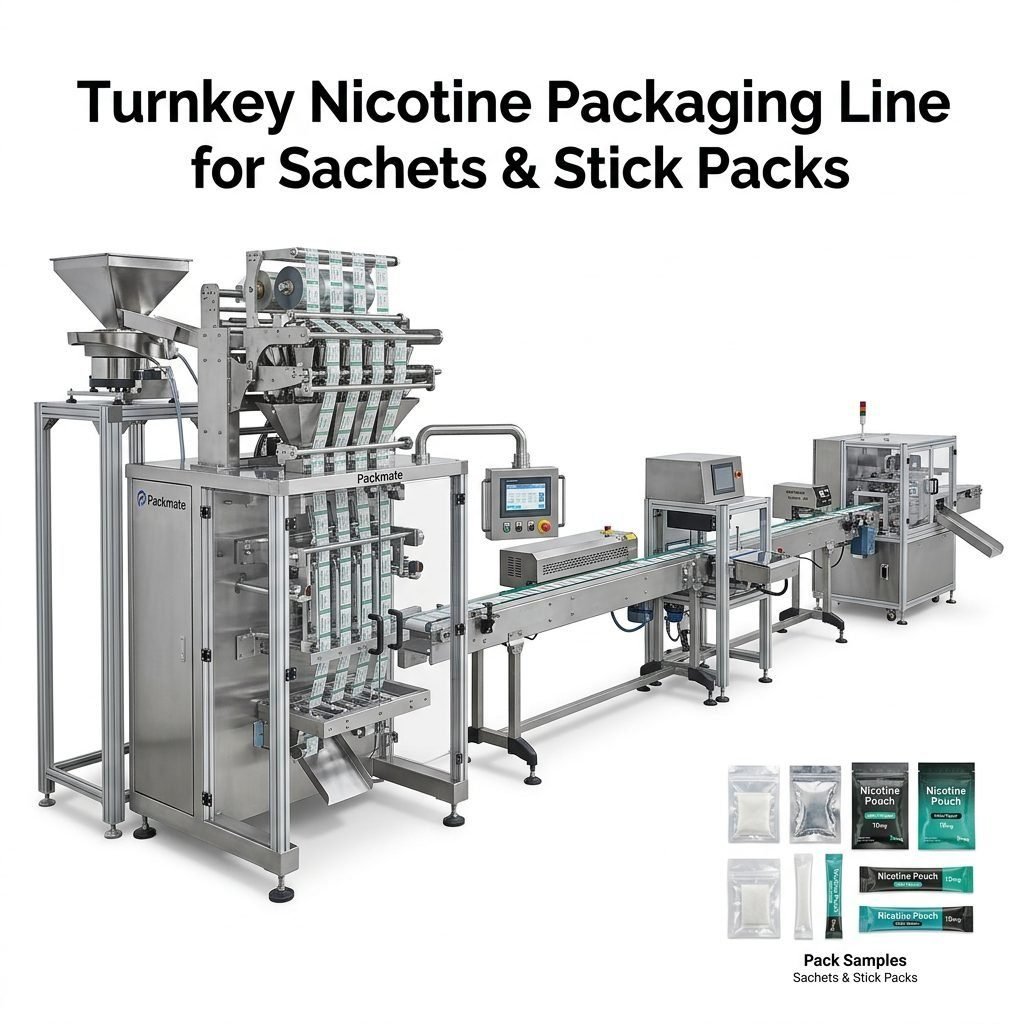
Efficient layout reduces handling time and improves hygiene. Machines that integrate with upstream weighers and downstream case packers minimize manual intervention. If you plan a turnkey solution, review complete production-line options early to optimize space and material flow.
Turnkey Lines & Auxiliary Equipment
For comprehensive solutions, consider bundled systems that include weighing & packaging systems and auxiliary equipment. Browse example lines to understand integration benefits:
Weighing & Packaging Systems and
Auxiliary Packaging Equipment.
Vendor Evaluation: Questions to Ask Your Supplier
When requesting quotes and proposals, use a standard checklist to compare vendors objectively. Key questions include:
• What is the guaranteed throughput for my specific product?
• Can you provide references or case studies from similar markets or products?
• What are the lead times for spare parts and routine maintenance items?
• Do you offer on-site installation, commissioning, and operator training in Qatar?
• What are the warranty terms and service-level agreements?
Tip: Ask for a performance guarantee or acceptance test protocol to be performed during FAT (Factory Acceptance Test) and SAT (Site Acceptance Test).
Cost vs. Value: Budgeting and ROI
Upfront equipment cost is only one part of total cost of ownership. Calculate ROI by accounting for:
• Throughput improvements and labor savings.
• Reduced product giveaway via accurate filling.
• Energy efficiency and maintenance costs.
• Downtime risk—machines with robust designs and local service reduce costly stoppages.
Financing & Procurement Strategies
Consider leasing or phased purchases if capital is limited. Some suppliers provide financing options or staggered delivery and installation to align with production ramp-up.
Implementation Roadmap: From Order to Full Production
A structured implementation plan ensures a smooth start. Typical stages include specification, FAT, shipping & customs clearance, site preparation, installation, commissioning, and training.
1. Define Specifications and Place Order
Provide detailed product samples and target throughput. Ask the vendor to deliver layered documentation: mechanical drawings, electrical layout, and spare-parts list.
2. Factory Acceptance Test (FAT)
Attend or request recorded FATs to validate machine performance with your product. FAT reduces surprises on arrival and speeds up SAT activities in Qatar.
3. Shipping, Customs & Local Installation
Coordinate customs paperwork and technical clearing. Choose a supplier experienced in international shipments and who can provide necessary declarations and certificates for Qatari import processes.
4. Commissioning & Training
Ensure engineers perform final commissioning and that operator training covers routine maintenance, changeovers, and basic troubleshooting. Well-trained operators reduce risk and improve uptime.
Recommended Resources
Review company credentials and project history to assess fit. See Packmate’s company overview and global cases for real-world examples:
About Packmate and
Case.
Checklist: What to Confirm Before Finalizing Your Purchase
✓ Machine throughput tested with your product samples (FAT results available)
✓ Spare parts list and initial consumables included
✓ Installation, commissioning and operator training included in the scope
✓ Compliance documentation for customs and safety certifications provided
✓ Warranty terms and service response times agreed contractually
Final Recommendations
Invest time in defining product specs and expected growth before committing. Prioritize vendors with a proven track record in snus and nicotine packaging, strong after-sales support, and the ability to deliver turnkey integration. Selecting modular, scalable equipment reduces future capital expense and allows agile responses to changing market tastes in Qatar.
If you want to review product options or request a quote, visit the full product lines here:
Bag & Pouch Packaging Machines and
Contact Us.
Frequently Asked Questions
Q1: How do I determine the right machine speed for my production targets?
A1: Start with your target daily output and back-calculate the required pieces per minute considering shifts and yield. Ask vendors to validate speed with your exact product samples during FAT.
Q2: What certifications should I require for machines imported into Qatar?
A2: CE and ISO certifications are commonly required for safety and quality assurance. Also request full technical documentation for customs clearance and any local approvals.
Q3: How important is modularity and multi-format capability?
A3: Highly important if you expect product diversification. Modular machines reduce total CAPEX over time and shorten changeover periods.
Q4: What after-sales services should I negotiate?
A4: Secure spare parts lead times, preventive maintenance plans, remote diagnostics, and clear warranty terms. Training for operators and maintenance staff is essential for sustained uptime.
Q5: Can I get a turnkey production line for snus and nicotine pouches?
A5: Yes. Many suppliers, including established packaging specialists, provide turnkey lines that integrate weighing, filling, sealing, and secondary packaging to deliver a ready-to-run production solution.