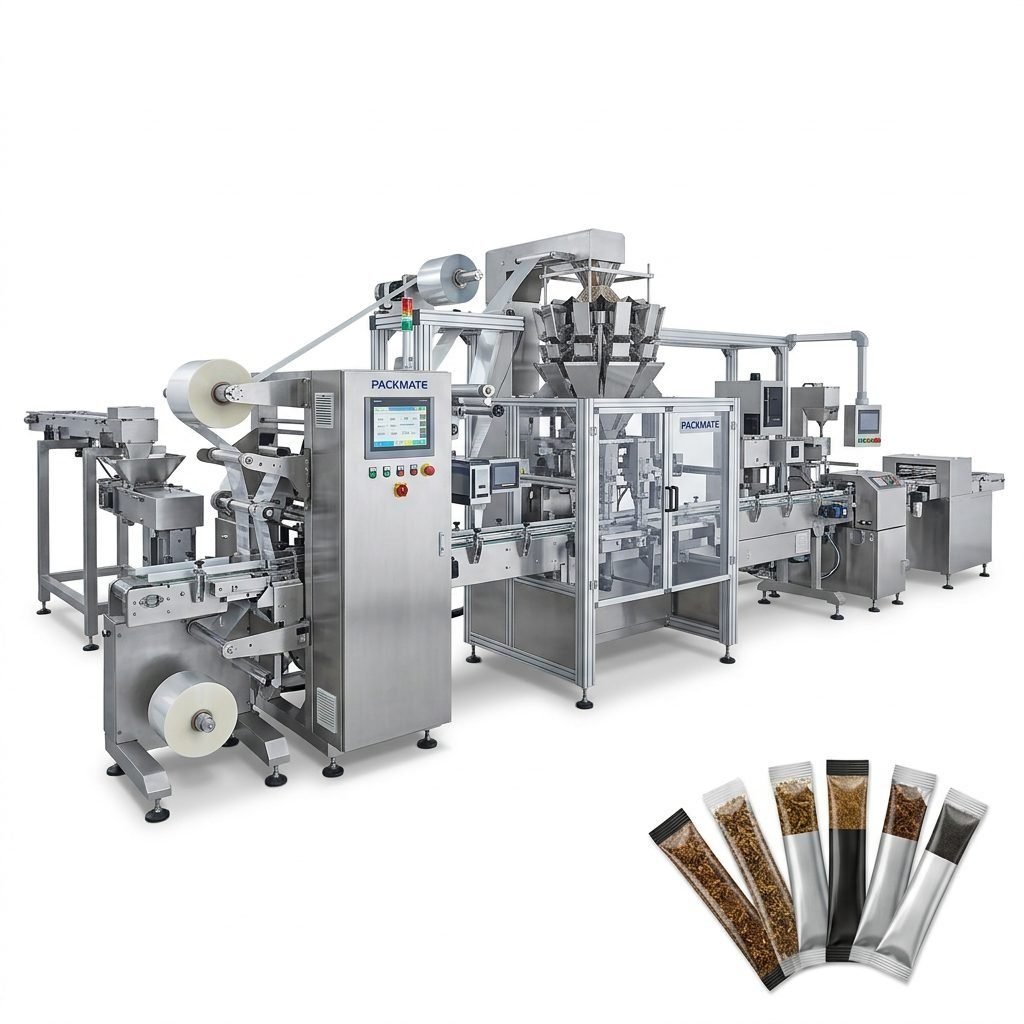
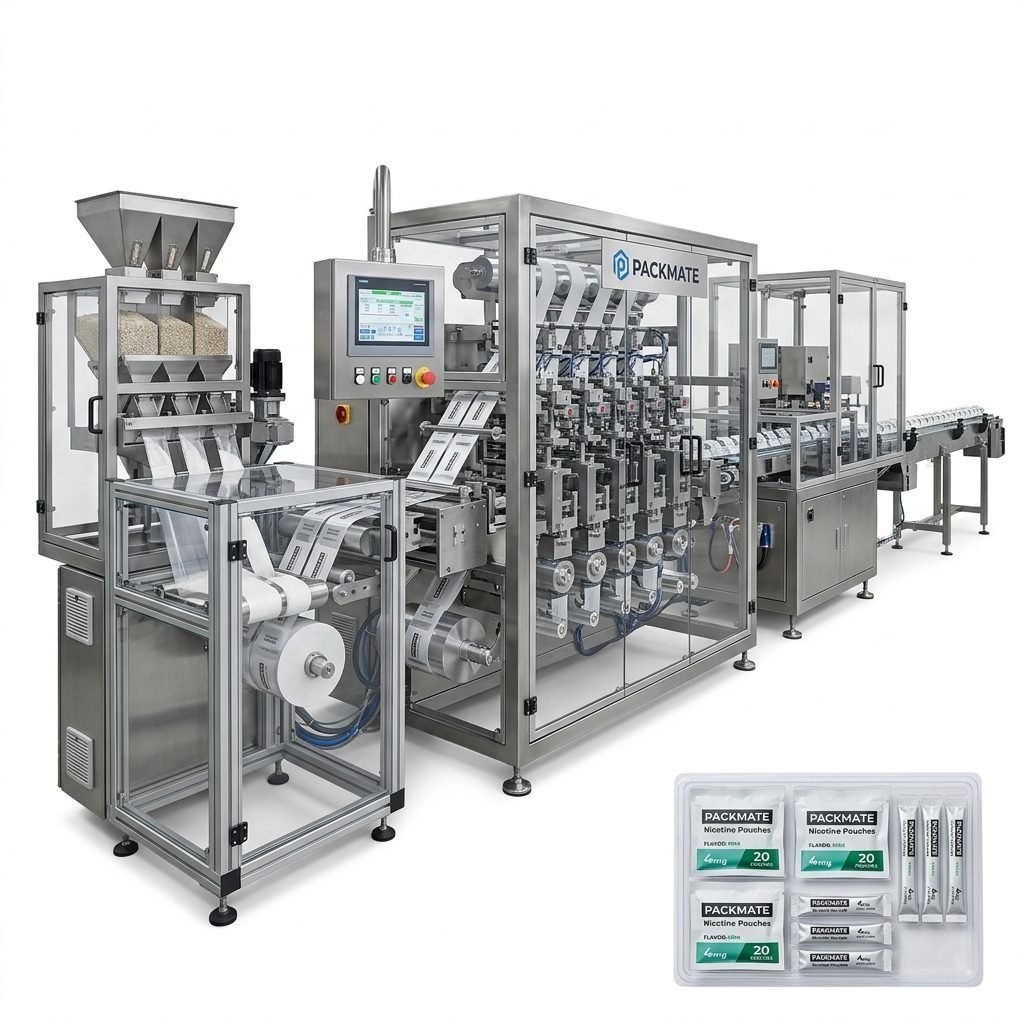
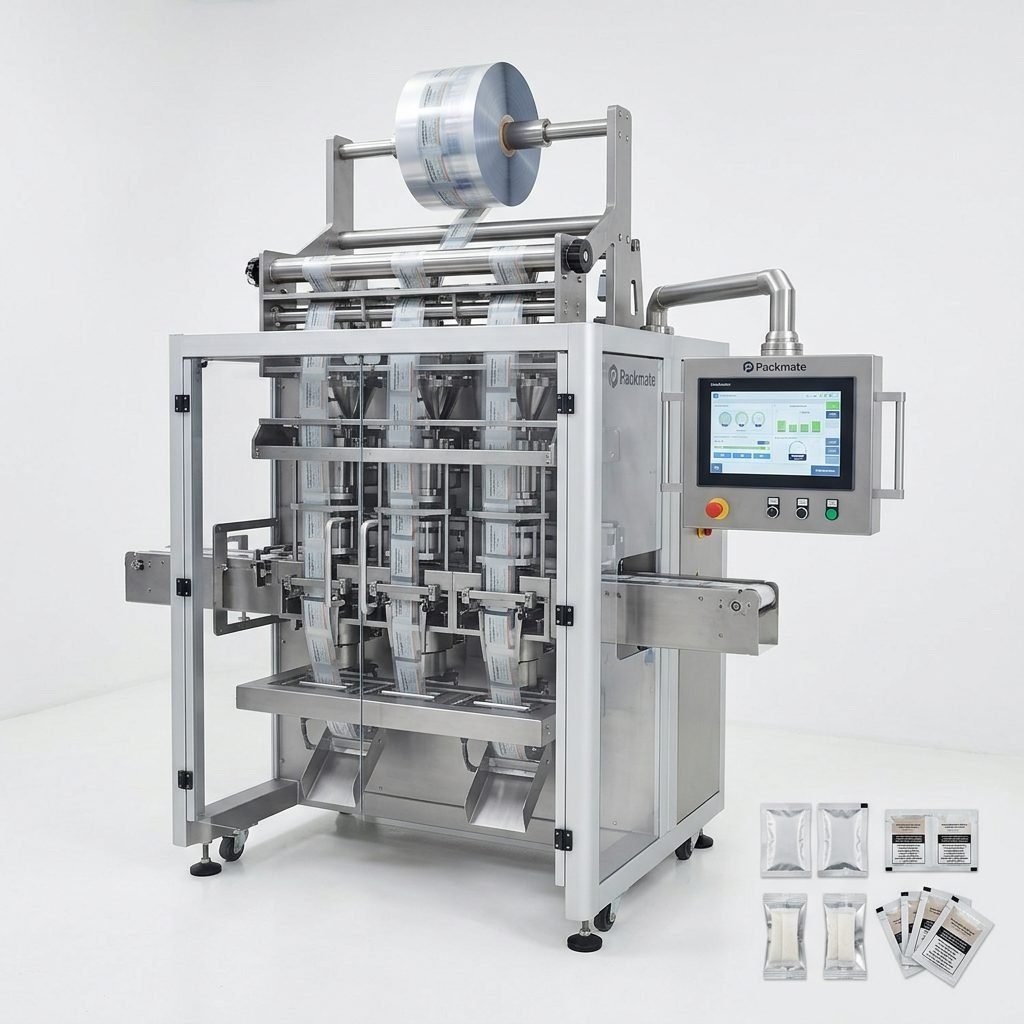
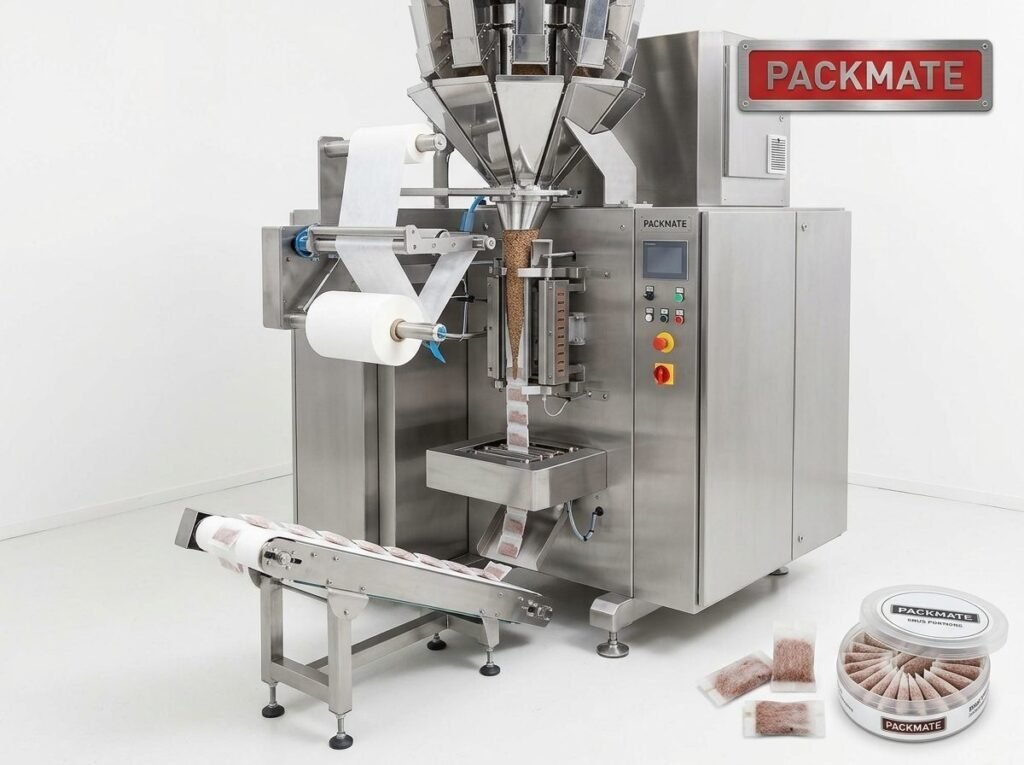
As global demand for snus and nicotine pouches grows, selecting the right snus sachet machine partner can determine the efficiency, consistency, and scalability of your production. This guide explores custom pouch packing solutions from a leading manufacturer with over 30 years of engineering experience, offering practical insights into machine selection, customization, production lines, quality systems, and post-sale support.
Why Choose a Specialist Snus Sachet Machine Manufacturer
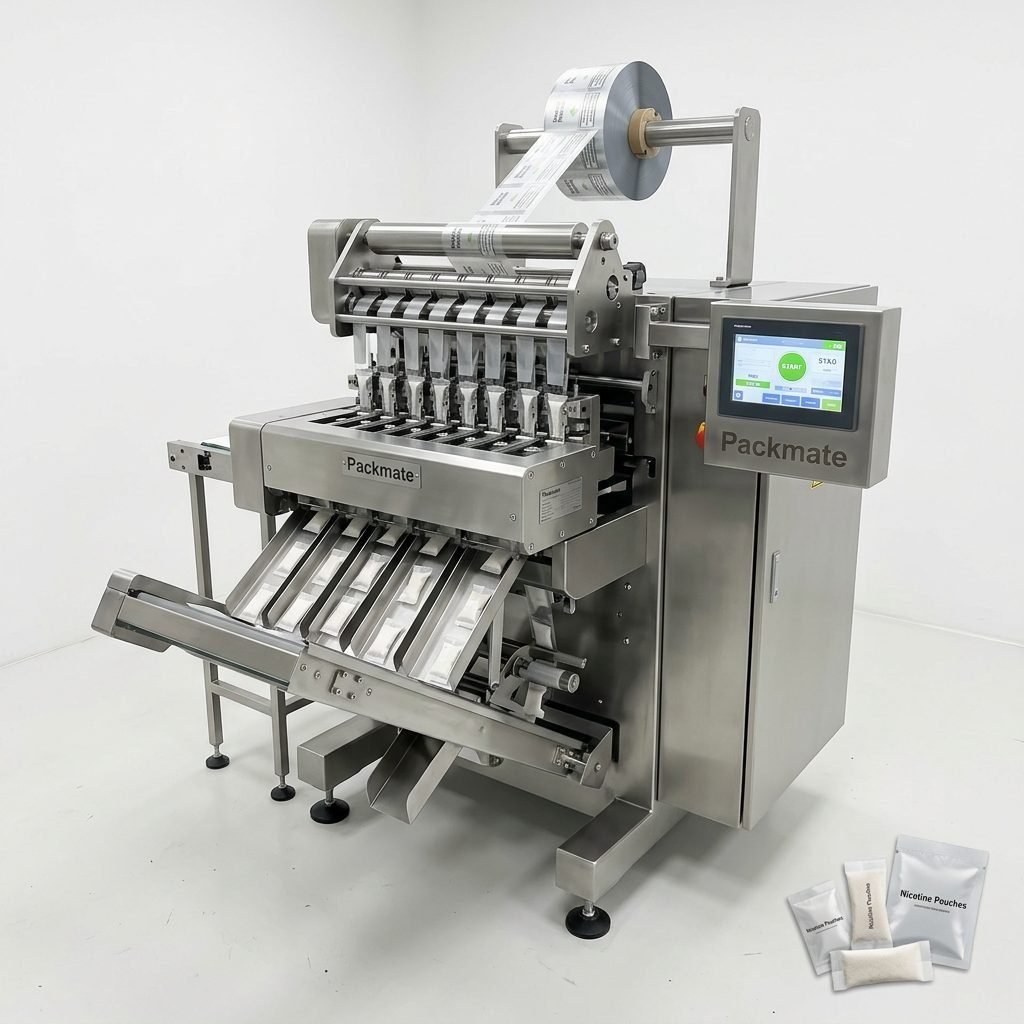
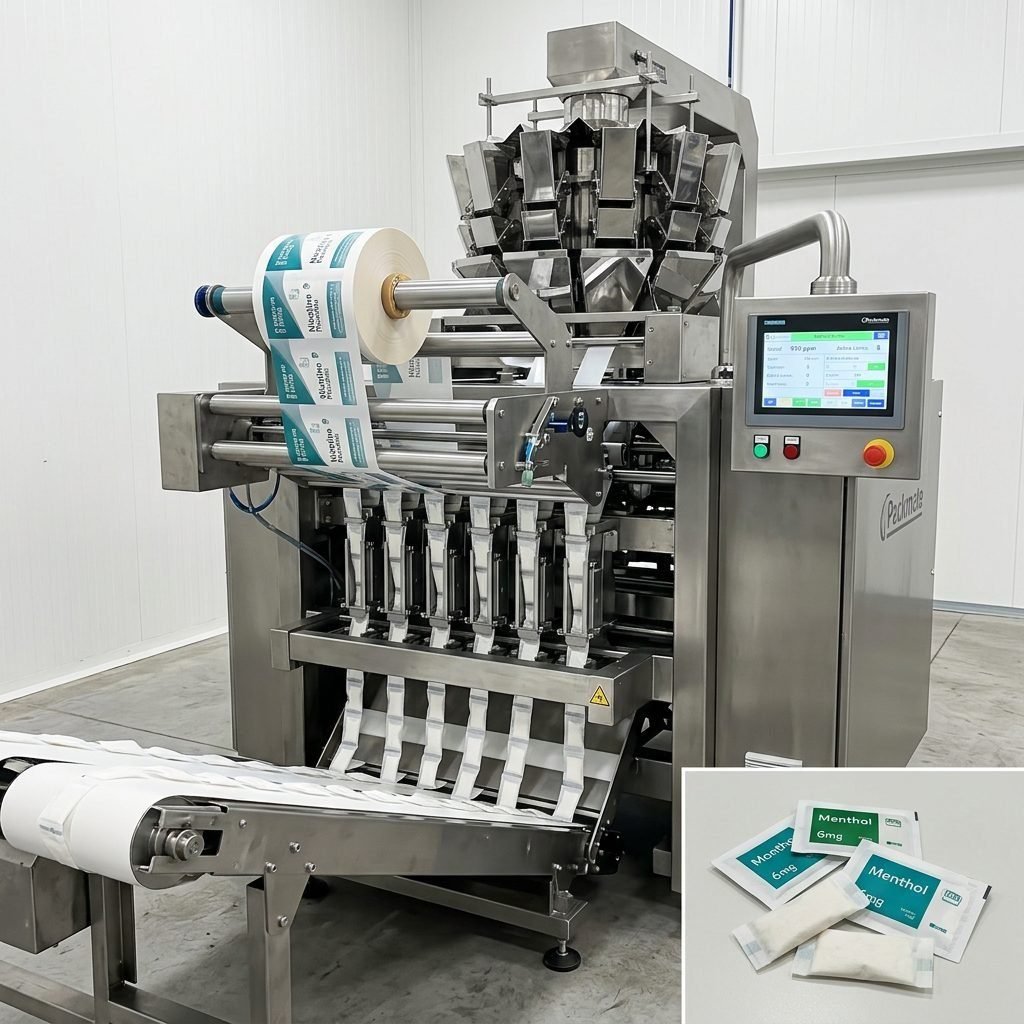
Choosing a manufacturer experienced in snus and nicotine pouch packaging brings several advantages. Specialist manufacturers understand the specific material interactions, small-dose filling accuracy, multi-lane synchronization, and regulatory requirements unique to tobacco and nicotine products. A focused supplier will offer optimized solutions such as multi-lane sachet lines, stick-pack options, and full turnkey production systems.
Key advantage: Precision engineering for small-dose pouches, high-speed multi-lane capability, and turnkey integration for complete packaging lines.
Core Product Lines and Capabilities
A mature manufacturer typically offers a suite of machines designed to meet diverse packaging needs:
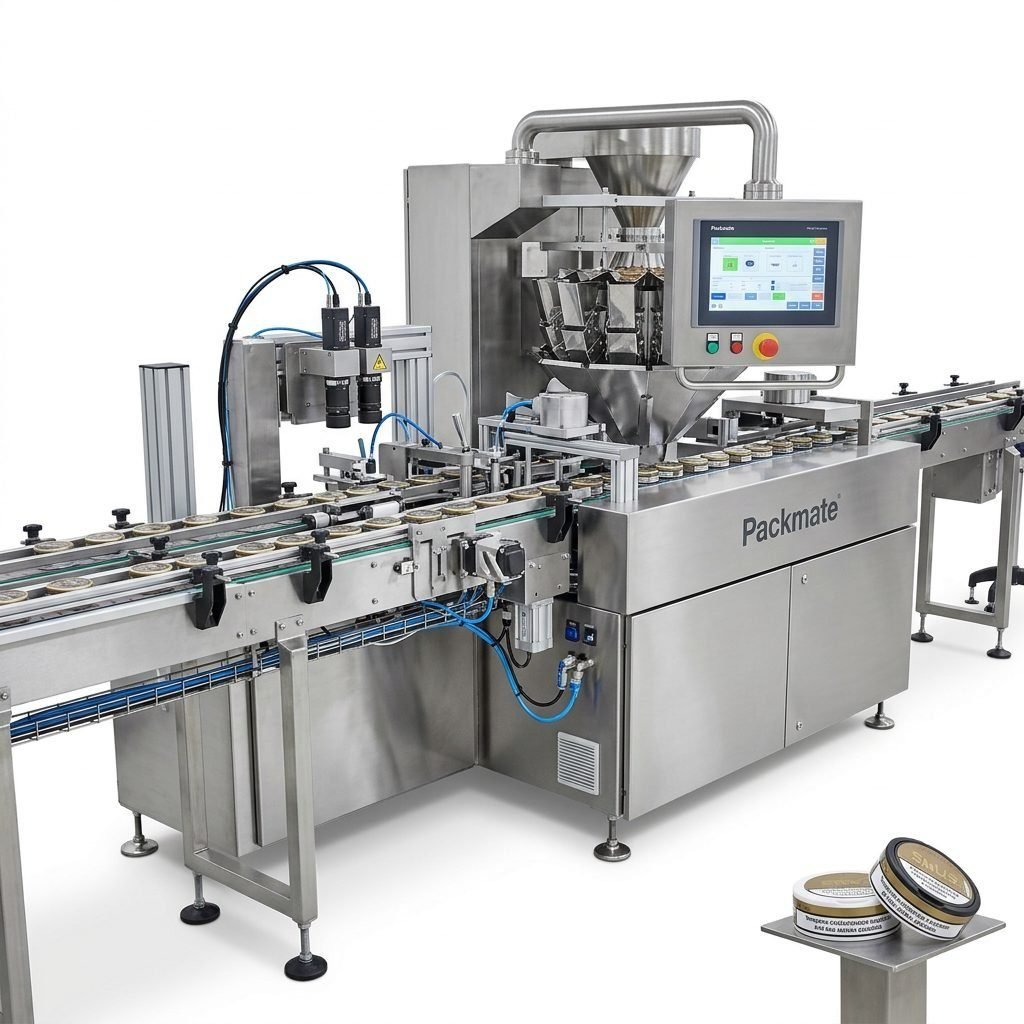
🔧 Snus & Nicotine Packaging Machines — Dedicated lines for nicotine pouches and snus, optimized for product stability and dose accuracy. See examples at Snus & Nicotine Packaging Machines.
📦 Sachet & Stick Pack Machines — Flexible sachet and stick pack systems suitable for single-dose formats and multi-lane throughput. More details: Sachet & Stick Pack Machines.
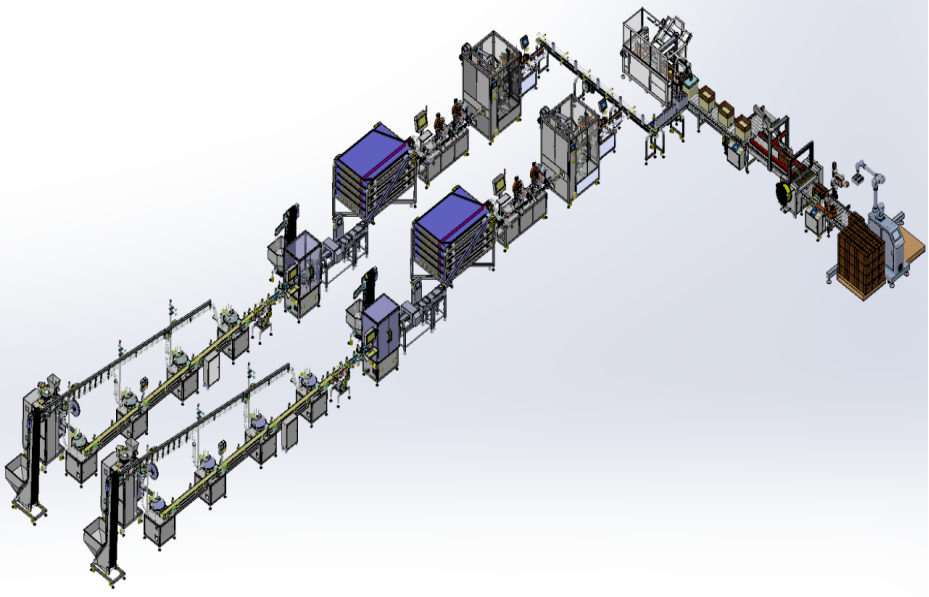
⚙️ Filling & Packaging Lines — Integrated solutions combining weighing, filling, sealing and secondary packaging for streamlined production: Filling & Packaging Lines.
Engineering Excellence and Factory Strength
Proven manufacturers invest heavily in machining centers and precision assembly to maintain consistent quality. A typical facility spans thousands of square meters, housing advanced CNC machines, inspection equipment, and dedicated assembly lines. This level of investment results in machines that offer long-term stability and minimal downtime.
Factory fact: A 20,000㎡ manufacturing facility with advanced CNC centers ensures repeatable precision and rapid customization.
Customization: Tailoring Machines to Your Product
Customization is essential for snus and nicotine pouch production. Factors to consider include pouch size and material, dosing accuracy, lane count, sealing technology, and secondary packaging requirements. A reputable manufacturer will offer modular options and tailor control systems to integrate with existing production processes.
Typical customization options:
• Lane configurations (single to multi-lane) for higher throughput.
• Customized filling heads and weighing systems to suit powders, granules, or liquids.
• Material handling and pouch cutting systems designed for specific film types and thicknesses.
Automation and Turnkey Integration
For high-volume manufacturers, turnkey lines reduce integration risks by delivering a validated system that includes upstream and downstream equipment. This could include feeders, metal detection, checkweighers, and case packers. Look for suppliers that can supply complete systems and handle PLC/HMI integration for seamless operation.
Integrated solutions typically include:
✓ Weighing and filling systems for consistent dosing (Weighing & Packaging Systems).
✓ In-line quality control such as metal detection and weight verification.
✓ Automated carton erection, labeling, and palletizing for downstream efficiency.
Quality Assurance and Certifications
Compliance with international standards like CE and ISO matters — especially for companies exporting to regulated markets. Manufacturers with robust quality control systems perform final inspections, vibration and endurance testing, and maintain traceable documentation for spare parts and machine revisions.
Certifications: CE & ISO compliance ensures international market acceptance and safety standards adherence. More about certificates: Certificate.
After-sales Service and Global Support
A reliable support network reduces downtime. Choose manufacturers that provide:
• On-site commissioning and operator training.
• Spare parts availability and clear service agreements.
• Remote diagnostics and software updates to keep lines running optimally. Explore their service offerings: Service.
Case Studies and Global Deployment
Proven performance across multiple continents indicates adaptability to different regulatory and operational environments. Leading manufacturers often showcase case studies that demonstrate successful line installations, productivity gains, and return on investment. For inspiration and real-world examples, view case references: Case.
Selecting the Right Machine: A Buying Guide
When evaluating suppliers and machines, follow a checklist to match equipment to your business goals. Consider throughput needs, product type, future expansion, floor space, and regulatory requirements.
Evaluation checklist:
• Confirm dosing accuracy and acceptable tolerance for your product.
• Verify lane scalability — start with fewer lanes and expand as demand grows.
• Inspect material compatibility for films, laminates, or biodegradable films.
• Review warranty, spare parts policy, and training programs.
Operational Tips: Maximize Uptime and Yield
Proper commissioning, preventive maintenance, and operator training are paramount. Schedule routine checks, maintain a spare parts inventory for wear items, and standardize operating procedures to reduce variation between shifts.
Practical tips:
📌 Keep critical components such as sealing jaws, cutting knives, and feeding chutes clean and properly aligned.
📌 Use recommended lubricants and adhere to the maintenance schedule provided by the manufacturer.
📌 Train multiple operators to ensure consistent production quality across shifts.
Exhibitions, Demonstrations, and Factory Visits
Attending exhibitions or requesting live demonstrations can clarify machine capabilities and support expectations. Many manufacturers participate in major international exhibitions where you can see the machines in operation and discuss specific requirements face-to-face. See upcoming events: Our Exhibition.
Partnering with a Trusted Manufacturer
A strong partnership extends beyond the sale. Look for companies with a clear mission and long-term vision, documented product catalogs, and transparent communication channels. Learn more about the company background and commitments: About Packmate.
Quick reminder: Verify references, request a factory acceptance test (FAT), and confirm spare parts lead times before finalizing procurement.
Ordering, Delivery, and Commissioning
Clear timelines and responsibilities should be defined in the purchase agreement. Expect stages such as design review, manufacturing, factory acceptance testing, shipping, installation, and site acceptance testing. Confirm training schedules and after-sales response times to ensure a smooth ramp-up.
Sustainability and Material Considerations
As packaging trends evolve, inquire about compatibility with recyclable or biodegradable films. Modern packaging lines can often be adapted to handle newer materials, but testing is essential to confirm sealing and pouch integrity.
Conclusion
Selecting a top snus sachet machine manufacturer requires balancing technical performance, customization capability, factory strength, and after-sales support. Prioritize suppliers with proven multi-lane solutions, turnkey integration experience, and strong quality systems. A well-chosen partner will not only deliver machines but will also contribute to your production efficiency, product consistency, and future growth.
Frequently Asked Questions
Q1: What machine types are best for small-dose nicotine pouches?
A1: Multi-lane sachet machines and specialized snus packaging lines optimized for small-dose accuracy are ideal. Look for robust weighing/filling modules and synchronized lane control.
Q2: How long does it take to customize and deliver a complete packaging line?
A2: Typical lead times vary by complexity; standard models might ship within several weeks, while fully customized turnkey lines often require several months for design, fabrication, and FAT.
Q3: What certifications should I expect from a reputable manufacturer?
A3: CE and ISO certifications are common indicators of compliance with international safety and quality standards. Request documentation for verification.
Q4: Can I expand line capacity after installation?
A4: Many modern systems are modular; discuss scalability options such as adding lanes, upgrading fillers, or integrating additional downstream equipment.
Q5: Where can I find more information or contact the manufacturer?
A5: For product catalogs, detailed machine models, and direct contact, visit the manufacturer’s Contact Us page: Contact Us.