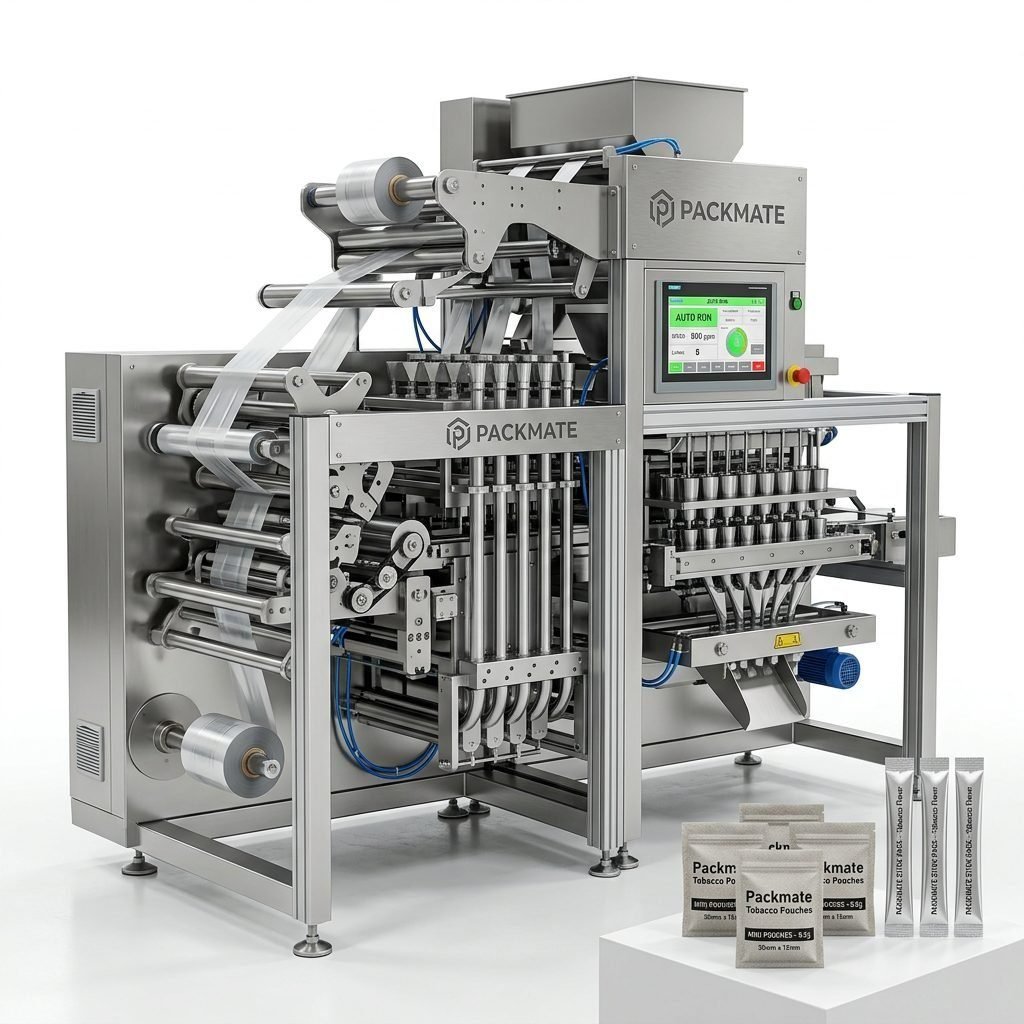
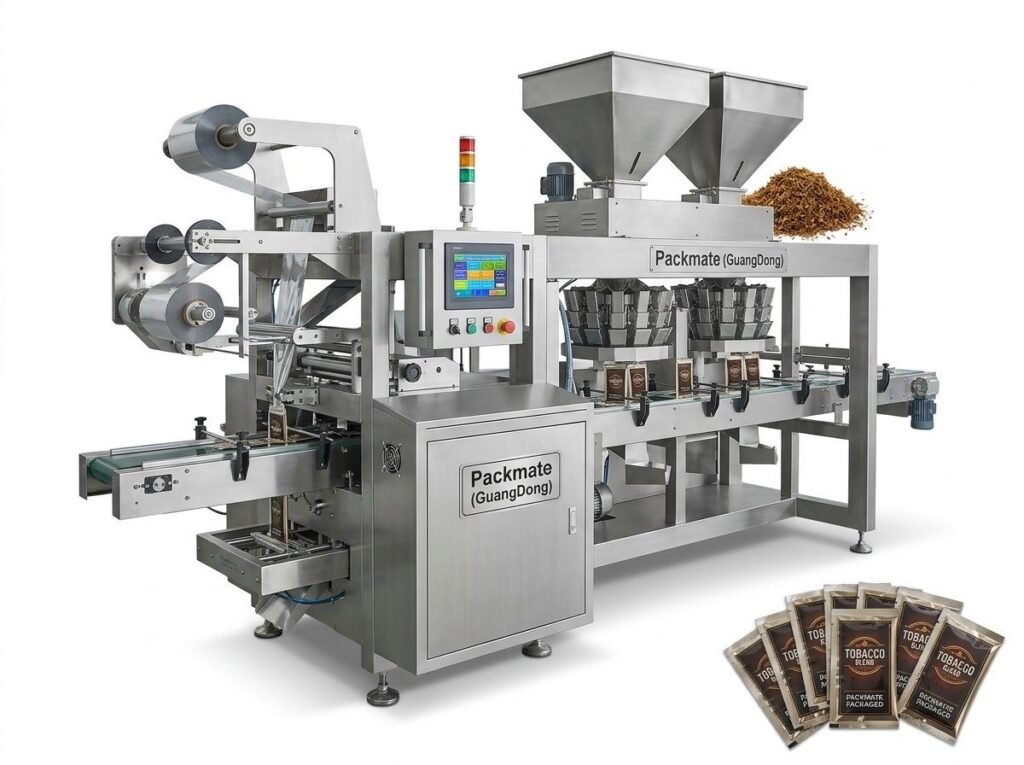
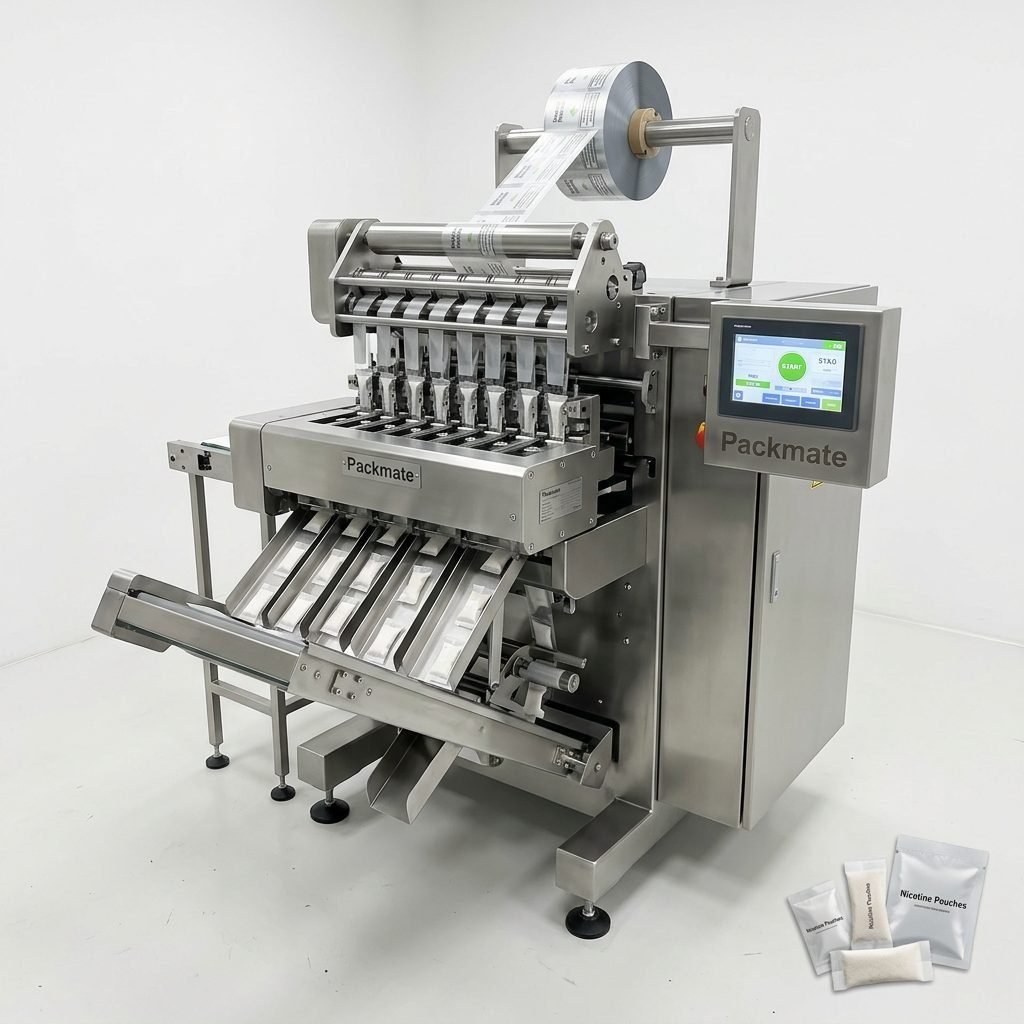
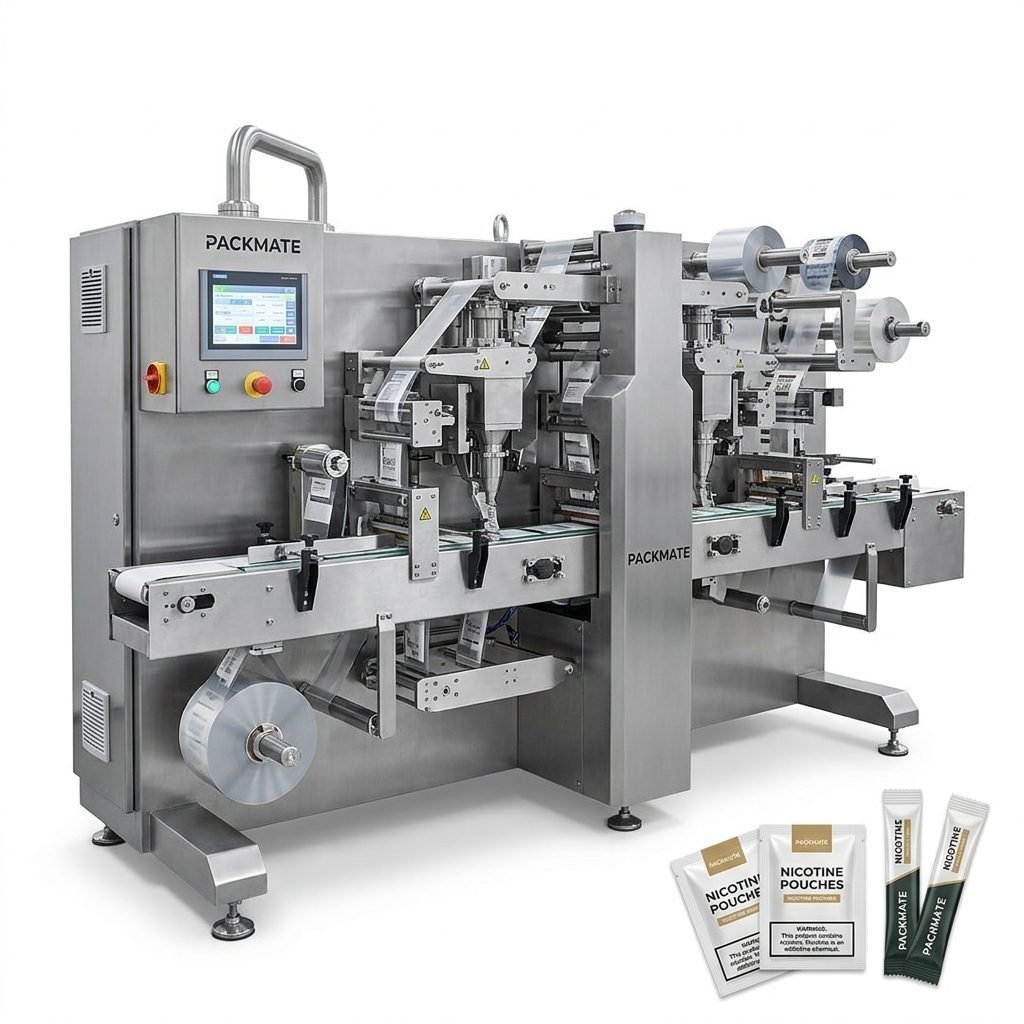
The nicotine pouch market demands packaging that is not only fast and reliable but also precisely portioned to ensure product consistency and regulatory compliance. Modern Nicotine Pouch Filling Machines deliver automated packaging solutions that combine high-speed production with tight tolerances, minimal downtime, and flexible formats for a wide range of pouch sizes and materials. This article walks through the key features, benefits, technical considerations, and operational best practices for selecting and integrating a nicotine pouch filling machine into your production line.
🔧 Core Capabilities of Modern Nicotine Pouch Filling Machines
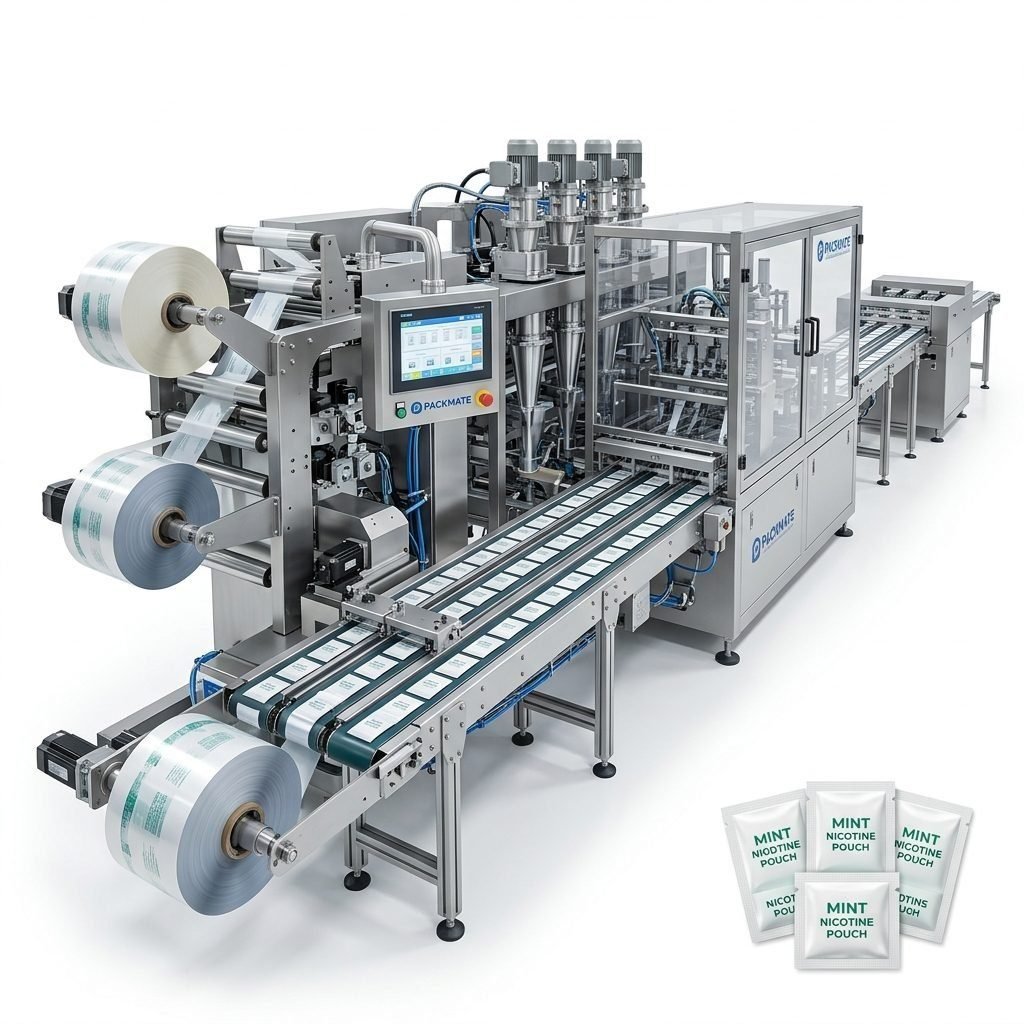
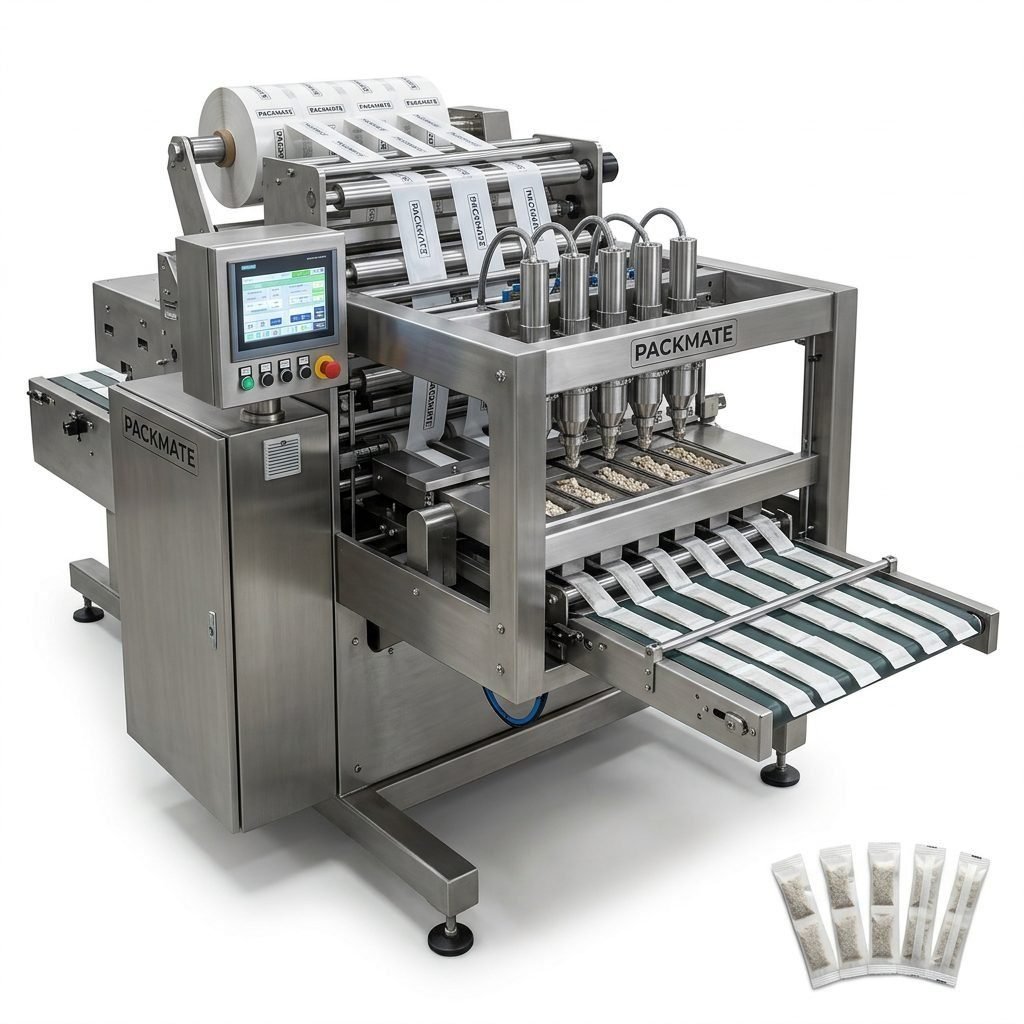
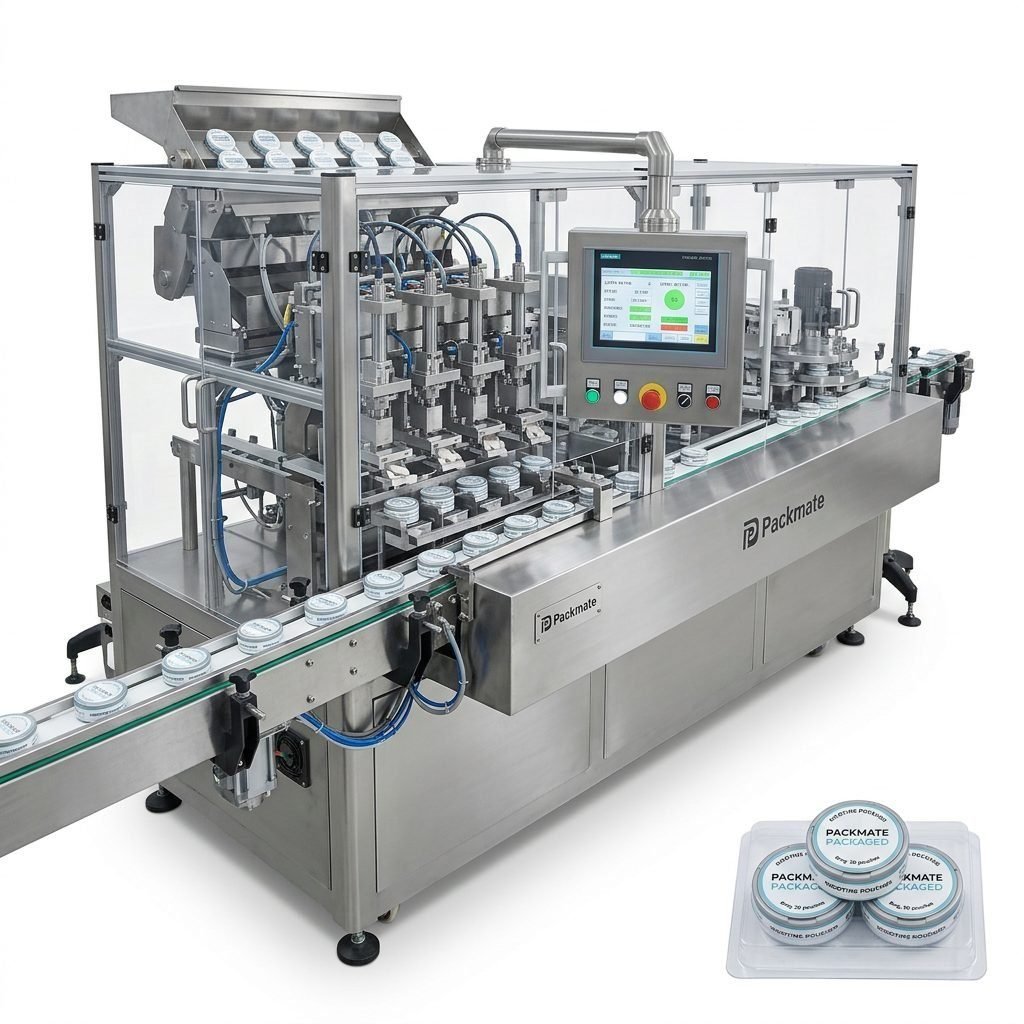
Nicotine pouch filling equipment is engineered to handle micro-dose powders and granules with exceptional accuracy. Today’s systems are modular and often include multi-lane filling heads, precision weighing systems, and synchronized pouch forming and sealing modules. Key capabilities include:
✓ High-speed multi-lane filling for throughput scaling.
✓ Precise portioning with repeatability in the milligram range.
✓ Flexible pouch formats: stick pack, sachet, or custom pouch shapes.
✓ Gentle product handling to preserve ingredients and prevent cross-contamination.
✓ Integrated quality inspection: weight checks, metal detection, and seal integrity monitoring.
⚡ High-Speed Portioning Without Compromising Accuracy
The combination of servo-controlled dosing, loss-in-weight feeders, and multi-head weigher integration makes it possible to achieve both high throughput and tight weight distributions. For companies producing nicotine pouches, maintaining consistent nicotine content per pouch is crucial — not only for customer satisfaction but also for regulatory labeling and safety.
📐 Design Elements and Materials Compatibility
Design considerations depend on product characteristics and packaging film. Machines can be adapted for:
• Dry powder blends and nicotine salts.
• Hydrophobic or hygroscopic formulations with humidity control.
• Biodegradable or laminated films, heat-seal and cold-seal materials.
• Multi-lane pouches for high-output consumer formats.
🔬 Sanitation and Regulatory Compliance
Machines intended for nicotine or food-grade products must be easy to clean and designed to minimize contamination risks. Many reputable manufacturers supply equipment that meets CE and ISO standards and is designed for rapid disassembly and washdown where necessary. If you need further information about supplier certification and production standards, see About Packmate.
🏭 Integrating Filling Machines into a Complete Production Line
A nicotine pouch filling machine is most effective when integrated into a holistic packaging line. Typical components include:
• Upstream feeders and bulk dosing systems.
• Continuous pouch forming, filling, and sealing stations.
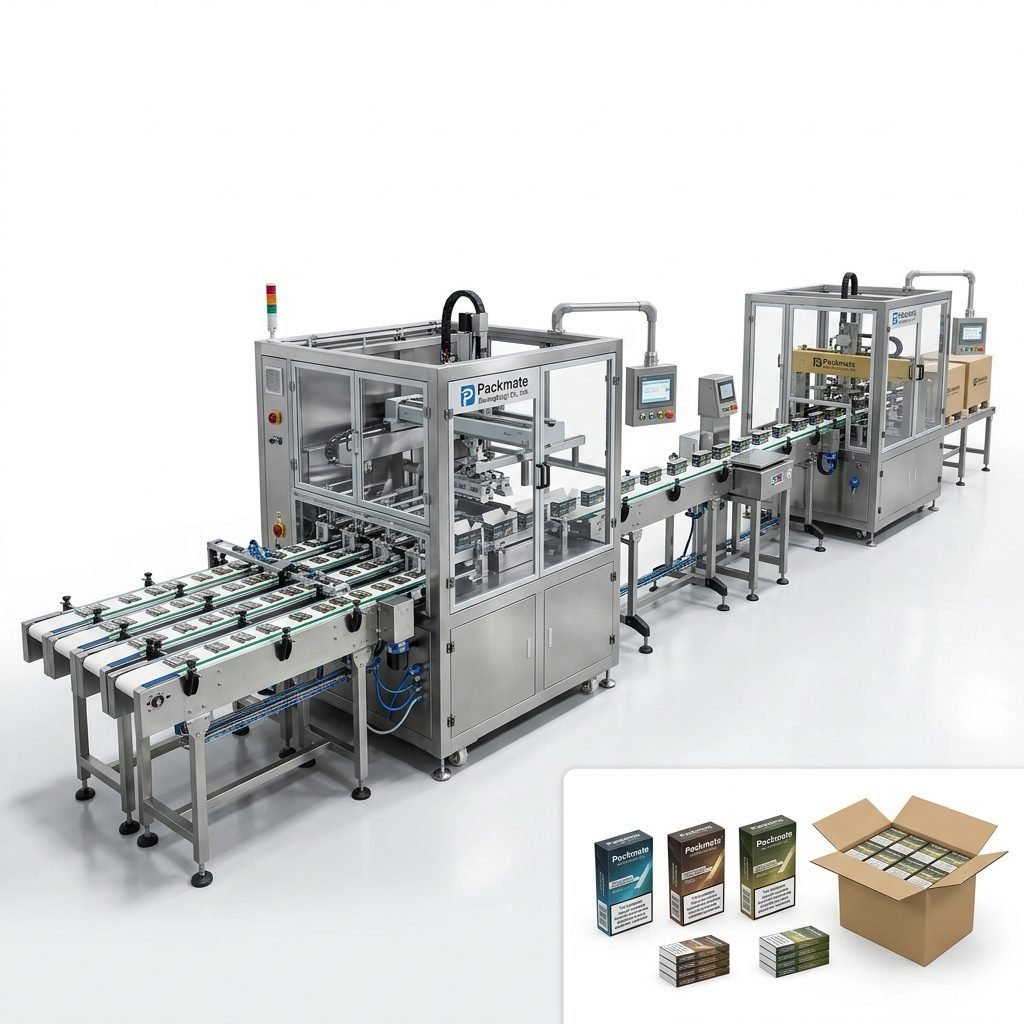
• Secondary packaging: cartoning or bagging modules.
• In-line inspection: weight verification, foreign body detection, and print verification.
• Downstream conveyors and case packers for automated palletizing.
For turnkey solutions that include weighing and packaging integration, consult the Filling & Packaging Lines and Weighing & Packaging Systems product suites for matched equipment and control logic.
💡 Key Benefits for Manufacturers
Investing in an automated nicotine pouch filling solution brings measurable advantages:
• Consistent product quality: Accurate dosing reduces variability and returns.
• Higher throughput: Multi-lane systems scale production without a proportional increase in labor.
• Lower operating costs: Automated lines reduce manual handling and shrink labor expenses.
• Regulatory readiness: Traceability and integrated inspection improve compliance.
⚖️ Return on Investment (ROI)
ROI depends on production volume, labor costs, and product value. Typical payback periods range from 12 to 36 months for high-volume operations. Reductions in scrap, rework, and manual inspection often accelerate ROI, especially when upgrading from semi-automatic systems.
🔍 Choosing the Right Machine: A Buyer’s Checklist
Before selecting a nicotine pouch filling machine, evaluate these critical factors:
1. Production target (pouches/min and daily throughput).
2. Portion tolerance and permitted weight variation.
3. Compatibility with pouch films and sealing methods.
4. Required multi-lane configuration for scale.
5. Sanitation and cleanability requirements.
6. Integration with upstream/downstream systems and MES/ERP.
7. After-sales support, spare parts availability, and training.
If you want an overview of available equipment to match specific packaging formats, the Snus & Nicotine Packaging Machines page provides a variety of configured models and case examples.
🛠️ Customization and Modular Options
Leading suppliers offer modular platforms that can be customized for:
• Variable-lane converters to move from R&D to high-volume production.
• Tooling packages for different pouch sizes and forming dies.
• Controlled-environment enclosures for moisture-sensitive formulations.
• HMI options with recipe management and remote diagnostics.
🔗 Examples of Modular Upgrades
Integration-ready modules include automatic splicing, film tracking, and servo-driven indexing for precise pouch placement. For full line automation including auxiliary systems, see the Auxiliary Packaging Equipment and Bag & Pouch Packaging Machines resources.
🧰 Operation, Maintenance, and Support
Reliable operation requires trained operators and a preventive maintenance program. Best practices include:
• Daily checks of feed systems, seals, and sensors.
• Scheduled lubrication and wear-part inspection.
• Quick-change tooling routines to minimize downtime.
• Remote diagnostics and spare parts kits for critical components.
Quality manufacturers offer commissioning, staff training, and ongoing Service packages to ensure machines run at peak performance. For details about available support plans, visit the Service page.
📦 Real-World Applications and Case Studies
Successful deployments span small-batch boutique producers to high-volume global brands. Case studies frequently highlight reductions in waste, improved consistency, and simplified regulatory audits. To review project examples and performance summaries, explore Case and Catalog resources.
🔎 Selecting a Trusted Manufacturer
When choosing a supplier, look for a company with deep engineering experience, robust manufacturing facilities, and a track record in nicotine pouch systems. Important indicators include:
• Decades of industry experience and documented product lines.
• A sizable factory with CNC capabilities and quality testing.
• International certifications (CE, ISO) and exhibition presence.
• Global service footprint and proven customer references.
Packmate Snus Machine is an example of such a partner, offering end-to-end solutions from snus packing machines to full production lines. Learn more About Packmate and see global projects in Our Exhibition.
✅ Quick Procurement Tips
• Ask for factory acceptance testing (FAT) videos and test reports.
• Confirm warranty, spare parts lead times, and remote support options.
• Request a lifecycle cost analysis including energy, consumables, and wear parts.
• Verify compatibility with planned secondary packaging and labeling equipment.
🧾 Final Thoughts
Investing in a modern nicotine pouch filling machine can transform production capacity, quality control, and cost-efficiency. The right system for your operation balances throughput, dosing accuracy, and ease of integration. Whether you are scaling up or optimizing an existing line, a well-engineered solution will deliver measurable performance improvements and help secure long-term market competitiveness.
📎 Useful Links
Explore product lines and solutions referenced in this article:
• Snus & Nicotine Packaging Machines
• Filling & Packaging Lines
• About Packmate
• Service
❓ Frequently Asked Questions
Q1: How precise are modern nicotine pouch filling machines?
A1: Modern systems using servo dosing and loss-in-weight feeders can achieve repeatability within a few milligrams, depending on product characteristics and lane configuration.
Q2: Can the same machine handle multiple pouch sizes and formats?
A2: Yes. Many platforms are modular with quick-change tooling and adjustable forming stations to switch between stick packs, sachets, and multi-lane pouches.
Q3: What maintenance practices extend machine lifetime?
A3: Routine inspection, scheduled lubrication, timely replacement of wear parts, and keeping a stocked spare-parts kit are essential. Remote diagnostics and vendor support accelerate troubleshooting.
Q4: How do I ensure regulatory compliance for nicotine pouch production?
A4: Use equipment certified to international standards, maintain traceability records, perform in-line quality checks, and follow good manufacturing practices (GMP). Suppliers often assist with documentation and commissioning.
Q5: Where can I see real machine demonstrations or request a quote?
A5: Contact manufacturers to arrange on-site or exhibition demos. You can also request catalogs and case studies to evaluate performance. For sales and demo inquiries, visit the Contact Us page.