Selecting the right snus packaging machine manufacturer in Italy—or anywhere you source from—can be the difference between a smooth production ramp-up and repeated downtime. This guide walks you through practical criteria, technical checks, and negotiation tips so you can choose a manufacturer that delivers reliability, compliance, and measurable return on investment. Use these recommendations to compare suppliers, validate capabilities, and ensure long-term partnership success.
Why the Manufacturer Choice Matters
A snus packaging machine is not just equipment—it’s a production backbone. Machines influence product consistency, material waste, labor needs, and regulatory compliance. Choosing the right manufacturer determines:
⚙️ Operational stability: Machines built with precision components reduce stoppages and maintenance frequency.
📦 Packaging quality: Proper sealing, dose control, and pouch integrity protect product reputation.
🔧 Serviceability: Timely spare parts and remote support reduce costly downtime.
✅ Regulatory alignment: CE/ISO compliance makes cross-border sales and audits simpler.
Key Factors to Evaluate
Use this compact checklist when vetting manufacturers. Each item is a quick filter to shortlist partners who can meet technical and commercial expectations.
🔍 Experience & specialization — Look for companies with specific experience in snus or nicotine pouch packaging. A specialized vendor understands small-dose multi-lane systems and the hygiene controls needed for tobacco-adjacent products.
🏭 Manufacturing capability — Factory size, CNC and assembly capacity, and quality testing procedures matter. For example, a 20,000㎡ facility with advanced CNC centers indicates commitment to precision engineering.
📜 Certifications — Ask for CE, ISO or similar certifications and audit reports. Certification shows adherence to international safety and quality norms.
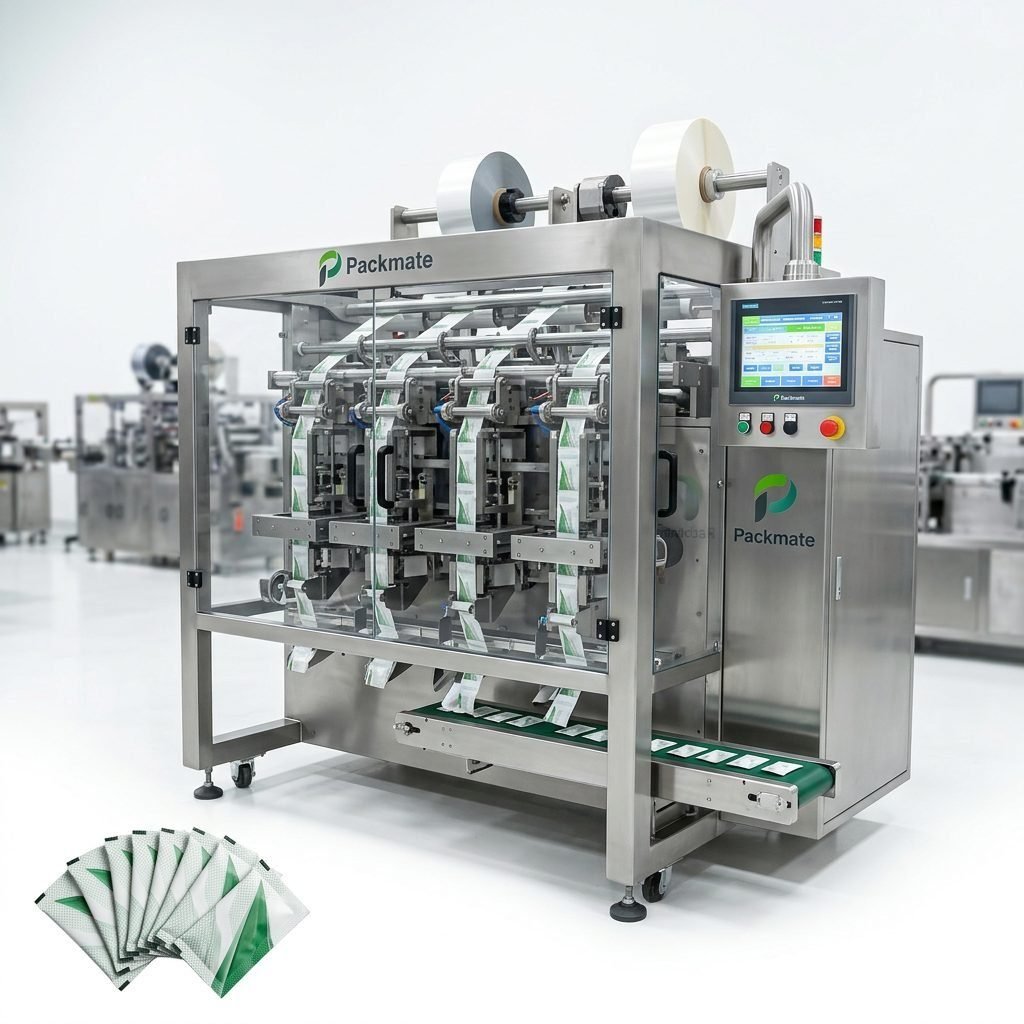
🔁 Product range & flexibility — Manufacturers with multiple models (e.g., stick pack, sachet, multi-lane) can provide better-fit solutions and easier upgrades.
🌍 Global support & references — Request customer references and case studies in markets similar to yours. Real-world performance and service records reveal more than spec sheets.
Machine Types and When to Choose Each
The right machine type depends on product format, line speed, and budget:
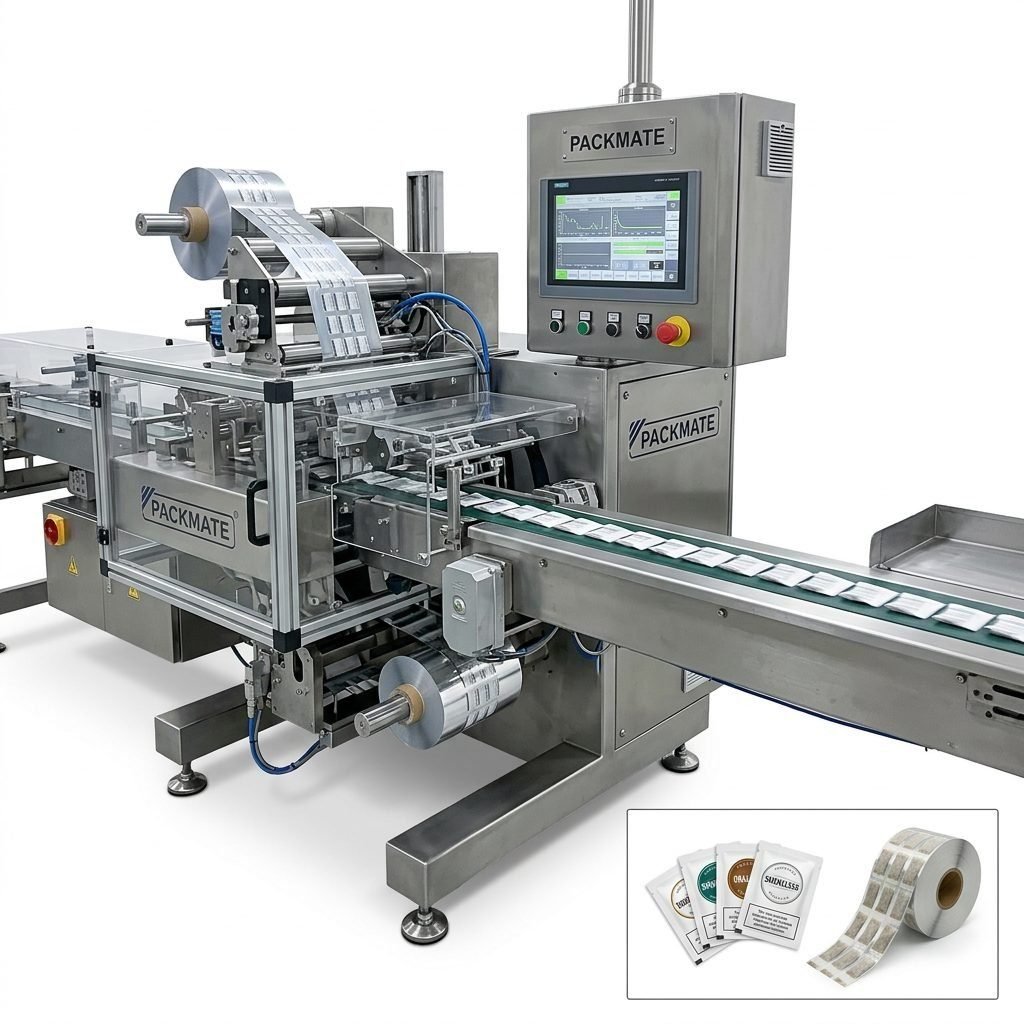
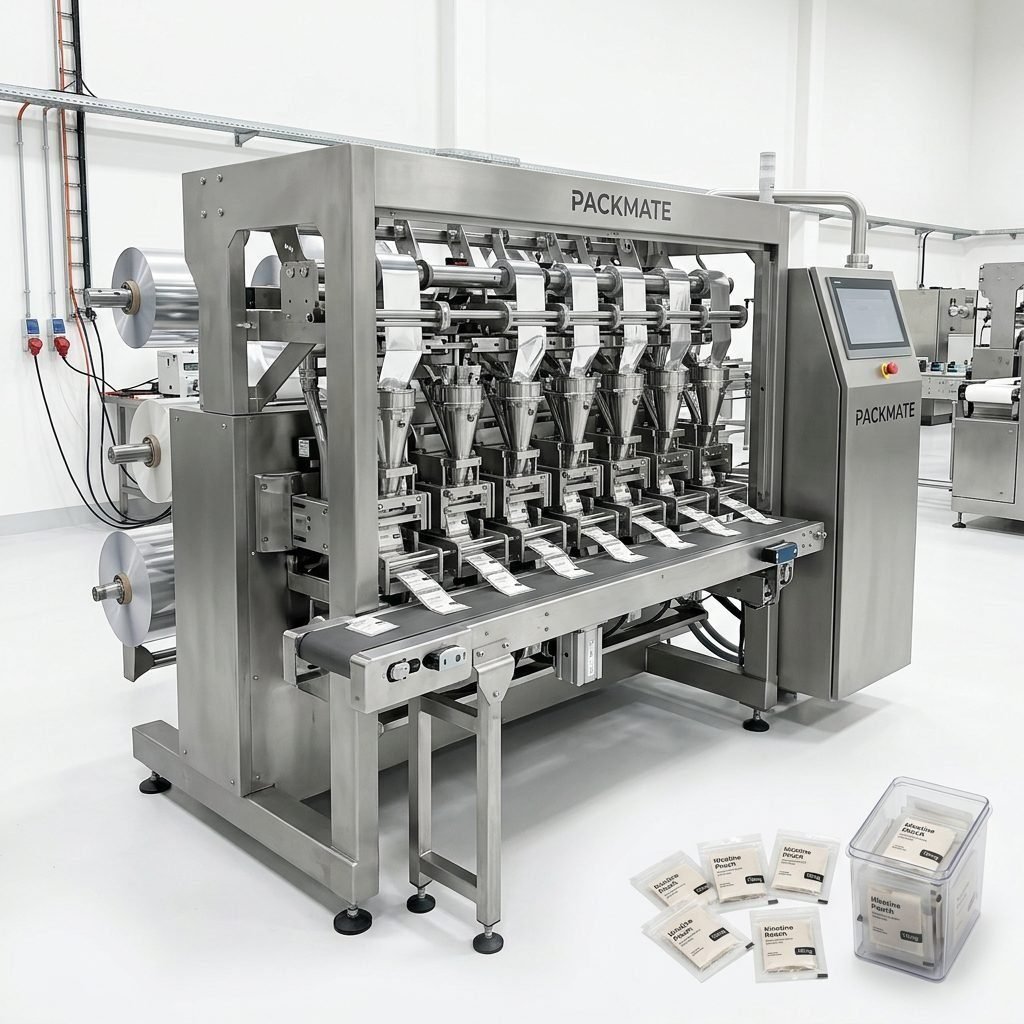
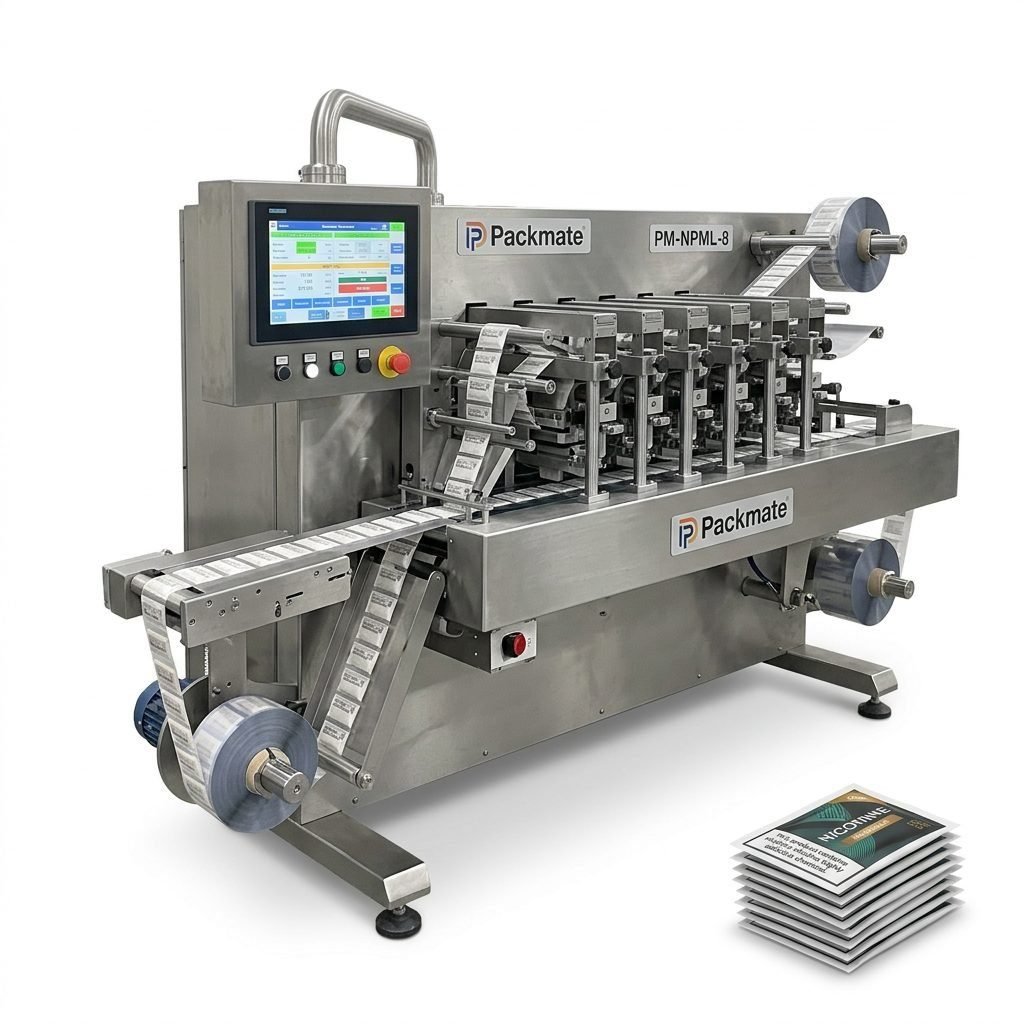
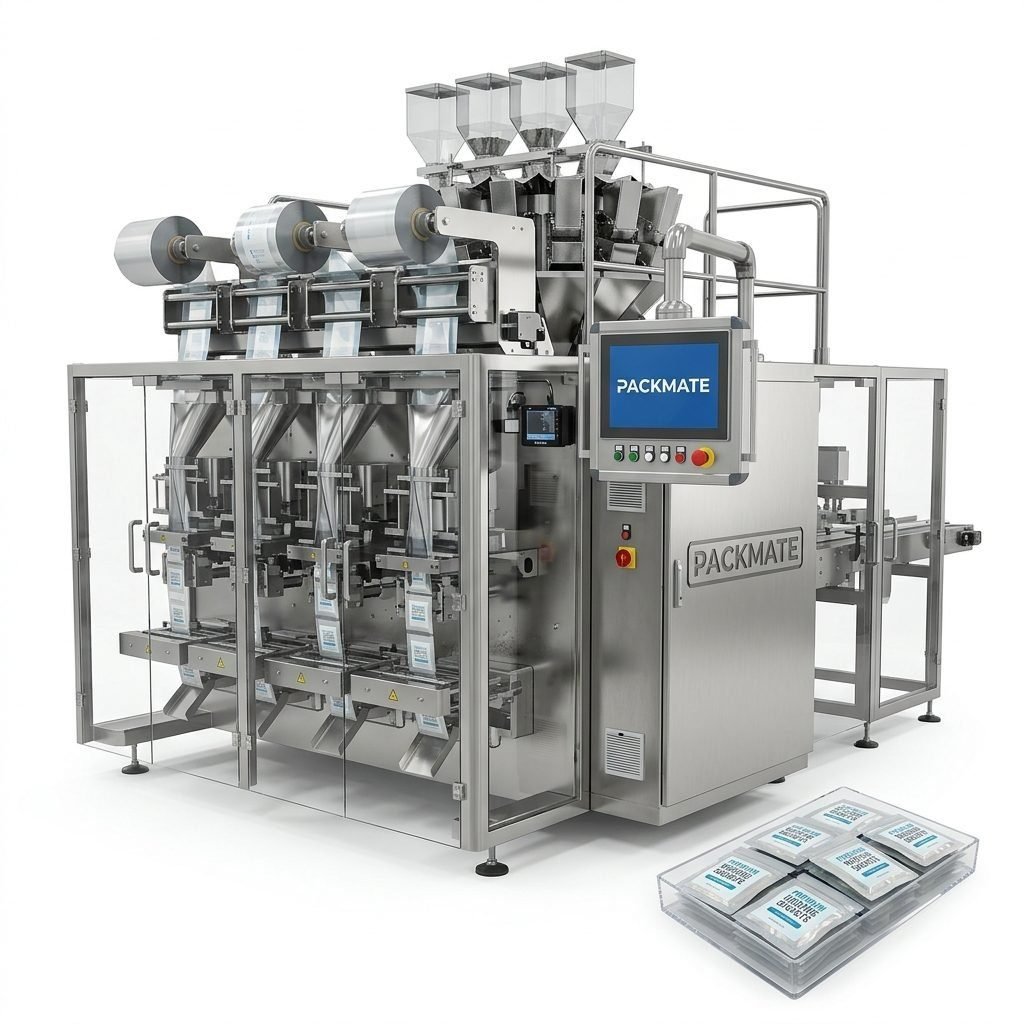
📌 Snus & Nicotine Packaging Machines — Ideal for traditional and modern nicotine pouch formats; optimized for dose accuracy and small pouch sealing. Explore product options: Snus & Nicotine Packaging Machines.
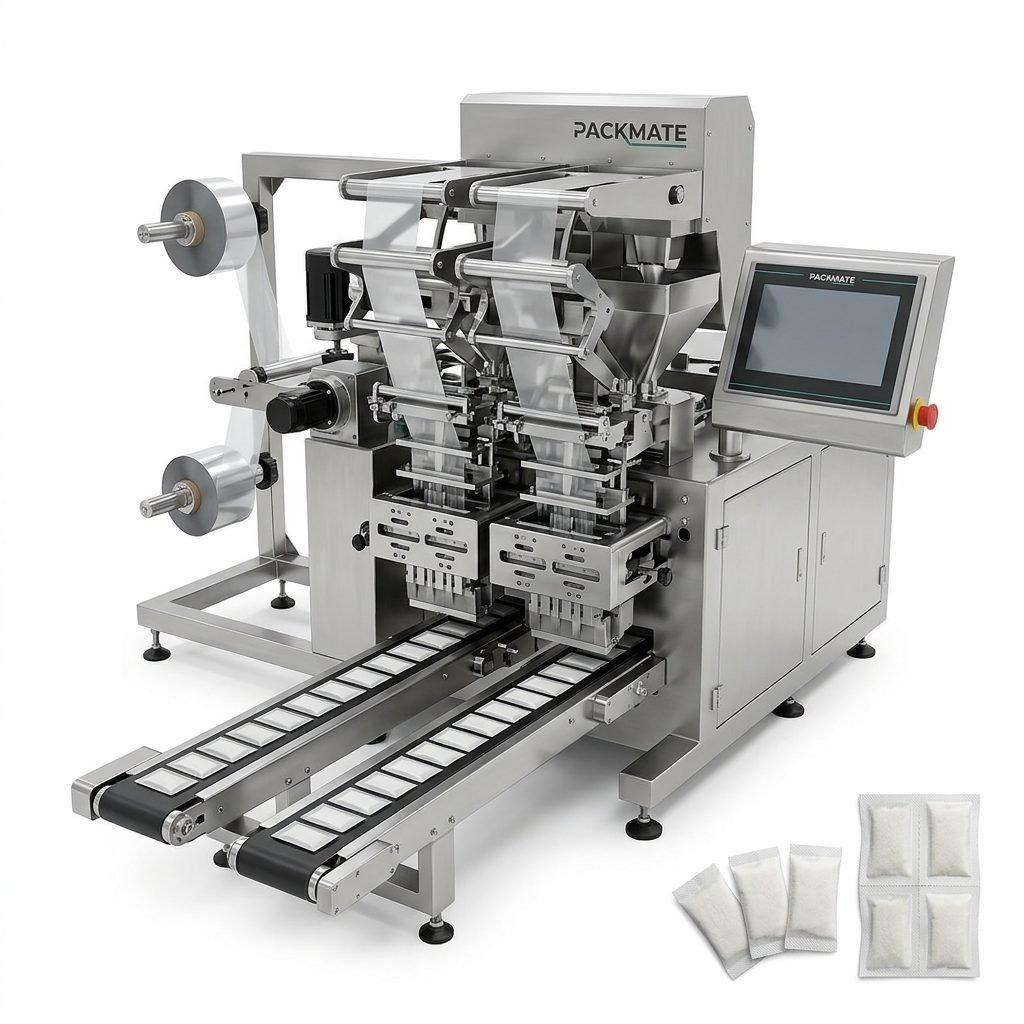
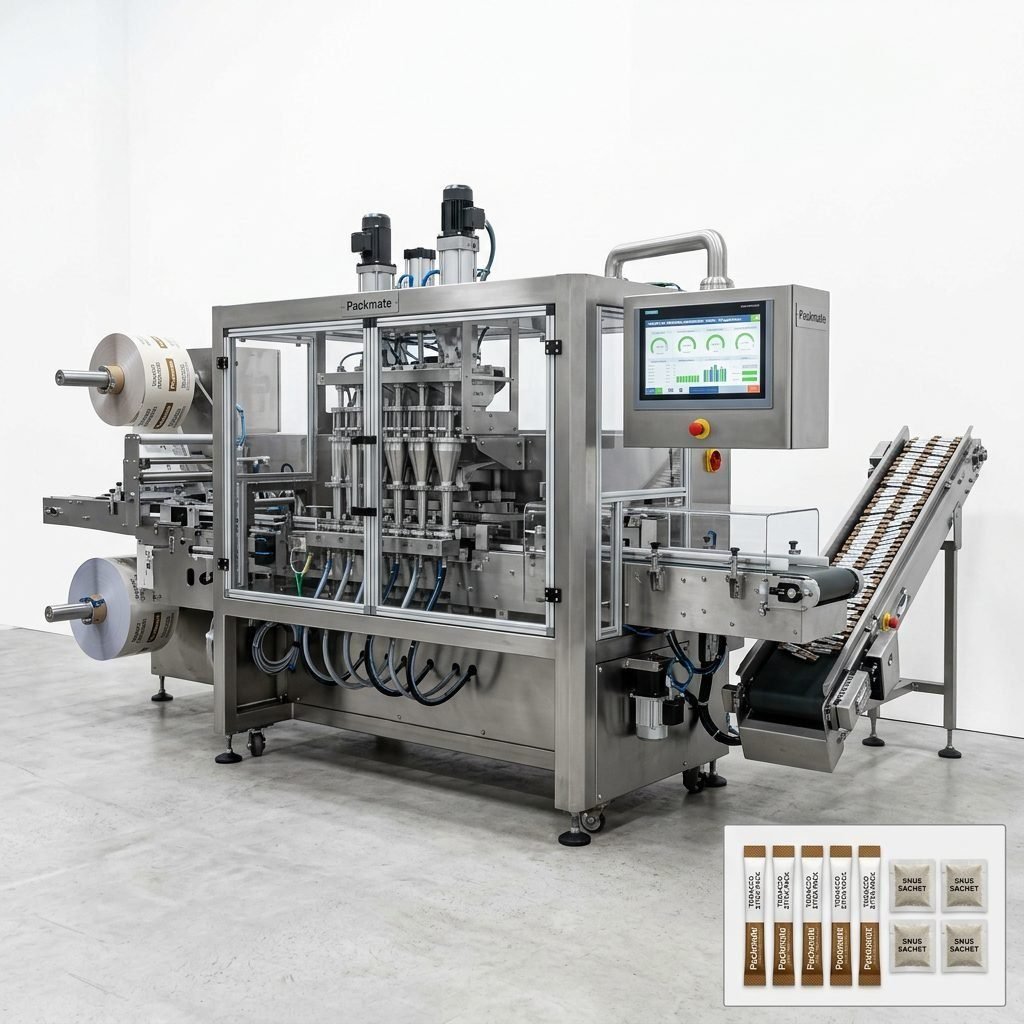
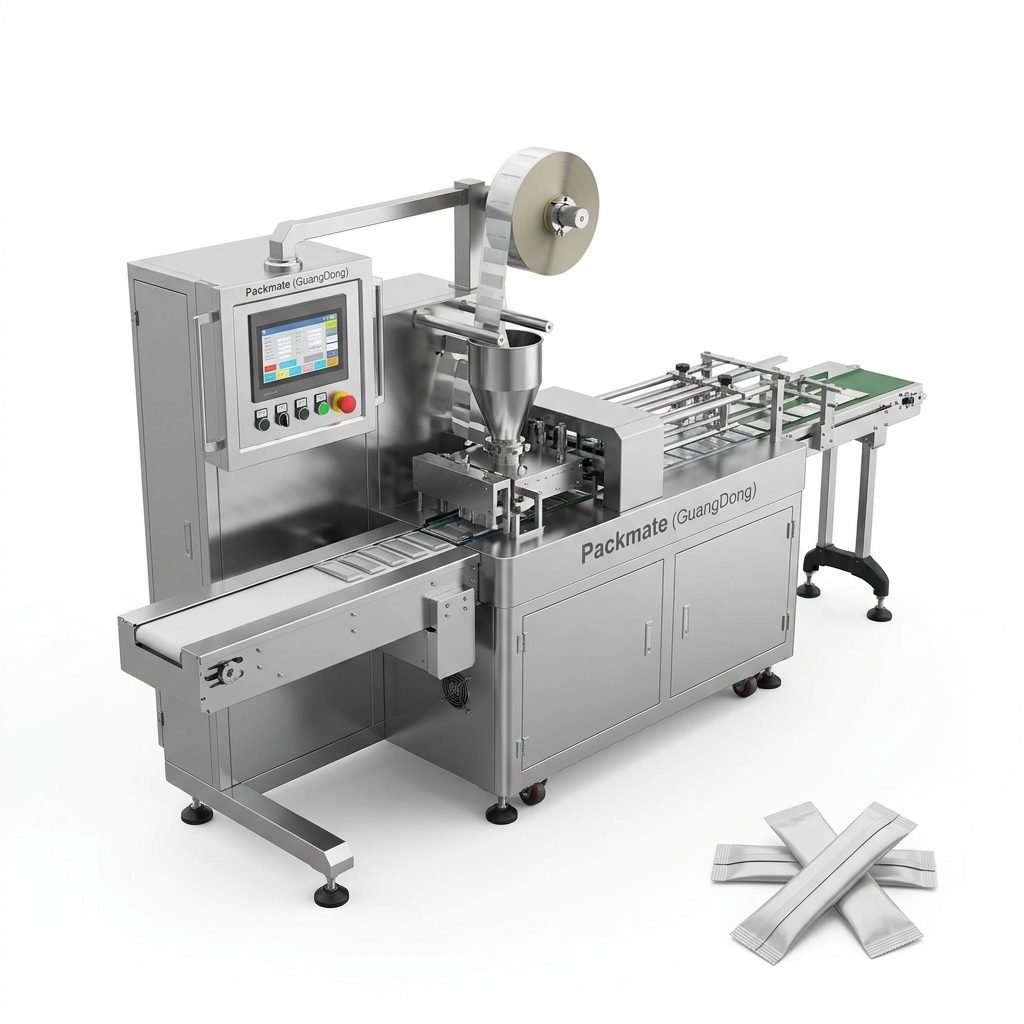
📌 Sachet & Stick Pack Machines — Best for single-serve stick packs and sachets where filling speed and consistent sealing are critical. See models: Sachet & Stick Pack Machines.
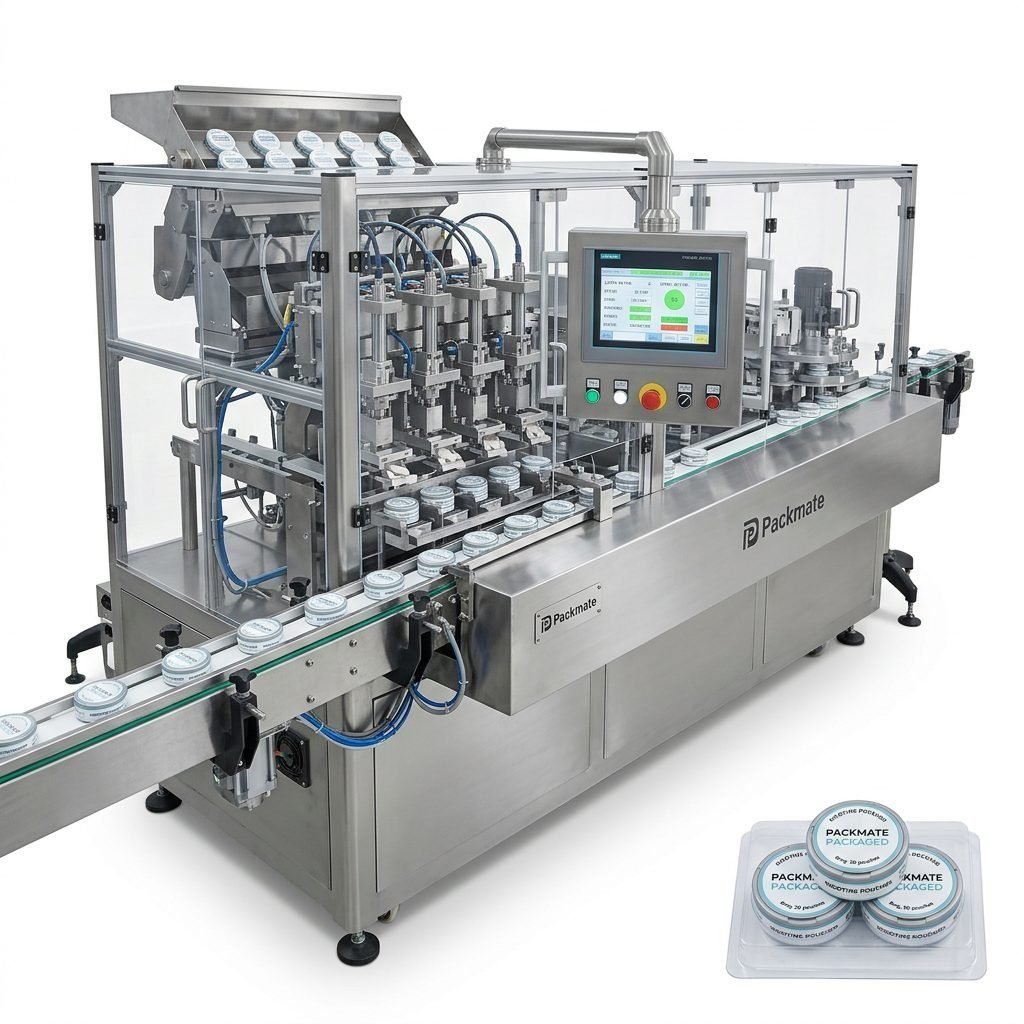
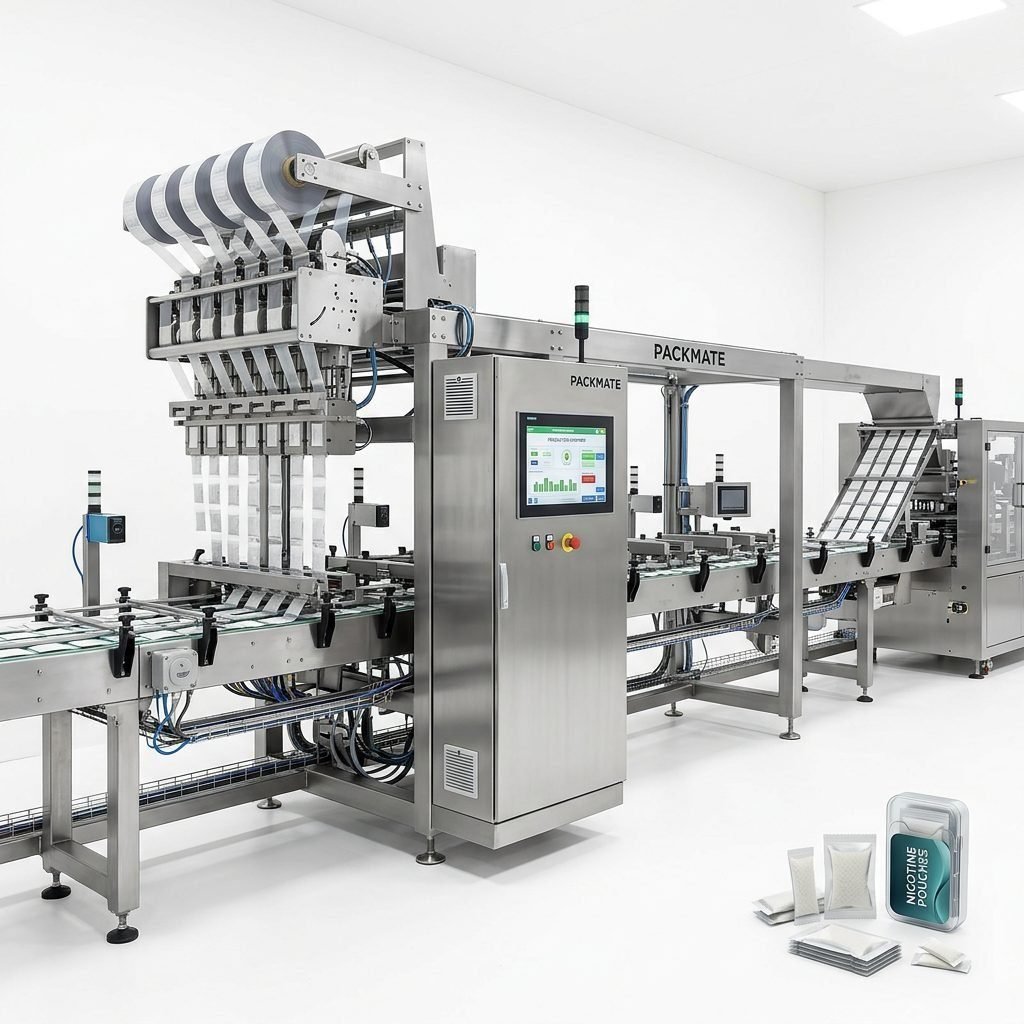
📌 Filling & Packaging Lines — For automated production lines that include weighing, dosing, and end-of-line packaging, consider integrated Filling & Packaging Lines with turnkey delivery.
Assessing Technical Performance
When you inspect technical documentation or demo machines, check these measurable parameters:
• Cycle rate and throughput (pouches/min) under real product conditions.
• Filling accuracy and weight deviation statistics (± tolerance).
• Changeover time between formats and tools required.
• Downtime frequency, mean time between failures (MTBF), and mean time to repair (MTTR).
• Electrical and pneumatic consumption per 1,000 units.
Tip: Ask for test runs using your actual pouch materials. Performance on simulated samples often differs from production-grade films and tobacco blends.
Factory Visit: What to Verify
A factory visit or a live demo offers invaluable evidence of manufacturing capability. Prioritize these checks:
🔎 Assembly lines & machining — Inspect CNC centers and precision assembly stations to confirm in-house capability and part traceability.
🔎 Quality control — Review inspection protocols, test rigs, and documentation for every machine leaving the line.
🔎 Test reports & demos — Witness machines running your SKUs and request recorded performance data.
🔎 Spare parts inventory — Verify availability of critical spare parts and lead times.
Certifications and Compliance
Ensure the manufacturer provides up-to-date compliance documents such as CE, ISO, and electrical safety certificates. These documents are essential for import approvals and machine commissioning. See a manufacturer’s credential page for reference: Certificate.
Service, Spare Parts and After-Sales
Strong after-sales support reduces lifecycle cost. Evaluate:
• Guaranteed spare part availability and typical lead times.
• Remote diagnostics and software support offerings.
• Training programs for operators and maintenance staff.
• Local service partners or global support infrastructure.
For company background and real-world cooperation cases, reviewing documented projects helps validate support capabilities: Case and About Packmate.
Customization and Turnkey Solutions
If your product requires a tailored filling system, dosing accuracy, or specific material handling, prioritize manufacturers who deliver turnkey lines including weighing, dosing, and end-of-line packaging. Integrated solutions reduce integration risk, shorten timelines, and can improve OEE. Browse integrated offerings here: Filling & Packaging Lines.
Note: Turnkey projects often require detailed scope documents—confirm who is responsible for civil works, utilities, machine commissioning, and regulatory documentation before signing.
Pricing, Warranties, and Contracts
Price is important, but total cost of ownership (TCO) matters more. Negotiate on:
• Warranty length and scope (mechanical, electrical, software).
• Included spare parts kit and training sessions.
• Performance acceptance testing criteria and penalties for missed targets.
• Payment milestones tied to factory acceptance test (FAT) and site acceptance test (SAT).
How to Run a Successful Vendor Comparison
Develop a weighted comparison matrix with technical, commercial, and service criteria. Example weight categories:
• Technical fit & performance — 40%
• After-sales & spare parts — 25%
• Total cost & payment terms — 20%
• Delivery time & lead-sheet — 10%
• References & compliance — 5%
Pro tip: Assign scores after receiving FAT videos and test reports. A one-page scorecard speeds decisions and creates negotiation leverage.
Questions to Ask During Demos
When evaluating live demos, bring these questions:
• Can you run my exact pouch material and nicotine pouch blend?
• What is the guaranteed pouch sealing integrity rate under production conditions?
• What spare parts are consumables and how often must they be replaced?
• How fast is the average format changeover and what tools are included?
• Do you provide operator and maintenance training at site?
Validating the Supplier: Red Flags
Watch for these warning signs:
• Vague or incomplete technical data sheets.
• No FAT or refusal to run full-scale product tests.
• Long spare part lead times with no local inventory.
• Lack of verifiable customer references in similar product categories.
Why Consider Packmate-Type Manufacturers
Manufacturers with decades of engineering experience, diversified product lines (stick pack, sachet, multi-lane), and sizable factories offer tangible advantages: mature design practices, broad spare parts catalogs, and documented global cases. If you want to learn more about a specific company’s background or exhibition presence, check their About and Exhibition pages: About Packmate | Our Exhibition.
Closing note: a well-chosen manufacturer does more than sell a machine—they become a long-term partner supporting growth, compliance, and product quality.
Next Steps: How to Proceed
1. Shortlist 3–5 manufacturers and request FAT videos on your product.
2. Visit at least one factory or secure a live online demo.
3. Negotiate contract terms with clear acceptance criteria and spare parts commitments.
4. Plan on-site commissioning and training days in your purchase order.
5. Keep contingency budget for initial process tuning and spare parts.
Useful Links
• Snus & Nicotine Packaging Machines: https://www.snusmachinery.com/products/snus-nicotine-packaging-machines/
• Sachet & Stick Pack Machines: https://www.snusmachinery.com/products/sachet-stick-pack-machines/
• Filling & Packaging Lines: https://www.snusmachinery.com/products/filling-packaging-lines/
• Case Studies and References: https://www.snusmachinery.com/case/
• About the Manufacturer: https://www.snusmachinery.com/about-us/
Frequently Asked Questions
Q1: How long does it take to install a snus packaging line?
A1: Typical installation and commissioning vary by scope—standalone machines can be commissioned in days, while turnkey lines including utilities and conveyors may require several weeks. Always include FAT and SAT milestones in the contract.
Q2: What are the main maintenance costs to budget for?
A2: Budget for routine consumables (seals, belts, cams), annual preventive maintenance, and an initial spare parts kit. A reliable vendor will provide a spare-parts plan and expected lifetimes for wear items.
Q3: Can machines be customized for different nicotine pouch sizes?
A3: Yes—most modern manufacturers offer format kits and multi-lane options. Confirm changeover times and whether additional hardware is required for each size.
Q4: How do I verify a supplier’s real-world performance?
A4: Request FAT videos using your materials, check references, and inspect third-party certificates. A factory visit to review assembly and QC procedures provides the best validation.
Q5: Where can I get more help selecting the right line?
A5: Contact manufacturers directly for consultation, or use their product and case pages to match models to your needs. For contact and support information, visit: Contact Us.