Selecting the right snus packaging machine for your Paraguay operation is a strategic decision that affects product quality, regulatory compliance, production efficiency, and long-term profitability. This guide walks you through the practical steps and technical considerations required to make an informed purchase—covering machine types, production capacity, material handling, automation features, supplier selection, and after-sales support. Whether you are launching a new nicotine pouch line or upgrading existing equipment, these insights will help you choose a machine that aligns with your product specs, budget, and growth plans.
Understanding the Market Needs in Paraguay
Paraguay’s growing interest in alternative nicotine products means rising demand for high-quality, compliant packaging solutions. Buyers should factor in local regulations, distribution channels, and shelf presentation. Many producers aim for a compact production footprint while maintaining high throughput and consistent portion weight—requirements that influence the choice between single-lane, multi-lane, and stick/sachet systems.
Primary Types of Snus Packaging Machines
Choosing the right machine starts with understanding available formats. The most common machine categories include:
• Single-lane portion pouch machines for niche or low-volume products.
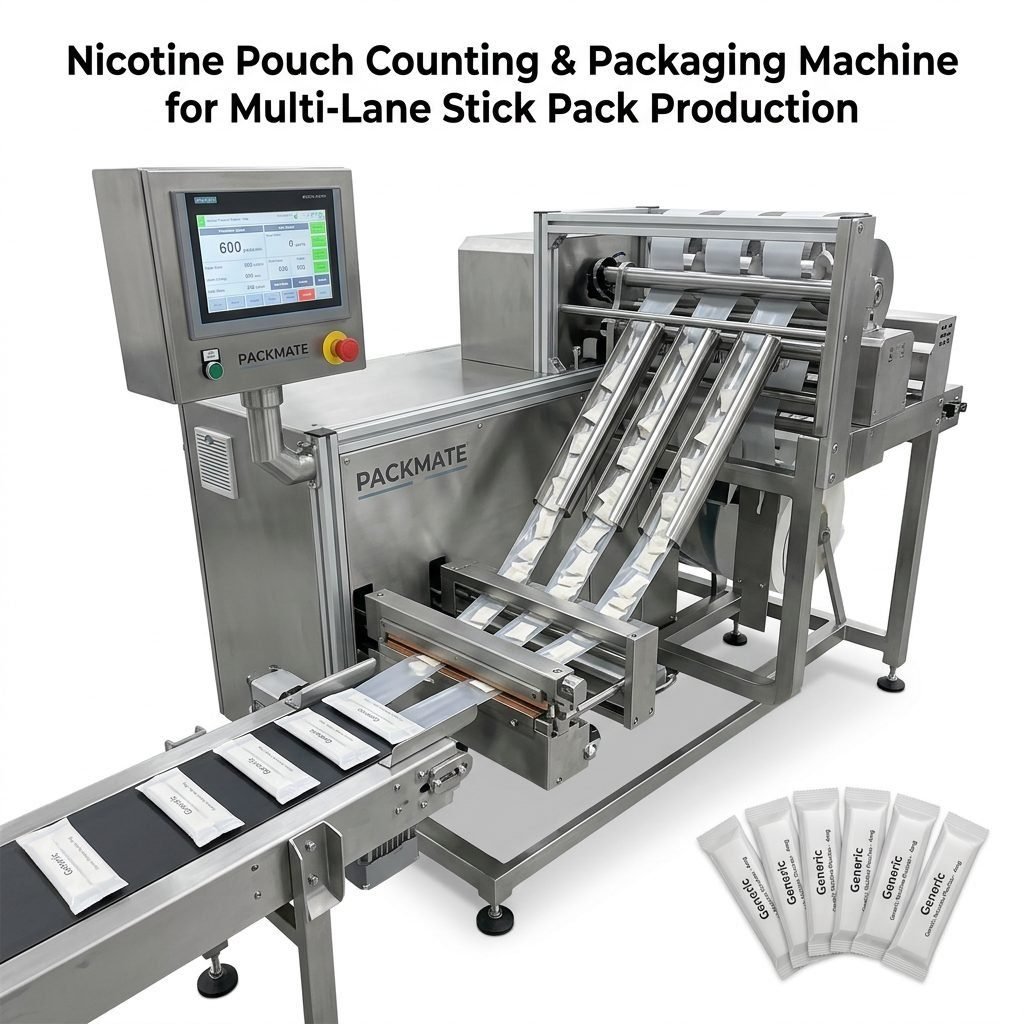
• Multi-lane portion machines for scalable production of small-dose nicotine pouches.
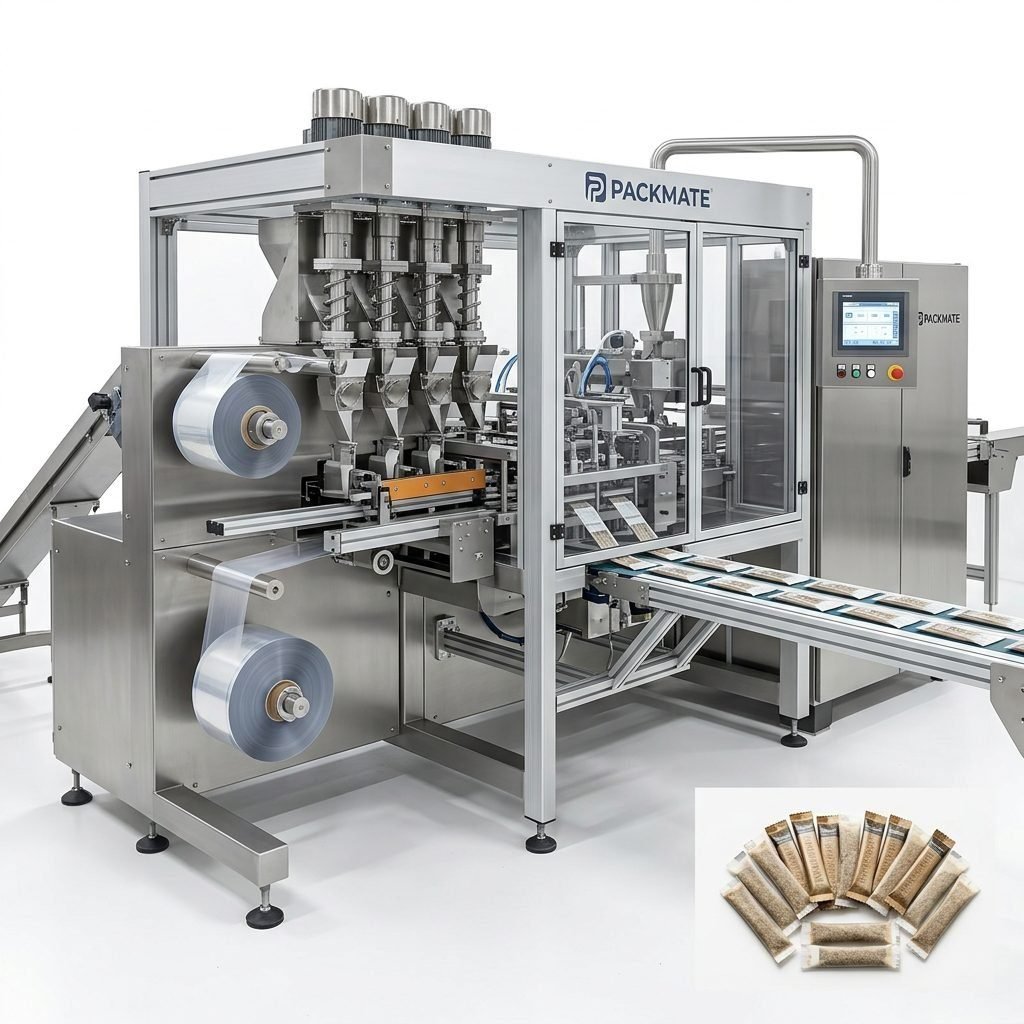
• Stick pack and sachet machines for single-serve formats or promotional packaging.
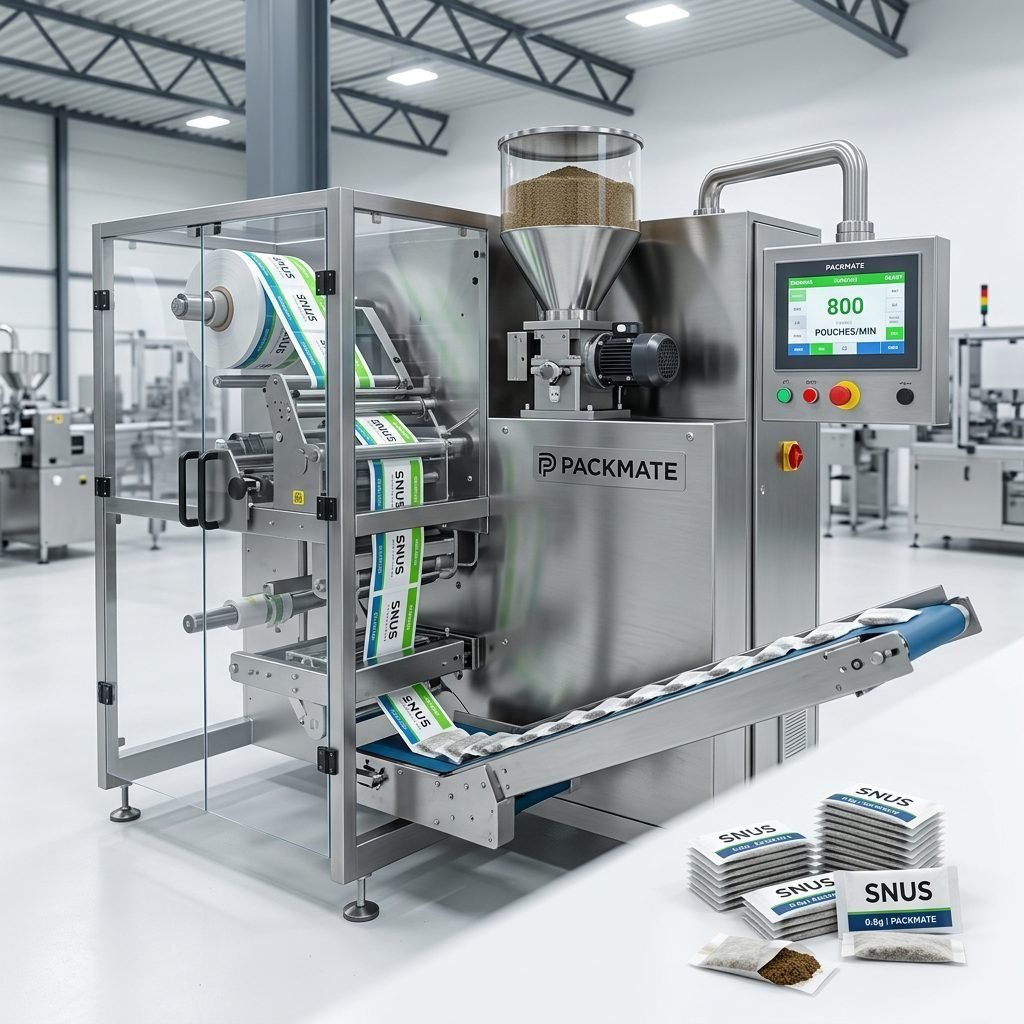
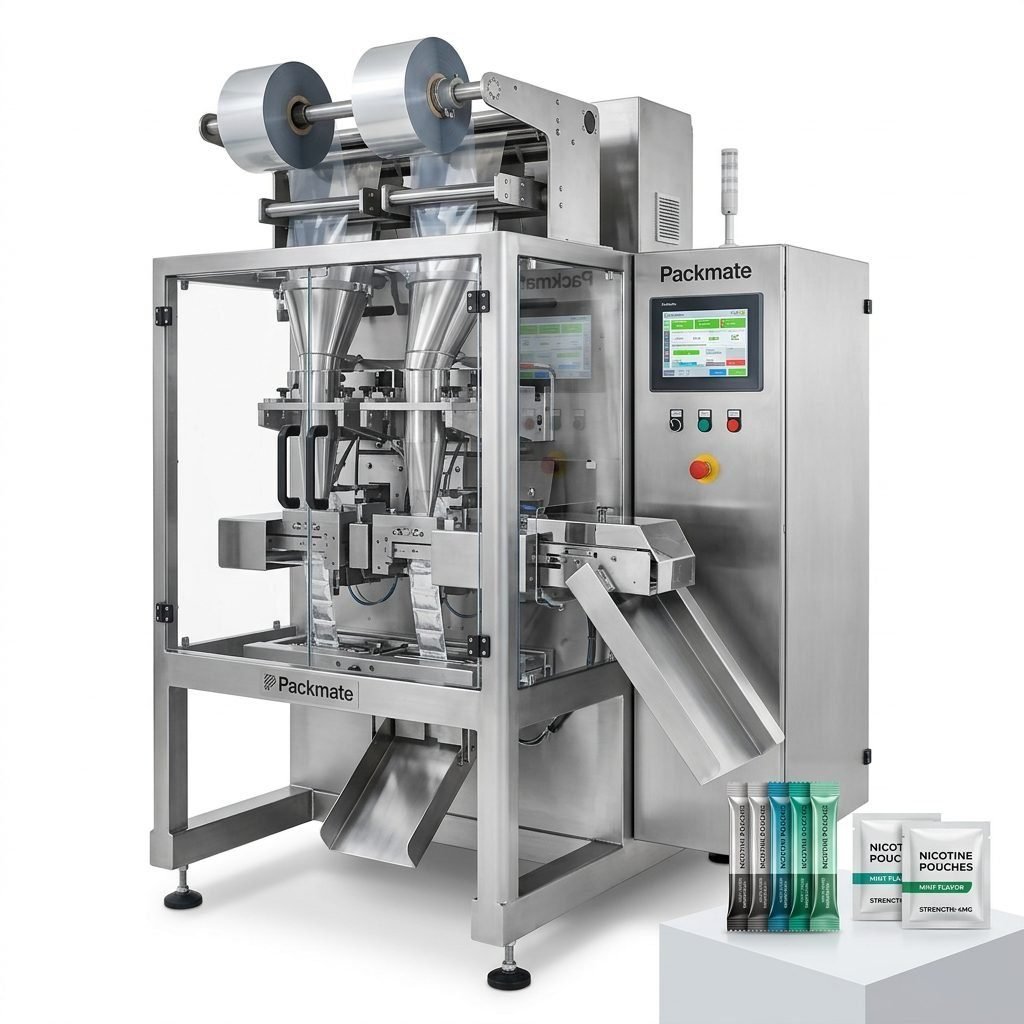
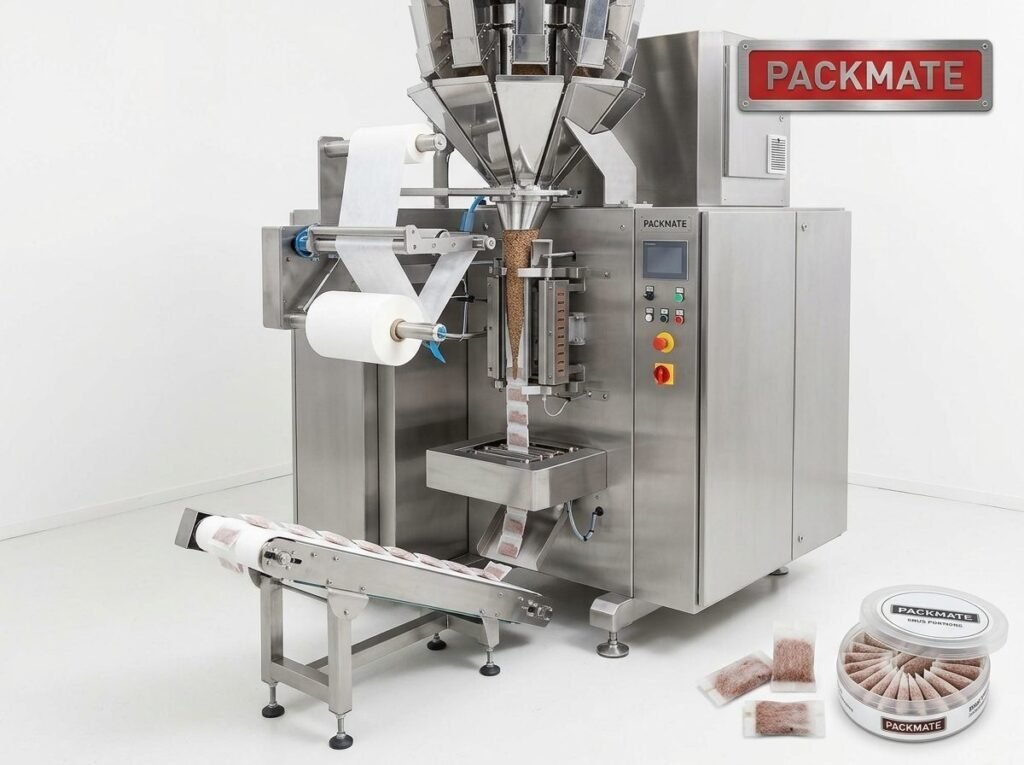
If you want to explore complete product ranges and matching equipment, review manufacturers specializing in snus packaging such as Snus & Nicotine Packaging Machines and related solutions for bags and pouches at Bag & Pouch Packaging Machines.
Key Technical Features to Evaluate
🔍 Precision dosing and weight control: Accurate portion weight is essential for regulatory compliance and consumer trust. Look for machines with high-precision feeders and optional integrated weighing systems.
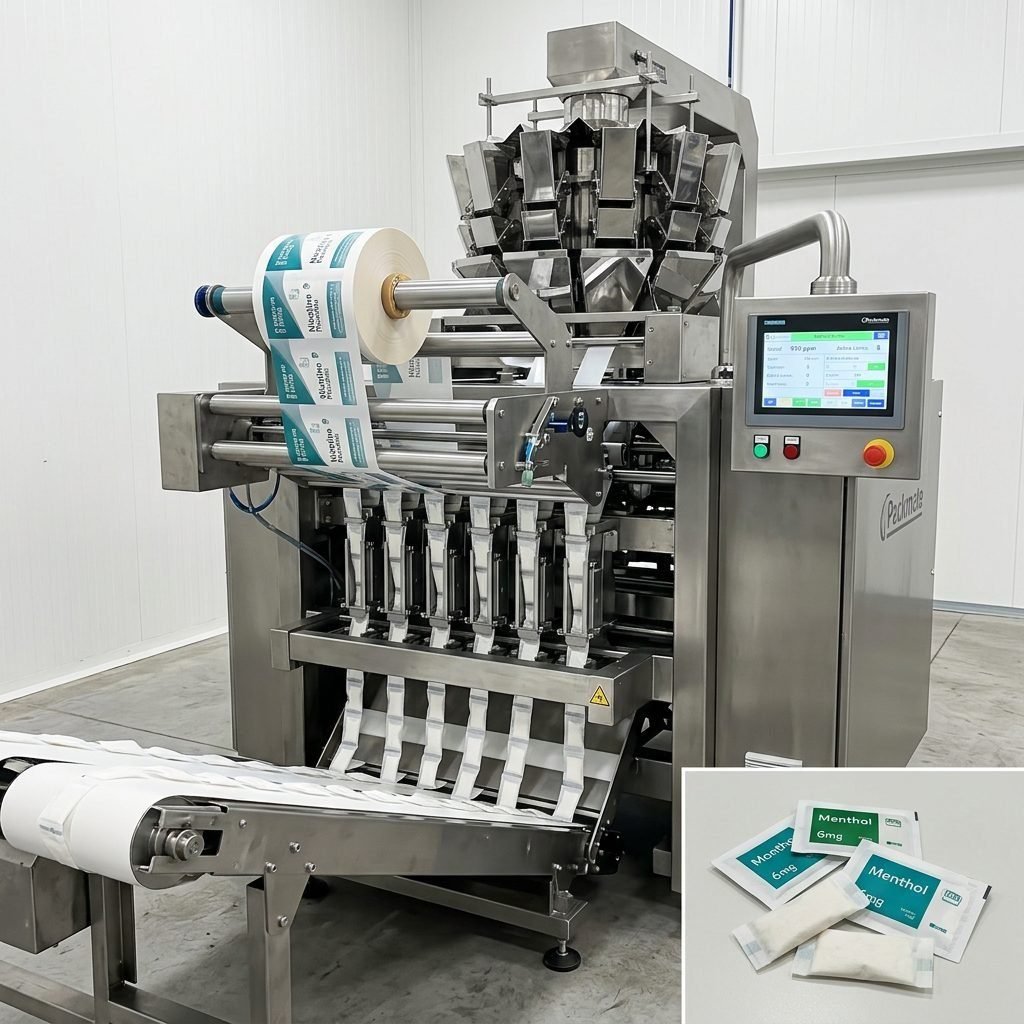
🔍 Multi-lane capability: Multi-lane machines dramatically increase throughput without a proportional footprint increase. Consider lane pitch, synchronization, and independent lane controls.
🔍 Material compatibility: Confirm compatibility with your pouch film, barrier requirements, and any inner sachet components. Machines should support the film thickness and sealing profiles you use.
🔍 Hygienic design & cleanability: Stainless steel contact parts, tool-free access, and CIP-compatible features make routine sanitation faster and safer.
Production Capacity & Speed: Matching Output to Demand
Define your target daily output and seasonal peaks before selecting a machine. A machine rated for high cycles per minute may not deliver expected net output if product changeovers or maintenance downtime is frequent. Consider:
• Required units per minute and per shift.
• Changeover time between flavors or formats.
• Planned product mix and expected growth over 2–5 years.
If throughput is a priority, explore machines designed for high-volume nicotine pouch production such as multi-lane snus packaging lines showcased in industry catalogs like Sachet & Stick Pack Machines.
Automation & Control: Smart Features That Pay Off
Modern packaging equipment offers automation that reduces labor cost and improves consistency. Key control features include:
• PLC and HMI systems with recipe management for quick format switches.
• Automatic web tracking, tension control, and seal monitoring to reduce waste.
• Remote diagnostics and IoT-ready interfaces for predictive maintenance and uptime analytics.
Materials, Sealing & Barrier Requirements
Nicotine pouches often require barrier films that maintain product freshness and meet regulatory packaging standards. Ensure the machine supports:
• Heat-sealable films and laminates with consistent sealing pressure.
• Peelable seals if consumer convenience is important.
• Integrated vacuum or modified atmosphere packaging (MAP) modules, if necessary.
Quality, Certifications & Compliance
Choose manufacturers with proven quality systems. Certifications such as CE and ISO indicate adherence to international standards and safer investment. Packmate Snus Machine, for example, highlights CE and ISO compliance across its lines—an important consideration for buyers exporting products or operating under stringent local regulations.
Service, Spare Parts & Local Support
📌 After-sales service: Verify the vendor offers installation, commissioning, and operator training. Fast access to spare parts minimizes downtime.
📌 Local partners or agents: An in-region service partner or reliable remote support reduces lead times for repairs and saves on logistics costs.
Total Cost of Ownership (TCO) and ROI
Purchase price is one factor; total cost of ownership covers energy consumption, consumables (film, seals), spare parts, labor, and downtime. Calculate ROI by comparing expected throughput gains and reduced defects against amortized equipment cost. Machines with faster changeovers and fewer rejects typically yield better long-term ROI.
Customization & Turnkey Solutions
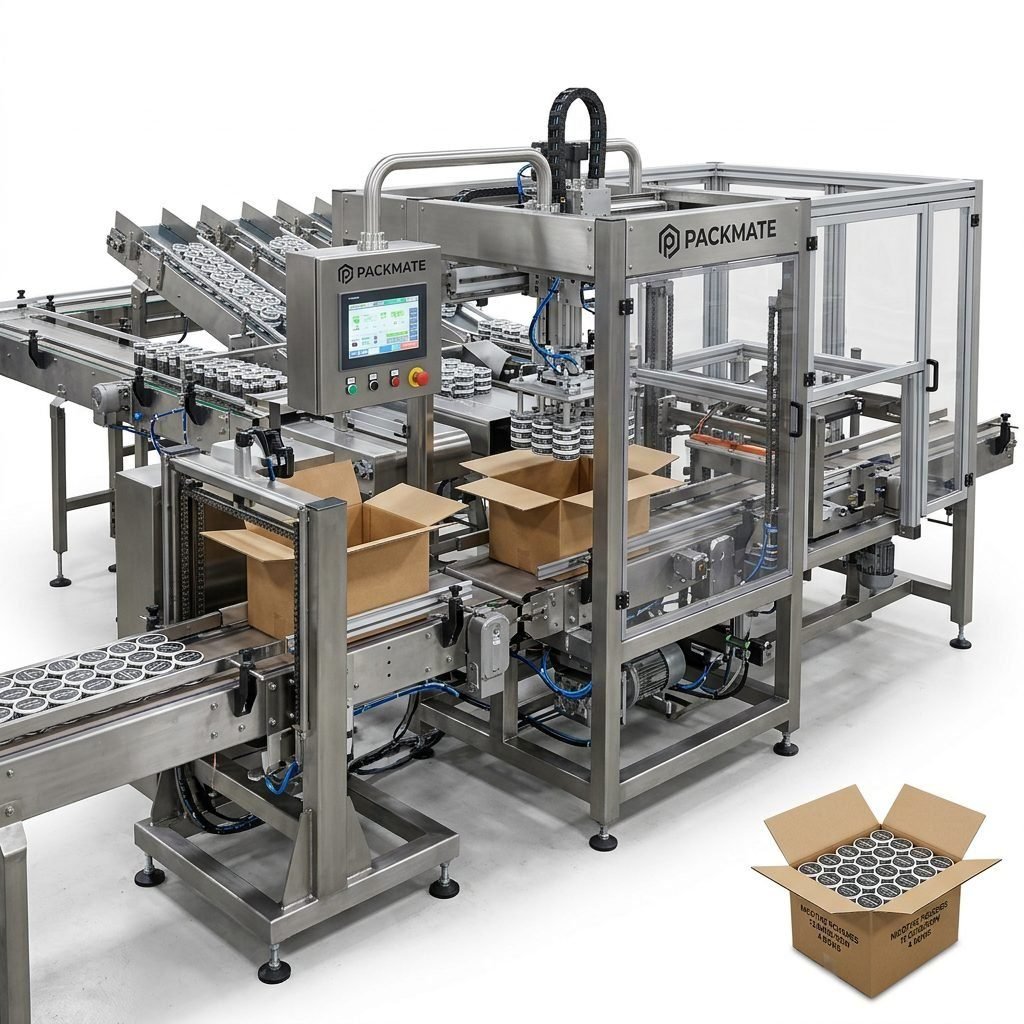
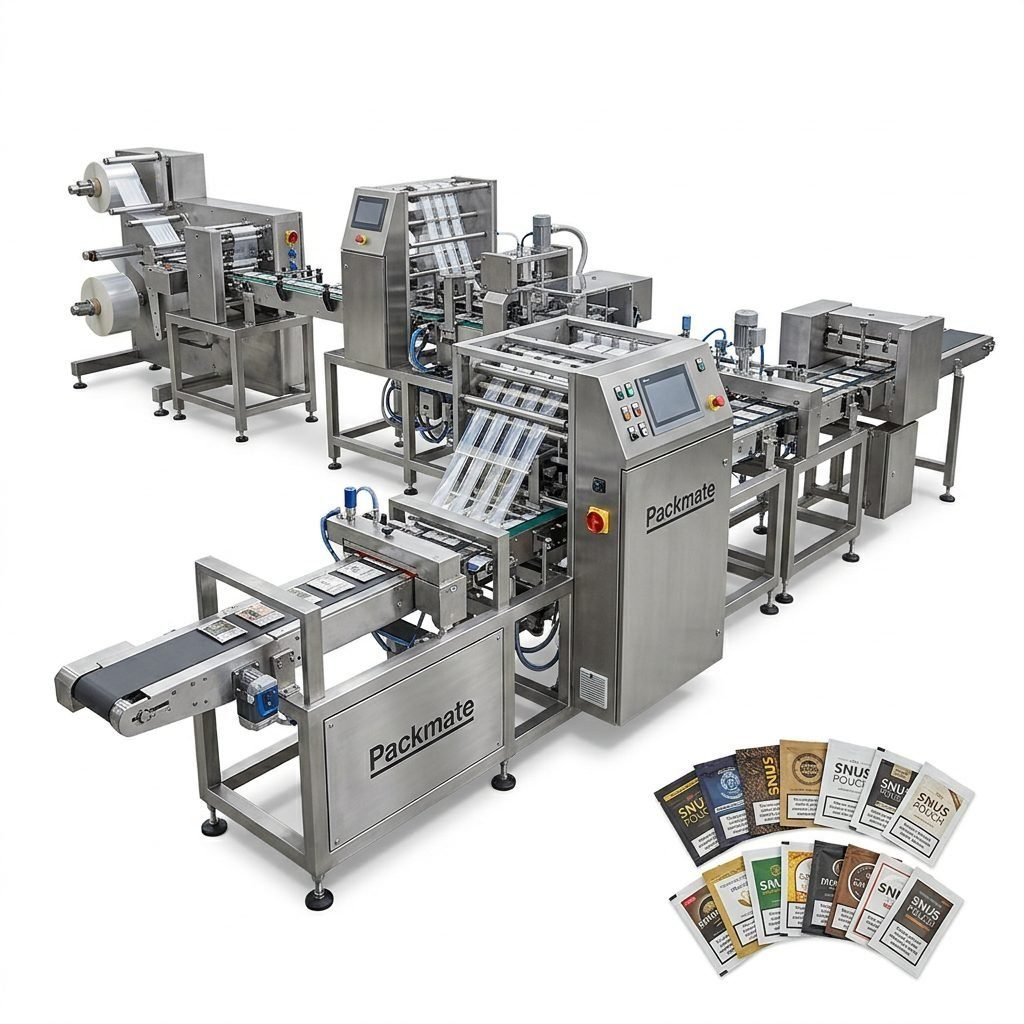
Many manufacturers can deliver customized lines tailored to your product dimensions, speed targets, and facility constraints. Turnkey suppliers will handle everything from layout design to factory acceptance testing—useful if you prefer a single-vendor responsibility model. Packmate offers turnkey solutions spanning fillers, multi-lane portioners, and final packing equipment—see their full lines at Filling & Packaging Lines.
Factory & Build Quality: What to Inspect
Visit the manufacturer’s factory when possible or request video demonstrations that show machines running your product. Inspect build quality: CNC-machined components, stainless contact areas, robust frame construction, and tidy wiring indicate attention to detail. Packmate’s 20,000㎡ facility and advanced CNC machining centers are examples of the manufacturing scale that supports reliable equipment delivery.
Warranty, Acceptance Testing & Training
Ensure the purchase agreement includes a clear warranty, factory acceptance testing (FAT) procedures, and on-site installation acceptance. Ask for operator and maintenance training as part of the project scope—this reduces commissioning time and helps your team achieve consistent performance quickly.
Selecting a Supplier: Checklist
✔ Production demos with your exact product or a close analog.
✔ Clear documentation: electrical diagrams, spare parts list, manuals.
✔ References and case studies from similar markets—review sample Case pages for real-world installations.
✔ Transparent lead times and logistics support to Paraguay.
Installation, Layout & Factory Considerations
Plan the factory layout with utilities, access, and maintenance space in mind. Confirm electrical, compressed air, and extraction requirements. Efficient material flow—raw material in, packaged product out—reduces handling time and contamination risks. If you need auxiliary equipment, consult sections like Auxiliary Packaging Equipment.
Common Pitfalls and How to Avoid Them
Many buyers focus on peak rpm numbers without accounting for changeover time, maintenance, and operator skill. Avoid these pitfalls:
• Ignoring spare parts lead times—stock critical items locally.
• Skipping factory acceptance testing—insist on FAT with your product.
• Overlooking regulatory labeling or ingredient information that must integrate with the packaging process.
Decision Flow: How to Choose Step-by-Step
1) Define product specifications (portion size, pouch style, film type).
2) Set production targets (units/day, shifts).
3) Shortlist machine types (single vs multi-lane, sachet, stick pack).
4) Request demos and FAT with your product.
5) Evaluate TCO, service network, and warranty.
6) Finalize supplier and confirm installation schedule.
Why Choose an Experienced Manufacturer
Experience matters when dealing with small-dose products and multi-lane synchronization. A manufacturer with decades of engineering knowledge will deliver more reliable, serviceable machines. Consider producers with a strong R&D and manufacturing footprint—companies that can customize solutions and scale production. For background on an established supplier, see About Packmate.
Final Checklist Before Purchase
• Confirm machine runs your actual product with acceptable waste rates.
• Agree on spare parts package and initial consumables supply.
• Validate training schedule and remote support options.
• Lock in lead times, payment terms, and warranty coverage in writing.
Next Steps
Contact experienced suppliers to request technical specifications, machine videos, references, and a quotation tailored to your Paraguay operations. If you seek full packaging lines—mixing filling, portioning, and end-of-line packaging—explore integrated offerings at Weighing & Packaging Systems.
Summary: Choose with Confidence
Choosing the right snus packaging machine involves balancing speed, precision, material compatibility, and service support. Prioritize machines with proven multi-lane performance if scaling is a goal, insist on factory acceptance testing, and secure strong after-sales support to protect your investment. A considered procurement process leads to faster ramp-up, lower waste, and better product quality.
Common Questions
Q: What is the typical lead time for snus packaging machines?
A: Lead times vary by model and customization level; standard machines might ship in a few months, while custom turnkey lines can take longer. Confirm delivery timelines and spare parts availability before signing.
Q: Can a single machine handle multiple pouch sizes?
A: Many modern machines offer adjustable tooling and recipe memory to handle multiple sizes, but significant format changes may require additional tooling or parts. Specify your full product range when requesting demos.
Q: How important is multi-lane technology for nicotine pouches?
A: Multi-lane systems greatly increase throughput and are often the best investment for medium-to-high volume producers. They reduce floor space per unit of output and can lower labor costs.
Q: What after-sales services should I expect?
A: Installation, commissioning, operator training, spare parts supply, remote diagnostics, and field service visits are key offerings. Confirm the supplier’s ability to support Paraguay operations directly or through local partners.
Q: Where can I see real-world examples of installed lines?
A: Request case studies and site visit references from vendors. Many suppliers publish project pages showing global installations; review the Case section for examples.