For manufacturers looking to scale snus and nicotine pouch production, selecting a partner who can deliver high-performance equipment and a full turnkey production line is crucial. This article explores how an experienced supplier can meet modern snus manufacturing demands, reduce downtime, ensure regulatory compliance, and provide flexible solutions for start-ups to large enterprises.
Why Choose a Dedicated Snus Production Line Supplier?
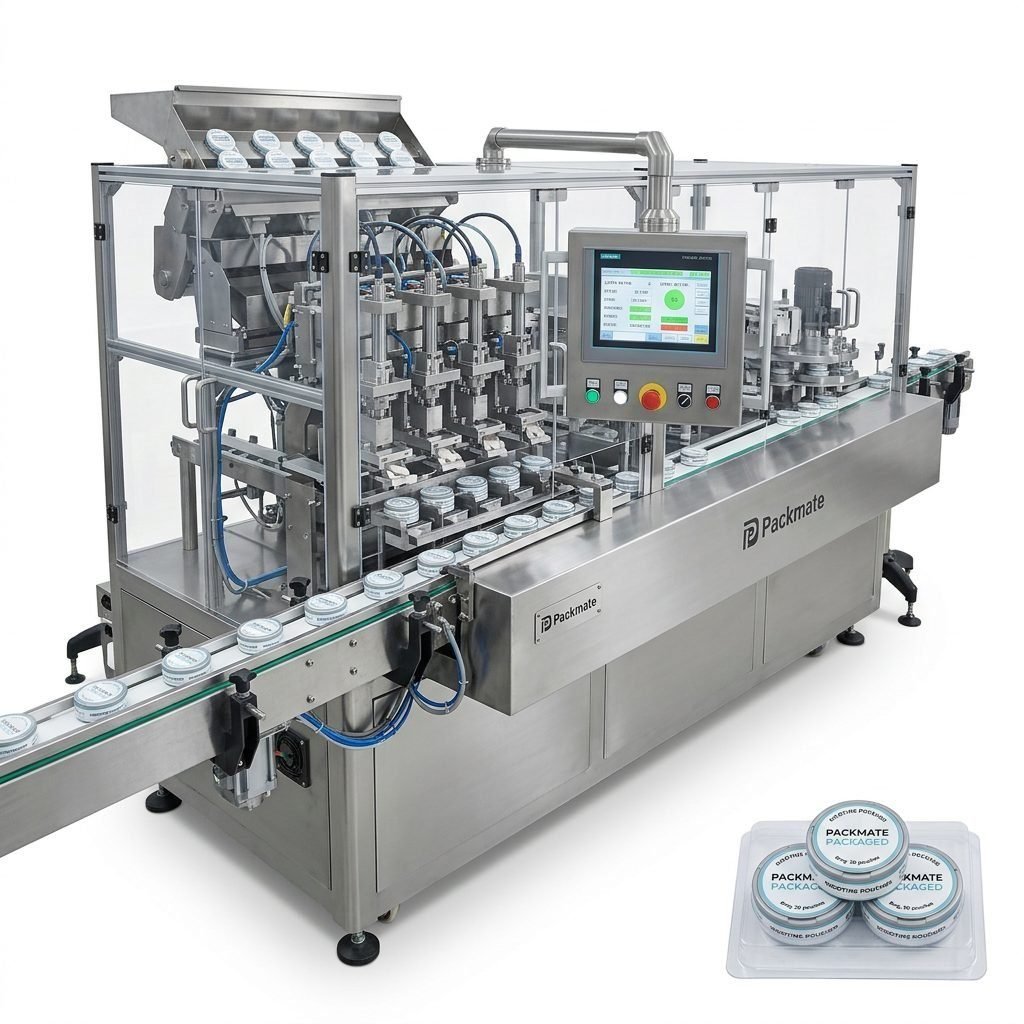
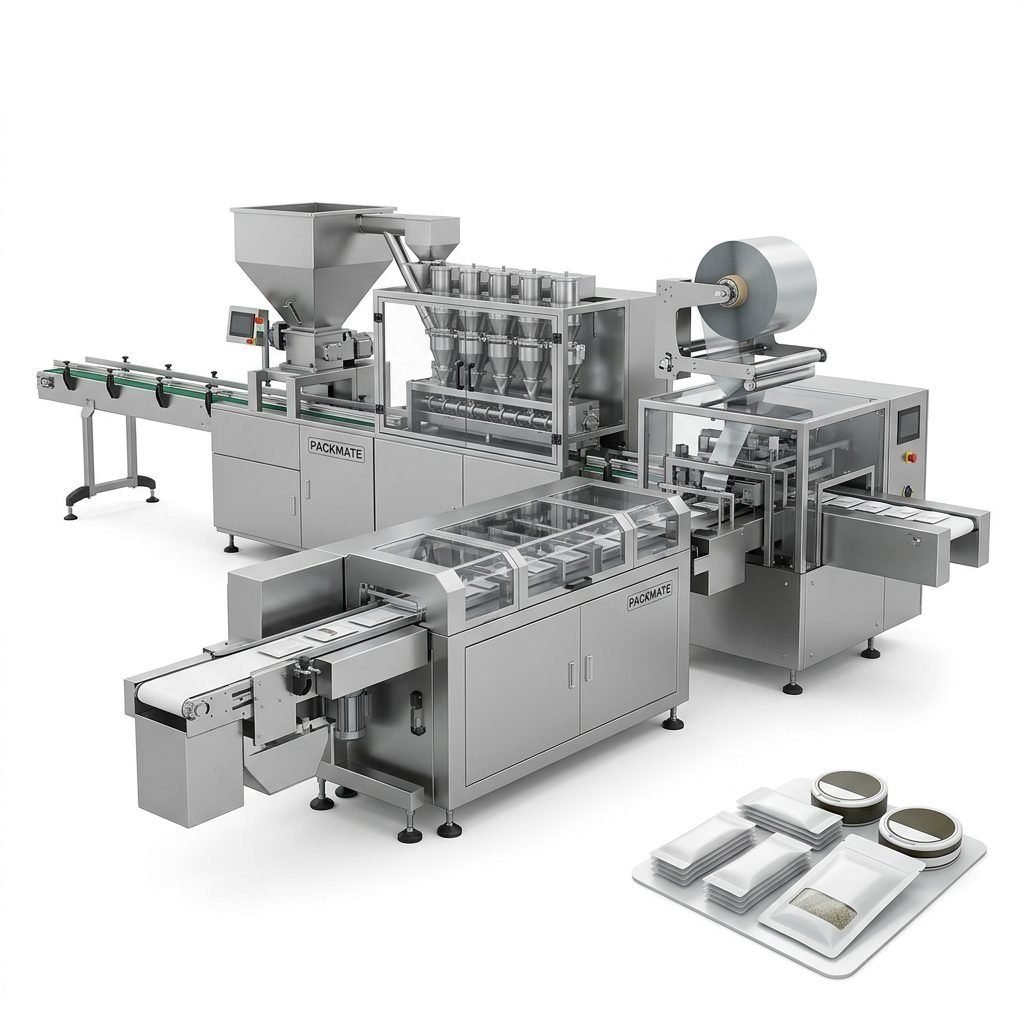
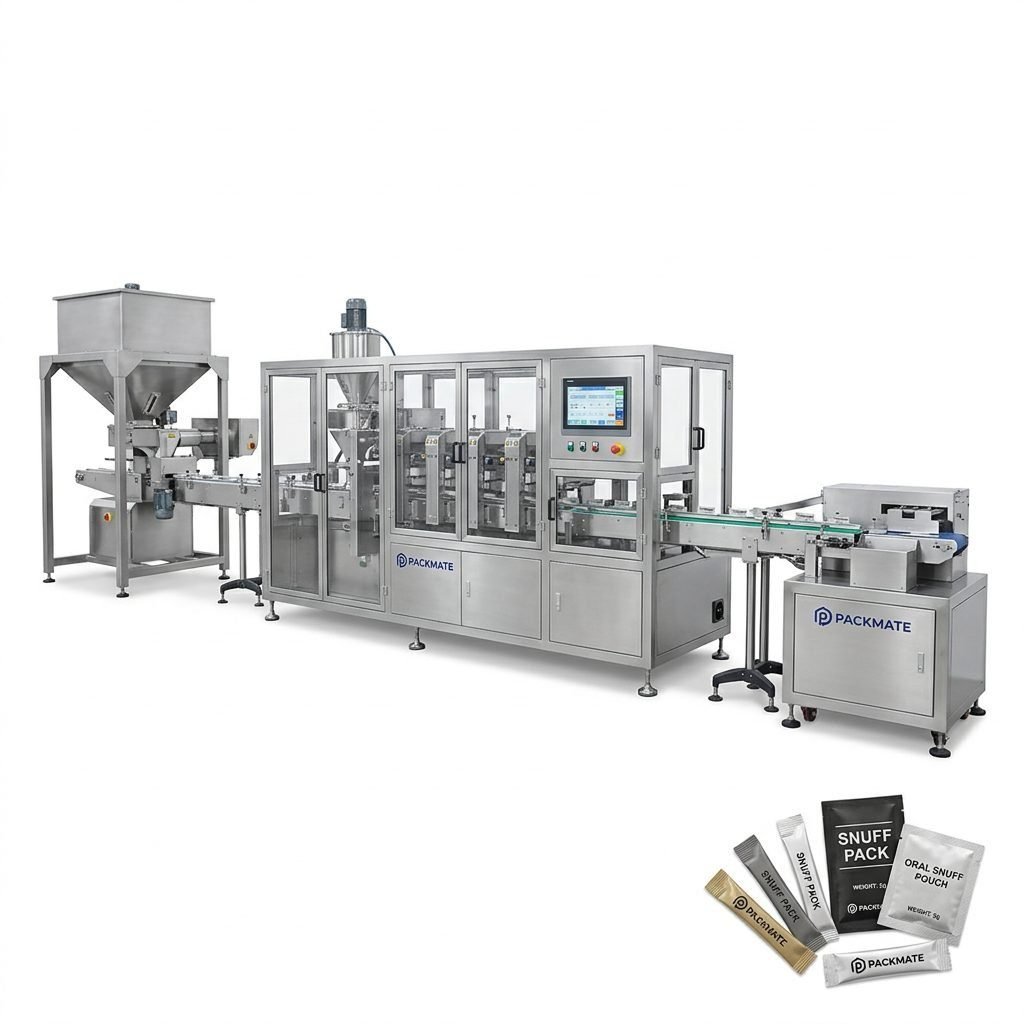
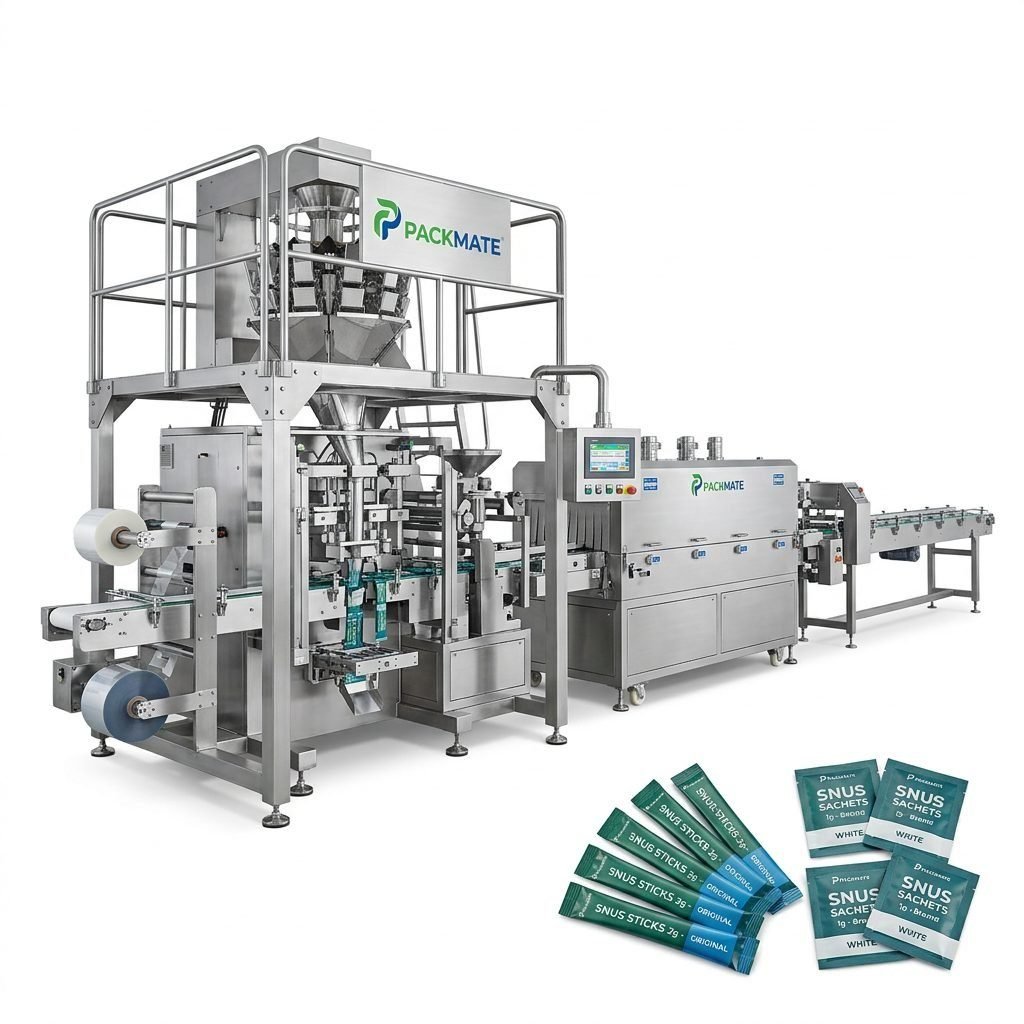
A specialized snus packaging supplier brings focused expertise in packaging formats, dosing precision, and multi-lane throughput optimization. When you work with an established partner, you gain more than a machine — you get engineering know-how, a tested workflow, and long-term service support. Many global manufacturers prefer suppliers who can offer complete turnkey solutions that integrate weighing, filling, sealing, and secondary packaging into a single optimized line.
Core Benefits at a Glance
✅ Higher throughput with multi-lane options for small-dose pouches
✅ Consistent dosing accuracy for nicotine content control
✅ Integrated traceability to meet regulatory inspections and audits
✅ Fully tested turnkey lines reduce start-up time and commissioning risk
Types of Packaging Machines for Snus and Nicotine Pouches
An effective production line combines several machine types to handle different product forms and packaging styles. Top suppliers offer a wide model range to match varied production needs, from manual bench solutions to fully automated lines.
Sachet & Stick Pack Machines
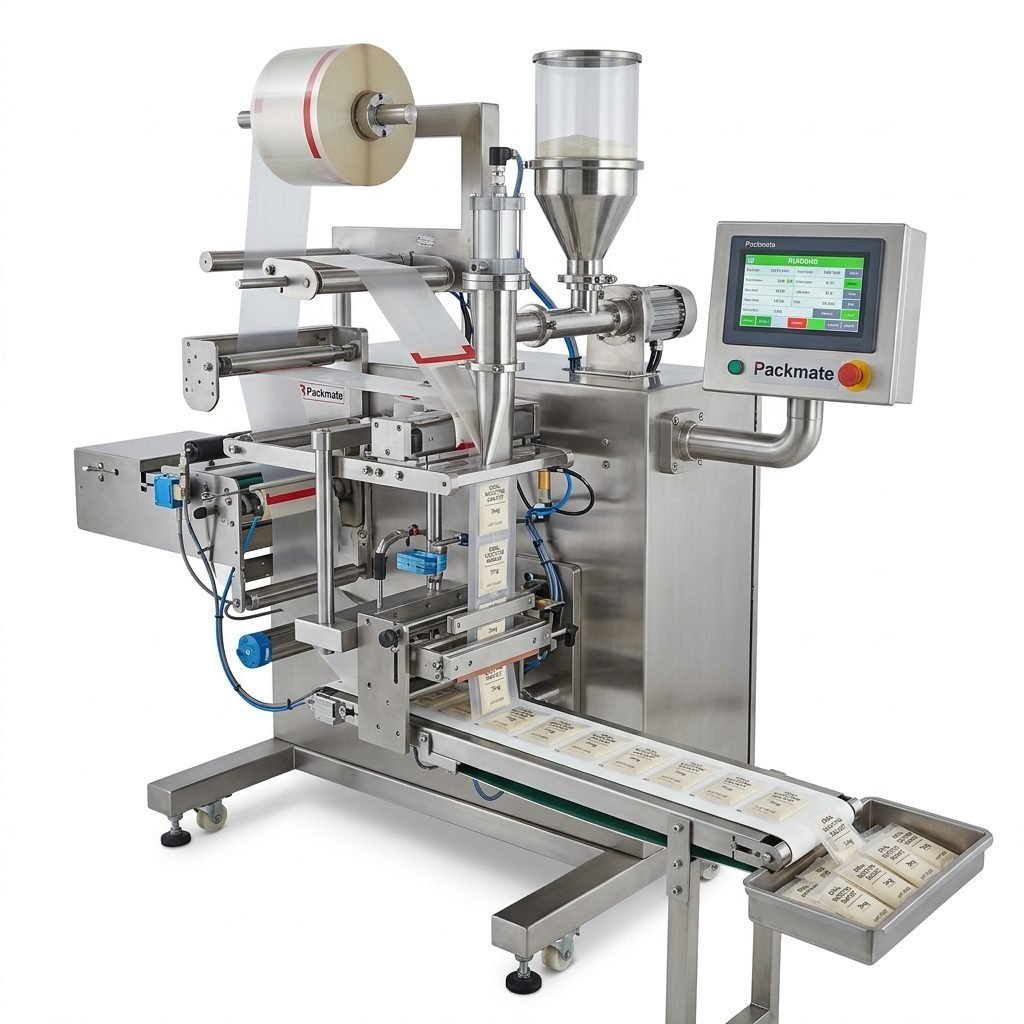
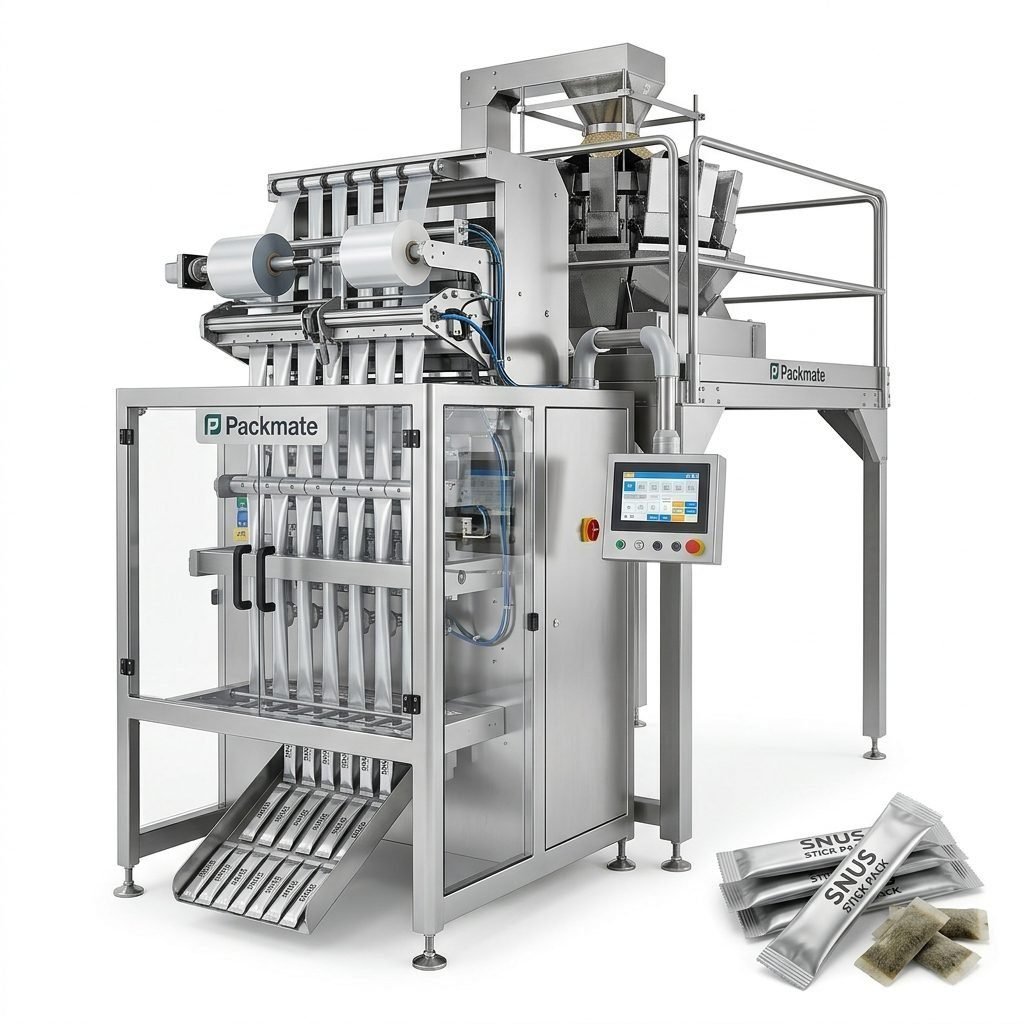
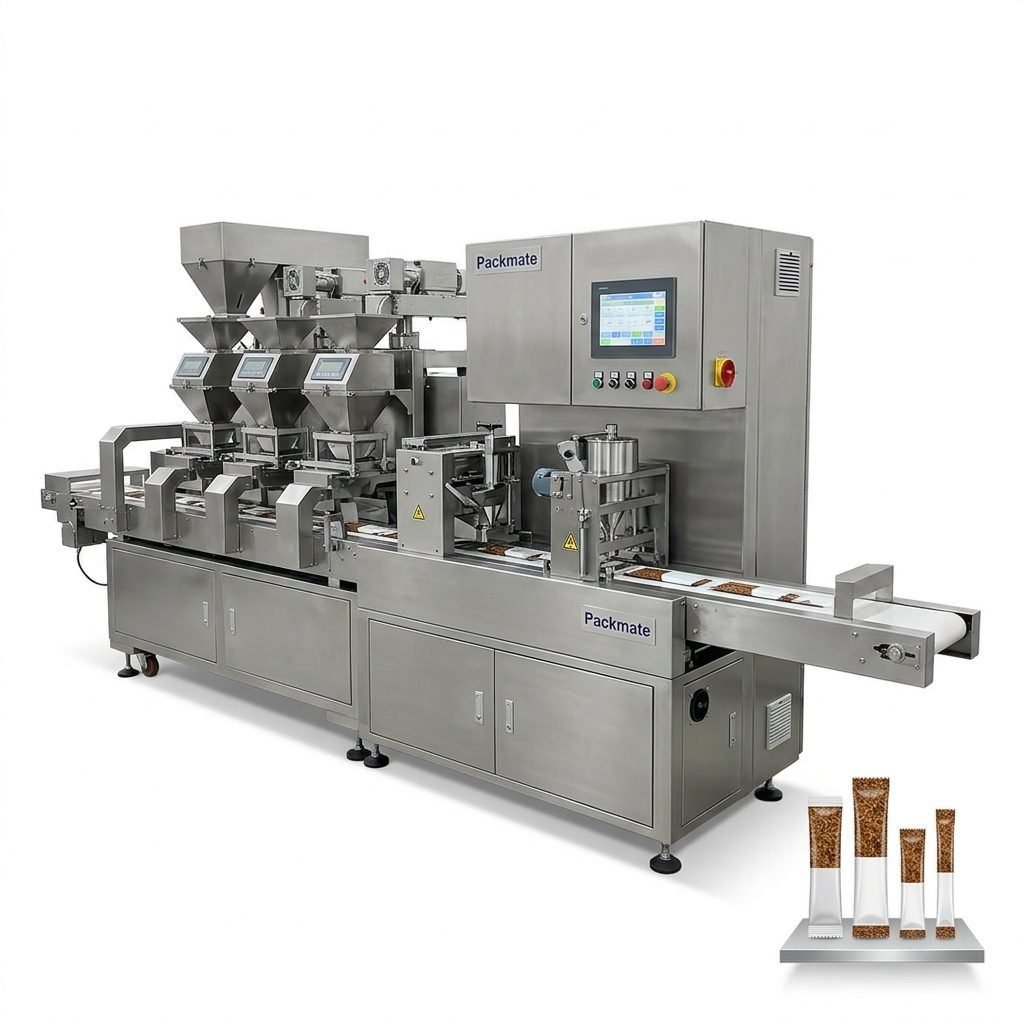
Sachet and stick pack machines are ideal for single-portion snus pouches and nicotine sachets. These machines are appreciated for precise heat sealing, clean cutting, and the ability to handle different materials. If your products require rapid format changes or unique shapes, flexible stick/sachet systems are a good fit. Explore practical models and options here:
Sachet & Stick Pack Machines.
Multi-Lane Snus Packing Machines
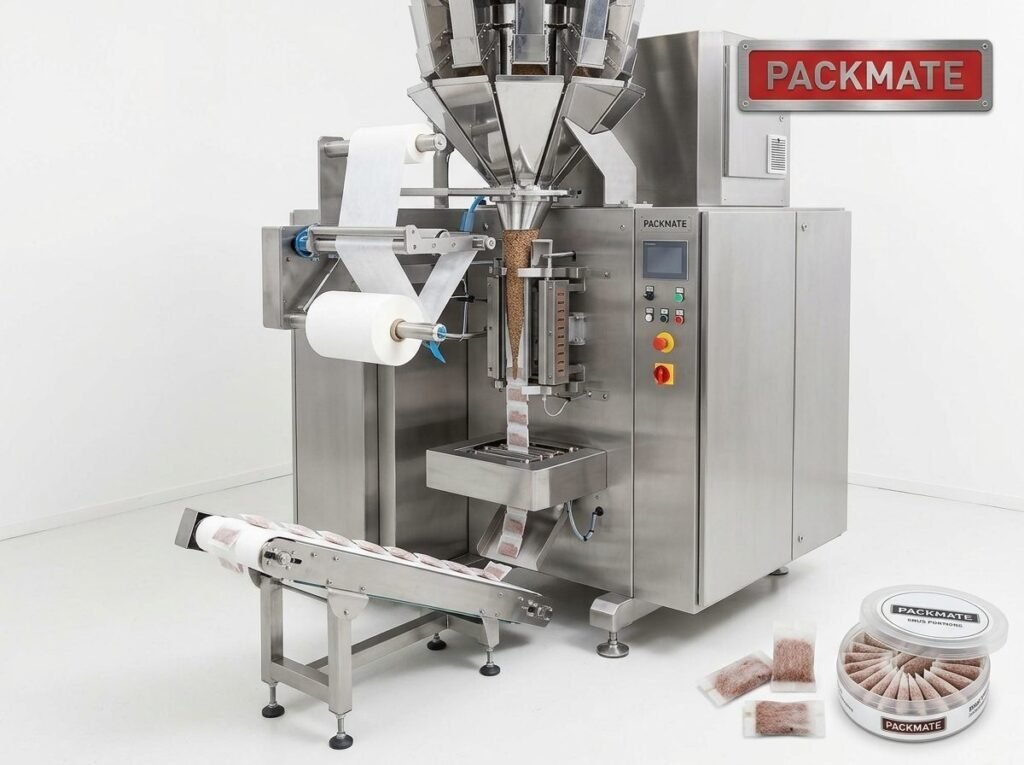
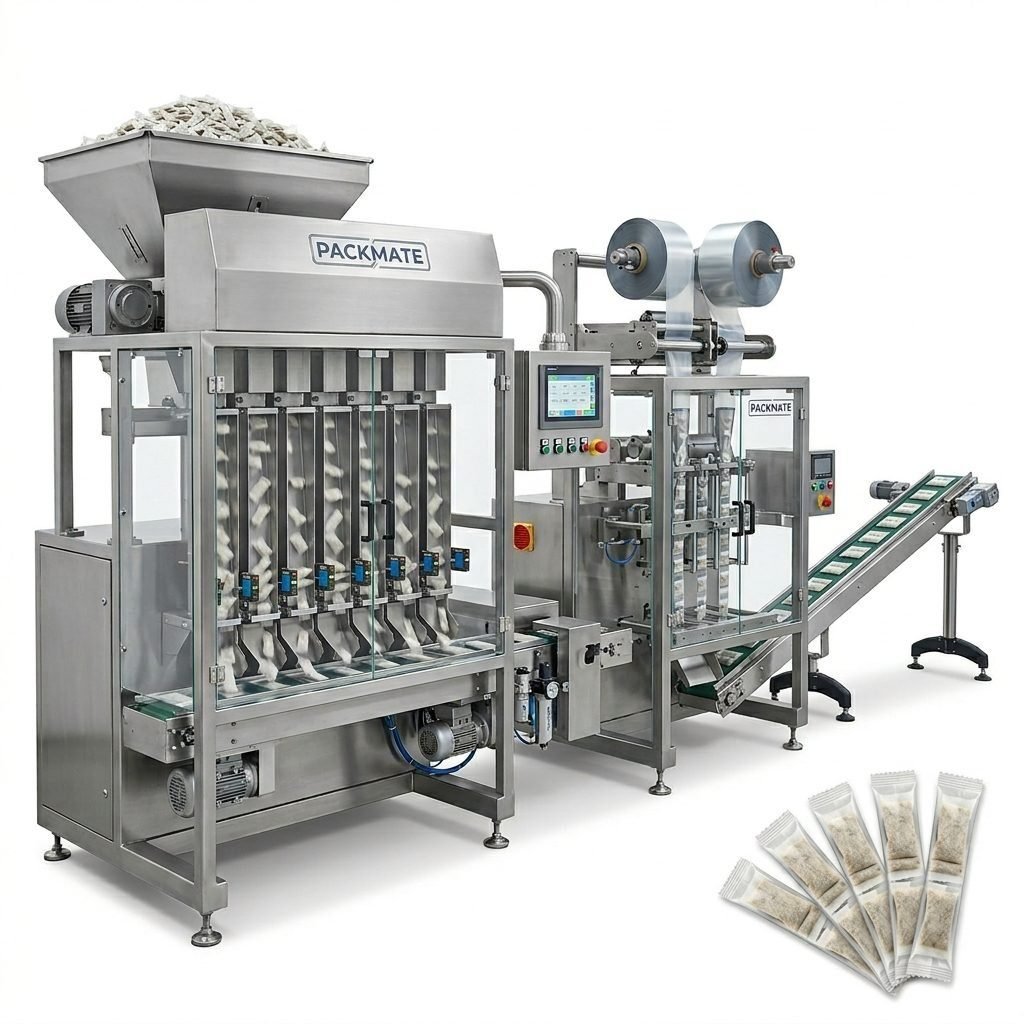
For high-volume production, multi-lane machines multiply output without proportionally increasing footprint. These systems are engineered for small-dose pouch formats, enabling companies to ramp up production efficiently while maintaining dosing consistency. Multi-lane designs are particularly valuable when producing multiple SKUs on a single line.
Weighing, Filling & Filling-Lines
Accurate weighing and filling systems are essential to control nicotine content and product weight. Suppliers typically integrate automated weighing modules with dosing scales, auger fillers, or vacuum systems depending on product type (powder, granule, or wet formulations). For demonstration of integrated solutions:
Weighing & Packaging Systems and
Filling & Packaging Lines.
Feature Highlights to Consider
🔧 Servo-driven motion for accurate pouch placement and reduced material waste
🔒 CIP-compatible contact parts for hygienic processing where applicable
⚙️ PLC control with HMI for recipe management and quick changeovers
📈 Data logging and OEE monitoring for continuous improvement
Turnkey Line Design: From Planning to Commissioning
A trusted supplier will guide you through every stage of a turnkey project: concept, layout, equipment selection, FAT (Factory Acceptance Test), installation, and training. The objective is to deliver a validated production line configured to your operational cadence and regulatory environment.
Site Assessment & Layout Planning
Early-stage assessments evaluate available floor space, utilities, material flow, and future expansion possibilities. Suppliers often provide factory layout drawings and 3D design packages to visualize equipment placement and optimize workflow before fabrication.
Customization & Scale-Up
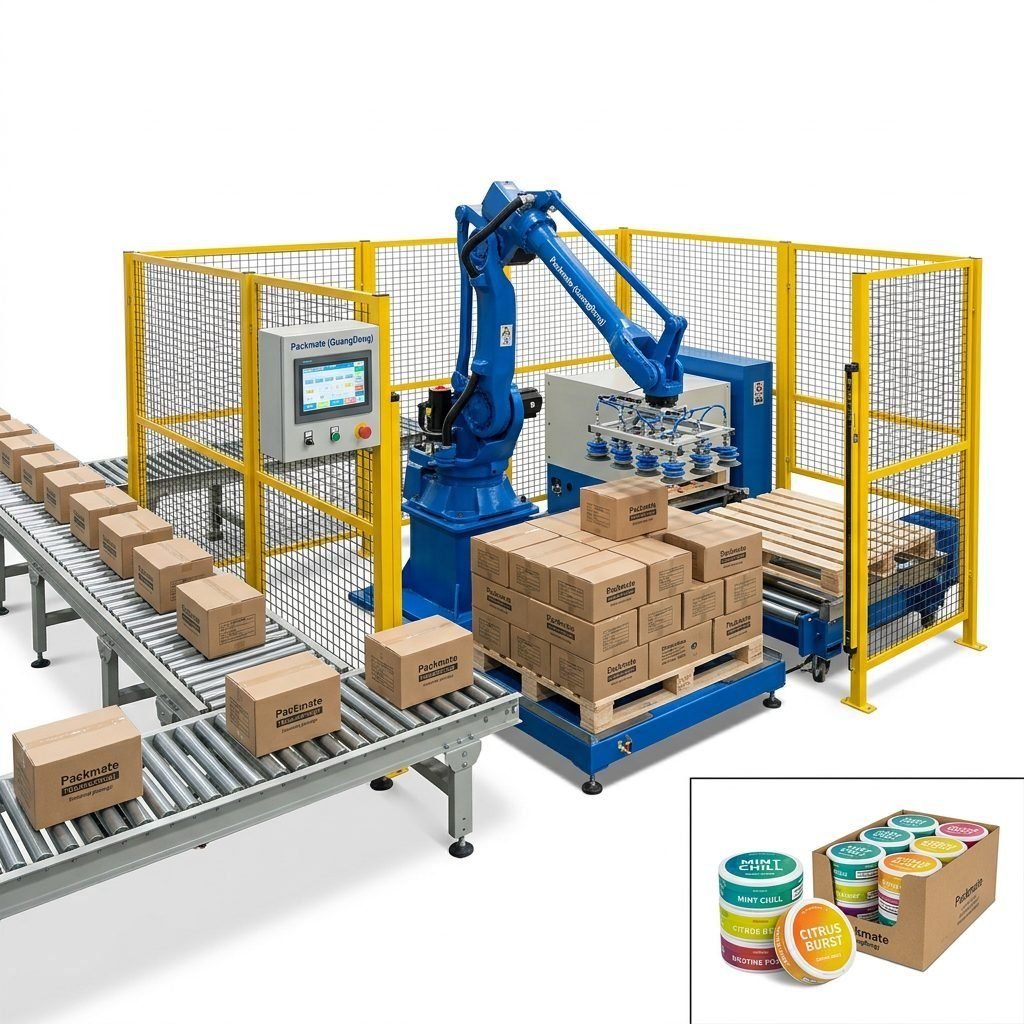
Whether you need a compact pilot line or a high-capacity multi-lane system, customization options include product handling modules, packaging materials compatibility, and secondary packaging systems such as cartoning, case packing, or inline labelers. A modular design helps scale capacity without major line redesign.
Quality, Compliance & After-Sales Support
Compliance with international standards (CE, ISO) and reliable quality control routines are non-negotiable for snus manufacturers. Leading suppliers provide documentation, traceability systems, and testing protocols to support regulatory submissions and customer audits.
Service & Spare Parts
🛠️ Local and remote troubleshooting via PLC/HMI diagnostics
📦 Spare parts kits and recommended spare stocking to minimize downtime
🎓 On-site training and operator manuals to ensure smooth handover
Production Efficiency: Cost & Performance Considerations
When assessing suppliers, compare total cost of ownership, not just capital expense. Key metrics include energy consumption, material yield, labor requirements, and maintenance intervals. Investing in robust automation often reduces per-unit cost and improves batch-to-batch consistency.
Reducing Material Waste
Advanced film handling, precise cutting, and optimized forming jaws help reduce material scrap. Some suppliers offer material economizer modes and waste-tracking reports to help you refine production processes.
Energy & Floor Space Optimization
Multi-lane machines and vertically integrated modules can deliver high output per square meter, a decisive advantage in high-rent production locations. Energy-efficient motor drives and sleep modes for idle components help lower operating costs.
Proven Track Record: Why Experience Matters
Companies with decades of engineering experience have refined their designs, assembly practices, and quality systems. An experienced supplier is better positioned to anticipate installation challenges and provide robust after-sales care. For a deeper company overview:
About Packmate.
Case Studies & Exhibitions
🔍 Real-world case studies demonstrate uptime performance, ease of changeover, and maintenance metrics. You can often witness live demonstrations and discuss solutions at global exhibitions — a practical way to validate supplier capabilities.
See representative case examples: Case and upcoming appearances: Our Exhibition.
Preparing for a Successful Implementation
A successful rollout depends on clear project management. Key steps include validated specifications, FAT sessions, trained personnel, and a robust start-up plan. During FAT, customers can verify machine performance against agreed KPIs before shipping.
Recommended Checklist Before Ordering
– Define target throughput (pouches/minute) and daily production goals
– Specify packaging materials and target shelf-life requirements
– Confirm utilities and site readiness (power, compressed air, drainage)
– Plan acceptance tests and operator training schedules
How to Select the Right Supplier
Evaluate suppliers on engineering credentials, facility capabilities, and real-world references. A trustworthy partner will provide transparent documentation, accessible support channels, and a roadmap for upgrades or format expansions.
Key Qualification Questions
⚖️ What is the machine’s dosing accuracy and how is it validated?
🏭 Can the supplier provide FAT reports and customer references?
🔁 What are the standard lead times, and how does the supplier handle spare parts?
🔐 Are machines compliant with CE / ISO standards and do they include safety interlocks?
Working with Packmate Snus Machine
Packmate Snus Machine brings 30+ years of engineering expertise and a proven track record in snus and nicotine pouch packaging. Their manufacturing strength, with advanced CNC centers and precision assembly, delivers robust machinery and turnkey production lines tailored to diverse market needs.
For product-specific solutions, review their product categories and contact their team for tailored proposals:
Snus & Nicotine Packaging Machines,
Bag & Pouch Packaging Machines, or
Contact Us.
Final Recommendations
Investing in a complete snus production line is a strategic decision. Prioritize suppliers who demonstrate strong engineering capability, solid quality systems, and reliable after-sales support. A well-engineered turnkey solution will shorten time-to-market, improve yield, and give you the operational flexibility to expand product portfolios.
Next Steps for Interested Manufacturers
1) Compile your product specs and desired output rates.
2) Request line layouts and FAT criteria from shortlisted suppliers.
3) Visit demonstrations or request virtual tours to validate performance.
4) Plan commissioning timelines and staff training before shipping.
Common Questions
Q1: How long does it take to install a turnkey snus production line?
A1: Typical timelines vary by complexity — from 8–16 weeks for compact lines to 16–36 weeks for fully customized multi-lane systems. This includes design, FAT, shipping and on-site commissioning.
Q2: What support is available after installation?
A2: Reputable suppliers provide on-site commissioning, operator training, spare parts kits, and remote diagnostics. Service agreements can be arranged for preventive maintenance and rapid spare delivery.
Q3: Can the line handle multiple pouch formats and materials?
A3: Yes, modular systems allow quick changeovers between formats. Options include different forming sets, tooling kits, and recipe-based HMI controls to manage material and format changes.
Q4: How is dosing accuracy ensured for nicotine pouches?
A4: Precision weighing modules, calibrated feeders, and closed-loop feedback systems ensure consistent dosing. Validation reports and tolerance specifications are provided during FAT.
Q5: Are the machines compliant with international quality standards?
A5: Leading suppliers build equipment to meet CE and ISO standards and provide detailed documentation, inspection reports, and certification where applicable.