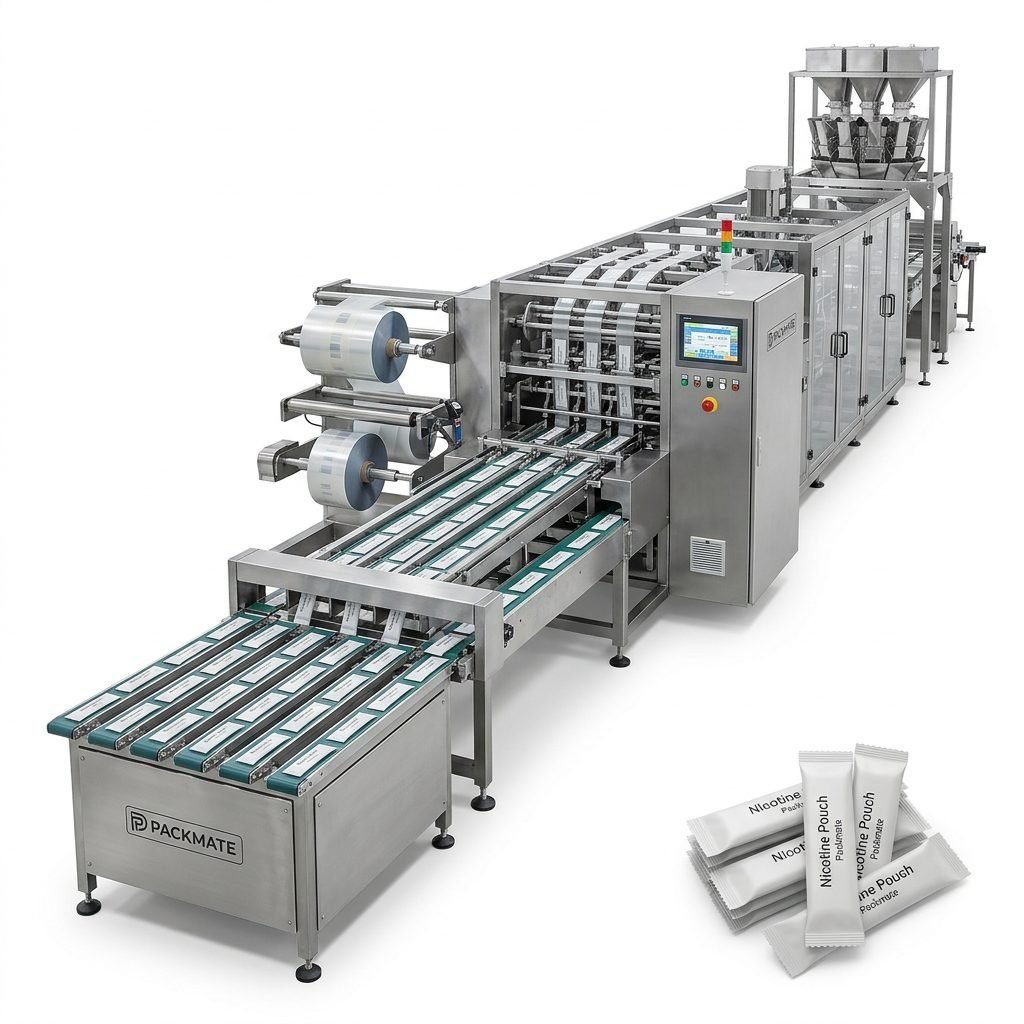
Choosing the right snus packaging machinery supplier in South Korea is a strategic decision that affects product quality, regulatory compliance, and long-term profitability. Whether you are launching nicotine pouches locally or expanding production for export, this guide will help you evaluate suppliers, compare technical capabilities, and understand cultural and regulatory nuances relevant to the South Korean market.
Understand the South Korean Market & Local Expectations
South Korea is a sophisticated manufacturing and consumer market that values precision, high quality, and strong after-sales support. Korean businesses often prioritize suppliers who demonstrate technical expertise, punctual delivery, clear communication in English (and ideally some Korean), and rigorous quality assurance. In addition, cultural norms place importance on trust, long-term relationships, and careful testing before full-scale adoption.
Quick Tip
📌 When selecting a supplier for South Korea, evaluate not just equipment specs but also service response times, local spare parts availability, and compliance documentation for export or local regulatory checks.
Key Technical Criteria for Snus Packaging Machinery
The machinery you choose must match your production goals: capacity, product form (pouches, sticks, sachets), dosing accuracy, and packaging materials. Core factors to compare include:
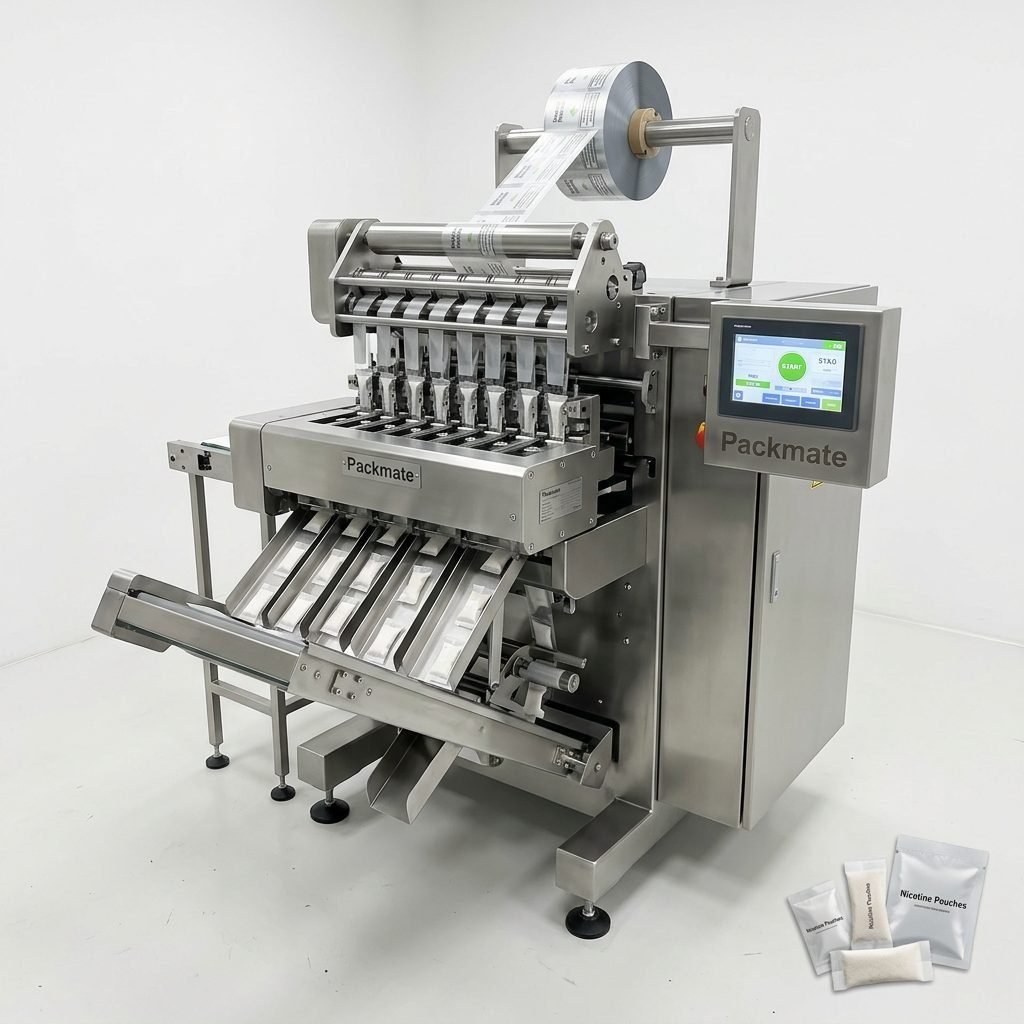
- Production speed and multi-lane capabilities for small-dose nicotine pouches
- Filling accuracy and weighing system integration to maintain consistent dosage
- Compatibility with foil, film, and flexible pouch materials common in snus packaging
- Automation level: from semi-automatic to turnkey lines that include feeding, filling, sealing, and secondary packaging
- Hygienic design and ease of cleaning to meet food and pharmaceutical-type quality expectations
Look for Proven Machine Models and Use Cases
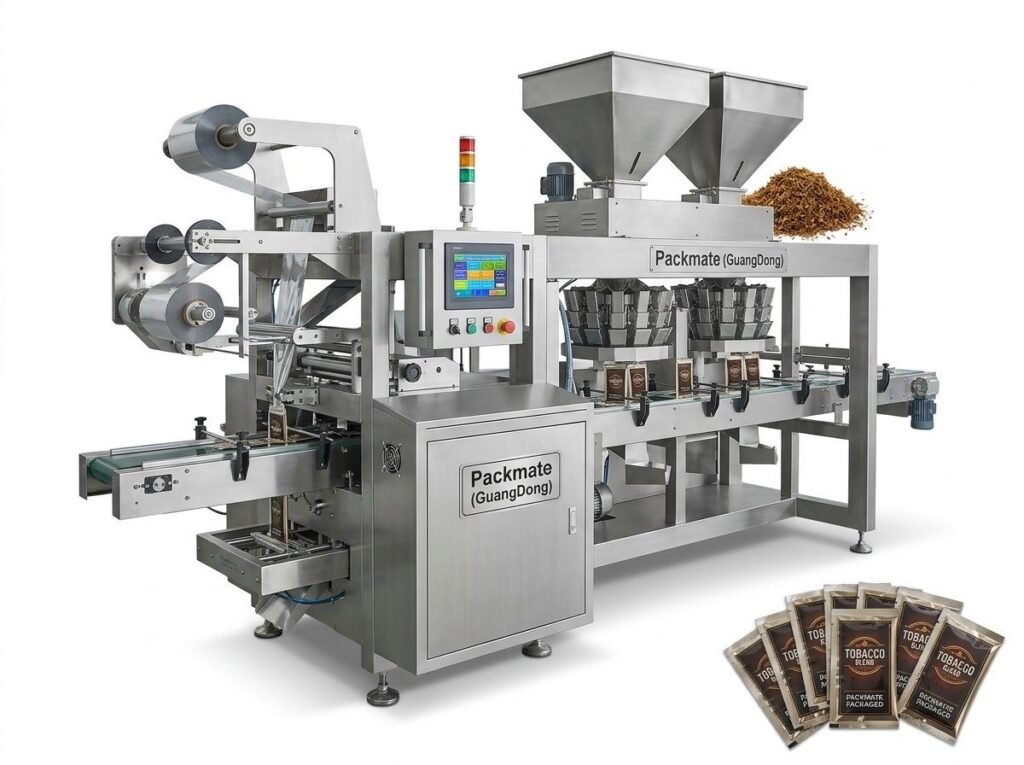
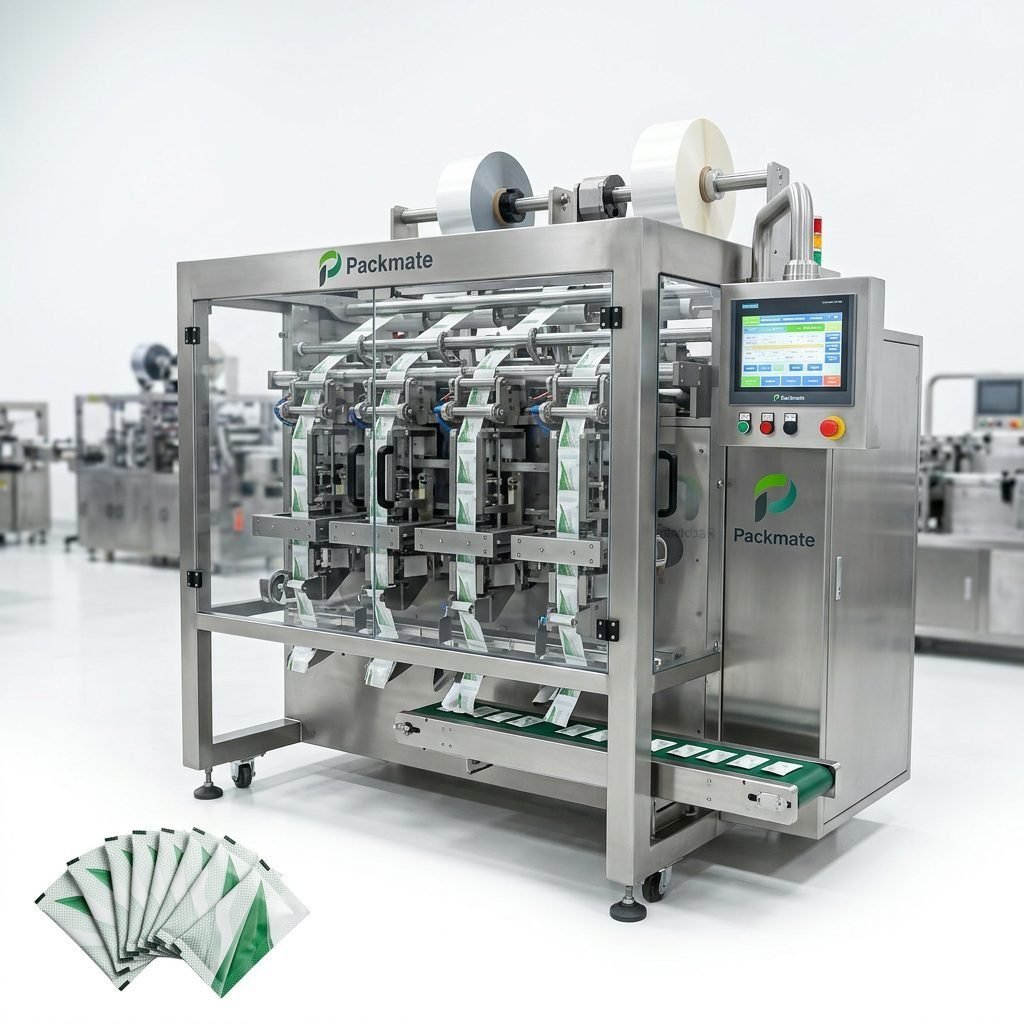
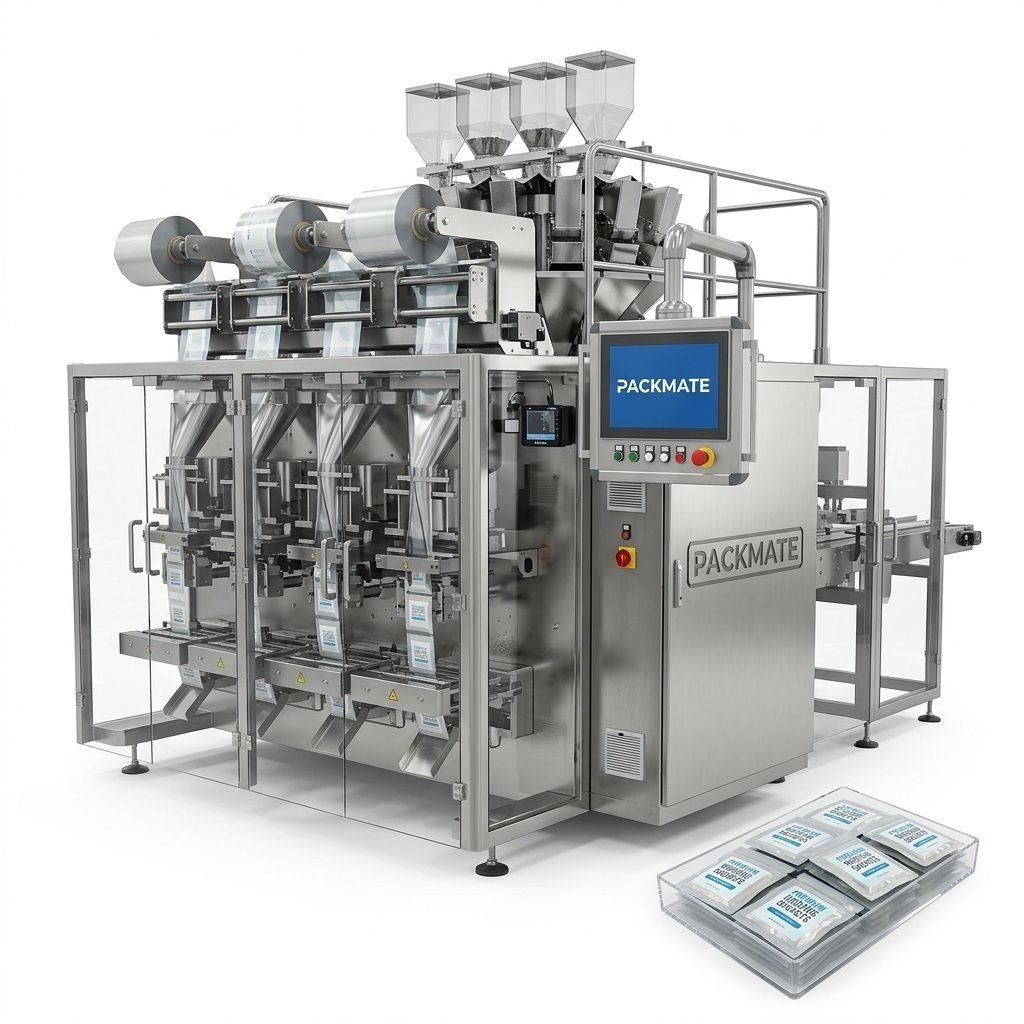
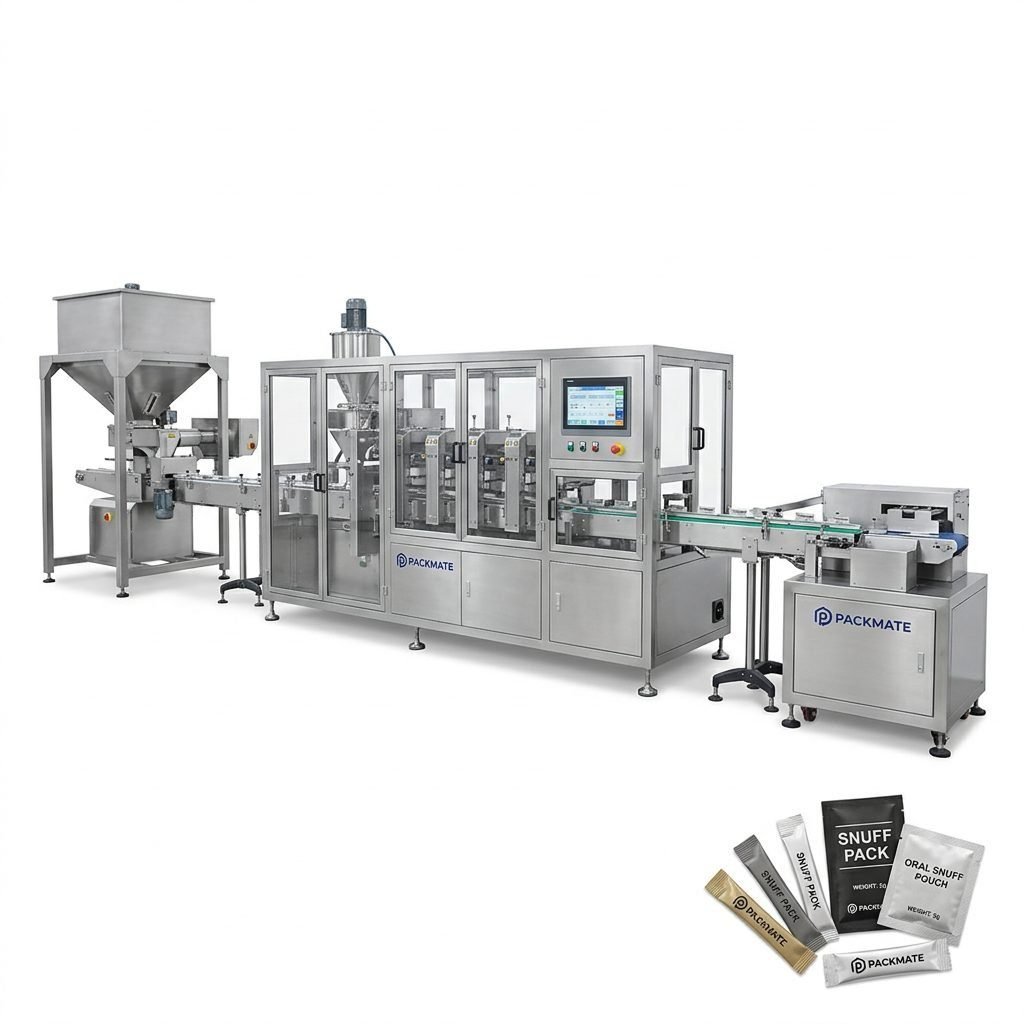
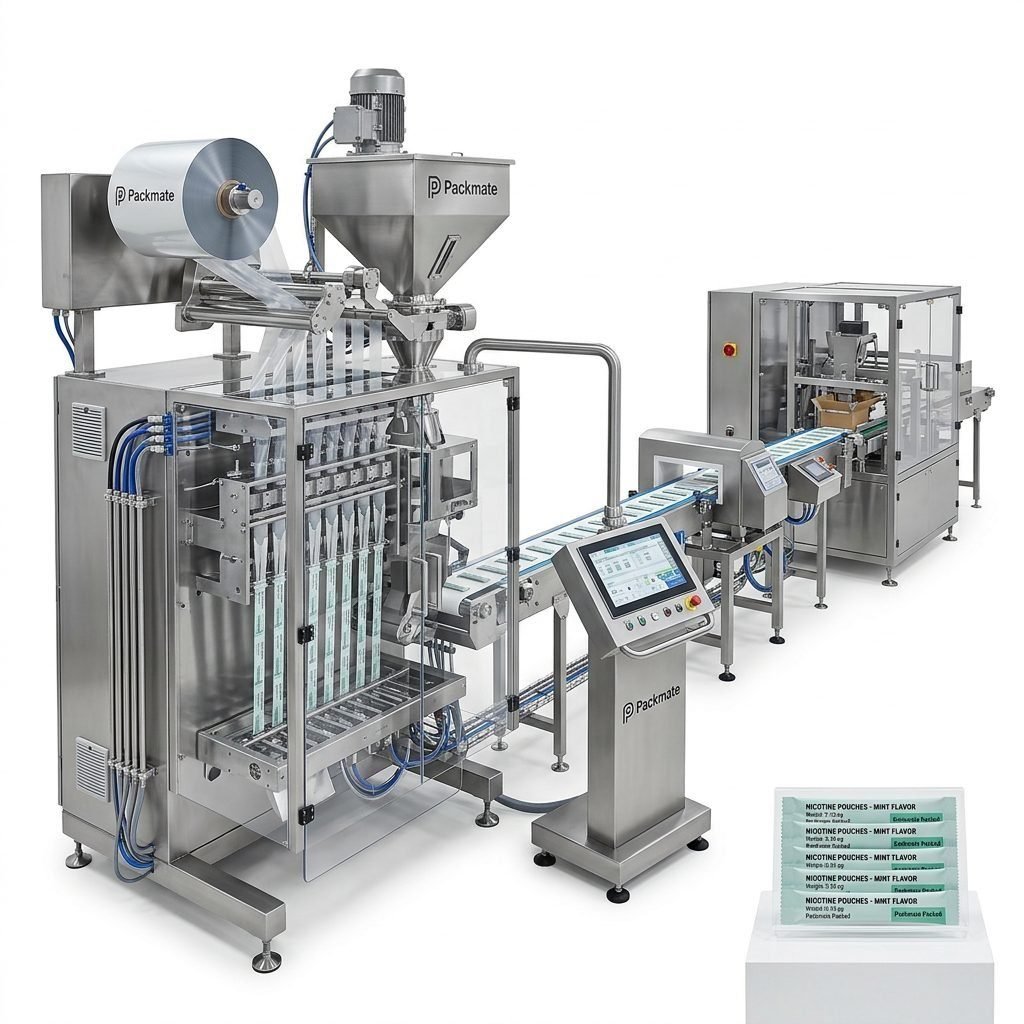
Reputable suppliers showcase model ranges and case studies. For example, specialized manufacturers provide dedicated lines for nicotine pouches and multi-lane systems designed for high-throughput small-dose sachets. If you’d like to review product categories and line options, consider browsing the manufacturer’s product pages such as Snus & Nicotine Packaging Machines and Sachet & Stick Pack Machines.
✅ Prioritize suppliers that can demonstrate successful installations similar to your product type. Ask for production videos, client references, and performance data (yield, downtime statistics).
Quality, Certifications & Regulatory Compliance
Regulatory landscapes vary. For South Korea and export markets, ask about machine certifications that show adherence to international standards. Certifications such as CE and ISO indicate compliance with safety and quality processes and are often requested by multinational customers and auditors.
Check the supplier’s certificate portfolio and testing procedures. A supplier with transparent documentation for electrical safety, machine guarding, and hygienic design will reduce time to market and support approval processes. See the manufacturer’s certificates for reference: Certificate.
Material Compatibility & Test Runs
Request factory acceptance tests (FAT) and sample runs using your actual pouches, films, or cans. Material handling differences can impact seal integrity and machine speeds — validating with real materials reduces surprises during commissioning.
Service, Spare Parts & Local Support
After-sales service is critical. Consider suppliers who offer structured service packages, remote diagnostics, spare parts guaranteed for several years, and training for your operators. In Korea, FAST response and scheduled maintenance are highly valued.
⚠️ Ensure a clear agreement for warranty, spare parts lead times, and who covers freight costs for replacement parts. A supplier with global service teams and local partners will minimize downtime.
Training & Documentation
Comprehensive manuals, PLC program backups, and on-site training help your team run the line confidently. Suppliers offering video tutorials and remote support can be a major advantage in maintaining continuous production.
Manufacturing Strength & Customization
Evaluate the supplier’s factory capability — machine assembly lines, CNC centers, and quality control systems predict consistency and delivery reliability. A manufacturer that offers customized turnkey solutions for snus lines, like multi-lane feed systems and integrated weighing, can adapt designs to your SKUs.
For insight into a supplier’s background and production footprint, review their company profile and factory details. For example, Packmate Snus Machine highlights decades of engineering experience and a 20,000㎡ facility supporting customized solutions; learn more at About Packmate.
Commercial Terms, Pricing & ROI
Price is important, but lower upfront cost can mean higher operating costs or reliability risks. Calculate total cost of ownership:
- Initial equipment price vs. production capacity
- Energy consumption and maintenance costs
- Average downtime and availability guarantees
- Spare parts pricing and expected replacement intervals
- Training, tooling, and integration costs
A supplier that offers modular upgrades and clear ROI projections helps you make informed choices about automation levels and expansion plans.
Factory Visits, Audits & FATs
Whenever possible, schedule a factory visit or a virtual tour. On-site FATs allow you to see the equipment running, verify performance claims, and inspect build quality. During visits, review assembly processes, CNC machining capability, and quality control protocols.
📌 Ask for references in similar markets and request contact details of existing clients. Real-world feedback about installation, uptime, and local support is invaluable.
Logistics, Lead Times & Export Considerations
Lead times for specialized equipment can be several months. Confirm production schedules, milestone deliveries, and packaging for sea or air shipping. If you plan to import into South Korea, ensure the supplier provides complete packing lists, certificates, and compliance documentation to speed customs clearance.
Installations & Commissioning
Choose a supplier that includes commissioning support and acceptance testing at your facility. Local technicians or remote commissioning via video calls can speed startup. Verify whether the supplier provides a commissioning checklist and optimized commissioning plan for your product range.
Why Partner with an Experienced Snus Machinery Manufacturer?
A specialized manufacturer understands nuances of nicotine pouch production: small-dose filling accuracy, multi-lane synchronization, and consistent sealing for shelf life. Suppliers with decades of experience and a track record of turnkey solutions reduce risk, speed time-to-market, and help adapt to changing regulations.
To explore real-world implementations and customer success stories, review case studies and exhibition appearances. For example, you can view production cases and exhibition activities here: Case and Our Exhibition.
Choosing Packmate as an Example Partner
If you value a supplier that combines long-term engineering experience, a wide product portfolio, and a large factory footprint, Packmate (GuangDong) Co., Ltd. provides an illustrative example. Key strengths include:
- 30+ years of engineering background and a focus on snus/nicotine pouch lines
- 50+ machine models, including stick pack, sachet, and multi-lane systems
- Large 20,000㎡ facility with advanced CNC and precision assembly
- Global turnkey solutions, demonstrations, and documented certifications
Contacting the supplier directly for tailored proposals and site visits is an essential next step: Contact Us.
Decision Checklist
🔍 Use this quick checklist when comparing suppliers:
- Machine performance validated by FAT with your materials
- Clear spare parts plan and rapid logistics
- Service SLA and remote support options
- Proven case studies and client references
- Comprehensive documentation and certifications
Negotiating Contracts & Protecting Your Investment
Ensure the contract includes technical specifications, acceptance criteria, delivery milestones, warranty terms, and penalties for missed delivery. Retain a portion of payment until successful commissioning and performance verification. Insist on source code, PLC backups, and spare parts lists in the agreement to avoid vendor lock-in.
Final Selection Steps
1. Shortlist 2–3 suppliers based on capability and references.
2. Request FAT videos or schedule FAT visits.
3. Compare service proposals, spare parts lead times, and training plans.
4. Evaluate total cost of ownership and ROI scenarios.
5. Negotiate contract terms with clear acceptance tests and warranty clauses.
✅ A methodical approach ensures you select a supplier that not only provides the right machine but also supports your production scale-up and regulatory compliance in South Korea and export markets.
Useful Resources & Next Steps
For product details, consider exploring the manufacturer’s product lines and support resources:
- Snus & Nicotine Packaging Machines
- Weighing & Packaging Systems
- Service and after-sales support packages
Conclusion
Selecting the best snus packaging machinery supplier for South Korea requires balancing technical capability, service reliability, regulatory compliance, and cultural expectations for long-term partnerships. Prioritize suppliers with proven snus/nicotine experience, transparent testing, and strong after-sales programs to ensure smooth production ramp-up and consistent product quality.
Common Questions
Q1: How long does it typically take to receive and commission a snus packaging line?
Lead times vary by customization and production queue but often range from 12–24 weeks for standard turnkey lines. Commissioning can take several days to a few weeks depending on integration complexity and operator training needs.
Q2: What certifications should I request from the supplier?
Request CE and ISO certifications as a baseline, plus documentation for electrical safety, materials contact certifications (if applicable), and FAT reports. Suppliers often provide certificates to support customs and local regulatory reviews.
Q3: Can manufacturers run test samples with our actual materials before purchase?
Reputable suppliers perform FATs with customer materials to validate performance. Confirm sample run conditions, accepted tolerances, and whether testing is recorded for later review.
Q4: How important is local spare parts availability in South Korea?
Very important. Fast access to spare parts reduces downtime. Ask about parts stocking, regional distributors, and typical lead times for critical components.
Q5: Where can I find real customer cases and references?
Browse case studies and exhibition reports to assess real-world performance and customer satisfaction. For additional examples from a specialist manufacturer, see their Case page.