Choosing the right nicotine packaging machinery supplier is one of the most important decisions for manufacturers and brand owners operating in the Bahamas. With a small but tourism-driven market, lengthy import chains, and specific compliance expectations, buyers need a practical, step-by-step approach to evaluate suppliers, avoid costly mistakes, and secure reliable long-term production capacity. This guide walks you through the essential criteria, local considerations, and negotiation tactics so you can confidently choose a supplier that meets performance, regulatory and after-sales needs.
Understand the Bahamian Market Context
The Bahamas is a service- and tourism-oriented economy with concentrated import channels through Nassau and Freeport. Businesses here often depend on timely shipments and dependable partnerships because inventory buffers can be costly. When sourcing nicotine pouch or snus packaging equipment, keep in mind that small-batch runs, fast seasonality around peak tourism months, and the need for reliable spare parts are common local priorities.
Local customs, regulations and cultural habits
Regulations for nicotine-containing products and tobacco alternatives vary across jurisdictions. Before placing an order, confirm local import rules and labeling requirements with a Bahamas customs broker or regulatory advisor. Business relationships in the Bahamas often emphasize trust and long-term service — suppliers responsive to communication, flexible on testing and willing to provide local or remote commissioning tend to perform best.
Key Technical Criteria: What to Verify
A packaging machine’s nameplate and brochure tell part of the story. For nicotine pouches and similar low-dose products, prioritize machines built for accuracy, gentle handling and minimal cross-contamination risk.
Accuracy, lane configuration and product handling
Look for multi-lane options if you plan to scale production while saving floor space; single- to multi-lane changeovers should be straightforward. Confirm weight and fill accuracy for small doses, the machine’s sealing technology (heat/ultrasonic), and whether the design minimizes dust and product loss.
Material compatibility and hygiene
Machines should be compatible with the film types and pouch materials you intend to use. Smooth stainless-steel contact zones, easy-to-clean covers and hygienic design reduce maintenance time and regulatory risk during inspections.
Compliance, Certifications and Quality Assurance
International certifications are a practical indicator of supplier maturity. CE and ISO compliance show that equipment meets recognized manufacturing and safety standards. For buyers in the Bahamas, insist on clear documentation and machine test reports prior to shipment.
Must-have documents: factory acceptance test (FAT) videos, electro-mechanical diagrams, CE/ISO certificates where applicable, material declarations for FDA-style audits, and a documented spare-parts list.
Supplier Capabilities: Factory & Engineering Strength
Choose suppliers with demonstrable manufacturing capacity and clear engineering depth. A facility with advanced CNC machining centers, precision assembly lines and quality control systems demonstrates the ability to deliver consistent machines. If you can, visit the factory or request a live virtual tour.
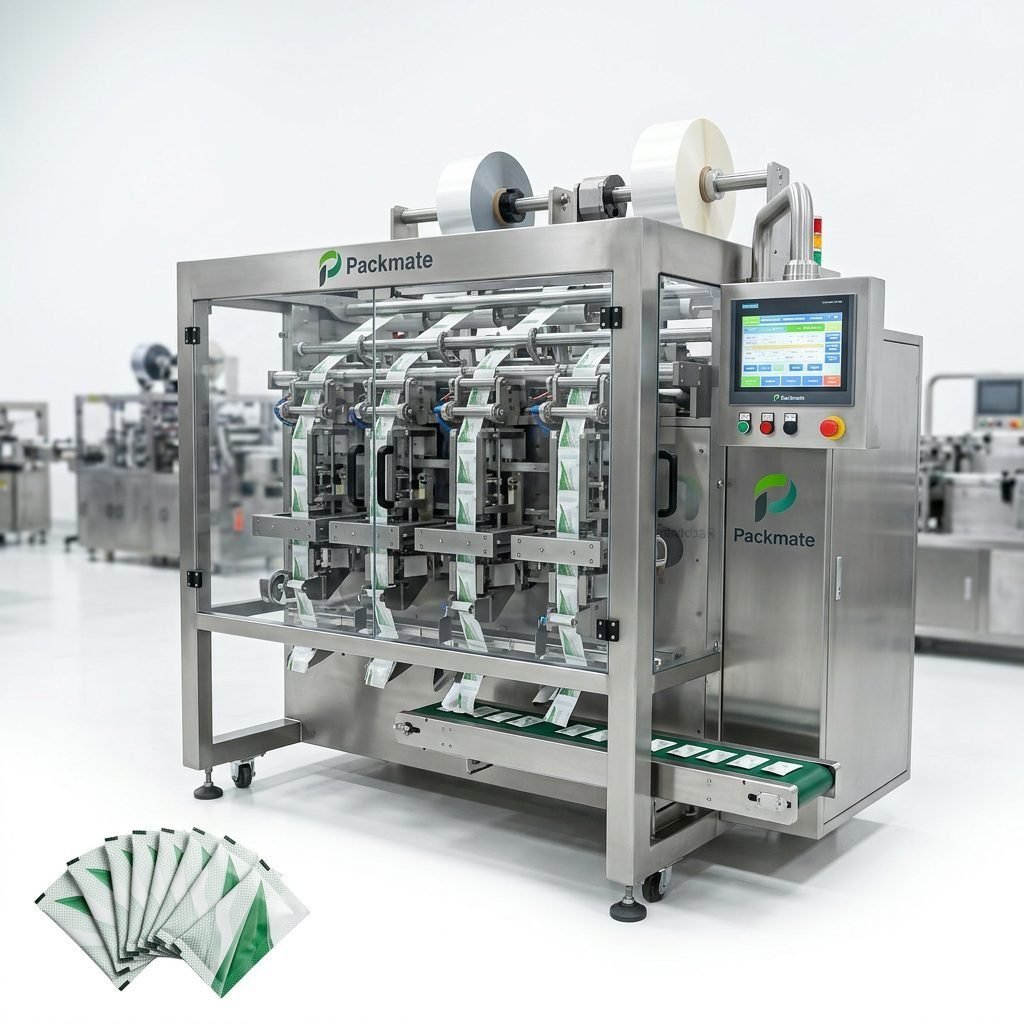
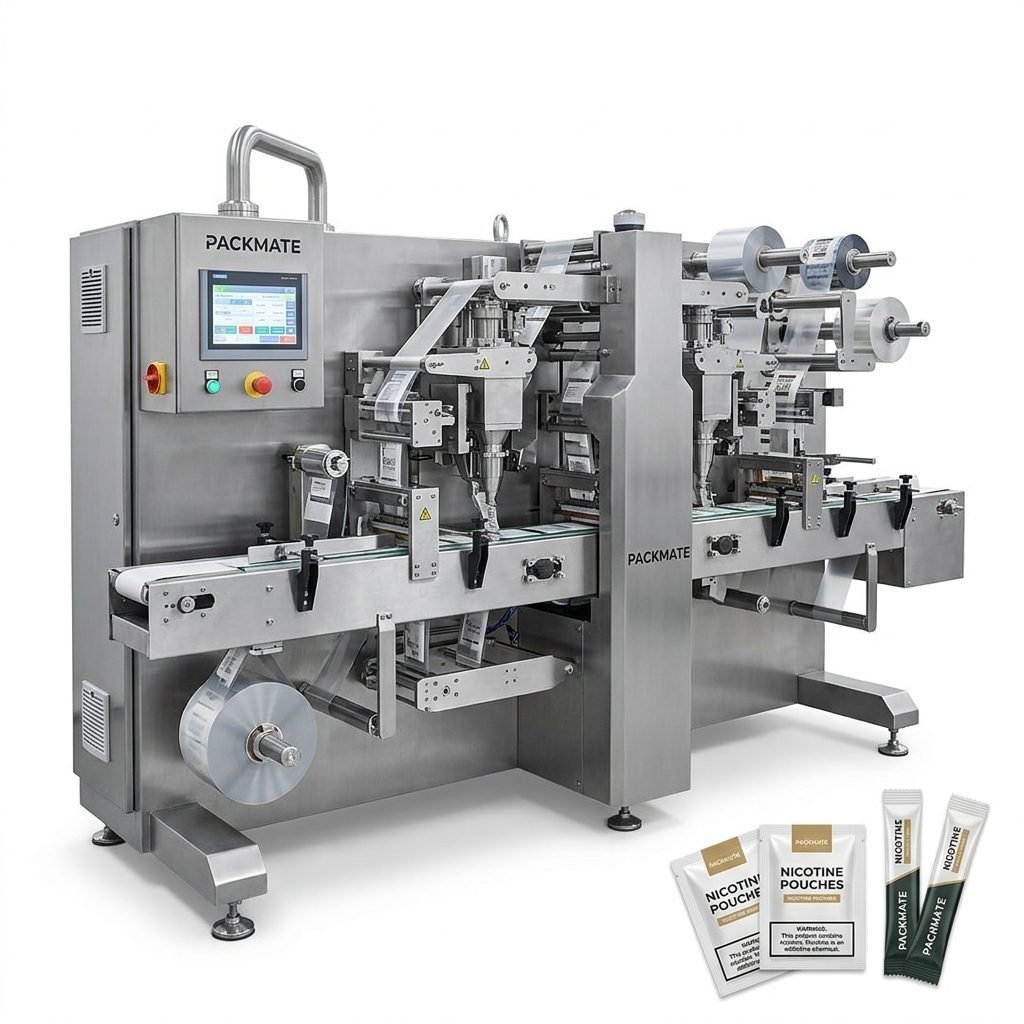
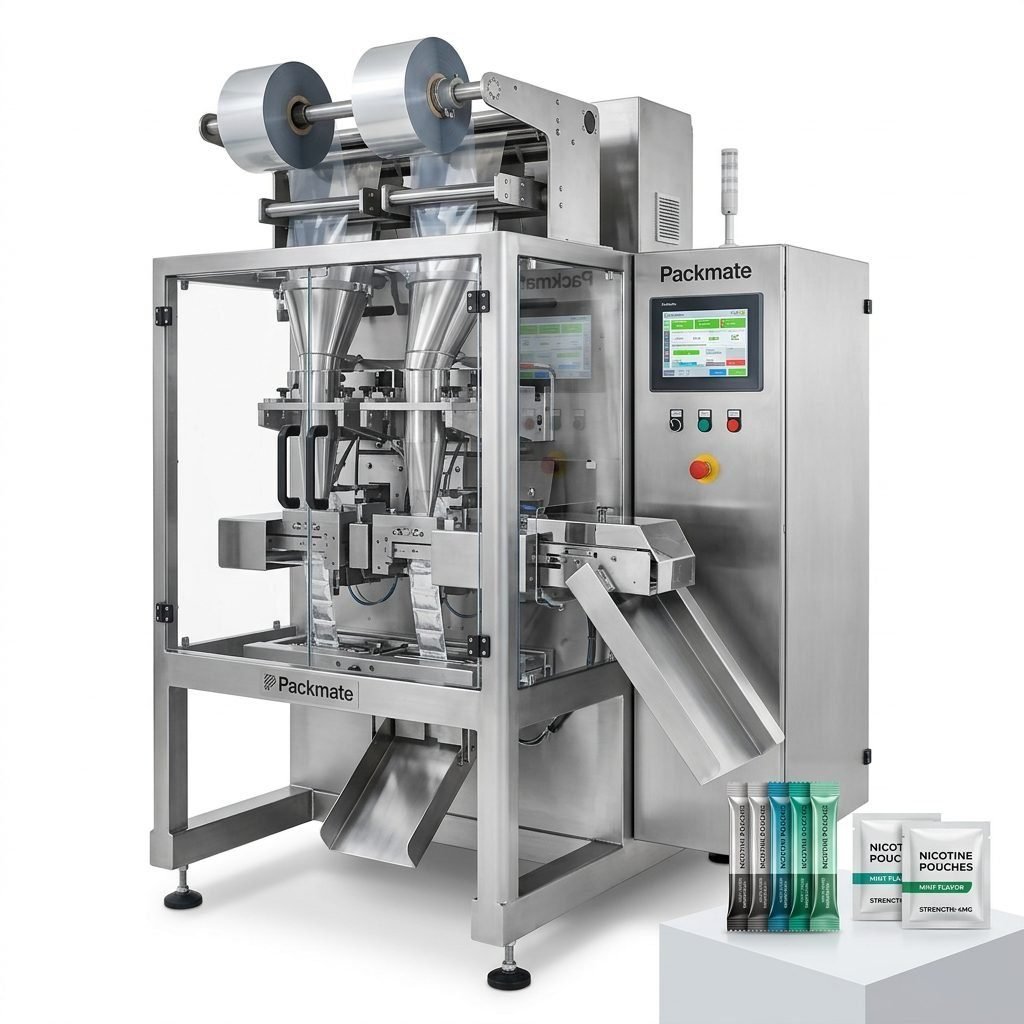
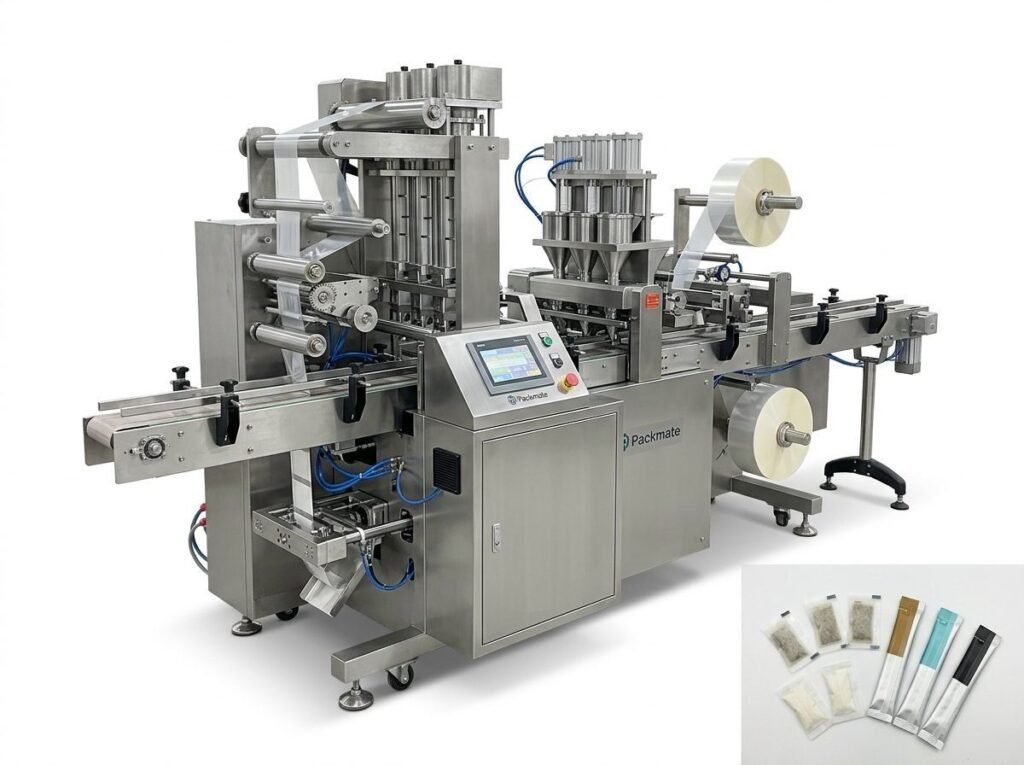
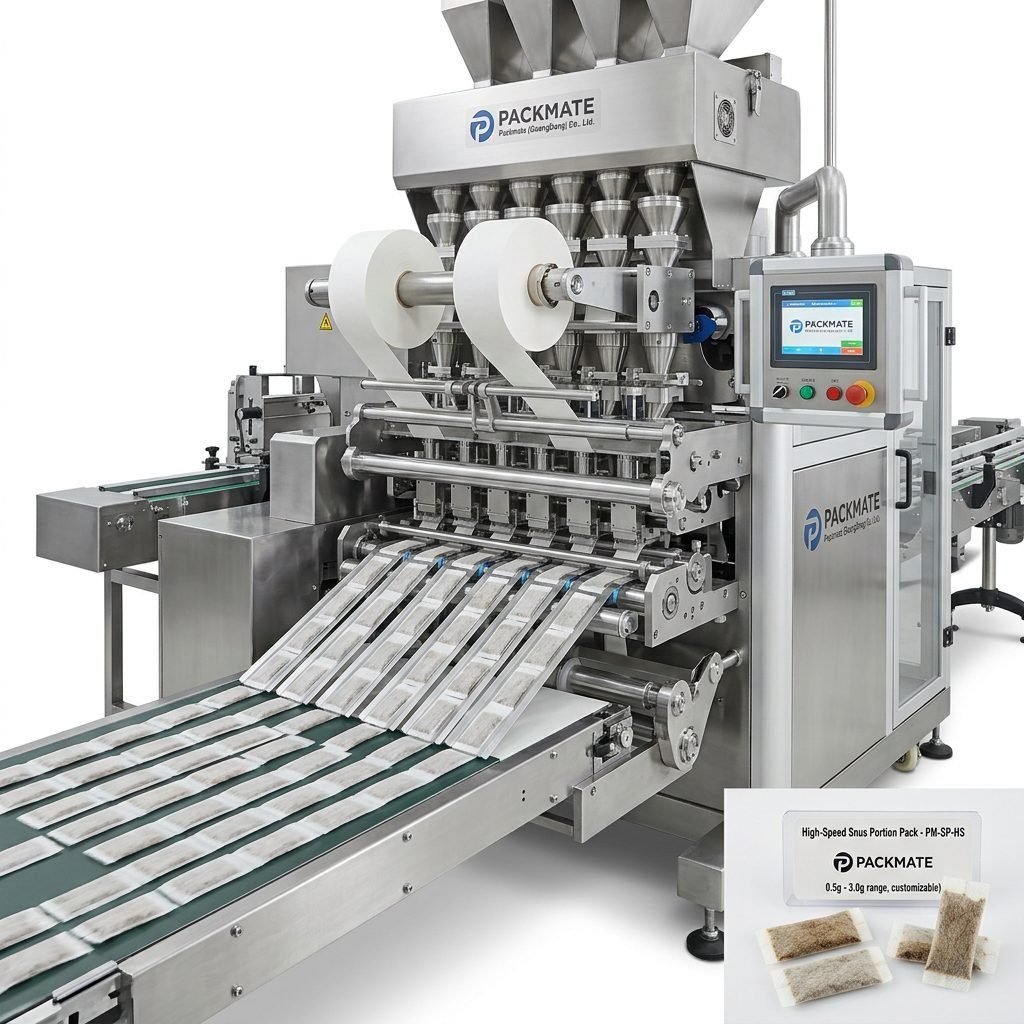
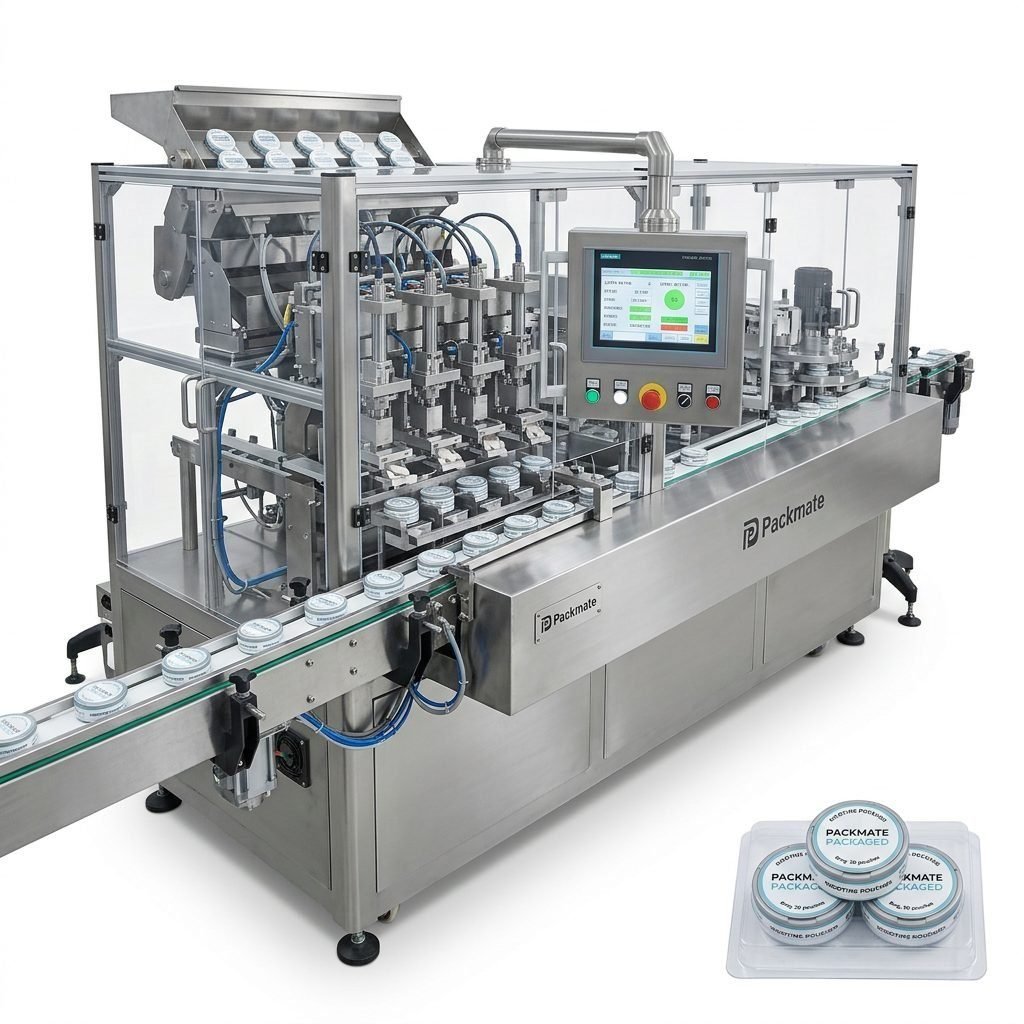
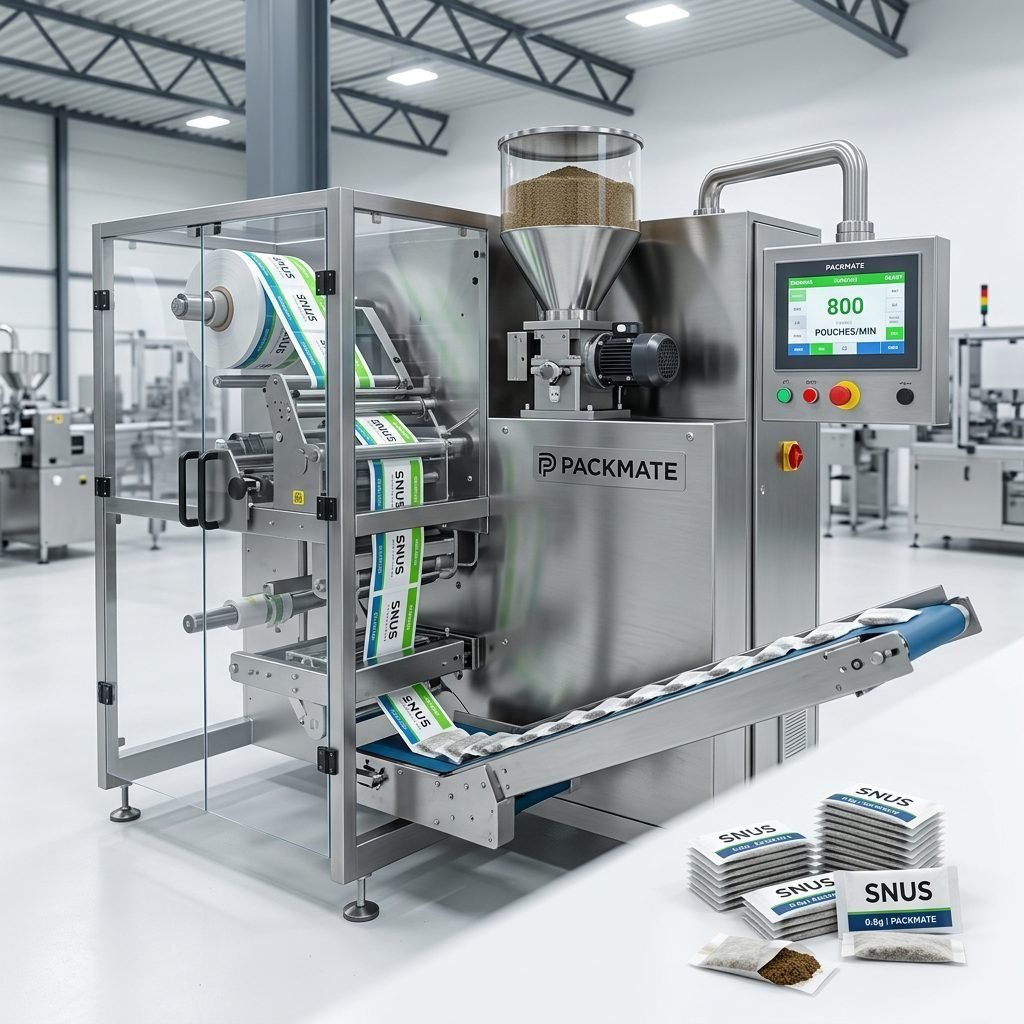
Packmate Snus Machine, for example, highlights decades of engineering experience and a 20,000㎡ manufacturing facility. Suppliers that publish development timelines and case studies often provide better traceability during procurement.
After-Sales Support, Spare Parts & Training
For buyers in the Bahamas, after-sales service is critical because fast on-site vendor visits might be expensive or time-consuming. Evaluate remote support options, spare part lead times, and whether the supplier keeps recommended spares in regional warehouses or ships directly from the factory.
Training and documentation
Confirm whether the supplier provides installation supervision, operator and maintenance training (on-site or remote), and clear English-language manuals. Remote commissioning and augmented-reality-assisted troubleshooting are valuable for islands with limited local technical service.
Logistics, Shipping & Customs Considerations
Plan shipping and customs clearance early. Machines often ship in crates or containers and require local handling equipment at arrival. Coordinate with a Bahamas freight forwarder experienced with industrial imports and confirm port handling capabilities at Nassau or Freeport.
➤ Tip: Ask your supplier for a packing list that includes crate dimensions and gross weights to arrange appropriate vessels and local lifting gear ahead of shipment.
Commercial Terms & Payment Methods
Negotiate clear commercial terms: lead time, payment schedule, acceptance criteria and warranty. Common payment instruments include telegraphic transfers (T/T) and letters of credit (L/C). For large orders, phased payments tied to milestones (design approval, FAT, shipment) help protect both parties.
Warranty scope and liability
Define warranty inclusions: parts, labor during the warranty period, response times for remote diagnosis and costs for on-site visits. Clarify what constitutes normal wear versus manufacturer defects.
Evaluating Supplier Reputation & References
Ask for client references, case studies and exhibition appearances. Suppliers who consistently attend international trade shows and publish customer cases indicate a commitment to global markets. Review independent reviews and verify recent projects that match your product profile.
For additional product and case references, consider supplier pages that demonstrate product breadth and turnkey solutions: Snus & Nicotine Packaging Machines, Case, and the company overview at About Packmate.
Total Cost of Ownership (TCO) vs. Upfront Price
Compare the TCO rather than lowest purchase price alone. TCO should include spare parts consumption, expected uptime, energy consumption, maintenance intervals, and the cost of any required local modifications. Machines designed for low maintenance and easy part swaps reduce downtime and long-term cost.
Installation, Commissioning and Validation
Ensure the supplier provides a clear installation and commissioning plan. For regulated nicotine products, you may also need process validation records. Confirm agreed FAT acceptance criteria in writing, and request FAT footage and test samples prior to shipment.
Site readiness checklist
✔ Adequate power supply and stable voltage protection.
✔ Craning and lifting equipment rating verified.
✔ Clean and leveled concrete foundation or mounting pads.
✔ Incoming material specifications and storage conditions defined.
✔ Local contact assigned for customs and on-site logistics.
Customization and Turnkey Solutions
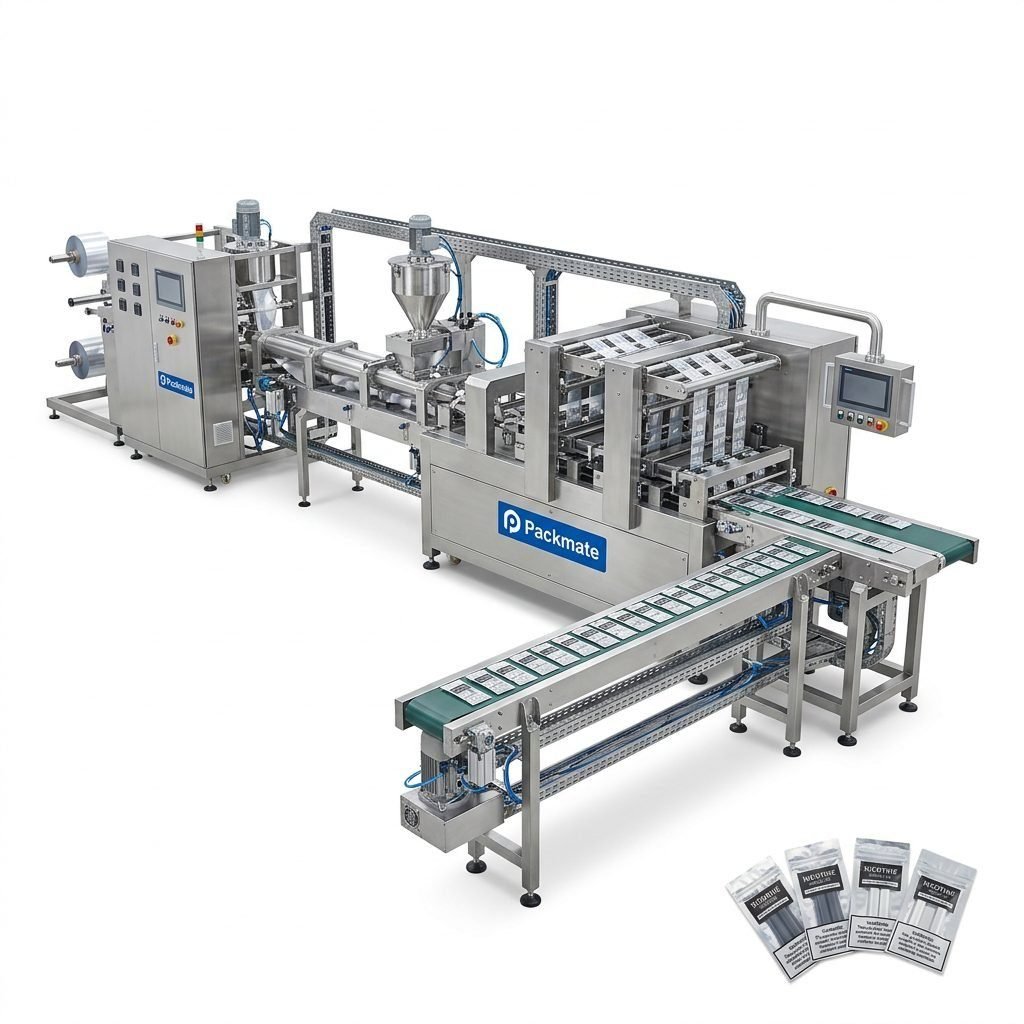
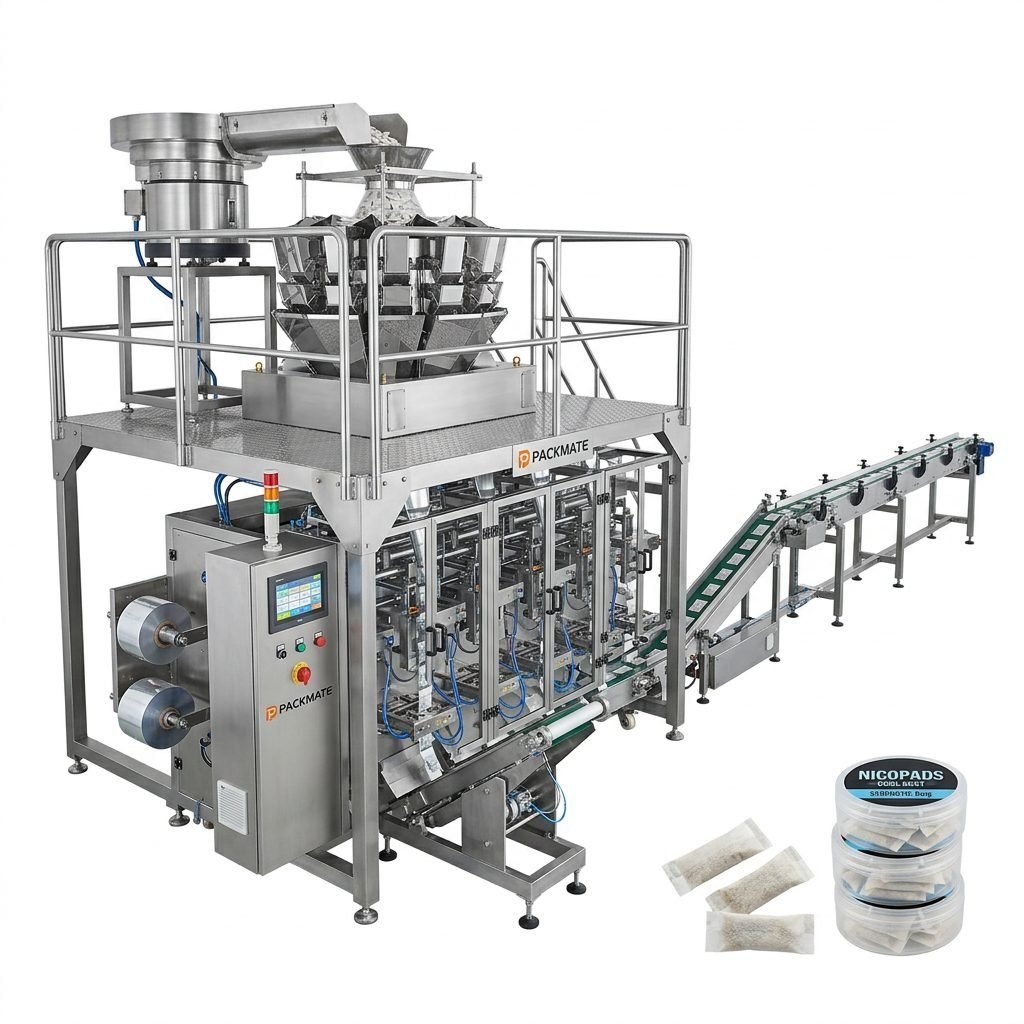
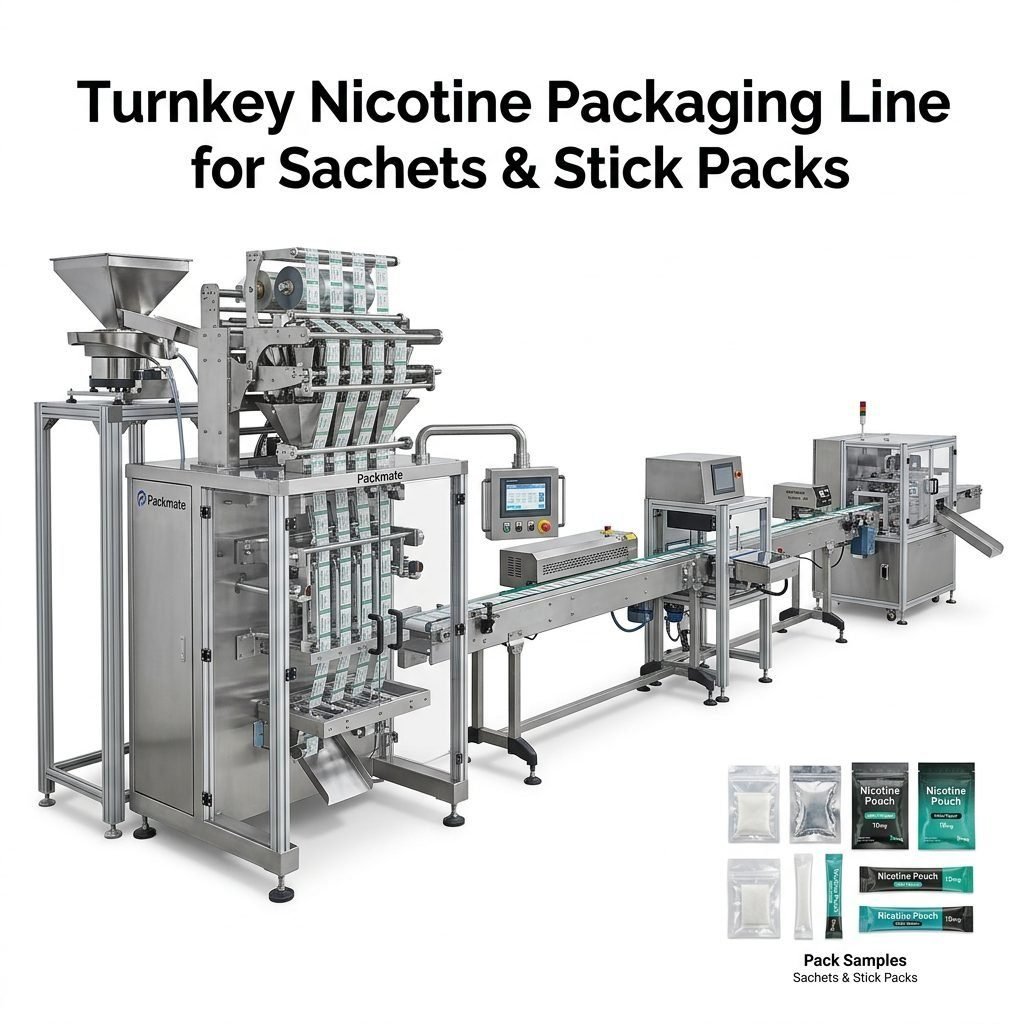
If you need a full production line — pouch filling, sealing, stick/sachet formats, secondary packaging and case packing — select a supplier with turnkey capabilities. A single-engineer approach across the line reduces integration risks and simplifies responsibility for deliveries.
Explore modular lines that allow incremental investment: start with a filling/sealing module and add automation for labeling or boxing when volumes rise.
Red Flags to Watch For
Be cautious if a supplier:
- Is reluctant to provide FAT videos or references
- Cannot provide clear spare-parts lists or delivery lead times
- Offers unrealistic lead times without documented production schedules
- Has unclear warranty or acceptance criteria
Practical Buying Checklist for Bahamas Buyers
Procurement checklist:
➤ Confirm regulatory importability of nicotine pouches and packaging materials.
➤ Verify supplier certifications and request FAT records.
➤ Clarify warranty, spare-parts availability and remote support options.
➤ Agree on testing samples and acceptance tests before shipment.
➤ Plan logistics with an experienced Bahamas freight forwarder and ensure site readiness.
Why Verified Global Suppliers Matter
Global suppliers that regularly exhibit internationally and publish case studies tend to offer more mature engineering and better documentation. They also often provide after-sales networks and standardized components that simplify servicing elsewhere in the Caribbean. If you evaluate Packmate’s product lines, you can review examples of snus and nicotine packaging solutions, as well as supporting systems like weighing and filling equipment on dedicated pages such as Filling & Packaging Lines and Weighing & Packaging Systems.
Negotiation tips
Negotiate deliverables in phases: engineering drawings, FAT, shipping and local commissioning. Link payments to verifiable milestones. Ask suppliers to include a recommended spare-parts kit tailored to your first 12–24 months of operation.
Final selection considerations
Prioritize a supplier who balances strong engineering, transparent documentation, and robust remote support. The right partner will help you reduce downtime, scale production when demand increases, and adapt packaging formats as market tastes evolve in the Bahamas and across nearby Caribbean markets.
Need more details? For company profiles, machine options and support capabilities, visit the supplier’s product and service pages, such as Bag & Pouch Packaging Machines and Service.
Conclusion
Finding the best nicotine packaging machinery supplier for the Bahamas requires balancing technical fit, regulatory readiness, logistics planning and strong after-sales support. By checking certifications, validating supplier capabilities with FAT and references, and confirming spare-parts and remote support strategies, buyers can launch reliable operations with minimized downtime and predictable costs.
Frequently Asked Questions
Q: How long does it typically take to import and commission a packaging line in the Bahamas?
A: Lead times vary by machine complexity and shipping method. Plan for manufacturing lead time, sea freight and customs clearance; include additional time for local site preparation and commissioning. Always confirm timeline milestones with your supplier.
Q: What are the most important spare parts to stock locally?
A: Critical wear parts often include sealing jaws, belts, drive chains, bearings, and sensors. Request a supplier-recommended spare kit sized for your monthly run rate.
Q: Can suppliers support regulatory documentation needed for Bahamas customs or product approvals?
A: Many experienced suppliers provide machine certificates, material declarations and FAT reports. For product regulatory approvals, consult local legal or regulatory experts as supplier documentation may not replace required product registrations.
Q: How can I reduce downtime when the supplier is overseas?
A: Negotiate rapid remote support, maintain an on-site spare-parts kit, train multiple in-house technicians, and request detailed maintenance schedules and troubleshooting guides from the supplier.
Q: Where can I view real-world examples and contact the supplier for a quote?
A: Review case studies and product specifications on the supplier’s website and reach out via their contact page for tailored quotes and FAT scheduling: Contact Us.