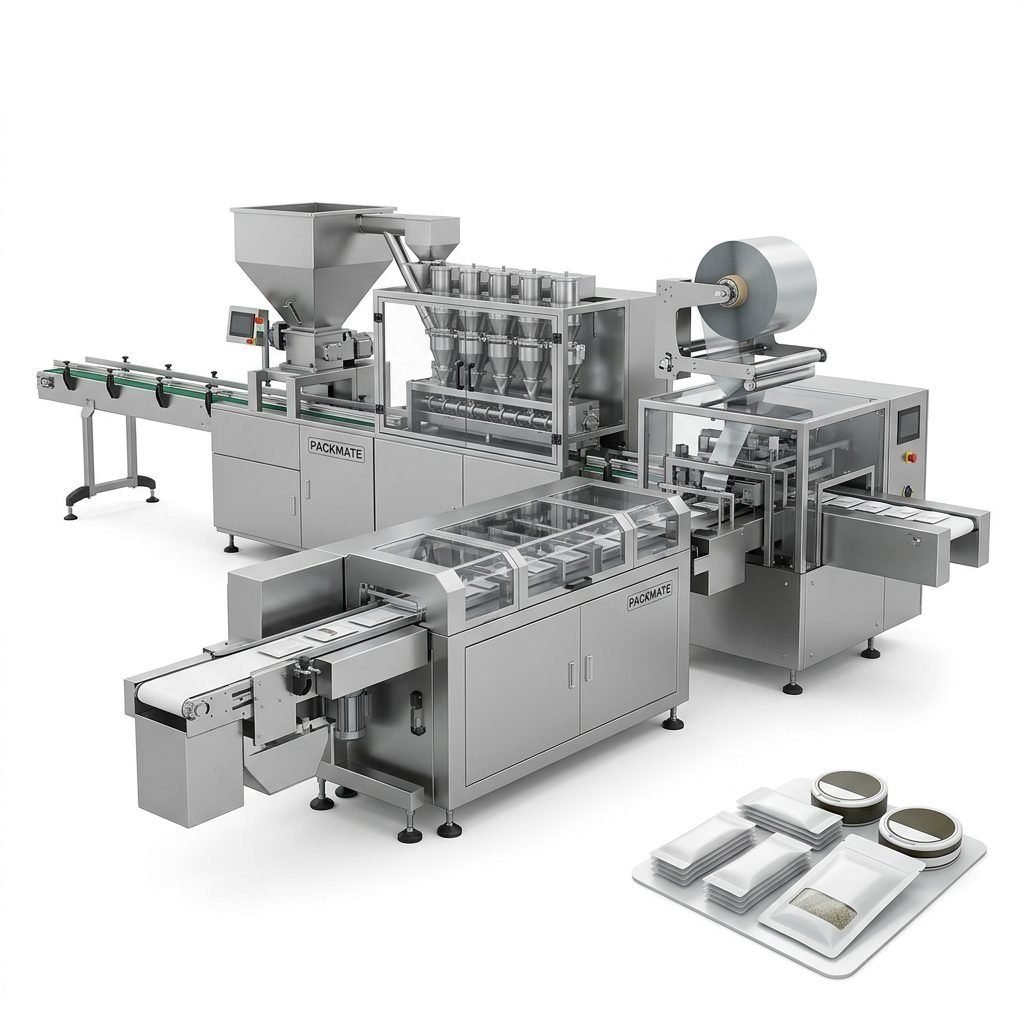
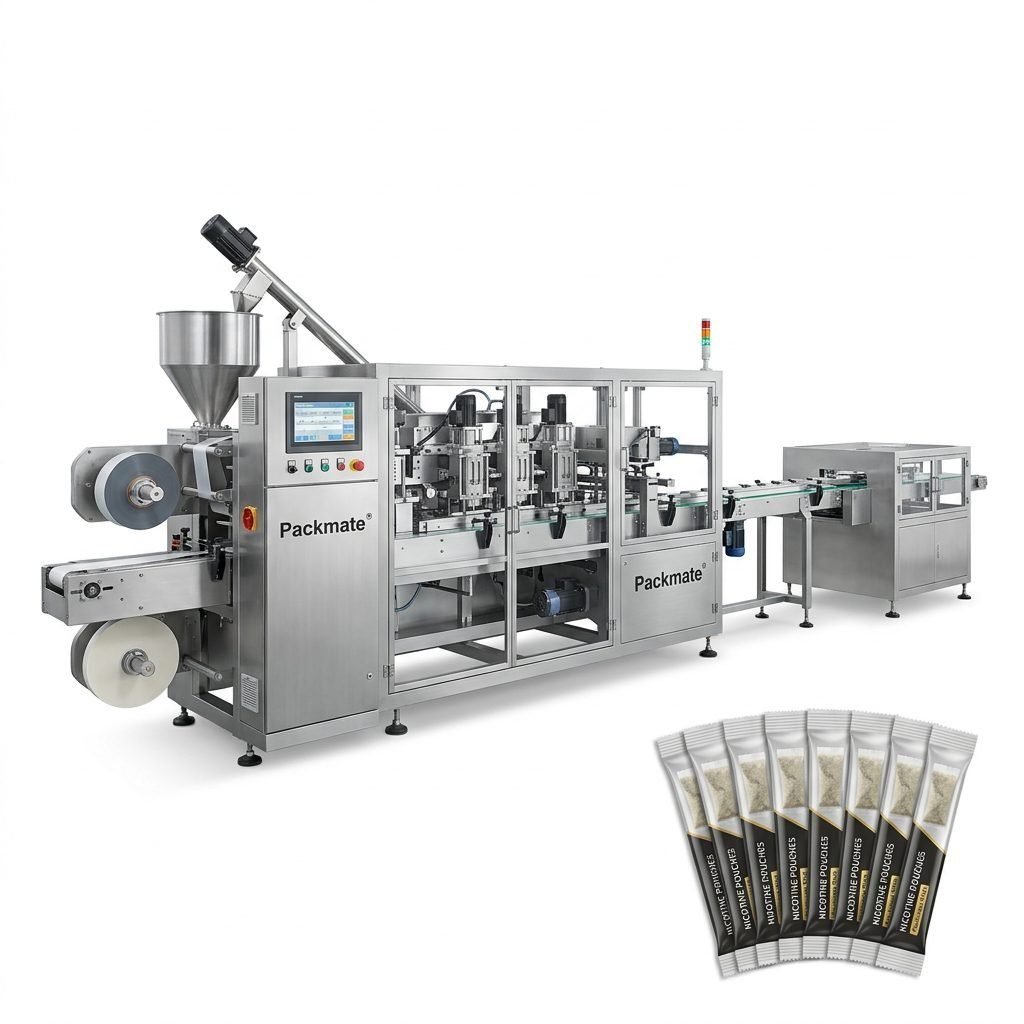
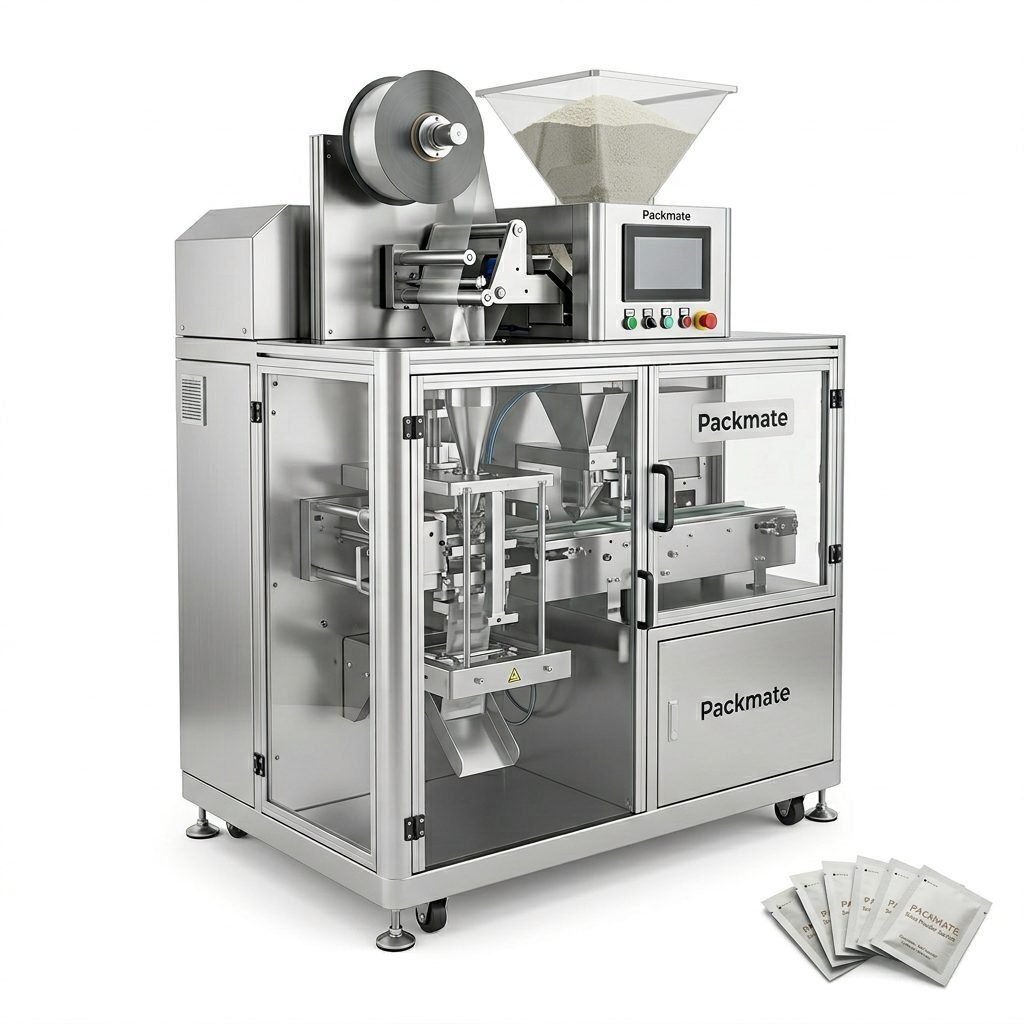
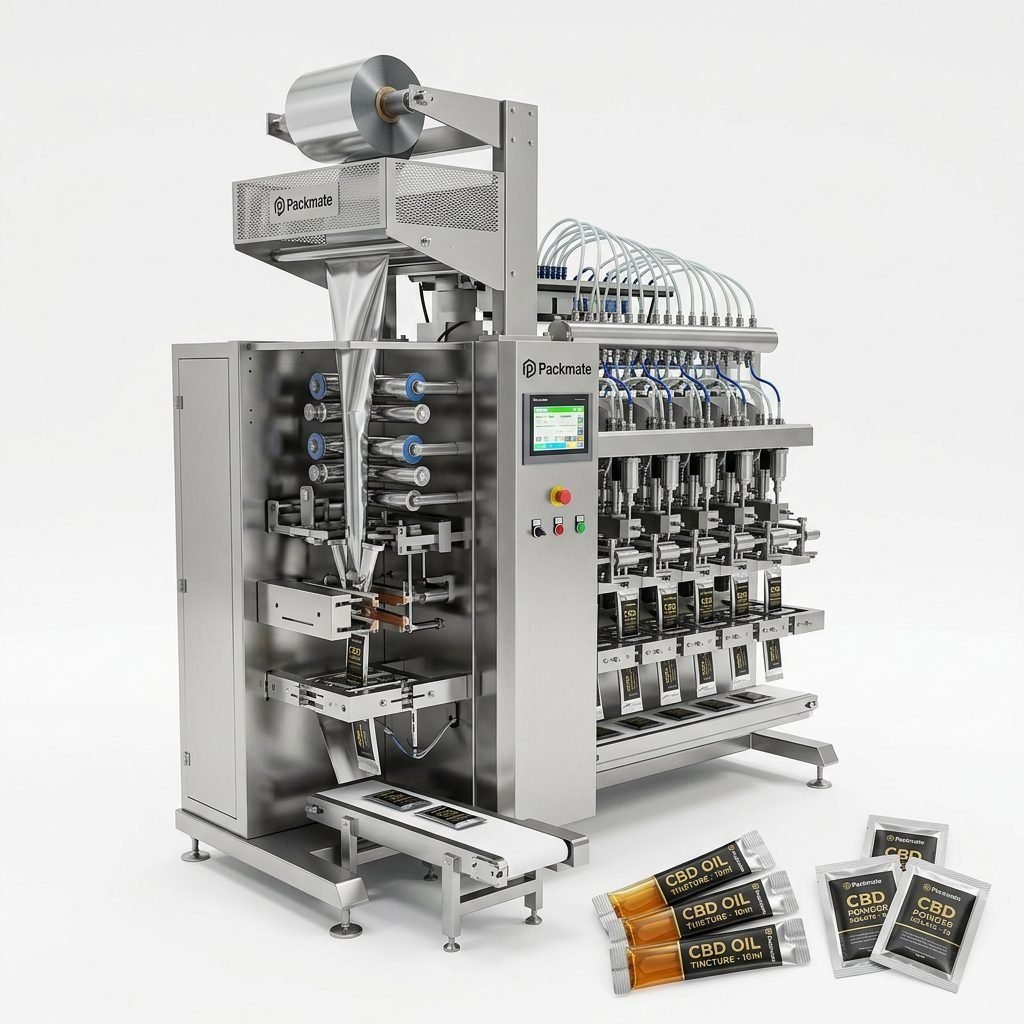
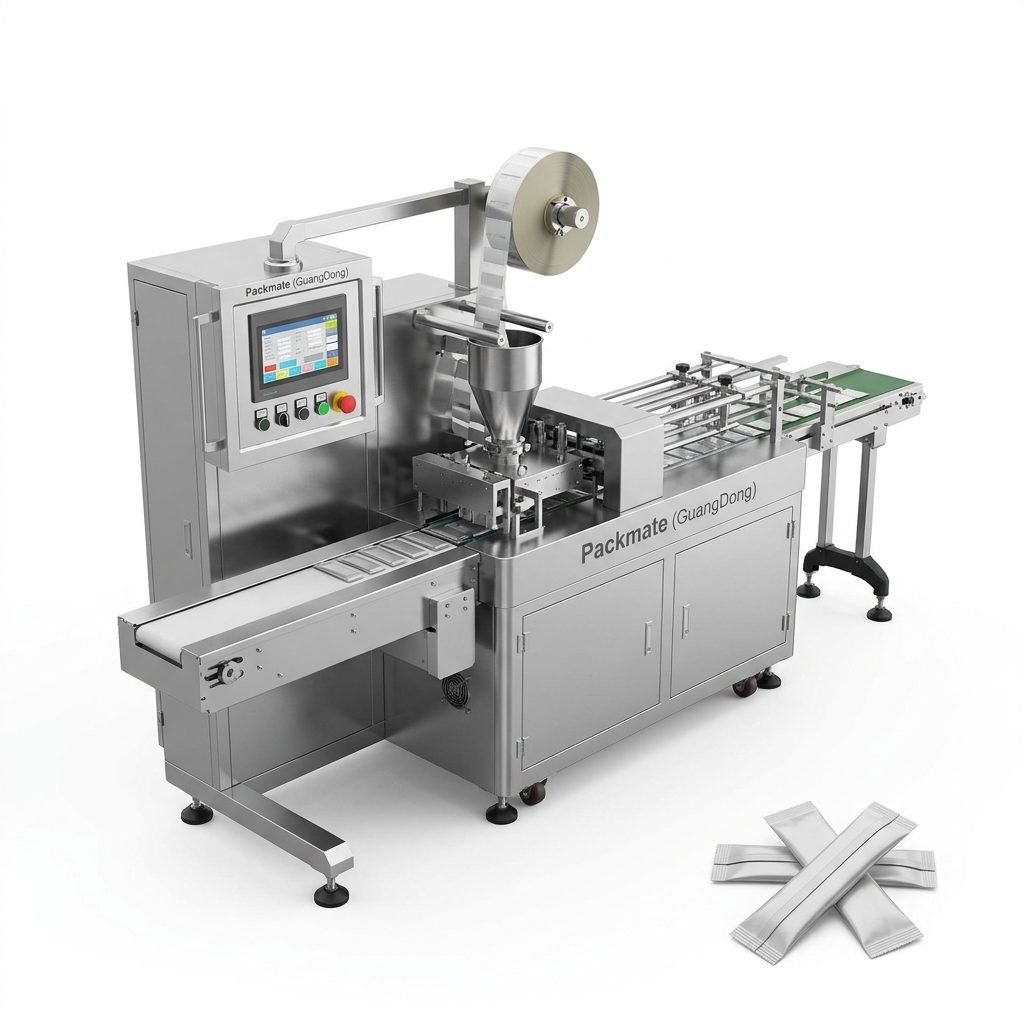
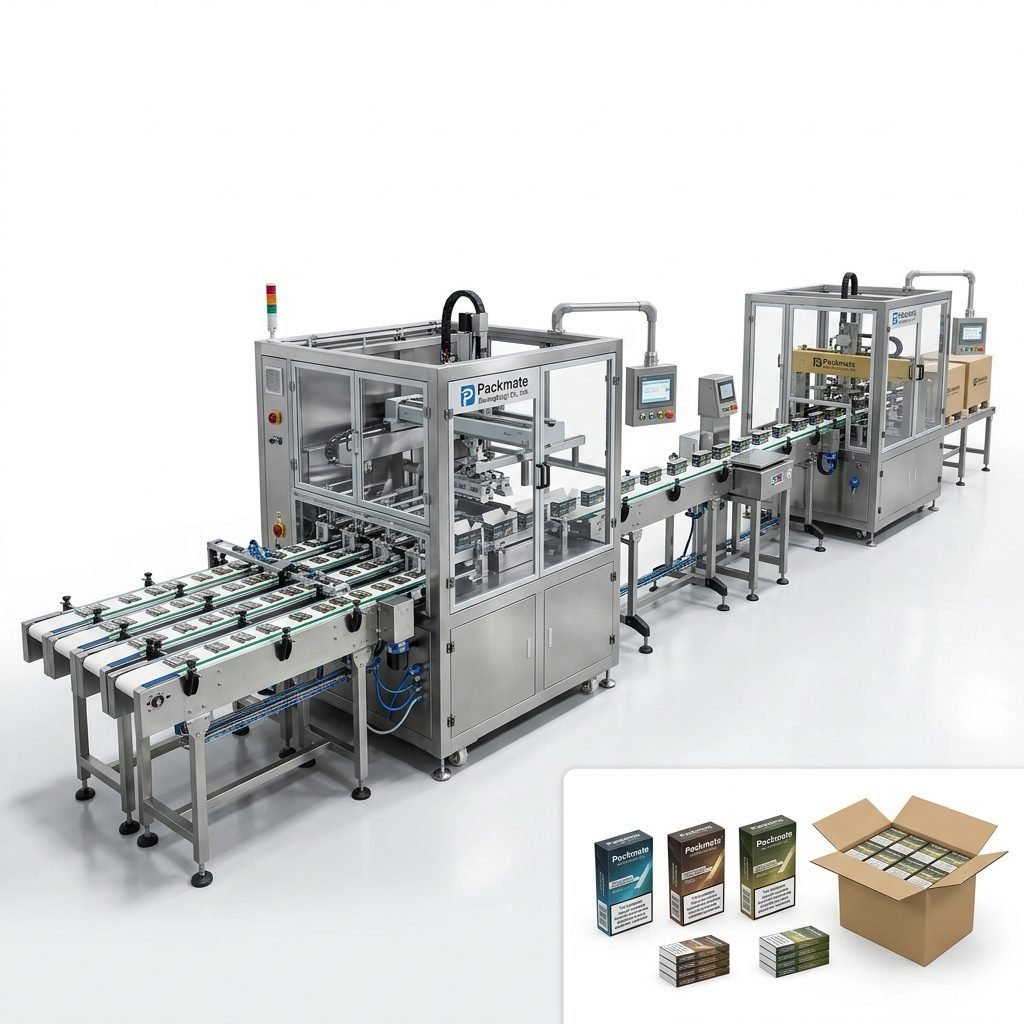
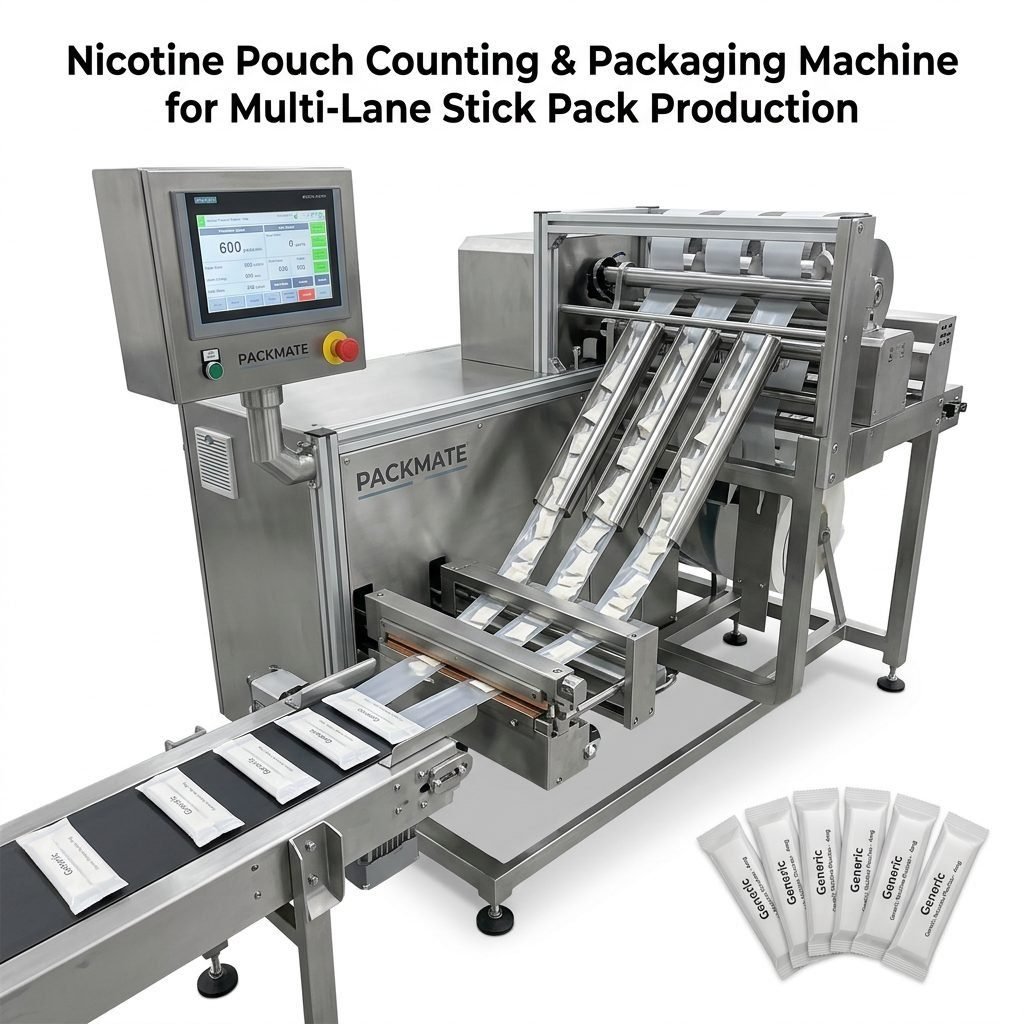
In a fast-evolving nicotine pouch and snus market, manufacturers need packaging solutions that combine speed, stability, and regulatory compliance. A turnkey nicotine pouch packaging line delivers a complete, automated production system—from raw-material handling to final case packing—so brands can scale quickly while maintaining product consistency and traceability.
Why Choose a Turnkey Nicotine Pouch Packaging Line
Investing in a turnkey packaging line means you receive a fully integrated solution tailored for small-dose pouch products such as nicotine pouches and snus. Compared with single-station machines, a turnkey line reduces manual handling, minimizes cross-contamination risks, and shortens time-to-market. Manufacturers benefit from synchronized feeding, filling, sealing, and secondary packaging modules that work as one continuous process.
Core Advantages
⚙️ Increased throughput — Multi-lane filling and fast sealing mean more units per minute with consistent dosing.
📦 Turnkey integration — From weighing and dosing to pouch forming and cartoning, every stage is harmonized.
🔧 Reduced labor & error — Automated material handling reduces operator interventions and human error.
Typical Components of a Turnkey Line
A complete nicotine pouch production line typically includes multiple integrated modules. Each module can be customized depending on product format (loose pouches, sachet, or stick packs), dosing medium (powder, granule, or liquid), and final secondary packaging requirements.
1. Raw Material Handling & Pre-weighing
Feed hoppers, vibratory conveyors, and multi-head weighers ensure precise dosing before the pouch forming stage. Systems are designed for gentle handling of loose-fill tobacco-free blends or powdered nicotine bases while meeting hygiene requirements.
2. Pouch Forming & Filling Station
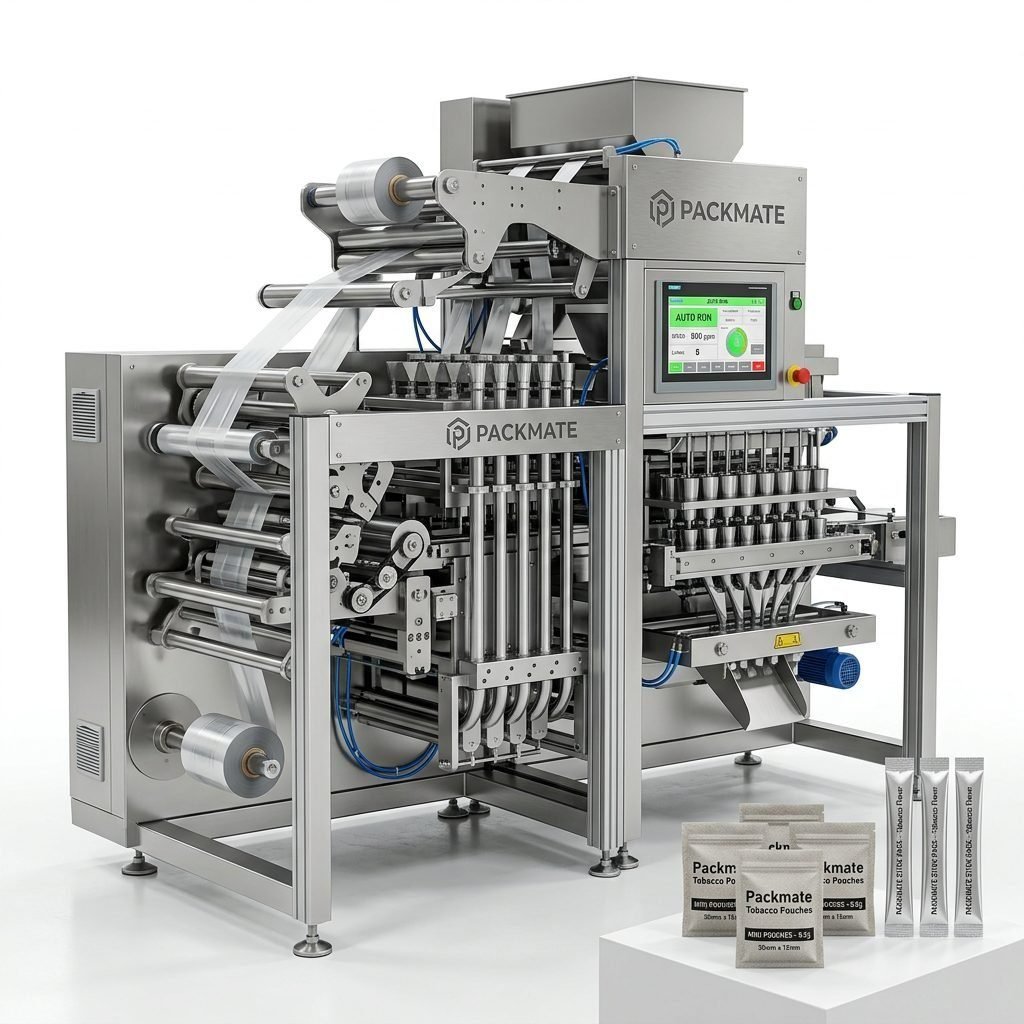
Advanced pouch formers and multi-lane fillers shape, fill, and seal pouches in continuous operations. For manufacturers exploring compact solutions or high-speed production, consider multi-lane snus machines that produce small-dose pouches in parallel lanes for higher output per cycle.
3. Secondary Packaging & Cartoning
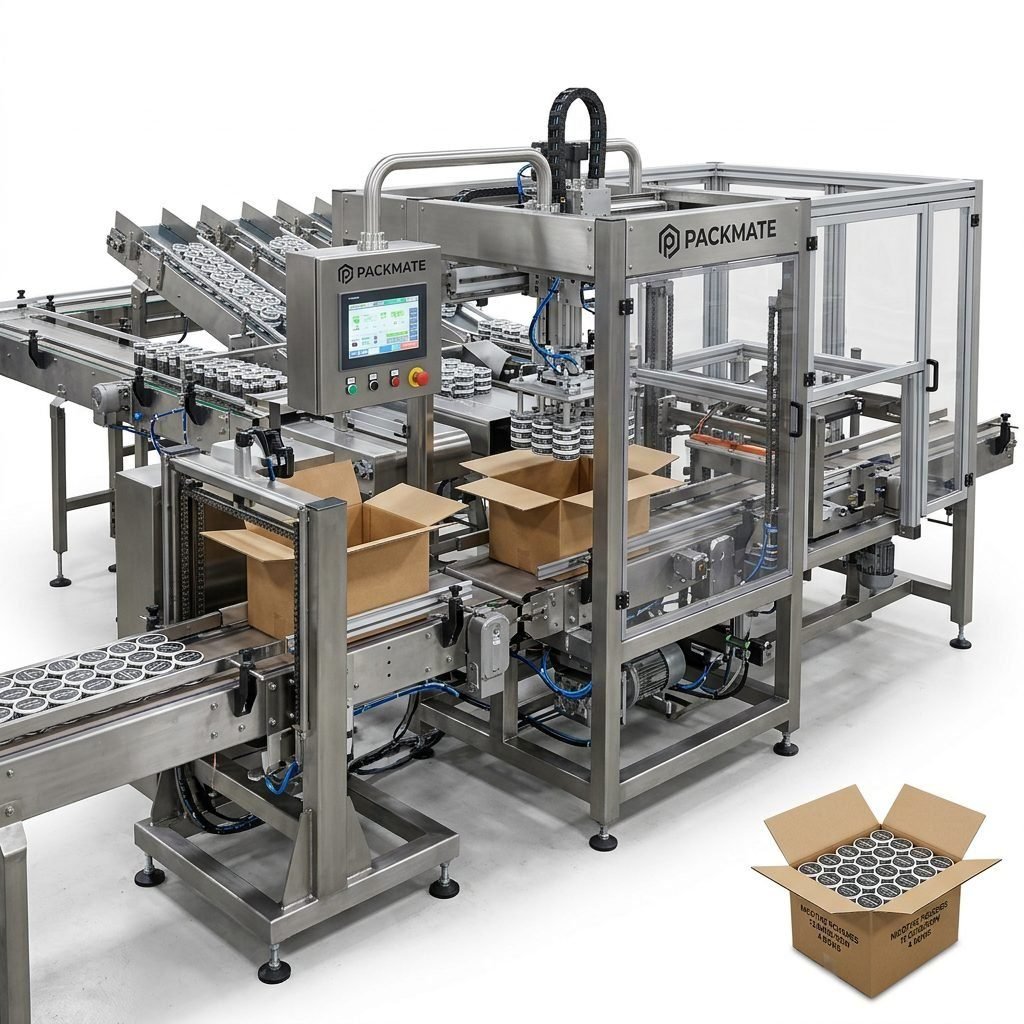
Once pouches are sealed, automated cartoners, tray packers, and case packers take over. These machines enable tamper-evident presentation, easy shelf placement, and compliant labeling for export markets.
Key Technical Features to Look For
✓ Servo-driven motion for precise film control and accurate pouch dimensions.
✓ Multi-lane dosing heads for consistent small-dose fills across channels.
✓ Hygienic, quick-release contact parts to simplify cleaning and maintenance.
✓ Integrated vision inspection and metal detection for quality assurance.
Performance & Compliance
Reliable turnkey lines are designed to meet international standards. Reputable manufacturers supply equipment with CE and ISO certifications and provide documentation to support regulatory approval and audits. For nicotine products, traceability, batch coding, and tamper-evident packaging are often required for legal distribution in many regions.
Customization & Flexibility
One major advantage of a turnkey supplier is customization. Whether you need a compact line for a startup or a high-capacity system for an established brand, options include:
- Alternate pouch formats and sizes
- Multi-language HMI and local electrical standards
- Upgradable lanes for future capacity expansion
- Integration with upstream or downstream packaging equipment
Integration with Complementary Equipment
Turnkey solutions often pull together specialized sub-systems. Examples include:
– Combining snus pouch formers with snus & nicotine packaging machines to ensure end-to-end continuity.
– Pairing with weighing & packaging systems to guarantee precise dosing and data logging.
– Adding filling & packaging lines for liquid or paste formulations that require metered dosing prior to pouching.
Factory Capabilities & Proven Experience
When evaluating suppliers, factory size, machining capabilities, and years of R&D matter. A manufacturer with advanced CNC machining centers, precision assembly lines, and a large production area is better positioned to deliver robust turnkey solutions and consistent spare parts supply. Long-term experience in snus packing and nicotine pouch equipment ensures practical design choices that reduce downtime.
What to expect from a quality supplier
📌 Transparent documentation: CE/ISO certificates and machine validations.
📌 On-site commissioning and staff training to ensure smooth handover.
📌 Long-term spare parts availability and remote technical support.
Case Examples & Global Reach
Manufacturers serving markets in Europe, Asia, and the Americas benefit from suppliers with global exhibition presence and cross-border project experience. Observing live demonstrations at trade shows or visiting production cases can provide confidence in a supplier’s real-world performance. For reference and examples of previous implementations, review supplier case pages to understand capacity ranges and integration examples.
Selecting the Right Turnkey Partner
Choosing a turnkey partner is as much about engineering as it is about partnership. Key selection criteria include:
- Proven technology: Look for a portfolio of snus and nicotine pouch lines with verifiable throughput and uptime.
- Customization capability: Ensure the vendor can adapt machines to local regulations and preferred pouch formats.
- After-sales support: Training, spare parts, and remote diagnostics are critical for continuous operation.
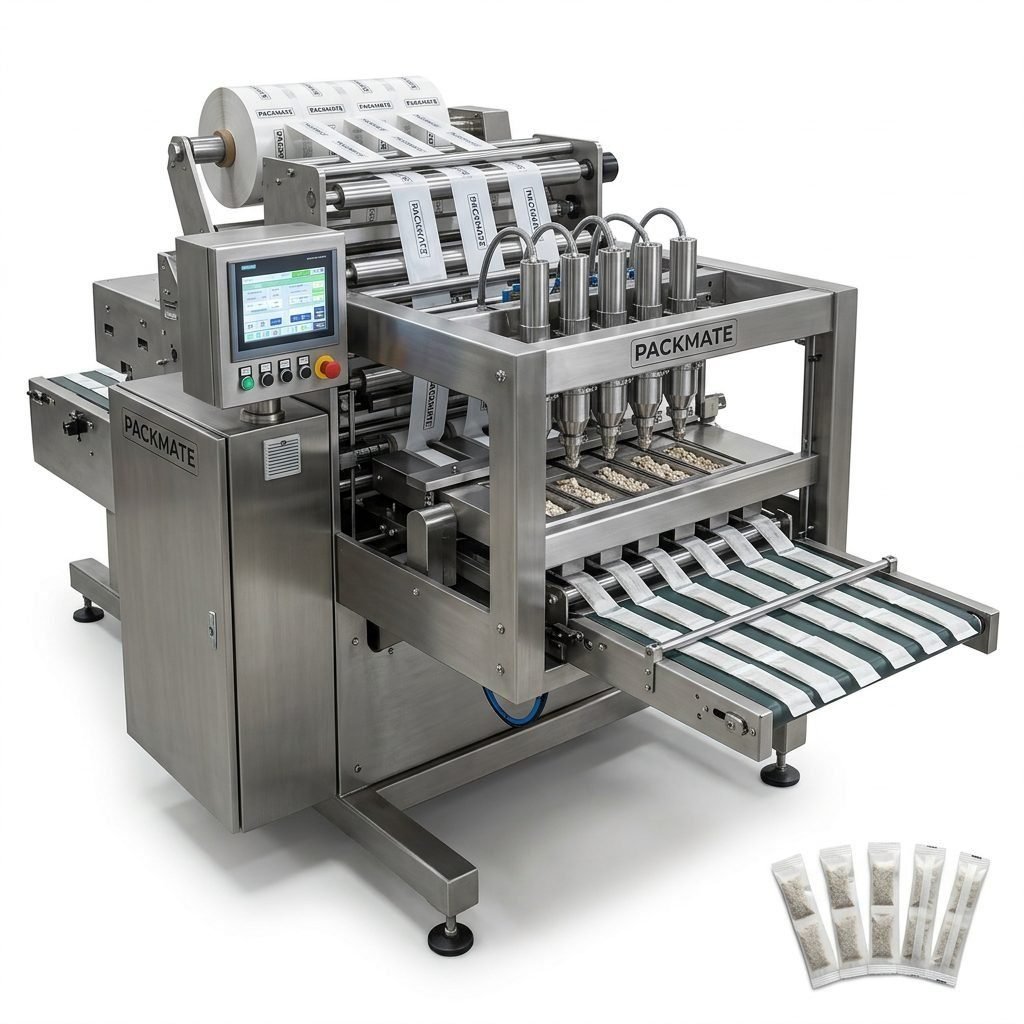
If you want to explore product options, suppliers typically publish detailed models and configurations. For example, check product categories like bag & pouch packaging machines or sachet & stick pack machines for format-specific solutions.
Implementation Roadmap
A typical implementation follows these steps:
- Needs assessment & product testing — determine pouch format, dosing parameters, and output targets.
- Line design & quotation — select modules, automation level, and plant layout.
- Factory acceptance testing (FAT) — validate performance and quality before shipment.
- Installation & commissioning — on-site setup, validation, and operator training.
- Ongoing support — maintenance contracts, spare parts supply, and performance upgrades.
Why Packmate (Example Supplier Profile)
A supplier with decades of engineering experience and a large manufacturing footprint can offer both proven standard models and deep customization. Companies that started as small workshops and evolved into global suppliers bring hands-on engineering knowledge and flexible design philosophy. For more information on a supplier’s background and certifications, review their about and certificate pages and past case records.
Practical Considerations for Different Markets
Different markets have distinct regulatory, labeling, and consumer preferences. For example:
- European markets often require extensive traceability and compliant labeling; lines should support variable data coding.
- North American production may emphasize tamper-evident packaging and high-speed cartoning.
- In Asia, compact multi-lane systems are popular where facility footprint is a premium.
Financing & Total Cost of Ownership
Beyond the purchase price, evaluate utilities, spare parts, consumables (films, labels), and training costs. A high-efficiency turnkey line often reduces per-unit costs through better yields and less labor, which improves ROI over time.
Quick Checklist Before Purchase
✔ Do you have defined output targets and pouch formats?
✔ Are site utilities (power, air, floor space) compatible with the line?
✔ Can the supplier provide FAT and on-site commissioning within your timeline?
Start Your Turnkey Project
Initiating a turnkey nicotine pouch packaging project begins with a product feasibility assessment and pilot trials. Reach out to experienced suppliers and request sample production runs to validate dosing accuracy and final-pack aesthetics. For additional details on service options and technical documentation, consult supplier service pages and catalogs.
To learn more about full-line options and specific models, you can visit About Packmate and the product catalog to explore solutions tailored to your business needs: About Packmate and Catalog.
Frequently Asked Questions
Q1: How long does it take to commission a turnkey nicotine pouch line?
A1: Typical timelines range from a few weeks for compact lines to several months for fully customized high-capacity systems. Allow time for FAT, shipping, installation, and validation.
Q2: Can a turnkey line handle multiple pouch sizes and recipes?
A2: Yes. Many systems are designed with modular tooling and programmable recipe management so operators can switch formats with minimal downtime.
Q3: What certifications should I expect from a reputable supplier?
A3: Look for CE and ISO certifications, along with comprehensive documentation for electrical, mechanical, and safety compliance. Suppliers should also provide traceability and batch-coding capabilities.
Q4: How does after-sales support typically work?
A4: Support usually includes remote diagnostics, spare parts supply, field service visits, and operator training. Check the supplier’s service page for warranty terms and maintenance packages.