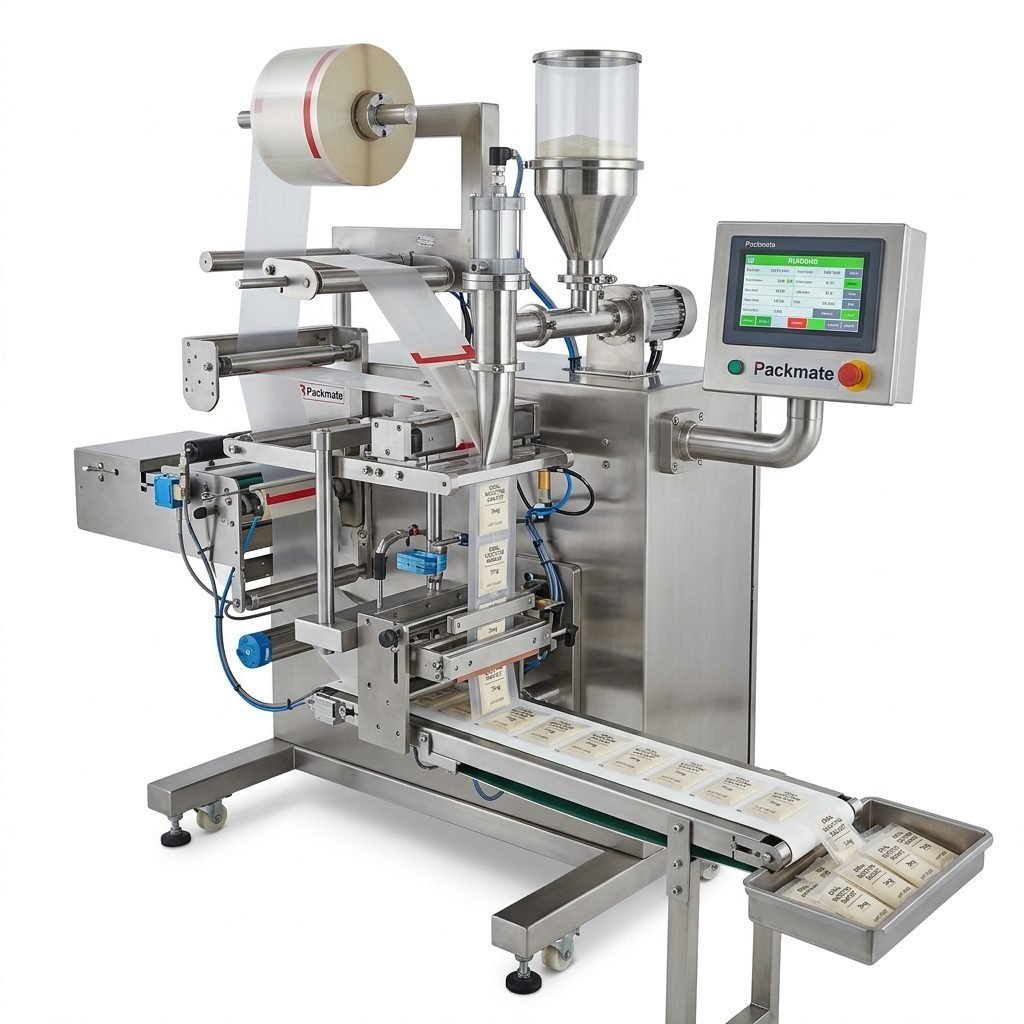
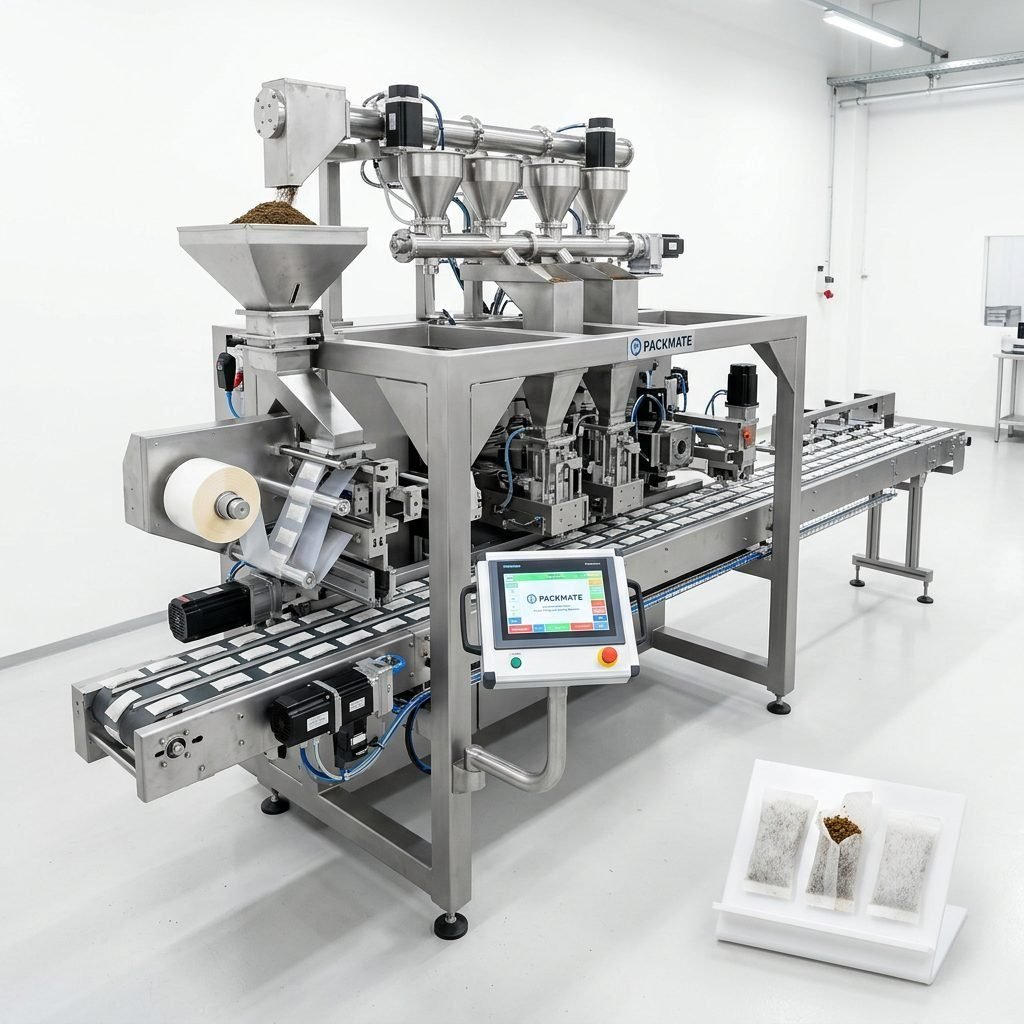
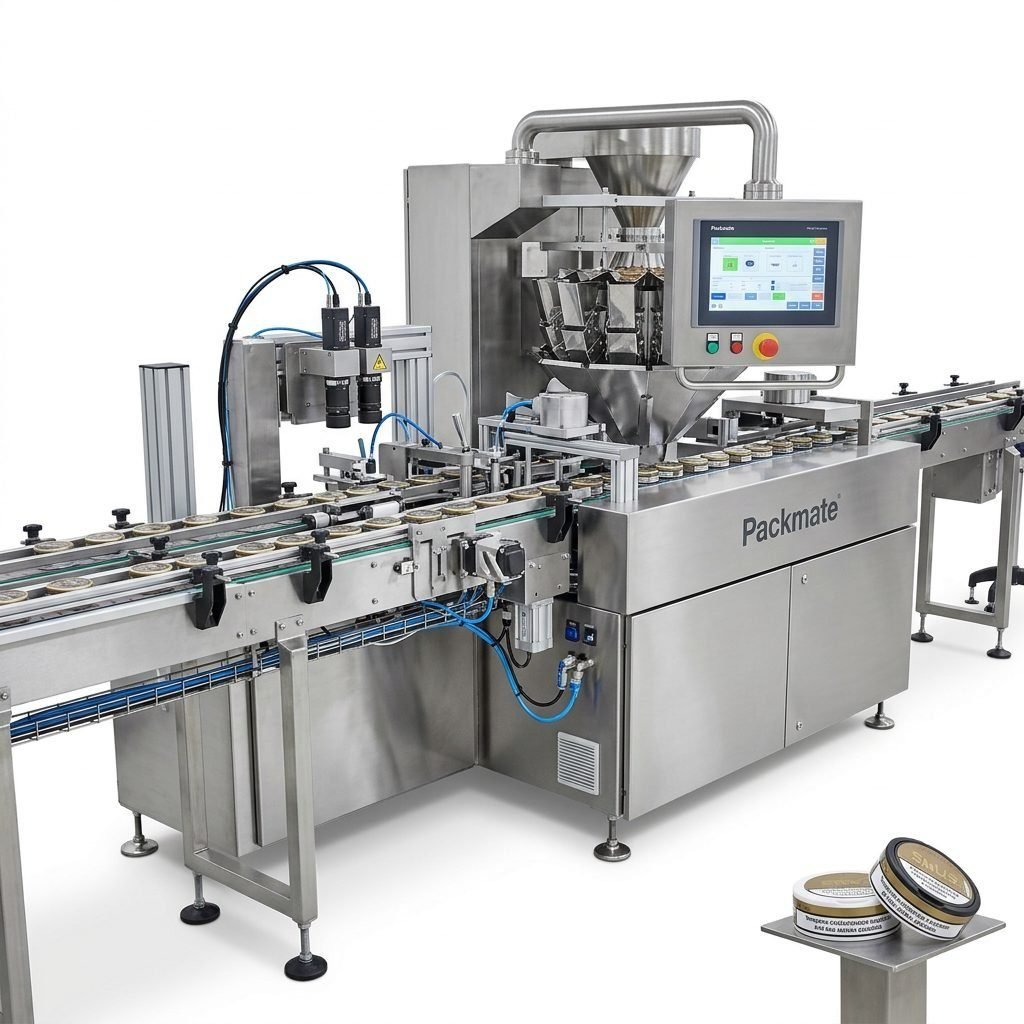
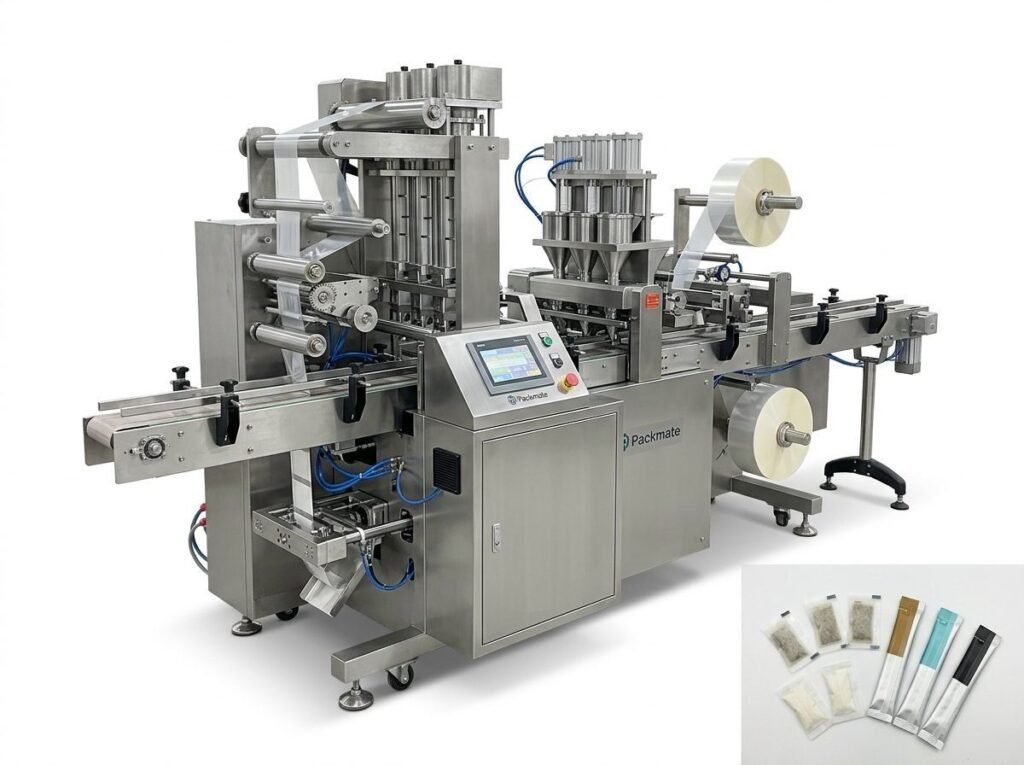
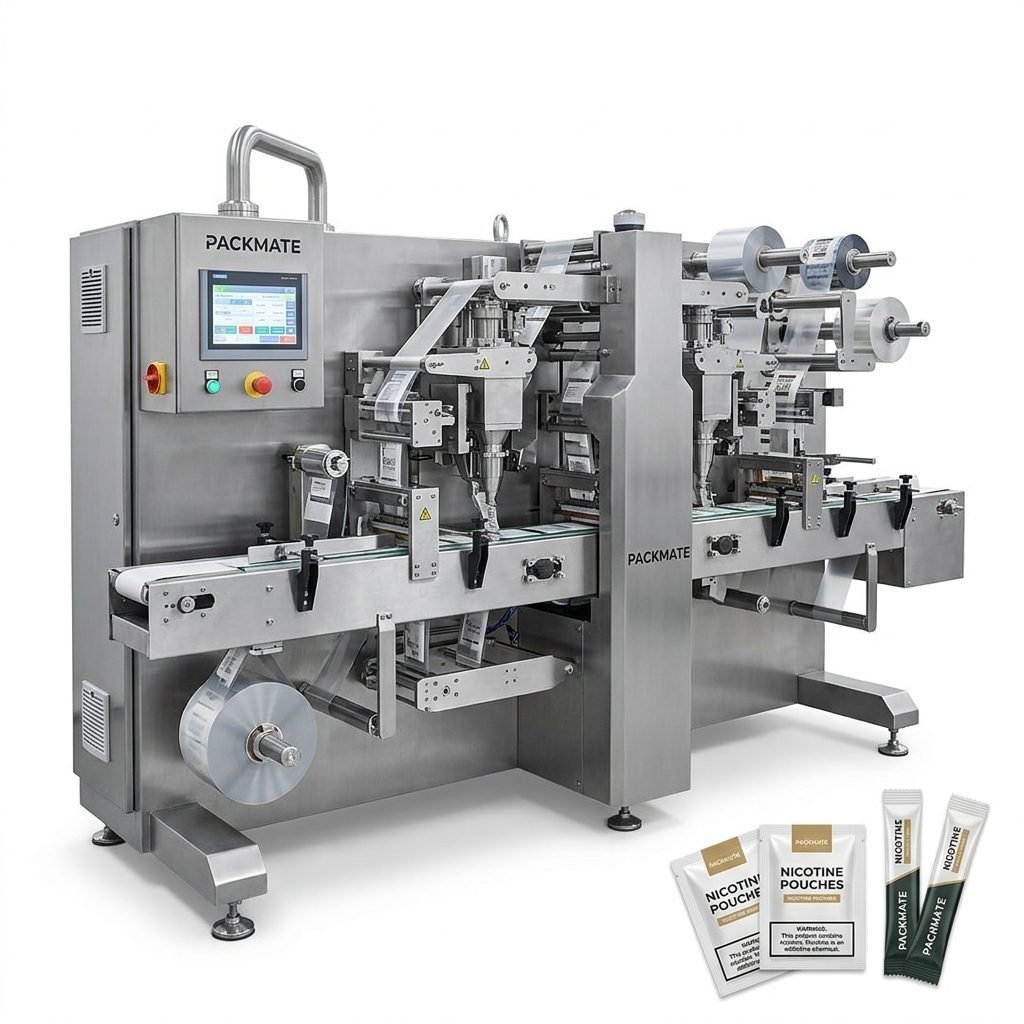
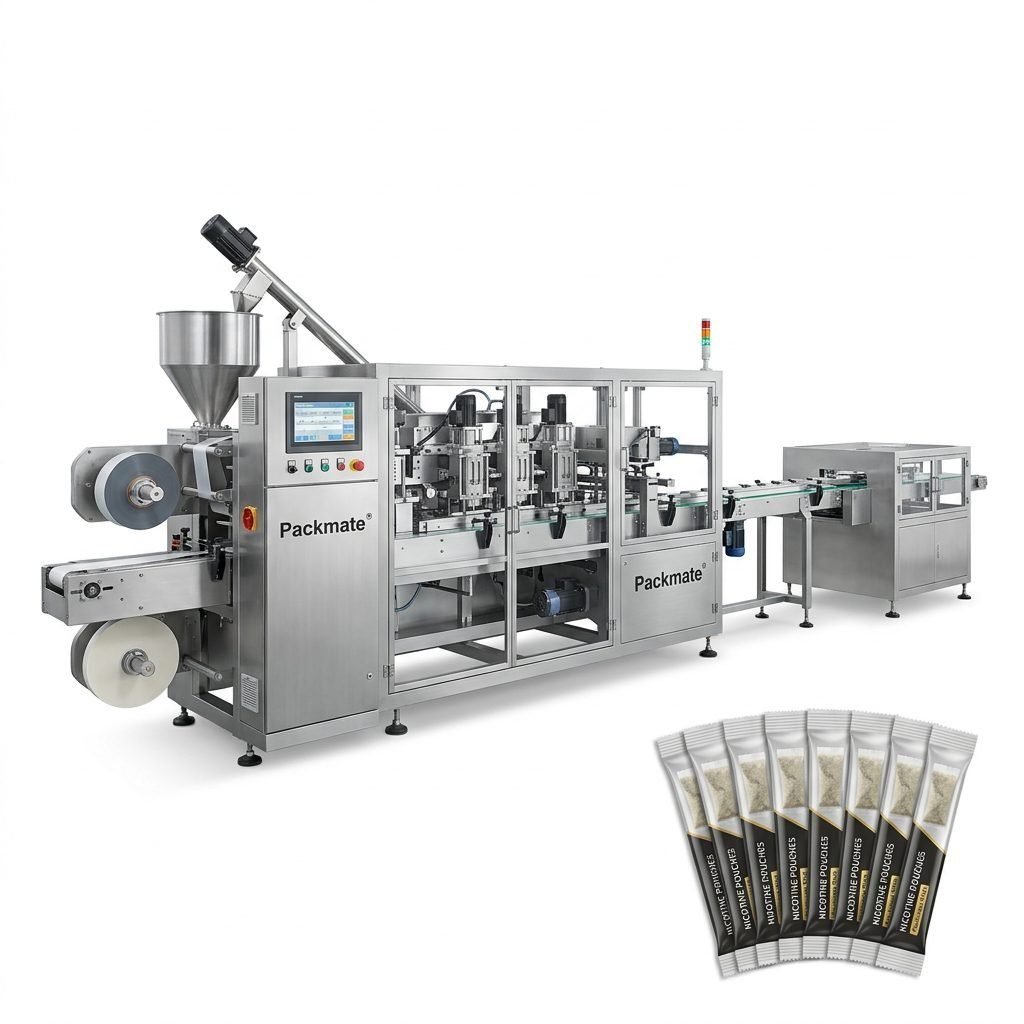
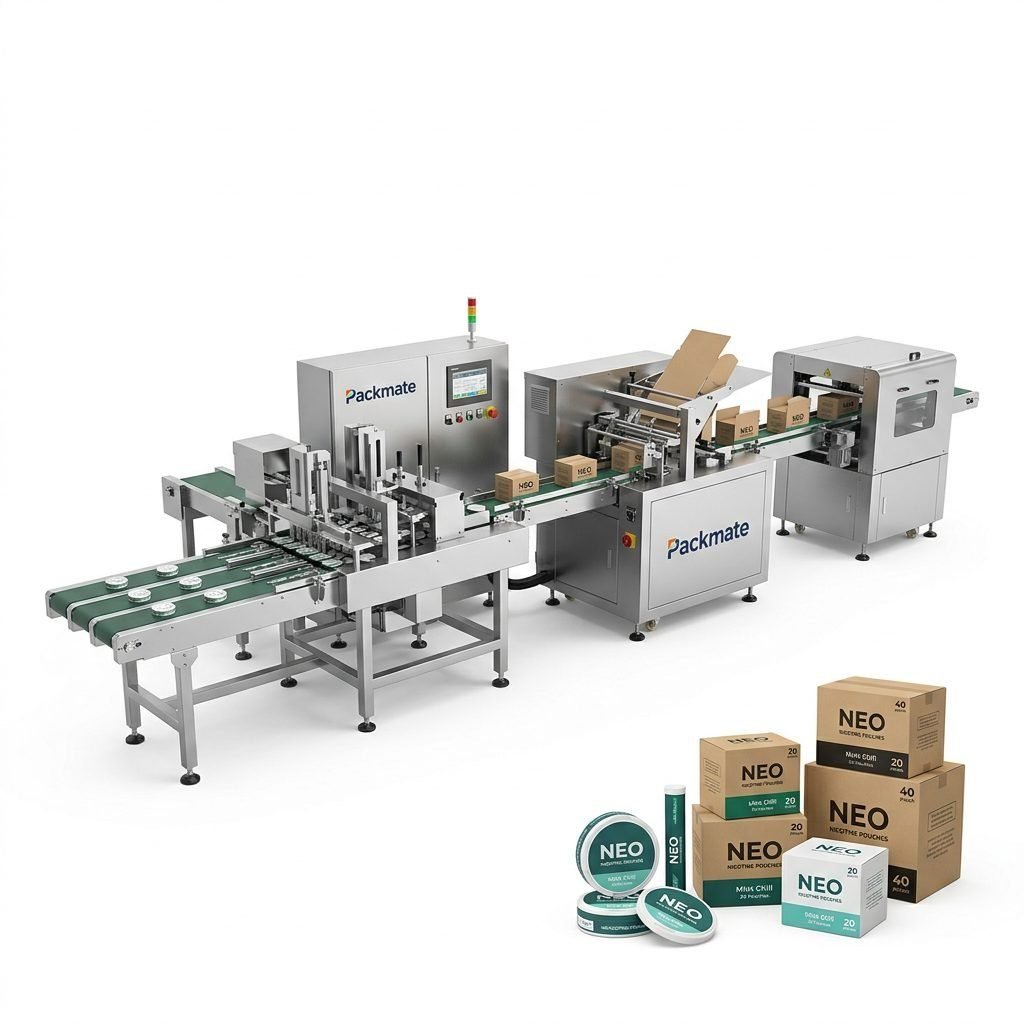
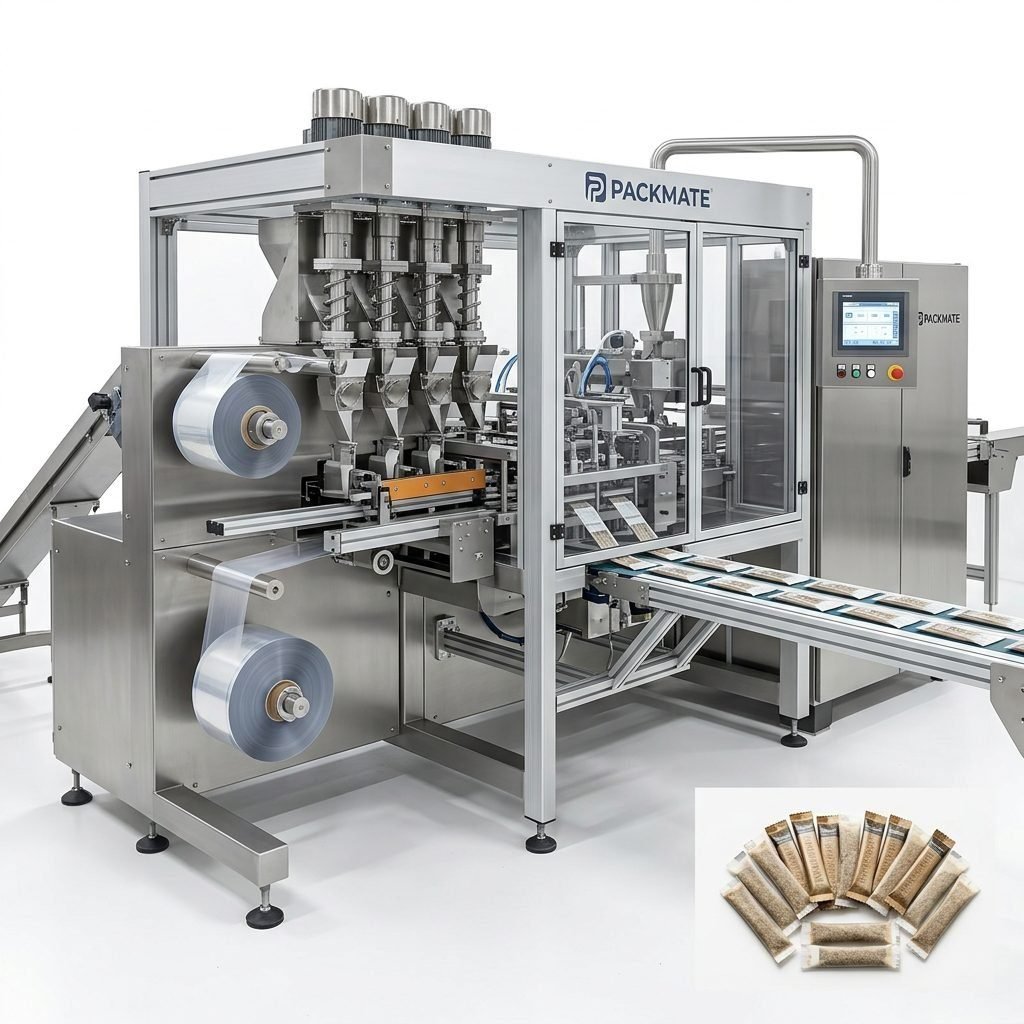
The modern snus and nicotine pouch market demands packaging systems that combine accuracy, speed, and regulatory compliance. A reliable snus pouch filling line is more than a machine; it is the backbone of a consistent production process that protects product quality, reduces waste, and enables scalable growth. This article explores how a high-precision, fully automatic snus pouch filling line can transform your production operation, highlights core features, and explains why manufacturers like Packmate deliver industry-leading solutions for global producers.
Why Choose a Dedicated Snus Pouch Filling Line?
The niche requirements of snus and nicotine pouches — very small dose weights, tight tolerances, and sensitive material properties — make general-purpose packaging equipment insufficient for reliable production. A dedicated line brings:
- ⚙️ High-precision dosing routines that keep every pouch within acceptable tolerance.
- 🚀 Consistent high-speed output across multi-lane formats to meet market demand.
- 🛡️ Built-in hygiene and containment options suitable for nicotine handling and regulatory inspection.
- 🔁 Fully automatic integration with upstream and downstream equipment — from feeders to cartoners.
Key benefit: lower giveaway and higher yield — a properly engineered snus pouch filling line minimizes the variance in each pouch weight, saving raw material costs at scale.
Core Components of a Modern Snus Pouch Filling Line
A complete line is a coordinated system. Typical components include:
- 🔧 Precision weighing & dosing modules capable of micro-gram accuracy for small-dose pouches.
- 📦 Multi-lane forming and filling stations to multiply throughput without increasing floor space linearly.
- 🖥️ PLC & touchscreen HMI systems for real-time control, recipe recall, and quick changeovers.
- 🔎 Inline quality inspection such as weight checks, metal detection, and seal integrity testing.
- 🔗 Connectivity features for MES/ERP integration and Industry 4.0 readiness.
Precision and Accuracy: The Heart of Snus Pouch Filling
Small-dose nicotine pouches require tight dosing tolerances. Advanced machines use combination systems — loss-in-weight feeders, vibratory feeders, and multi-hopper dosing — to deliver accuracy while keeping cycle times low. Inline averaging and automatic calibration reduce operator intervention and ensure continuous compliance with product specifications.
Pro tip: integrate the dosing system with your data logging platform to track giveaway trends. This creates actionable insights and immediate ROI.
Multi-lane and High-Throughput Design
To meet high market demand without sacrificing flexibility, many producers opt for multi-lane lines that run 4, 6, or more lanes in parallel. Multi-lane architectures created by experienced manufacturers combine synchronized dosing, lane-specific check systems, and centralized film handling for consistent packaging output.
Benefits of multi-lane systems
- ✅ Increased capacity without a proportional increase in footprint.
- ✅ Easier scale-up: add lanes or increase speed to meet demand spikes.
- ✅ Reduced per-unit cost through shared material handling and common drive systems.
Automation, Changeovers, and Usability
A truly “fully automatic” line minimizes manual steps and optimizes changeover time. Features to look for:
- 🕹️ Intuitive HMI screens with recipe management for different pouch sizes and materials.
- 🔄 Quick-release tooling and standardized spare parts to reduce downtime.
- 🔩 Automatic seal and cut adjustment systems that maintain package integrity during long runs.
- 📡 Remote support and diagnostics to expedite troubleshooting.
Operator benefit: ergonomic design and simplified controls reduce operator fatigue and training time — accelerating ramp-up for new product lines.
Hygiene, Containment and Regulatory Compliance
Handling nicotine-grade materials requires careful attention to containment and cleaning. Production lines should offer:
- 🧼 Easily accessible surfaces and tool-free disassembly for cleaning.
- 🔒 Closed dosing and transfer points to limit operator exposure.
- 📁 Documentation readiness to support audits, including traceability logs and batch data storage.
- 🏷️ CE and ISO certifications as baseline expectations for global markets.
Manufacturing Strength and Supply Chain Reliability
When investing in a packing line, the manufacturer’s engineering background and factory capabilities matter. Packmate Snus Machine offers:
- 🏭 Over 20,000㎡ manufacturing area with advanced CNC machining centers and precision assembly lines.
- 🛠️ 30+ years of industry experience and a portfolio of 50+ machine models for flexible turnkey solutions.
- 🌍 Global service network and long-term technical support to keep lines running in diverse markets.
For more information on the machine families available, explore the Snus & Nicotine Packaging Machines and the Filling & Packaging Lines offerings.
Customization and Turnkey Project Delivery
Every product, market, and factory layout is different. Reputable suppliers provide customization services including multi-lane configurations, tailored dosing heads, cleanroom options, and full integration with upstream weighers and downstream cartoners. Case studies and previous projects demonstrate capabilities — view representative installations in our Case library.
Turnkey delivery typically includes:
- 📋 Project planning, machine design, and layout drawings.
- 🔧 Factory acceptance testing (FAT) and on-site installation & commissioning.
- 👩🏫 Operator training and maintenance documentation.
- 🔁 Spare parts packages and service contracts for ongoing uptime assurance.
Integration with Weighing & Packaging Systems
Effective lines pair pouch filling with accurate weighing and downstream packaging. Consider linking your filling line to modular weighing systems for pre-mix and bulk feeds. See allied solutions such as Weighing & Packaging Systems and Bag & Pouch Packaging Machines for complete integration.
Operational note: synchronize upstream mixers and feeders with the pouch line to prevent buffering delays and maintain consistent product flow.
Installation, Training and After‑Sales Service
The performance of a snus pouch filling line depends as much on post-sale services as on initial engineering. Choose a supplier that offers:
- 🧭 Comprehensive start-up assistance and validation support.
- 👥 On-site operator and maintenance training tailored to your product range.
- 🌐 Remote diagnostics and scheduled maintenance programs to lower MTTR.
- 📞 Accessible spare parts and local service partners to reduce supply chain lag.
To discuss tailored service packages and factory tours, contact the manufacturer via their Contact Us page or review the company profile at About Packmate.
Economic Impact and Return on Investment
Investing in a high-precision line pays back through raw material savings, reduced labor cost, lower rework rates, and faster time-to-market for new SKUs. Key metrics to evaluate:
- 📉 Reduction in product giveaway per pouch (grams saved × production volume).
- ⏱️ Reduction in changeover and downtime (hours saved × production value per hour).
- 📈 Increased throughput enabling higher sales and quicker order fulfillment.
Safety and Local Market Considerations
Local regulations around nicotine products vary by region. A global supplier understands these differences and provides compliance options such as labeling stations, tamper-evident packaging features, and batch traceability. In certain markets with strict consumer protection laws, additional containment and labeling checks are necessary — choose equipment that supports configurable checks to meet regional requirements.
Real-World Example
A multi-lane snus pouch line installed for a European producer delivered a 35% increase in throughput while reducing average giveaway by 12%. The turnkey project included synchronized filling, inline weight checks, and an automatic reject system which together reduced manual inspection labor by half and improved product consistency across batches.
Case in point: companies moving from bench-top dosing to a multi-lane automated line typically see payback within 18–36 months depending on scale and product value.
How to Choose the Right Supplier
Evaluate suppliers on technical competence, factory capabilities, certifications (CE, ISO), and after-sales support. Key questions include:
- Does the supplier have documented experience with snus or nicotine pouch packaging lines?
- Can they provide on-site FAT, installation, and operator training?
- Are spare parts and service readily available in your region?
- Do they offer customization to meet your product and regulatory needs?
Next Steps: Planning Your Production Line
Start with a production assessment: define target output, product formats, and regulatory requirements. Align with a supplier who can deliver a modular solution that grows with your business. For a deep dive into available machine models and solutions, explore the company’s catalog and product pages such as Sachet & Stick Pack Machines and auxiliary options in Auxiliary Packaging Equipment.
Conclusion
A reliable snus pouch filling line is a strategic investment: it secures product quality, improves operational efficiency, and supports regulatory compliance. By choosing a manufacturer with extensive experience, robust manufacturing capabilities, and a global service network, producers can scale confidently and bring consistent, compliant products to market.
Frequently Asked Questions
Q1: How accurate are modern snus pouch dosing systems?
A: High-quality dosing systems commonly achieve micro-gram or low-milligram accuracy depending on product density and format. Combined weighing strategies and inline calibration ensure tight tolerances for small-dose pouches.
Q2: What throughput can a multi-lane line deliver?
A: Multi-lane throughput varies by lane count and pouch size. Typical multi-lane configurations substantially multiply single-lane output; consult the manufacturer with your SKU details to model expected production rates.
Q3: Are turnkey project services provided?
A: Yes. Reputable suppliers provide turnkey services including engineering design, FAT, installation, commissioning, training, and ongoing technical support to ensure successful deployment.
Q4: What certifications should I expect?
A: Expect internationally recognized certifications like CE and ISO, along with documentation to support regulatory compliance for nicotine products in your target markets. For more details, review the supplier’s Certificate page.