The snus and nicotine pouch market has evolved quickly, and so has the technology behind its packaging. For manufacturers who need reliable, efficient, and compliant solutions, selecting the right equipment is a strategic decision. This article walks you through the most popular snus packaging equipment, the complete production lines that integrate those machines, practical selection criteria, maintenance tips, and how global suppliers such as Packmate deliver turnkey systems that meet international standards and scale with your business.
Quick Overview: Why Invest in Specialized Snus Packaging Equipment
Unlike many consumer products, snus and nicotine pouches are small-dose items that require precision dosing, consistent pouch formation, and hygienic handling. Investing in specialized equipment achieves:
- Higher filling and sealing accuracy to reduce product loss and ensure consistent nicotine content
- Multi-lane solutions to dramatically increase throughput without sacrificing quality
- Compliance-ready designs that simplify cleaning, validation, and certification processes
- Reduced labor and stable long-term operation thanks to automation and robust engineering
Top Machine Types for Snus & Nicotine Pouch Packaging
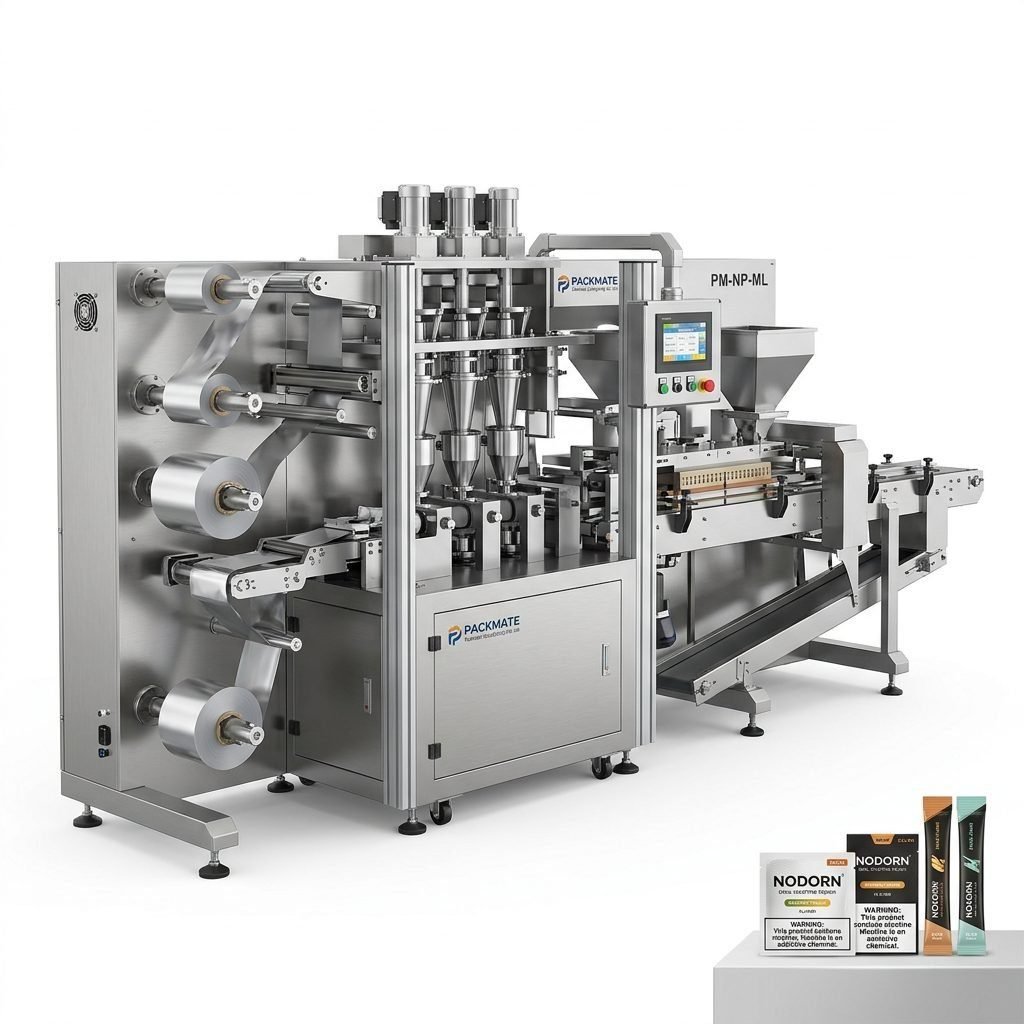
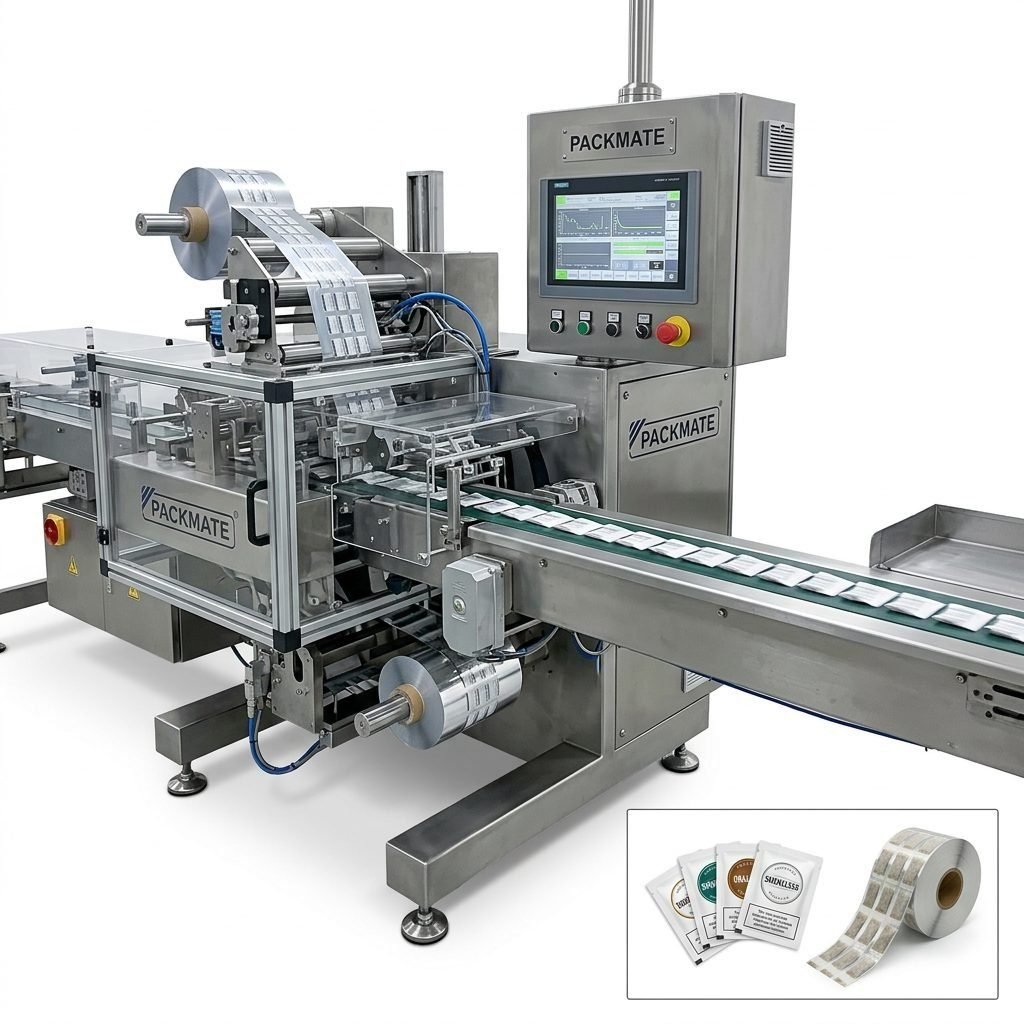
Sachet & Stick Pack Machines
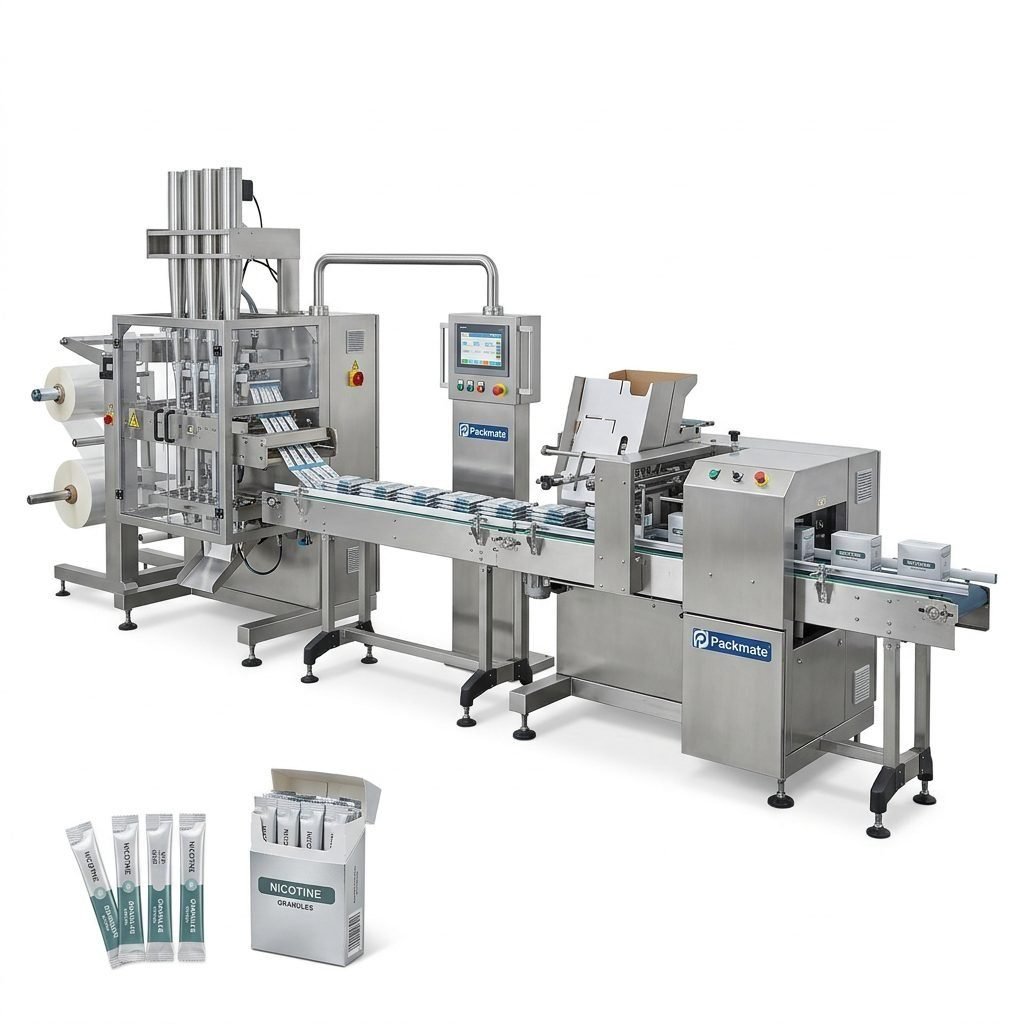
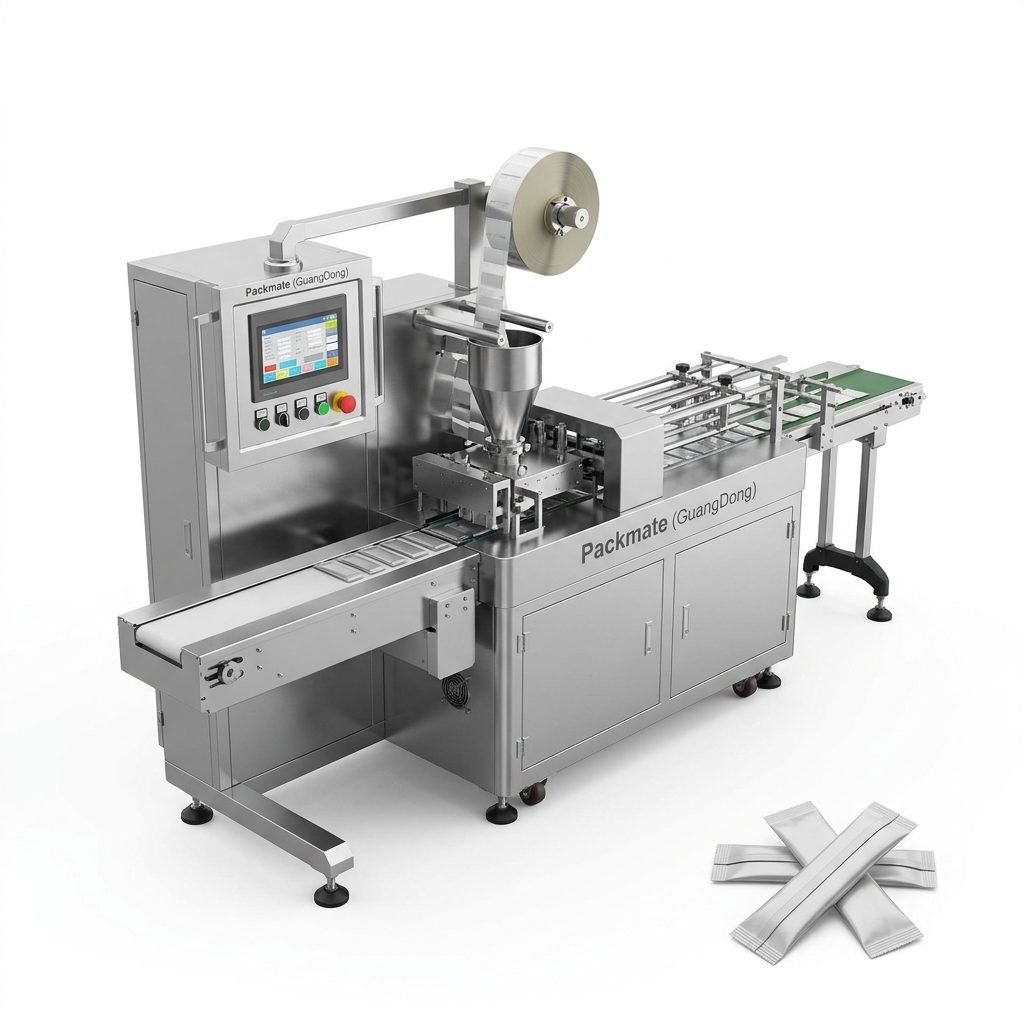
Sachet and stick pack machines are ideal for single-dose nicotine pouches and samples. They offer flexible pouch formats, fast changeovers, and accurate dosing. For manufacturers exploring both promotional packs and standard retail sachets, these machines provide versatility and cost-effective output.
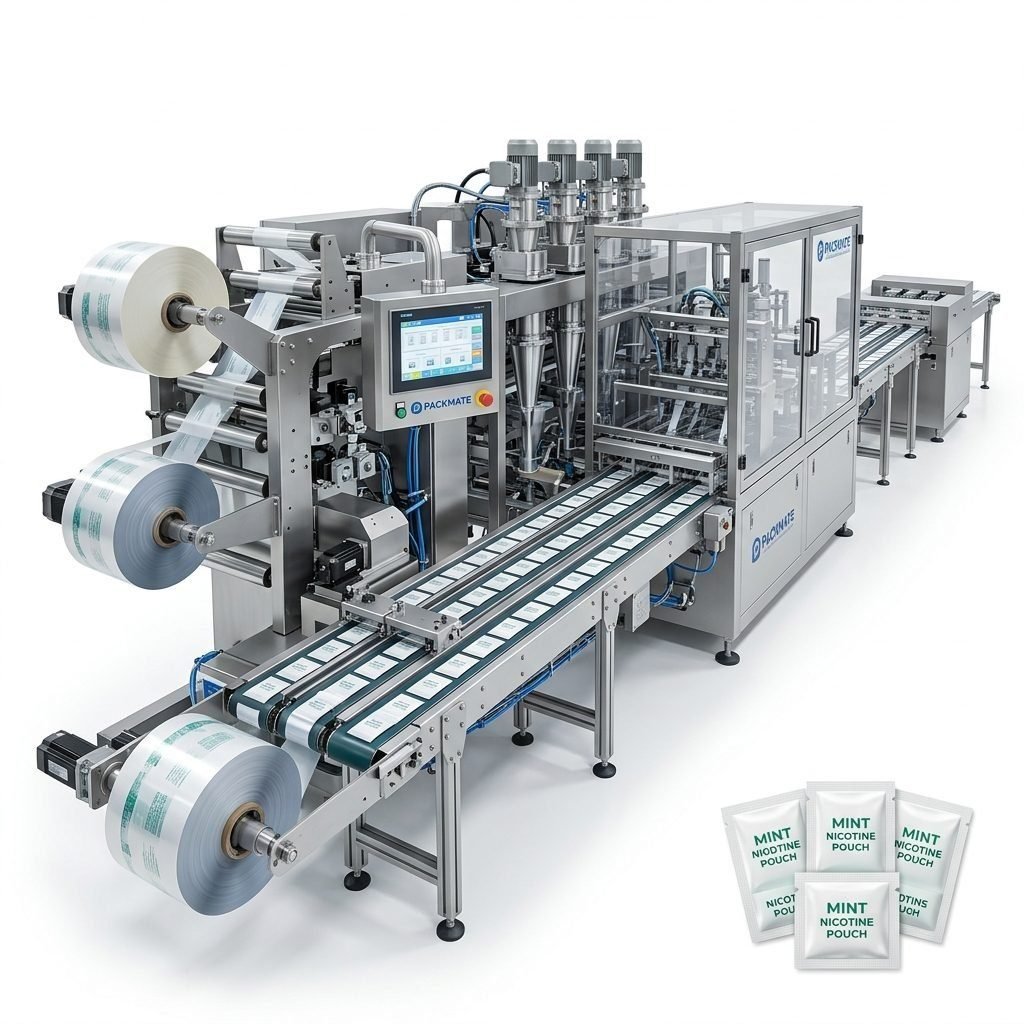
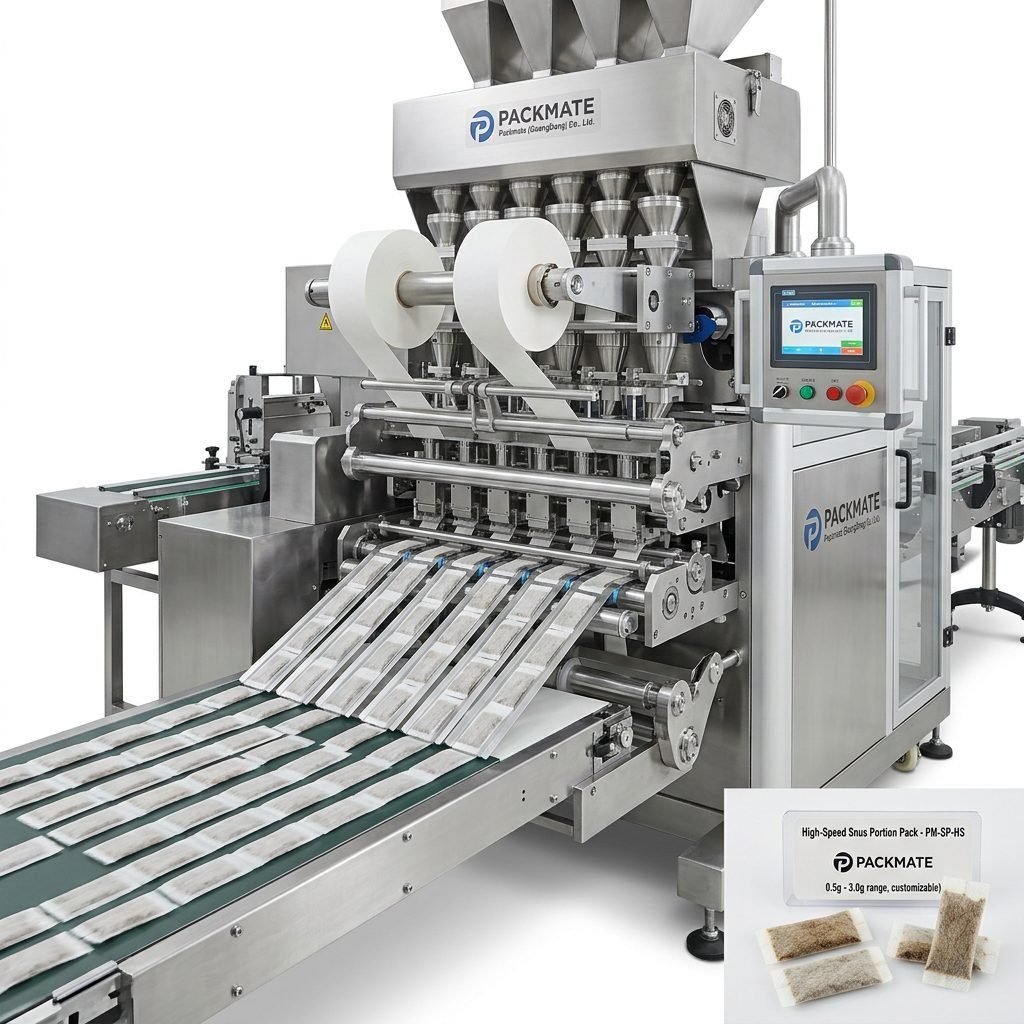
Popular variants include single-lane high-speed stick packers and multi-lane sachet machines that can simultaneously form, fill, and seal dozens of pouches per cycle.
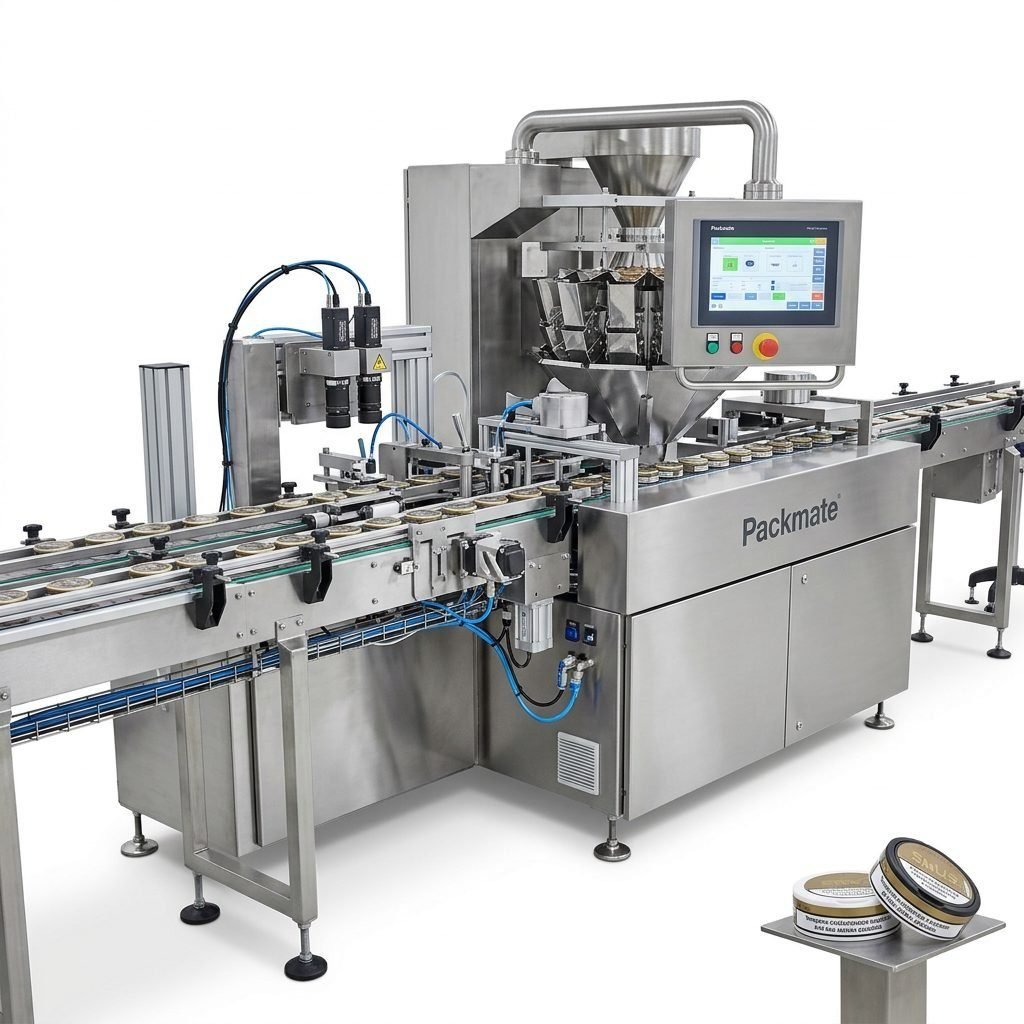
Multi-Lane Pouch Filling Systems
Multi-lane systems are at the heart of modern snus packaging. By running multiple lanes side-by-side, they multiply throughput while keeping footprint and operating costs efficient. These machines are engineered for precision dosing across lanes and synchronized sealing mechanisms to prevent cross-contamination and ensure uniform pouch weight.
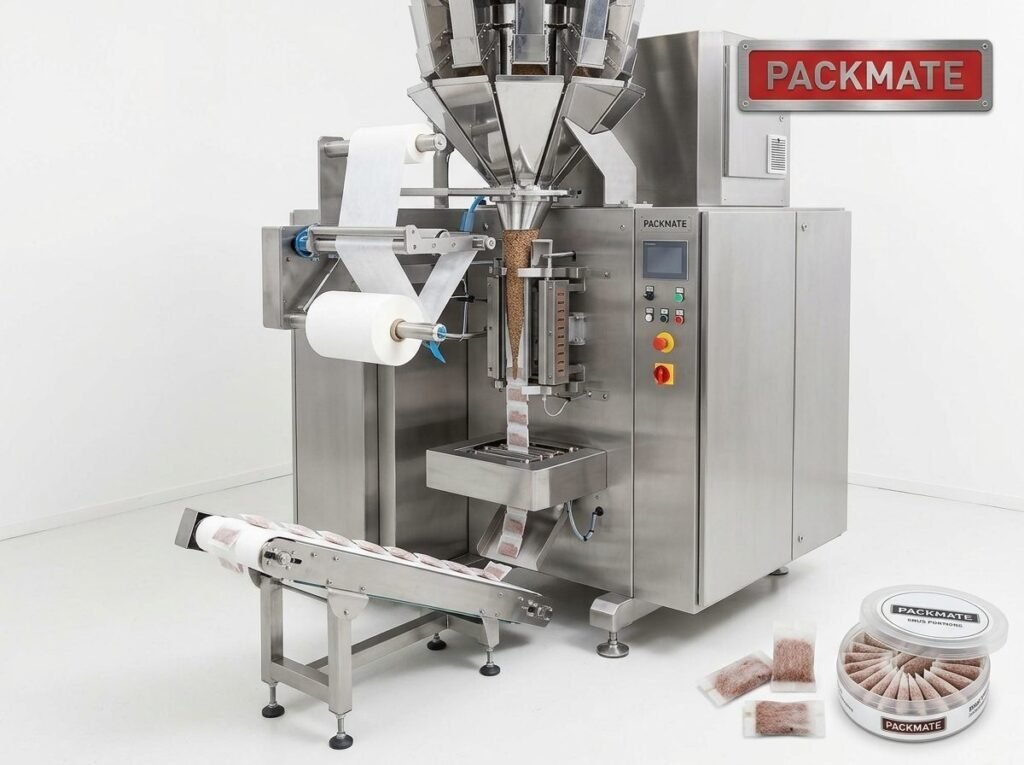
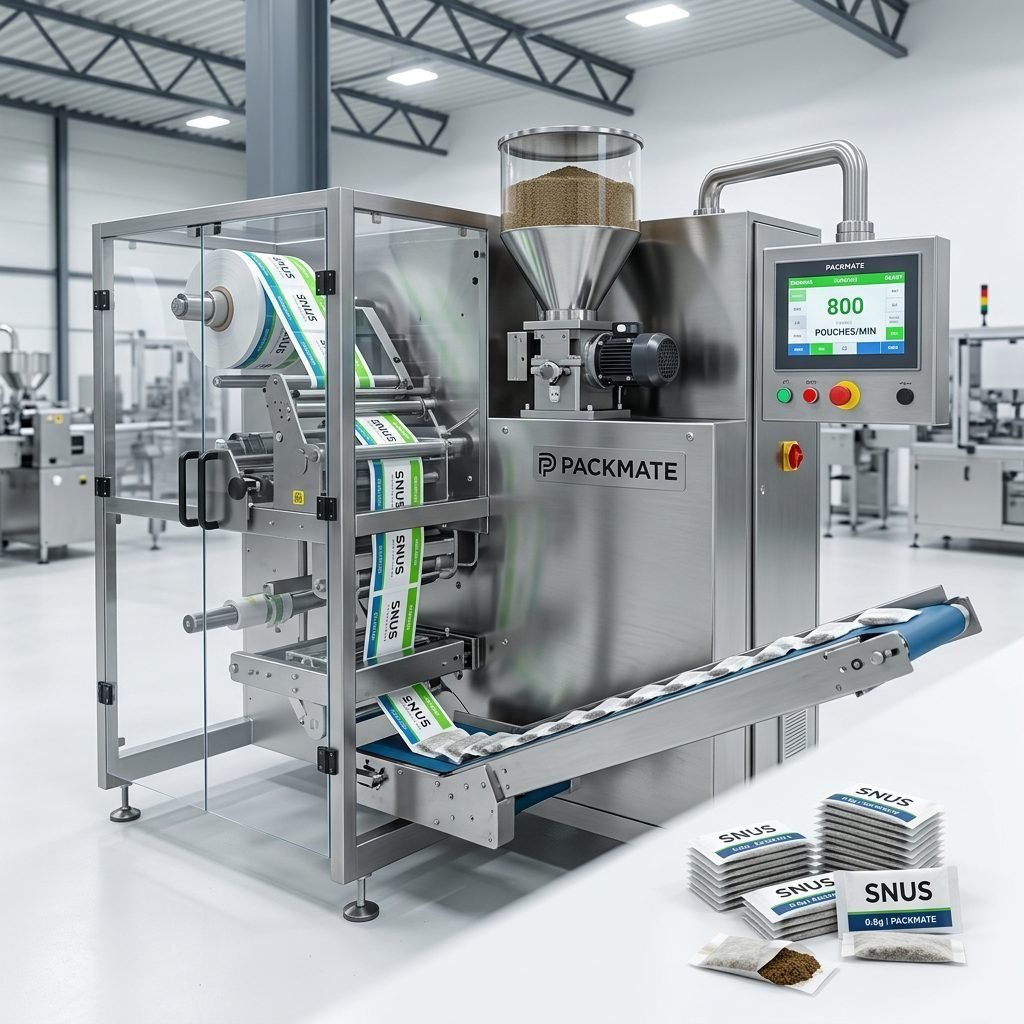
Vertical Form-Fill-Seal (VFFS) and Customized Pouch Lines
Complete Packaging Lines: What a Turnkey Snus Production Line Includes
A complete snus production line brings together multiple subsystems to ensure a continuous, compliant, and optimized workflow from raw material to finished, packed units. Typical modules include:
- Raw material handling and feeding (powders, granules, blending)
- Precision weighing and dosing systems for consistent nicotine/pouch fill (see Weighing & Packaging Systems)
- Multi-lane form-fill-seal machines and sachet/stick pack units (Sachet & Stick Pack Machines)
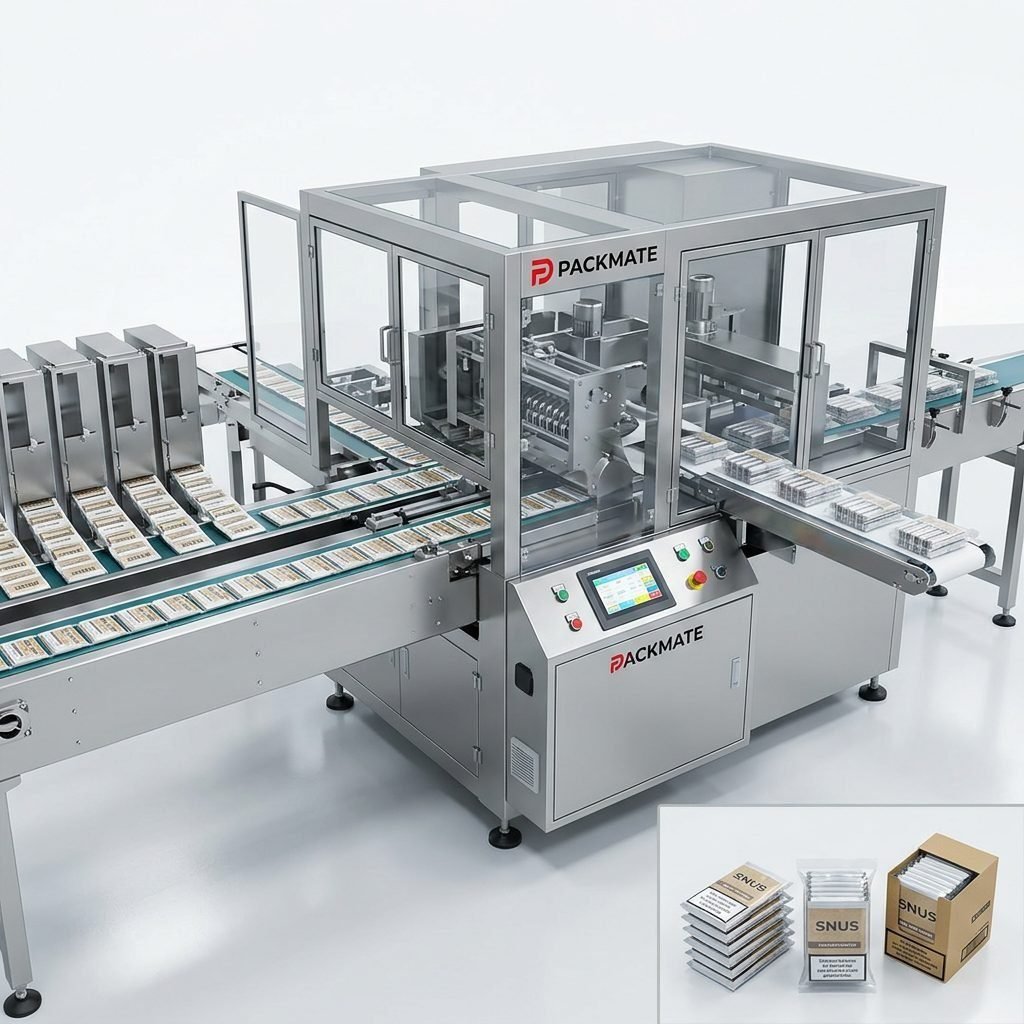
- Secondary packaging: cartons, display packs, and overwrapping units
- Inspection systems: metal detectors, weight control, and vision systems
- End-of-line solutions: case packers, palletizers, and labeling
Leading suppliers offer integrated control systems that provide recipe management, line performance dashboards, and remote support features to reduce downtime. To explore specialized options, review products like Snus & Nicotine Packaging Machines and complete Filling & Packaging Lines.
Key Features to Look For When Choosing Equipment
✓ Hygiene & Easy Cleaning: Quick-release parts, hygienic frame designs, and accessible surfaces reduce CIP/SIP time and help pass audits.
✓ Modular & Scalable Design: Choose systems that allow adding lanes or modules as demand grows.
✓ Automation & Connectivity: Industry 4.0 features—remote diagnostics, recipe-driven changeovers, and OEE tracking—improve uptime and control.
Materials, Formats and Barrier Considerations
Choosing the right film and pouch format is as important as the machinery itself. Barrier laminates that provide moisture and oxygen protection will extend shelf life for nicotine pouches. Consider child-resistant closures or tamper-evident options if legally required in your target markets. Many manufacturers opt for flexible laminate rolls compatible with both sachet and stick pack machines to reduce inventory complexity.
Why Multi-Lane Systems Are a Game Changer
Multi-lane machines deliver economies of scale by producing multiple small pouches at once. The result:
- Lower per-unit labor and energy cost
- Better consistency via shared film and synchronized sealing
- Scalable throughput that adapts to market demand without proportionally increasing floor space
Compliance, Certification, and Global Markets
When designing a snus line, compliance with local and international regulations is non-negotiable. Trusted suppliers provide machines that meet standards such as CE and ISO, and often include documentation to ease validation. Packmate’s equipment, for example, comes with certifications that streamline global market entry. Learn more Certificate.
Selecting a Supplier: What to Expect from a Turnkey Partner
- Full equipment supply (Sachet & Stick Pack Machines, VFFS, multi-lane systems)
- Layout & line design for optimized material flow and GMP compliance
- Installation, commissioning, and operator training
- After-sales service, spare parts, and preventative maintenance contracts
Practical Tips for Installation and Commissioning
Allocate time and resources for proper FAT (Factory Acceptance Testing) and SAT (Site Acceptance Testing). Validate recipes, check sealing integrity across production speeds, and confirm ease of changeovers. Ensure that your supplier provides detailed documentation and remote support—features that significantly shorten ramp-up time.
Maintenance, Training, and Spare Parts Strategy
A proactive maintenance plan keeps your snus line productive. Keep critical spare parts in stock (sealing heaters, belts, dosing augers), train multiple operators and technicians, and schedule regular preventive maintenance. Many manufacturers benefit from remote monitoring contracts that let OEMs assist with diagnostics and firmware updates.
Case Studies & Global Deployments
Packmate has supplied snus packaging solutions across Europe, Asia, and the Americas. Manufacturers report improved yield, faster time-to-market for new SKUs, and consistent quality across production runs. For specific project references and customer stories, see the company’s case repository: Case.
How Packmate Supports Snus Manufacturers
With over 30 years of engineering experience and a 20,000㎡ factory, Packmate delivers a portfolio of more than 50 machine models—from small sachet machines to high-speed multi-lane lines. Their capabilities include advanced CNC machining and precision assembly, ensuring durable machines that meet CE and ISO standards. Read about the company’s profile and mission on their About Packmate page.
Common Pitfalls and How to Avoid Them
- Underestimating spare parts lead time — keep a safety stock of critical components
- Skipping FAT — always test complex multi-lane synchronization before shipment
- Neglecting operator training — invest in training to minimize human error during changeovers
- Ignoring material compatibility — test your chosen films and laminates early with the equipment
Expanding into New Markets: Local Considerations
When expanding into new regions, suppliers often help navigate local customs and regulatory frameworks. For example, in Nordic markets where snus has a long cultural history, packaging aesthetics and portion formats are critical; while in some other regions, compliance with child-resistant packaging rules or labeling language requirements becomes paramount. A supplier with global experience and local references eases market entry considerably.
Next Steps to Buy or Upgrade Your Line
1) Define your target formats, expected throughput, and future scalability needs. 2) Perform a site layout review with your supplier to optimize space and utilities. 3) Request references, FAT videos, and sample runs. For detailed machine selections and module options, check product categories like Sachet & Stick Pack Machines and Weighing & Packaging Systems.
Final Recommendations
Invest in modular, certified equipment and an experienced turnkey partner. Prioritize hygiene, precise dosing, and multi-lane scalability. Use FAT/SAT to validate performance, and maintain a proactive service and spare parts plan to protect production uptime.
Frequently Asked Questions (FAQs)
Q1: What is the best machine type for small-batch snus production?
A1: For small-batch production, sachet or stick pack machines are typically most economical. They offer low changeover time and flexible pouch formats, enabling frequent SKU changes without large overhead.
Q2: How do I ensure consistent nicotine dosing across multiple lanes?
A2: Use precision weighing and dosing modules, synchronized control systems, and regular calibration. Suppliers with multi-lane expertise will configure lane balancing and offer inline weight checks to catch variance early.
Q3: Are turnkey solutions necessary or can I mix and match machines?
A3: You can mix and match, but turnkey solutions reduce integration risk, speed up commissioning, and provide a single point of responsibility for performance guarantees. If you select separate vendors, ensure compatibility and clear integration protocols.
Q4: What certifications should snus packaging equipment have?
A4: Commonly requested certifications include CE and ISO, plus documentation for GMP compliance. For export markets, suppliers often provide additional test reports and materials documentation to simplify regulatory submissions.
Q5: How can I view machine demos or prior installations?
A5: Request FAT videos, customer references, and on-site demonstrations. Many manufacturers also display equipment at trade shows—check the supplier’s exhibition schedule for live demos and machine trials: Our Exhibition.