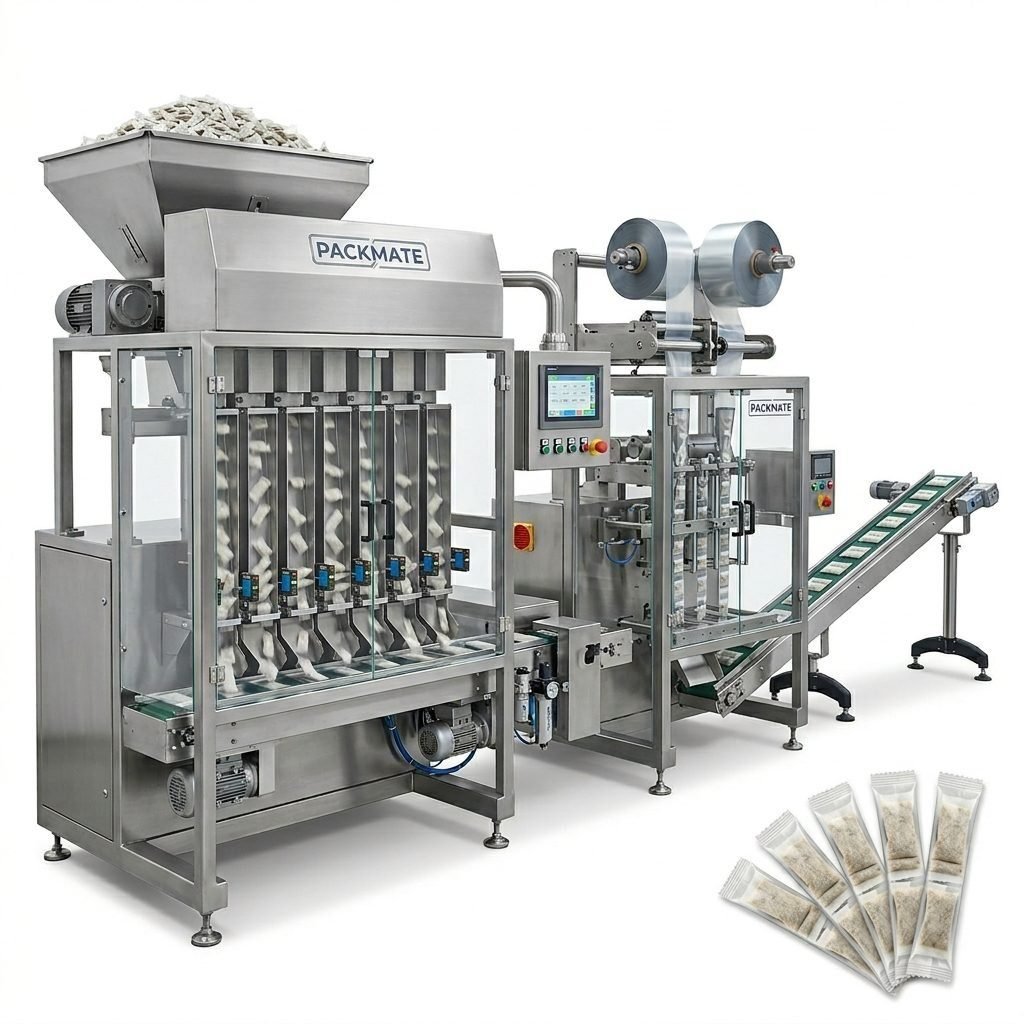
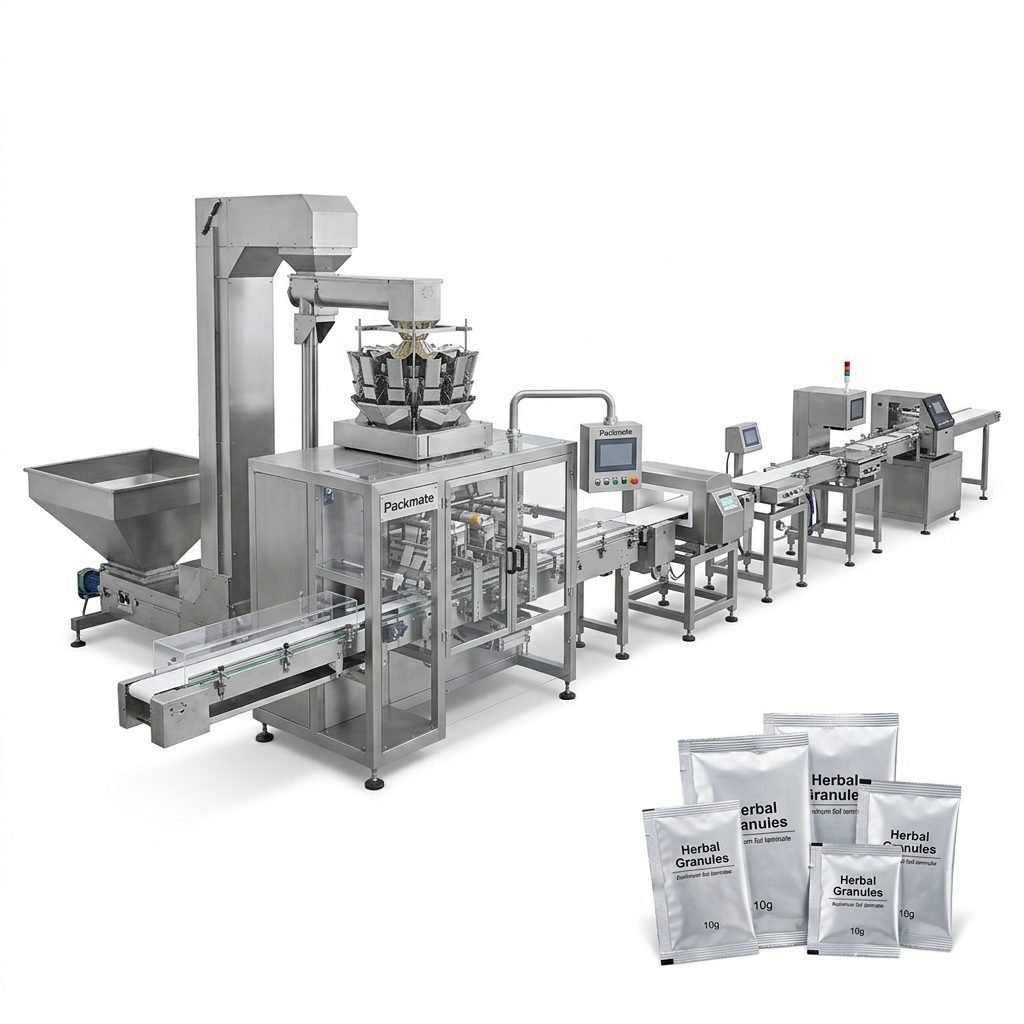
In the competitive snus and nicotine pouch market, efficient operation of a snus packaging machine is essential to maintain consistent product quality, reduce waste, and scale production. This guide provides a practical, step-by-step approach to operating, optimizing, and maintaining snus packing lines. It combines practical shop-floor tips, safety and regulatory considerations, and examples from Packmate Snus Machine’s long history of engineering to help production managers, line operators, and procurement teams get the most from their equipment.
Understanding the core machine types and their role
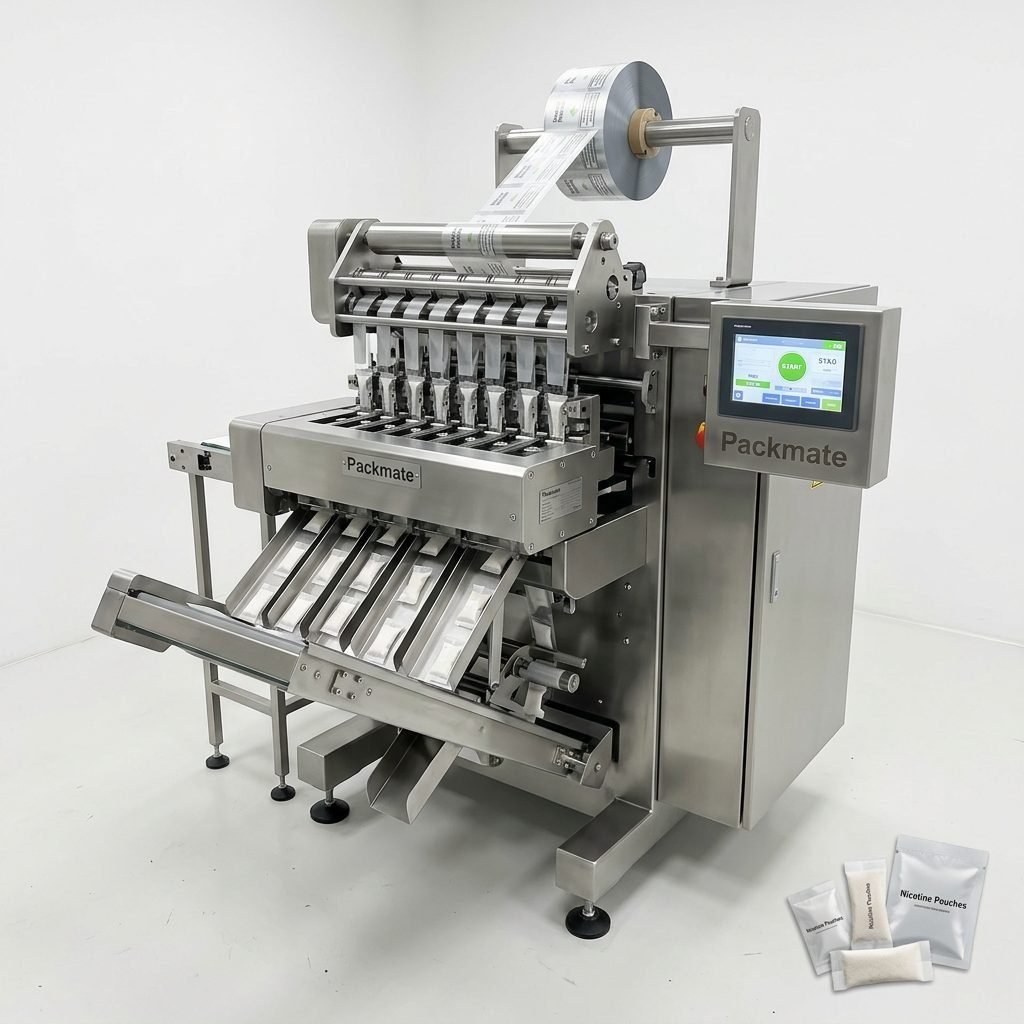
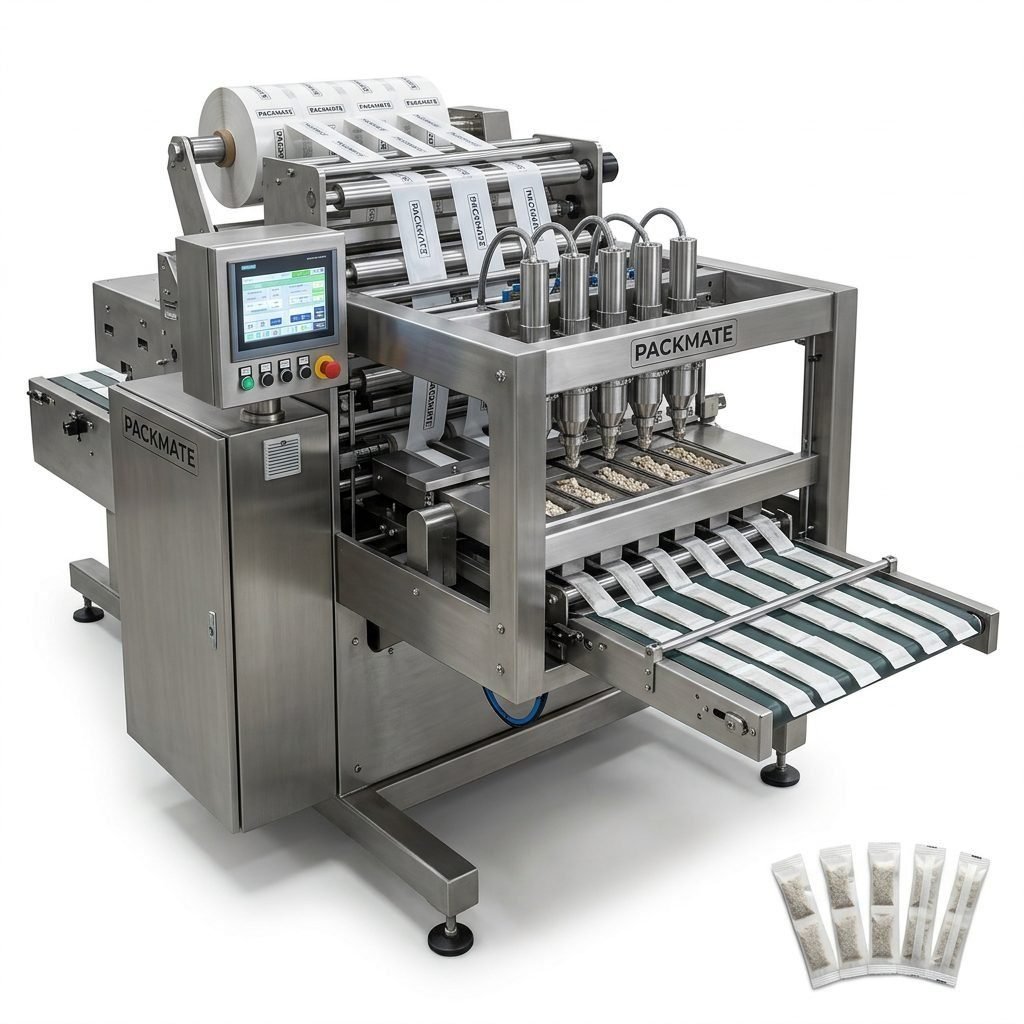
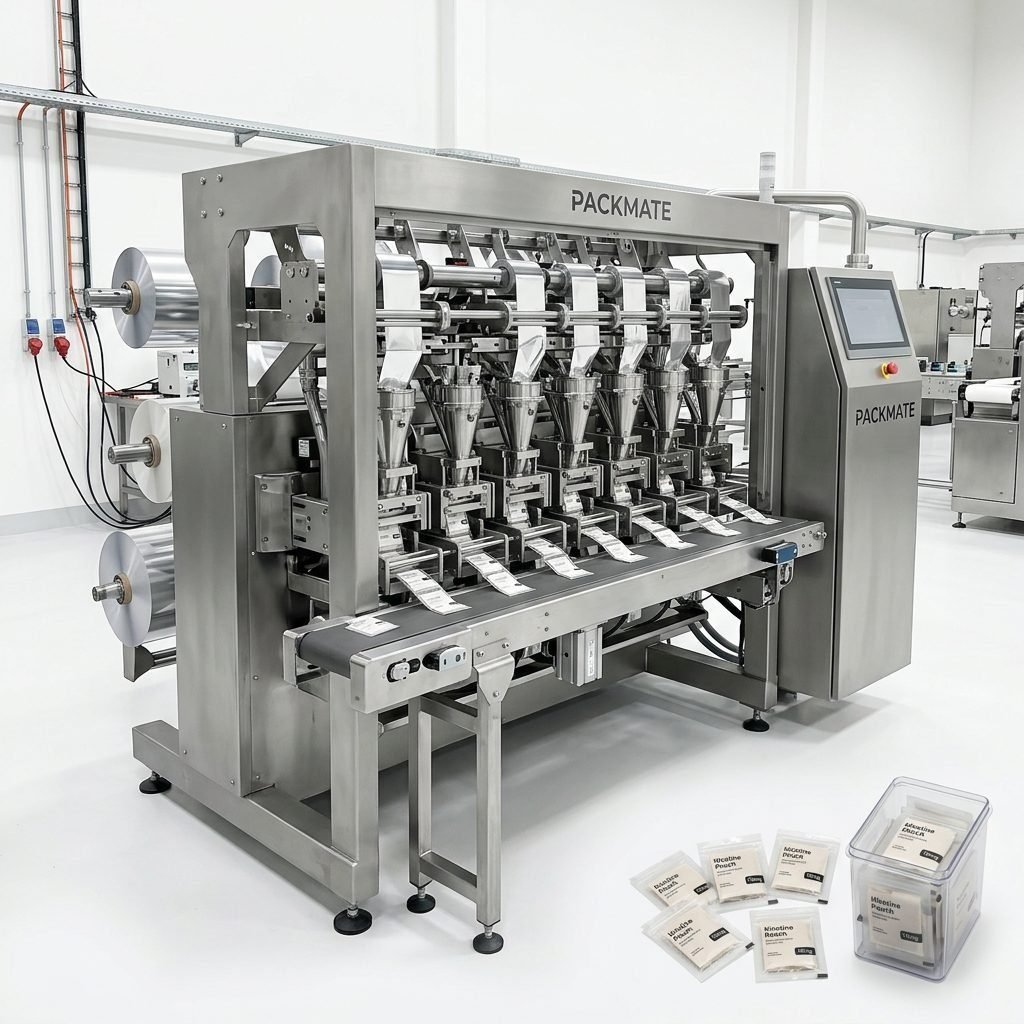
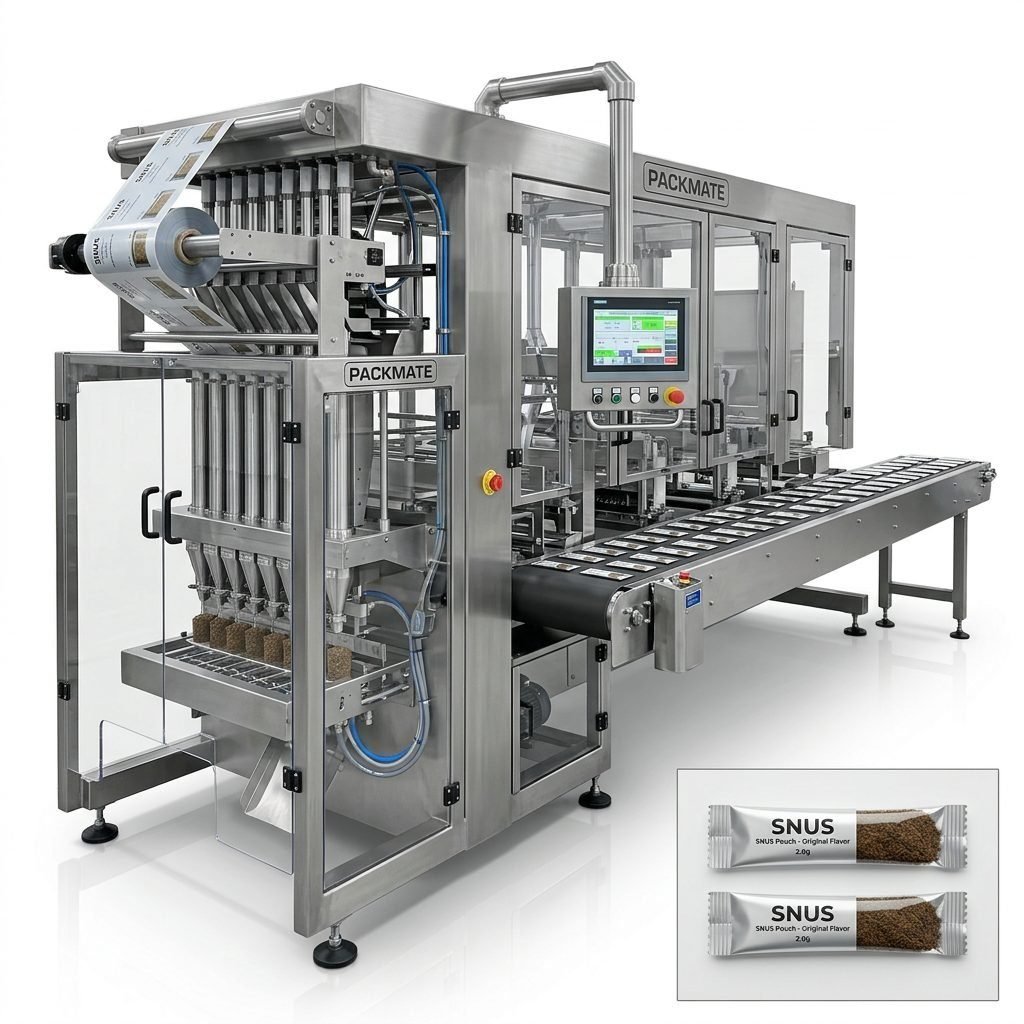
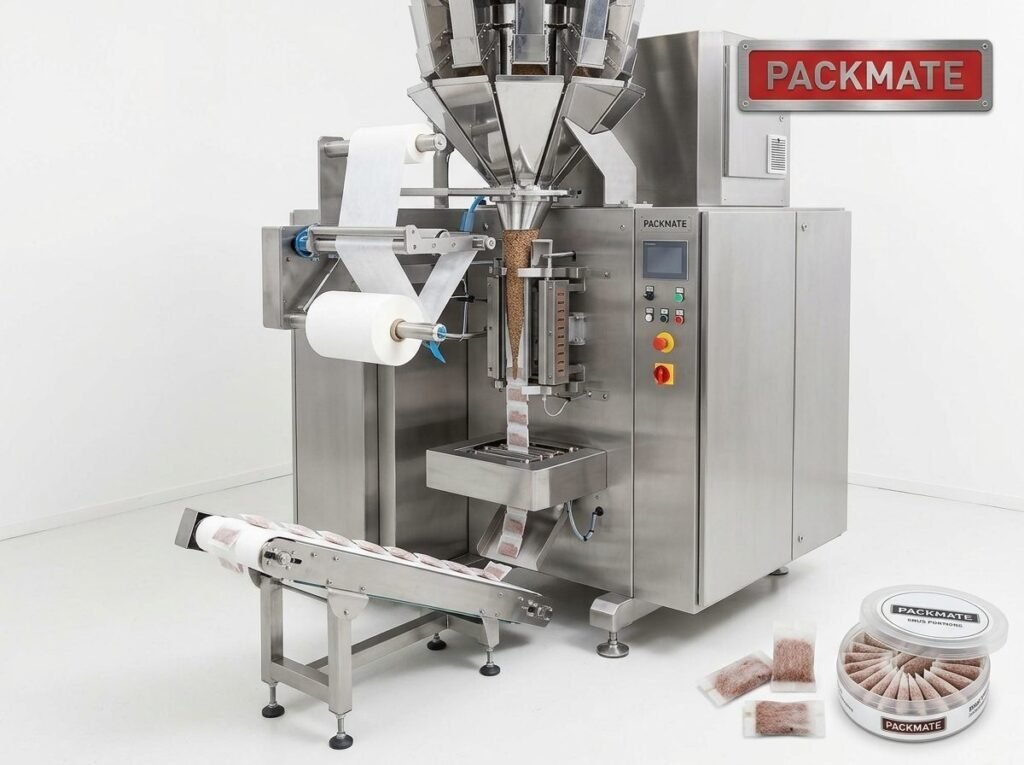
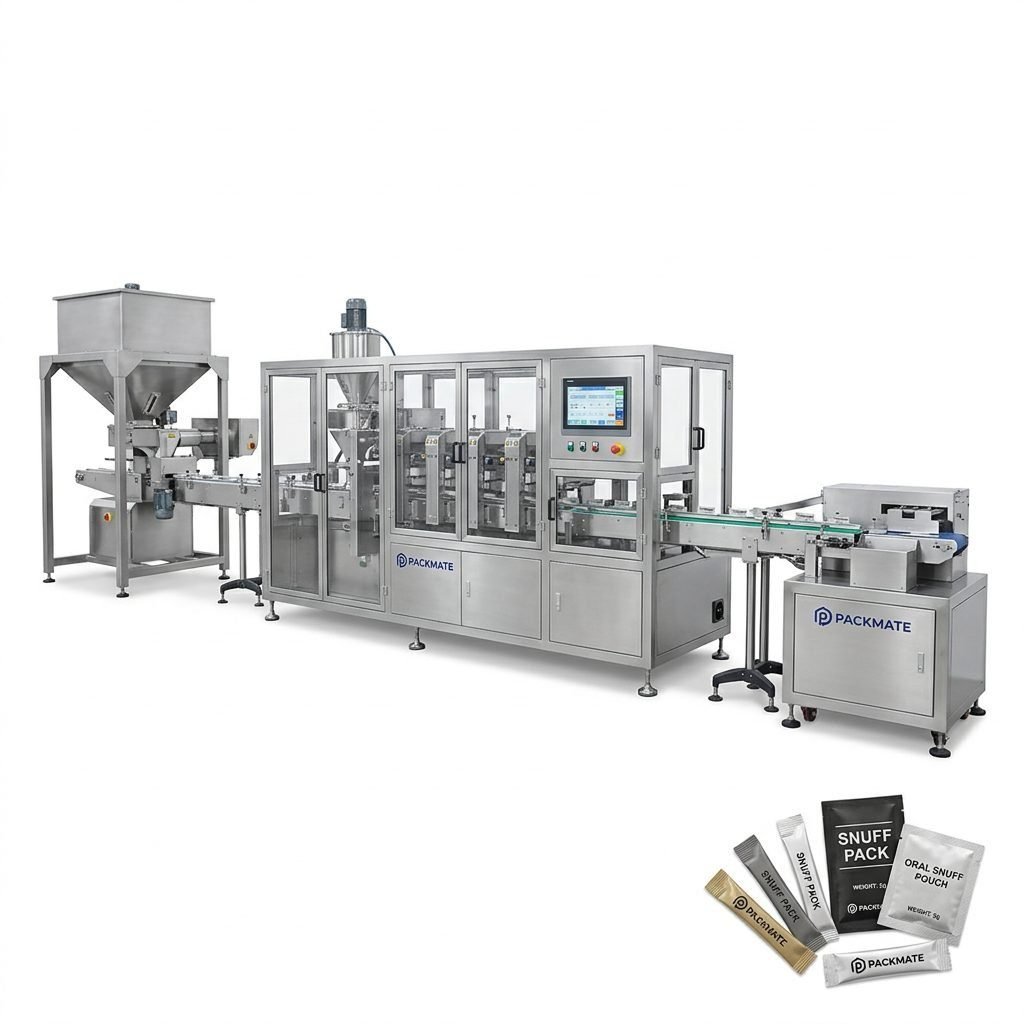
There are several common snus packaging formats: single-dose pouches, stick packs, sachets, and multi-lane systems. Each format requires a specific machine architecture and feeding/filling solution. Packmate provides a full range of options, from single-lane nic-pouch machines to advanced multi-lane systems designed for high-output, low-dose production. For machine models and specifications, explore the Snus & Nicotine Packaging Machines page to match capacity needs with machine capabilities.
✔️ Quick tip: Choosing the correct machine family early—stick pack vs. sachet vs. multi-lane pouch—reduces later retooling downtime and ensures better product consistency.
Key components and typical workflow
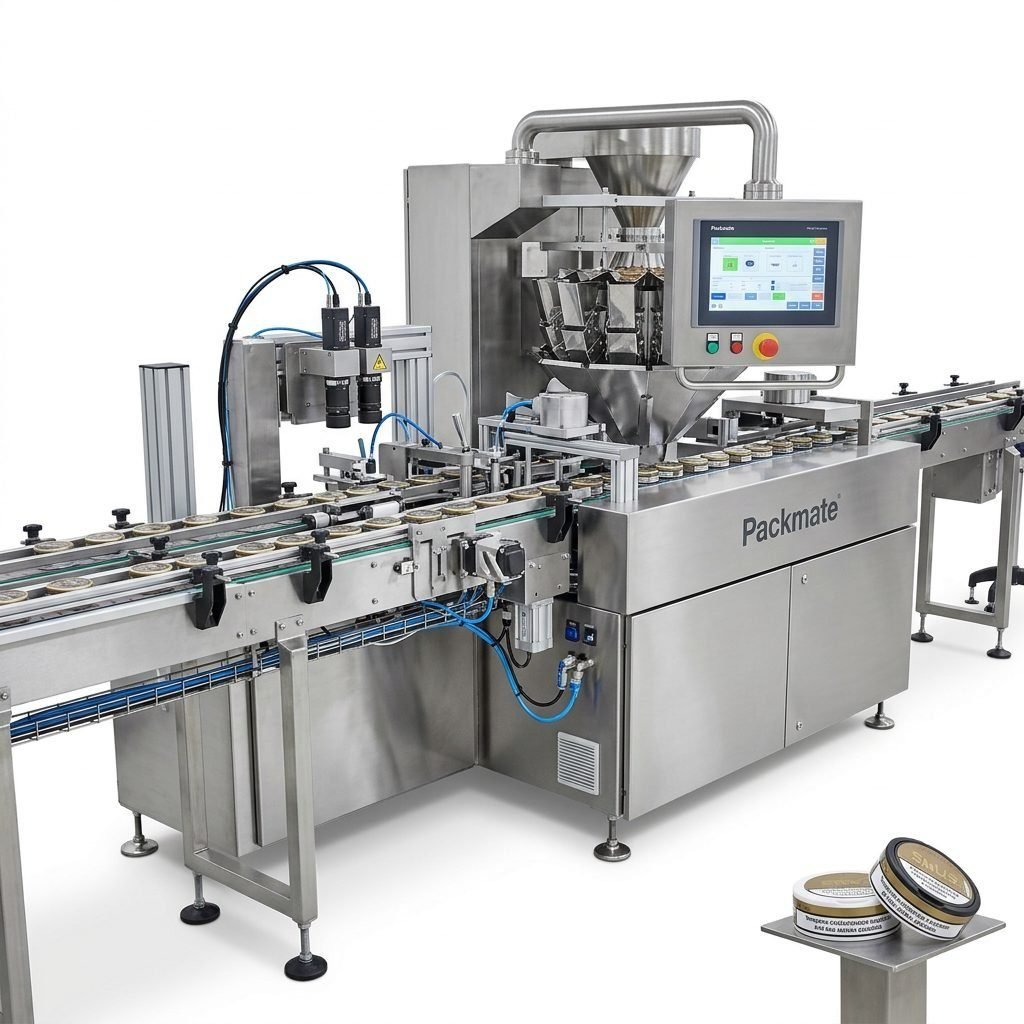
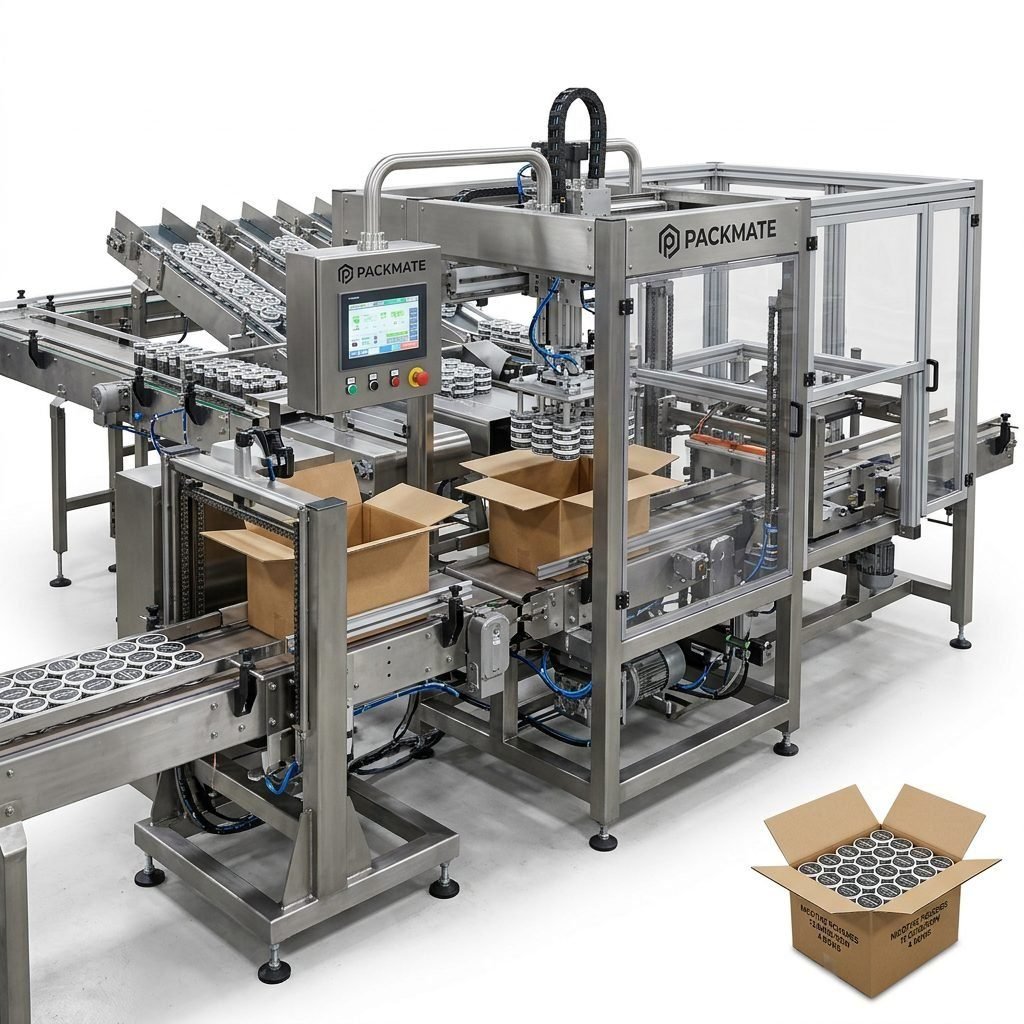
A standard snus packaging line typically includes: a feeder (for granules/powder or preformed pouches), a precision dosing system or weighers, a forming/sealing station, cutting and stacking systems, and end-of-line conveyors. Auxiliary equipment such as nitrogen flushing, metal detection, and date/coding printers are also common in nicotine pouch lines. For integrated solutions, consider looking at Filling & Packaging Lines and Weighing & Packaging Systems to design a turnkey line.
Pre-start checklist (before powering on)
⚠️ Inspect mechanical guards, confirm electrical connections and emergency-stop circuits, ensure material supply is correct and within specification, verify tooling and sealing jaws are the right set for the target pouch format, and confirm that dosing settings match the target weight. Well-planned pre-start inspections reduce trial runs and material waste.
Machine setup and commissioning: step-by-step
A structured setup saves hours during production changeovers. Follow these steps when commissioning or switching to a new format:
1. Set mechanical format parts (formers, sealing jaws, knives) and confirm tightness of fasteners.
2. Load program parameters into the HMI and validate axis limits and speeds.
3. Calibrate dosing/weighing modules and run a dry cycle to check synchrony.
4. Run a short wet trial with full product to evaluate seal integrity and pouch fill accuracy.
5. Adjust temperature, pressure, and dwell times on sealing sections to eliminate leaks or deformations.
Calibration best practices
Accurate dosing and repeatable seals are the twin pillars of consistent quality. Use certified calibration weights for gravimetric systems and verify that vibratory or auger feeders provide uniform feed. A common source of variability is inconsistent bulk density in the fill material—monitor moisture and particle size closely.
Optimizing production efficiency
Increasing throughput without sacrificing quality requires a combination of machine tuning, operator training, and process control. Consider these targeted strategies:
ℹ️ Synchronized feeders: Ensure upstream feeders deliver at a steady rate to avoid weight variation or overfilling that slows the line. Integration with weighing & packaging systems can automate weight control and reduce manual checks.
✔️ Reduce changeover time: Adopt quick-change tooling, label format presets, and documented setup recipes in the machine HMI. Multi-lane machines can be fitted with interchangeable lane kits to switch product widths in under an hour.
✔️ Preventive maintenance: Follow a daily/weekly/monthly maintenance log—lubrication points, filter changes, and belt tensioning all impact uptime. Packmate’s long manufacturing experience and robust CNC-finished parts reduce frequent rework—learn more about company capabilities on the About Packmate page.
Performance metrics to track
Track OEE (Overall Equipment Effectiveness), reject rate, average pack weight deviation, and downtime categories. Regular data review highlights recurring issues—mechanical wear, inconsistent raw material, or operator error—and points to targeted improvements.
Maintaining consistent product quality
Consistency is achieved through machine stability, raw material control, and in-line QA steps. Key focus areas include sealing quality, fill accuracy, and hygiene/sanitation practices for nicotine-containing products.
⚠️ Critical check: Every change in powder batch or blend requires a short revalidation to prevent drift in fill weights and seal performance.
In-line QA devices and techniques
Install metal detectors, checkweighers, vision inspection systems, and leak testers to catch defects before secondary packaging. Automated rejection integrated with conveyors prevents faulty packs from progressing. Integration with the Sachet & Stick Pack Machines family can also offer modular QA mounting points for easy retrofits.
Maintenance routines and troubleshooting tips
Predictable maintenance reduces emergency downtime. Use a tiered maintenance schedule:
• Daily: Safety checks, cleaning of infeed zones, visual inspection of belts and seals.
• Weekly: Check motor mounts, encoder cleanliness, belt tensions and vacuum integrity.
• Monthly: Inspect bearings, replace worn seals, verify calibration of weighers.
• Quarterly/Annual: Full inspection of PLC and electrical cabinets, firmware updates, and supplier-assisted calibration.
Troubleshooting common symptoms:
• Mis-seals or wrinkles: Check temperature uniformity and clean sealing jaws.
• Weight drift: Recalibrate weighers, check feed vibratory settings and material flowability.
• Frequent belt slippage: Inspect belt wear and pulley alignment; replace worn belts promptly.
Safety, compliance, and regulatory notes
Nicotine pouch production must observe local and international regulations for worker safety, product labeling, and manufacturing hygiene. All Packmate equipment complies with CE and ISO standards, and lines can be configured for contained handling and dust control. If you operate in markets where snus has specific cultural or legal considerations (for example, certain Northern European markets where snus use is more common), ensure labeling, nicotine limits, and product claims match local requirements.
Operator training and documentation
Invest in consistent training—machine operation, basic mechanical troubleshooting, and quality inspection. Keep concise SOPs at the line for quick reference and standardize shift handoffs to prevent information gaps.
Selecting the right machine and supplier criteria
When choosing a snus packaging machine or an integrated line, prioritize:
• Proven reliability and global references (ask for Case studies).
• Local service and spare parts availability to minimize lead time for repairs.
• Flexibility for format changes and future capacity upgrades.
• Compliance with global safety certifications and documentation readiness.
Packmate’s 20,000㎡ manufacturing facility and more than 30 years of experience provide a robust track record. For machine families and full product lines, see the Bag & Pouch Packaging Machines and the company Case pages to review real-world implementations.
Procurement and commissioning support
Ensure your supplier offers factory acceptance tests (FAT), installation and commissioning (SAT), operator training, and a clear spare parts list. Seek long-term service agreements where possible—remote support and pre-configured spare kits reduce downtime significantly. Visit Contact Us to request technical specifications and support options.
Practical shop-floor routines that save hours
• Standardize line setup templates in the HMI for each product SKU.
• Keep a small “first-fix” toolkit at each line including spare blades, fuses, O-rings and belt clips.
• Maintain a short daily production log with key metrics so patterns of drift or recurring faults are quickly noticed.
✔️ Operator empowerment: Train operators to run basic diagnostics and keep a simple fault-chart by the HMI—this reduces reliance on specialist technicians for minor fixes.
Final checklist before full production ramp
• Confirm product specs and artwork for labels/pouches; print and coding tools verified.
• Validate target throughput via a 4-hour pilot run, monitoring weight, seal quality and reject rate.
• Ensure spare part kits are stocked and maintenance schedule is in place.
• Confirm QA devices (checkweigher, metal detector) are integrated and passing test samples.
Why partner with an experienced supplier
Experienced suppliers like Packmate provide long-term engineering support, custom lane configurations, and proven multi-lane solutions—critical for businesses planning growth or SKU expansion. For more information on certifications, exhibitions, and company history, visit About Packmate, Certificate, and Our Exhibition pages to see how Packmate supports global customers.
Conclusion: key operational takeaways
Operating a snus packaging machine efficiently is a balance of the right equipment, rigorous setup and calibration, consistent QA practices, and disciplined maintenance. Focus on repeatable setups, invest in operator training, and partner with a manufacturer that offers turnkey solutions and strong after-sales support to keep lines running at peak performance.
Frequently Asked Questions
Q1: How often should I calibrate the weighers on a snus filling line?
A1: Calibrate weighers daily for high-speed production lines and after any significant material change. A weekly deeper calibration and verification against certified weights is recommended.
Q2: What is the typical downtime reduction after implementing preventive maintenance?
A2: Many customers report a 20-40% reduction in unplanned downtime within the first year when a formal preventive schedule is adopted.
Q3: Can a single machine family handle multiple pouch formats?
A3: Yes—modular designs and quick-change tooling allow one machine base to serve multiple formats. Evaluate multi-lane conversion kits for greater flexibility.
Q4: Where can I find examples of installed lines and references?
A4: Check the Case and Catalog pages for real project examples and machine specifications, or contact the supplier directly via the Contact Us page to request references.
Q5: What certifications should I expect for commercial snus packaging equipment?
A5: Look for CE and ISO compliance as baseline certifications; depending on market, additional documentation may be required for hygienic design or electrical safety.