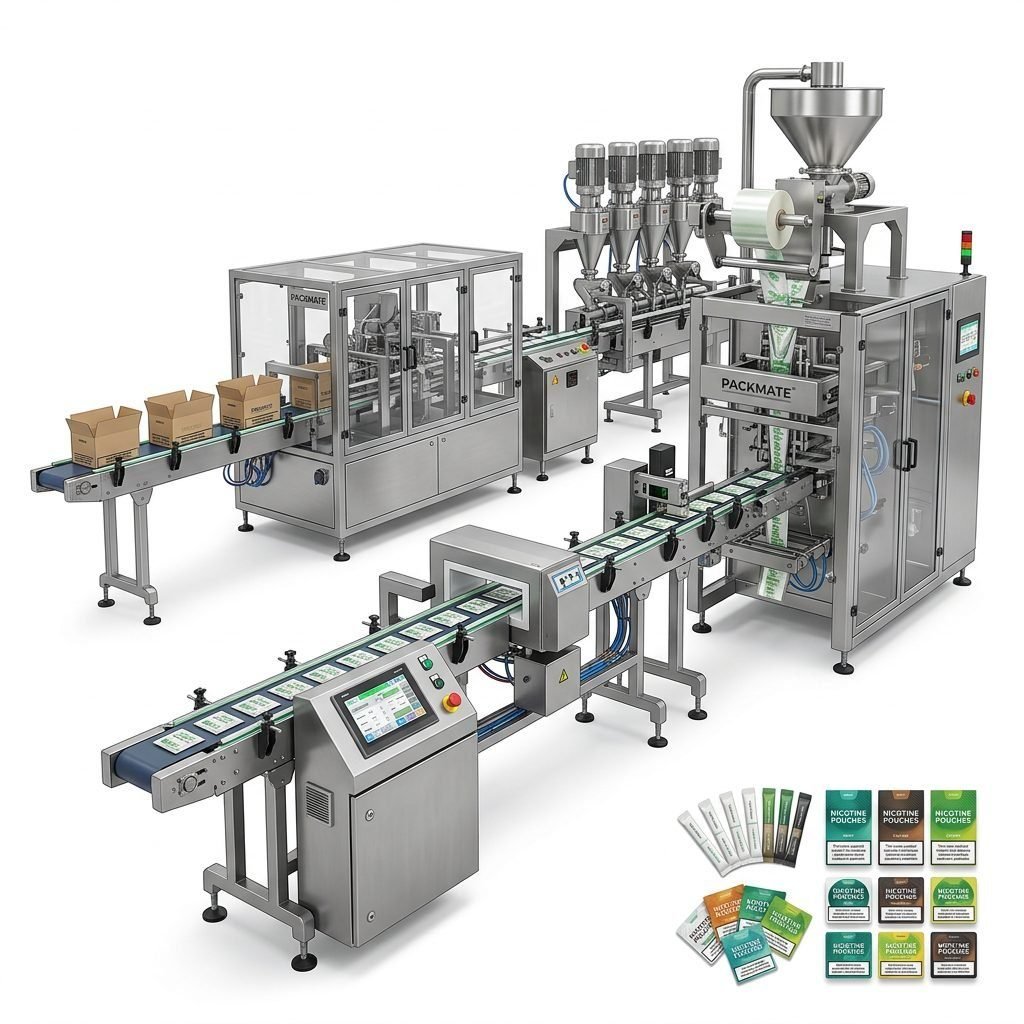
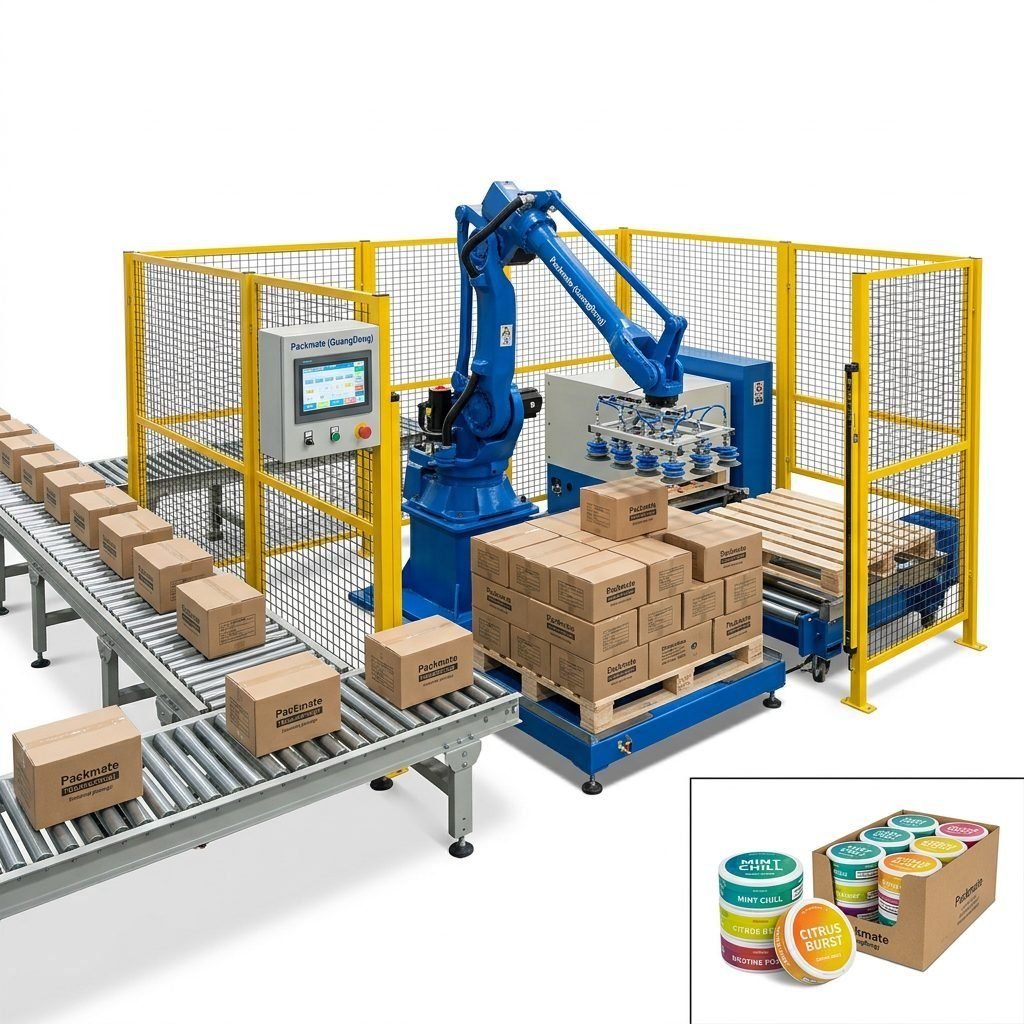
Choosing the right snus packaging equipment is one of the fastest ways to turn manufacturing speed and reliability into measurable profit. Whether you produce nicotine pouches, portioned snus, or new powdered formulations, the investment you make in packaging automation determines your cost per unit, time to market, and ability to scale. This guide explains how to identify the Best Snus Machine for Maximum ROI and walks you through technical, operational, and commercial factors that matter most to manufacturers.
Why the Right Snus Machine Directly Impacts ROI
ROI in snus production is not only about the machine’s purchase price. You should evaluate total cost of ownership across throughput, material efficiency, labor savings, downtime risk, and product quality. A high-performing machine can reduce waste, shorten changeover times, and increase yield, delivering profit improvements across every production shift.
Key ROI drivers:
✅ throughput and output stability
✅ low material scrap and sealing accuracy
✅ fast changeovers and minimal downtime
✅ energy efficiency and simple maintenance
Understand Machine Types: Match Product to Process
Different snus and nicotine pouch formats require different packaging concepts. Selecting the correct machine family is the first step to achieving high ROI.
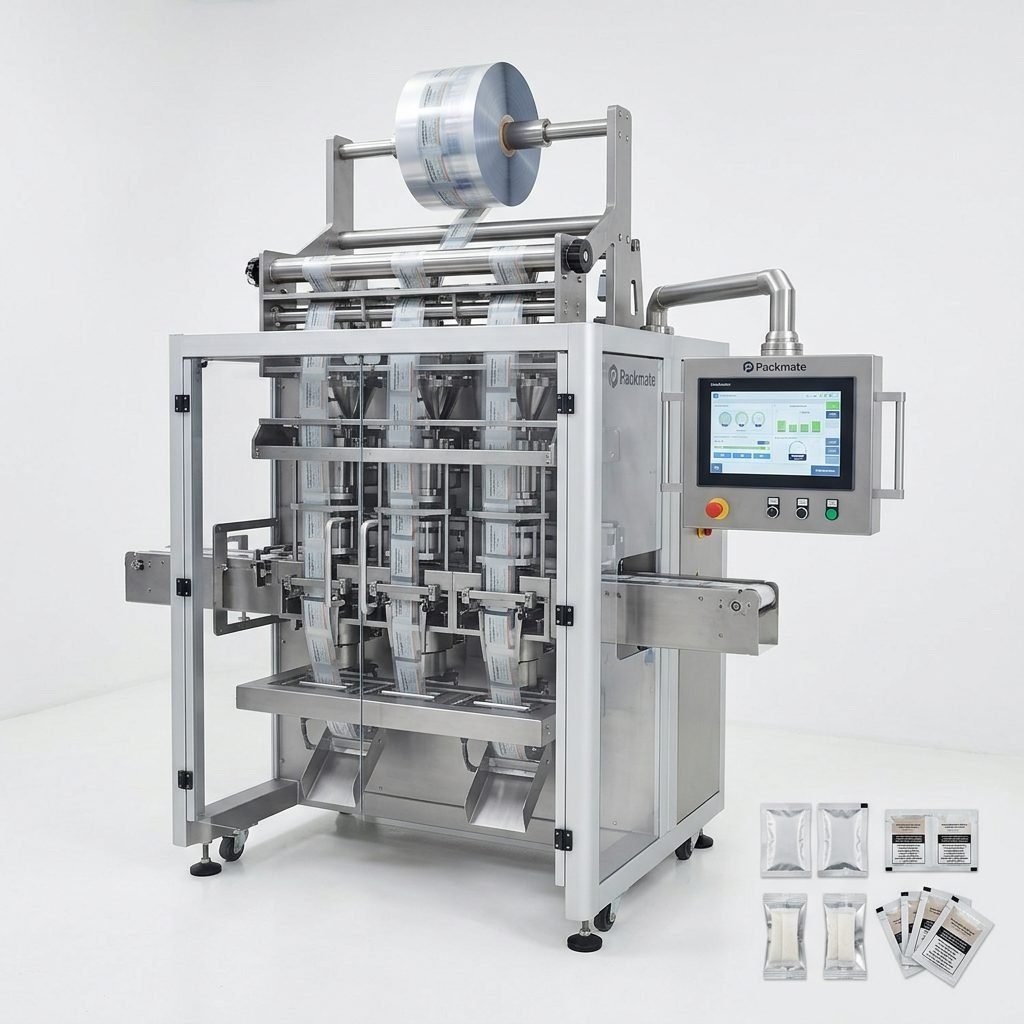
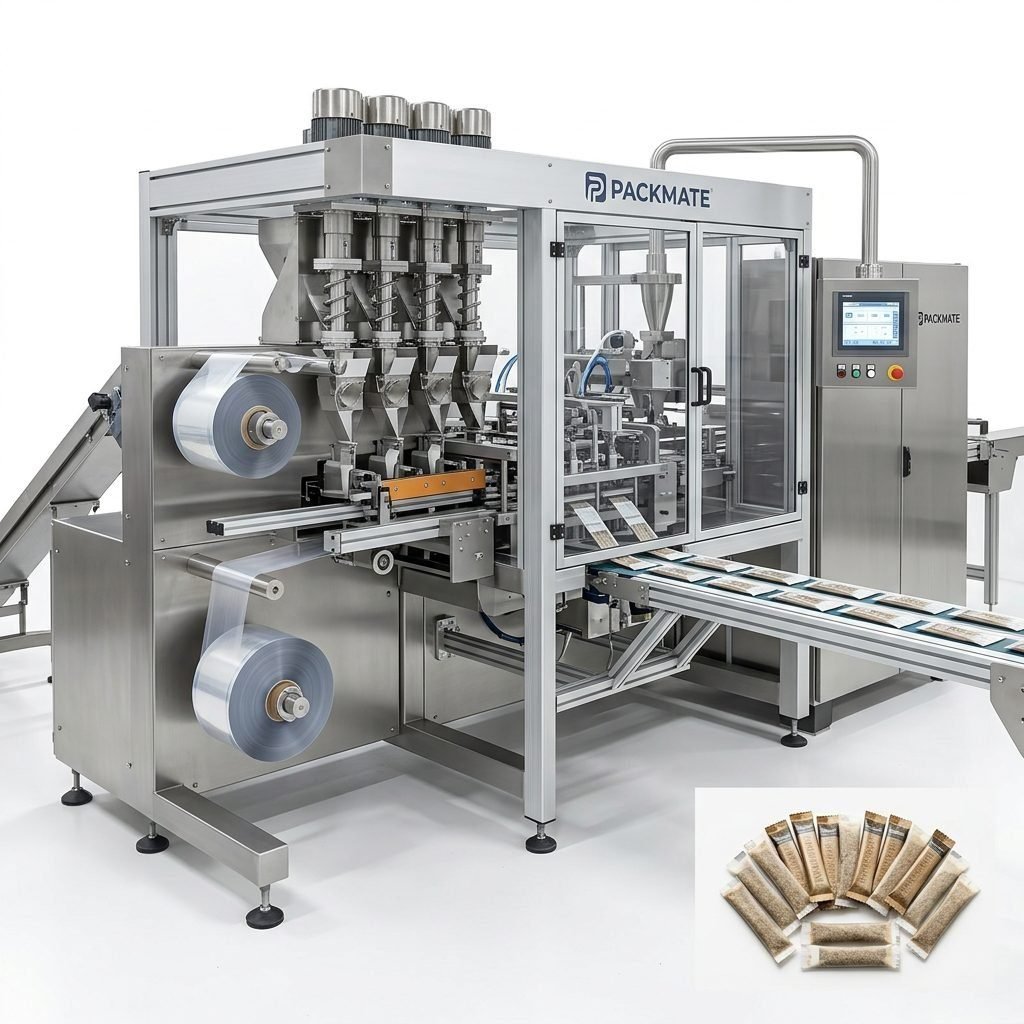
Stick Pack & Sachet Machines (Flexible and Cost-Effective)
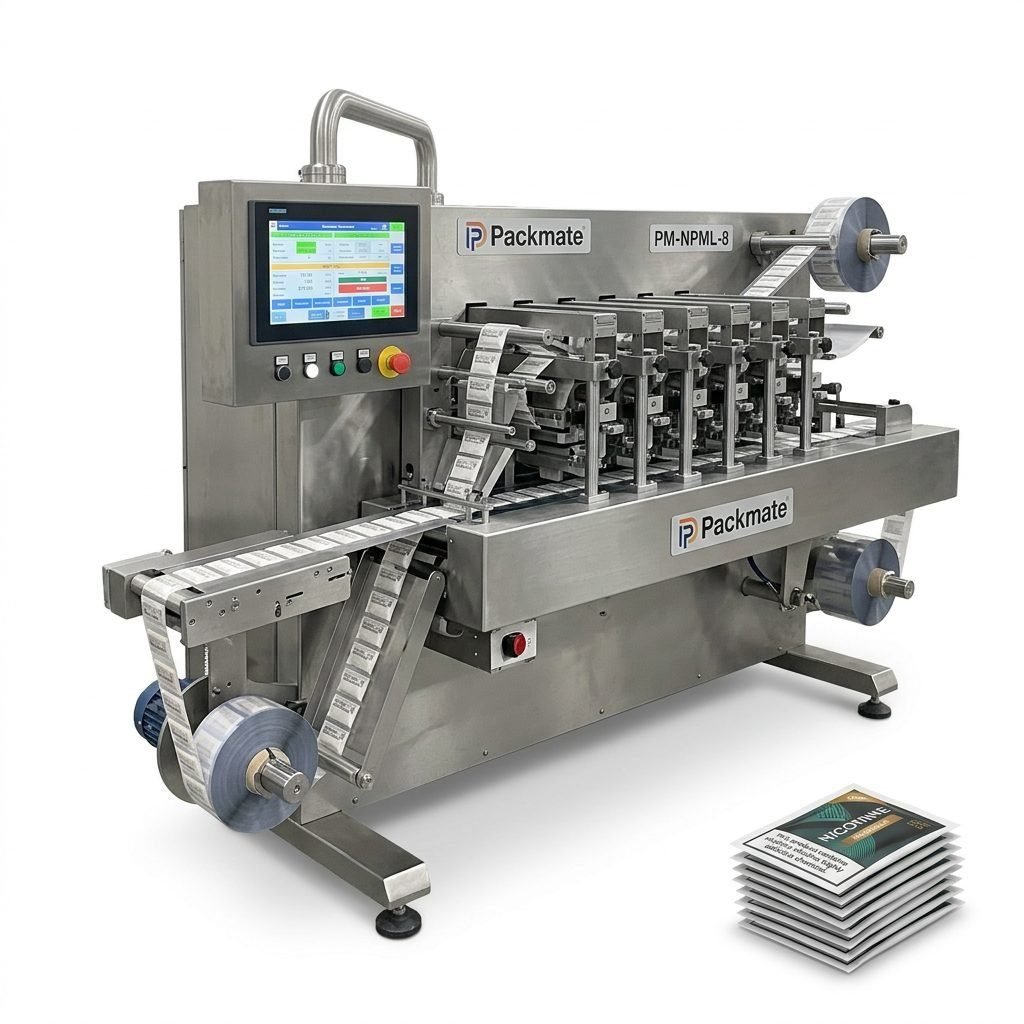
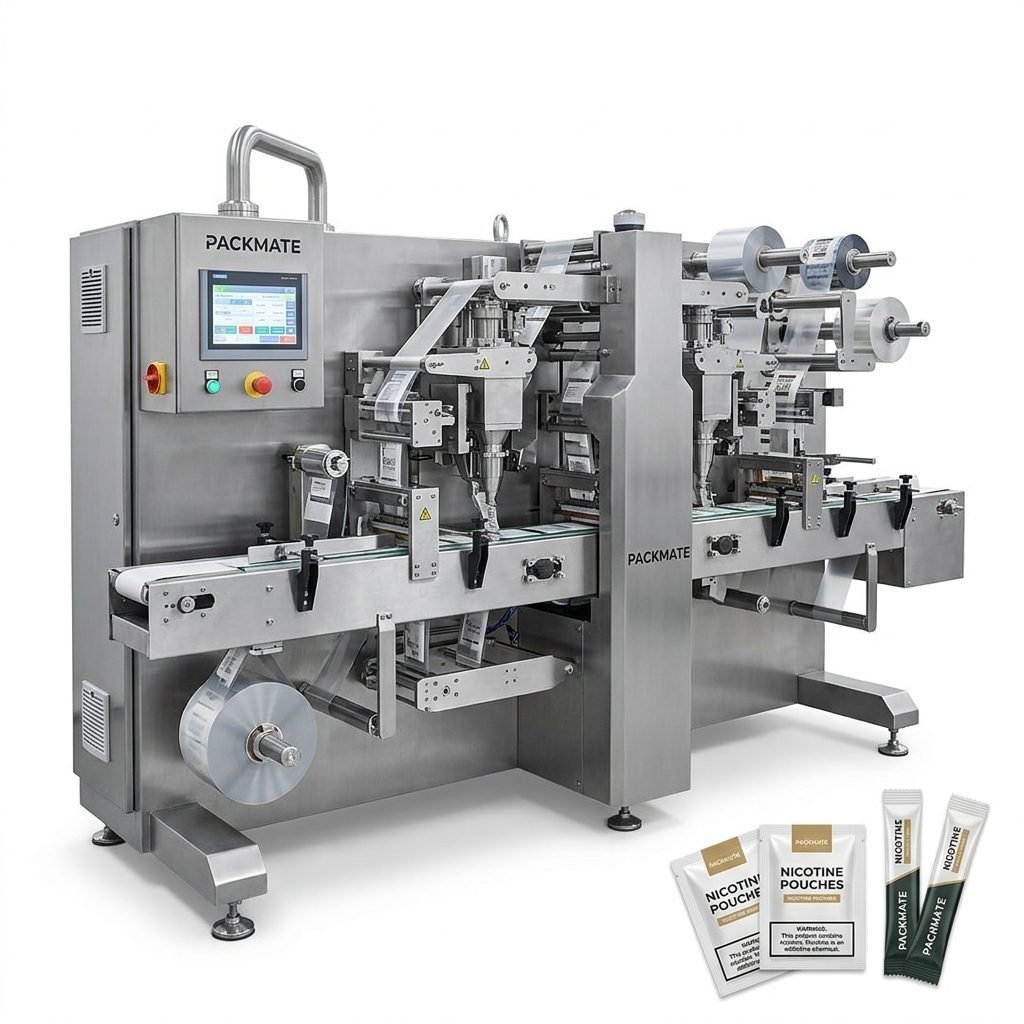
Stick pack and sachet lines are ideal for single-dose formats and flavored pouches. They offer rapid changeovers and relatively low capital requirements per lane. If your product range includes portioned single-dose pouches, these machines often deliver fast payback through high speed and minimal packaging material.
Explore Stick Pack & Sachet Machines: Sachet & Stick Pack Machines
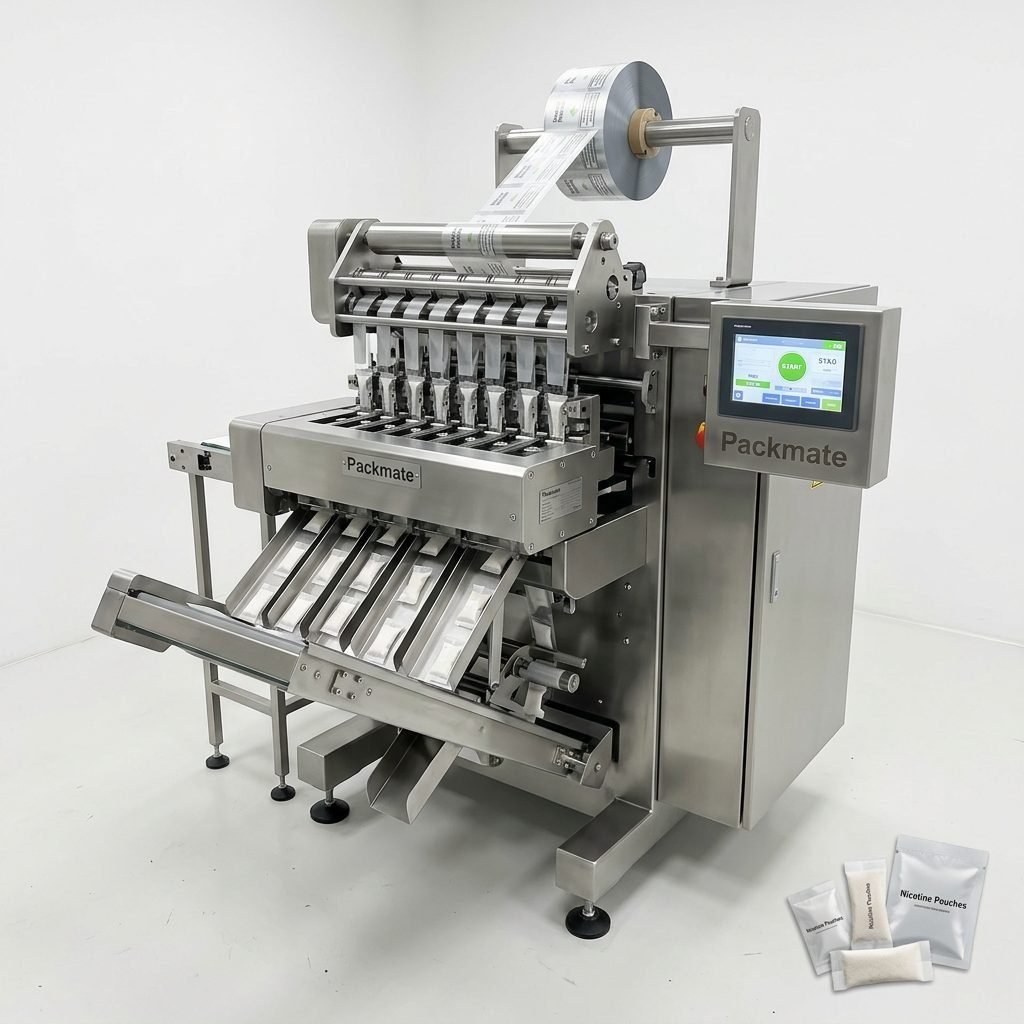
Multi-lane Snus Pouch Lines (High Throughput for Mature Brands)
Multi-lane systems multiply output without drastically increasing floor space or operators. For established brands with predictable demand, multi-lane pouch machines are often the most profitable choice because they maximize output per shift and lower unit labor cost.
Form-fill-seal vs. Pre-made Pouch Systems
Form-fill-seal (FFS) reduces dependency on pre-made pouch suppliers and can lower packaging cost when run at scale. Pre-made pouch systems can offer faster line setup for frequent SKU changes. Evaluate your SKU mix and supplier reliability when deciding between FFS and pre-made formats.
Technical Specifications That Drive Profitability
Paying attention to core technical specs helps you translate machine capabilities into predictable margins. Below are the most impactful technical metrics.
Throughput (pouches/min or lanes x pouches/min): Higher sustained throughput reduces unit cost. Check real-world throughput, not just peak figures.
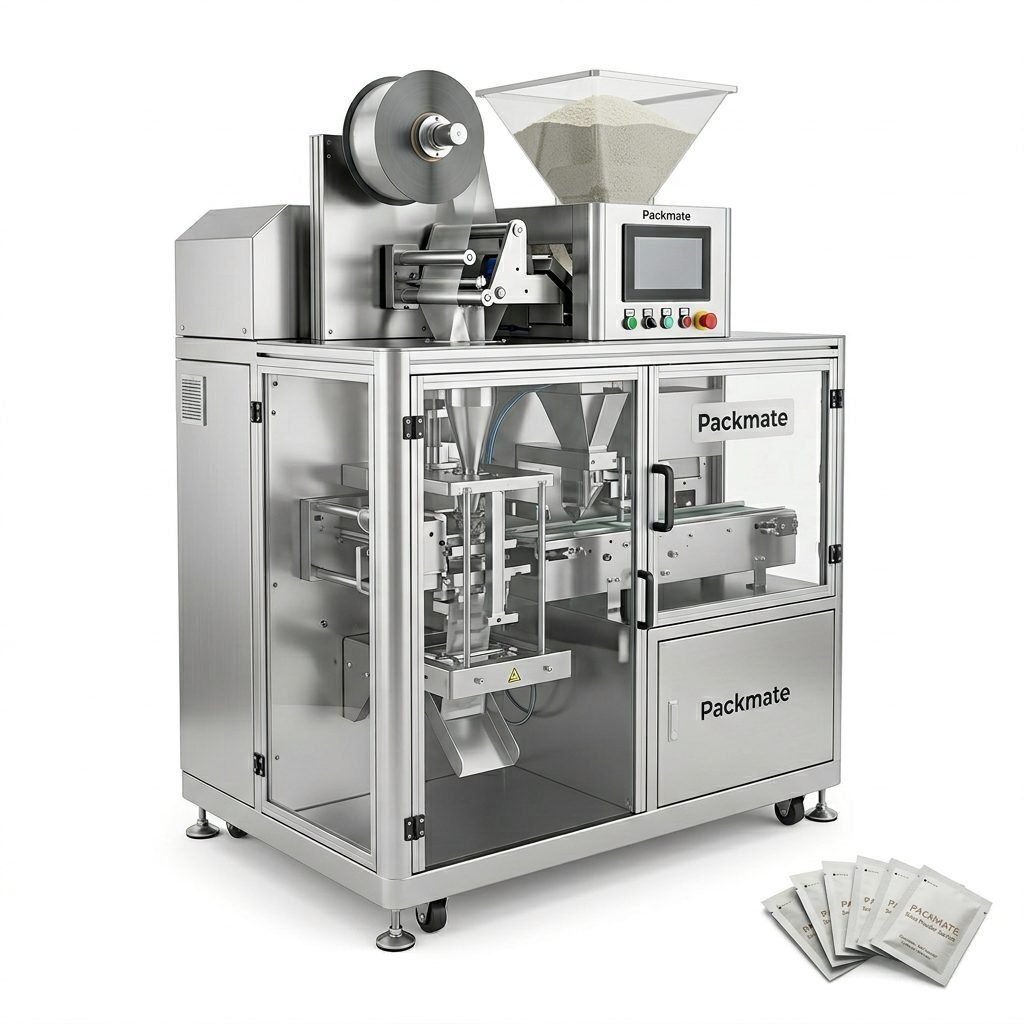
Accuracy and weight control: Precise dosing lowers product giveaway and regulatory risk. Look for integrated weighing systems for powders and granules.
Sealing quality and material compatibility: Reliable seals keep the product fresh and reduce leaks and returns.
Changeover time: Fast, tool-free changeovers increase productive time when running multiple SKUs.
Automation level and HMI: Modern servo-driven machines with intuitive HMI reduce operator training and error rates.
Operational & Cost Considerations Beyond Machine Specs
Operational decisions determine the actual ROI you will realize. Consider the following areas carefully.
⚙️ Spare parts and service network: Fast access to genuine parts and local service teams reduces mean time to repair and avoids extended downtime. Verify a supplier’s global support reach and spare parts warehousing.
🧰 Preventive maintenance and training: A robust maintenance program and operator training package preserve throughput and extend machine life. Favor suppliers that include comprehensive training support and clear maintenance schedules.
💡 Energy consumption: Energy costs are recurring and material in some regions. Energy-efficient drives and optimization can reduce operational expenses significantly over the equipment lifetime.
Integration & Line Design: How Layout Impacts Performance
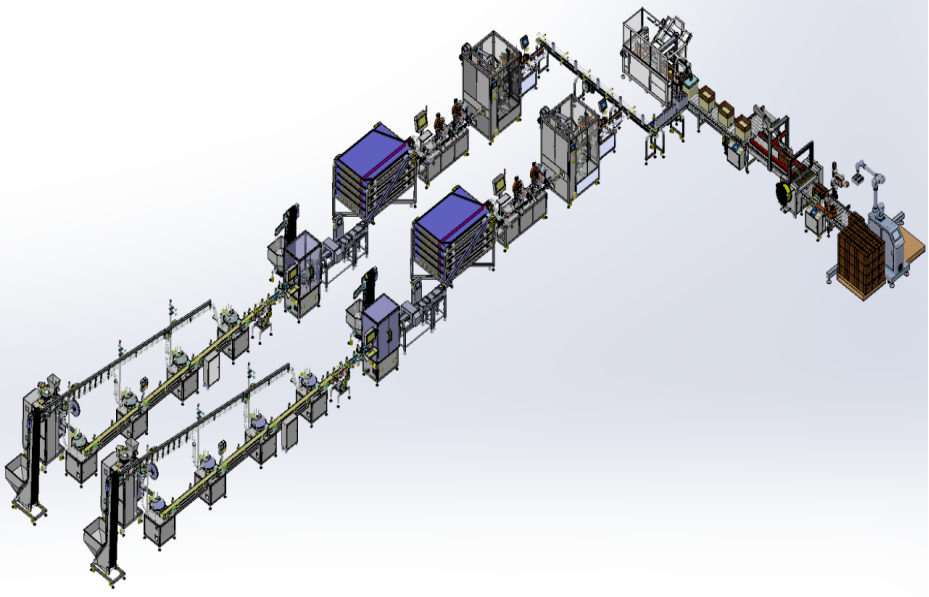
Packaging equipment rarely operates in isolation. Filling, weighing, bulk handling, and secondary packaging all affect final output. A well-integrated line reduces bottlenecks and optimizes operator allocation.
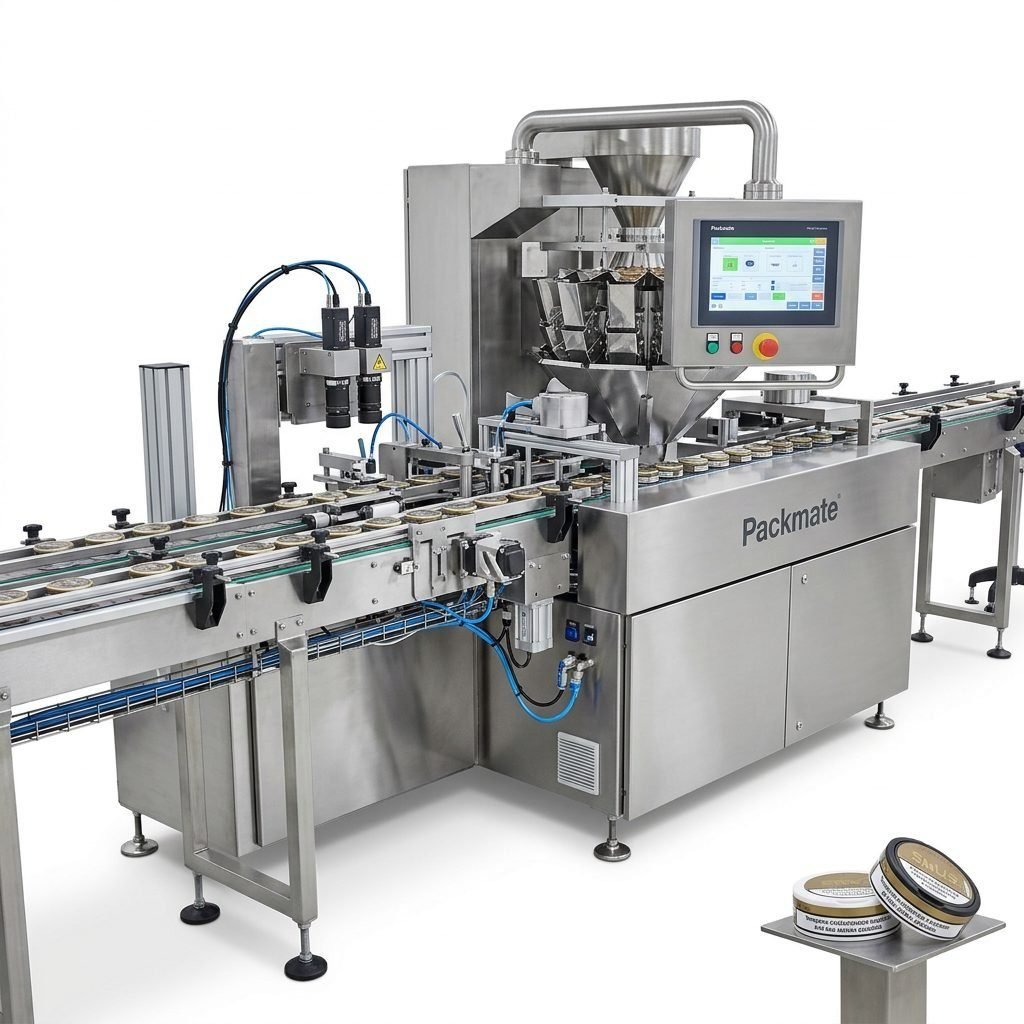
For powder or nicotine pouch production, consider integrated weighing & packaging systems and synchronized infeed conveyors. If you run multiple bag sizes and pouch types, plan for quick-change conveyors and modular auxiliary equipment.
Quality, Compliance & Risk Management
Regulatory compliance and product safety are non-negotiable. Machines with CE and ISO compliance reduce approval time for many markets and demonstrate robust engineering. Make sure the supplier supports documentation for validation and inspection.
Check certificates and quality evidence: Certificate — and ask for a documented quality and FAT protocol during purchase.
How Packmate Snus Machine Helps You Maximize ROI
Packmate is a specialist manufacturer focused on snus and nicotine pouch equipment with over 30 years of engineering experience and a 20,000㎡ production facility. Their product range includes high-precision multi-lane systems, sachet/stick pack lines, filling and weighing lines, and auxiliary equipment. This kind of specialization shortens the learning curve for new product launches and reduces integration risk.
Packmate advantages:
📌 Factory scale & machining capability (20,000㎡) for consistent quality.
📌 50+ machine models and turnkey solutions to match production stages.
📌 Global service and certifications to support fast market entry.
Learn more about Packmate and their product portfolio: About Packmate | Snus & Nicotine Packaging Machines
Commercial & Strategic Questions to Ask Before Buying
Asking the right questions avoids costly mistakes. Below are practical queries that will reveal the machine’s real-world value.
🔎 What is the guaranteed uptime and how is it measured?
🔎 What is the actual net throughput when using our product formulation and material? (Request sample trials).
🔎 What are mean time between failures (MTBF) and mean time to repair (MTTR)?
🔎 What training, documentation, and commissioning support is included?
🔎 Are spare parts stocked locally, and what are lead times for critical components?
Financial Models: How to Compare Total Cost of Ownership
Building a simple TCO model helps compare suppliers objectively. Include:
• Capital cost and financing terms
• Installation and commissioning costs
• Annual maintenance, spare parts, and service contracts
• Labor savings due to automation and reduced changeover time
• Energy and consumable costs (film, labels, etc.)
• Expected salvage/resale value at end of useful life
Checklist: How to Choose the Most Profitable Snus Packaging Equipment
✅ Production target alignment — Can the machine reliably meet your peak demand?
✅ Product compatibility — Will it handle your pouch material and formulation without extra fixtures?
✅ Changeover speed — Is tool-free changeover available for multi-SKU runs?
✅ Service & spare parts — Are parts available locally or via fast shipping?
✅ Documentation & compliance — Can the supplier provide validation packages for your markets?
✅ Proven references — Ask for case studies or factory references for similar products.
Real-World Tips to Improve ROI After Purchase
Practical steps you can take once the machine is installed:
• Implement operator certification programs to reduce human error and shorten start-up time.
• Maintain a critical spare parts kit onsite for high-wear items to minimize downtime.
• Monitor key KPIs (OEE, yield, changeover time) weekly and apply continuous improvement.
• Use sample trials to optimize recipes and sealing parameters before full production.
Where to See Machines in Action
Seeing live demonstrations at exhibitions or visiting supplier test centers is invaluable. Packmate frequently participates in global industry shows and runs factory trials—book a machine demo to validate throughput and product handling.
Check upcoming events and demonstrations: Our Exhibition
Final Thoughts: Invest in Capability, Not Just a Machine
The most profitable snus packaging investment balances machine capability, supplier reliability, and post-sale support. Prioritize real-world throughput, service coverage, and ease of operation. With the right machine and the right partner, you’ll turn packaging into a competitive advantage—lower unit costs, higher output, and consistent product quality that protects your brand.
Frequently Asked Questions
Q1: How do I determine the right throughput for my first snus machine?
Estimate current demand and expected growth for 3–5 years. Factor in peak production weeks, planned SKUs, and secondary packaging capacity. Choose a machine that meets peak demand with headroom or select a modular multi-lane solution that can be expanded.
Q2: What ongoing costs should I budget for beyond the purchase price?
Budget for preventive maintenance, spare parts, consumables (films, labels), energy, and occasional service visits. Training and documentation costs during ramp-up are often underestimated but essential for maintaining ROI.
Q3: Can a single supplier handle a full snus production line?
Yes—many specialized manufacturers like Packmate provide turnkey solutions from weighing and filling to pouching and secondary packaging. This simplifies integration and accountability.
Q4: How important are certifications and documentation?
Very important. CE and ISO certifications indicate sound engineering and quality systems. Proper documentation aids regulatory compliance and speeds market approvals, reducing time-to-revenue.
Q5: Where can I request a factory trial or a detailed quote?
Contact the supplier directly for on-site trials or lab runs. For Packmate, start with their product pages and contact channels to arrange trials: Contact Us | Case.