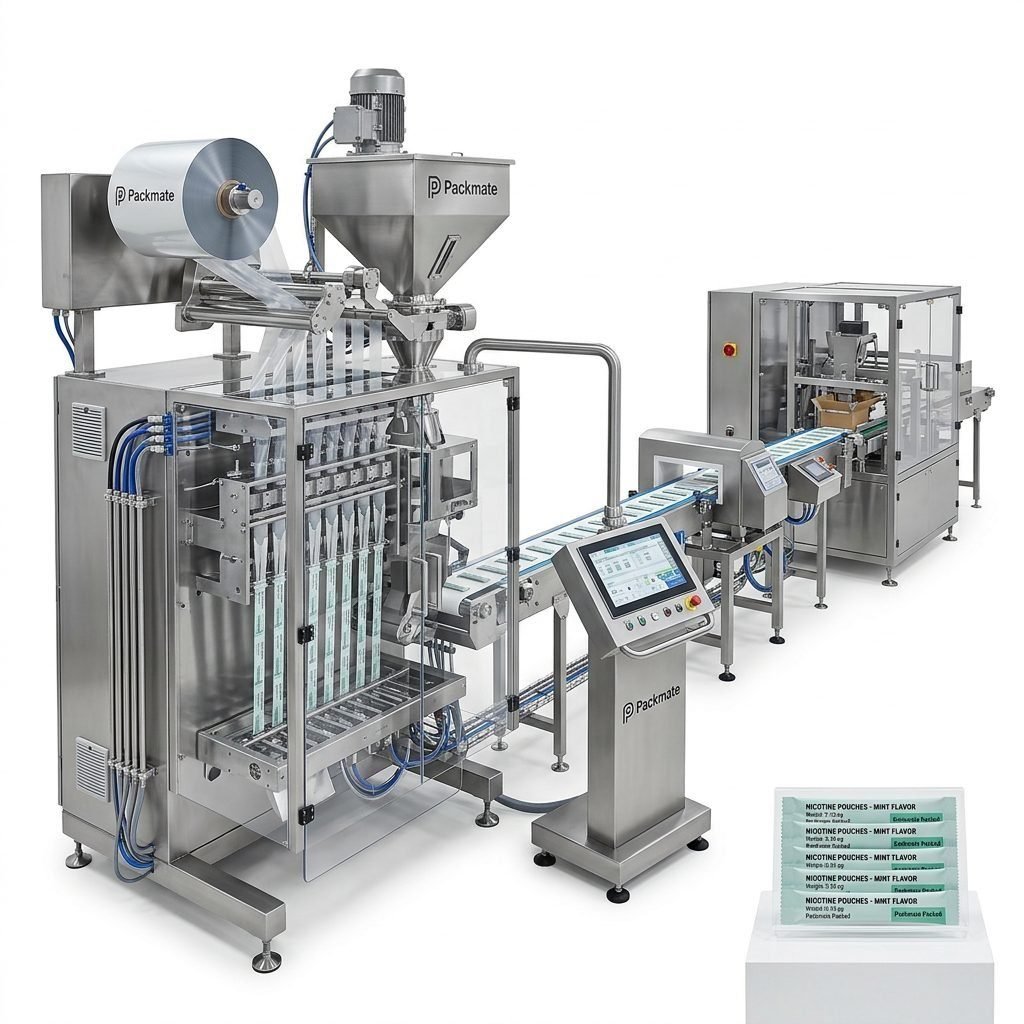
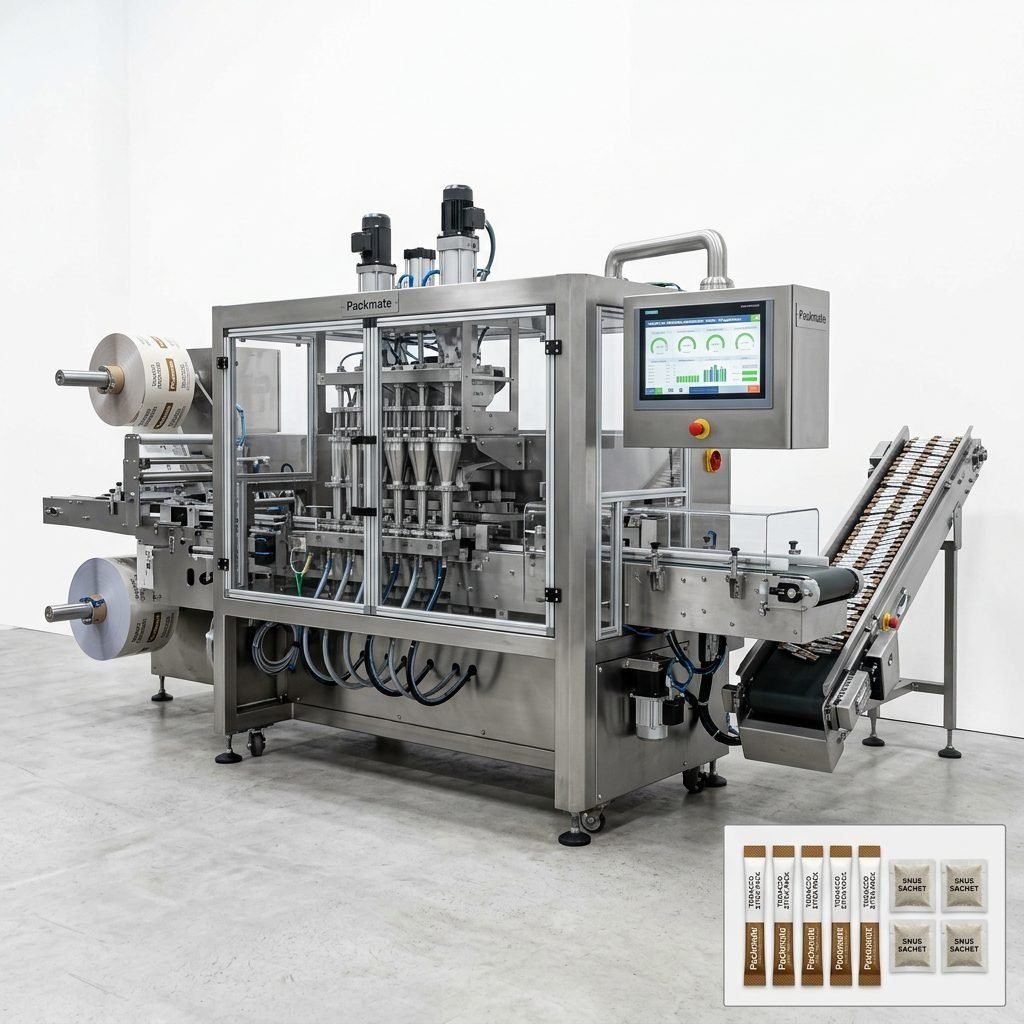
Choosing the right snus packing machine is a strategic decision that affects product quality, production efficiency, and regulatory compliance. This guide walks you through the essential factors — from machine types and dosing accuracy to supplier selection and after-sales support — so you can confidently select equipment that matches your production goals for nicotine pouches and snus products.
Understanding Snus Packing Machine Types
Not all snus packaging needs are the same. The machine type you choose depends on the pouch format, production speed, and automation level. The most common systems are:
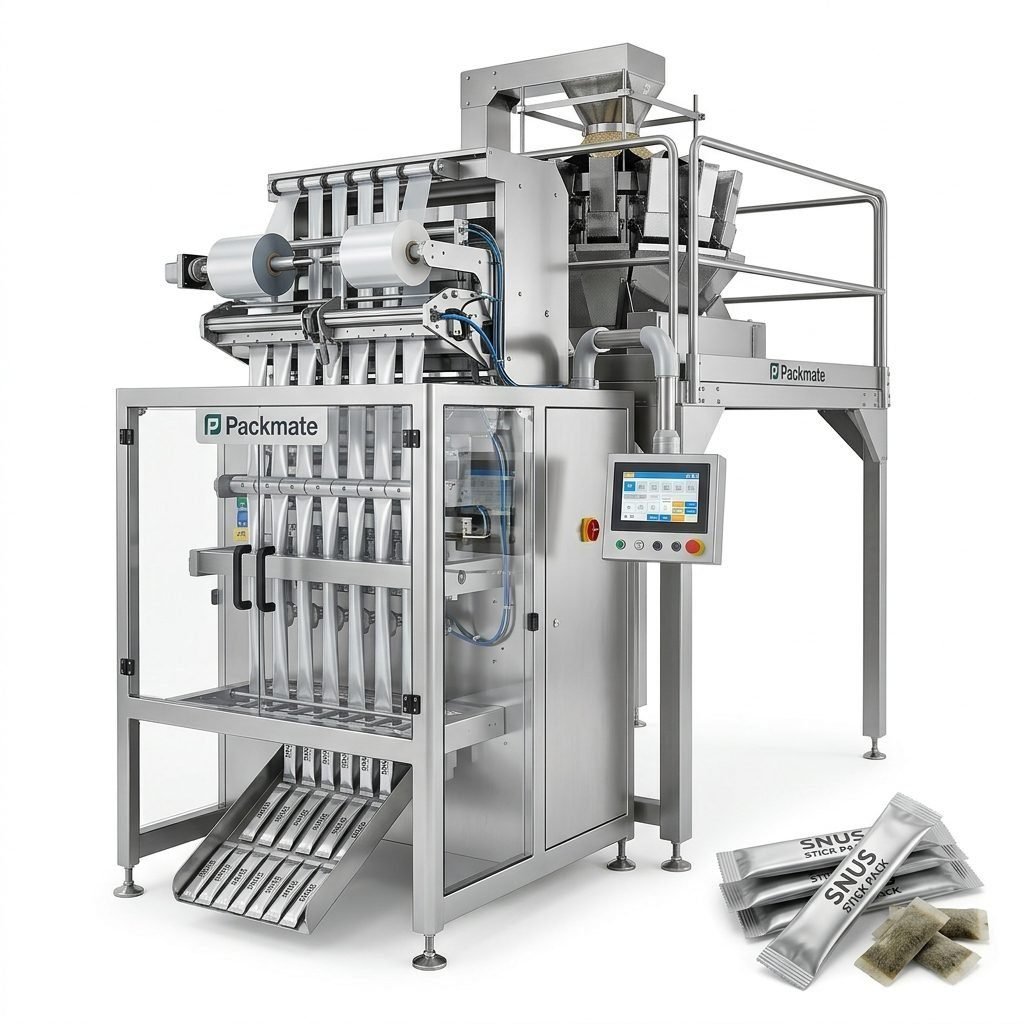
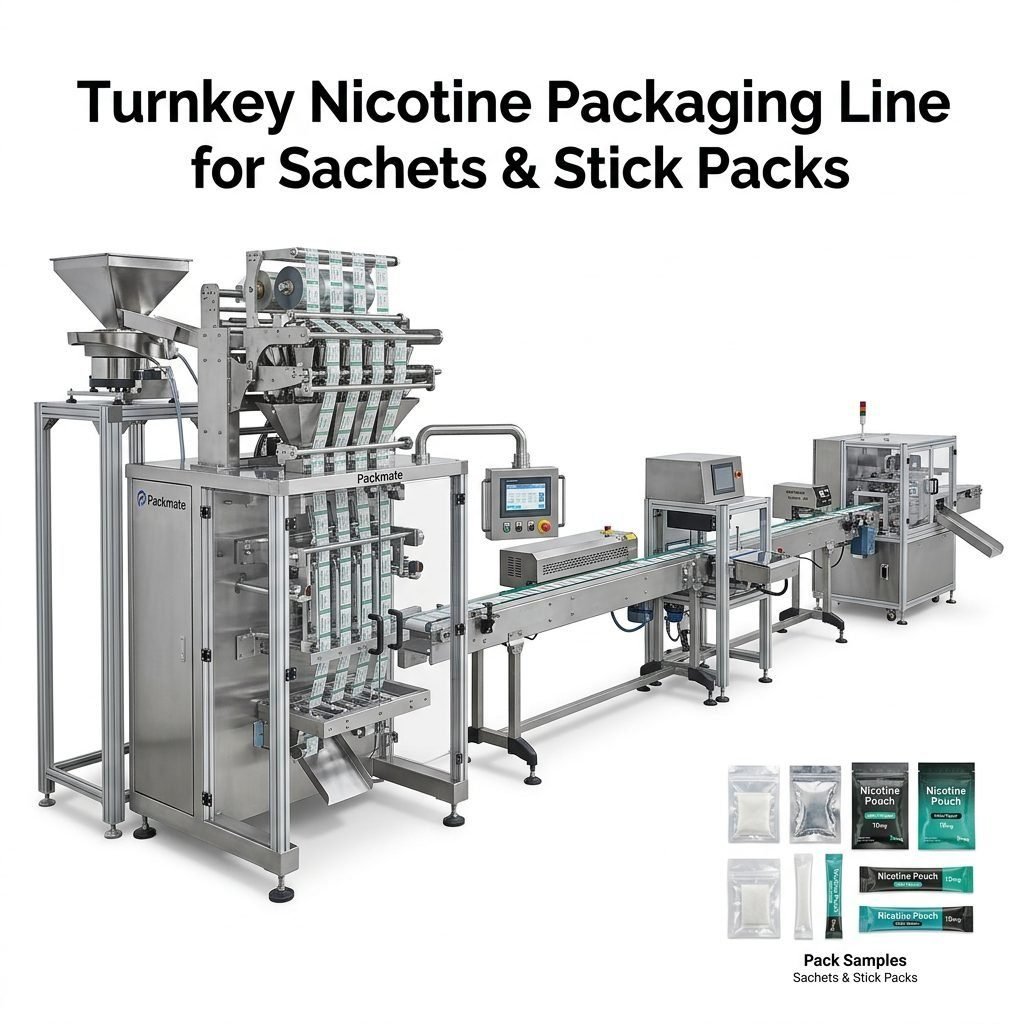
🔹 Stick pack machines — Ideal for single-serve sachets or elongated stick formats, with high-speed continuous film forming and sealing.
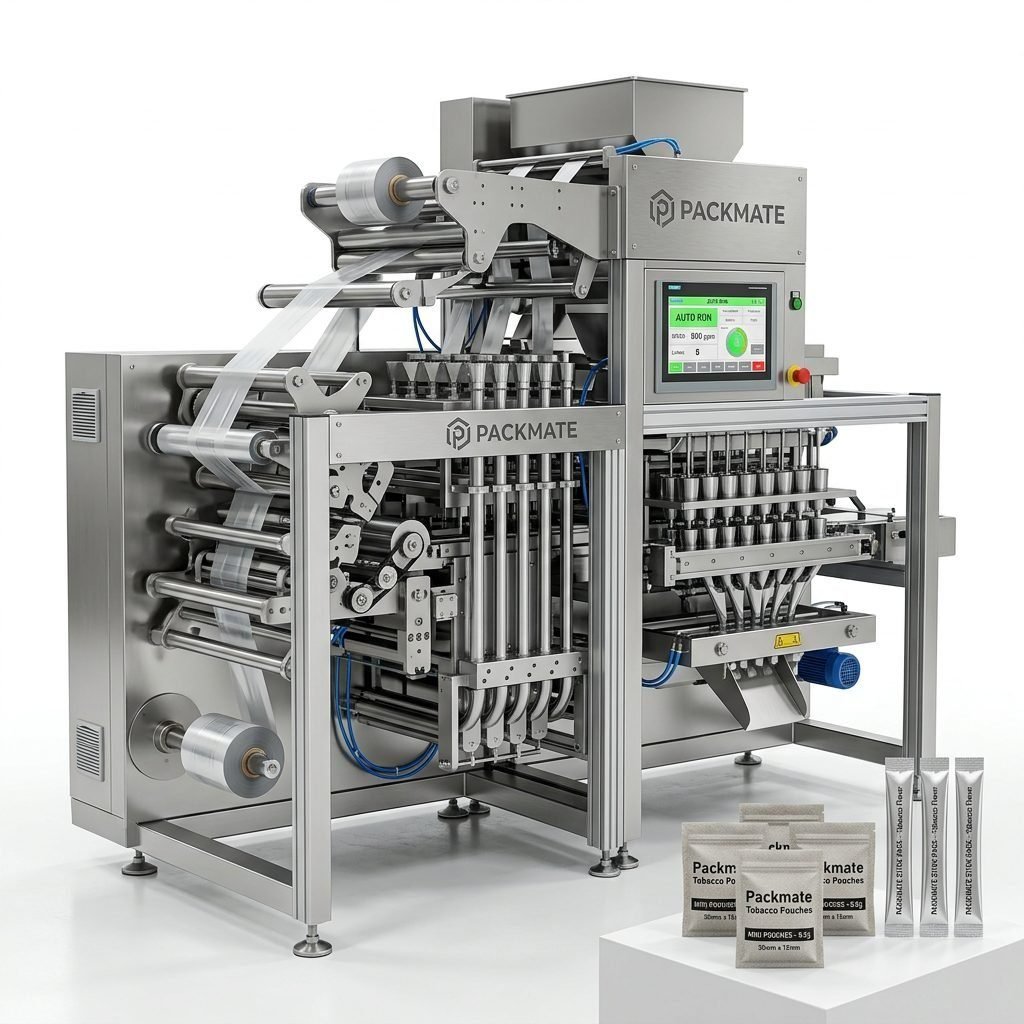
🔹 Sachet & multi-lane systems — Best for multi-lane production of small-dose pouches (nicotine pouches / snus) with excellent throughput for small formats.
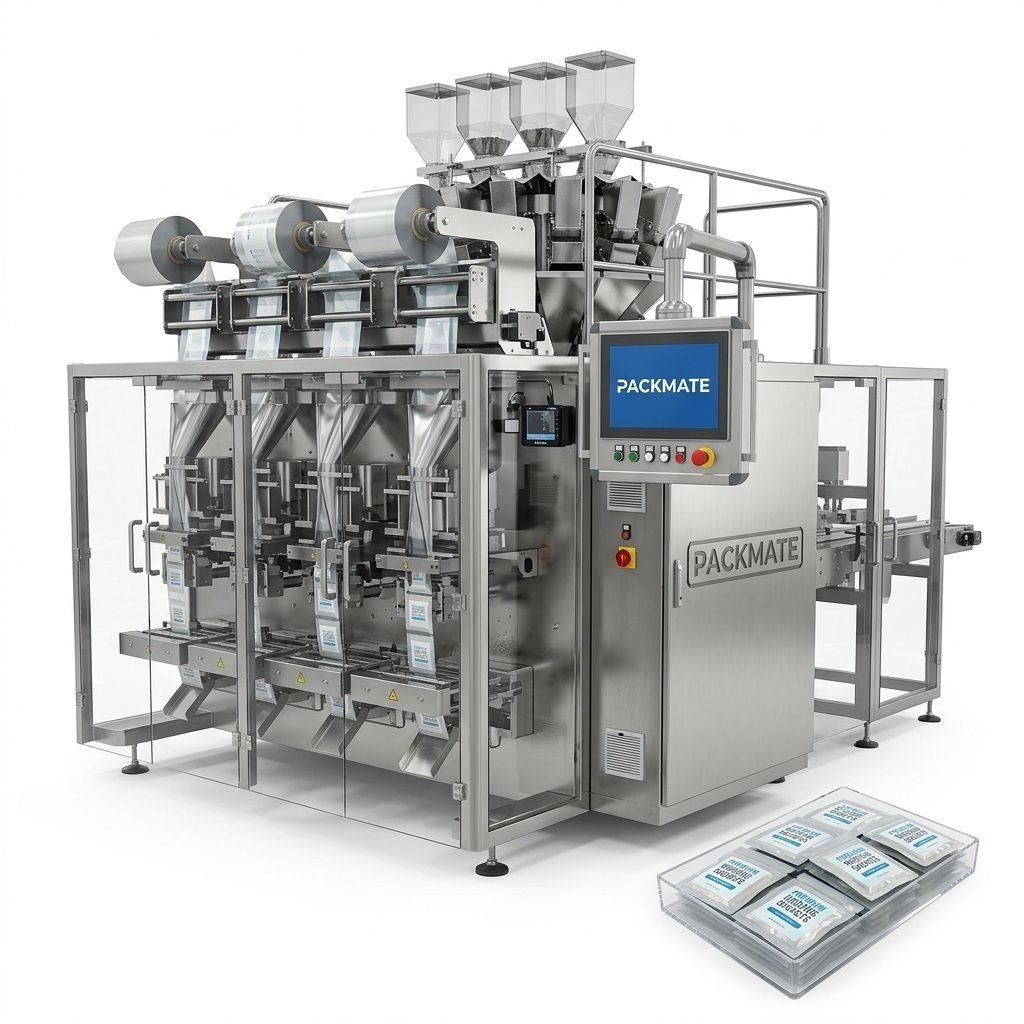
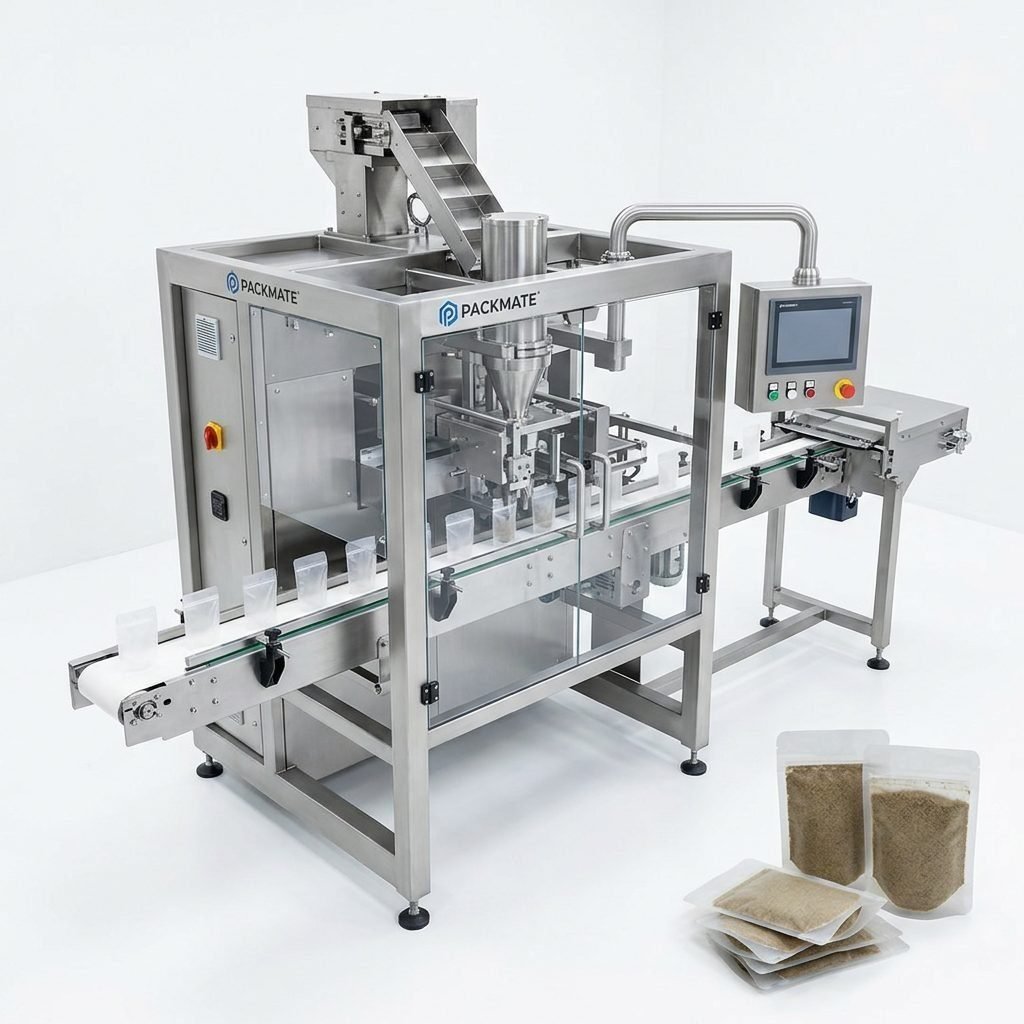
🔹 Weighing & filling lines — Necessary when strict dose accuracy is required; these integrate precise weighers with the pouch filling and sealing units.
How pouch type affects machine choice
Pouch materials, dimensions, and desired consumer experience determine the sealing technology and film handling mechanisms. For example, paper-based pouches behave differently than laminated films; nicotine pouches often require multi-lane pouch-forming with tight fill tolerances. If you want to explore specialized solutions, check product categories like
Snus & Nicotine Packaging Machines and
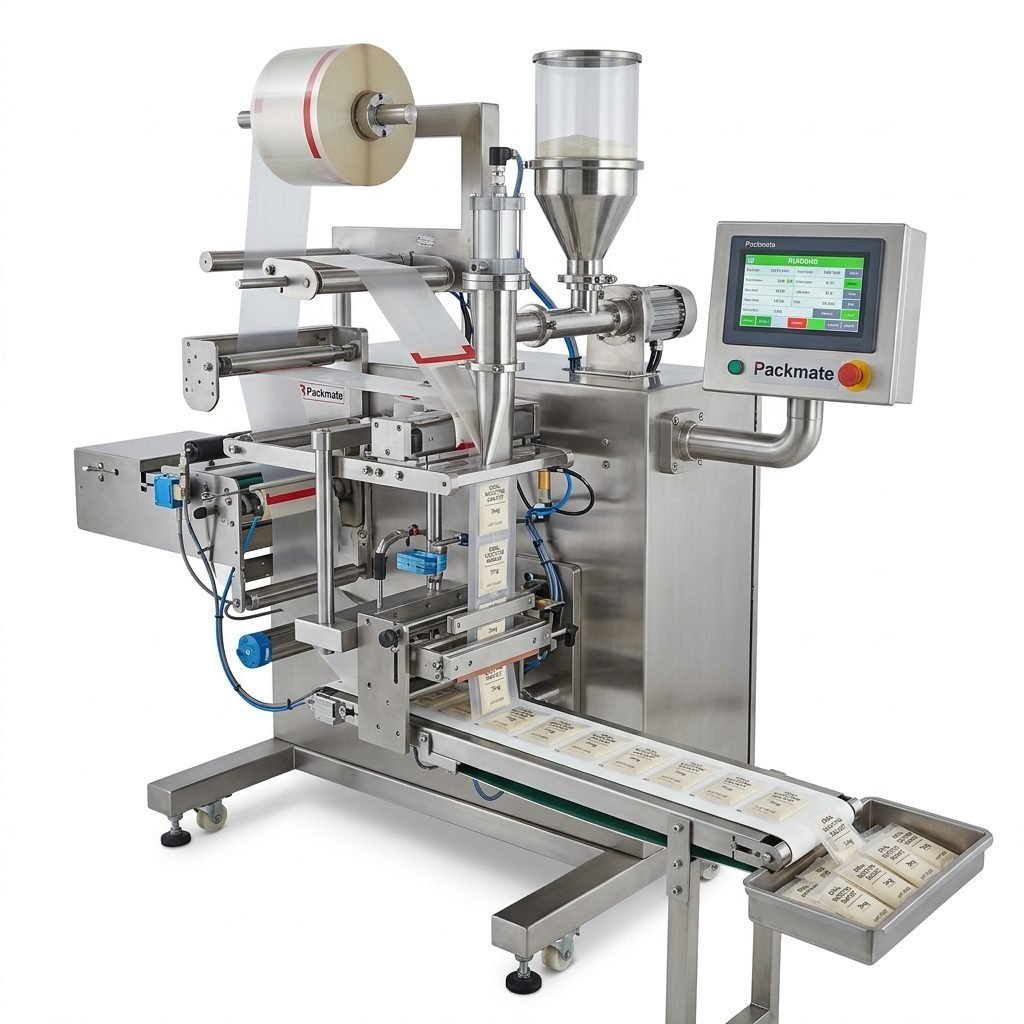
Sachet & Stick Pack Machines.
Key Specifications to Compare
When comparing models, focus on metrics that impact your bottom line and product consistency.
- Production speed (packs/min or lanes × ppm)
- Dosing accuracy and repeatability (e.g., ±0.01 g for micro-dosing)
- Flexibility for pouch sizes and materials
- Changeover time and tool-less adjustment options
- Integration capability with upstream and downstream equipment (weighers, vision systems, cartoners)
- HMI, recipe management and data logging for traceability
📌 Important: For nicotine pouch production, dosing precision and containment are critical due to low-dose formulations and regulatory scrutiny. Prioritize machines with verified dosing systems and QA integration.
Automation, Controls & Data Traceability
Modern snus packing lines come with PLC controls, touchscreen HMIs, recipe storage, and connectivity for Industry 4.0. These systems improve uptime and make batch documentation easier for audits. Ensure the supplier offers:
✅ Centralized recipe management
✅ Remote diagnostics and optional cloud reporting
✅ Interlocks and safety systems aligned with CE/ISO standards
Regulatory compliance and certifications
Choose vendors whose equipment complies with international standards; certifications like CE and ISO signal adherence to safety and quality practices. Many reputable manufacturers list certifications clearly — for example, details about Packmate’s credentials are available on their Certificate page.
Space, Utilities & Factory Layout Considerations
Before purchasing, map out your production area and confirm utilities:
- Floor space and machine footprint (allow service space around equipment)
- Electrical requirements and clean power supply
- Compressed air quality and consumption
- Environmental controls (temperature/humidity) for consistent pouch sealing
- Waste handling and film scrap collection
⚠️ Pro tip: Arrange a site visit or virtual layout review with the supplier to validate clearances and utilities. This step prevents costly retrofits during installation.
Maintenance, Spare Parts & Service
Access to spare parts and quick technical support determines long-term machine uptime. Verify:
- Spare parts availability and lead times
- Preventive maintenance schedules and recommended spares
- Training for operators and maintenance staff
- Remote support and on-site commissioning options
Experienced manufacturers typically provide modular designs that simplify part replacement — for example, Packmate’s long history and factory capacity support efficient spare parts handling. Learn more on their About Packmate page.
Cost Factors & Total Cost of Ownership (TCO)
Initial capital cost is only part of the equation. Consider TCO elements:
- Depreciation and financing
- Operator labor and training costs
- Spare parts and consumables (sealing jaws, belts, filters)
- Energy and air consumption
- Downtime risk and service response time
✅ Buyer insight: Higher upfront investment in precision multi-lane and weighing systems often pays back quickly through reduced waste, higher yield, and consistent product quality.
Customization & Turnkey Lines
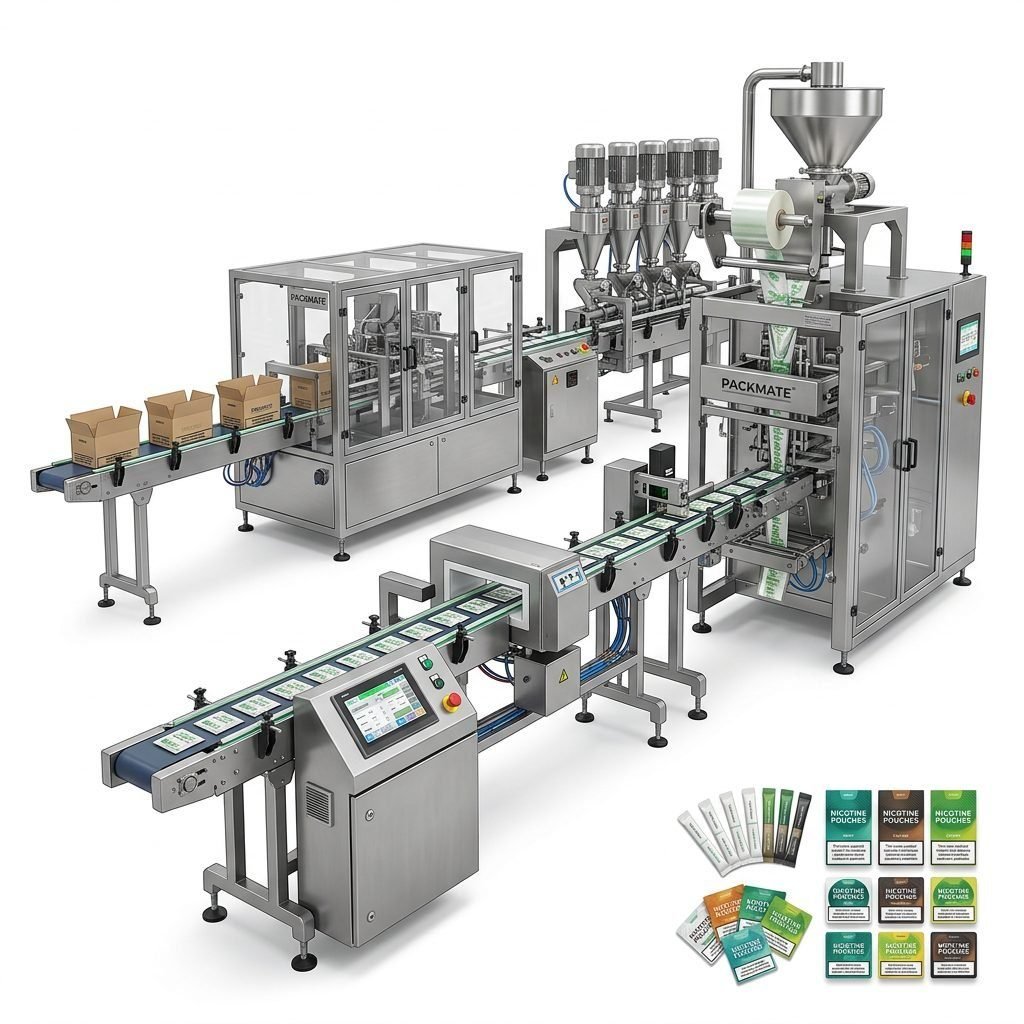
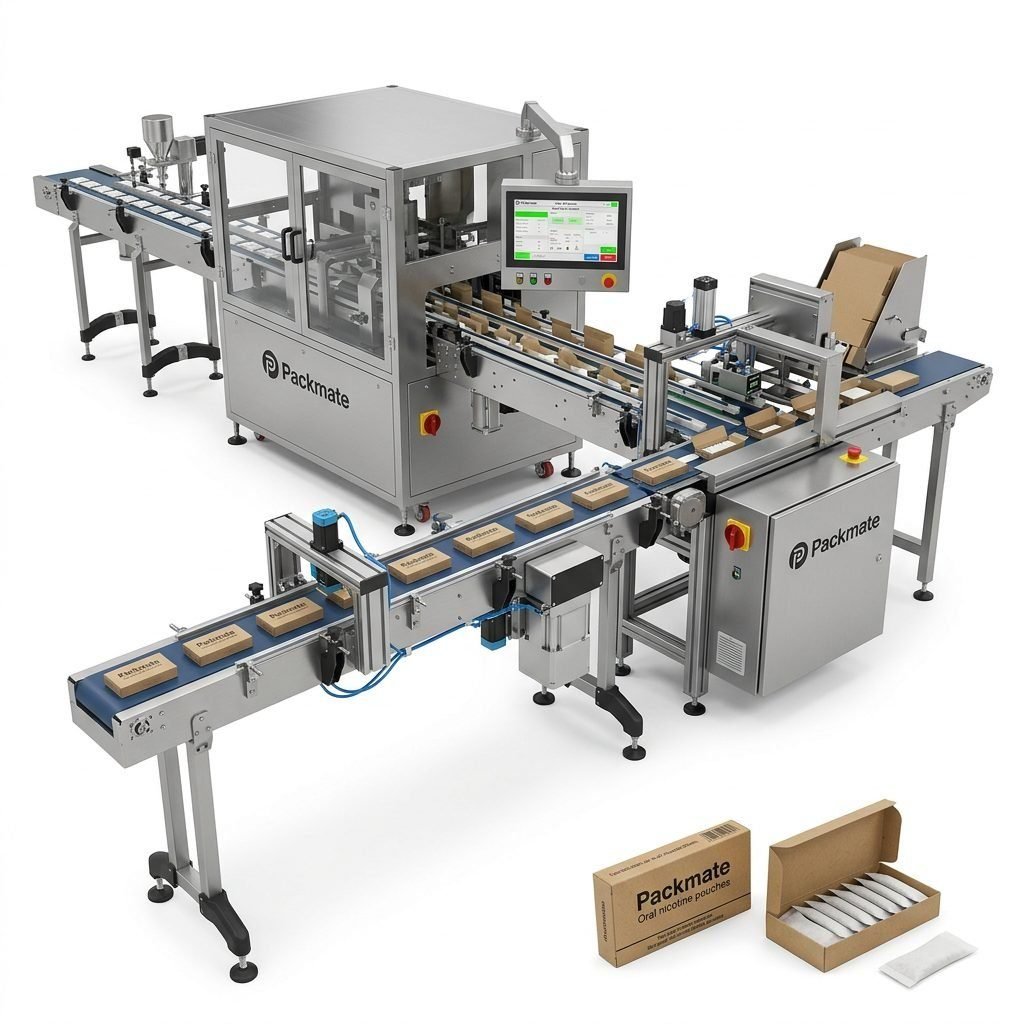
Many manufacturers, including those with deep engineering experience, offer full turnkey solutions: integration of mixers, feeders, weighers, pouch formers, sealing, vision inspection, and secondary packaging. If you need a complete, ready-to-run line, ask about:
- Integration responsibilities and single-point accountability
- Factory acceptance testing (FAT) and on-site acceptance testing (SAT)
- Customization for unique pouch shapes, labeling or serialization
To view turnkey examples and case references, check manufacturer Case studies like those on the Case page.
Supplier Selection Checklist
Use this checklist when evaluating potential vendors:
- Track record in snus / nicotine pouch packaging (years and installed base)
- Factory capability (CNC, assembly lines, QA) and customization experience
- Certifications (CE, ISO) and compliance documentation
- Warranty terms and local service options
- FAT/SAT procedures and sample trials before shipment
- Transparent spare parts pricing and local stocking options
📌 Tip: Visit trade shows or request live demos to watch machines running real products. Many manufacturers exhibit internationally — see upcoming events on their Exhibition page.
Installation, Training & Ramp-up
A successful installation includes commissioning, operator training, and a structured ramp-up to full production. Confirm that the supplier provides:
- On-site installation and commissioning engineers
- Operator and maintenance training programs
- Documentation, spare parts kits, and preventive maintenance plans
- Start-up support and first-production acceptance tests
Real-World Example: Multi-Lane Snus Line
Imagine a compact multi-lane line producing 8 lanes of small-dose nicotine pouches integrated with a weighing system. Key benefits include:
- High throughput with consistent dosing across lanes
- Reduced labor due to automation and in-line packaging
- Consistent sealing quality and minimal film waste
- Traceability via batch codes and recipe-controlled parameters
If you are evaluating specific machine families, explore product lines such as Weighing & Packaging Systems and Filling & Packaging Lines to compare solutions.
Final Selection Roadmap
Follow these steps to make a structured decision:
- Define product specs: pouch type, dose range, materials, and finishing.
- Estimate required capacity and future growth.
- Shortlist vendors with proven snus/nicotine experience.
- Request FAT with your product samples and validate dosing and seal quality.
- Review TCO and service offerings before signing the purchase agreement.
✅ Decision highlight: A practical FAT with your actual pouch material and formulation is the single most important step to avoid surprises at commissioning.
Why choose an experienced manufacturer?
Vendors with decades of engineering experience can provide tested designs, faster spare parts supply, and reliable after-sales service. For instance, companies that evolved over decades and operate large factory footprints offer better scalability and customization — learn more about a proven supplier on their About and Contact Us pages.
Conclusion
Selecting the right snus packing machine requires a balance of production needs, dosing precision, regulatory compliance, and long-term support. Prioritize machines that offer verified dosing accuracy, modular spare parts, strong supplier support, and the ability to scale. A well-chosen system will lower waste, improve product consistency, and accelerate your time-to-market.
Frequently Asked Questions
Q1: What is the typical lead time for a customized multi-lane snus packing line?
A1: Lead times vary by customization level and factory workload; a standard lead time for tailored multi-lane lines is often 12–20 weeks including FAT, but it can be shorter for off-the-shelf configurations.
Q2: How do I ensure dosing accuracy for micro-dose nicotine pouches?
A2: Use precision weighers or volumetric feeders with feedback control and regular calibration. Integrating in-line check-weighers and vision systems helps detect deviations quickly and reduces waste.
Q3: What after-sales support should I require from the manufacturer?
A3: Require on-site commissioning, operator training, spare parts kits, remote diagnostics, and a clear warranty. Check the supplier’s presence in your region or their ability to provide timely field service.
Q4: Can I start with a lower-speed line and upgrade later?
A4: Many vendors design modular machines that allow capacity upgrades (adding lanes, faster drives, or advanced dosing modules). Discuss future upgrade paths during the procurement phase to ensure compatibility.
Q5: How important is FAT and what should it include?
A5: FAT is crucial — it should include full machine run with your materials, verification of dosing accuracy, sealing quality checks, HMI tests, and a demonstration of changeover procedures. A comprehensive FAT reduces commissioning risks.