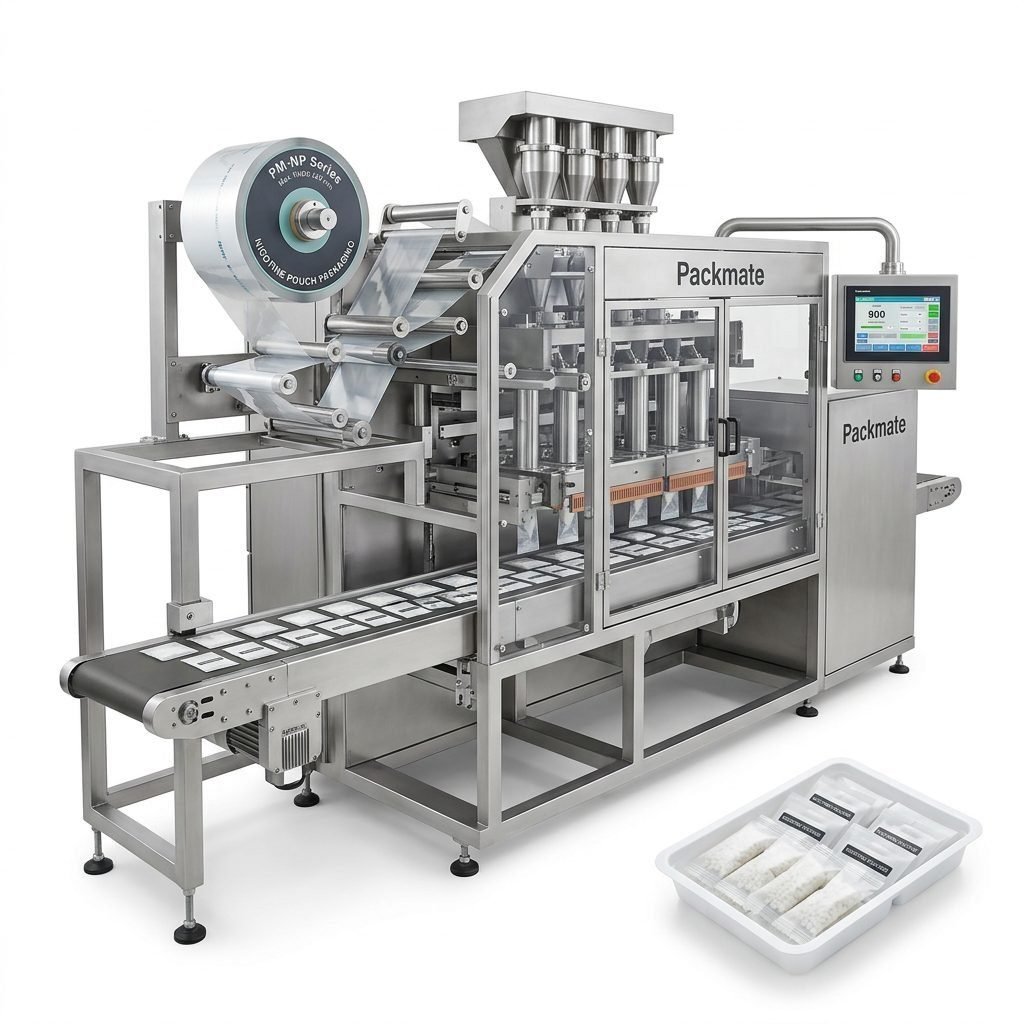
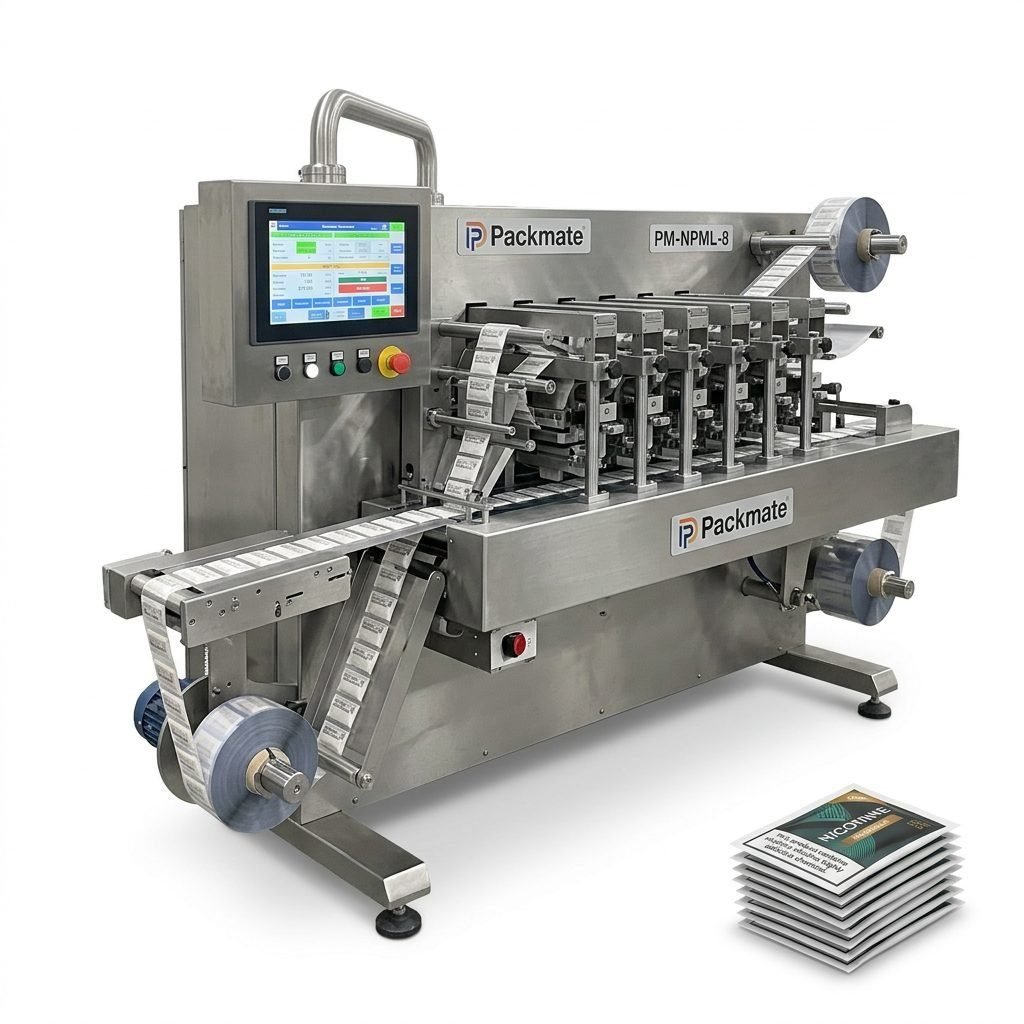
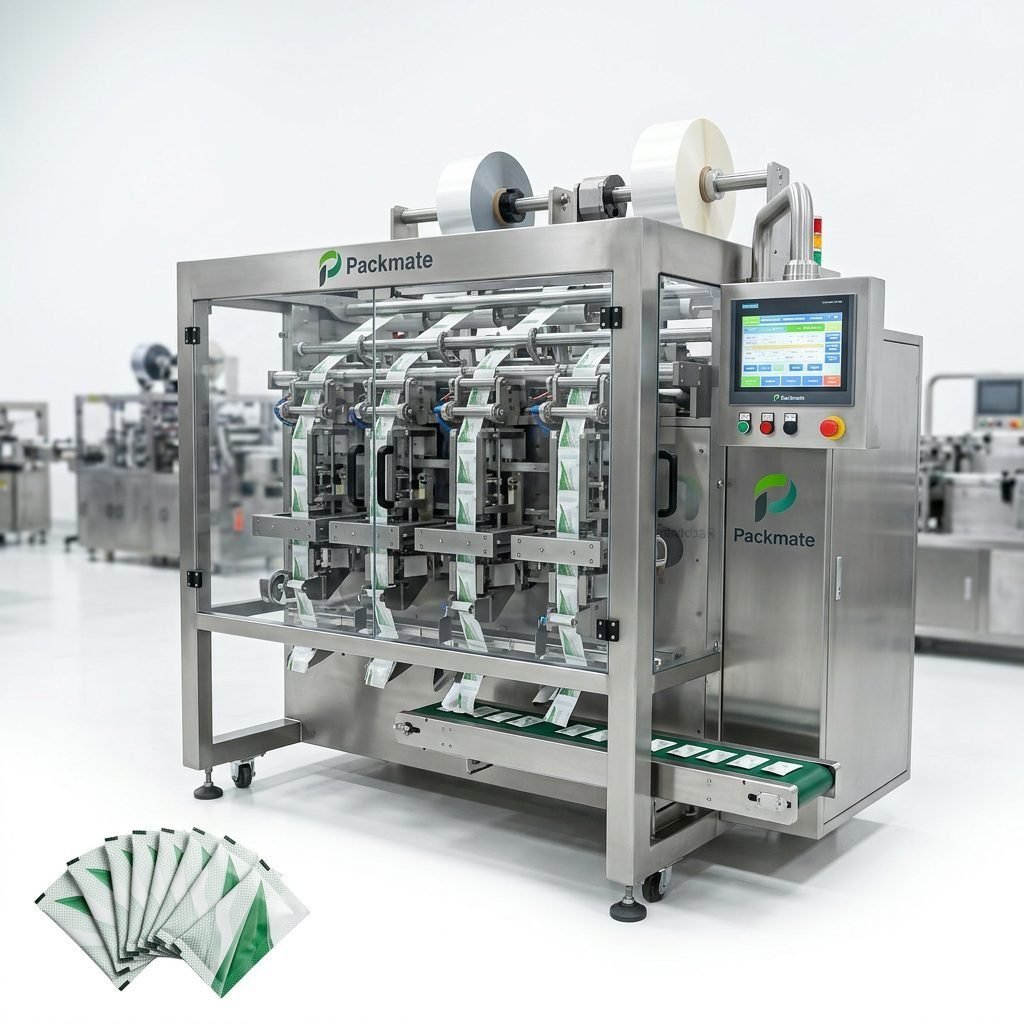
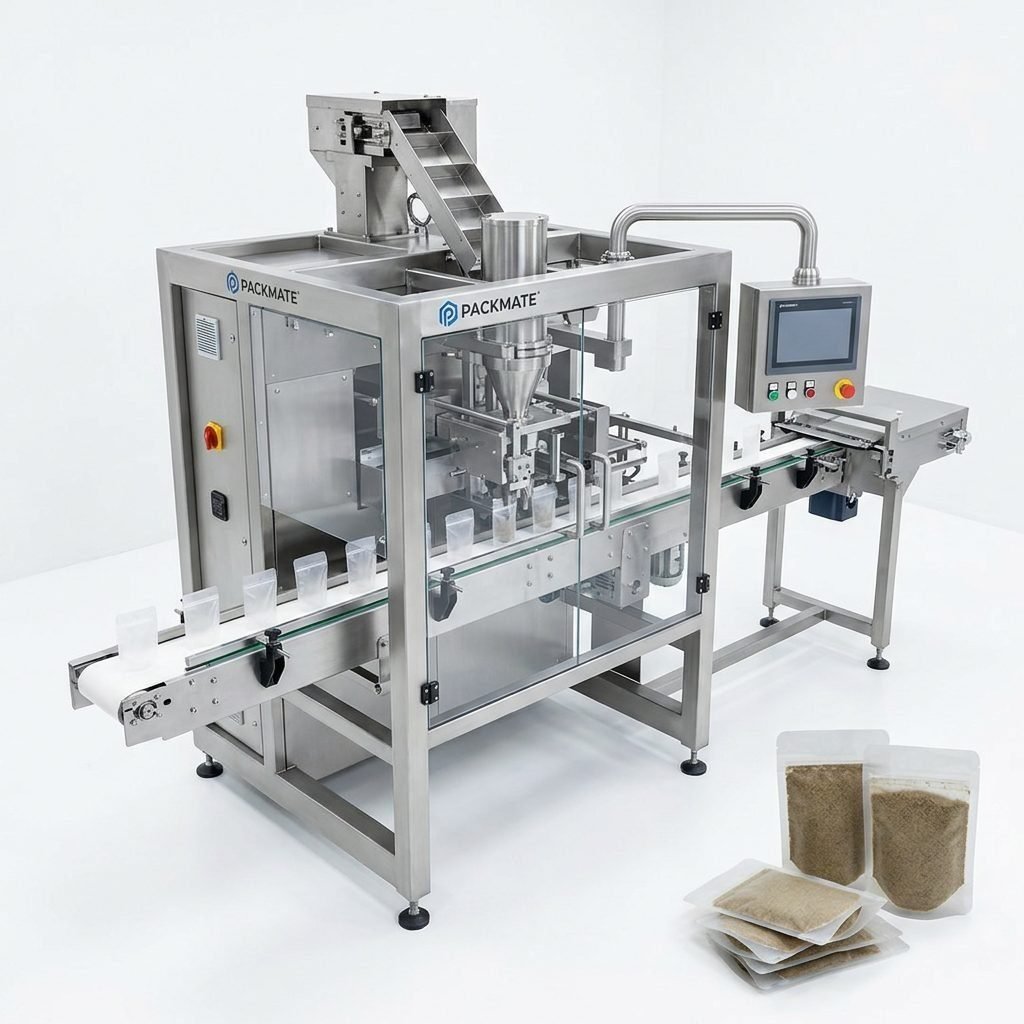
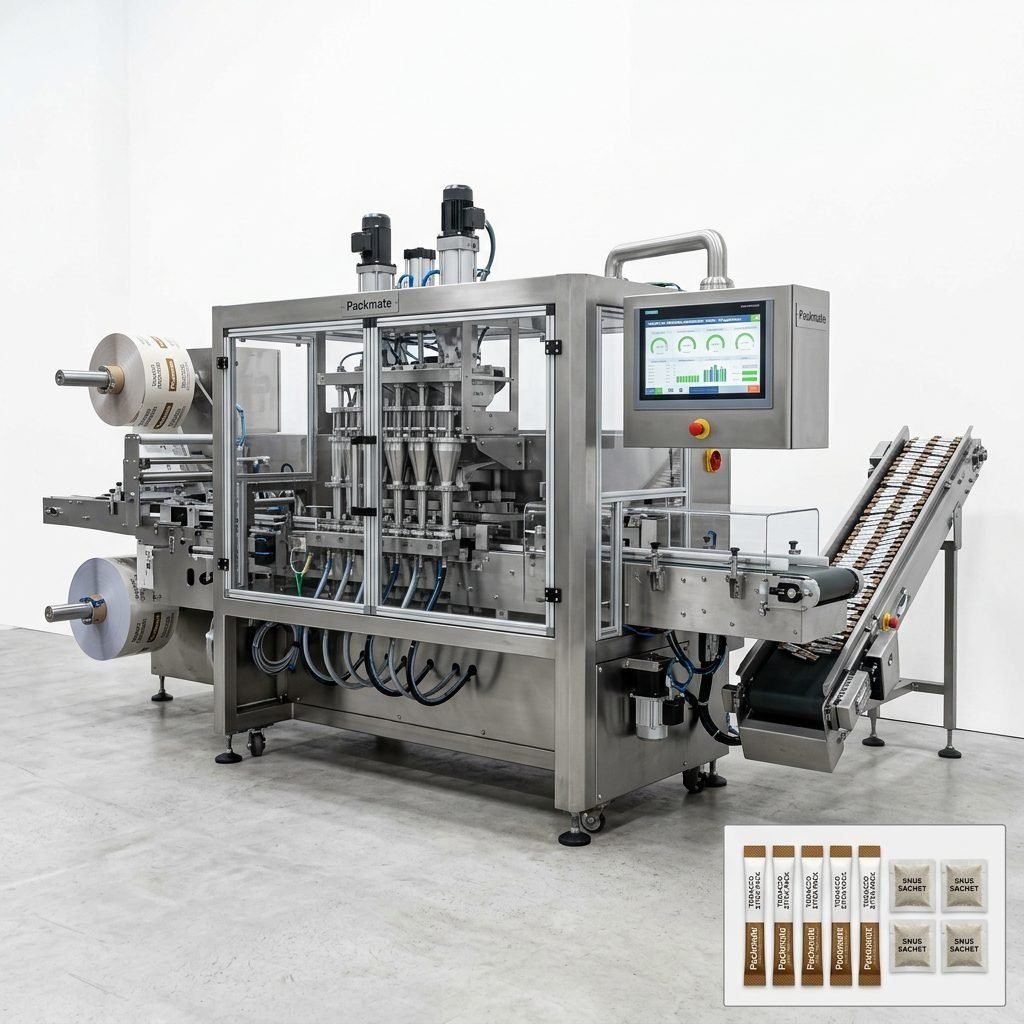
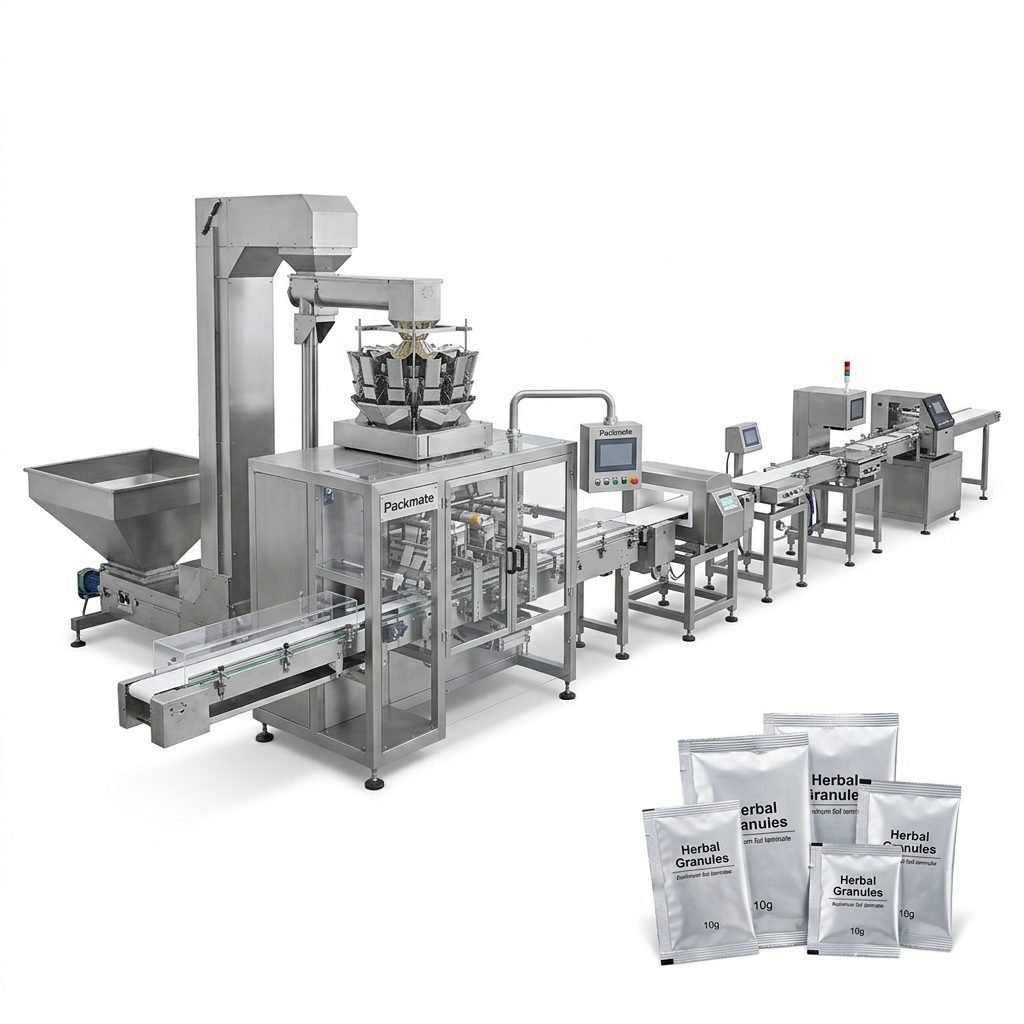
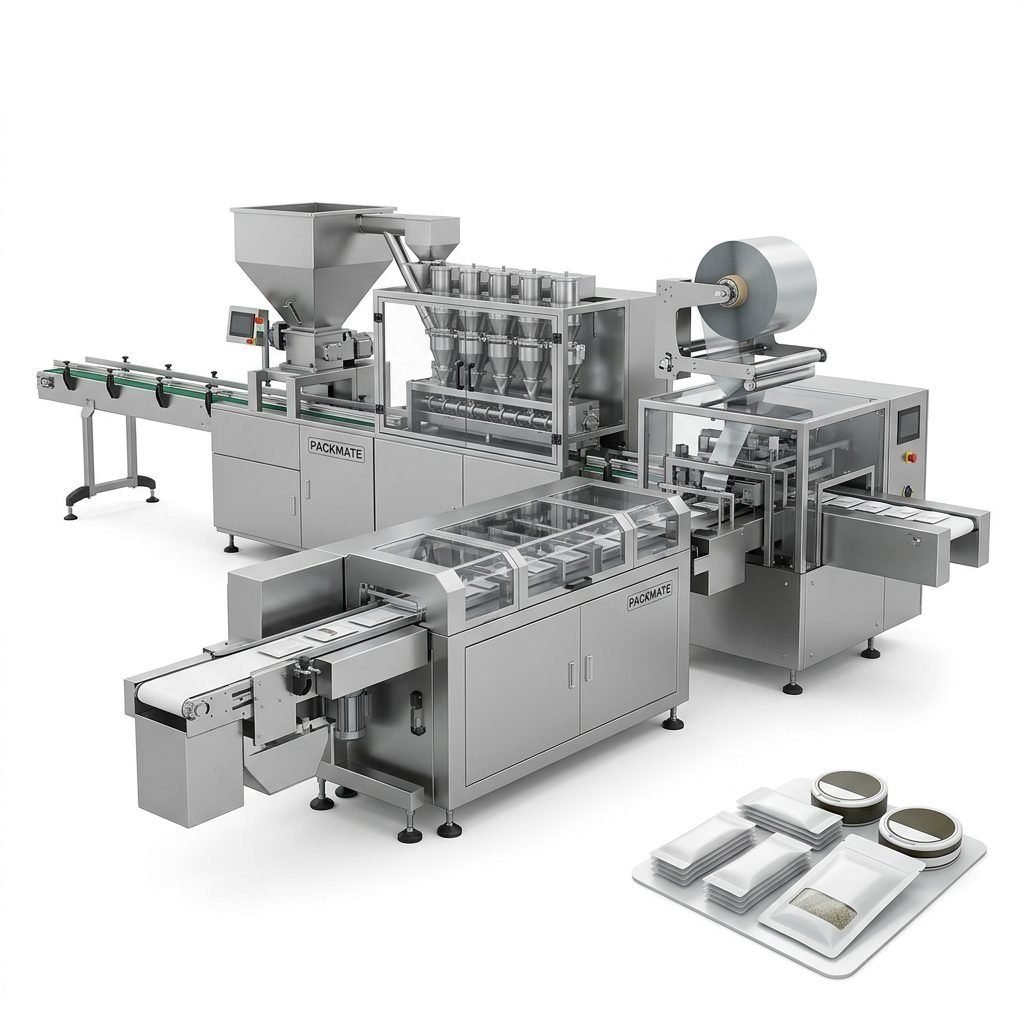
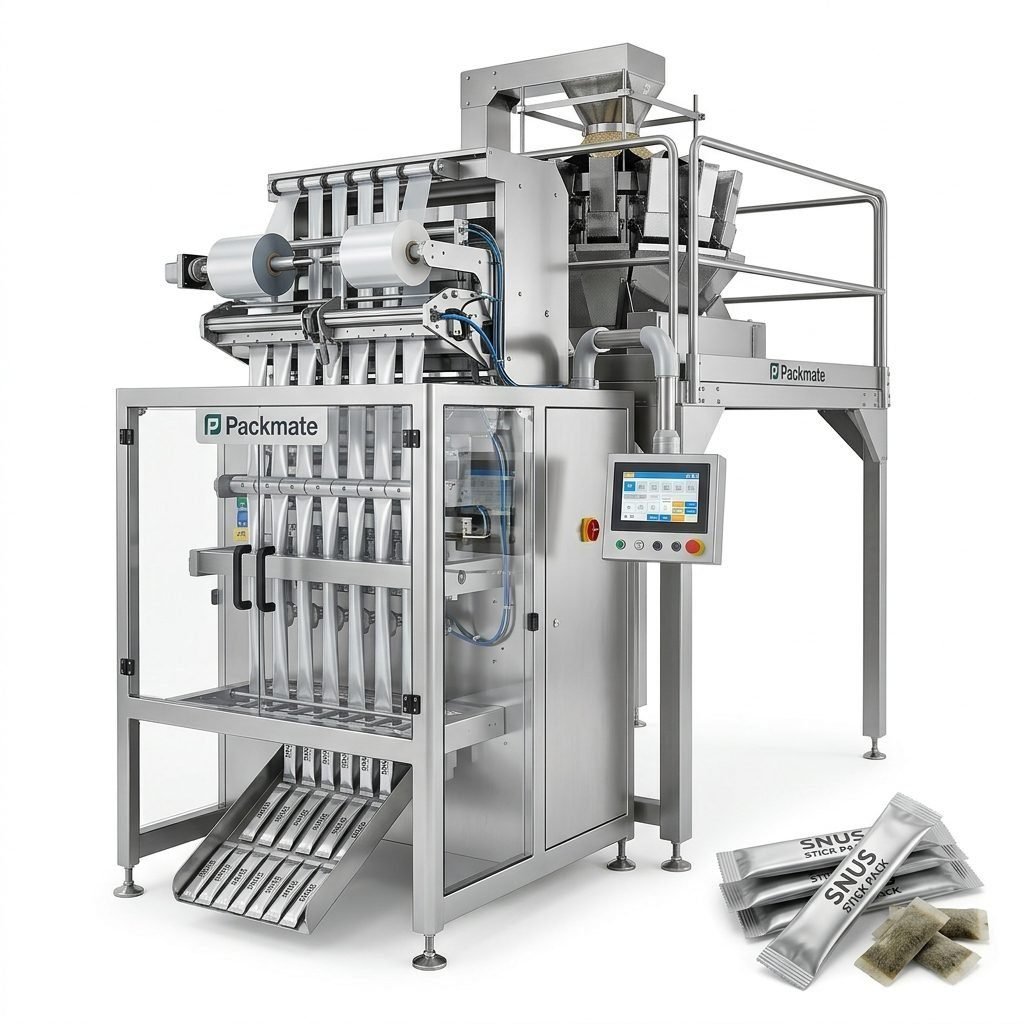
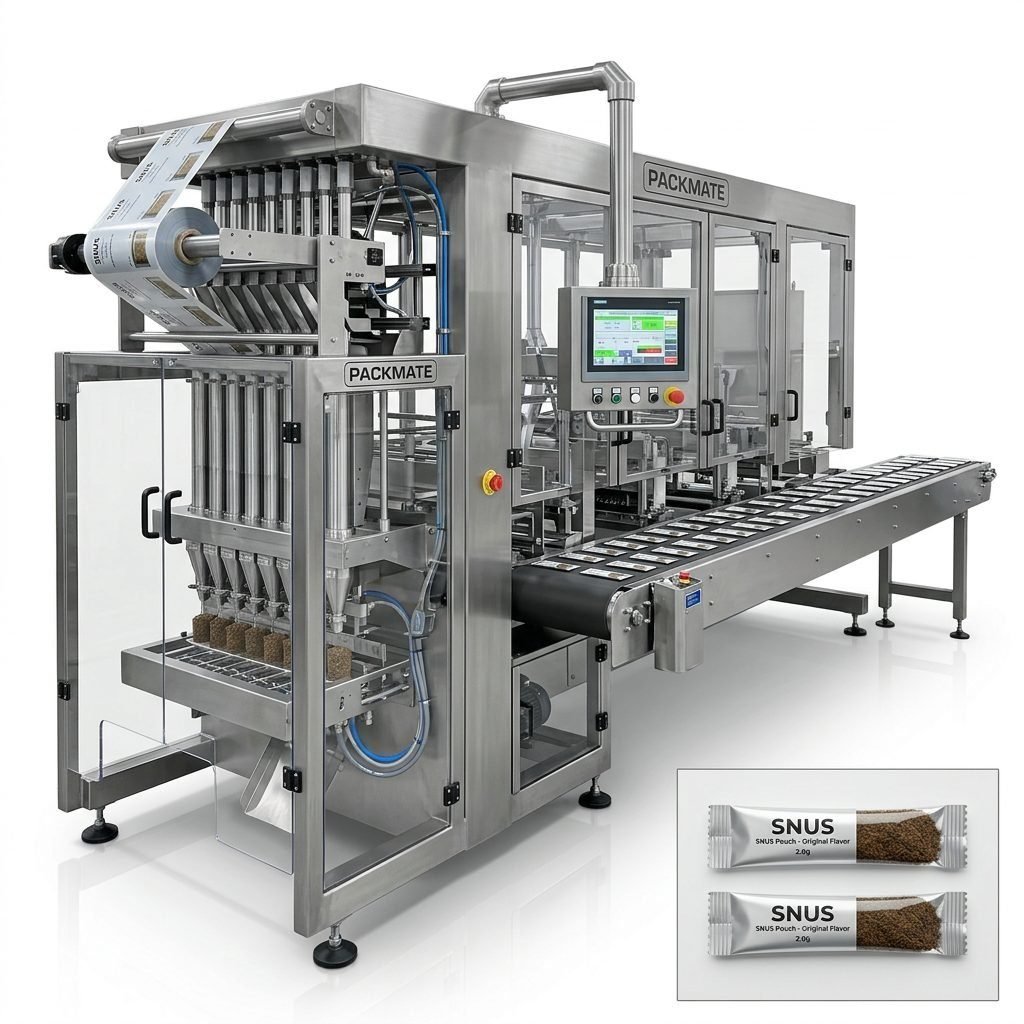
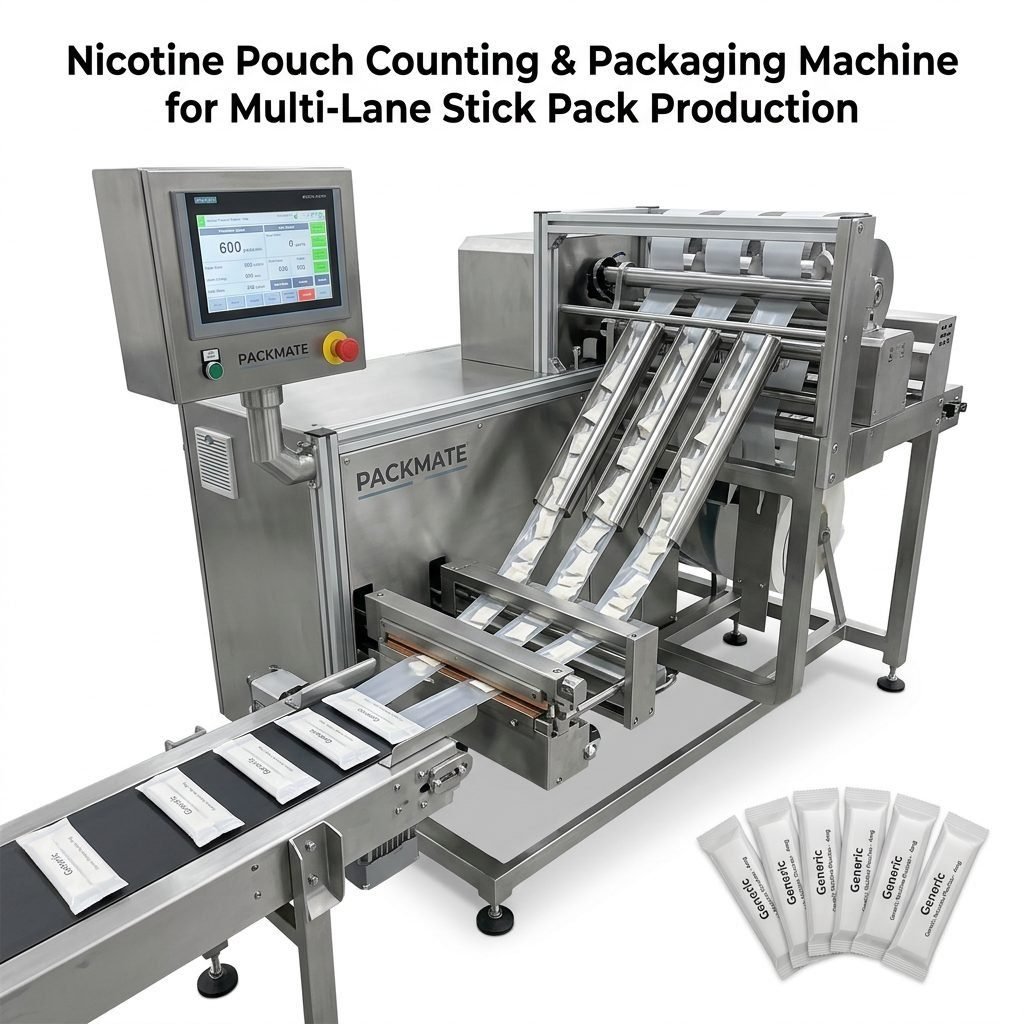
Producing high-quality nicotine pouches at pharmaceutical grade begins with the right equipment and a clear understanding of regulatory, operational, and product requirements. This guide walks packaging managers, production engineers, and procurement teams through choosing the Best Pharmaceutical Grade Snus Machine for consistent, compliant, and cost-efficient nicotine pouch production.
Why “Pharmaceutical Grade” Matters for Snus & Nicotine Pouches
The term pharmaceutical grade refers to equipment and processes that meet higher standards of hygiene, precision, and repeatability than typical food-grade lines. For nicotine pouches, these factors are crucial because they impact dosage accuracy, product purity, shelf life, and regulatory acceptance in strict markets. Investing in pharmaceutical standard machinery reduces recalls, minimizes contamination risks, and increases trust with retailers and regulators.
✔️ Key benefits:
Improved dose control, reduced cross-contamination, easier validation, and simpler cleaning & maintenance workflows.
Core Features to Look For in a Pharmaceutical Grade Snus Machine
Not all packaging machines are equal. When evaluating models, prioritize features that support pharmaceutical-level operation:
Precision Dosing & Multi-Lane Accuracy
Accurate micro-dosing systems and synchronized multi-lane controls are essential for consistent pouch weights and nicotine content. Machines with servo-driven dosing, inline weighing, and real-time feedback control deliver the best results.
Hygienic Design & Cleanability
Look for stainless steel contact parts, tool-less disassembly, and open frames that allow easy access for cleaning and inspection. Smooth surfaces and drain-friendly layouts minimize residue retention.
Electronic Control & Validation Support
Modern PLC/HMI interfaces, batch logging, and data exportable for validation help meet GMP expectations. Recipe management and audit trails are highly recommended.
🔧 Tip: Ask for on-site demonstration videos and machine performance records under your specific product parameters.
Typical Production Line Components
A complete nicotine pouch line integrates multiple modular machines. Understanding each module helps you specify the right system configuration.
1. Feeding & Mixing Systems
Accurate dry ingredient feeders and mixers prepare the pouch blend. For micro-dose products, precision in mixing ensures homogeneity and consistent nicotine distribution.
2. Dosing, Filling & Weighing
Inline weighing and servo dosing minimize variance. Consider lines with integrated weighing modules from suppliers of weighing & packaging systems to ensure tight tolerances.
For more details see Weighing & Packaging Systems.
3. Pouch Forming & Sealing
Stick, sachet, or multi-lane snus machines should support stable film handling, precise cutting, and hermetic sealing. If you plan multi-format production, choose flexible pouch forming modules.
Explore Snus & Nicotine Packaging Machines for model options.
4. Secondary Packaging & Cartoning
Automated cartoners, case packers, and overwrapping equipment complete the line, maintaining sterile handling and traceability. Integration with labeling and serialization supports distribution channel requirements.
Selecting the Right Machine Model: Practical Criteria
Choose machines based on your product, target output, and expansion plans. Use the following checklist during supplier evaluation.
Buying Checklist (short):
• Required hourly output and lanes
• Dose accuracy and allowable tolerance
• Clean-in-place (CIP) or quick-change parts
• Validation & data export features
• Spare parts availability & local service
Regulatory Compliance, Certifications & Documentation
For pharmaceutical-standard production you’ll need machines that support validation and comply with international standards. Packmate Snus Machine’s equipment typically meets CE and ISO standards and comes with documentation to ease validation efforts. Ask vendors for IQ/OQ/PQ protocols, material certificates, and maintenance logs as part of the purchase package.
See their certificates here: Certificate.
Manufacturer Capabilities: Why Factory Strength Matters
Buying from a manufacturer with deep engineering experience and robust production facilities reduces risk. Packmate’s 20,000㎡ factory, advanced CNC machining centers, and decades of R&D example help ensure machines are reliable, serviceable, and upgradeable. When evaluating suppliers, confirm:
- Production capacity and quality control systems
- Range of models and customization capability
- Global references and case studies (ask for client references)
- After-sales service and spare parts logistics
Learn more about the company profile and history at About Packmate and review real-world installations in their Case page.
Installation, Training & Global Service Network
A machine is only as good as the support behind it. Full-service suppliers will provide FAT/SAT, commissioning, staff training, and remote support. Confirm training scope, spare parts kits, and guaranteed response times for service calls. For service inquiries, see Service and contact details at Contact Us.
⚠️ Operational note: Plan operator cross-training and preventive maintenance schedules before production starts to avoid early downtime.
Maintenance Best Practices for Long-Term Stability
Routine maintenance keeps tolerance and hygiene intact. Focus on:
- Scheduled lubrication & wear-part inspection
- Verification of dose accuracy with control samples
- Cleaning logs, swab tests, and visual inspections
- Firmware & software updates following supplier guidance
Common Mistakes to Avoid
Many production teams underestimate integration complexity and validation effort. Avoid these pitfalls:
- Buying based only on price instead of total cost of ownership
- Neglecting spare parts and local service planning
- Under-specifying control systems for multi-lane synchronization
- Skipping FAT (Factory Acceptance Tests) with your actual product
Cost Considerations & Return on Investment
Capital cost is only one part of the financial picture. Evaluate:
- Yield and scrap rates tied to dosing precision
- Labor savings from automation and reduced rework
- Downtime costs and supplier service SLAs
- Energy and consumable usage over machine lifecycle
Making the Final Selection: Questions to Ask Suppliers
Before signing a purchase order, get written answers on:
- Guaranteed accuracy/tolerance for your product formulation
- Full list of included documentation (IQ/OQ/PQ, drawings)
- Lead time for spare parts and local support availability
- Detailed FAT criteria using your sample material
📦 Pro procurement tip: Bundle spare parts and an extended service contract to lower long-term risk.
Why Choose an Experienced Manufacturer
Experience translates into refined engineering, quicker troubleshooting, and better documentation. Manufacturers like Packmate with 30+ years in packaging machine R&D and a broad product portfolio (including sachet & stick pack machines and auxiliary equipment) can supply turnkey lines and scale solutions from pilot to full production. See relevant models at Sachet & Stick Pack Machines and broader packaging categories at Bag & Pouch Packaging Machines.
Conclusion
Choosing the best pharmaceutical grade snus machine is a strategic decision that affects product quality, compliance, and commercial success. Focus on dosing accuracy, hygienic design, electronic controls, and manufacturer support. Prioritize suppliers who provide comprehensive documentation, proven field performance, and responsive after-sales service to ensure your nicotine pouch line delivers safe, consistent, and profitable production.
Frequently Asked Questions
Q: What certifications should a pharmaceutical grade snus machine have?
A: Ideally CE and ISO compliance, plus detailed IQ/OQ/PQ documentation to support GMP-style validation.
Q: How important is multi-lane capability for small-dose nicotine pouches?
A: Very important — multi-lane systems increase throughput while maintaining consistent dosing when properly synchronized and validated.
Q: Can I get a turnkey line from a single supplier?
A: Yes. Established manufacturers offer turnkey solutions that include filling, dosing, pouch forming, cartoning, and auxiliary equipment to simplify integration.
Q: What ongoing costs should I plan for beyond the machine purchase?
A: Spare parts, preventive maintenance, consumables (films, sealing materials), calibration, and periodic validation activities are common ongoing costs.
Q: How do I verify supplier claims about accuracy and output?
A: Require FAT with your actual product, review factory test reports, and request references or site visits to installed lines.