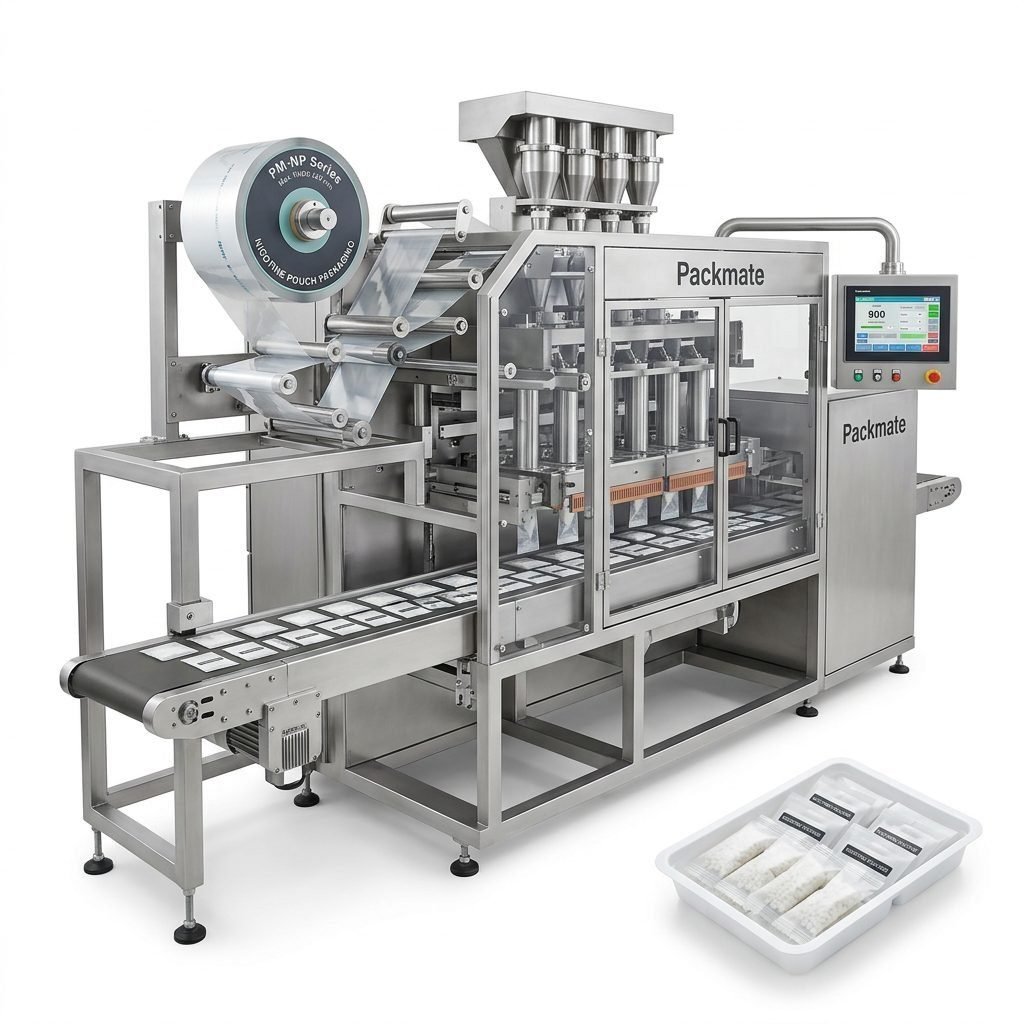
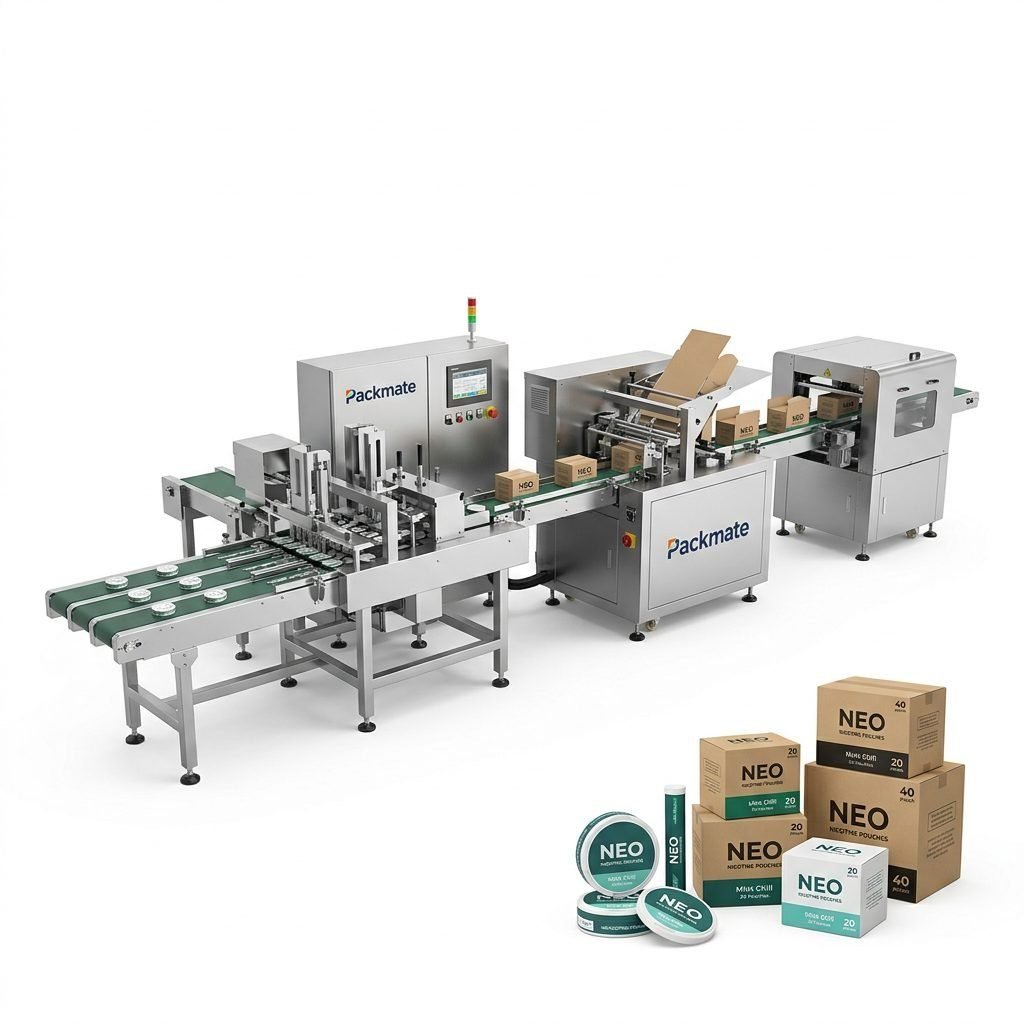
Choosing the right snus machine exporter can determine the success of your nicotine pouch or snus packaging project. Whether you’re launching a new product, scaling production, or replacing outdated equipment, selecting a manufacturer with proven engineering, reliable service, and export experience is essential. This guide walks you through practical selection criteria, vendor evaluation steps, and negotiation tips so you can confidently pick a partner who delivers both machines and long-term support.
Understand Your Product and Production Goals
Before contacting exporters, clarify what you need from a snus packing line. Are you producing traditional snus cans, modern nicotine pouches, or stick/sachet formats? Do you require multi-lane high-speed systems for small-dose pouches or single-lane flexible machines for R&D and niche batches? Identifying product form, target daily output, packaging materials, and quality requirements will narrow suppliers and help obtain accurate quotes.
Key product questions to answer:
• Desired throughput (pouches per minute or packs per hour).
• Pouch sizes, weight range, and tolerance.
• Packaging material types (foil-laminates, paper, biodegradable films).
• Required downstream functions (printing, coding, cartoning, case packing).
Types of Snus and Nicotine Packaging Machines
There are several machine types commonly used in the industry. Understanding each helps you match the exporter’s capabilities to your needs.
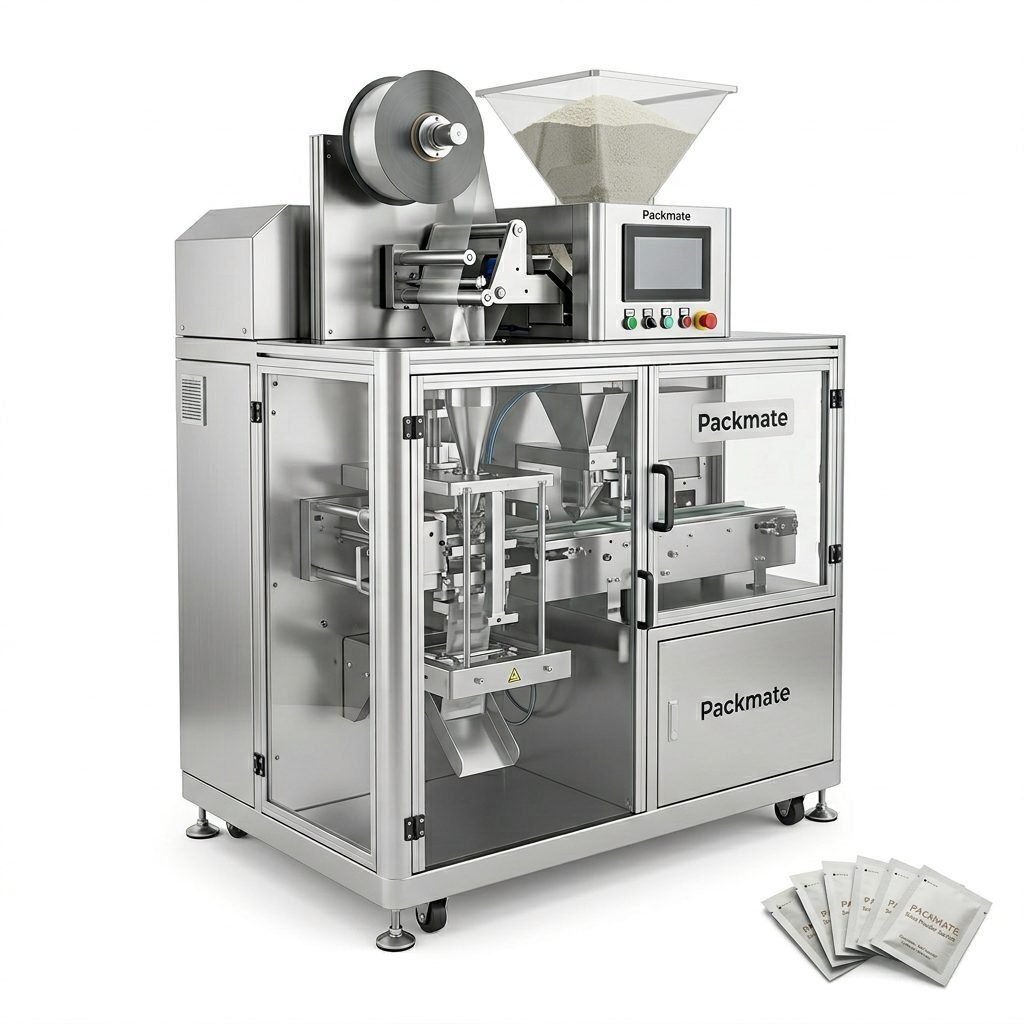
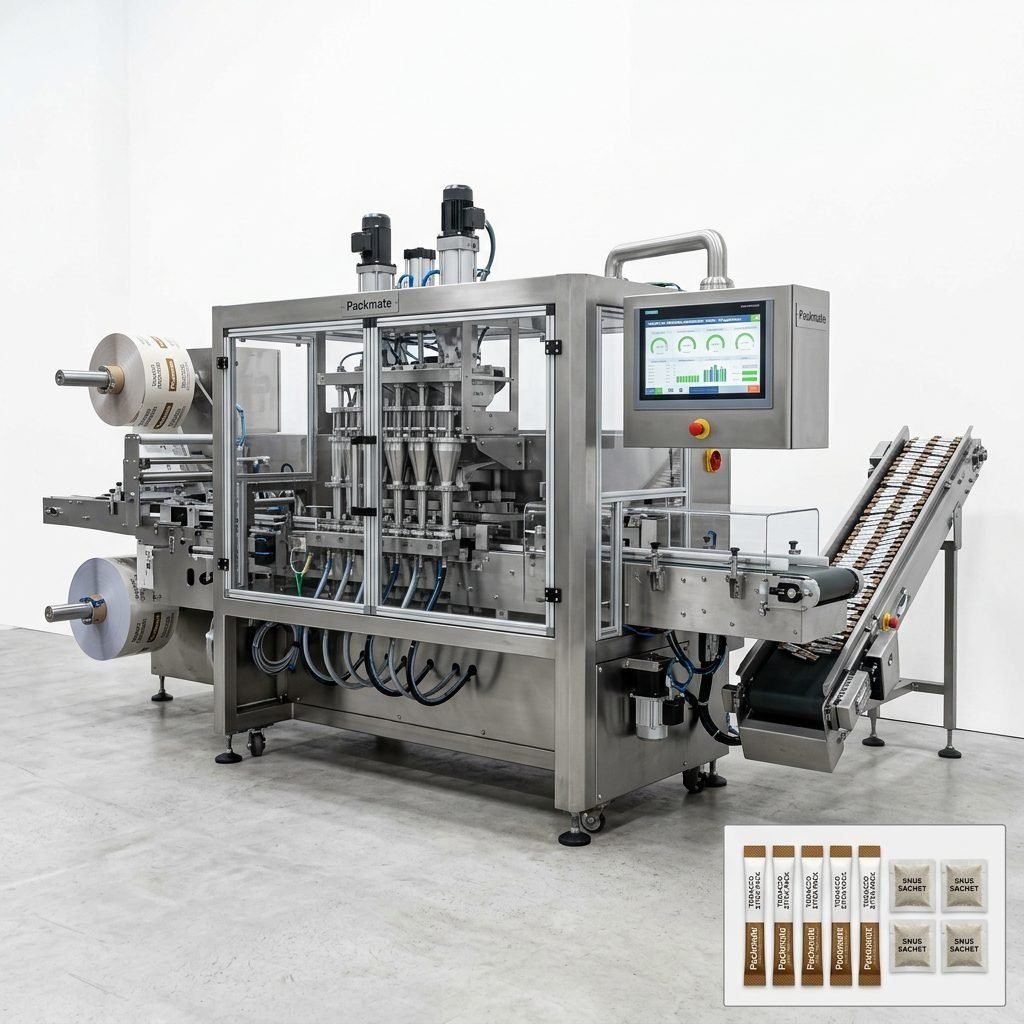
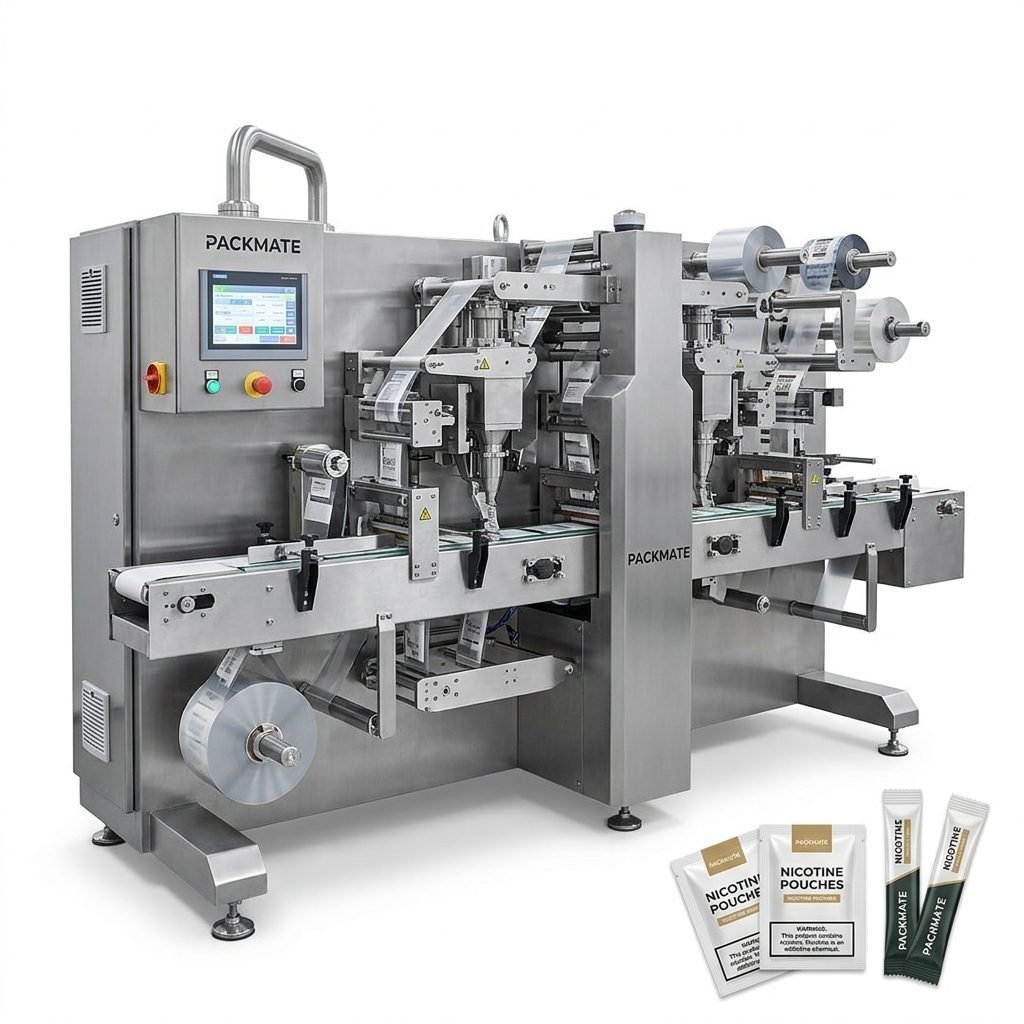
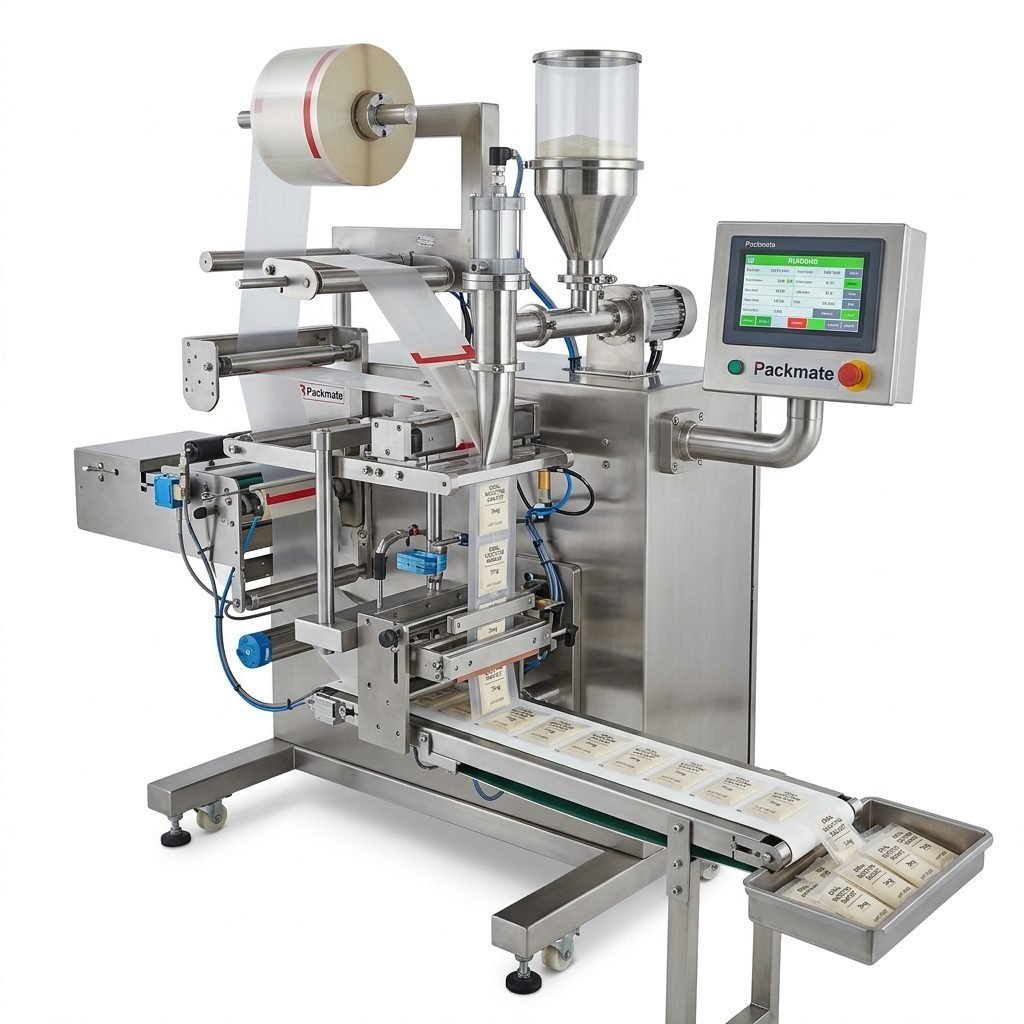
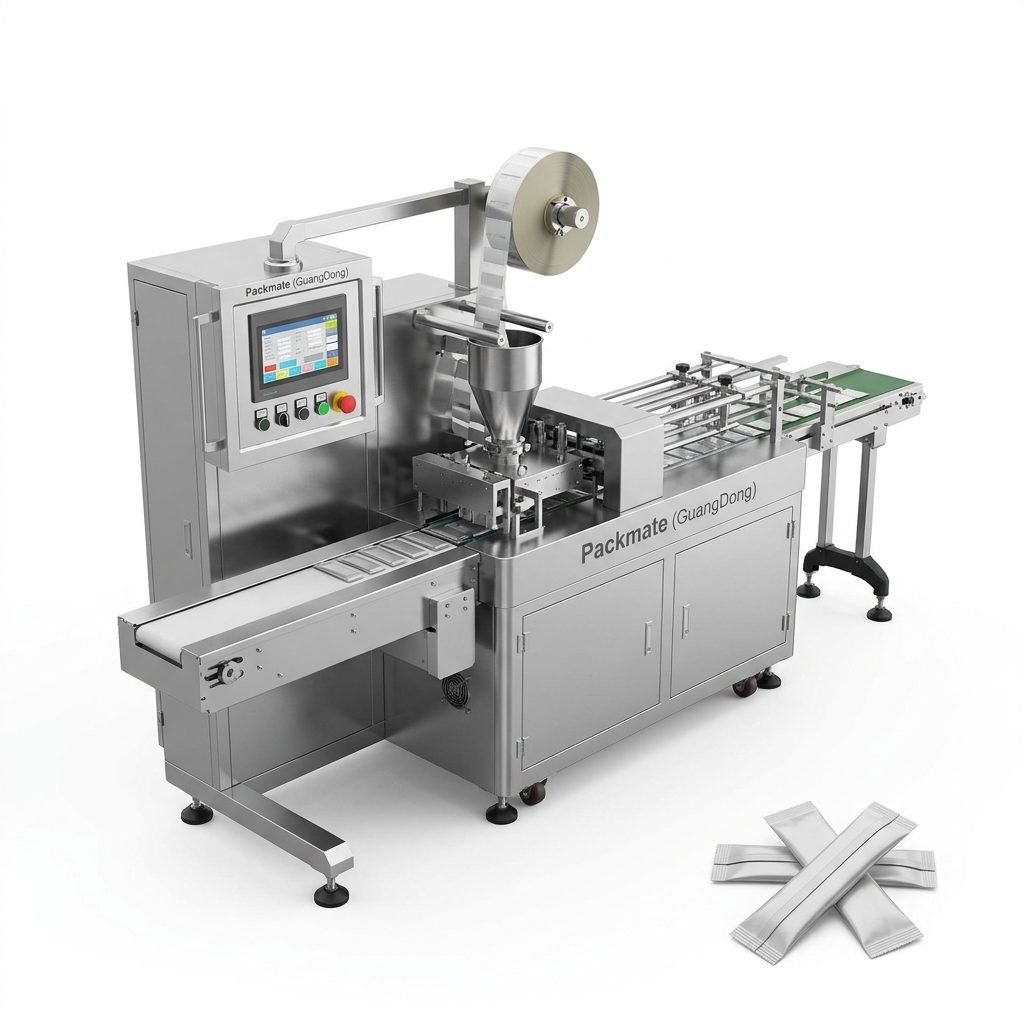
✓ Stick pack and sachet machines — ideal for single-portion nicotine pouches and sachet formats.
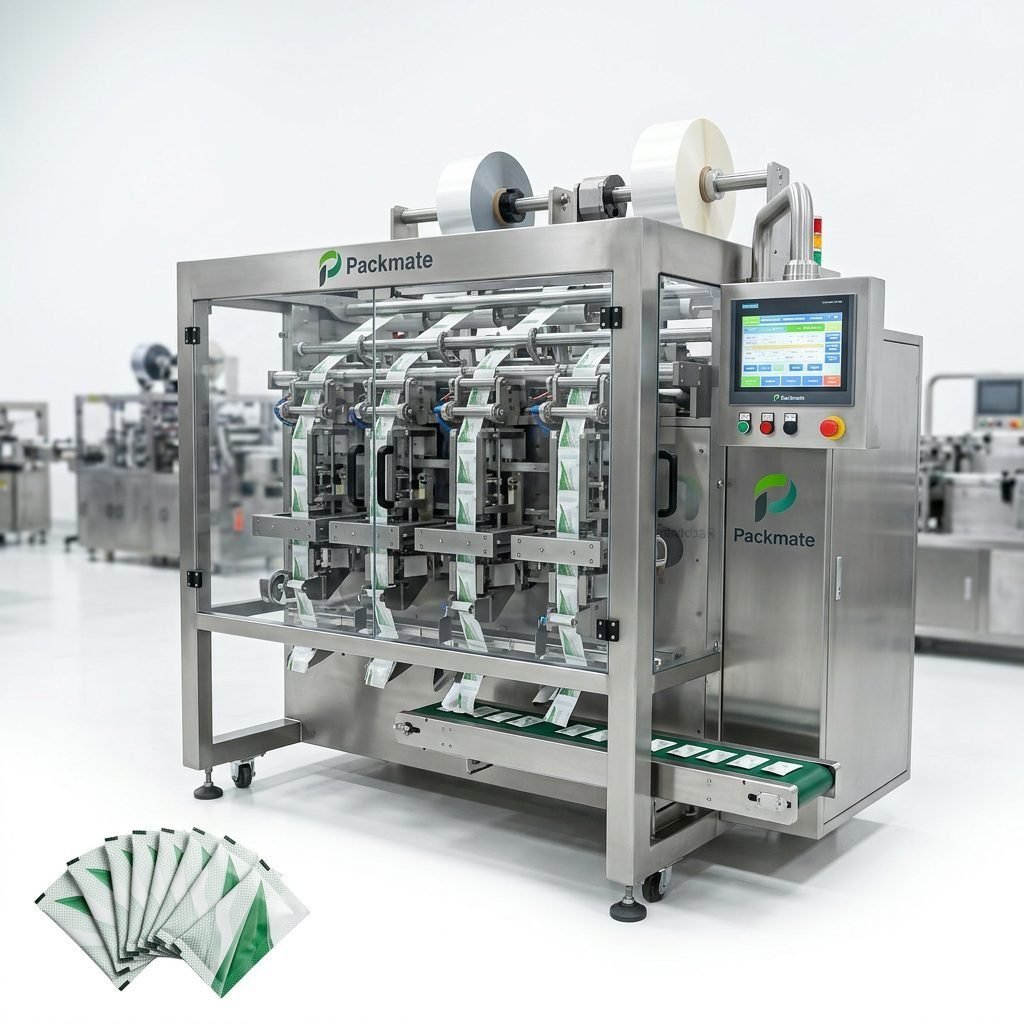
✓ Multi-lane pouch machines — increase output for small-dose pouches by running multiple lanes simultaneously.
✓ Weighing & filling systems — precise dosing for powders, granules, and tobacco alternatives.
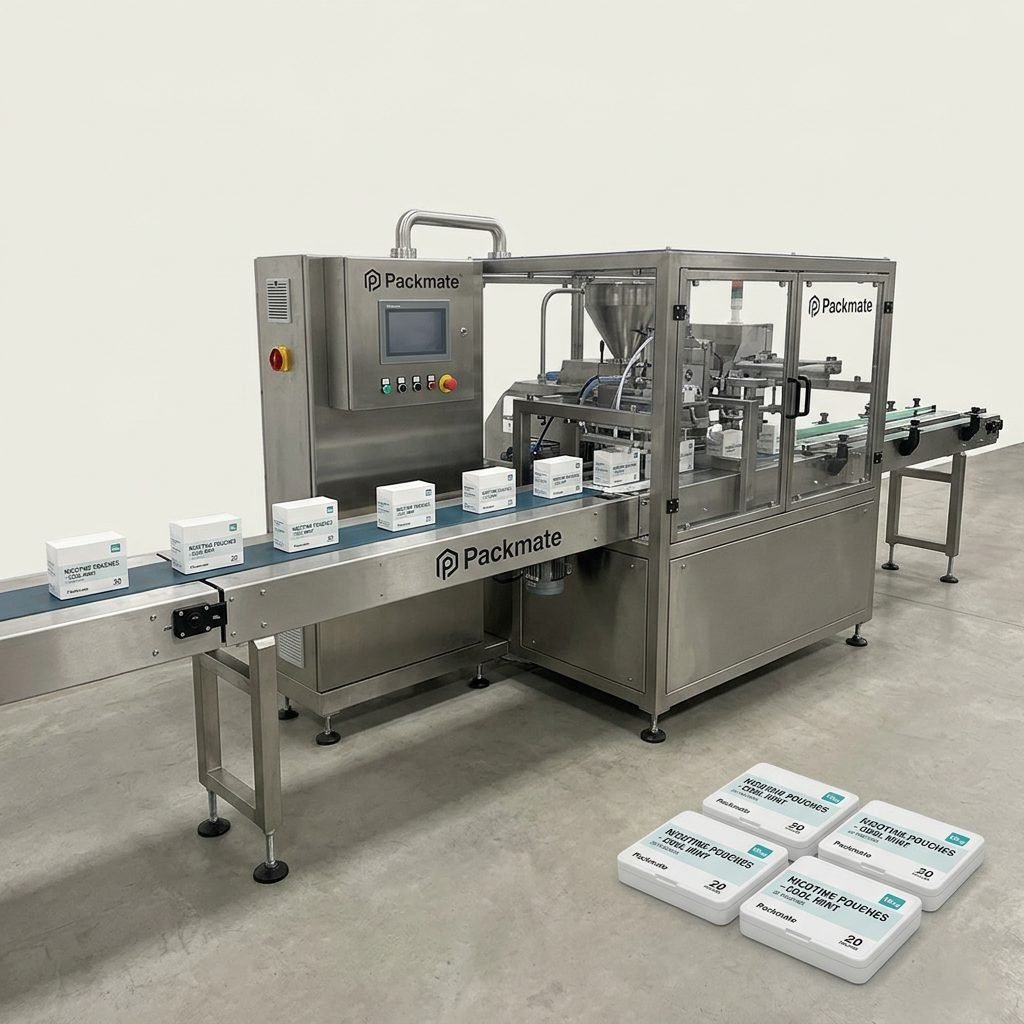
✓ Auxiliary equipment — feeders, sealing systems, rotary packers, and inspection stations.
What to Look For in a Reliable Exporter
Choosing an exporter means evaluating not just the machine but the manufacturer’s global delivery capability, compliance with international standards, and after-sales service network. Below are the most important selection criteria.
1. Engineering experience and product portfolio
Seek exporters with decades of engineering background and a diversified product lineup. A manufacturer with 20+ years of experience and dozens of machine models is more likely to handle bespoke requirements and provide mature solutions for snus and nicotine pouch packaging.
2. Factory capability and quality control
A large, well-equipped factory with CNC machining centers, precision assembly lines, and strict testing protocols reduces the risk of defects and ensures machine stability. Look for clear descriptions of production area, available models, and an organized quality control process.
3. Certifications and compliance
CE and ISO certifications indicate adherence to recognized safety and quality standards. If your market has specific regulatory requirements, confirm the exporter’s experience delivering compliant machines and documentation.
4. Customization and turnkey solutions
Many businesses need machines tailored to their product or integrated into a full production line. Evaluate whether the exporter offers end-to-end solutions, including weighing, filling, sealing, inspection, and packaging line integration.
Tip: Suppliers who present real case studies or factory tour videos are usually more transparent. Check published cases and exhibition participation to validate capability.
Evaluating Technical Performance and Total Cost of Ownership
Price alone is misleading. Assess technical performance and long-term costs to avoid expensive surprises.
Performance metrics to request
• Actual tested throughput under typical product conditions.
• Changeover time for different pouch sizes.
• Accuracy of dosing and weight variation figures.
• Mean time between failures (MTBF) and recommended maintenance schedule.
Calculate the total cost
Include purchase price, spare parts, training, shipping & import duties, installation, and expected downtime costs. A slightly higher upfront investment in a more reliable machine often pays off in higher uptime and lower maintenance spend.
After-Sales Support: The Silent Value Driver
After-sales service may be the most important factor when selecting an exporter, especially for specialized machinery like snus packing lines. Confirm response times, spare parts availability, remote diagnostic capabilities, and technician training programs.
Important: Ensure the exporter provides clear service-level agreements (SLAs). Ask how quickly they can ship critical spare parts and whether they maintain regional stock.
Factory Visits, Machine Trials, and Sample Runs
Whenever possible, visit the manufacturer’s factory or request live video demonstrations. A reputable exporter will welcome sample runs using your product or a validated simulation. These trials demonstrate actual machine performance and allow you to evaluate build quality and control systems firsthand.
Export Experience, Logistics, and Documentation
Exporting heavy machinery requires careful handling of packing, shipping, customs clearance, and documentation. Prefer exporters with proven global delivery records, familiarity with freight-forwarding, and the ability to provide complete export documentation (packing lists, certificates of origin, CE declarations, and installation manuals).
References, Exhibitions, and Case Studies
Check customer testimonials and case studies to gauge real-world performance. Suppliers that attend international exhibitions and demo their machines live are typically more engaged in global markets and easier to verify.
For reference, learn more about Packmate’s public portfolio and exhibitions to validate their global presence and product range: About Packmate, Our Exhibition, and product pages such as Snus & Nicotine Packaging Machines.
Negotiation Checklist and Purchase Terms
Prepare a contract that specifies delivery timelines, acceptance criteria, warranty coverage, performance guarantees, training scope, and penalties for missed milestones. Clarify payment terms and make final payments contingent on successful factory acceptance tests (FAT) and on-site commissioning.
FAT Checklist
• Machine runs with customer product at quoted speed.
• Dosing accuracy recorded and within tolerance.
• All safety interlocks and PLC controls demonstrated.
• Spare parts kit and documentation verified.
Common Red Flags When Vetting Exporters
Watch for unrealistic performance claims, lack of factory photos or tour access, vague warranty terms, or no traceable customer references. Slow or evasive communication during pre-sales often predicts poor post-sales service.
Why Choose an Experienced Manufacturer like Packmate
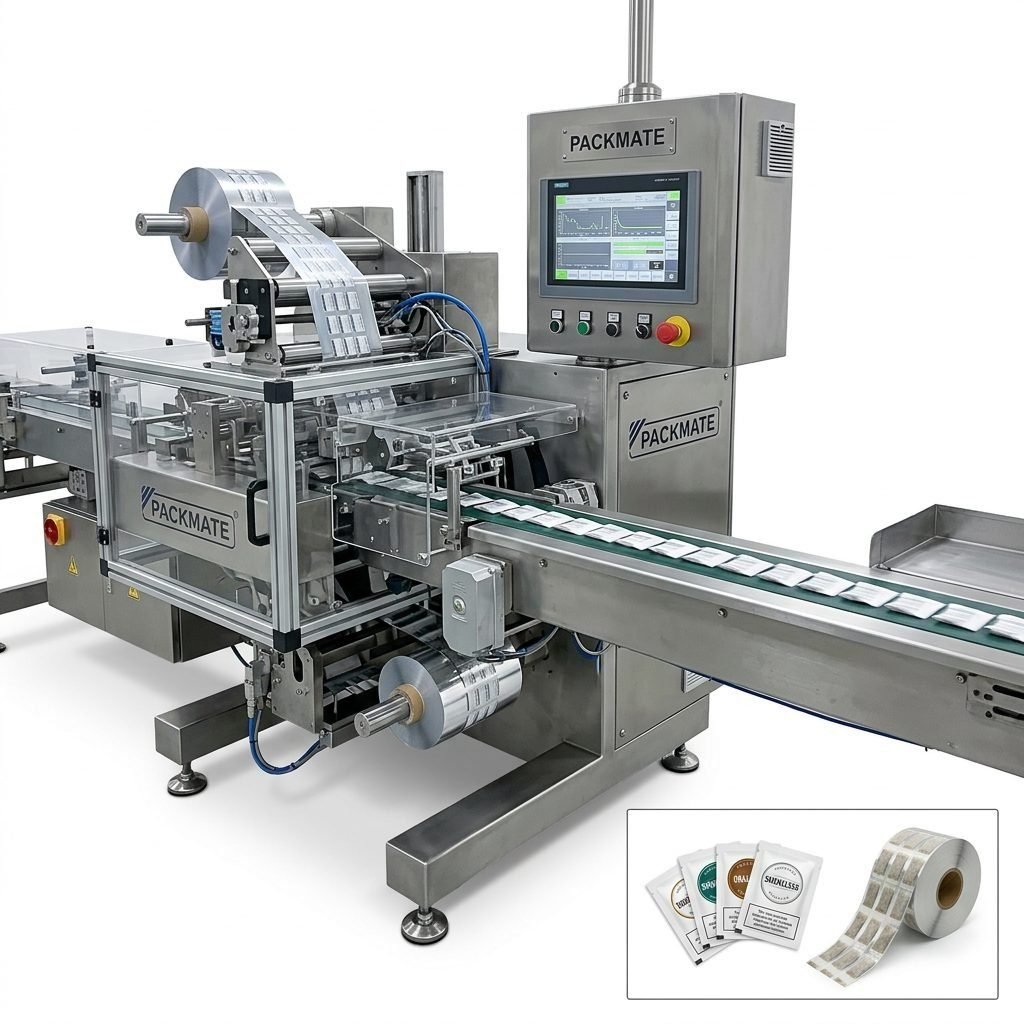
Manufacturers with deep industry experience bring refined technical solutions and established supply chains. For example, Packmate Snus Machine combines 30+ years of packaging engineering, a 20,000㎡ factory, and 50+ machine models to support a wide range of snus/nicotine pouch applications. Their turnkey approach can speed up project timelines and minimize integration risks.
Explore Packmate’s range of solutions including Sachet & Stick Pack Machines, Weighing & Packaging Systems, and full Filling & Packaging Lines to match complex production needs.
Practical Steps to Select Your Exporter — A 7-Point Action Plan
1. Prepare a detailed tech spec and anticipated annual volume.
2. Shortlist vendors with relevant product experience and export records.
3. Request datasheets, FAT videos, and customer references.
4. Visit factories or request live remote demos.
5. Compare total cost of ownership and SLA terms.
6. Negotiate FAT acceptance criteria and warranty clauses.
7. Plan spares inventory and training for maintenance staff.
Post-Purchase: Installation, Training, and Continuous Improvement
Successful machine deployment requires structured commissioning, operator training, and ongoing maintenance planning. Agree on a timeline for on-site support and remote diagnostic tools. Consider an annual review with the manufacturer to identify process improvements and downtime reduction opportunities.
Quick Priority List (First 90 Days)
▶️ Complete installation and run-in tests.
▶️ Train 2–3 operators and one maintenance technician.
▶️ Validate spare parts consumption and reorder critical spares.
▶️ Schedule preventative maintenance and review machine logs monthly.
Final Thoughts
Selecting the best snus machine exporter is a strategic decision that affects product quality, operational efficiency, and regulatory compliance. By focusing on engineering experience, factory capability, certifications, proven export experience, and robust after-sales service, you reduce risk and accelerate time-to-market. Use factory trials, clear contractual terms, and a thoughtful spare parts strategy to ensure a smooth launch and long-term uptime.
Need more info or want to see real cases?
Browse manufacturer materials and case studies to validate claims: Case Studies, and if you are ready to get a tailored quote or schedule a factory demo, use the Contact Us page to connect directly.
Frequently Asked Questions (FAQs)
Q1: How long does it take to receive and commission a snus packaging line?
A: Typical lead times vary by customization level and production queue. Standard machines often ship within 8–14 weeks, while turnkey lines with custom integration may take 4–6 months including FAT and shipping. Commissioning on-site usually takes 1–2 weeks depending on complexity.
Q2: What warranty and spare parts support should I expect?
A: Reputable exporters provide at least a 12-month warranty on major components, along with a recommended spare parts list. Confirm availability of critical spares and the supplier’s ability to ship internationally under expedited terms.
Q3: Can the supplier run trials with our product before purchase?
A: The best suppliers welcome product trials and will run FATs or live demos with your materials. Request documented trial results that reflect your target output and packaging film to ensure compatibility.
Q4: How do I verify an exporter’s credibility?
A: Verify factory details, ask for customer references in your region, review exhibition participation, request inspection videos, and check certifications. Visiting the factory or arranging a live virtual tour is highly recommended.
Q5: Where can I find technical catalogs and spare parts lists?
A: Most reputable suppliers publish product catalogs and spare parts information online. For detailed documentation and a tailored spare parts package, request the supplier’s catalog or service brochure — for example, see the Catalog and Service pages.