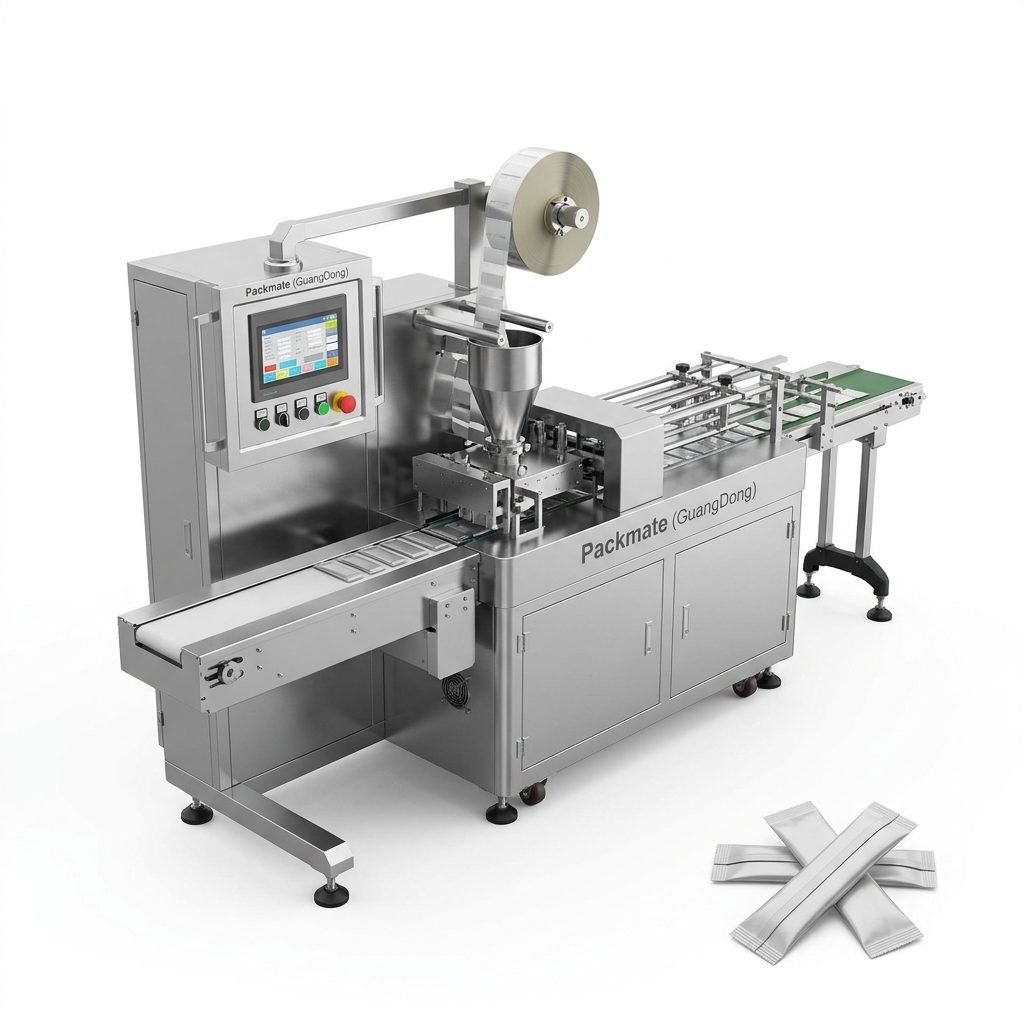
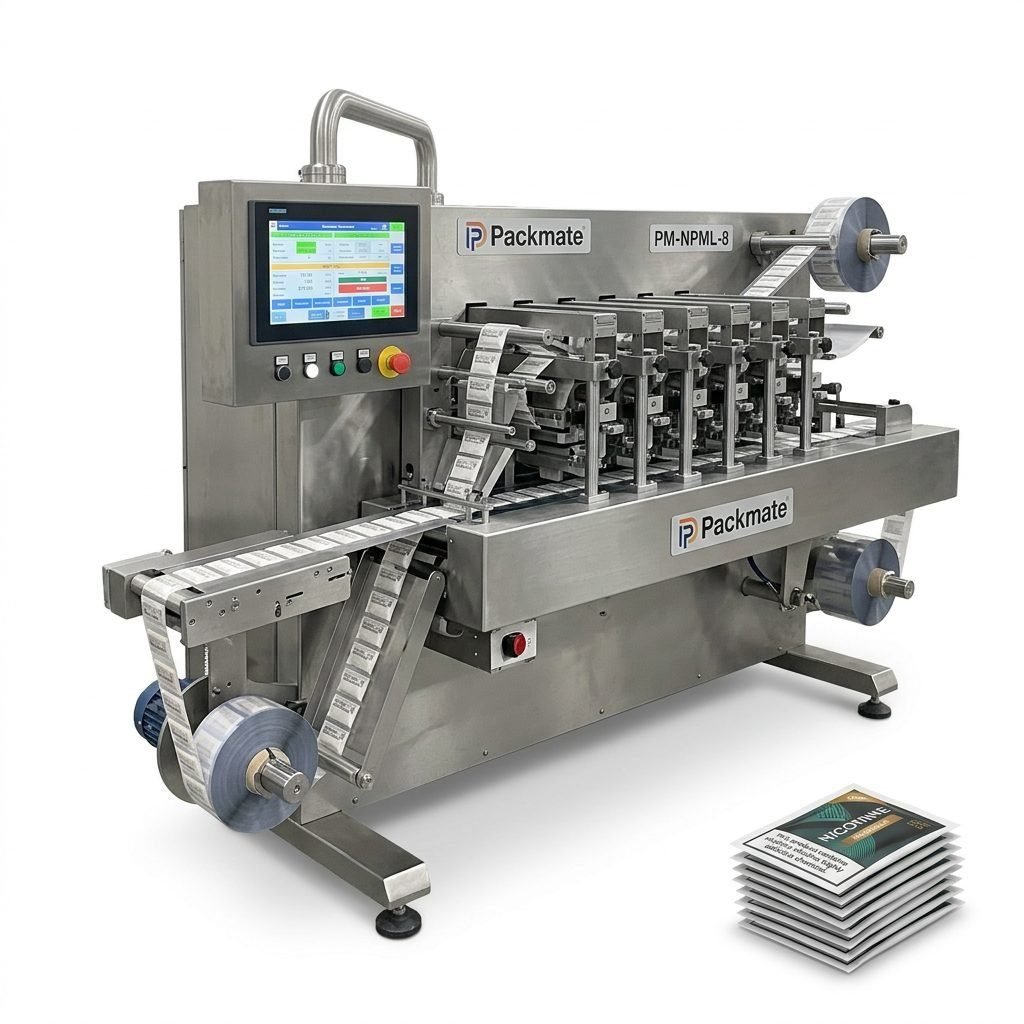
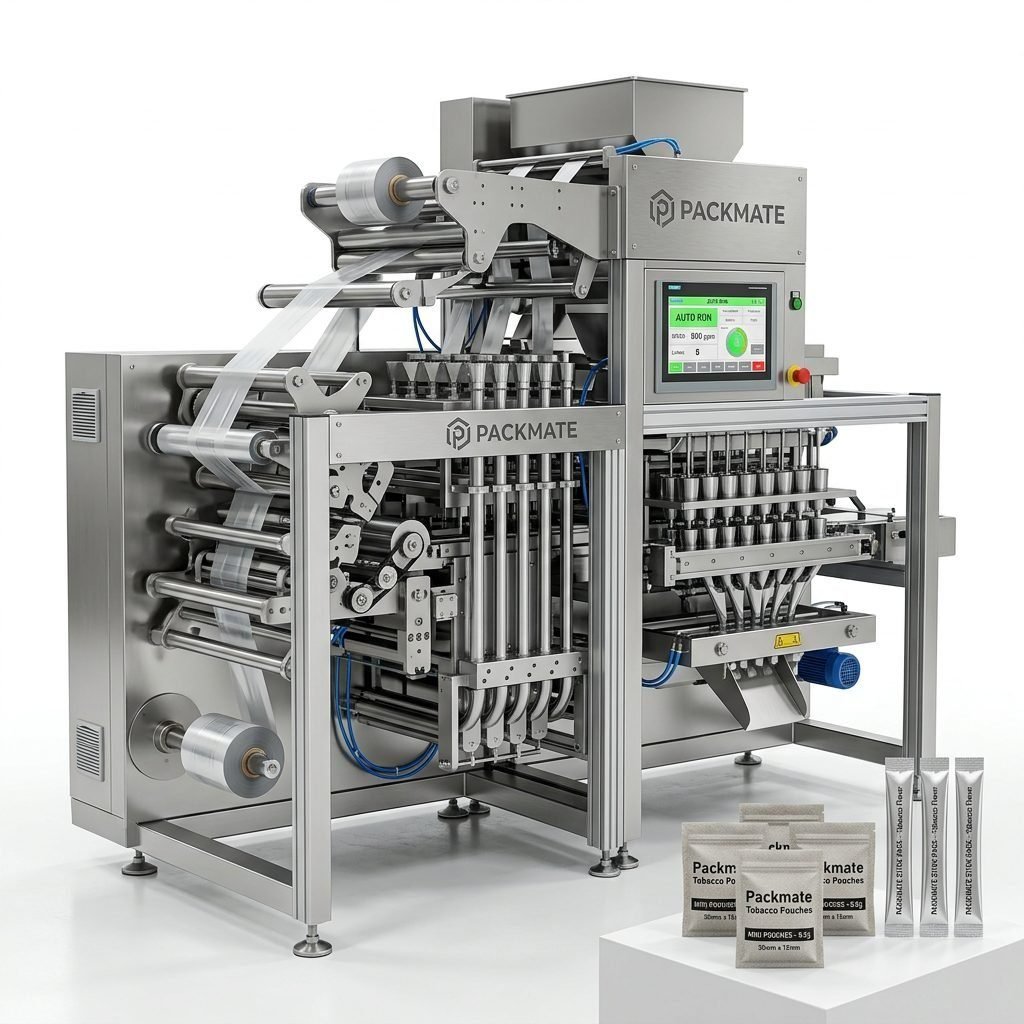
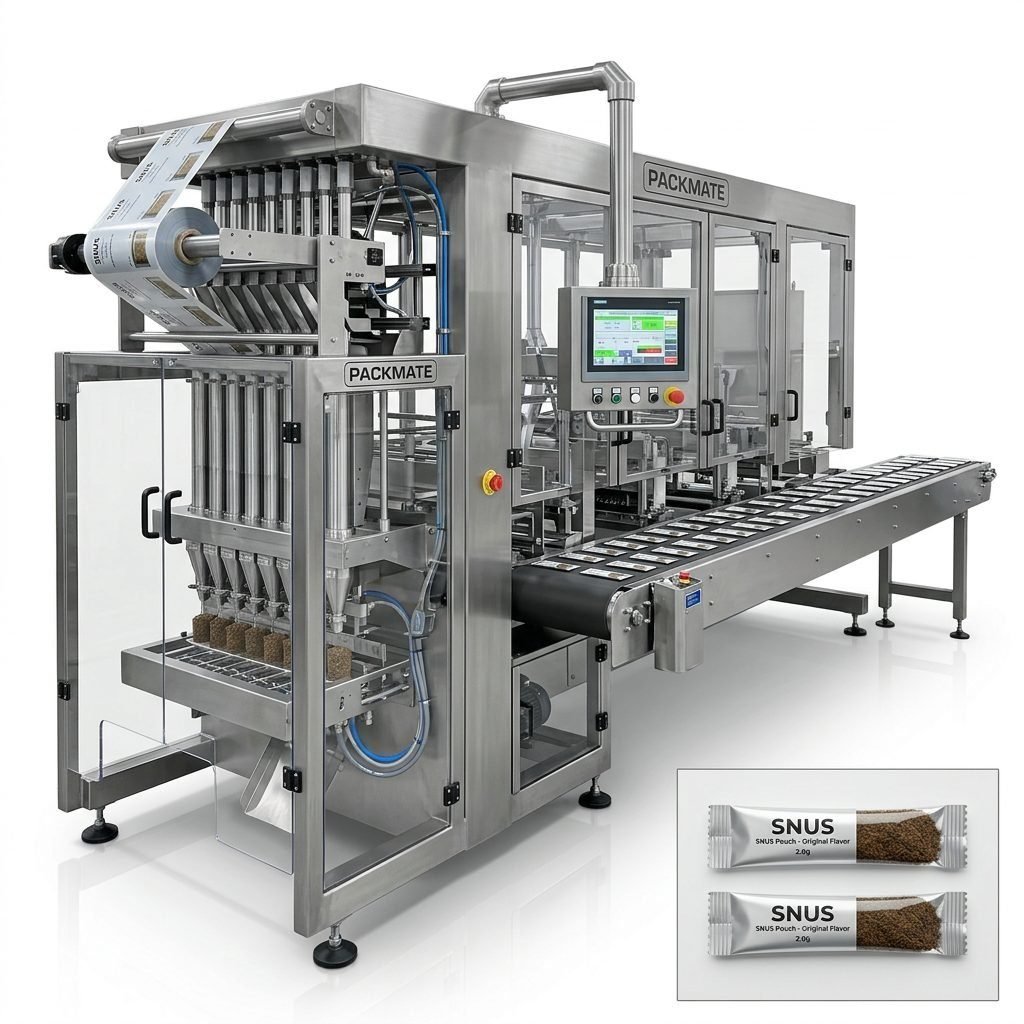
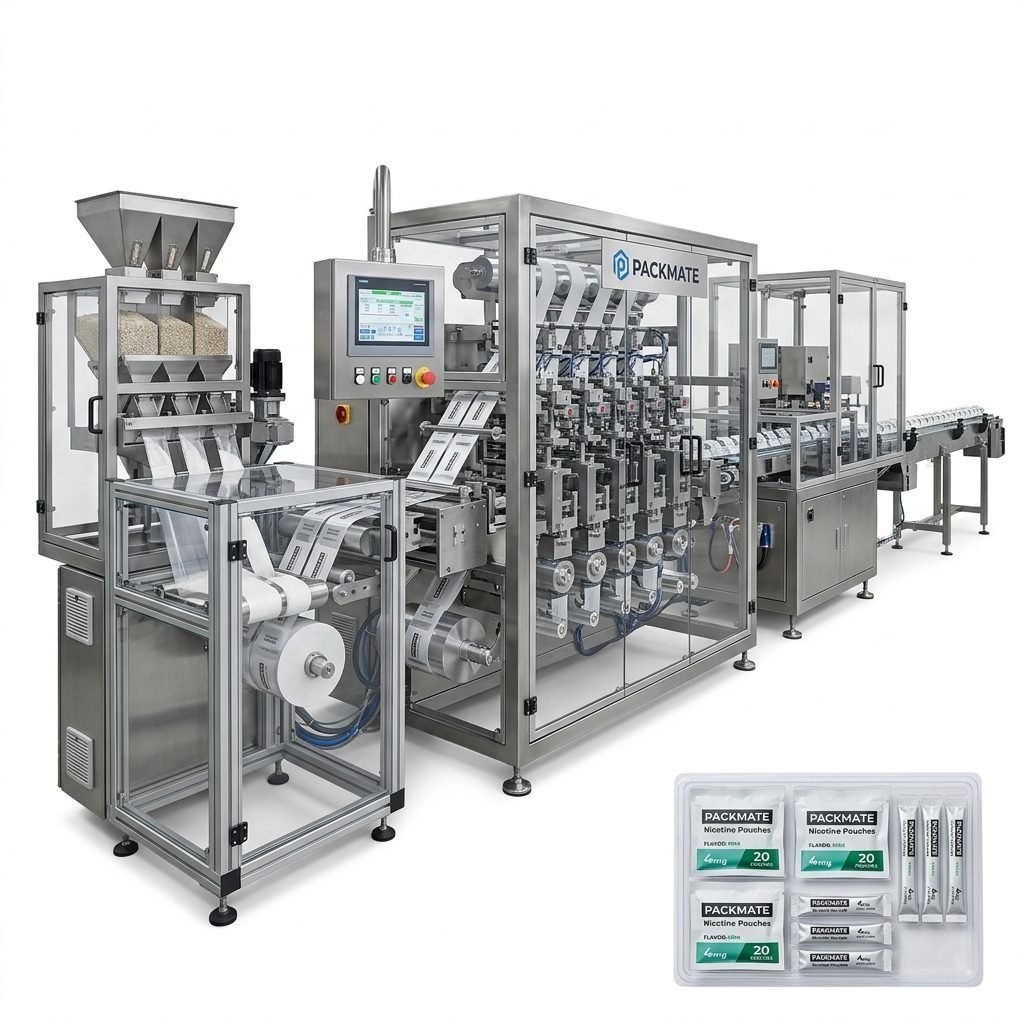
Choosing the right automated snus and nicotine pouch packaging equipment is a critical step for manufacturers who want to scale production, meet international quality standards, and reduce labor costs. This article walks through what makes the best CE certified snus packaging machine for automated portion filling and packing, explains key technical features and operational benefits, and offers practical guidance on selecting and integrating a turnkey solution from an experienced supplier.
Why CE Certification Matters for Snus Packaging Machines
CE certification is a signal that a machine complies with essential European safety, health, and environmental requirements. For snus and nicotine pouch manufacturers targeting export markets or operating in facilities with strict safety regimes, CE compliance ensures the equipment meets electrical safety, machine guarding, and EMC standards. A CE certified machine reduces compliance risks, simplifies customs clearance in many jurisdictions, and builds trust with buyers and regulatory bodies.
Key compliance advantages
✔️ Safer workplace: Proper guarding, emergency stops, and electrical protections reduce operator risk.
✔️ Market access: Easier entry to markets that recognize CE or similar standards.
✔️ Lower liability: Demonstrable adherence to internationally recognized protocols helps in audits and customer contracts.
Core Features of Best-in-Class Snus Packaging Machines
When evaluating automated portion filling and packing systems for snus or nicotine pouches, focus on five core capability areas: accuracy, speed, flexibility, hygiene, and connectivity. A top machine handles small-dose metering with repeatable accuracy, supports high line speeds (including multi-lane configurations), adapts quickly to format changes, and provides CIP-friendly surfaces and controls for modern production management.
⚙️ Important: High-precision dosing and portion uniformity are non-negotiable for nicotine pouches. Inconsistent weights or overfills dramatically affect product cost and regulatory labeling.
Precision Filling & Portioning
Leading systems use multi-channel feeders, volumetric or auger dosing coupled with check-weighers to ensure each pouch meets target weight tolerances. High-end machines can integrate loss-in-weight feeders or high-speed augers for powders and moist tobacco blends to keep portion variance within tight limits.
Multi-lane Configurations & Throughput
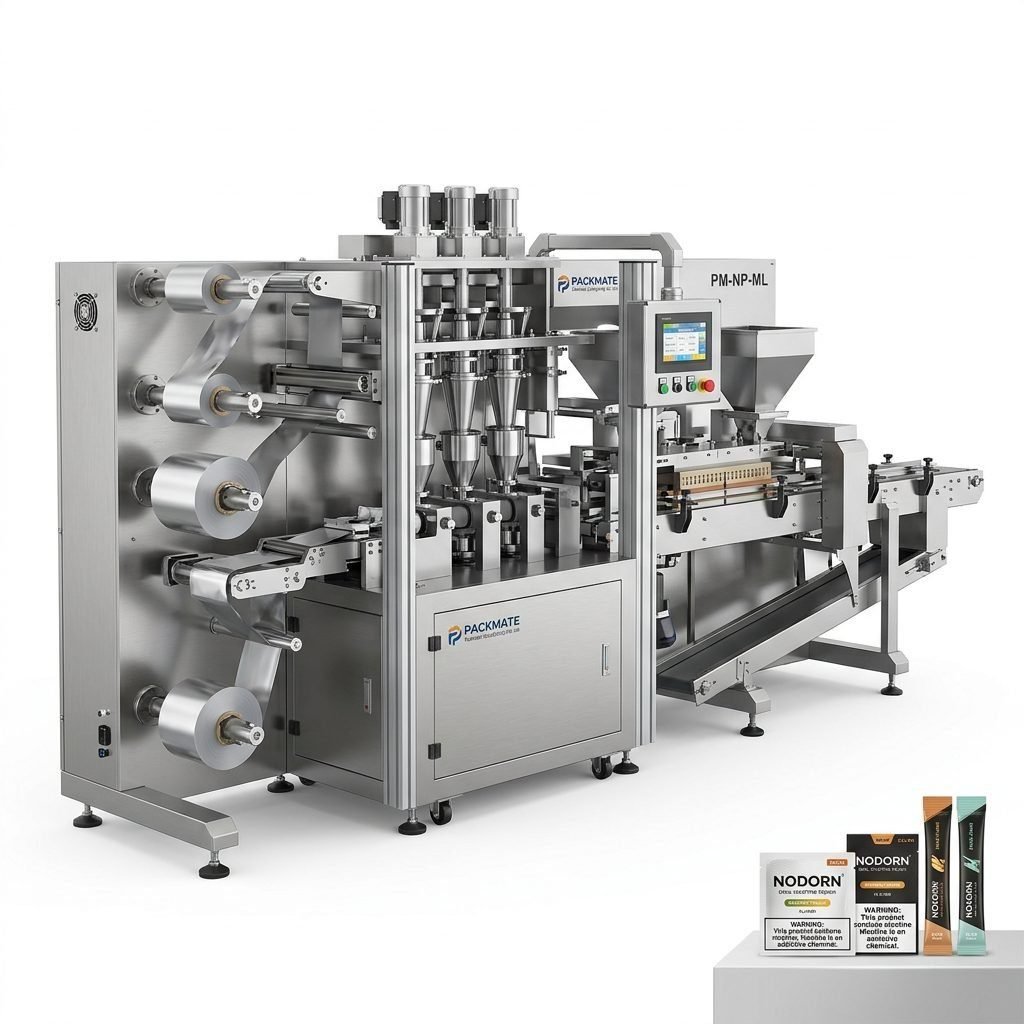
Multi-lane technology multiplies throughput without requiring proportionally more floor space. Packmate’s experience with multi-lane systems allows manufacturers to reach high outputs while maintaining synchronization across lanes for consistent pouch formation and sealing.
Flexible Packaging Formats
The best machines handle sachets, stick packs, and portion-style pouches with quick-change tooling and modular film guides. Integration with upstream pouch forming or downstream secondary packing units (cartoners, flow-wrappers) creates a complete production line optimized for different SKUs.
Hygiene, Materials & Maintenance Considerations
Hygiene is critical for consumable products. Stainless steel contact parts, smooth welds, and hygienic machine profiles minimize product buildup. Ease of cleaning, quick disassembly for maintenance, and availability of spare parts help maintain uptime. Machines designed for continuous operation often include overload protection, predictive maintenance sensors, and accessible lubrication points.
🔧 Pro tip: Choose equipment with clear maintenance manuals, local support channels, and remote diagnostic capability to minimize downtime.
Automation & Industry 4.0 Readiness
Modern packaging lines benefit from integrated PLC/HMI control systems, recipe management, and OPC-UA or Ethernet/IP connectivity. This enables centralized monitoring, batch reporting, and seamless integration into MES or ERP platforms. Remote access for updates and troubleshooting is a valuable feature for global operations.
Why Packmate Snus Machine Stands Out
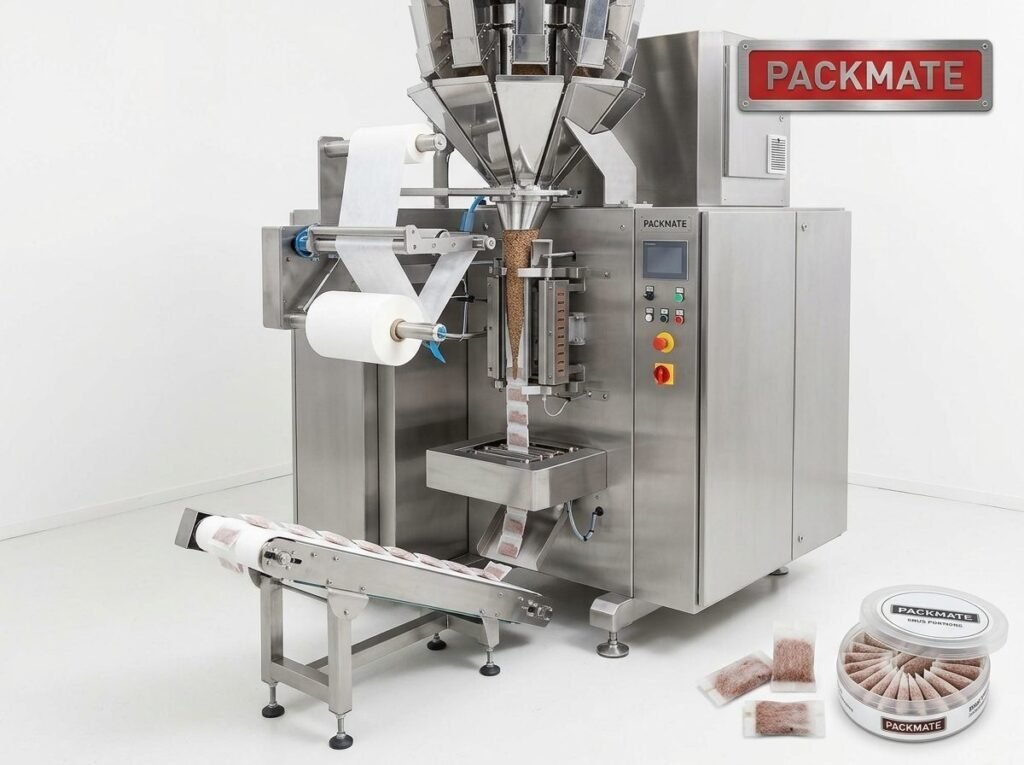
Packmate brings 30+ years of engineering and a large 20,000㎡ manufacturing base to the snus and nicotine pouch market. The company’s portfolio includes over 50 machine models and complete turnkey solutions tailored for small-dose pouch production. With advanced CNC capabilities and precision assembly, Packmate balances customization with proven standard designs for fast delivery and reliable performance.
Learn more about Packmate’s product lines: Snus & Nicotine Packaging Machines, Filling & Packaging Lines, and company credentials on the About Packmate page.
Factory Strength & Quality Control
A well-equipped factory with modern CNC centers and precision assembly lines ensures consistent tolerances and repeatable performance. Packmate’s strict quality testing processes and CE/ISO compliance help customers reduce installation time and start-up risk.
Typical Machine Types for Snus & Nicotine Pouch Production
There are several machine categories to consider when building a snus packaging line:
• Snus / Nicotine Pouch Packing Machines
Designed specifically for portioned pouches with high precision metering and sealing, these machines often integrate film unwinding, pouch forming, dosing, closing seals, and exit conveyor in a compact footprint.
• Sachet & Stick Pack Machines
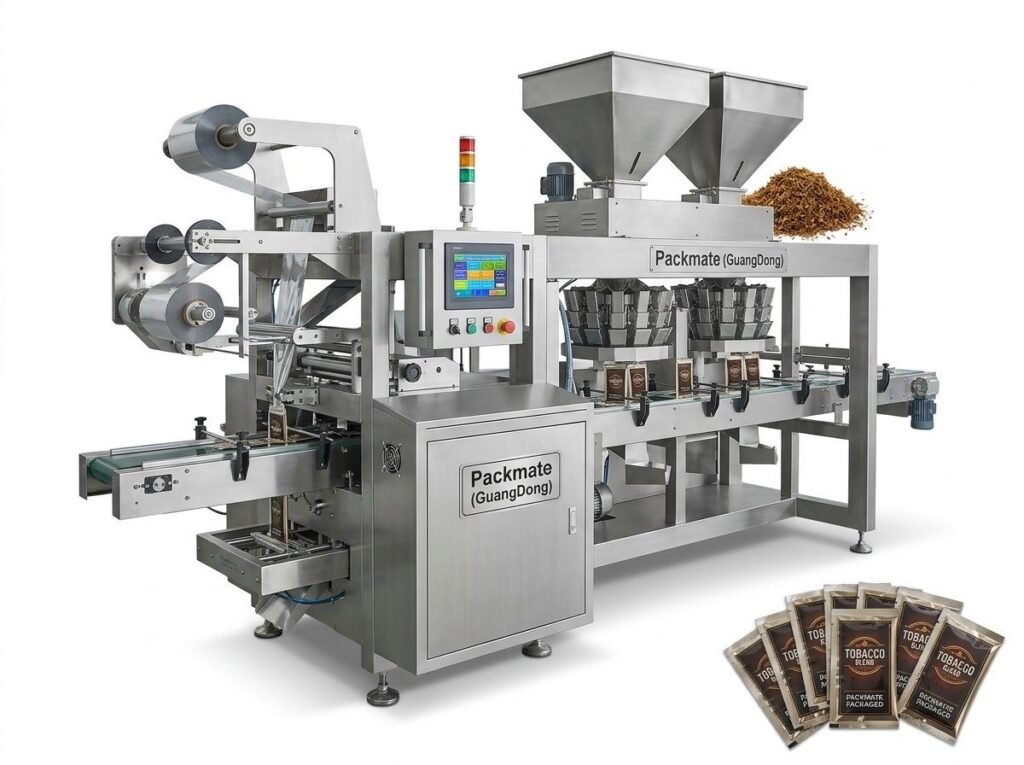
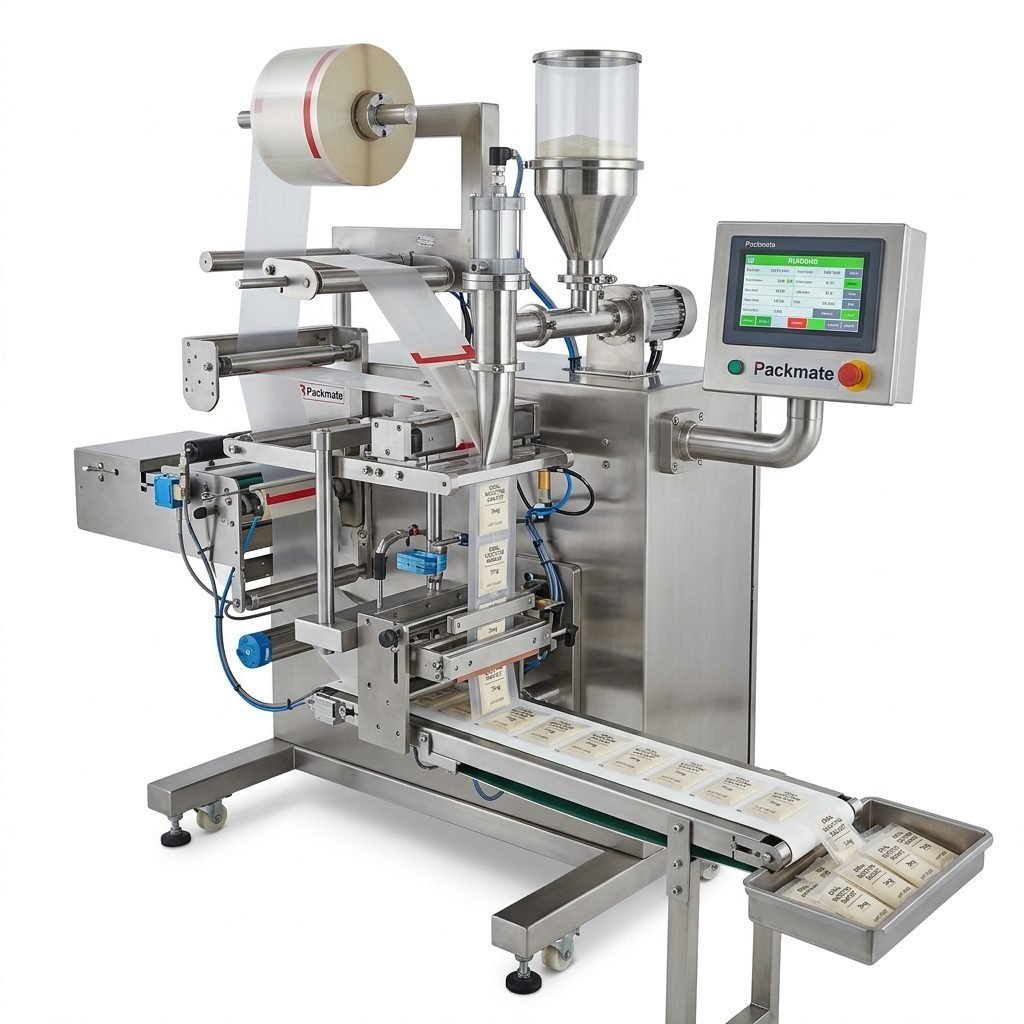
For variations in single-dose formats, stick packs and sachets offer alternative consumer experiences. Machines in this category provide high speeds for small tubular packs or flat sachets and are useful for promotional SKUs or alternative presentations.
• Weighing & Packaging Systems
For cases where precise weighing is paramount, integrated multi-head weighers or check-weighers provide an additional control layer. Packmate’s systems can be configured with advanced weigh modules for consistent portion accuracy.
Integration, Layout & Turnkey Project Delivery
Delivering a full production line requires careful planning: material flow, hygienic zoning, utilities, and space optimization. Packmate offers full-line design and installation, including auxiliary equipment like conveyors, case packers, and quality inspection systems to deliver a ready-to-run solution.
📦 Integration note: A turnkey line reduces coordination risks between vendors and accelerates time to production. Ask potential suppliers about project management, factory acceptance testing (FAT), and on-site commissioning services.
Cost, ROI & Investment Considerations
Machine cost is only one element of total investment. Consider installation, tooling, spare parts, operator training, energy consumption, and expected yield improvements. Automated portioning reduces waste and labor and increases throughput, often producing a tangible ROI within 12–36 months depending on volumes and SKU complexity.
Selecting a Supplier: 10 Questions to Ask
– Does the supplier provide CE and ISO documentation?
– Can they show case studies or reference installations? (See Case)
– What is the lead time for custom tooling and spare parts?
– Are FATs and commissioning included?
– What training and documentation are provided?
– Is local maintenance support available or remote diagnostics?
– What are typical uptime metrics and warranty terms?
– Can the machine integrate with existing MES and checkweighers?
– How easy is format changeover and cleaning?
– What is the long-term parts availability?
Global Markets, Regulations & Cultural Notes
Regulations for snus and nicotine products vary globally. In Europe, CE certification is essential for machinery, while product-specific rules differ by country. Sweden has a long snus culture and well-established retail and manufacturing channels; other EU countries have restrictions on tobacco snus but are more open to synthetic nicotine pouches. Understanding local labeling, ingredient disclosure, and retail packaging preferences is crucial for market entry.
For manufacturers targeting export, align machinery capabilities with both product regulation and consumer preferences—e.g., discreet portion sizes for Scandinavian markets or branded multipacks for other regions. Packmate’s global experience and presence at exhibitions helps clients navigate local regulatory and packaging expectations (Our Exhibition).
After-Sales Support & Service
Strong after-sales support shortens downtime and protects production targets. Look for suppliers with structured spare parts lists, service contracts, remote troubleshooting, and scheduled maintenance programs. Packmate provides service details on its support pages and offers global cooperation with local partners for faster response (Service).
Conclusion: Choosing the Best CE Certified Snus Packaging Machine
The best CE certified snus packaging machines combine precision dosing, flexible multi-format handling, hygienic construction, and robust automation features. Working with an experienced manufacturer that offers turnkey solutions, strong quality control, and reliable after-sales service is essential to scale production efficiently and compliantly. Evaluate suppliers based on machine performance, factory capabilities, documentation, and global references to ensure a successful investment.
Quick Links & Resources
– Product lines: Snus & Nicotine Packaging Machines
– Turnkey systems: Filling & Packaging Lines
– Certifications: Certificate
– Contact: Contact Us
Frequently Asked Questions
Q1: How does CE certification affect my purchase?
CE certification ensures the machine meets European safety standards; it impacts installation requirements, documentation, and may be required by your insurer or local authorities.
Q2: Can a single machine run multiple pouch formats?
Many modern machines are modular and support sachets, stick packs, and portion pouches with quick tooling changes. Verify changeover time and format limits with your supplier.
Q3: What is the typical lead time for a turnkey line?
Lead times vary by customization level; standard modular lines are faster, while fully customized multi-lane turnkey solutions may require longer lead times. Discuss factory acceptance testing (FAT) and delivery schedules upfront.
Q4: How do I ensure portion accuracy for very small dosages?
Use precision feeders (loss-in-weight or high-resolution augers), integrate check-weighers for inline verification, and maintain consistent product conditioning to reduce variance.
Q5: What after-sales services should I require?
Require spare parts availability, remote diagnostics, commissioning support, operator training, and clear warranty terms. A local service partner or the supplier’s global network is highly beneficial.