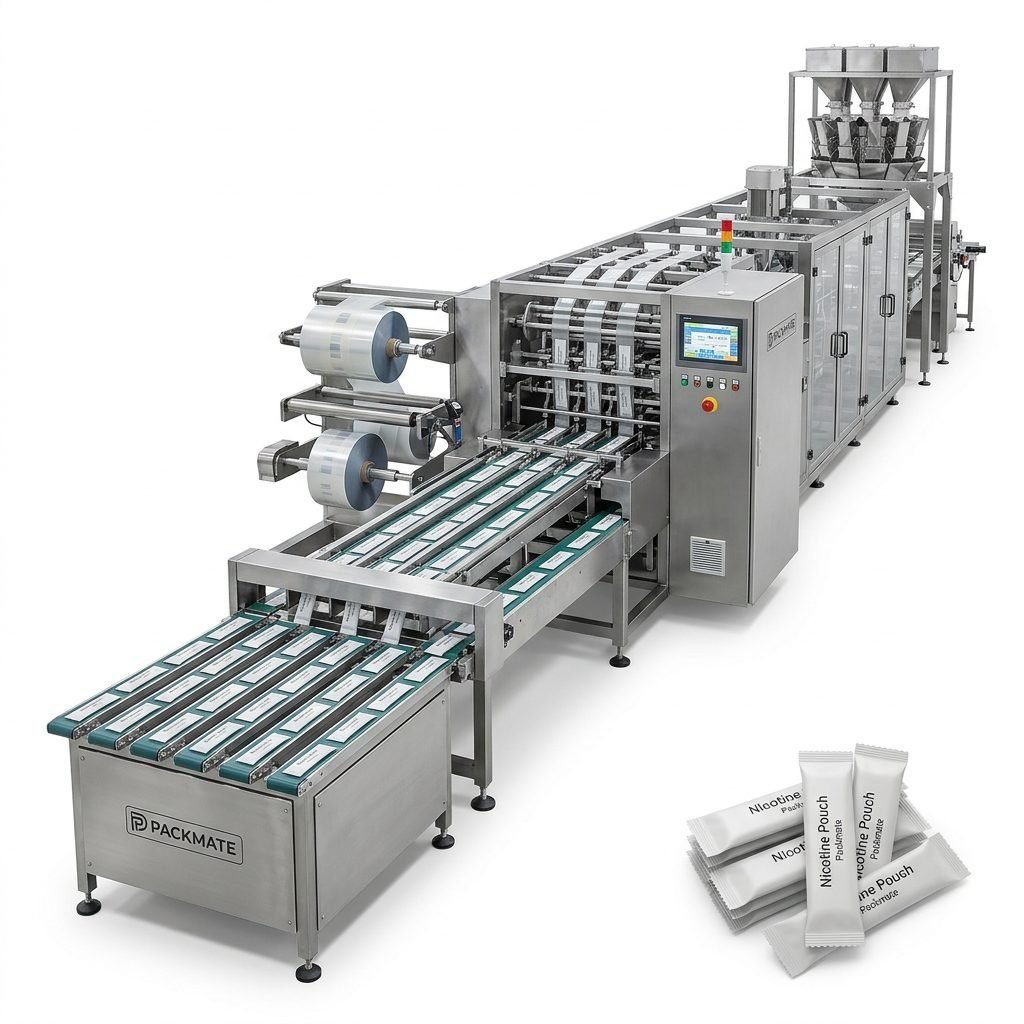
Choosing the right snus packing machine supplier is critical for manufacturers who want consistent output, regulatory compliance, and scalable production. This guide walks you through practical evaluation criteria, purchasing strategies, and operational considerations so you can select a partner that delivers long-term value — not just a piece of equipment.
Why a specialized snus packing machine manufacturer matters
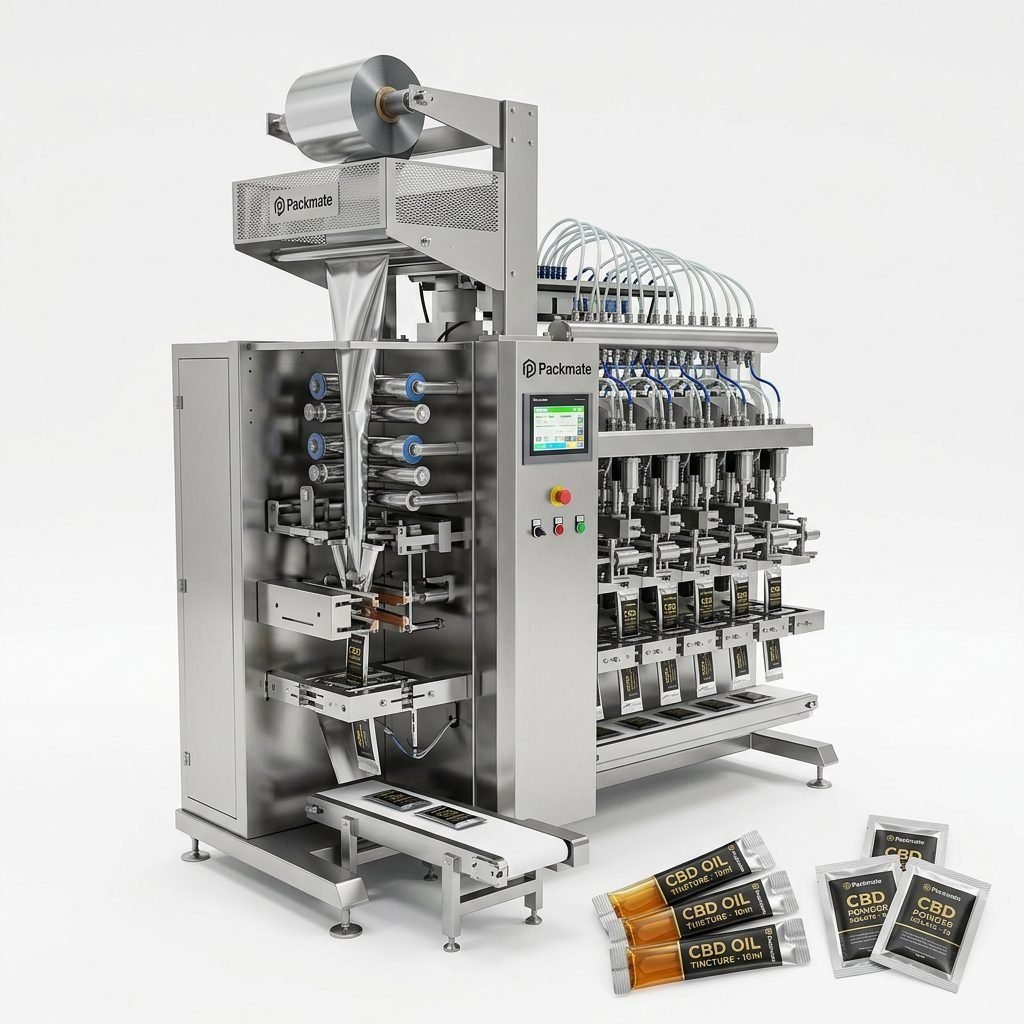
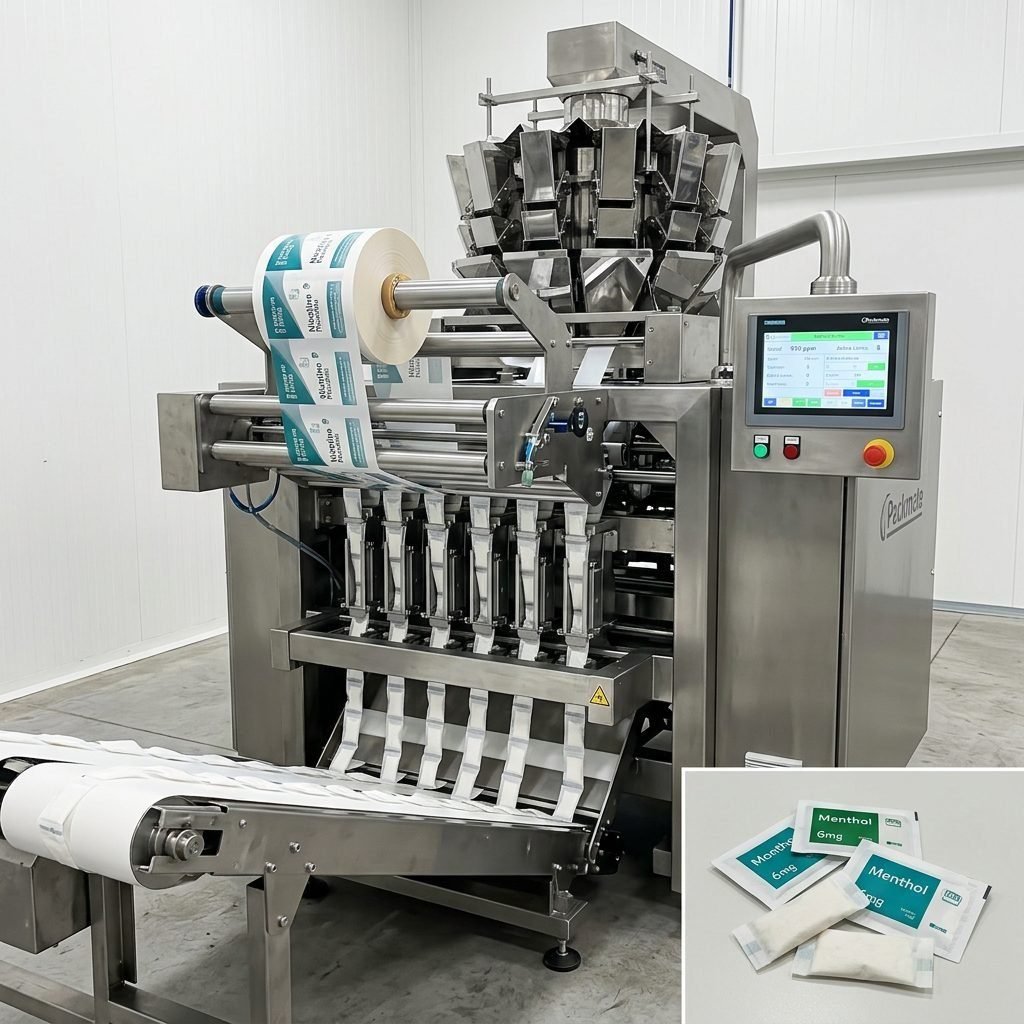
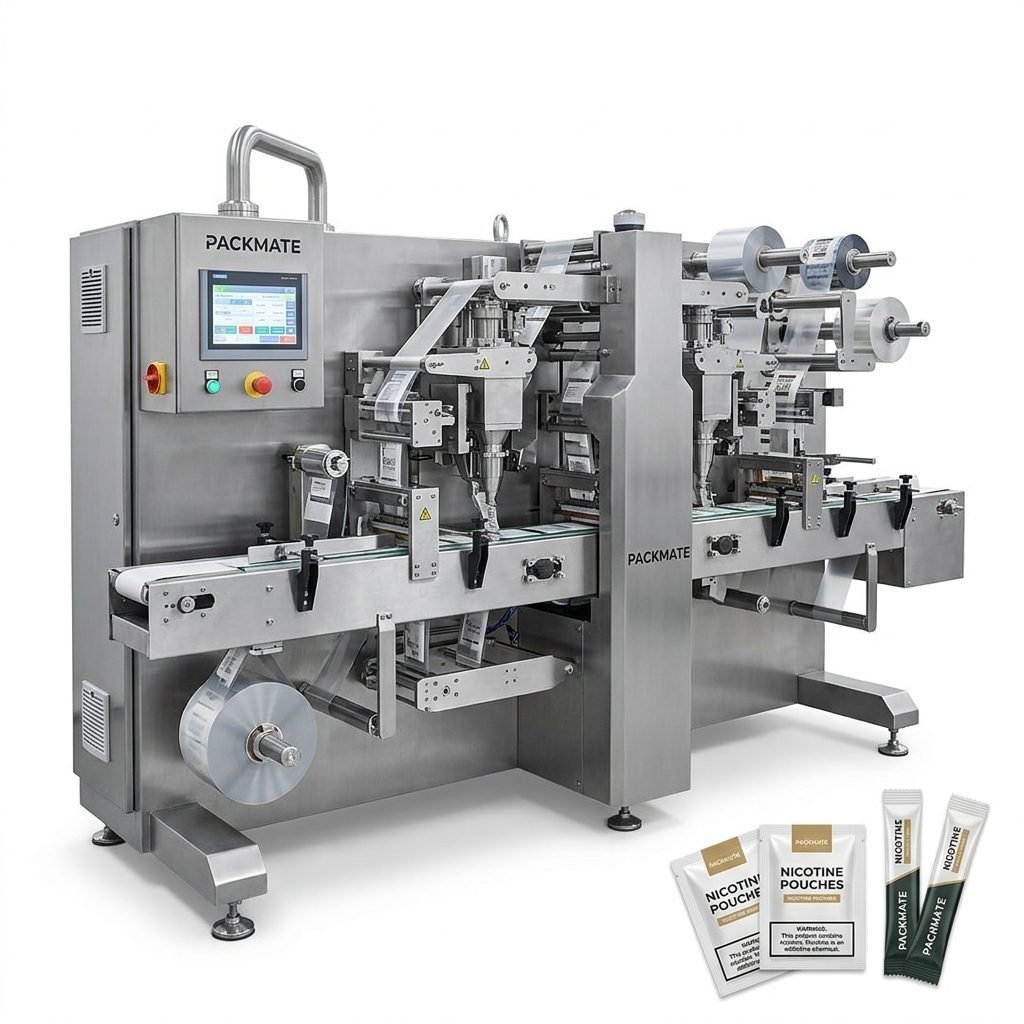
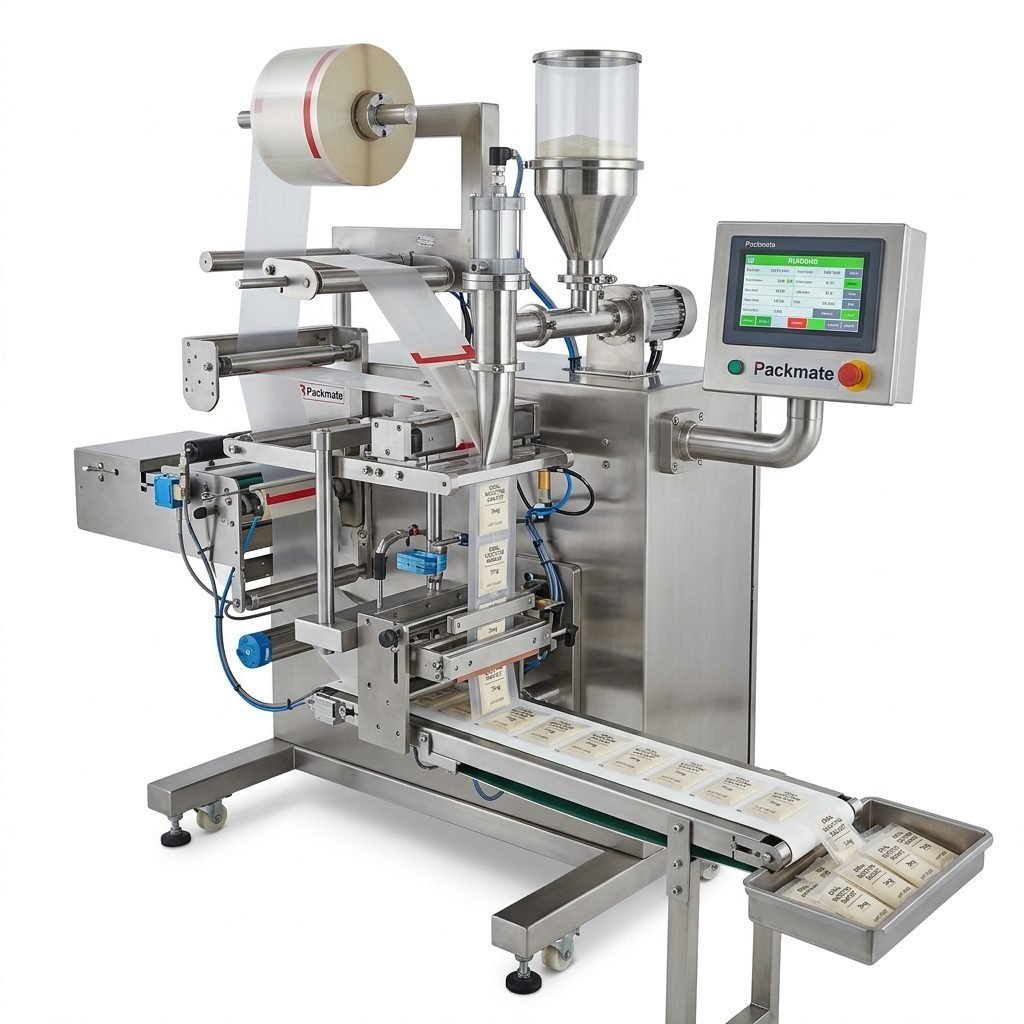
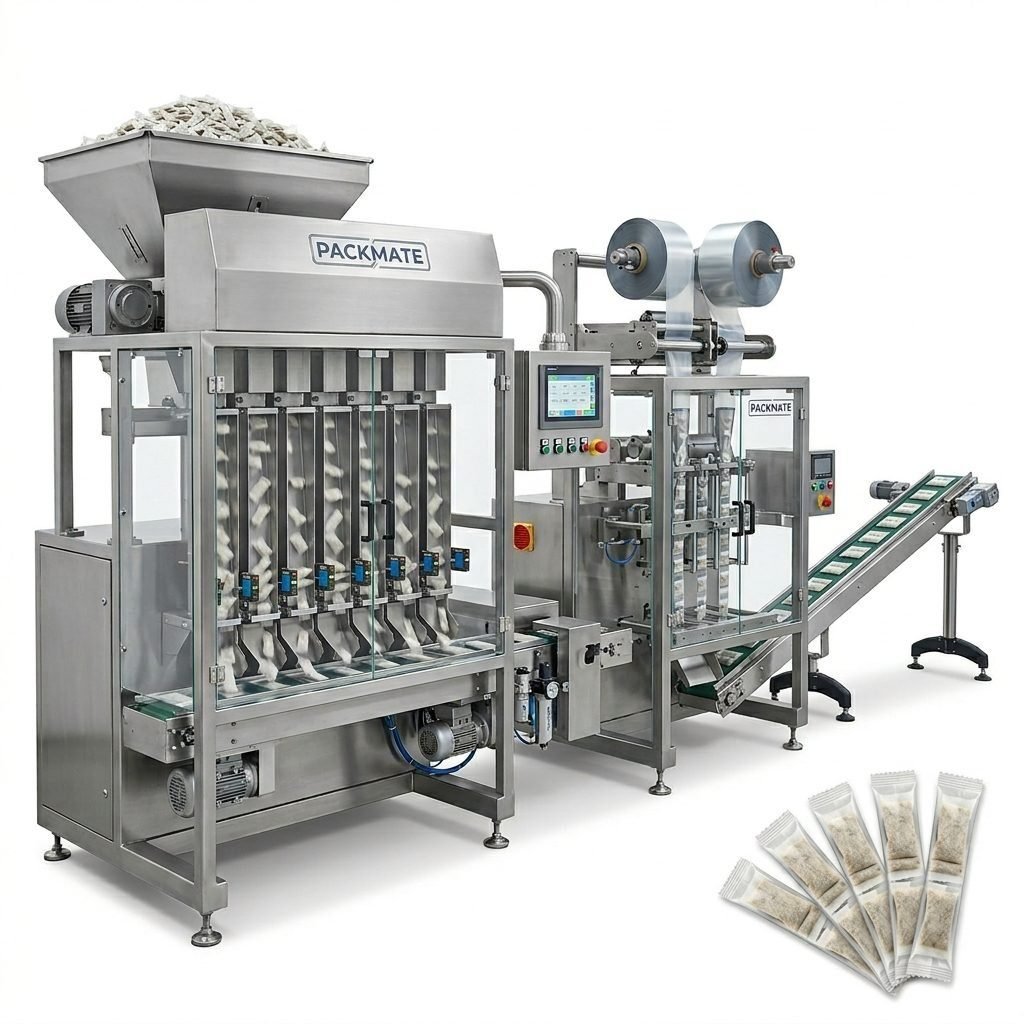
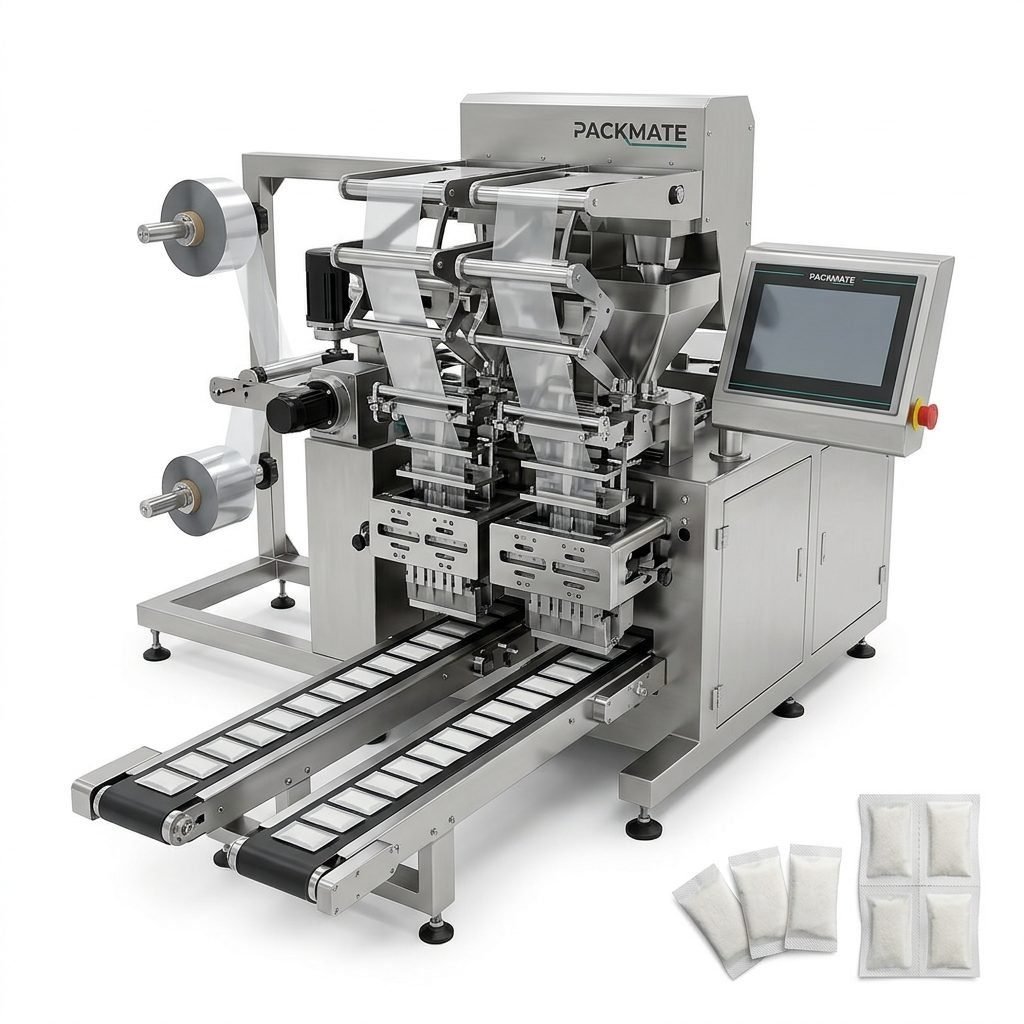
Snus and nicotine pouches require precise handling because of their small doses, delicate pouches, and strict labeling and packaging regulations. Working with a supplier focused on these products ensures your line is designed for stability, cross-contamination control, and repeatable quality. Look for vendors that combine mechanical accuracy with high-speed multi-lane solutions — the kind of expertise that reduces downtime and preserves product integrity.
Quick insight: Suppliers experienced with snus/nicotine packaging can support stick packs, sachets, and multi-lane pouch systems — all critical formats for modern product portfolios.
Key evaluation criteria when comparing suppliers
Use this checklist to compare manufacturers objectively. Each item below is tied to operational performance and business risk reduction.
1. Product portfolio and technical fit
Verify whether the supplier offers machines specifically designed for snus and nicotine pouches. A broad portfolio that includes Snus & Nicotine Packaging Machines, stick packs, and sachet equipment is a strong indicator of domain expertise. Multi-lane systems are essential for scaling output without multiplying floor footprint.
2. Manufacturing strength and quality control
Check factory size, machining capabilities, and in-house assembly. A manufacturer with advanced CNC centers and dedicated assembly lines will produce more accurate and durable machines. Ask for testing protocols and acceptance criteria — machines should be fully tested with your product before shipment.
Factory facts to request: floor area, number of models, machining equipment, and quality certificates (CE, ISO).
3. Customization and turnkey capability
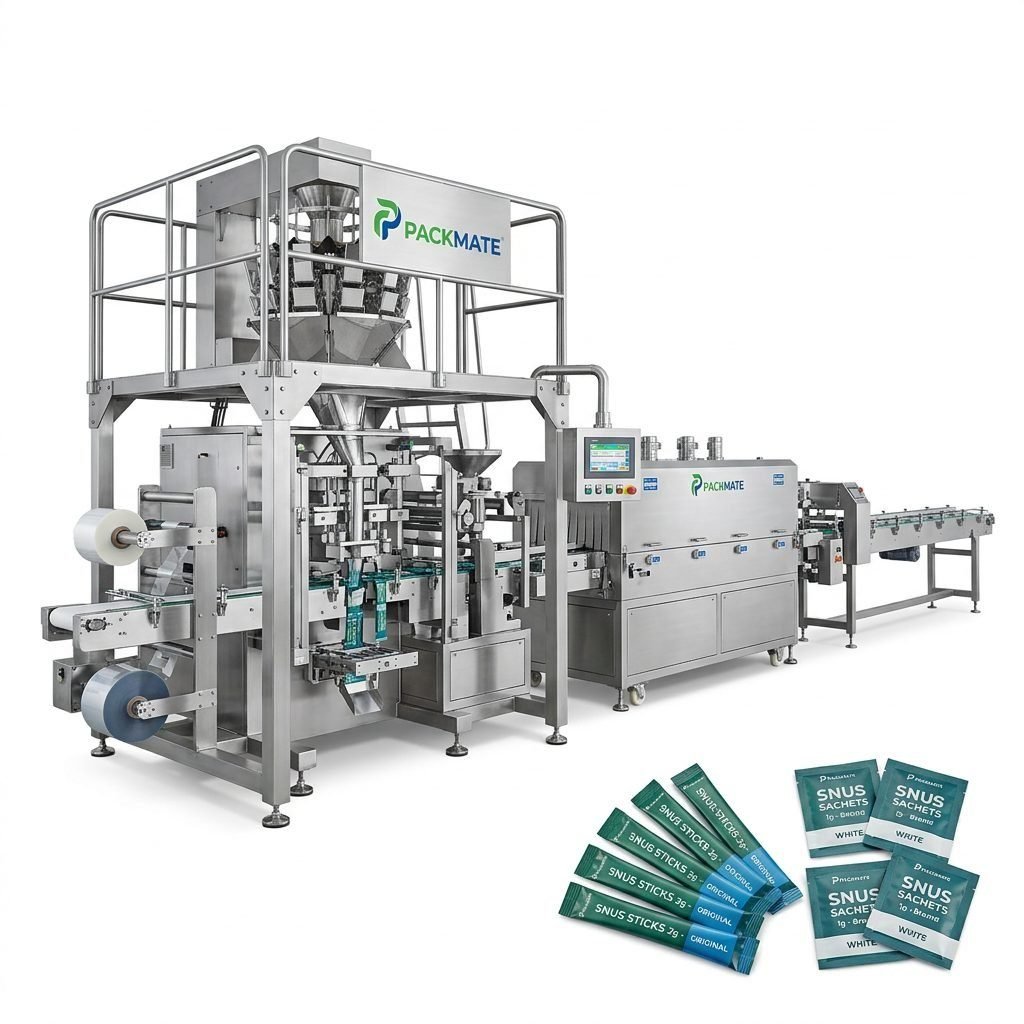
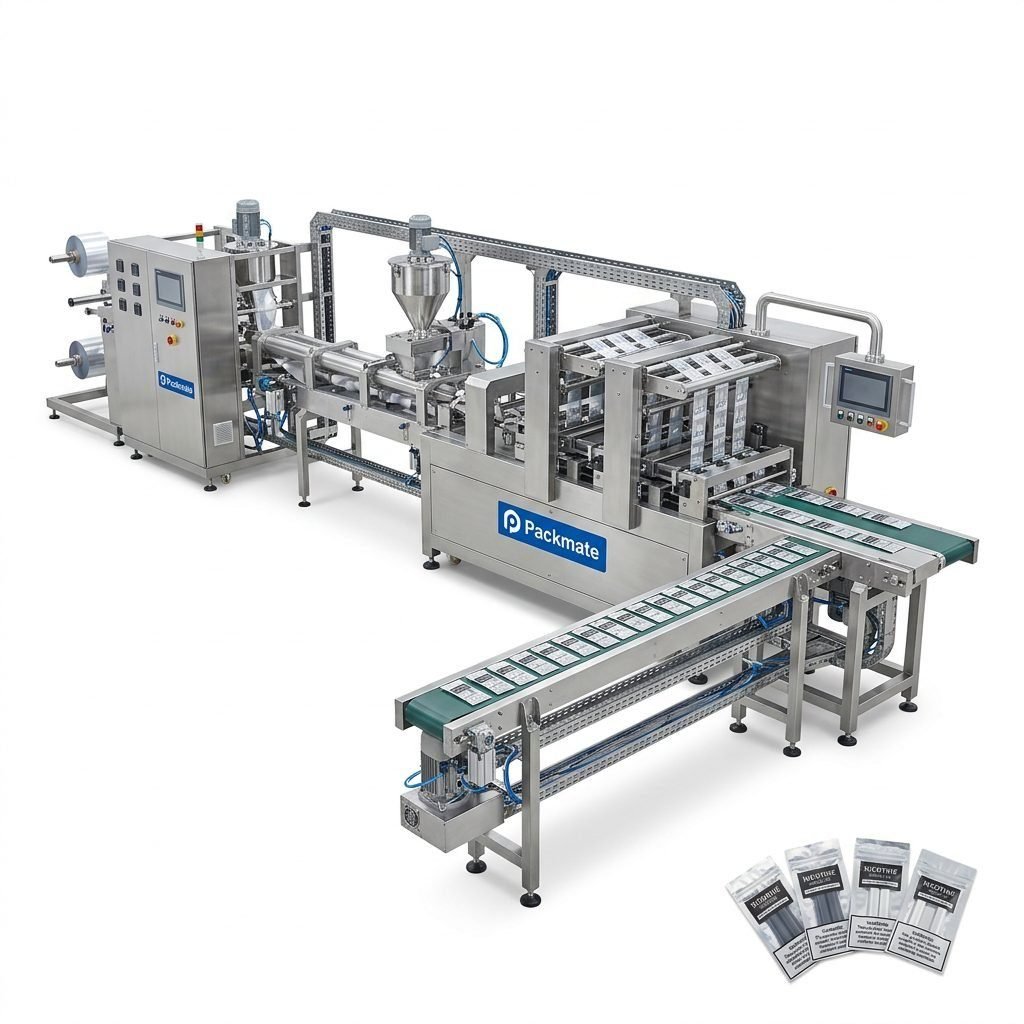
Many projects require tailored solutions — from unique pouch formats to integrated weighing and secondary packaging. Suppliers who provide turnkey lines (including weighing, filling, and end-of-line packaging) reduce integration risk and accelerate commissioning. Explore offerings such as Weighing & Packaging Systems and Filling & Packaging Lines.
4. After-sales service and spare parts
Rapid access to spare parts and responsive engineering support determine uptime. Ask about service centers, average response times, remote diagnostics, training for local operators, and availability of consumables. Evaluate the supplier’s documentation quality — clear manuals and wiring diagrams save time during maintenance.
5. Compliance and documentation
Equipment used in nicotine product packaging may face stricter regulations in some markets. Ensure the supplier provides CE and ISO documentation, machine safety assessments, and material contact verification. Compliance reduces regulatory delays during product launches and export.
Practical steps to select the right supplier
Follow a staged process to minimize surprises and make an informed purchase decision.
Step 1 – Define your production requirements
Document target output (pouches/min or sticks/min), pouch formats, product characteristics (powder, granule, moisture content), and environmental constraints such as cleanroom level or dust control. The clearer your spec, the better vendors can match machines to need.
Step 2 – Shortlist and request technical proposals
Evaluate technical proposals for throughput, uptime assumptions, electrical and pneumatic requirements, and layout drawings. Ask for case studies or references — ideally customers with similar products and target outputs. See real-world examples in supplier case pages like Case.
Step 3 – Factory visits and FAT (Factory Acceptance Test)
When possible, perform a factory visit to inspect production practices and witness a FAT with your product. Confirm performance metrics and acceptance criteria in writing. FAT reduces the risk of post-installation disputes and ensures the machine meets contractual speed and quality levels.
Tip: If travel is restricted, ask for live video demonstrations and recorded trials using your materials.
Cost vs. value — how to make a balanced decision
The lowest purchase price rarely equals lowest total cost. Evaluate lifecycle costs: spare parts pricing, mean time between failures, energy usage, and the flexibility to adapt to new SKUs. A slightly higher upfront cost can be offset by reduced downtime and faster changeovers.
Total cost considerations
Include commissioning, training, installation materials, tooling for different pouch sizes, and warranty coverage in your budget. Understand the escalation policy for spare parts and the presence of local stocking facilities for critical components.
Why Packmate Snus Machine is a strong candidate
Packmate combines three decades of engineering with focused snus packaging solutions. Their factory footprint, multiple machine models, and turnkey services are tailored for companies scaling nicotine pouch production. Learn more about their background and capabilities on the About Packmate page.
Key facts to consider:
- ▲ Over 30 years of packaging engineering experience
- ▲ 20,000㎡ manufacturing facility with advanced CNC and assembly systems
- ▲ 50+ machine models and custom turnkey solutions
- ▲ Compliance with international standards (CE, ISO) and global exhibition presence
Actionable step: Review product lines like Sachet & Stick Pack Machines and request machine videos with your SKU to confirm compatibility.
Installation, commissioning and operator training
A supplier’s role continues after shipment. Proper installation and commissioning ensure the machine operates at rated capacity. Confirm the supplier provides on-site commissioning, operator and maintenance training, and clear documentation. Remote support options for software updates and troubleshooting are highly beneficial for global customers.
Spare parts and lifecycle support
Demand lead times for critical spares and ask about local stock partners. An extended warranty or service contract can reduce unplanned costs. Evaluate whether the supplier offers scheduled preventive maintenance and remote monitoring as part of a service package.
Common pitfalls to avoid
Be aware of common errors that increase risk:
- ⚠ Choosing a supplier without snus/nicotine experience — generic packaging vendors may lack critical design features.
- ⚠ Neglecting FAT or not testing with your actual product.
- ⚠ Overlooking spare parts availability and lead times for international shipments.
- ⚠ Accepting vague performance guarantees — require numbers in writing for throughput and uptime.
Making the final decision — an objective scoring model
Create a decision matrix assigning weights (for example: technical fit 30%, price 20%, after-sales 20%, compliance 15%, references 15%). Score each supplier and pick the one with the highest weighted score. This structured approach helps remove emotion and clarifies trade-offs.
Next step: Reach out to preferred suppliers for a proposal and confirm their ability to run a FAT with your material. If you need inspiration on machine categories, explore Bag & Pouch Packaging Machines.
Conclusion
Selecting the right snus packing machine manufacturer combines technical assessment, factory validation, and clear contractual terms. Prioritize suppliers with proven snus expertise, robust manufacturing capabilities, accessible support, and a portfolio of turnkey solutions. Doing so reduces operational risk and accelerates your route to reliable production.
Frequently Asked Questions
Q1: How long does it typically take from order to delivery for a snus packaging line?
A1: Delivery timelines vary by customization and factory schedule. Standard single machines can ship in a few months, while complete turnkey lines often require 4–8 months including design, manufacturing, FAT, and shipping.
Q2: What certifications should I expect from a reputable supplier?
A2: Look for CE and ISO certification as baseline standards. Ask for material contact certificates, safety assessments, and any region-specific documentation required for nicotine products.
Q3: Can suppliers integrate weighing and secondary packaging into one line?
A3: Yes — many specialized vendors provide integrated solutions including weighing, filling, pouch forming, and end-of-line cartoning. See examples in Auxiliary Packaging Equipment.
Q4: How do I validate machine performance before accepting delivery?
A4: Perform a Factory Acceptance Test (FAT) using your actual materials. Define clear acceptance criteria for throughput, seal quality, and reject rates, and document the results.
Q5: Where can I get more information or ask for a quote?
A5: Contact the supplier directly through their contact page or request a catalog and case references. For Packmate, refer to their Contact Us and Catalog pages.