Choosing the right snus packaging machine supplier for your factory in Turkey is a critical decision that affects productivity, compliance, and long-term costs. This guide walks you through the most important technical, commercial, and local considerations — from machine types and factory capacity to Turkish market customs, regulations, and after-sales expectations. Follow these practical steps to find a partner who will help your production run smoothly and grow sustainably.
Understand the Types of Snus Packaging Machines
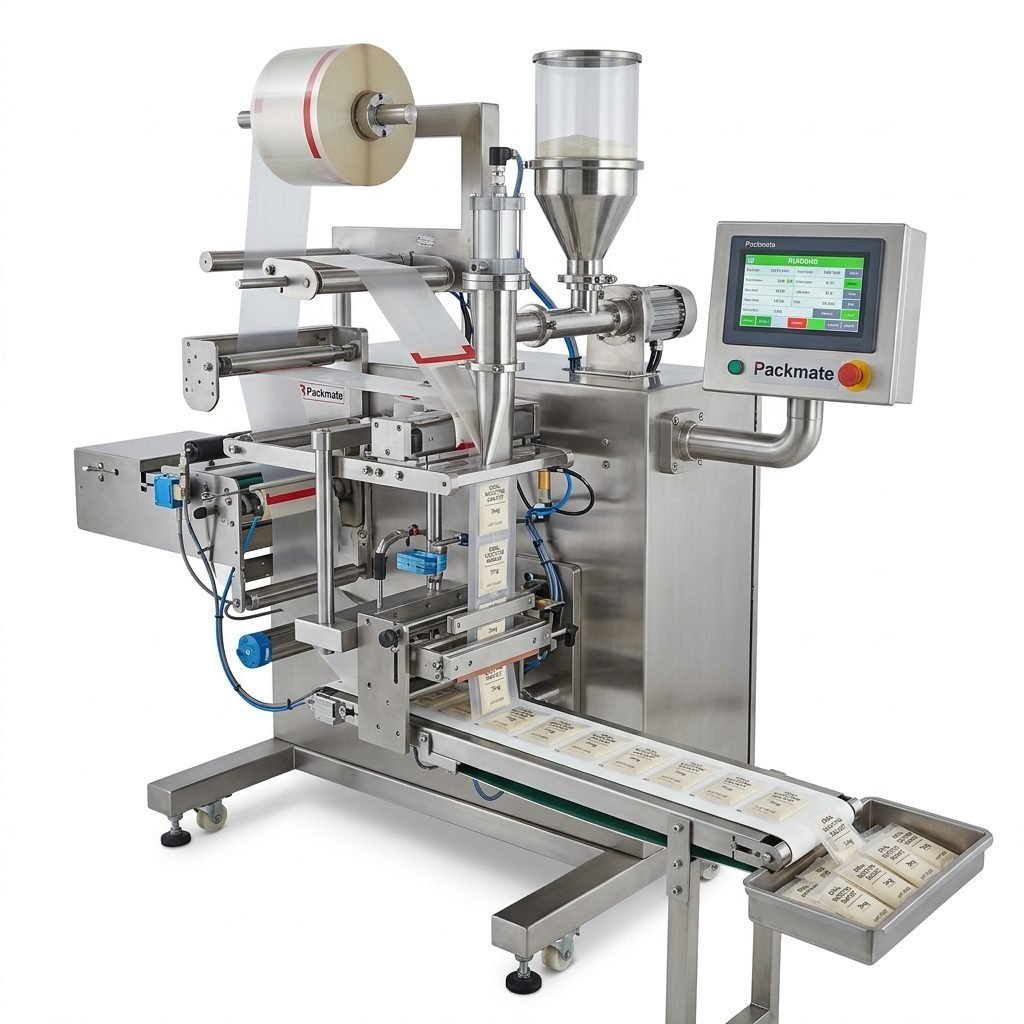
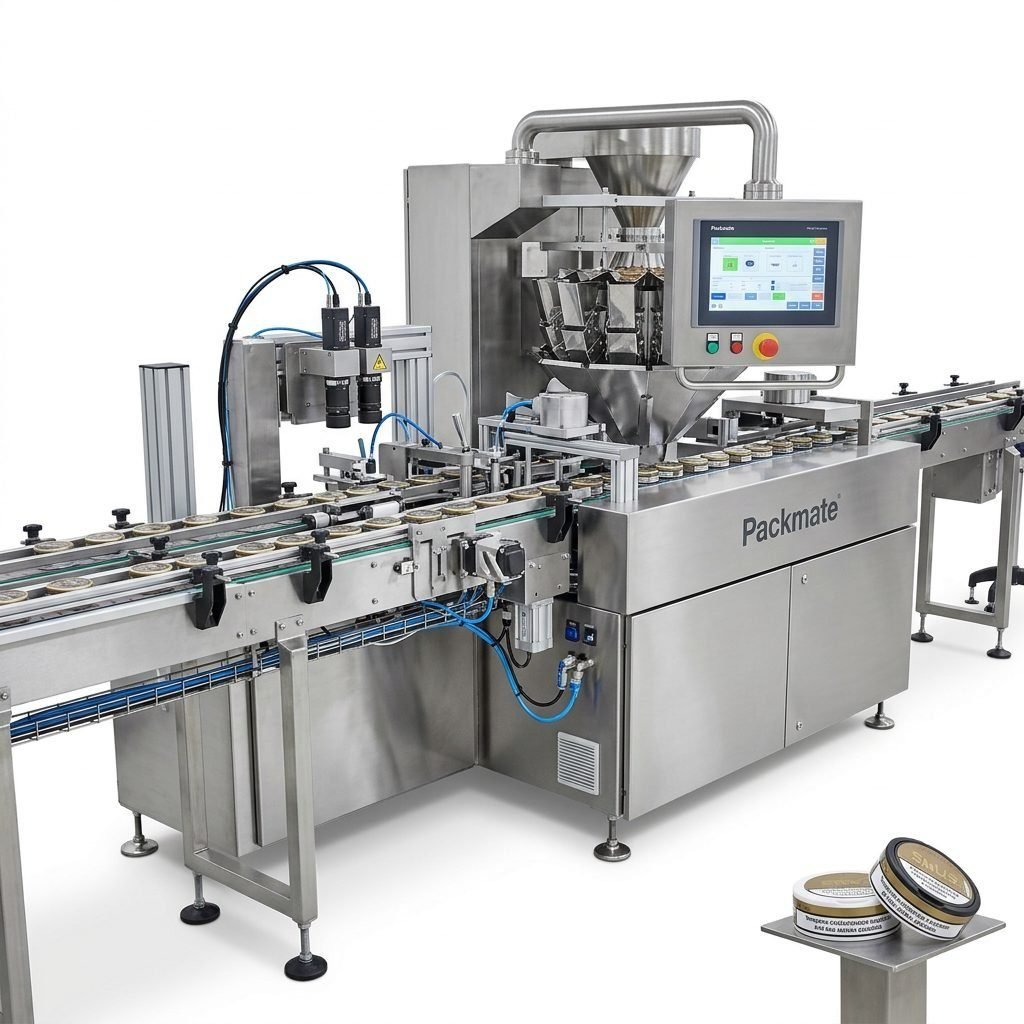
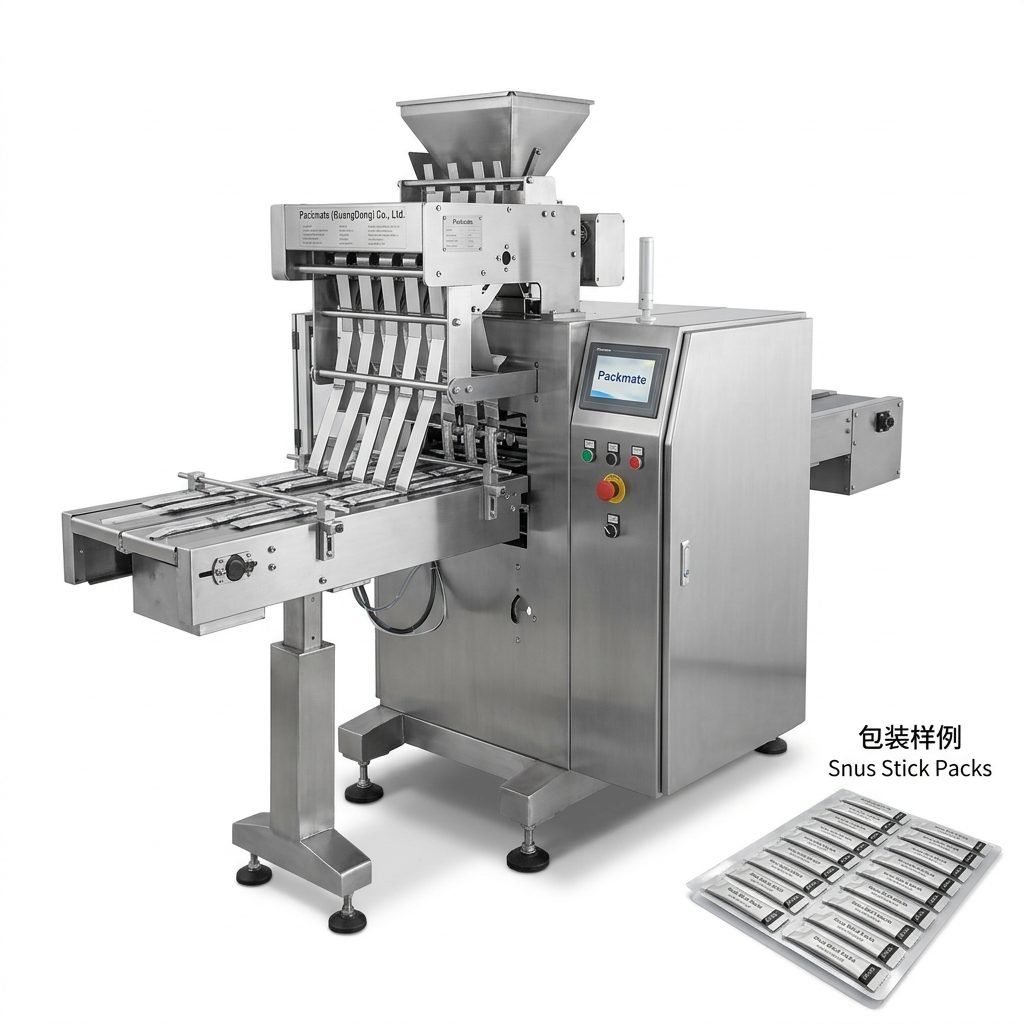
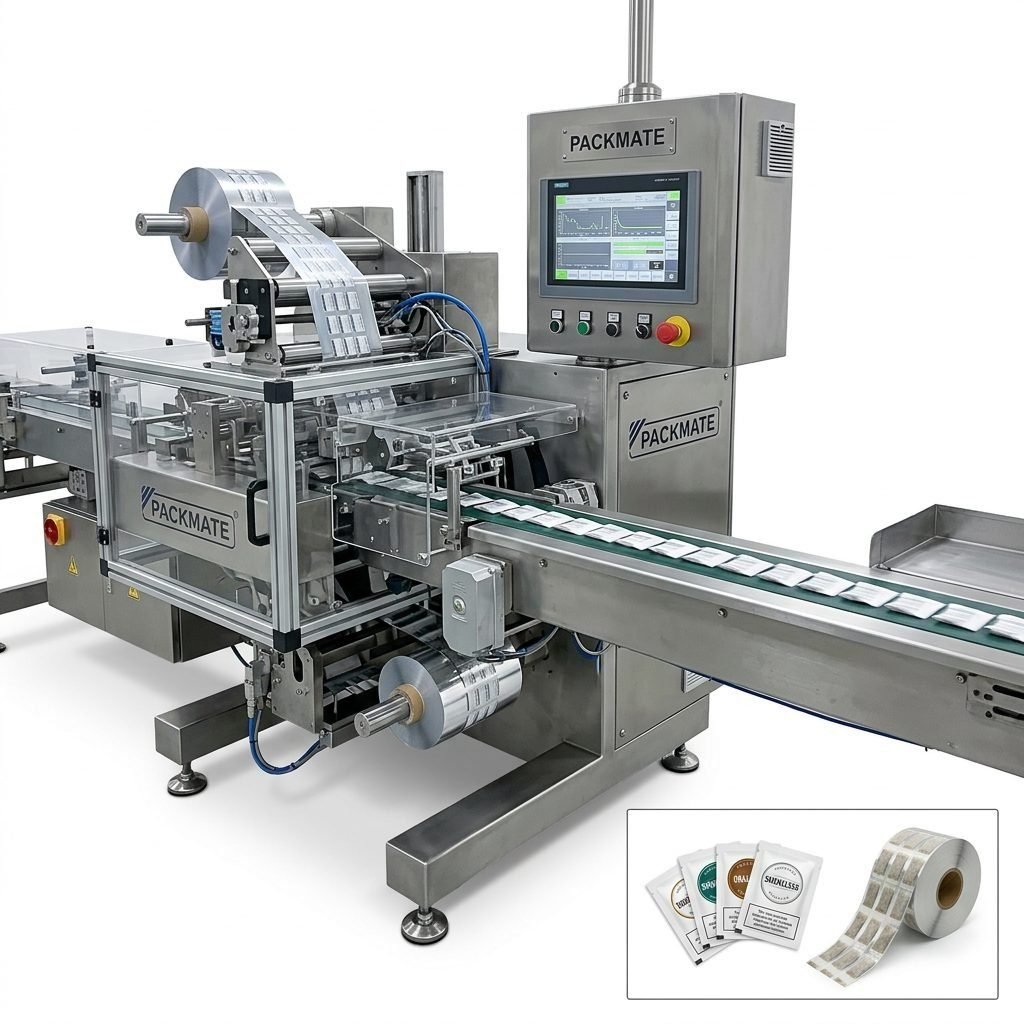
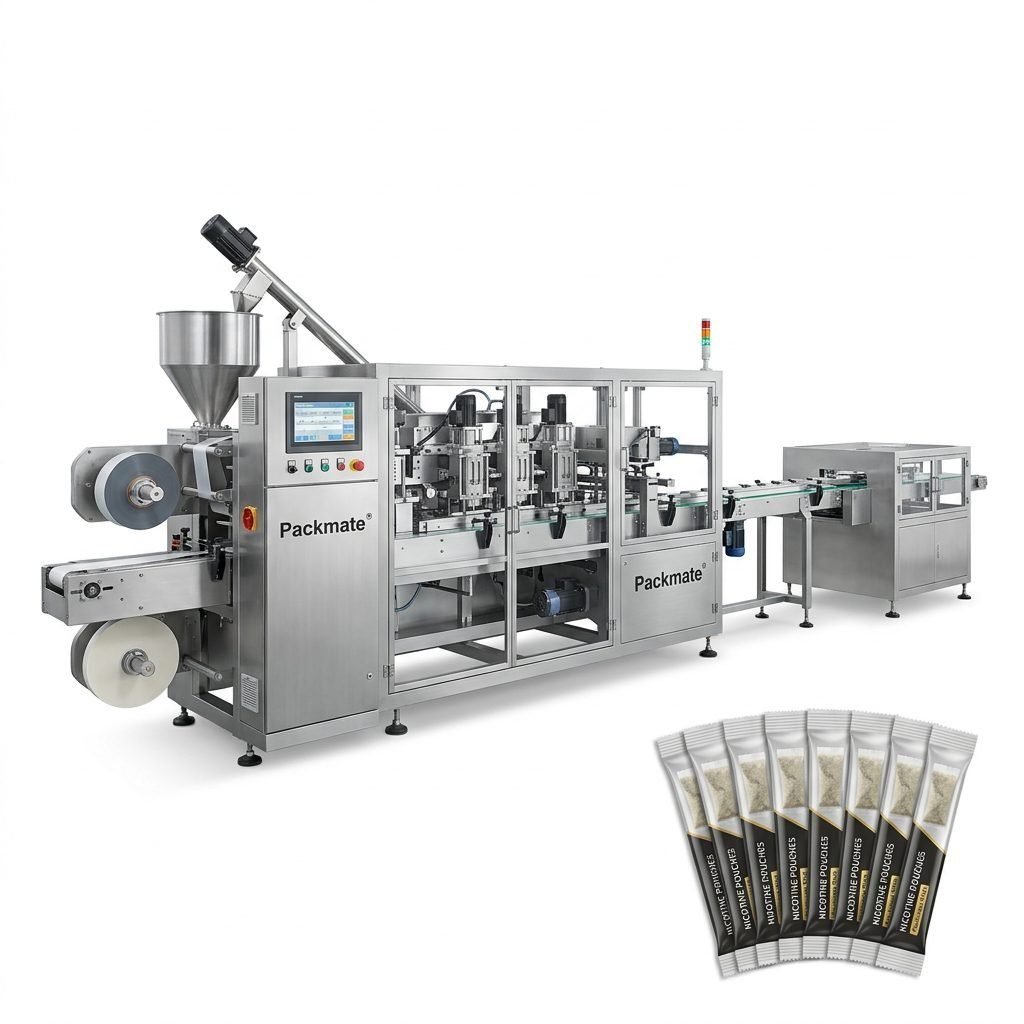
Before evaluating suppliers, clarify which packaging formats you need: single-dose nicotine pouches, multi-lane stick packs, sachets, or sachet-type snus. Each format demands different machine features: accuracy of dosing, sealing method, lane speed, and material compatibility.
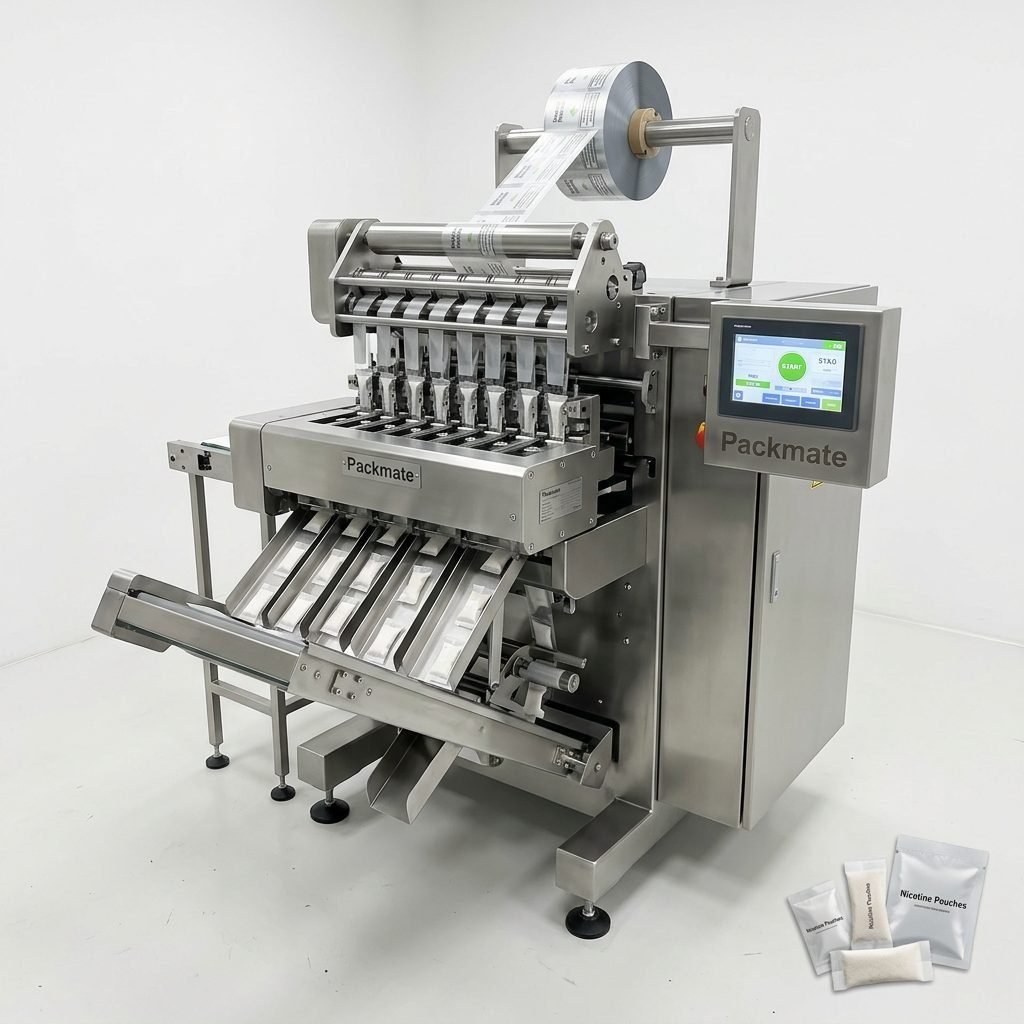
Key machine families:
• Multi-lane pouch machines for high throughput
• Stick pack & sachet machines for flexible format switching
• Powder/granule dosing systems for consistent weight control
Technical Specifications to Compare
Focus on achievable speeds (pouches/minute per lane), dosing accuracy, material handling, changeover time, and PLC/HMI controls. Also check whether the supplier offers multi-lane synchronization and modular add-ons like automated feeders, metal detectors, or vision systems.
Performance & Quality Assurance
Ask for documented performance tests, COA or FAT reports, and references from clients who run similar products. A supplier with 30+ years of experience and a large factory footprint is better positioned to provide robust quality control and spare parts availability.
Why factory scale matters:
• Consistent machining & assembly standards
• Faster spare parts turnaround
• Ability to customize turnkey production lines
Supplier Credentials and Certifications
Verify certifications like CE and ISO to ensure machines meet international safety and quality standards. These credentials are particularly important when operating in Turkey, where import and operational safety standards align with European norms.
Consider suppliers who actively attend global exhibitions and publish case studies — this indicates industry engagement and a track record of live demos and real-world validation. For example, review supplier portfolios and exhibition histories to understand machine capabilities and on-site performance.
Production Facility & After-Sales Support
A strong local service presence or a reliable global support network is valuable in Turkey. Prioritize suppliers with:
- Dedicated spare parts inventory and short lead times
- Remote diagnostics and commissioning support
- Training programs for operators and maintenance staff
- Clear warranty terms and service-level agreements
Commercial Terms, Pricing and Total Cost of Ownership
Don’t focus solely on purchase price. Evaluate the total cost of ownership: installation, energy consumption, spare parts, consumables, training, and downtime risk. Request a transparent quote that breaks down these components and clearly states what’s included in the turnkey solution.
Negotiation tips:
• Agree on spare parts kits with first-year discounts
• Ask for defined KPIs during FAT & SAT
• Include remote support hours in the contract
Customization and Turnkey Solutions
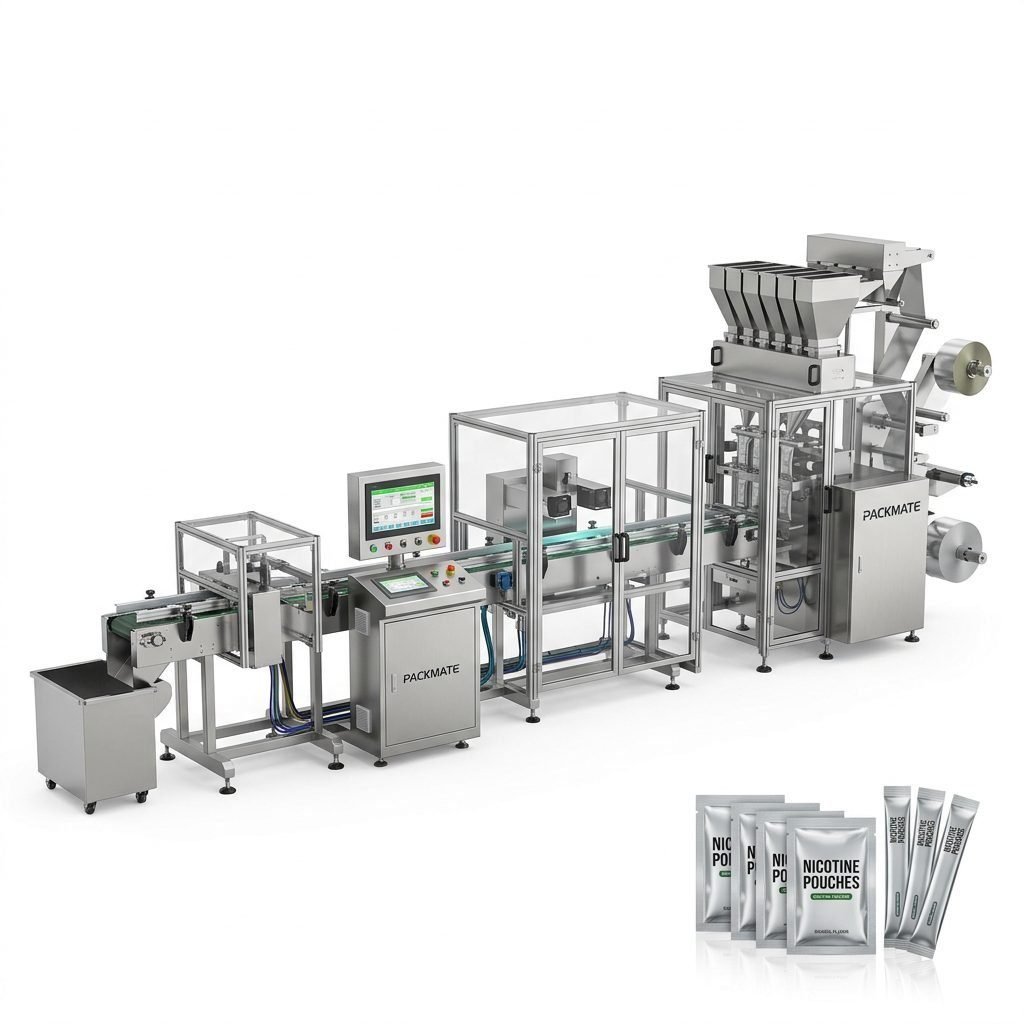
Turkish manufacturers often prefer flexible lines that can switch SKUs quickly for regional market demands. Look for suppliers offering modular designs and complete lines — from feeding and dosing to packaging and case packing — so you can scale production or add formats without buying new machines.
Explore product pages such as Snus & Nicotine Packaging Machines and Sachet & Stick Pack Machines to compare standardized modules and customization options.
Local Considerations in Turkey
Turkey has a vibrant manufacturing sector with a strong emphasis on export-driven production. When selecting a supplier, be mindful of:
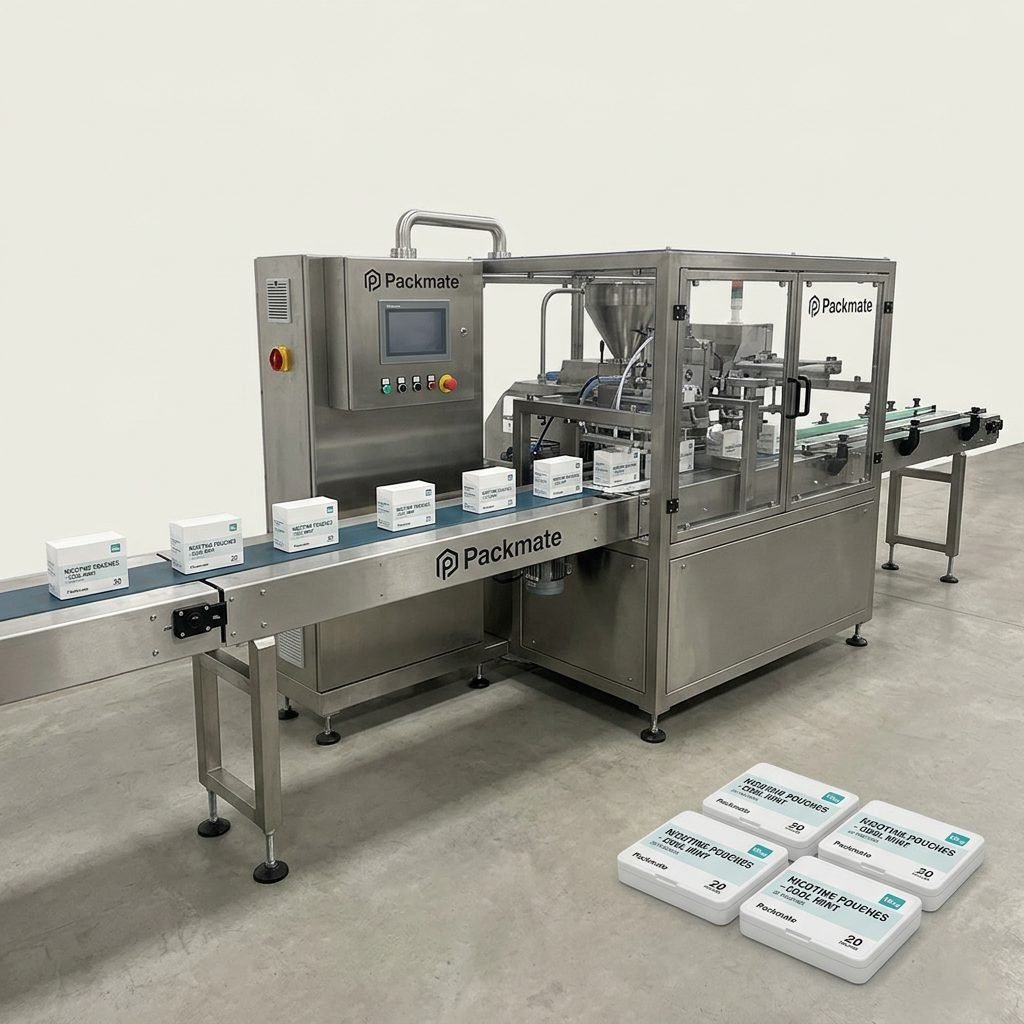
- Regulatory environment: nicotine and tobacco products are highly regulated; ensure machines support tamper-evident packaging and labeling for compliance.
- Logistics: Istanbul and Izmir are major logistics hubs — plan shipping and customs documentation accordingly.
- Business culture: Turkish buyers value clear communication, punctuality in delivery, and after-sales presence. Local language support or a dedicated account manager can make collaboration smoother.
Cultural & Seasonal Buying Patterns
Turkish factories may aim to ramp up for seasonal promotions or export cycles. Choose a supplier that can align commissioning and training schedules with these seasonal needs and that understands regional logistics variations during holidays.
Factory Visits, References and Live Demonstrations
Always request a live demonstration or a FAT (Factory Acceptance Test). If possible, visit the supplier’s manufacturing facility to inspect machining, assembly, and testing processes. Check their case studies and real-world deployments to validate reliability and performance. You can view successful implementations and customer cases to better understand delivered value.
For example, review supplier case histories at Case and their company profile at About Packmate to learn how experience translates into dependable delivery.
What to Inspect During a Factory Visit
Check machining centers, test benches, spare parts warehouse, assembly practices, and documentation control. Meet the engineering and after-sales teams — their responsiveness and technical depth are a good predictor of future support quality.
Inspection checklist highlights:
• CNC & machining capabilities
• Packaging material compatibility tests
• Spare parts stock levels
Logistics, Installation and Commissioning in Turkey
Plan for customs clearance, local transport, and site readiness. Verify electrical standards, compressed air quality, and foundation/space requirements. Good suppliers provide pre-shipment checklists and detailed commissioning plans to avoid delays at site.
Use the supplier’s service or contact pages like Contact Us to coordinate logistics and installation scheduling early in the process.
Training and Documentation
Ensure operator and maintenance manuals are provided in a language your team understands and that on-site or remote training sessions are part of the contract. Documentation should include wiring diagrams, PLC code descriptions, and spare parts lists.
Making the Final Decision — Scorecard Approach
Create a supplier scorecard with weighted criteria: technical fit (30%), quality & certifications (20%), after-sales & spare parts (20%), price & TCO (15%), references & local experience (15%). This objective approach helps eliminate bias and aligns selection with business priorities.
Quick decision checklist:
✓ Confirm machine performance via FAT
✓ Validate spare parts lead times
✓ Agree on training & warranty terms
Useful Links and Further Reading
Explore detailed product categories and system pages to match your technical requirements: Filling & Packaging Lines, Weighing & Packaging Systems, and Auxiliary Packaging Equipment.
Final Recommendations
Building a reliable snus packaging line in Turkey requires a supplier who combines technical excellence with strong after-sales support. Prioritize experience, documented performance, factory-scale manufacturing, and responsiveness. Seek clear commercial terms and a partner willing to align with Turkish market needs and seasonal production patterns.
If you want to review sample machines or request a quote, use the supplier’s catalogs and service pages to start a dialogue and plan FAT visits. See their certificates and exhibitions to ensure confidence in manufacturing standards and global presence.
Next Steps Checklist for Turkish Factories
1) Define required formats and annual volumes. 2) Shortlist suppliers with relevant snus experience and certifications. 3) Request FAT, on-site demo, and customer references. 4) Confirm spare parts & training plans. 5) Finalize contract with clear KPIs and warranty terms.
Contact & Support
For more detailed discussions about turnkey snus packaging solutions and to arrange demonstrations, reach out through official channels and share your product specs and required throughput so suppliers can prepare tailored proposals.
Frequently Asked Questions
Q: How do I verify a supplier’s machine performance before purchase?
A: Request a Factory Acceptance Test (FAT) with your product, check performance reports, and ask for client references who produce similar formats.
Q: What certifications should snus packaging machines have for use in Turkey?
A: Look for CE and ISO certifications as baseline quality and safety indicators; also ensure packaging meets local labeling and tamper-evidence expectations.
Q: How important is spare parts availability and service response time?
A: Extremely important — choose suppliers with sizable spare parts inventories, quick international shipping, and reliable remote support to minimize downtime.
Q: Should I buy a multi-lane machine or several single-lane machines?
A: Multi-lane systems are ideal for high-volume, space-efficient production; single-lane machines can provide flexibility if you run many small SKUs. Evaluate TCO and changeover needs.
Q: Where can I find more detailed product information and case studies?
A: Visit product pages and case studies on official websites to compare machine models, system integrations, and real-world implementations.