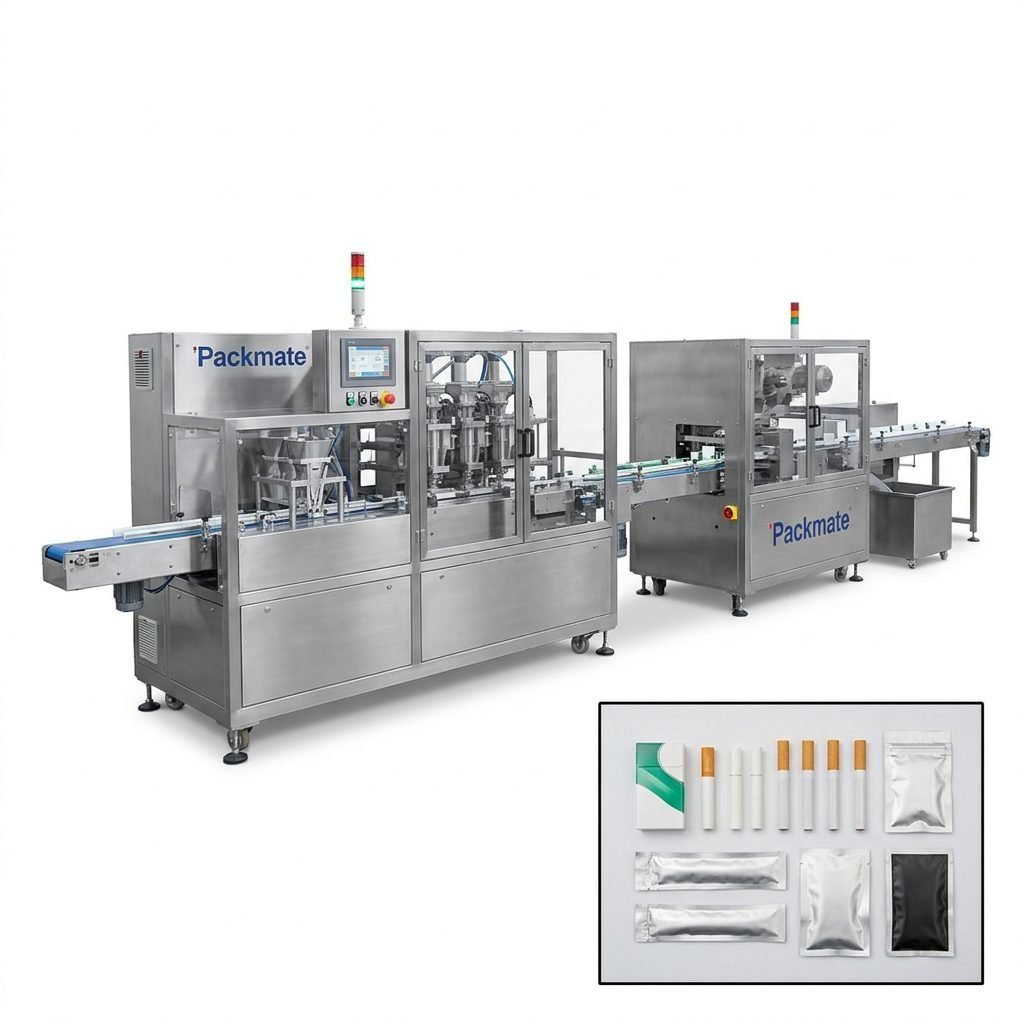
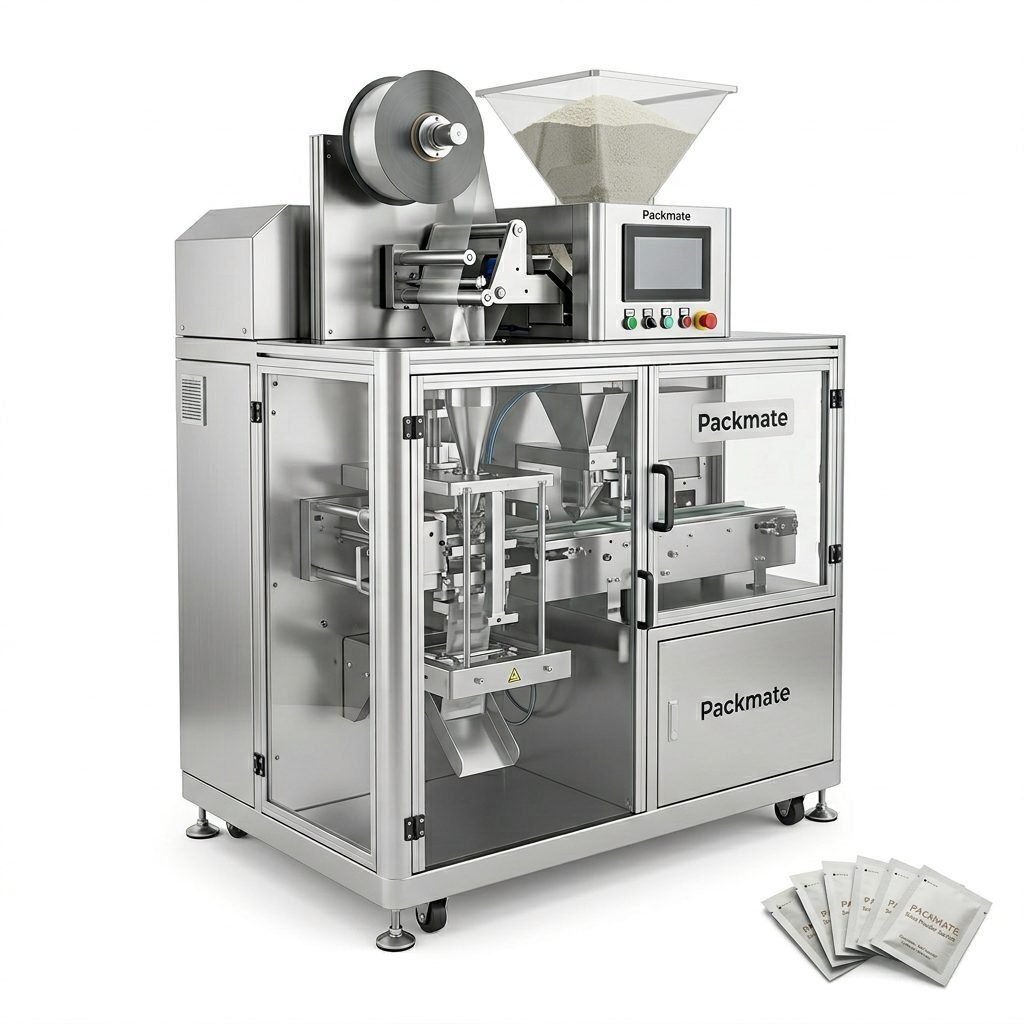
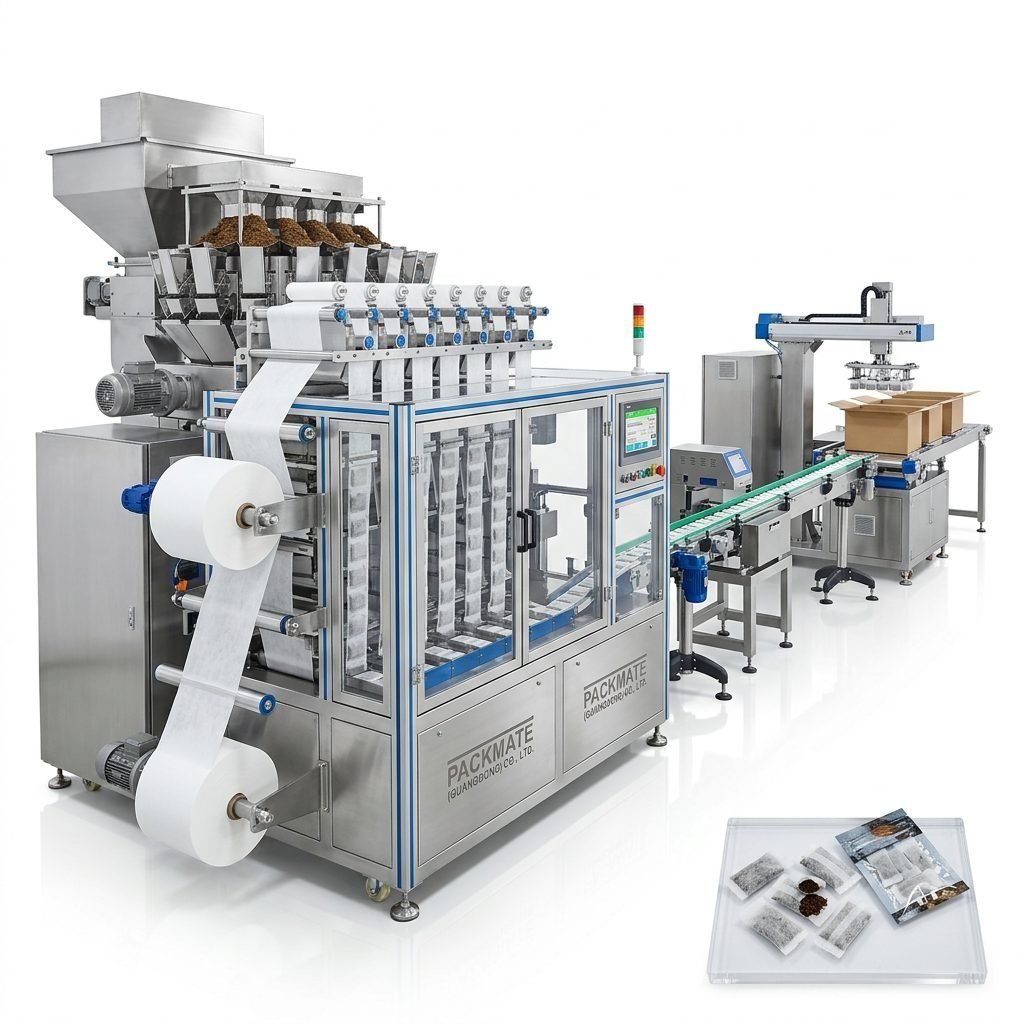
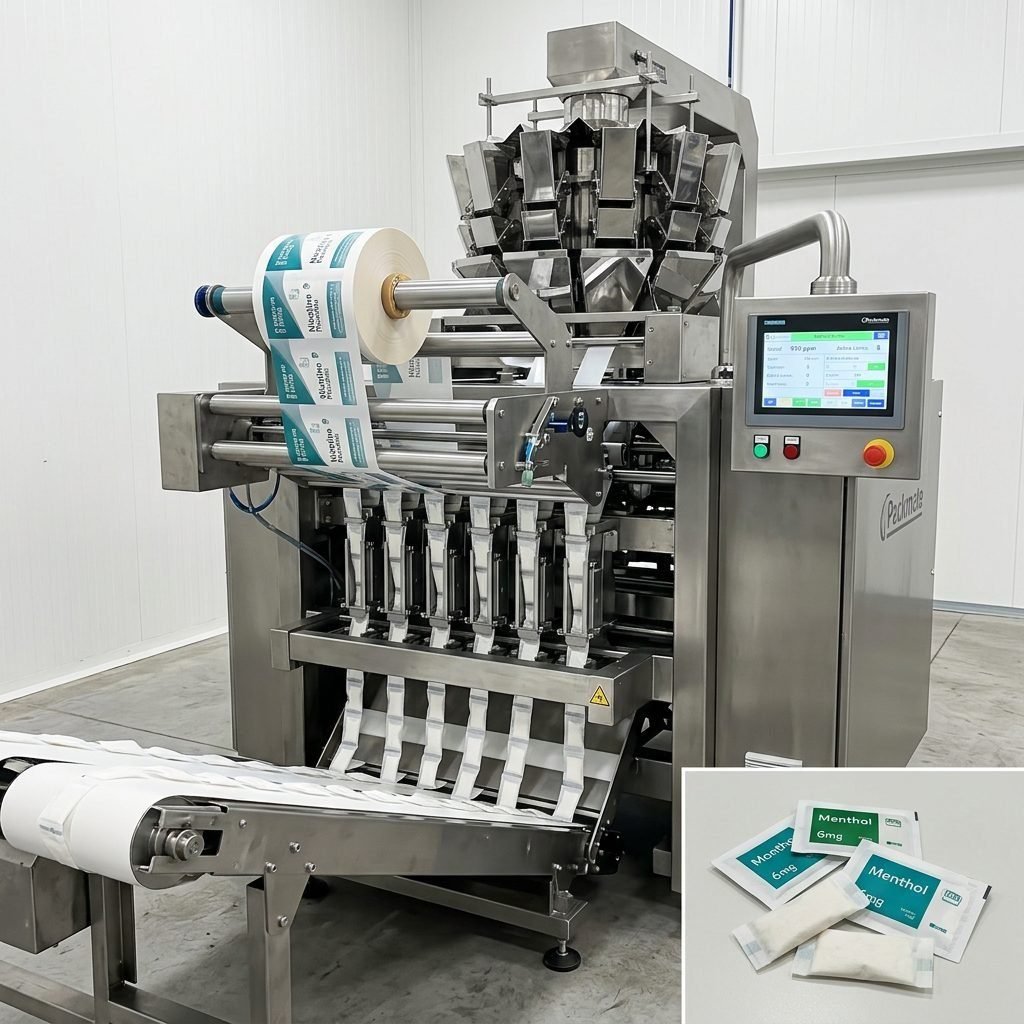
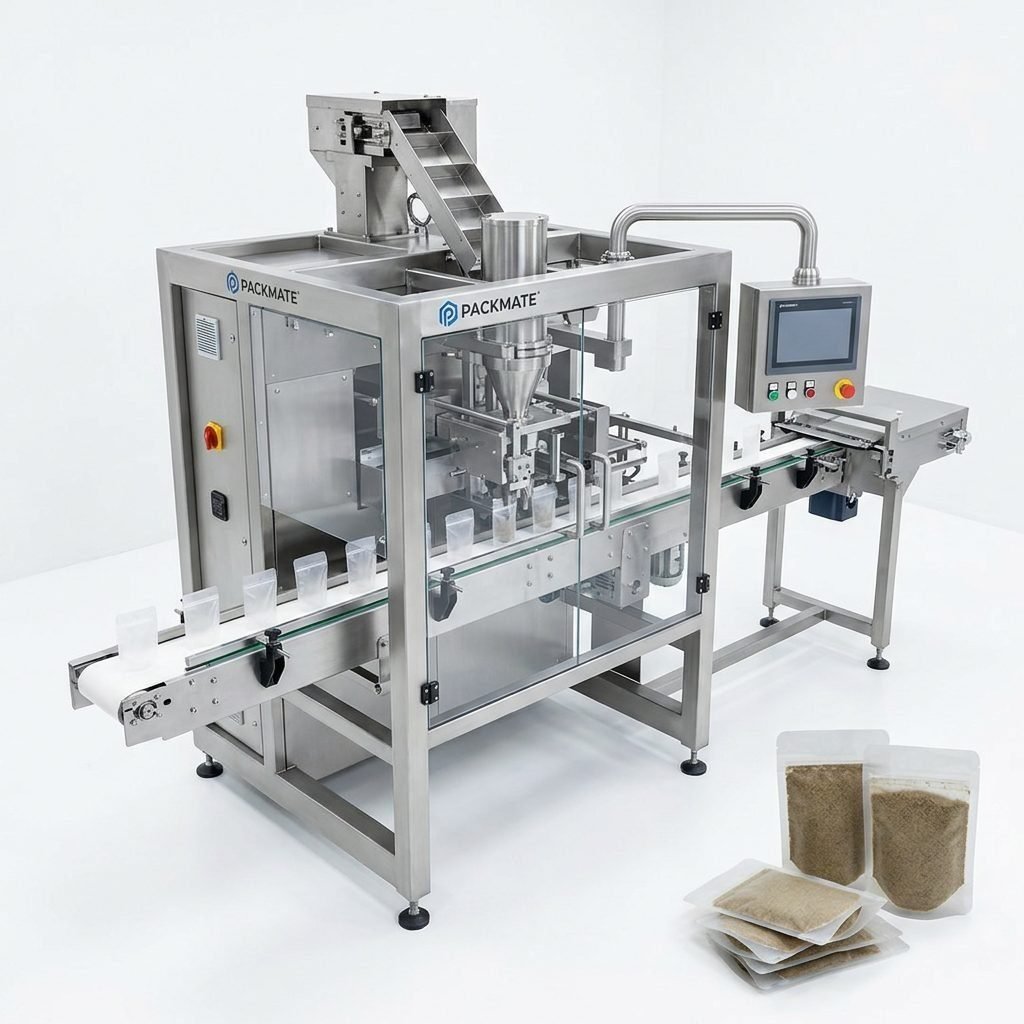
Choosing the right snus packaging machine supplier is a critical decision for any business seeking to enter or expand in the nicotine pouch market in Tanzania. From machine accuracy and production uptime to regulatory compliance and after-sales service, the supplier you select will shape your production efficiency, product quality, and long-term profitability. This guide walks you through practical factors and buying tips tailored to Tanzania’s market environment, helping you make an informed investment that matches local needs and business culture.
🔍 Understand the Local Market and Regulations in Tanzania
Tanzania has distinct social and regulatory considerations when it comes to nicotine and tobacco products. While consumer acceptance of snus and nicotine pouches may be emerging rather than mainstream, entrepreneurs must be aware of import rules, labeling requirements, and potential age-restriction enforcement. It is important to check national regulations and consult local legal advisors to ensure compliance with Tanzanian laws and any regional policies that affect electronic nicotine delivery or smokeless tobacco products.
Local sales channels often favor durable products and reliable after-sales support. In many Tanzanian business relationships, trust is built through face-to-face meetings and ongoing personal contact. Therefore, selecting a supplier who is responsive, willing to visit, and open to long-term cooperation will yield better results than a transactional-only vendor.
✅ Key takeaway
Understand regulatory requirements, respect local business culture, and prioritize suppliers offering strong local support and clear export documentation.
📌 Core Technical Factors to Evaluate
When comparing snus packaging machines, focus on technical specifications that impact product quality and production efficiency:
🔧 Accuracy and dosing control: Precise filling systems ensure consistent pouch weight and nicotine dose. This reduces waste and maintains product compliance.
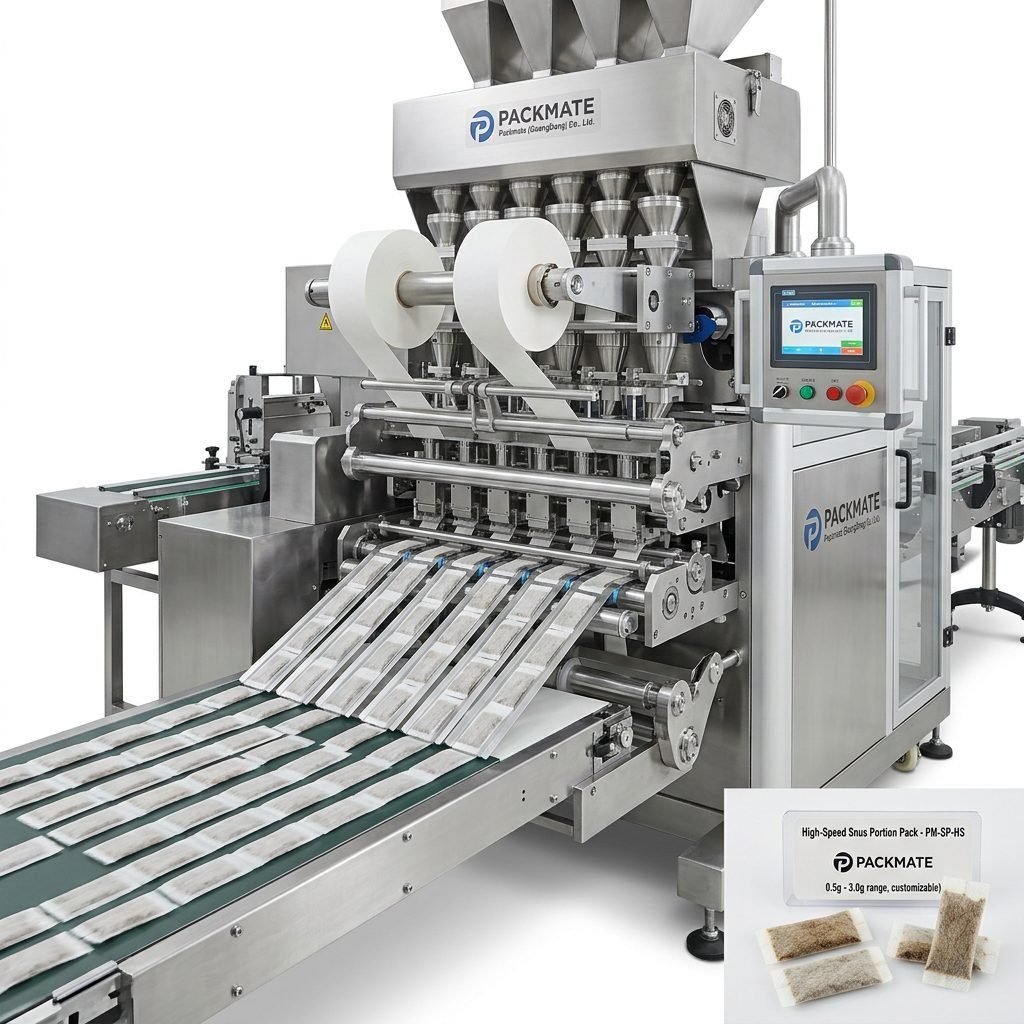
⚙️ Speed and throughput: Choose machines with proven multi-lane options if you need higher output without sacrificing stability.
🛠️ Material compatibility: Ensure the machine handles the type of snus or nicotine pouch material, powders, or granular mixes you use.
🔁 Changeover and flexibility: Look for quick format change capabilities and modular designs for future product variation.
🏭 Supplier Assessment: What to Verify
Evaluate potential suppliers across operational, quality, and commercial aspects. Below are key dimensions to compare.
Experience & Track Record
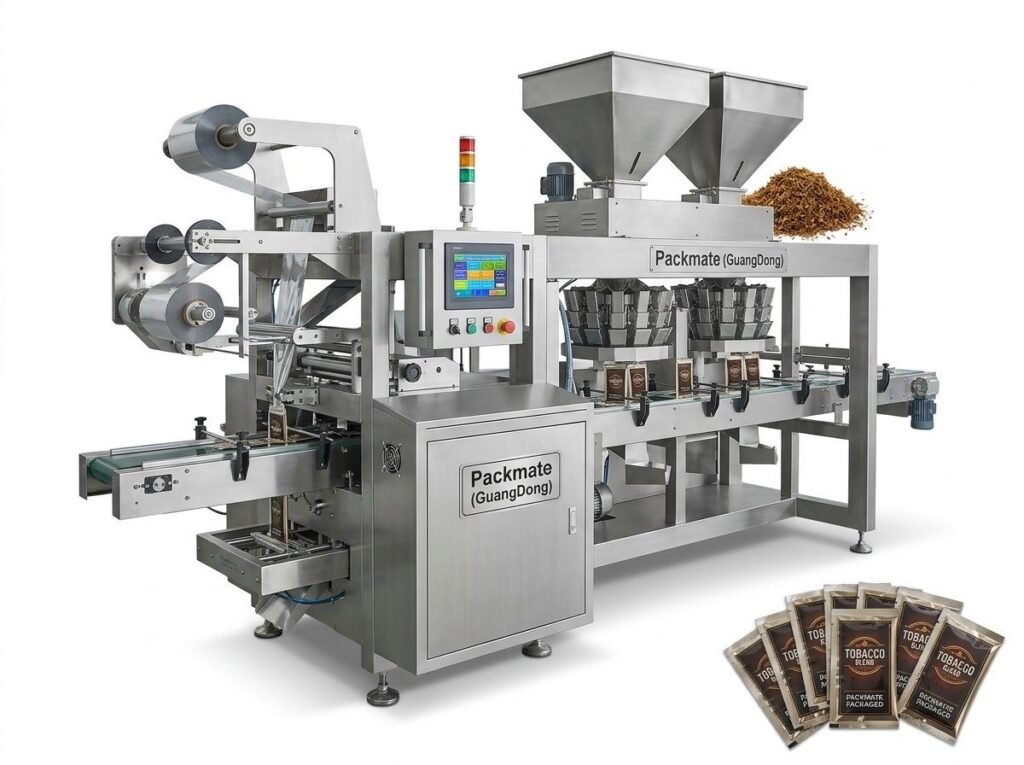
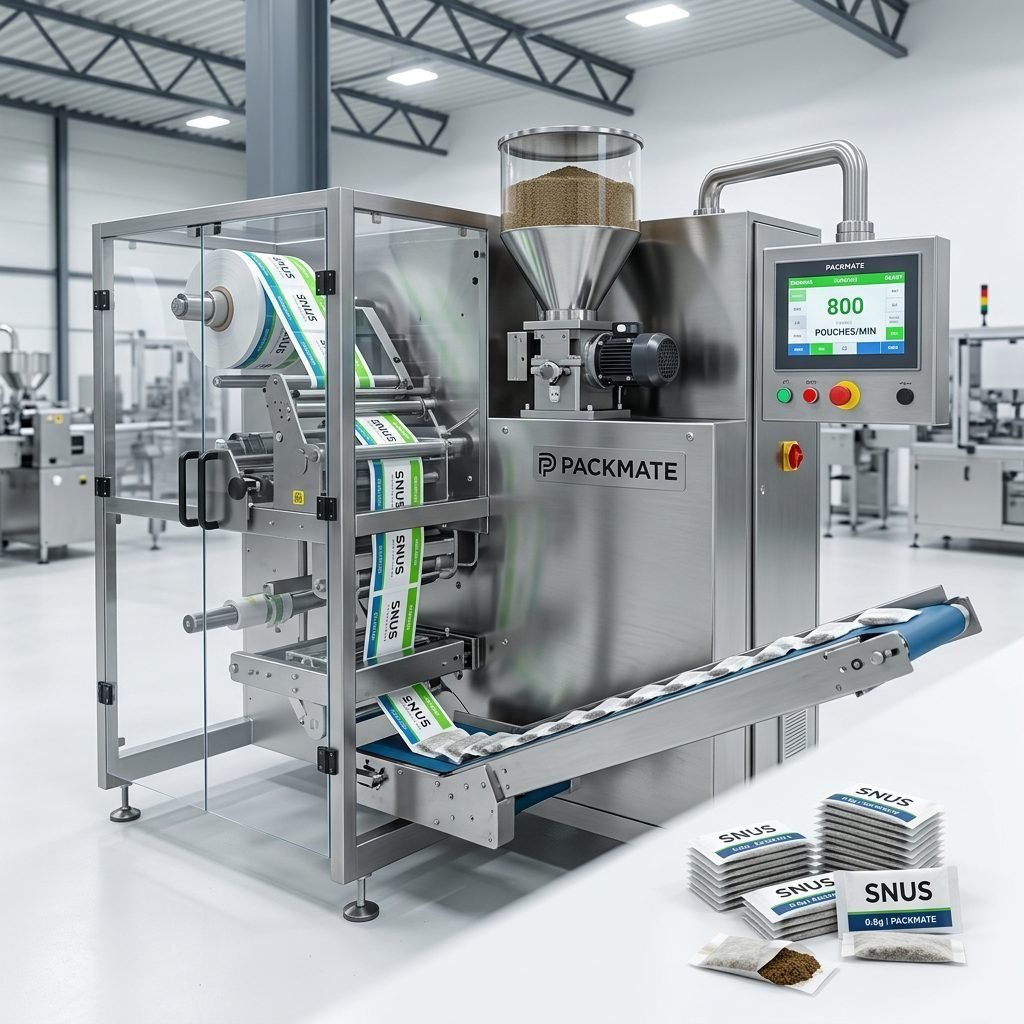
Prefer suppliers with at least a decade of focused experience in snus or nicotine pouch equipment. Companies with a broad portfolio and a clear timeline of development are more likely to offer mature, reliable solutions. For example, Packmate Snus Machine brings decades of engineering and multiple machine families spanning stick pack, sachet, and multi-lane systems — a sign of robust product development and industry focus. Learn more about their background on the About Packmate page.
Factory Capacity & Quality Control
Check the supplier’s manufacturing footprint, CNC capabilities, and quality-testing procedures. A well-equipped 20,000㎡ facility with advanced machining centers and precision assembly lines indicates scale and consistency. Suppliers that publish certificates (CE, ISO) and allow factory visits tend to be more transparent—review certifications when available: Certificates.
Customer Cases & References
Ask for case studies and client references, ideally in similar markets or with similar product types. Suppliers who showcase global exhibition presence and successful deployment cases often have refined installation and training practices. See practical examples in the supplier’s case section: Case.
🤝 After-Sales Support and Local Service Considerations
After-sales is often the most crucial factor for buyers in Tanzania — distance and supply chain complexity make remote support challenging. Confirm the following:
📦 Spare parts availability and lead time — ensure critical parts can be shipped quickly or stocked locally.
🧰 Technical training — onsite training for operators and maintenance technicians, ideally bilingual or with translated manuals.
📞 Remote diagnostics and spare-part kits — verify the supplier offers structured remote troubleshooting and replacement kits for common wear parts.
🚚 Installation and commissioning — clarity on who handles customs clearance, local transportation, and machine commissioning.
💡 Match Machine Types to Your Product Strategy
Your product format and future roadmap should dictate the machine family you choose. Common options include:
- Stick pack machines — simple single-dose formats for lower-cost pouches.
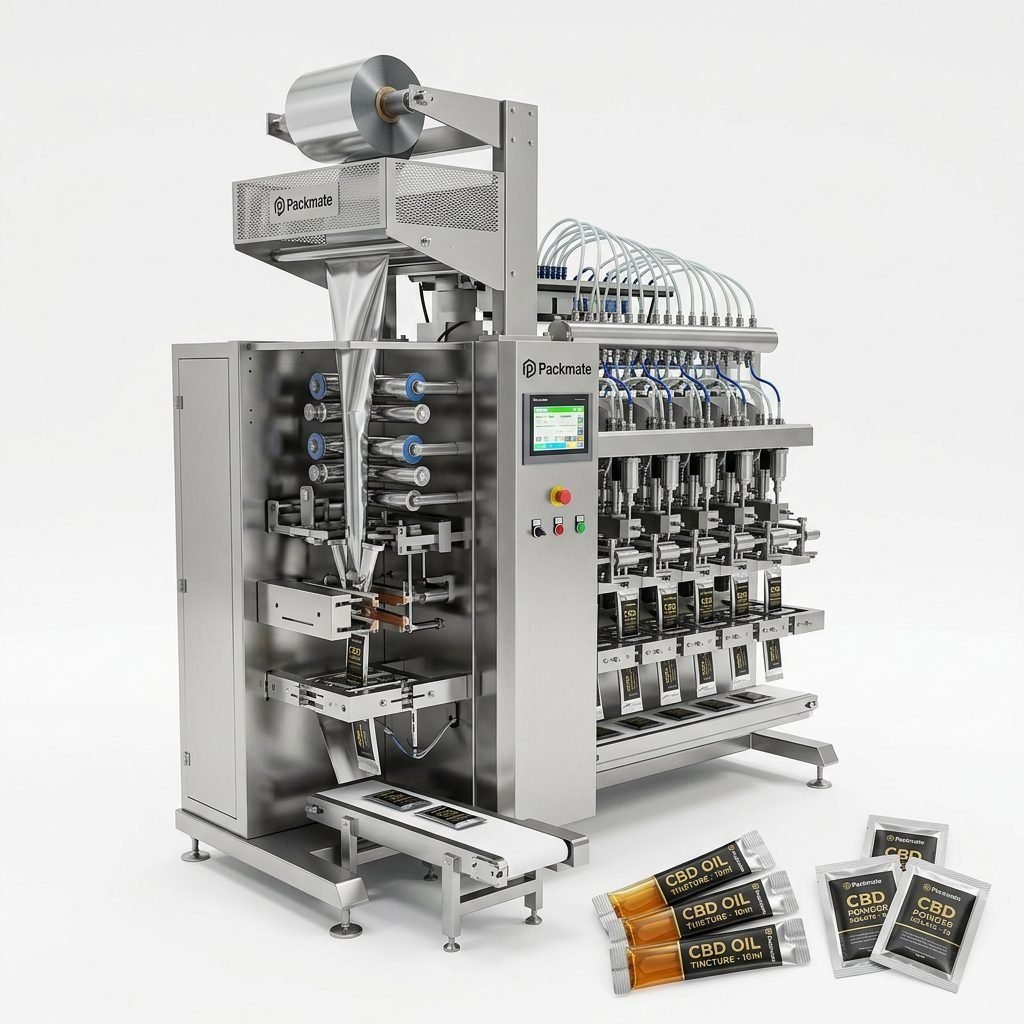
- Sachet & pouch machines — flexible for different sachet sizes and packaging formats. See Sachet & Stick Pack Machines for models and capabilities.
- Multi-lane snus packaging systems — ideal for high-volume production with consistent dosing across lanes. Explore multi-lane solutions in Snus & Nicotine Packaging Machines.
⚖️ Pricing, Payment Terms and Total Cost of Ownership
When assessing price, consider total cost of ownership (TCO): initial purchase price, installation, spare parts, consumables, energy consumption, and expected uptime. Tanzanian buyers should confirm:
– Whether the quoted price includes training, installation, and a basic spare parts kit.
– Payment terms (LC, T/T, milestone payments) and any needed export documentation for customs clearance.
– Warranties and extended service agreements to protect operational continuity.
🔎 Factory Visits, Factory Acceptance Test (FAT), and Pre-Shipment Checks
If possible, conduct a factory visit or request a video FAT. A proper FAT demonstrates machine performance under load and verifies control systems, speeds, and dosing accuracy before shipment. For buyers who cannot travel, insist on a detailed video FAT, signed test reports, and clear acceptance criteria.
🔁 Ensure FAT includes:
• Real product testing with your formula or representative material.
• Speed and stability tests over a production cycle.
• Demonstration of control systems, alarms, and safety features.
📦 Logistics, Installation and Local Requirements in Tanzania
Plan for customs clearance, inland transportation to your factory, and electrical compatibility. Recommended checks:
– Voltage and frequency compatibility: confirm whether voltage converters or stabilizers are required for Tanzanian grid variations.
– Crating and lifting: ensure supplier provides packing and handling instructions for safe unloading.
– Local technician training and documentation in English and, if helpful, Swahili translations for operators.
🔧 Warranty, Spare Parts and Consumables
Insist on a clear warranty period and a list of wear parts with reference numbers and lead times. A good supplier will offer:
- Comprehensive warranty terms with defined response times.
- Consumable lists (seals, belts, cutting tools) and recommended stock levels for Tanzania to avoid production downtime.
- Support for remote diagnostics and spare-part kits for common failures.
📝 Negotiation Tips & Contract Clauses
Protect your interests by negotiating:
• Clear delivery schedule and responsibility for customs clearance.
• Detailed acceptance criteria and post-FAT remedies if specs are not met.
• Training obligations, documentation language, and onsite commissioning timelines.
• Spare parts availability commitments and lead-time caps for critical items.
📈 Scaling and Future-Proofing Your Investment
If you plan to expand production, choose modular machines that allow lane expansion or integration with upstream and downstream systems (weighing, feeding, carton forming). Consider suppliers able to provide full lines and auxiliary equipment: Weighing & Packaging Systems and Auxiliary Packaging Equipment.
🌍 Why Choose a Supplier with Global Reach
Global suppliers often bring standardized processes, international certifications, and experience handling exports, customs, and multi-country service networks. If your supplier exhibits international cooperation cases and exhibition presence, it demonstrates capability to serve global clients and adaptability to different regulatory environments. Discover exhibition credentials at Our Exhibition.
⚠️ Red flags to avoid
• Vague technical specifications or no FAT offering.
• Unwillingness to provide references or factory visits.
• No written warranty terms or spare-part commitments.
🧾 Useful Supplier Resources and Next Steps
Once you shortlist suppliers, request the following documentation and checks:
- Complete machine datasheets and electrical requirements.
- Factory photos and assembly lines to confirm production scale.
- Sample case studies and a list of installed machines with client contacts.
- Detailed spare parts list and recommended starter kit.
For additional product options and end-to-end lines, explore product categories such as Filling & Packaging Lines and the full catalog for tailored solutions: Catalog.
Conclusion
Selecting the best snus packaging machine supplier for Tanzania requires a balanced evaluation of technical capability, factory strength, regulatory and logistical readiness, and post-sale support. Prioritize suppliers that demonstrate proven snus experience, transparent factory processes, international certifications, and reliable after-sales service. Incorporate local realities—power stability, customs processes, and language needs—into your procurement plan to ensure a smooth installation and sustained production.
Frequently Asked Questions
Q1: What certifications should I expect from an international snus packaging supplier?
Look for CE and ISO certifications as baseline indicators of safety, quality management, and regulatory compliance. Suppliers with transparent certification documentation are preferable.
Q2: How do I handle customs and import of a packaging line into Tanzania?
Coordinate with your supplier for complete export documents (commercial invoice, packing list, bill of lading, certificate of origin) and hire an experienced customs broker in Tanzania to speed clearance. Clarify Incoterms upfront to know who handles duties and clearance.
Q3: What local support should I plan for after machine arrival?
Plan for operator and maintenance training, spare-part inventory for critical wear items, access to remote technical support, and a clear escalation path with the supplier for urgent issues.
Q4: Are multi-lane machines a good choice for a Tanzanian startup?
Multi-lane machines are excellent for scaling volume but require greater up-front investment and more sophisticated maintenance. For startups, consider modular systems that allow gradual upgrades.
Q5: How can I evaluate a supplier remotely if I cannot travel to the factory?
Request live video FAT sessions, detailed machine videos under full production, client references you can contact, scanned certification documents, and clear written guarantees in the contract.
If you need additional supplier information or to get in touch with experienced manufacturers, check the supplier contact page for direct inquiries and service support: Contact Us.