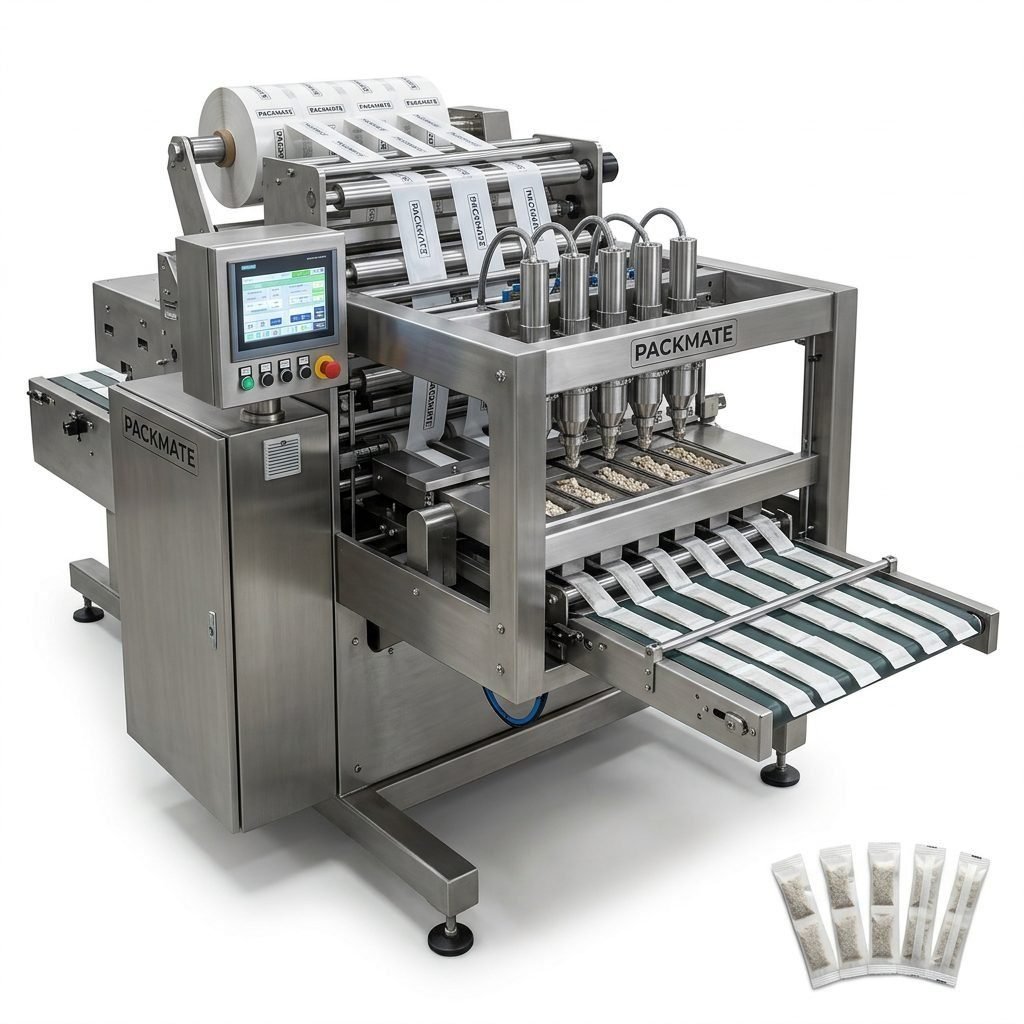
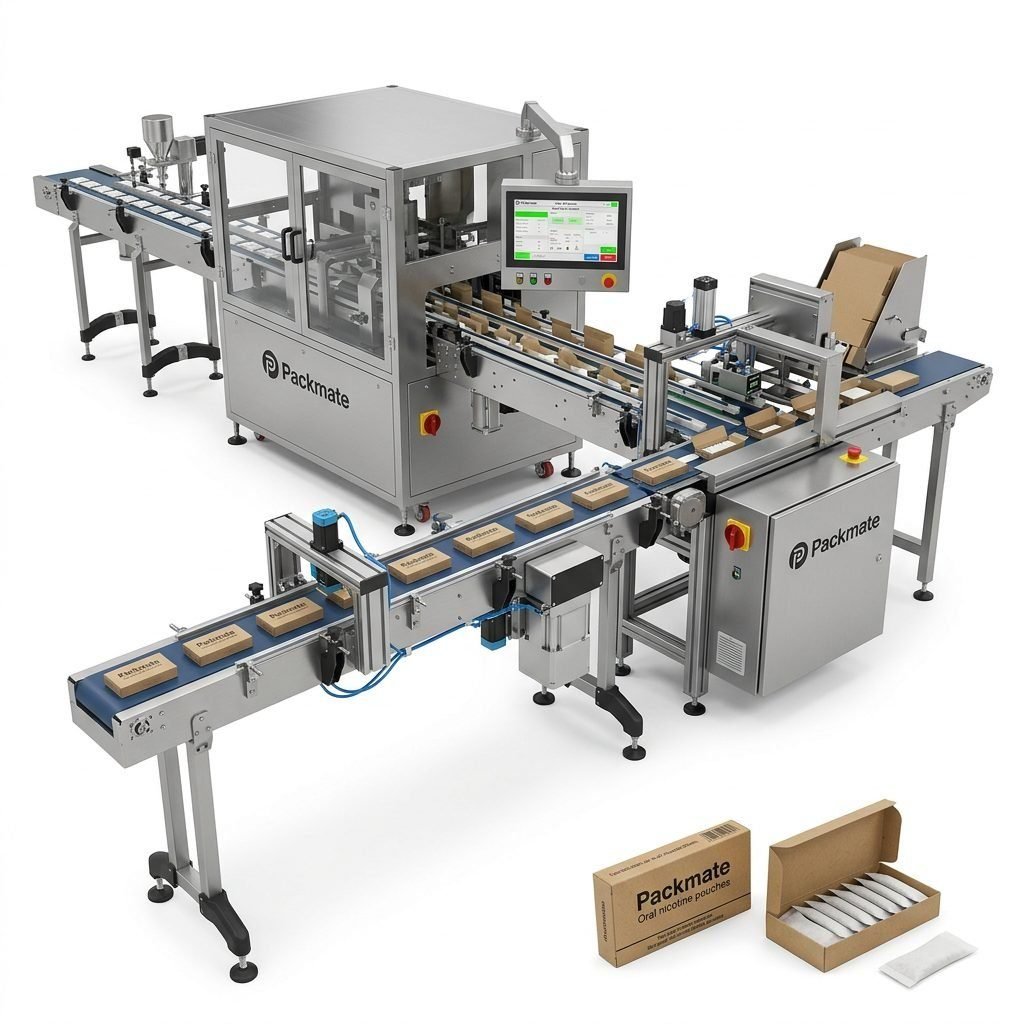
Choosing the right snus packaging machine supplier in Canada can make or break your production plans. Whether you are launching a new nicotine pouch brand, scaling an existing line, or seeking an automated turnkey solution for sachets and stick packs, selecting a supplier with proven engineering, local market insight, and reliable after-sales support is critical. This guide walks you through practical tips, evaluation checklists, and Canada-specific considerations to help you make a confident buying decision.
Why the Right Supplier Matters in the Canadian Market
Canada’s commercial landscape for snus and nicotine pouches is shaped by strong regulatory oversight, regional distribution differences, and consumer preferences that emphasize quality and packaging compliance. A supplier who understands these nuances reduces time-to-market, avoids costly reworks and ensures machines are configured to meet bilingual labeling, temperature challenges, and logistics realities across provinces.
Key Canada-specific considerations
Regulatory alignment: Health Canada and provincial rules can affect allowable nicotine products, packaging claims, and labeling. Choose a supplier who can provide documentation and configuration to meet these requirements. Bilingual labeling (EN/FR) is often required for national distribution.
Climate and storage: Canadian warehouses and transport can see extreme temperature swings. Machines and materials should be suitable for low-temperature handling and produce packaging that resists moisture and brittleness.
Consumer expectations: Canadian buyers often expect premium finishes and tamper-evident solutions. Your packaging line should support options like peelable lids, reclosable pouches, and precise portioning for consistent user experience.
Core Features to Evaluate in a Snus Packaging Machine Supplier
Selecting machines is not just about the headline performance metrics; it’s about matching product form, speed, and flexibility. Below are the core features to prioritize when assessing suppliers.
1. Packaging formats and flexibility
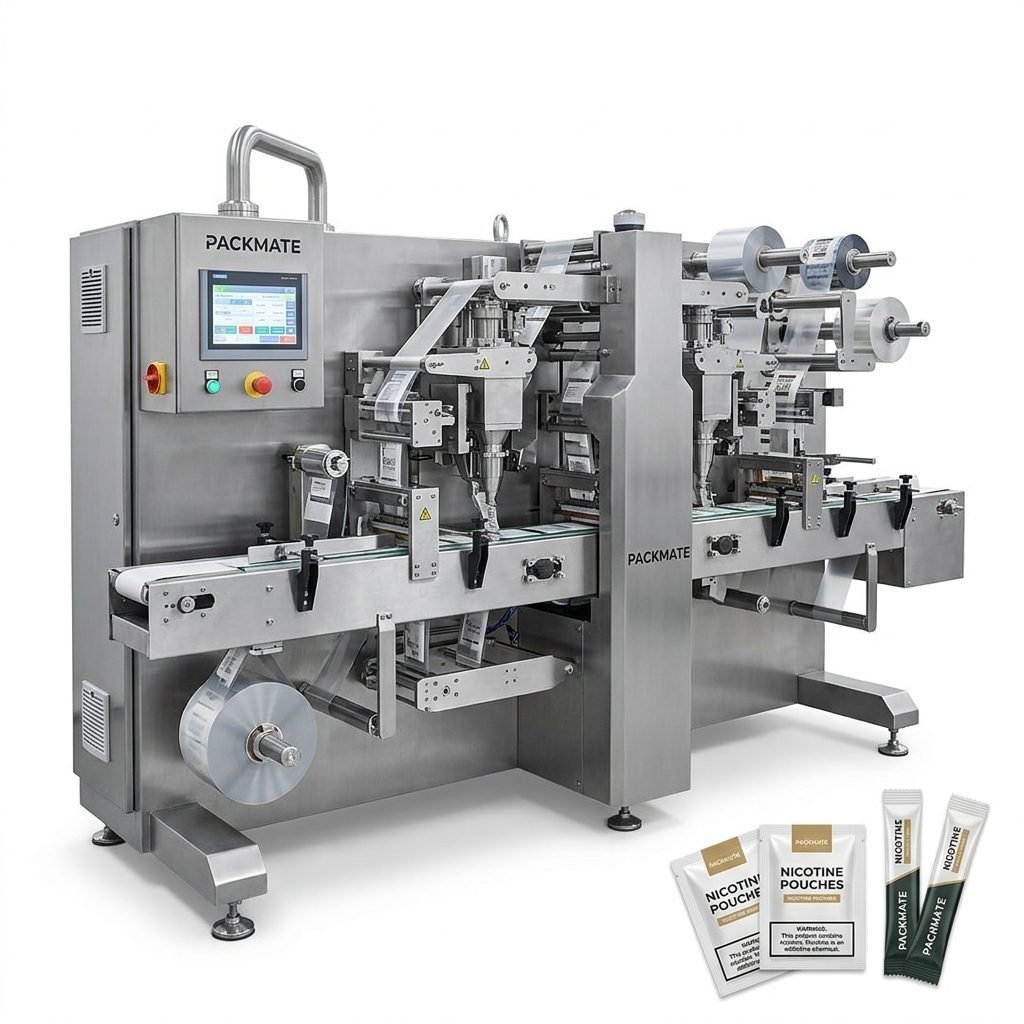
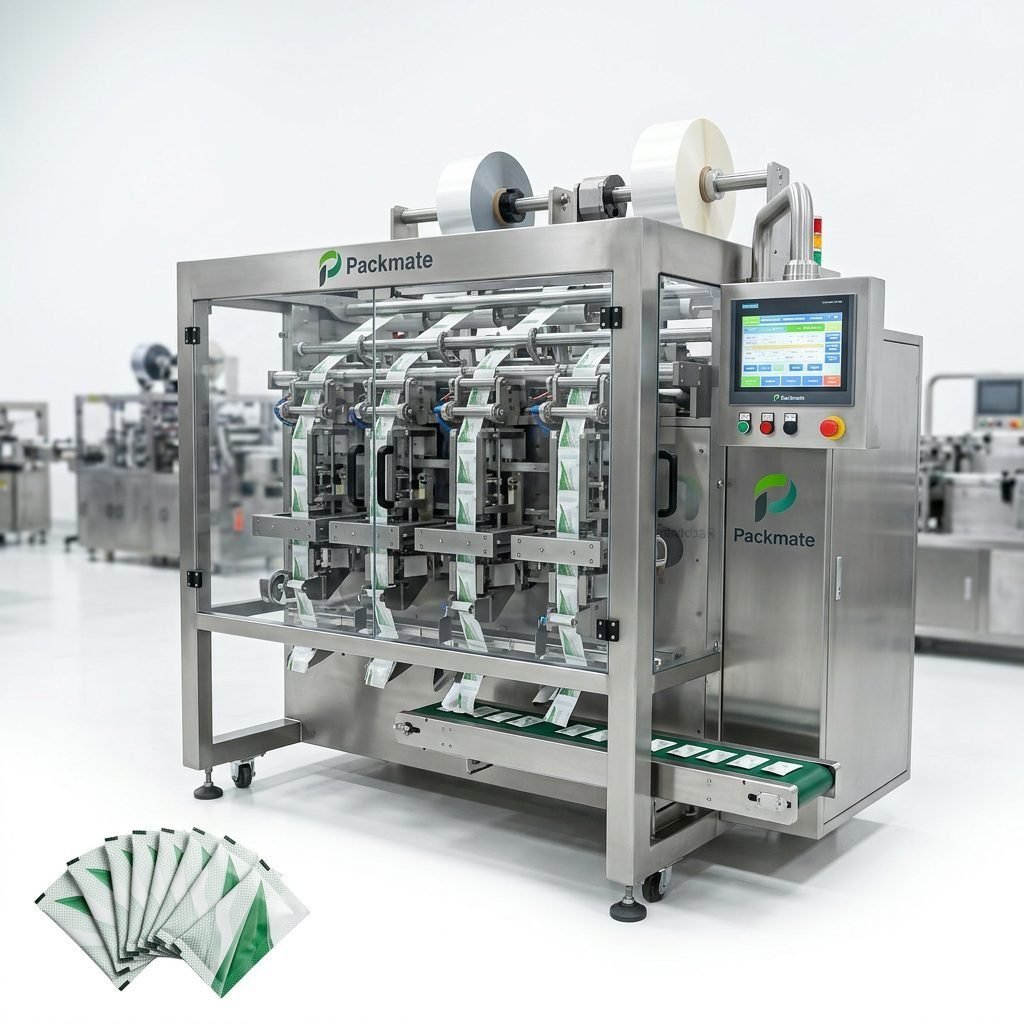
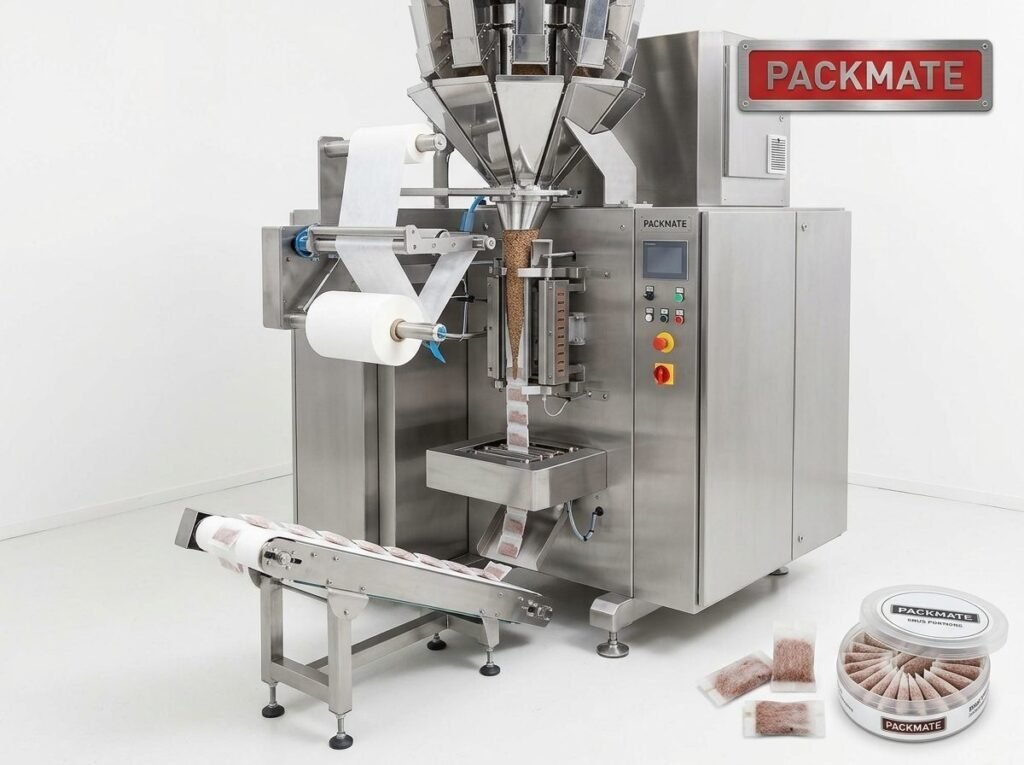
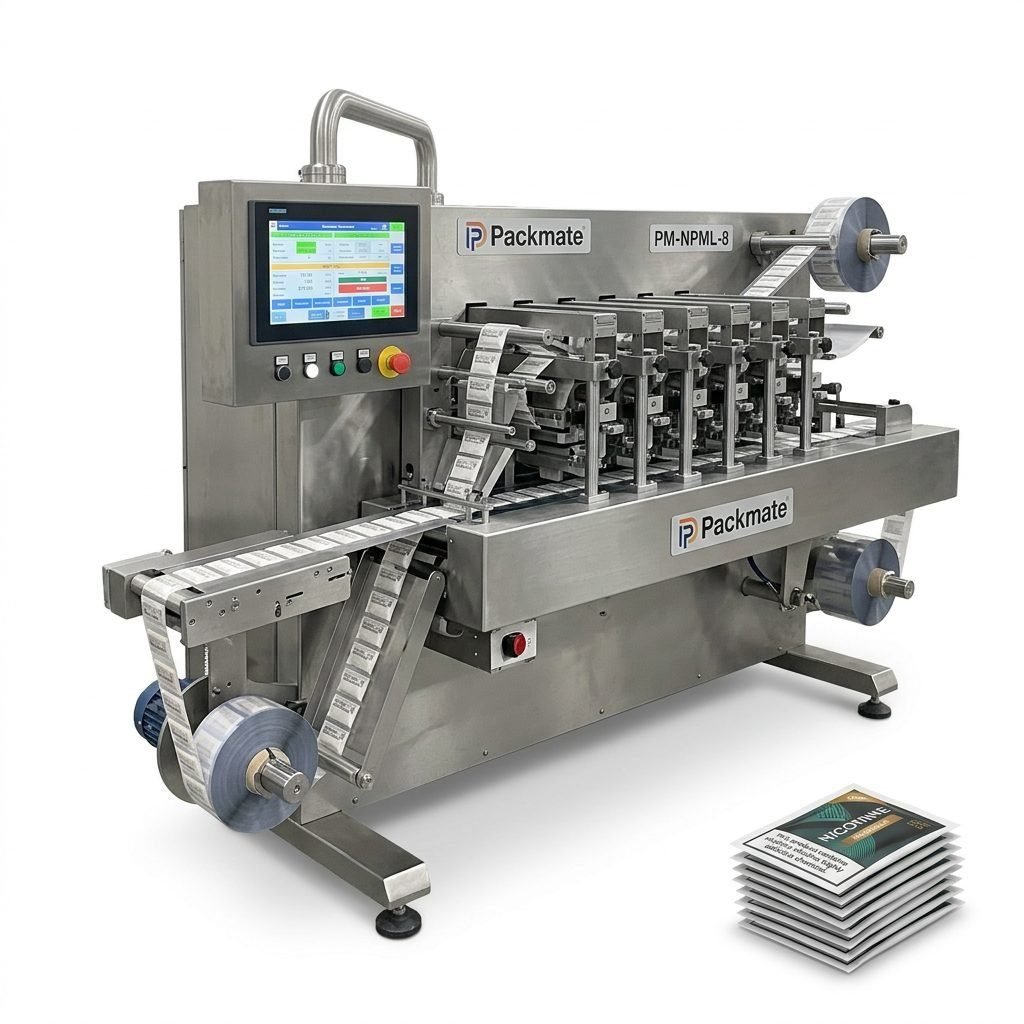
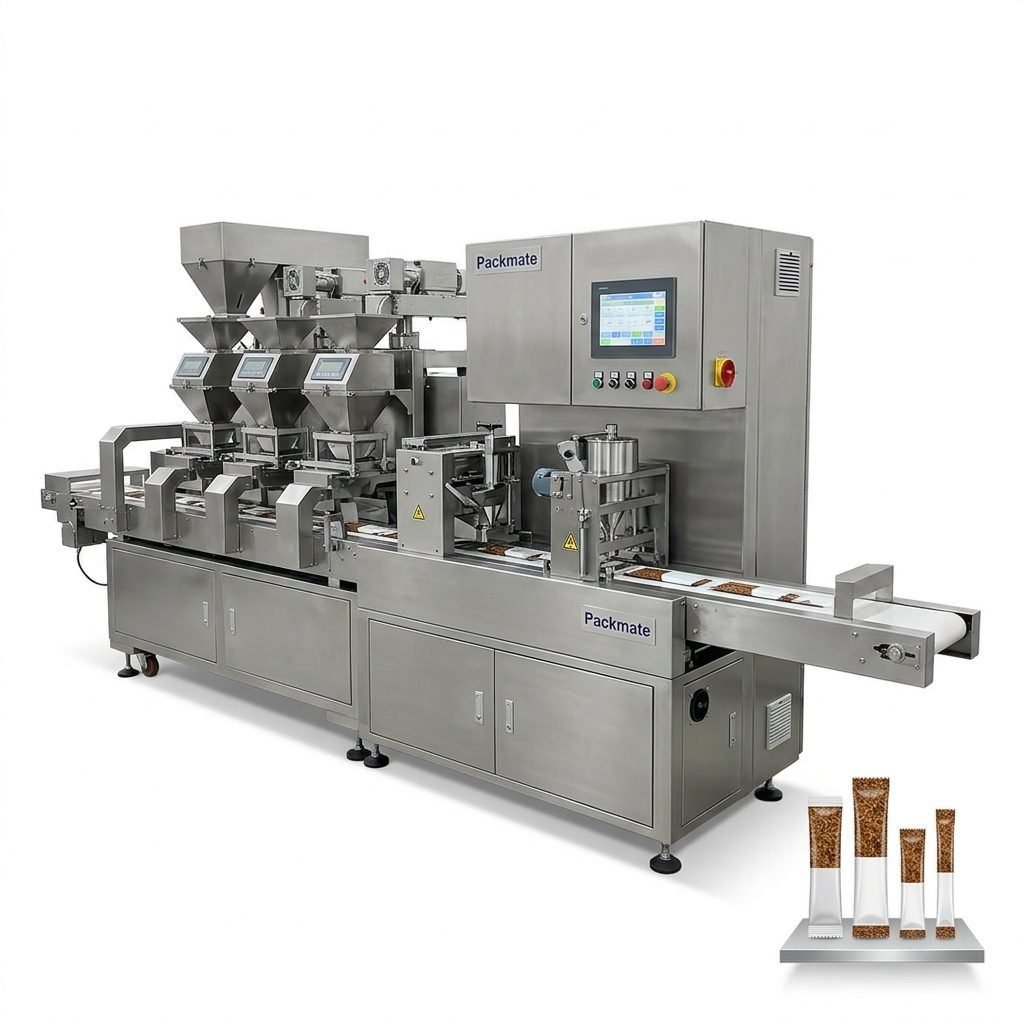
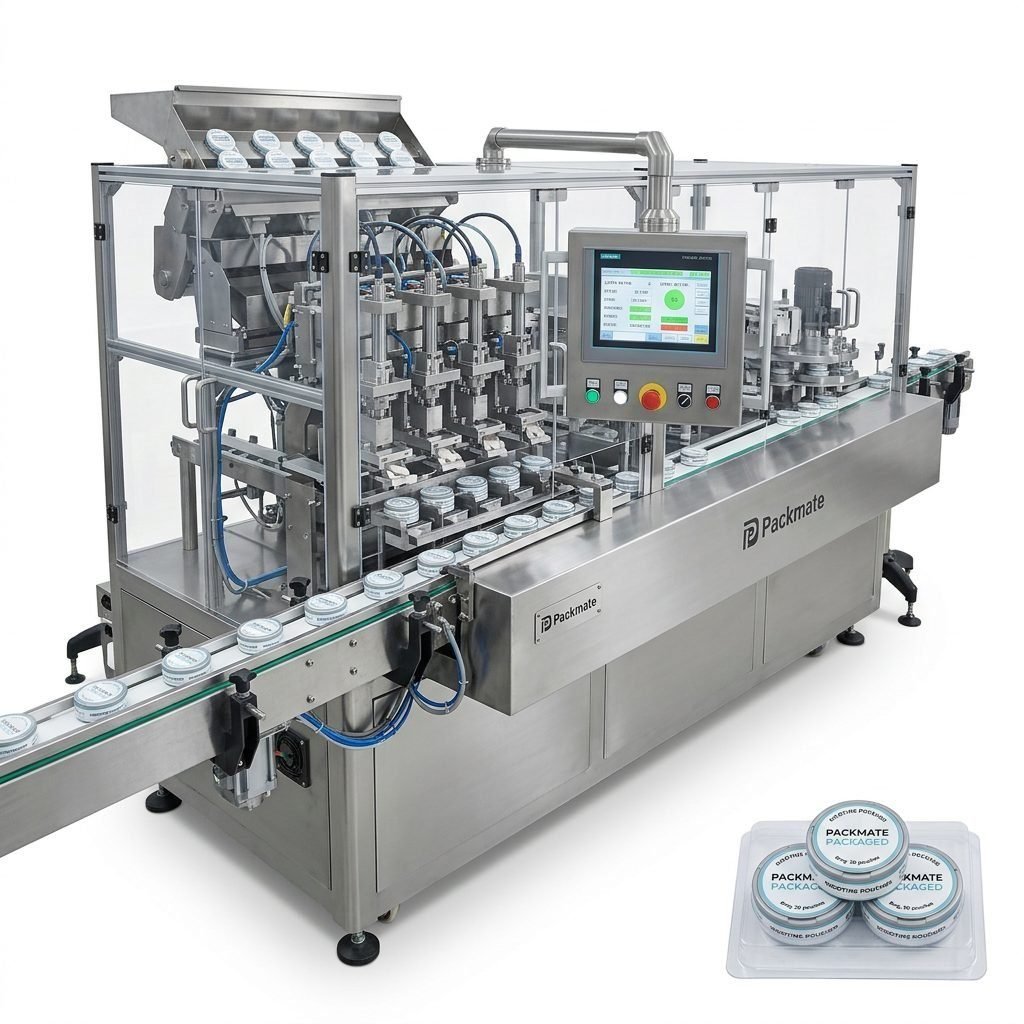
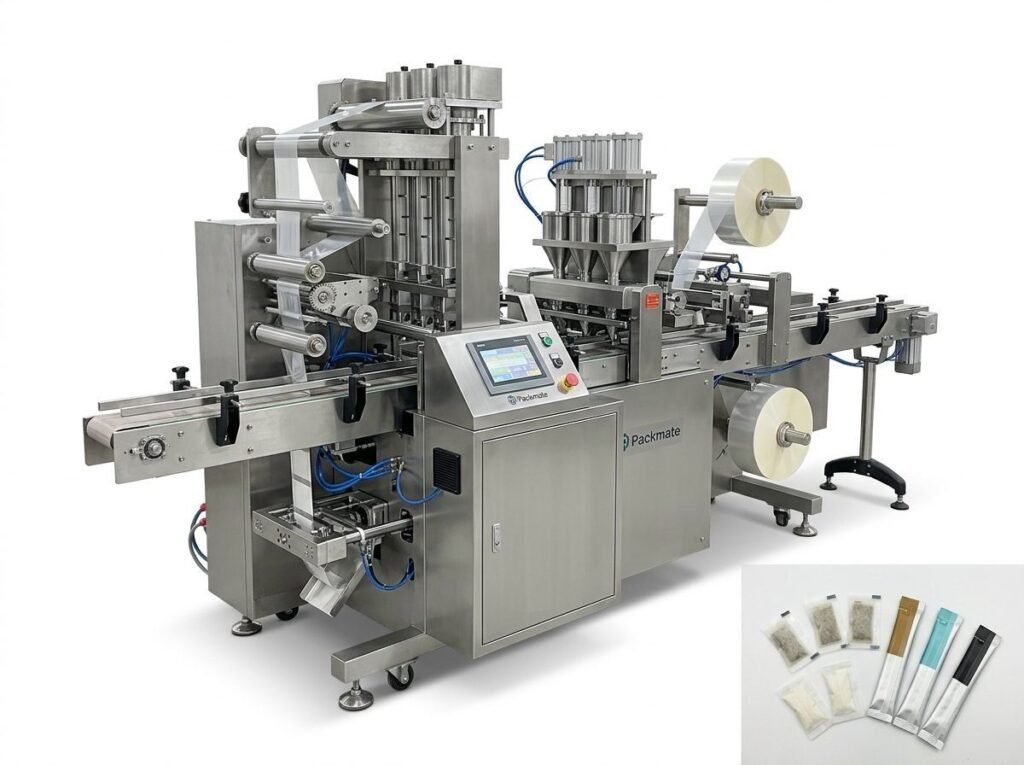
Does the supplier offer solutions for nicotine pouches, stick packs and sachets, as well as multi-lane options for high-speed production? Look for vendors with experience across formats — this reduces the risk of needing a second system later. Explore product lines like Snus & Nicotine Packaging Machines and Sachet & Stick Pack Machines.
2. Speed, accuracy and yield
High throughput is important, but not at the cost of variability. Prioritize machines with precise dosing systems, consistent sealing, and minimal downtime. Suppliers should be able to demonstrate real-world yield numbers and provide case studies or factory acceptance testing evidence.
3. Customization and future-proofing
Your product roadmap may require different pouch sizes, tray formats, or printing options. A strong supplier offers modular solutions and upgrades so you can adapt without a complete replacement. Check whether changeovers are tool-less and how quickly format changes can be performed.
4. Certifications, safety and compliance
Verify that machines meet international standards like CE and ISO, and request documentation. A supplier who documents compliance can assist with audits and ease regulatory approvals in Canada. For Packmate details visit Certificate.
Assessing Supplier Reliability: Factory Strength & Quality Control
A supplier’s manufacturing capacity, machining capabilities, and historical track record speak volumes about long-term reliability. Prefer manufacturers with robust CNC centers, precision assembly lines, and formal quality control processes.
Quick factory checklist:
- 20,000㎡ manufacturing area with advanced CNC and assembly — indicates capacity for large orders
- 30+ years engineering experience — shows design maturity and iterative improvements
- On-site testing and FAT (factory acceptance testing) capabilities — reduces surprises at installation
After-Sales Service, Spare Parts and Training
In Canada’s vast geography, responsive after-sales service is essential. Machine uptime often determines profitability — ensure clear SLAs for parts delivery, remote troubleshooting, and local field support if required.
What to ask about service
Spare parts availability: Are critical wear parts stocked regionally or shipped quickly?
Training and documentation: Will technicians receive on-site commissioning, operator training, and maintenance manuals with bilingual options where needed?
Remote diagnostics: Can the supplier provide remote monitoring and software updates to minimize downtime and support predictive maintenance?
Total Cost of Ownership (TCO) vs. Upfront Price
Lowest initial price often hides higher lifecycle costs. Evaluate energy efficiency, spare parts cost, mean time between failures (MTBF), and the expected lifespan. Factor in installation, training, and any required modifications to meet Canadian regulatory or workplace safety standards.
TCO quick tips:
- Request a multi-year spare parts estimate and expected annual maintenance hours
- Check energy consumption specs for long-term cost savings
- Consider modular upgrades — they often extend usable life more cheaply than new machines
Factory Acceptance, Installation and Validation
Well-run suppliers offer Factory Acceptance Tests (FAT), pre-shipment trials, and installation support at your site. For regulated products, require documented validation protocols that cover product dosing accuracy, seal integrity, and labeling checks.
Red flags to watch
⚠️ Lack of FAT demonstrations, vague warranty terms, or zero references from similar markets are warning signs. Ask for case studies and local references — see global examples in the supplier’s Case section.
Negotiation & Contract Tips for Canadian Buyers
When negotiating, include service-level agreements, delivery timelines, penalties for missed milestones, and clear acceptance criteria. Consider payment milestones tied to FAT completion, delivery, and successful commissioning.
Logistics and import considerations
Canada’s import duties, customs clearance, and transport logistics can add lead time. Ensure your supplier understands export packaging and can coordinate with freight forwarders who specialize in heavy industrial equipment.
Why Packmate Could Be a Good Fit for Canadian Buyers
Packmate Snus Machine brings decades of focused engineering to snus and nicotine pouch packaging. With a history dating back to early R&D in 1993 and a modern factory footprint of 20,000㎡, the company offers robust manufacturing capabilities and a portfolio spanning stick packs, sachets, and multi-lane systems. Learn more About Packmate.
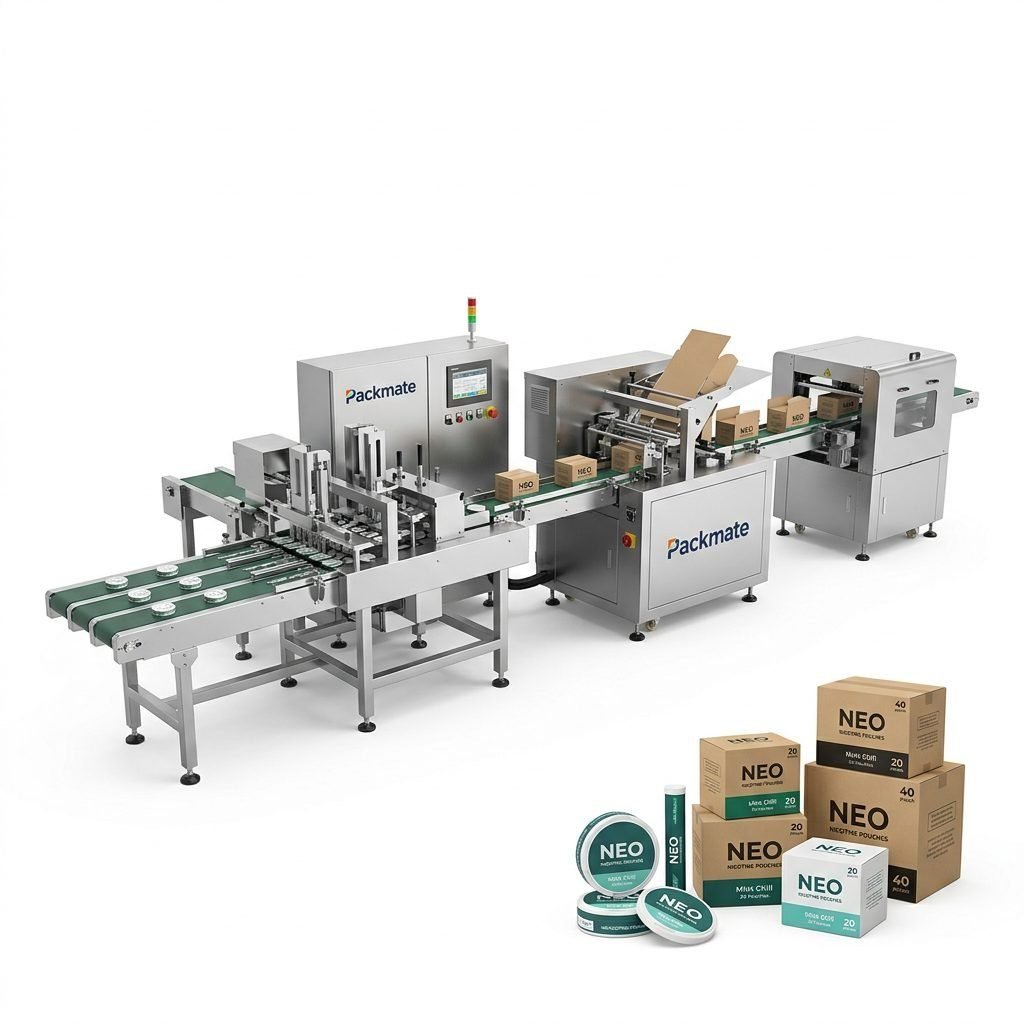
Their product lines include filling and packaging lines suitable for powders, granules, and liquids — helpful if your product range evolves. Check additional offerings like Filling & Packaging Lines and Weighing & Packaging Systems.
Global presence and support
Packmate’s participation in international exhibitions and their certification portfolio suggests they can support exporters and local Canadian operations with required documentation and references. Find exhibition details at Our Exhibition.
Quick decision checklist (Ready-to-use):
- Confirm machine compatibility with pouch type and nicotine formula
- Request FAT and sample runs with your product
- Verify CE/ISO certification and export documentation
- Agree on spare parts stocking and support timelines
- Negotiate clear SLAs and acceptance criteria
Practical Steps to Vet a Supplier
1. Request detailed technical specs and reference installations in similar markets.
2. Visit the factory or request a live virtual tour to inspect machining centers and assembly lines.
3. Ask for a product-specific FAT with your formulation and packaging materials.
4. Get a clear spare parts list and pricing.
5. Confirm training, commissioning, and local technical support options.
Where to get more information and next steps
If you need detailed quotes or to schedule a factory inspection, reach out directly via the supplier’s contact page: Contact Us. For product catalogs, check the Catalog and FAQs FAQs.
Final thoughts
Choosing a snus packaging machine supplier in Canada requires balancing machine capabilities with regulatory readiness and after-sales service. Prioritize partners who provide transparent documentation, demonstrable factory capabilities, and strong service agreements — these factors protect your investment and ensure reliable production as your brand grows in the Canadian market.
Common Questions
Q1: Can a supplier help ensure my packaging meets Canadian bilingual labeling requirements?
Q2: What are typical lead times for snus packaging machines and spare parts to Canada?
Q3: How do I verify machine performance before purchase?
Q4: What after-sales support should I insist on in the purchase contract?
Q5: Are turnkey solutions available if I need filling, weighing and packaging lines integrated?