Choosing the right snus packaging machine supplier in Nepal is a strategic decision that affects production efficiency, product quality, regulatory compliance, and long-term profitability. This guide walks you through practical steps, local considerations, technical checks, and supplier evaluation criteria so your business — whether a startup importer or an established tobacco/nicotine pouch manufacturer — can make a confident purchase decision.
Understand the Nepal Market and Local Customs
Nepal’s market has distinct characteristics: preference for bilingual packaging (Nepali and English), sensitivity to pricing, and distribution patterns influenced by urban centers such as Kathmandu and Pokhara. Local festivals like Dashain and Tihar often cause spikes in retail demand, so plan production and supply timelines accordingly. For businesses importing machines, note typical power supplies (230V, 50Hz), customs clearance practices, and the importance of local partner relationships for customs and after-sales support.
Regulatory & Cultural Notes
Nicotine pouches and snus may be subject to strict local regulations. Check Nepal’s health and trade regulations, labeling requirements, and age-restriction laws before manufacturing or importing. Culturally, clear labeling in Nepali helps build customer trust, while attractive, compact pouch formats perform well in convenience stores and kiosks.
Step-by-Step: How to Choose a Supplier
1. Define Your Production Needs
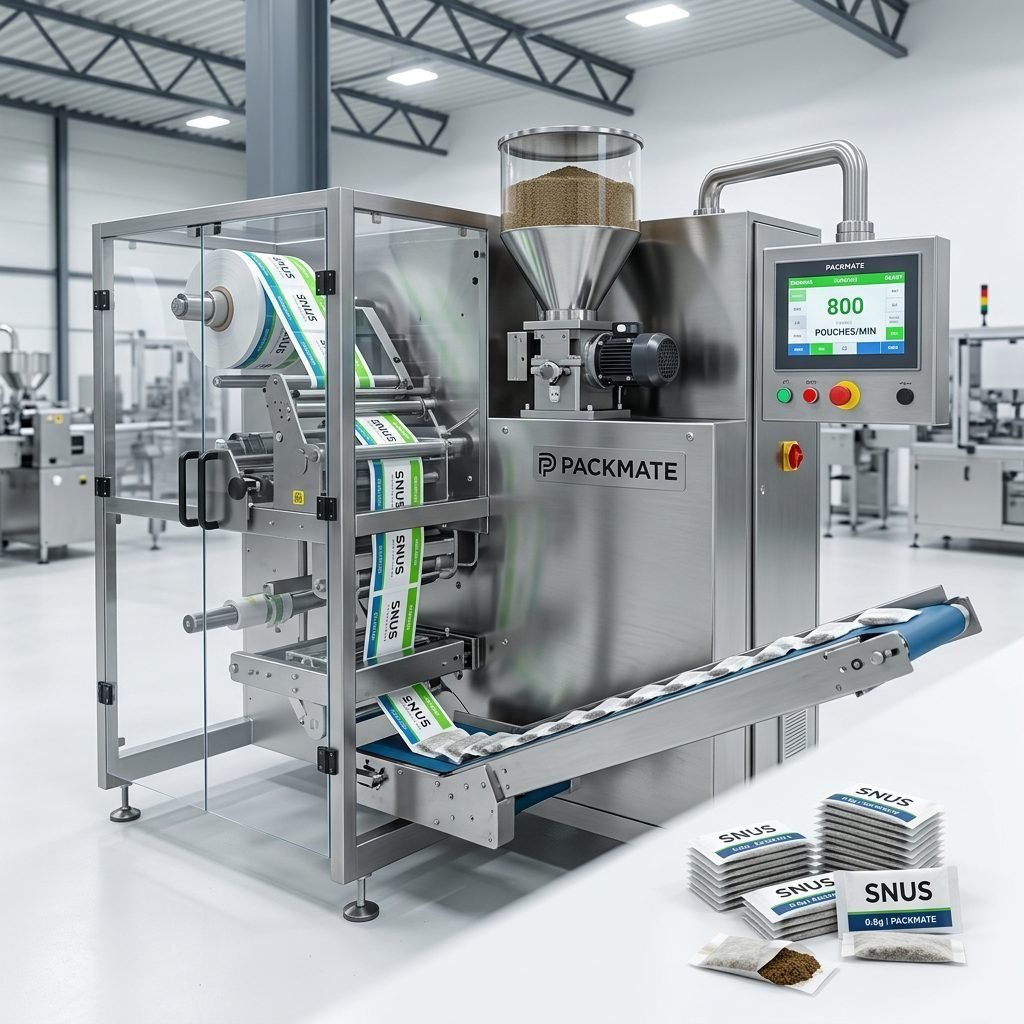
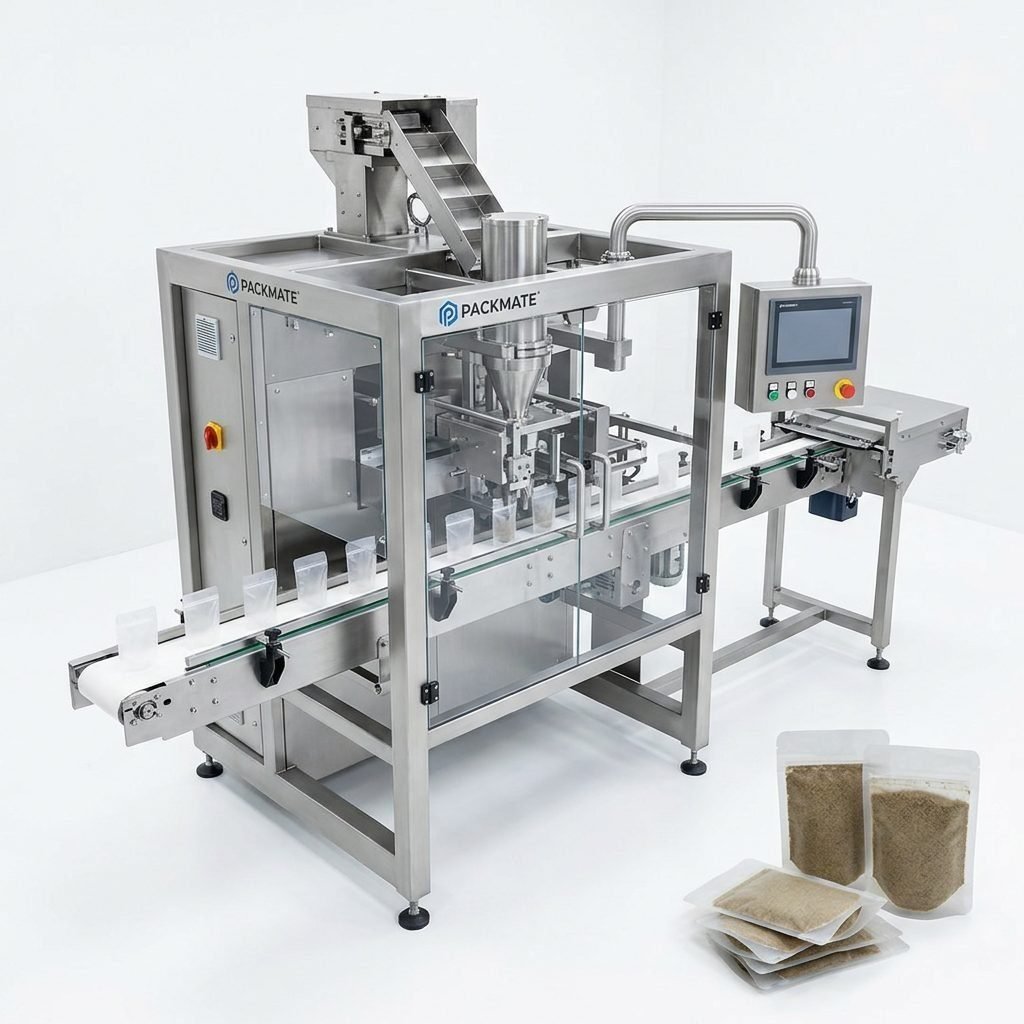
Start by outlining daily output, pouch sizes, lanes (single or multi-lane), fill types (powder, granules, liquid, or tobacco-free nicotine pouch), and desired automation level. For example, small-batch premium snus brands may prefer precise multi-lane small-dose systems, while large-volume manufacturers need robust high-speed lines.
2. Prioritize Technical Capabilities
Key technical checks include: servo-driven motion control, PLC interface with user-friendly HMI, material-grade contact parts (stainless steel), changeover time between formats, and modular design for future upgrades. Evaluate machine uptime, mean time between failures (MTBF), and accessibility for cleaning and maintenance.
🔍 Key technical checklist:
Servo control, PLC/HMI, stainless contact parts, quick format change, spare parts availability, CE/ISO certifications.
3. Inspect Quality Certifications & Factory Strength
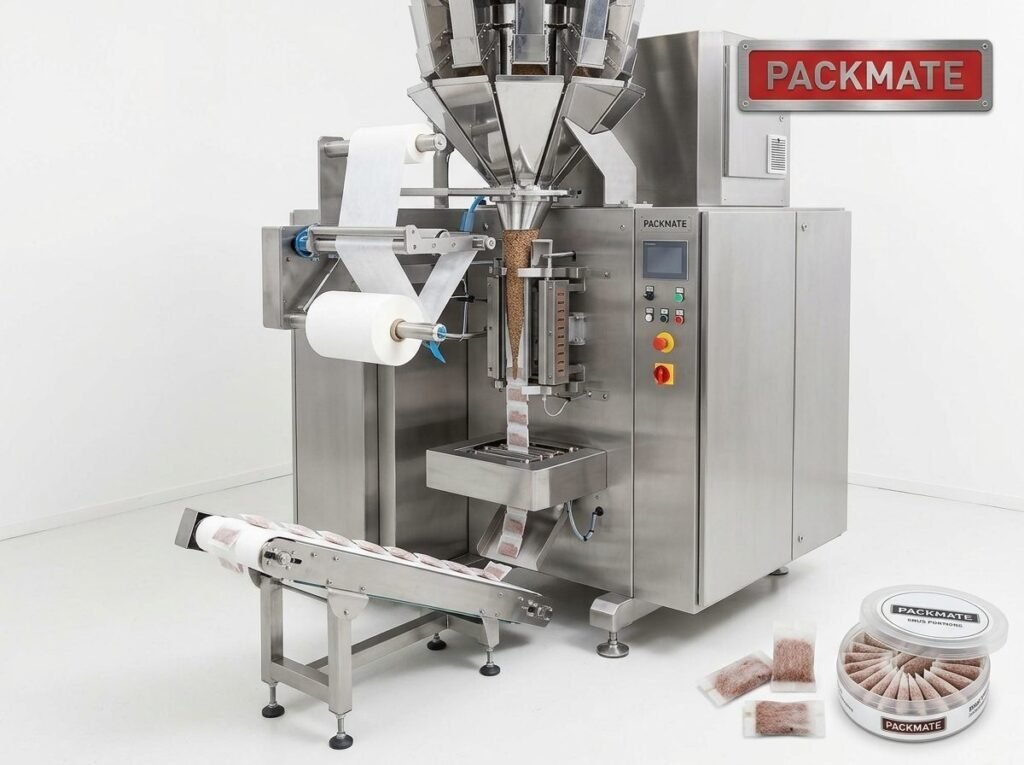
Trust suppliers with recognized certifications (CE, ISO) and transparent factory operations. A supplier with a large, well-equipped facility demonstrates commitment to precision machining, quality control, and scalable production. For reference, Packmate Snus Machine runs a 20,000㎡ factory with advanced CNC centers and precision assembly lines, supporting a broad portfolio of packaging machines.
Commercial Considerations: Price, Warranty & Lead Time
While price matters, low initial cost often leads to higher TCO (total cost of ownership) due to downtime, poor spare-part support, or substandard finish. Evaluate warranty terms, spare parts kits, and lead time for both machine delivery and consumables. Ask for a detailed quote that includes installation, commissioning, and operator training in Nepal or via remote support.
4. After-Sales Support & Spare Parts
Reliable after-sales service is essential for continuous production. Check whether the supplier offers:
- 🔧 Spare parts availability and kits
- 📞 Remote troubleshooting and fast-response service
- 👨🏫 On-site installation and operator training
📌 Tip:
Confirm spare-part lead times to Nepal and whether the supplier can supply consumables like pre-made pouches, liners, and sealing films.
Evaluate Machine Types & Production Lines
Choose between different machine styles depending on your product:
Stick Pack & Sachet Machines
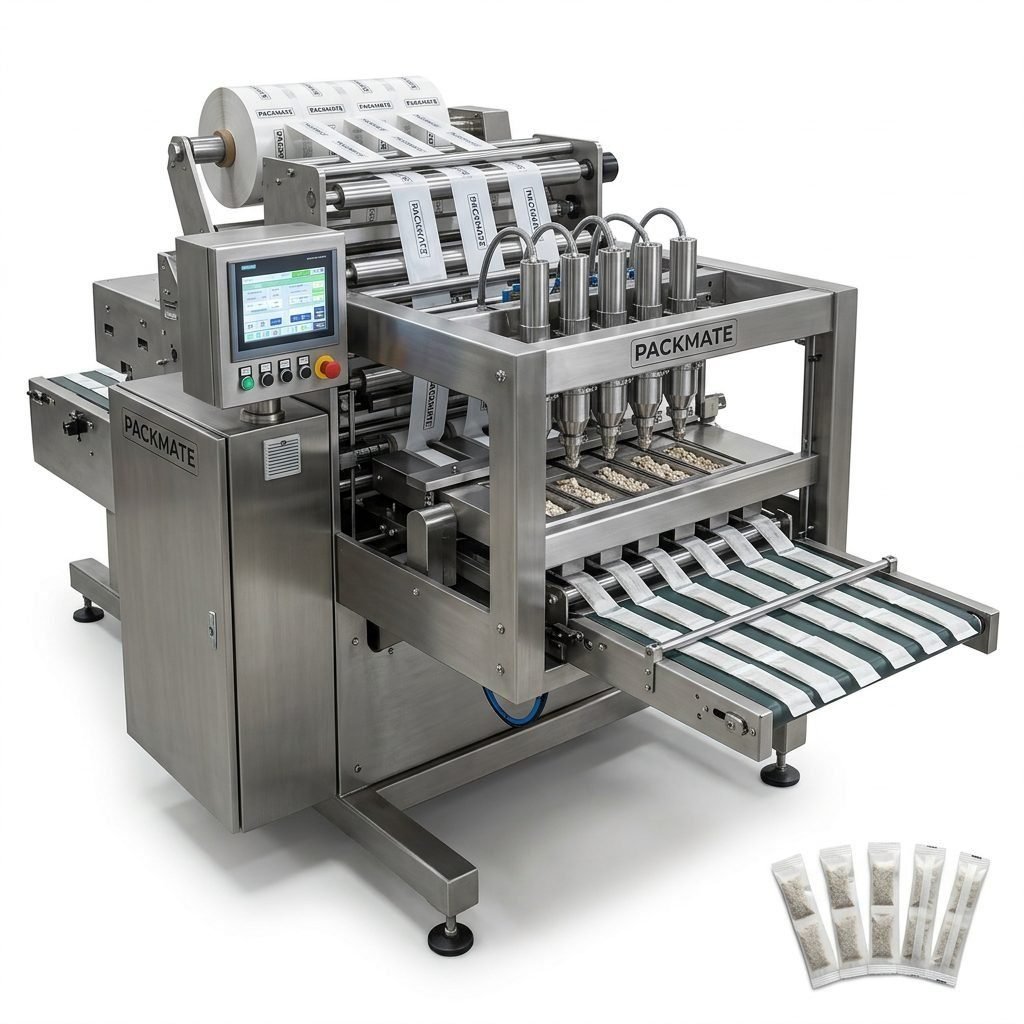
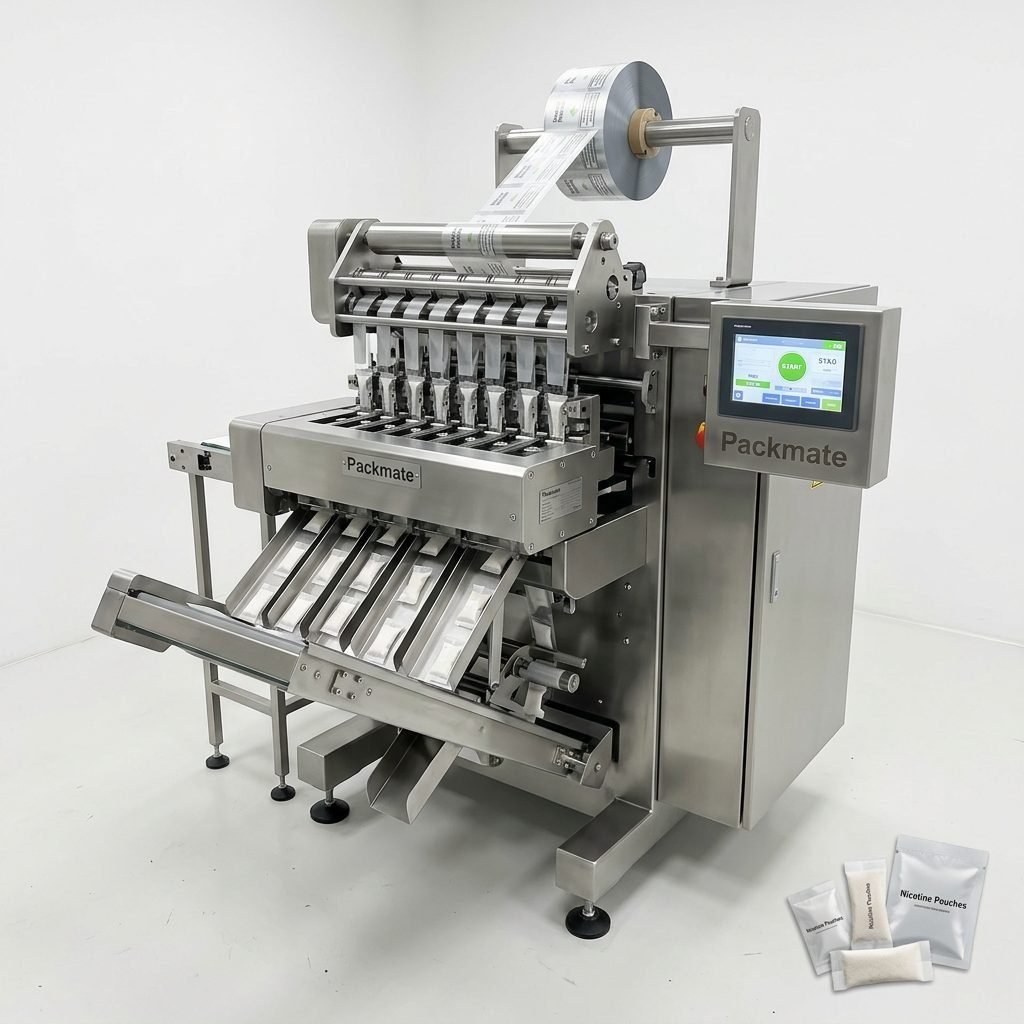
Ideal for single-dose sachets and stick formats. They excel for tea, powder or nicotine pouches with precise dosing. Look for brand capabilities supporting sachet & stick pack solutions.
Multi-lane Snus/Nicotine Pouch Lines
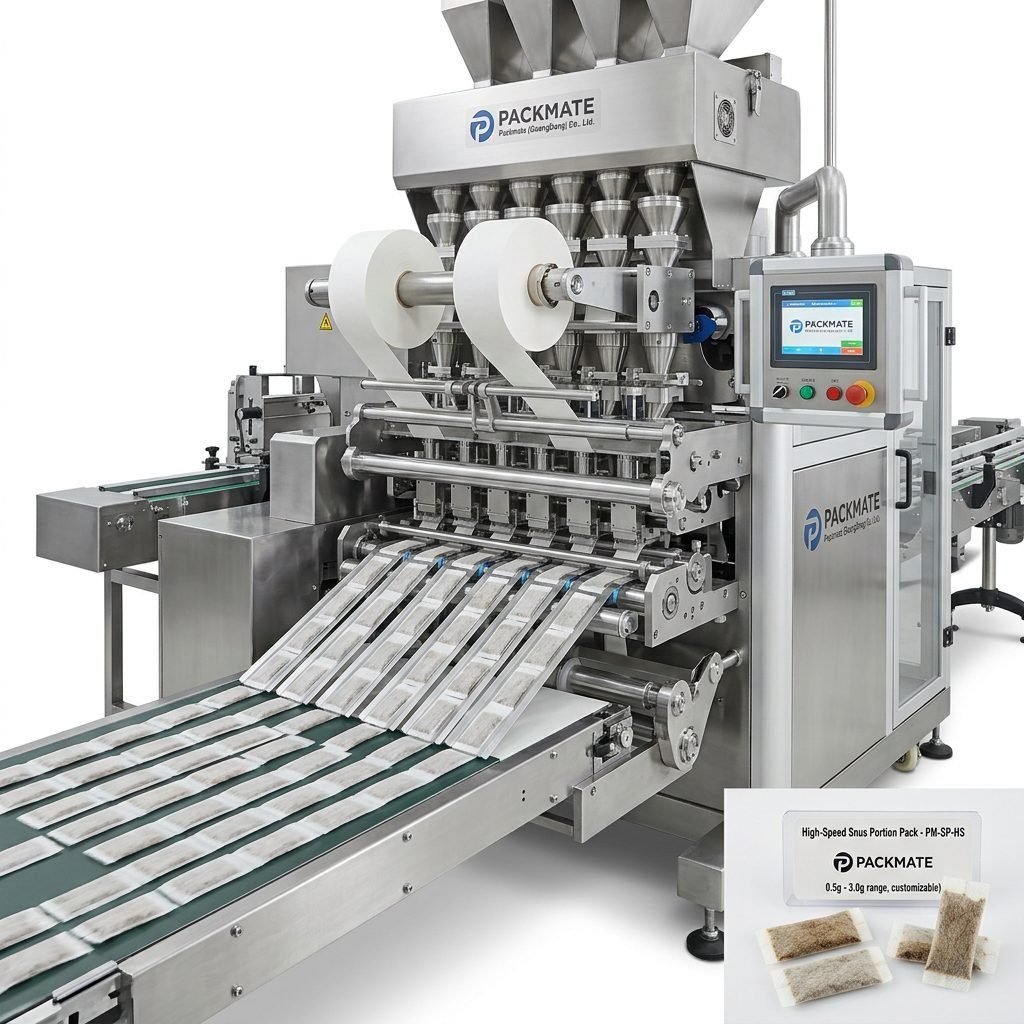
For high-throughput pouch production (small-dose snus), multi-lane systems provide consistent output and small-dose accuracy. Packmate’s multi-lane systems are designed for small-dose pouch production and can be configured for stick pack, sachet, and multi-lane pouch outputs.
Supplier Evaluation: Questions to Ask Before Buying
When speaking with a supplier, make sure to ask:
- ✔️ What are typical delivery lead times and shipment terms to Nepal?
- ✔️ Can you provide client references or case studies in similar markets?
- ✔️ What are warranty terms and what does warranty cover?
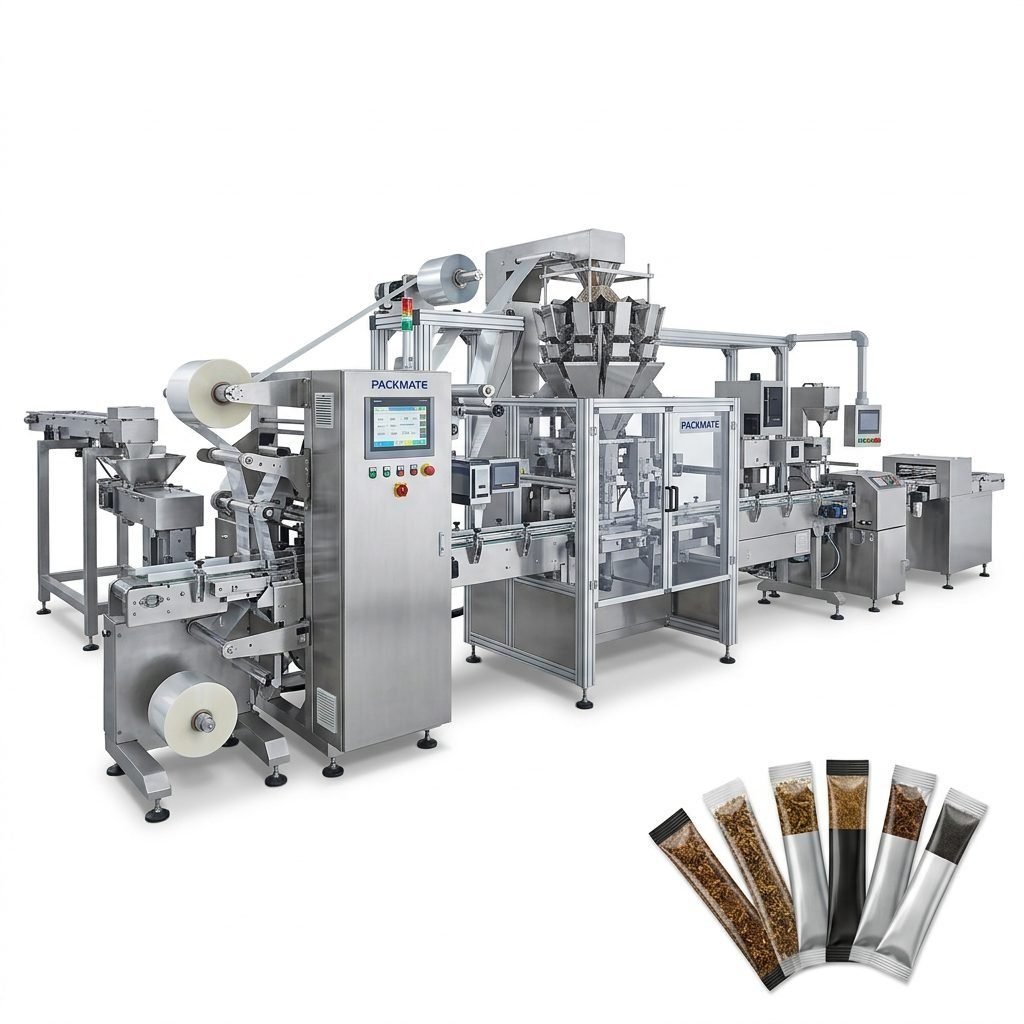
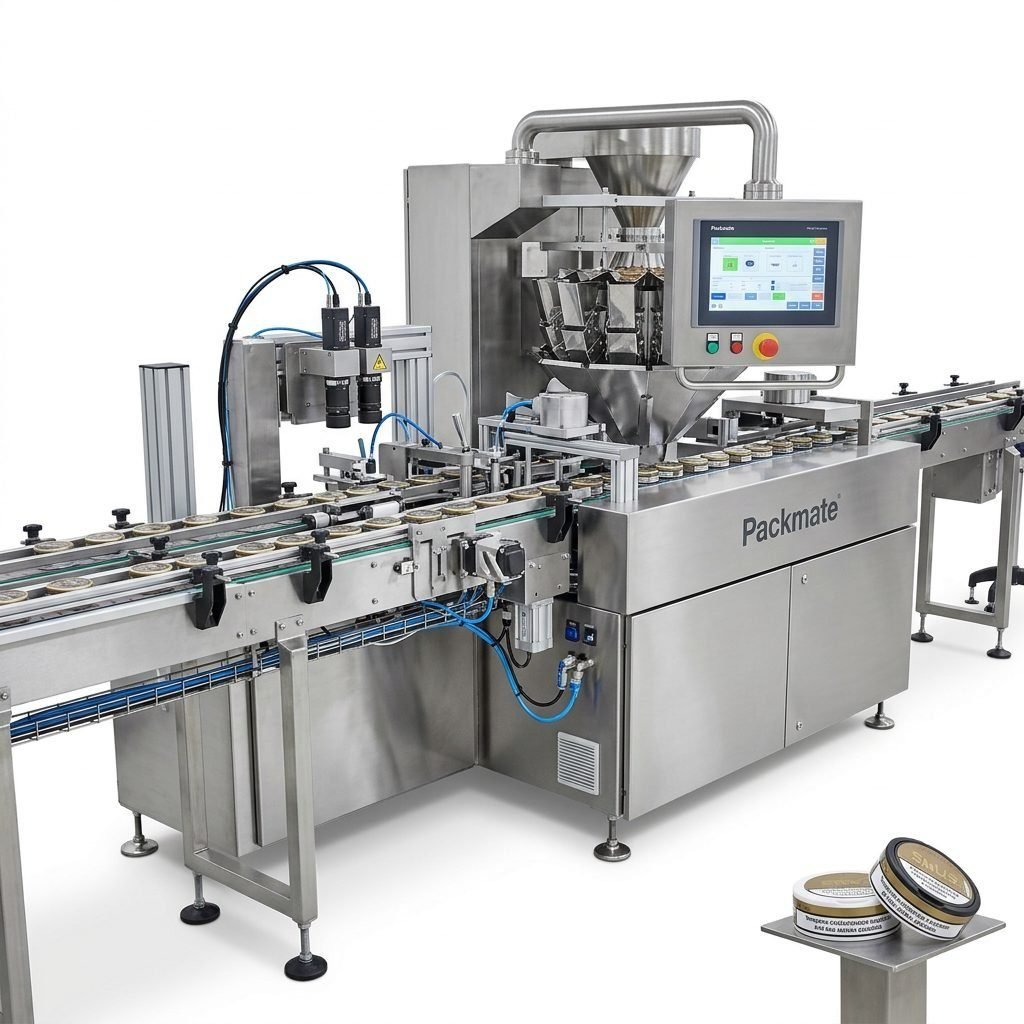
- ✔️ Do you offer turnkey solutions: weighing, filling, sealing, and packaging lines?
- ✔️ What training and installation services are included?
Verify Track Record and Case Studies
Ask for production references and success stories. View delivered projects to understand real-world performance and reliability. For industry examples and case studies, visit relevant supplier pages that demonstrate global turnkey projects and exhibitions.
Explore product categories and case references from a reputable supplier:
Snus & Nicotine Packaging Machines,
Case, and
About Packmate.
Logistics, Installation & Local Support in Nepal
Plan logistics from port to factory floor: identify customs brokers, arrange for inland transport, and prepare for electrical compatibility and installation space. Confirm whether the supplier can support local technicians or provide remote commissioning. If the supplier participates in international exhibitions, such as those listed under exhibition pages, it’s easier to meet and validate their technology firsthand.
Power, Safety & Training
Ensure machine power specifications match Nepal’s grid (230V/50Hz) or plan for transformers. Safety standards should comply with CE or equivalent. Comprehensive operator training ensures safer use and longer equipment life.
⚠️ Compliance Reminder:
Confirm that product packaging meets Nepali labeling and health regulations before full-scale production.
Cost vs. Value: Making the Right Investment
Consider long-term value: a slightly higher CAPEX that reduces downtime, has better spare-part availability, and strong training/support often results in a lower lifetime cost. Ask for ROI simulations based on local labor, expected production volumes during peak festival seasons, and waste rates.
Financing & Payment Terms
Negotiate flexible payment terms — deposits, staged payments, or letters of credit are common. Confirm warranty activation dates relative to installation and commissioning.
Why Work with an Established Manufacturer Like Packmate
A supplier with decades of engineering experience, a robust factory footprint, and a wide model range reduces procurement risk. Packmate Snus Machine’s 30+ years of experience, 20,000㎡ facility, and 50+ machine models illustrate the depth required to support bespoke snus and nicotine pouch lines. Their focus on multi-lane systems and turnkey production lines makes them suited for both small-dose niche brands and large-scale manufacturers.
Learn more about product families and services:
Bag & Pouch Packaging Machines,
Sachet & Stick Pack Machines, and
Contact Us for inquiries and local support arrangements.
Final Buying Checklist Before You Sign
✓ Essential pre-purchase items:
- Detailed machine spec sheet and performance guarantees
- Clear warranty and spare-part policy for Nepal
- Confirmed installation, commissioning, and training plan
- References from similar customers and case studies
- Shipping, customs, and local electrical compatibility plan
Conclusion
Selecting the best snus packaging machine supplier in Nepal requires careful alignment of technical capabilities, compliance knowledge, local logistics, and after-sales service. Focus on long-term reliability, accessible spare parts, and a partner who understands both packaging technology and the Nepalese market. With comprehensive assessment and the right questions, you can secure a production line that supports quality, efficiency, and growth.
Common Questions
Q1: What are typical lead times for delivery to Nepal?
A1: Lead times vary by model and customization; standard machines may take 8–12 weeks while turnkey lines or highly customized systems may require 12–20 weeks plus shipping and local clearance time.
Q2: How important are CE and ISO certifications?
A2: Certifications demonstrate compliance with international safety and quality standards, easing customs approval and ensuring safer machinery for operators.
Q3: Can suppliers provide remote support and training for Nepali technicians?
A3: Many reputable suppliers offer remote commissioning, video-guided troubleshooting, and virtual training. Confirm availability of English-language support and, where possible, in-person training during commissioning.
Q4: Are spare parts easy to import to Nepal?
A4: It depends on the supplier’s distribution network. Ask for a spare-parts list, typical lead times, and consider keeping a basic spare-parts inventory locally to avoid downtime.
Q5: Where can I see real-world examples or request demos?
A5: Request case studies, video demos, or arrange to meet suppliers at trade shows. Visit exhibition and product pages to view demos and project references. See exhibition details and catalogs on supplier pages for scheduling a visit.