Choosing the right snus packaging machine supplier for your factory in Côte d’Ivoire requires more than price comparison — it means understanding local market preferences, import logistics, electrical and environmental conditions, and the supplier’s ability to provide reliable after-sales service. This guide walks factory owners and production managers through practical steps to select a supplier who delivers performance, compliance, and long-term value.
Understand Local Market Habits and Regulatory Context
In Côte d’Ivoire the consumer market is diverse: French is the primary language of business and product labeling, urban consumers in Abidjan expect modern, hygienic packaging formats, while rural distributions may favor simpler pouch designs. You should check local regulations and taxes affecting nicotine products as well as preferred packaging sizes. Knowing these factors up front will help you choose machines capable of producing the right formats and print runs.
Key local considerations
🔶 Language & labeling: product text, user instructions and regulatory markings should be produced in French.
🔶 Climate: high humidity and heat in coastal regions like Abidjan may require machines with corrosion-resistant components and humidity control for product storage.
🔶 Power: Côte d’Ivoire uses 220V/50Hz electrical standards — confirm machine compatibility and required power stabilization equipment.
Technical Capabilities: Match Machine Types to Your Product
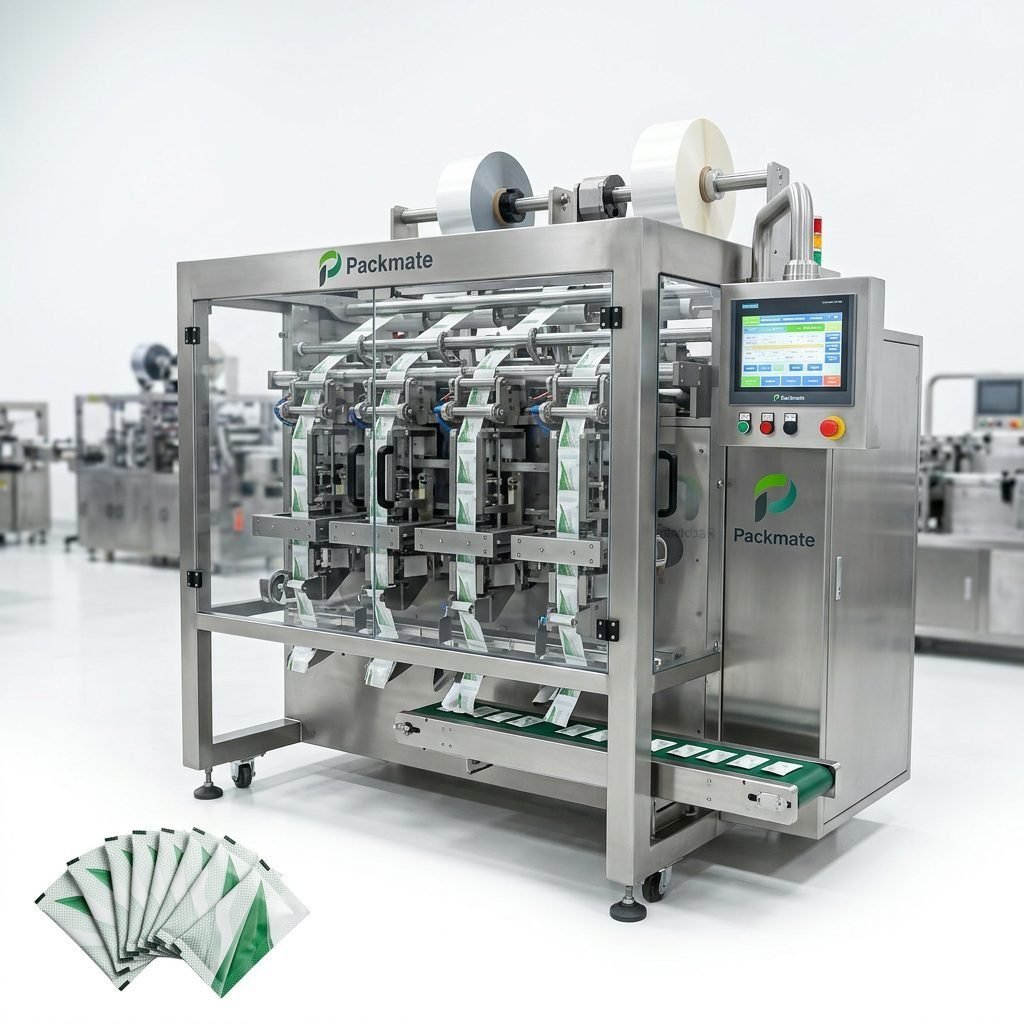
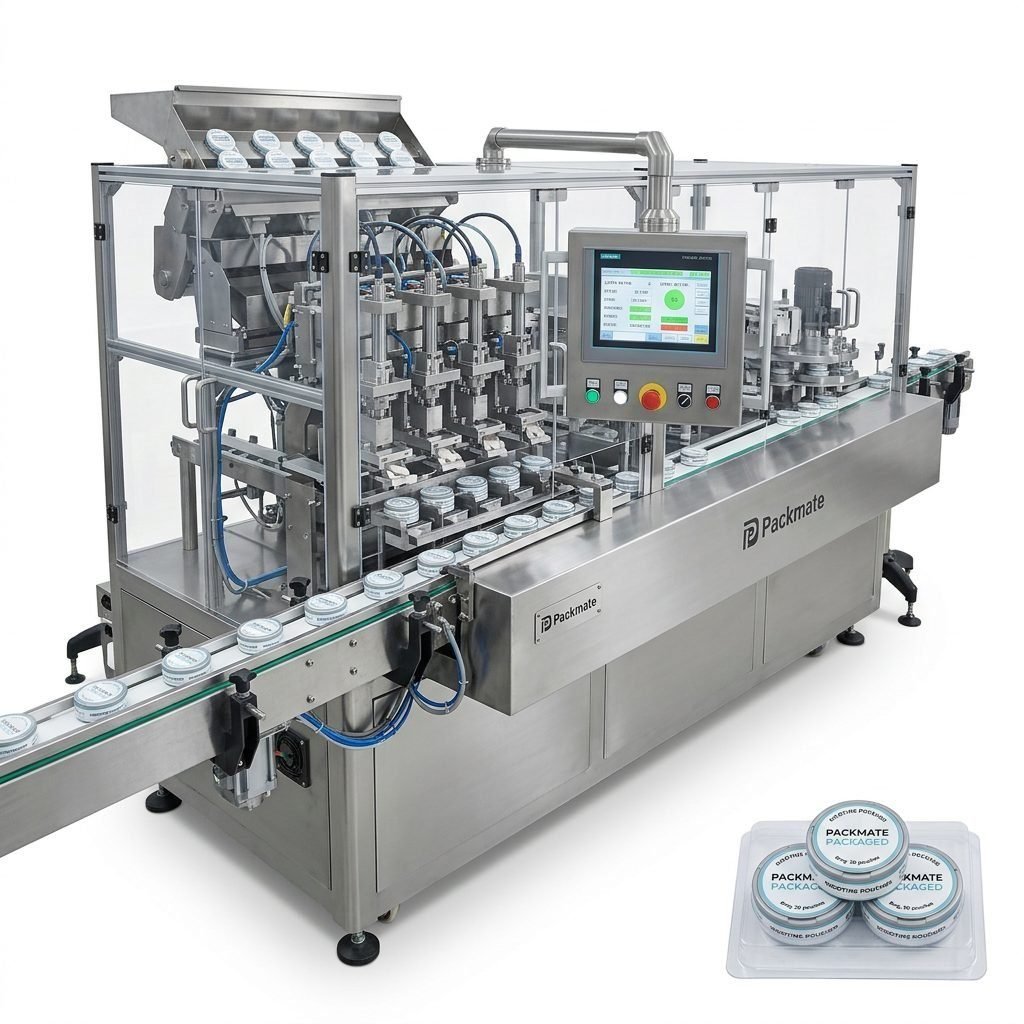
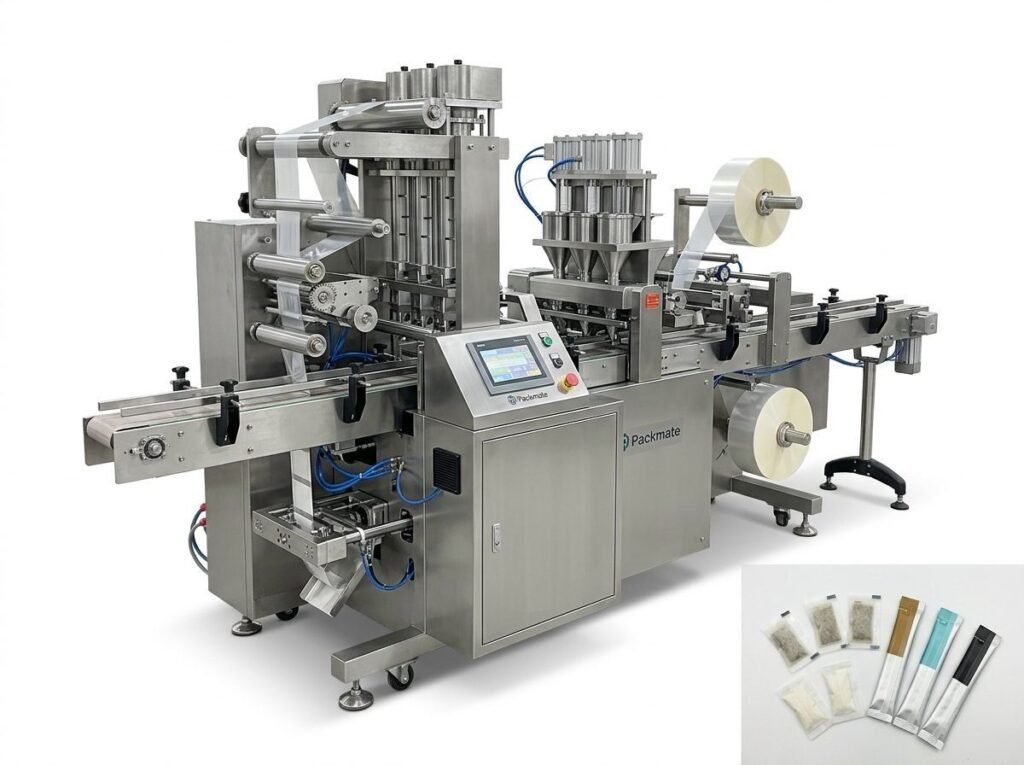
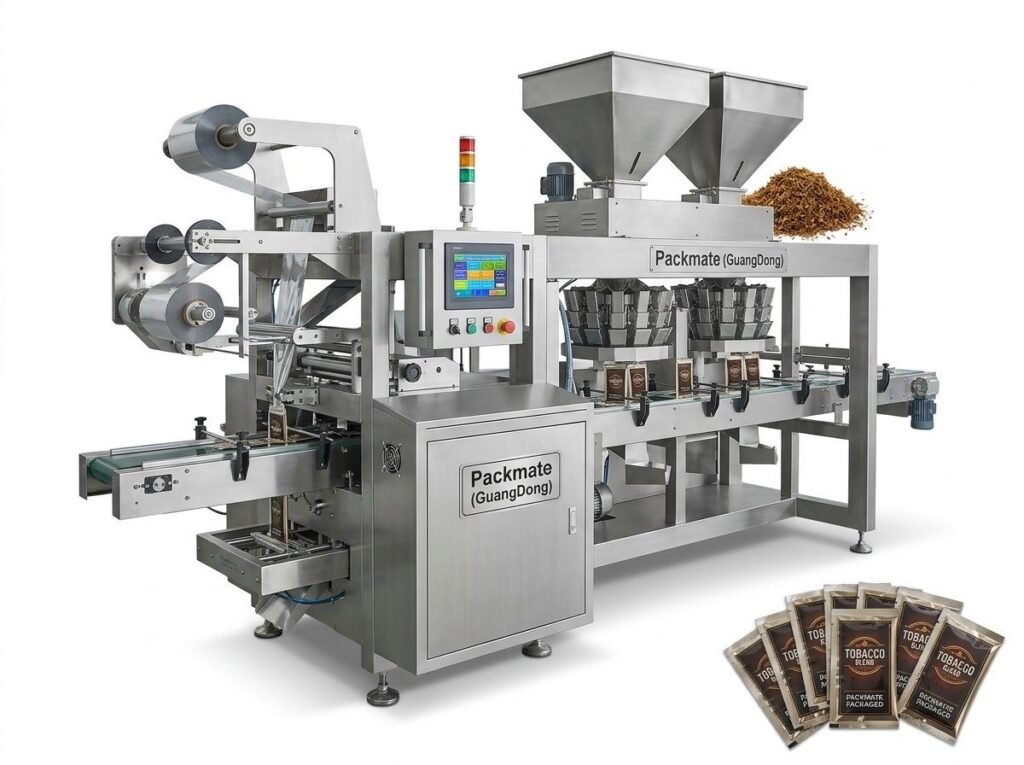
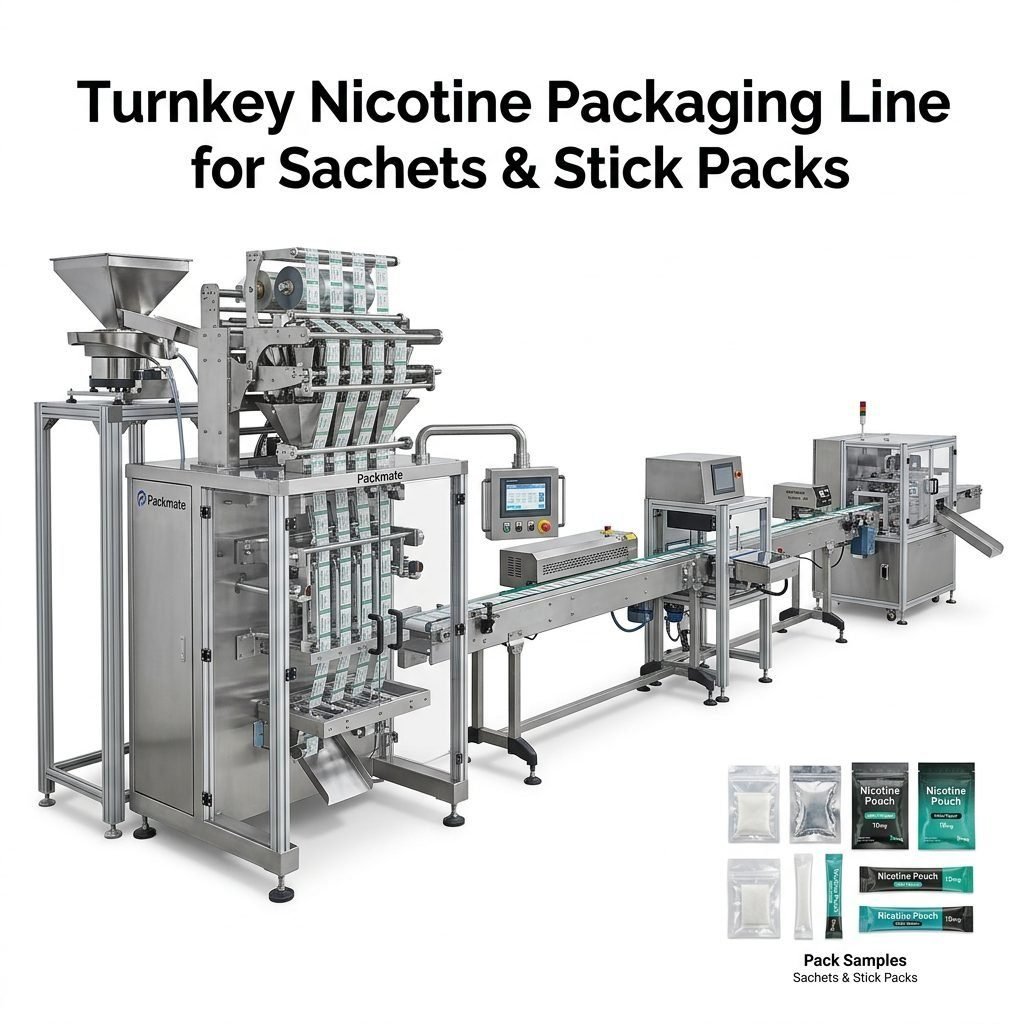
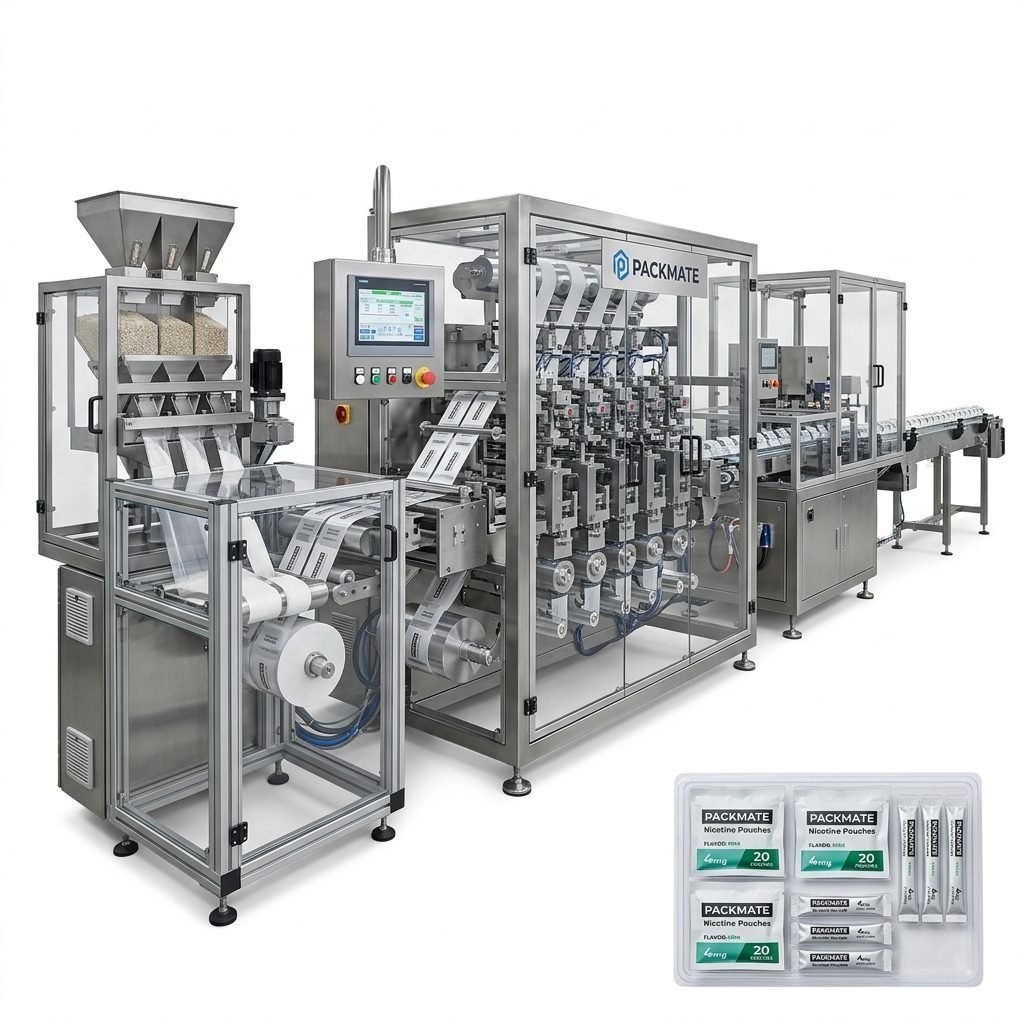
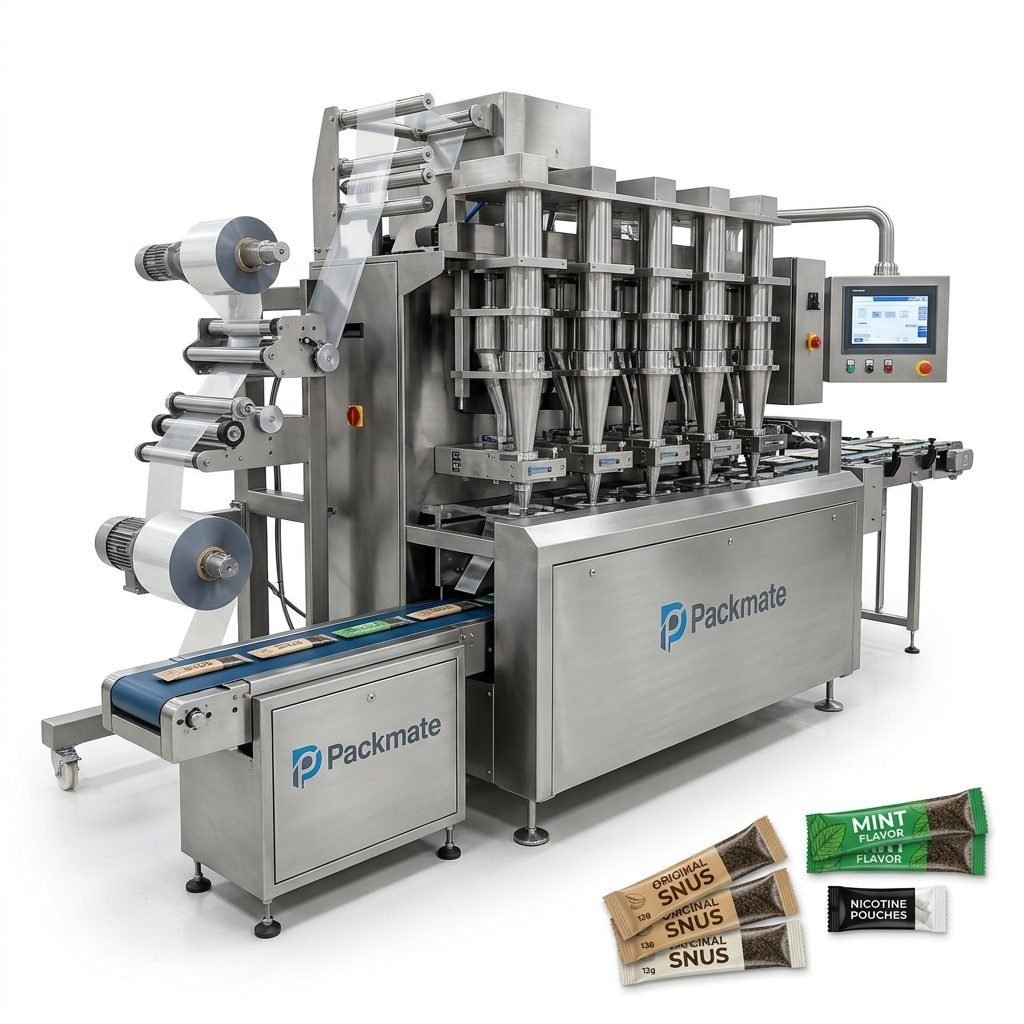
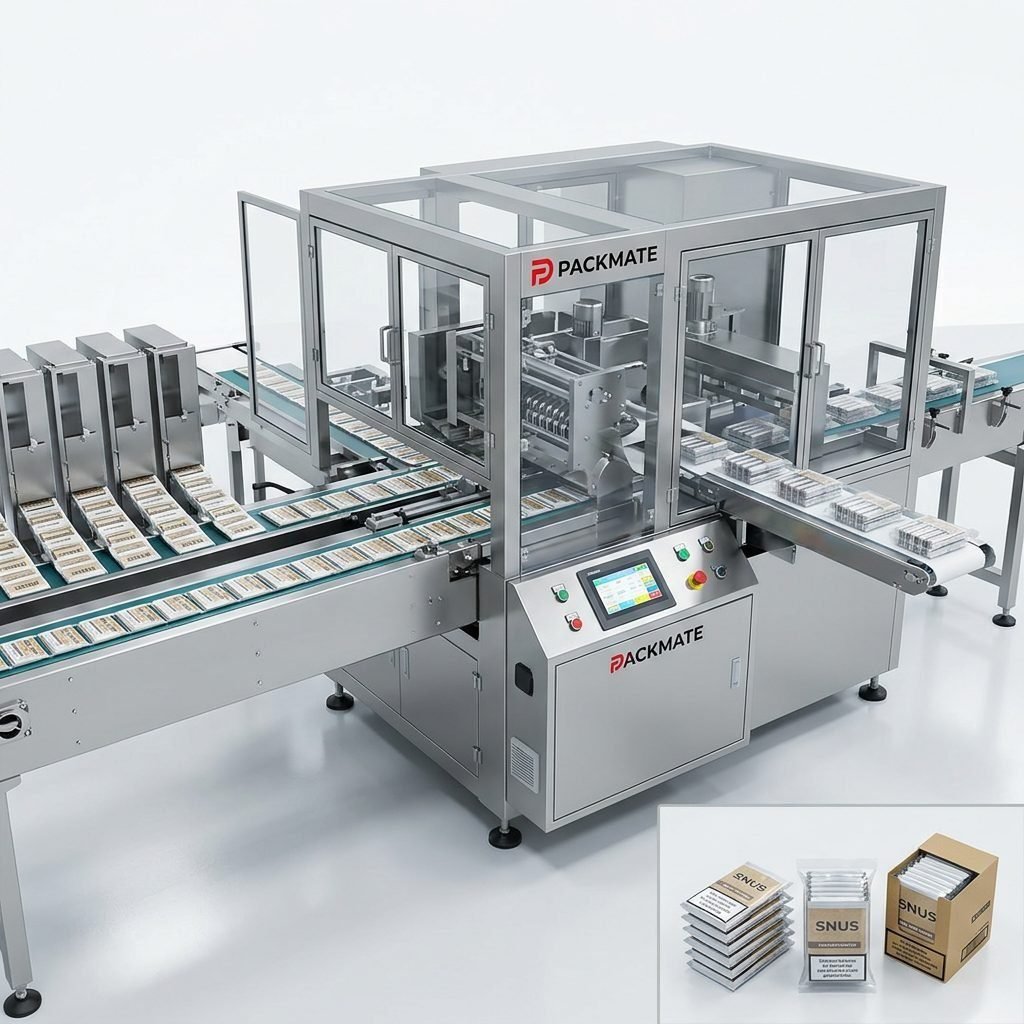
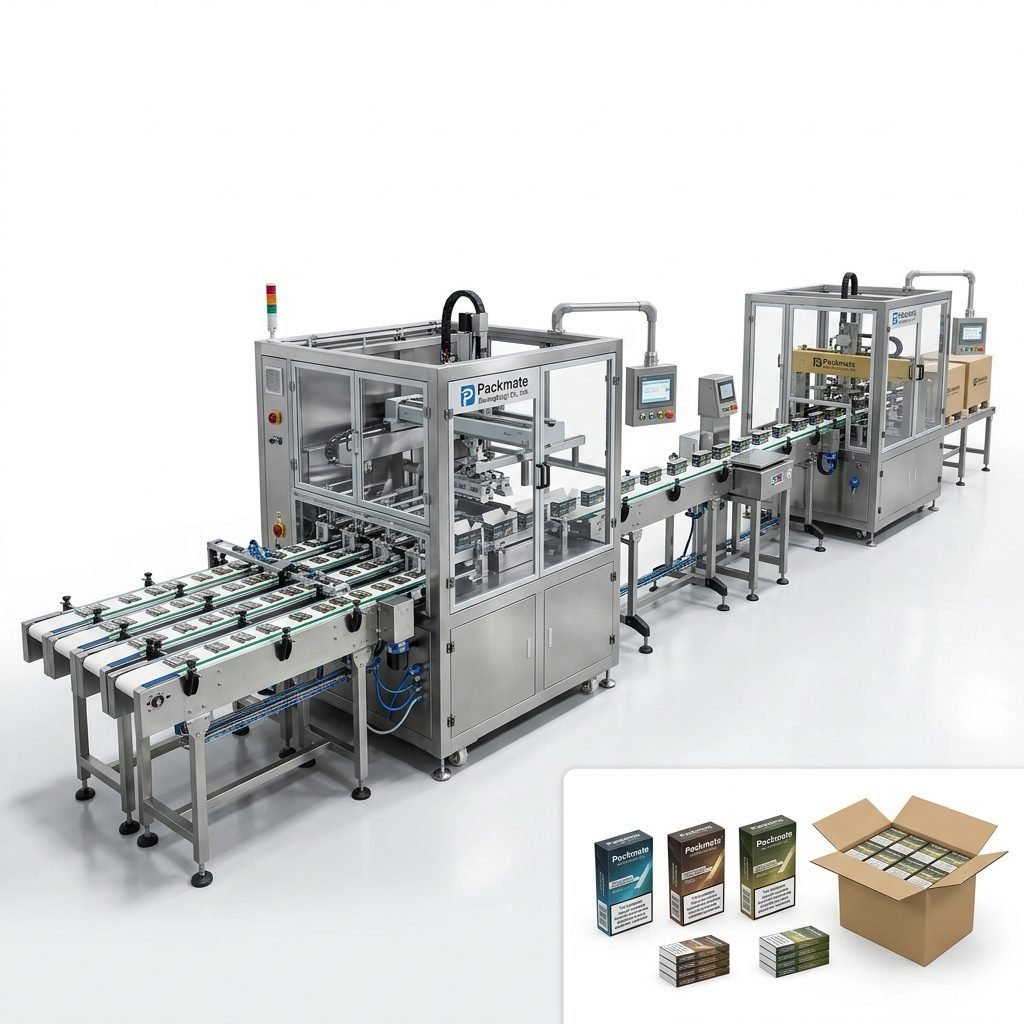
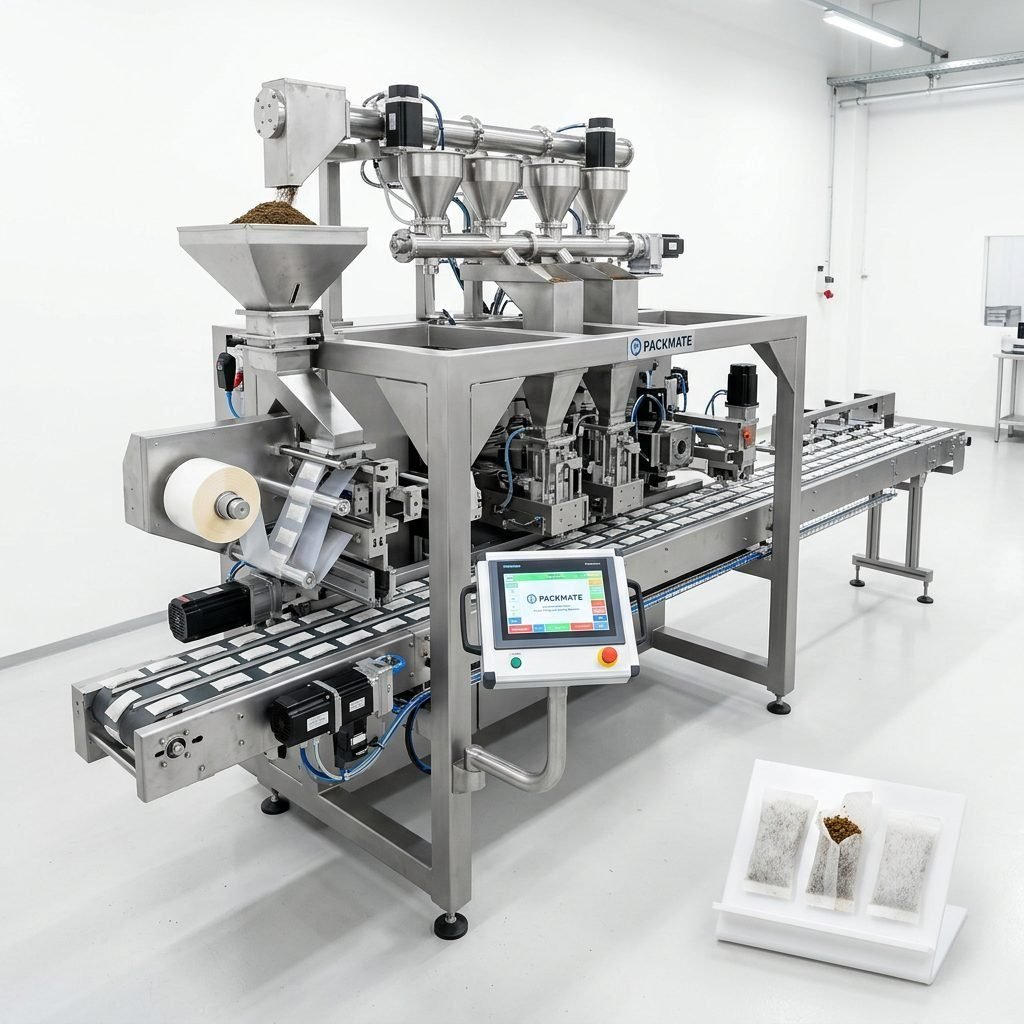
A reputable supplier should offer clear options for machines that match your product type. For snus and nicotine pouches, look for multi-lane high-precision pouch systems, stick pack or sachet machines if you plan diverse SKUs, and integrated weighing & filling systems for powders or granules. Suppliers like Packmate provide specialized lines for nicotine pouches, stick packs and sachets — review their product pages to compare models and capacities.
Important machine attributes include: stable dosing accuracy, multi-lane synchronization for high throughput, quick format changeover, compatibility with barrier materials for moisture-sensitive products, and PLC/HMI controls with French or English language options.
Useful links for machine types
You can explore machine families when vetting suppliers: Snus & Nicotine Packaging Machines, Bag & Pouch Packaging Machines, and Sachet & Stick Pack Machines.
Supplier Credentials: What to Verify
When choosing a supplier, verify manufacturing capacity, quality systems, certifications, and field references. Trusted suppliers commonly present:
✅ Factory scale and machining capability (for example, a 20,000㎡ facility with CNC centers and precision assembly lines).
✅ International certifications such as CE and ISO, demonstrating compliance with safety and quality standards.
✅ Detailed case studies and global installation references across regions (Europe, Asia, Americas) to confirm experience with similar projects.
Ask for concrete proof
Request factory photos, equipment serial numbers, certificates, maintenance records from reference customers, and videos of machines running similar products. Check the supplier’s timeline and history—companies with decades of continuous development are more likely to provide stable designs and spare parts long-term.
After-sales Support and Local Service Strategy
After-sales support is a decisive factor for operations in Côte d’Ivoire. Confirm the supplier’s commitments on spare parts, local technicians training, remote support, and on-site service. A robust plan minimizes downtime and ensures consistent product quality.
⚠️ Key support items to negotiate: guaranteed spare part lead times, availability of consumables, remote troubleshooting via video, language-capable documentation (French), and a training program for local operators and maintenance staff.
Total Cost of Ownership (TCO): Beyond the Purchase Price
Consider the TCO: initial machine price, installation and commissioning costs, shipping and customs duties into Côte d’Ivoire, local power conditioning, maintenance, spare parts, and expected uptime. A lower initial price can be offset by higher downtime and expensive parts. Ask suppliers to provide a TCO estimate for the first 3–5 years based on realistic production scenarios.
Financing & payment terms
Discuss payment milestones, warranty terms, and whether the supplier offers staged payments tied to factory acceptance tests (FAT) and site acceptance tests (SAT). Evaluate options for leasing or financing if capital expenditure is constrained.
Quality Assurance: Tests, FAT and SAT
Require a clear FAT procedure prior to shipping. FAT should demonstrate consistent dosing, seal integrity, speed stability, and format changeover. For Côte d’Ivoire installations, SAT should confirm electrical compatibility, environmental resilience and operator training in French.
What to include in FAT
🔶 Performance run at target speeds for extended periods.
🔶 Material compatibility tests with your selected pouch films and barrier materials.
🔶 Operator handover and basic maintenance demonstration in French or with interpreter support.
Logistics, Customs and Installation in Côte d’Ivoire
Coordinate logistics early: packaging machine shipments require careful crating, clear documentation for customs, and handling equipment for safe unloading. Work with freight forwarders experienced with Ile de Port Bouet (Abidjan) and inland transport if your factory is outside the metro area. Plan installation windows around local holidays and port congestion patterns.
Also verify local infrastructure: does your site have stable power, compressed air, clean water (if needed), and secure warehouse space for spare parts and consumables? Suppliers like Packmate often support clients with installation and commissioning worldwide — their Service page provides details on global support options.
Find more about supplier support and services here: Service and check their company background on About Packmate.
Pilot Runs, Samples and Local Taste Testing
Before full-scale purchase, request sample production runs to assess pouch appearance, sealing quality, and dosing accuracy. Use these samples for local consumer testing — in Côte d’Ivoire, pack design, French labeling and convenience are decisive purchase drivers. Pilot runs also reveal practical operator training needs and minor adjustments prior to final delivery.
Selecting a Long-term Partner, Not Just a Vendor
Aim to build a partnership where the supplier will support your production growth. Look for companies with strong R&D, a wide product range (50+ machine models is a strong indicator), and active participation in exhibitions where you can see live demos and meet engineers. Visit the supplier at industry shows when possible — check their exhibition schedule at Our Exhibition.
✅ Partner attributes: long-term R&D roadmap, global references, local language documentation, and transparent spare parts pricing.
Checklist: Questions to Ask Prospective Suppliers
When contacting suppliers, use a consistent questionnaire to compare offerings. Core questions include warranty and spare parts policy, FAT/SAT procedures, lead times for replacement parts, machine energy consumption, required ambient conditions, and what training is included. Ask for references in similar climates or regions.
Example checklist items
• Lead time from order to delivery and expected shipping route to Abidjan.
• Spare part kit included and estimated yearly consumption.
• Availability of local partner or trained technician in West Africa.
• Demonstrable installations producing nicotine pouches or similar products.
Useful Resources & Next Steps
Review supplier catalogs and case studies to match machine models to your output requirements. Useful links: Catalog, Case Studies, and contact the supplier directly via Contact Us for tailored quotations and FAT scheduling.
Final Recommendations
Select a supplier who demonstrates technical depth, proven worldwide installations, and a concrete local service plan. Prioritize machines designed for humidity control, fast format changes, and high dosing accuracy. Negotiate clear FAT and spare parts agreements and ensure documentation and training are provided in French. When a supplier offers transparent TCO projections and field references, you reduce operational risk and accelerate time-to-market in Côte d’Ivoire.
Where to begin
Start by listing your required formats, desired speeds, and annual volumes, then request quotations and FAT dates. Compare technical offers side-by-side and schedule virtual demos. A methodical approach helps you find a supplier that fits both your production goals and the specific business environment of Côte d’Ivoire.
Frequently Asked Questions
1. What electrical and environmental preparations does a factory in Côte d’Ivoire need?
Most packaging machines require stable 220V/50Hz supply; consider voltage stabilizers and UPS for critical controls. Coastal humidity means you should provide climate-controlled storage for films and finished pouches and ensure machine enclosures and partially stainless steel components to resist corrosion.
2. How important is a FAT before shipping?
FAT is essential. It verifies performance under expected production conditions and prevents costly rework after installation. Demand video documentation and test runs with your materials where possible.
3. What should I expect for spare parts lead times?
Lead times depend on the supplier and the part. For international suppliers, common consumables should be stocked locally or included in a spare kit. Negotiate maximum lead times for critical items and consider stocking high-wear parts on-site.
4. Can the supplier provide training in French?
Many global suppliers offer multilingual documentation and training. Confirm French-language manuals, operator training, and remote support to ensure smooth knowledge transfer to local teams.
5. How do I verify a supplier’s reliability?
Verify factory credentials, ask for references with similar installations, review certifications (CE/ISO), inspect machine videos/FAT records, and, if possible, visit an exhibition or factory demo to see machines running.