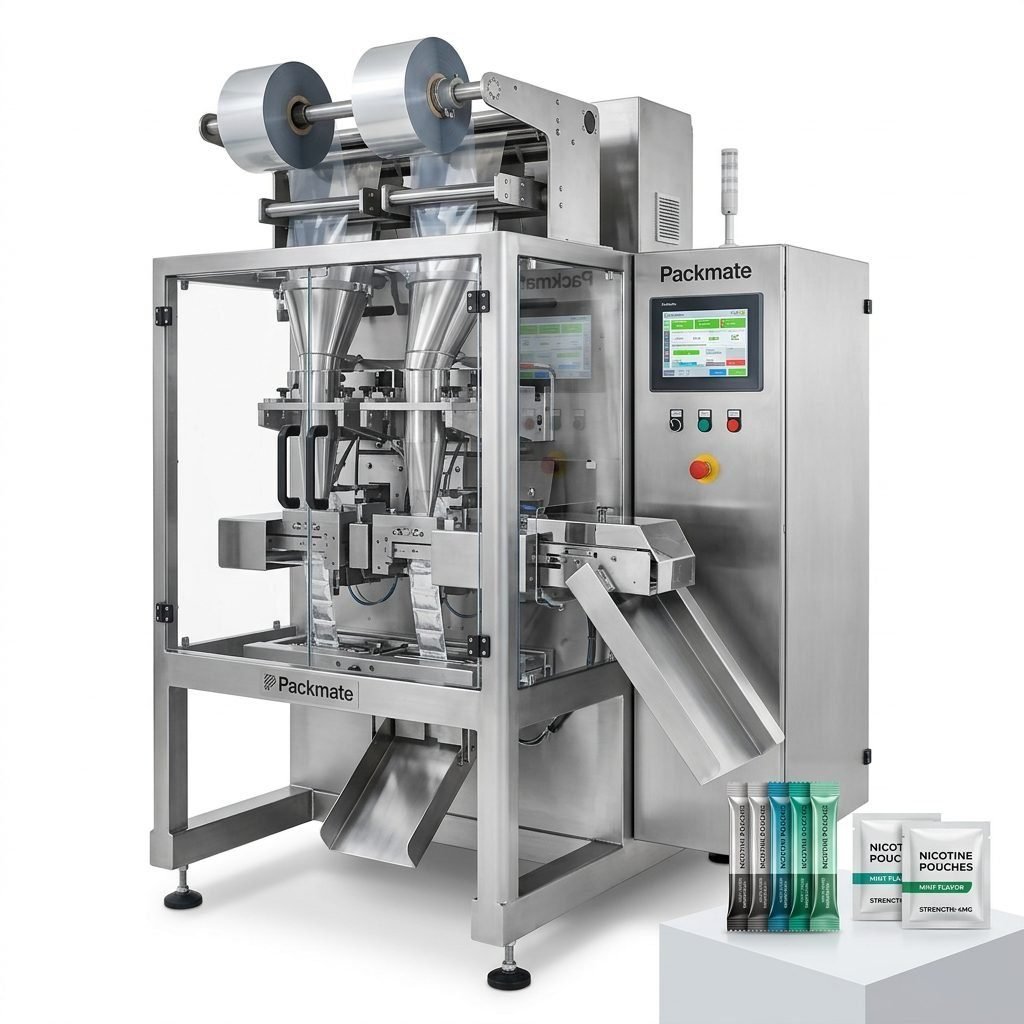
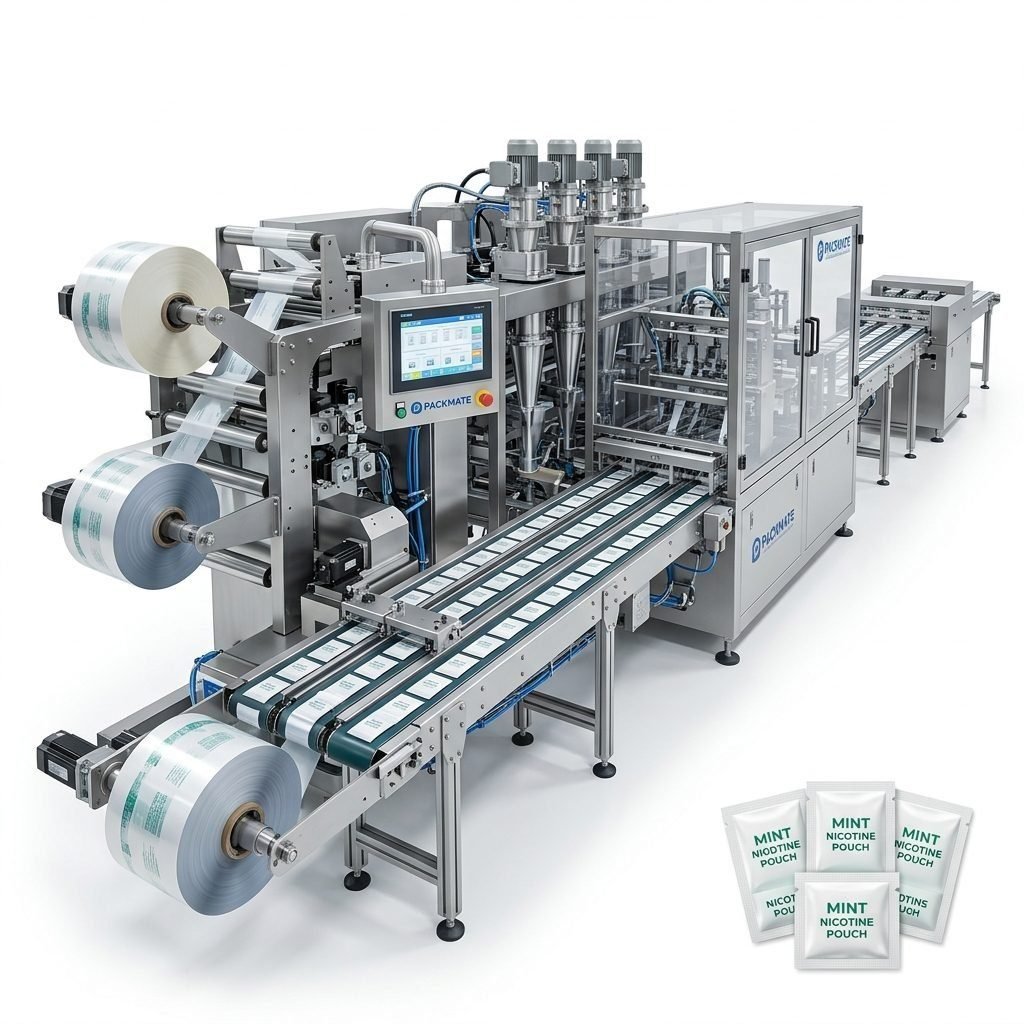
Choosing the right snus packaging machine supplier in Zambia is a strategic decision that affects product quality, production efficiency, and long-term profitability. Whether you are producing nicotine pouches, snus, herbal sachets, or other small-dose pouches, this guide walks you through practical tips, local considerations, and a step-by-step buyer’s checklist tailored for Zambian operations. Use these insights to evaluate suppliers, compare machines, manage import and installation, and ensure smooth after-sales support.
Why local context matters: Zambia-specific considerations
Zambia’s industry environment has several practical implications for choosing a packaging partner. Electricity in Zambia typically runs at 230V, 50Hz, and power quality can vary regionally. Consider machines with tolerant drive systems and optional voltage stabilizers. Humidity during the rainy season can affect powder handling and pouch sealing; machines with humidity-resistant conveyors and sealed electronics are beneficial. English is the official language, which simplifies technical communications, but training should be scheduled to match local work patterns and shift systems.
For importers: consider customs duties, local excise rules on nicotine products, and transit times to Lusaka or Copperbelt regions. A supplier experienced with African exports can reduce paperwork delays and provide proper certification for customs clearance.
Top technical features to evaluate (what matters most)
When comparing machines, prioritize proven engineering features that deliver consistency and uptime:
✔️ Filling accuracy: Look for multi-head weigher integration or precise auger fillers depending on product type (powder, granules or paste).
✔️ Sealing technology: Reliable heat seals or ultrasonic options are vital for airtight snus packaging.
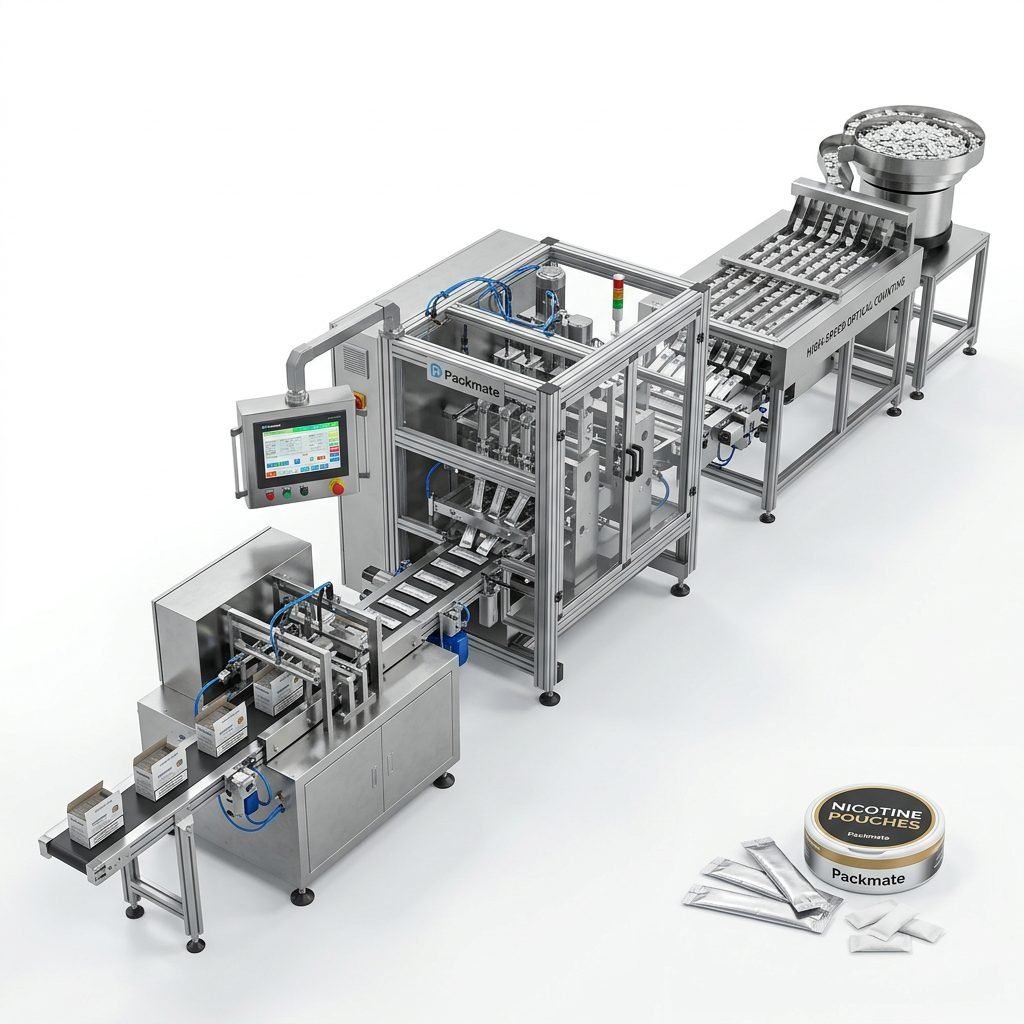
✔️ Multi-lane capability: If you plan to scale, multi-lane pouch lines increase throughput without doubling floor space.
✔️ HMI & PLC control: Intuitive touchscreens with recipe management reduce operator errors and speed changeovers.
Machine types & product fit
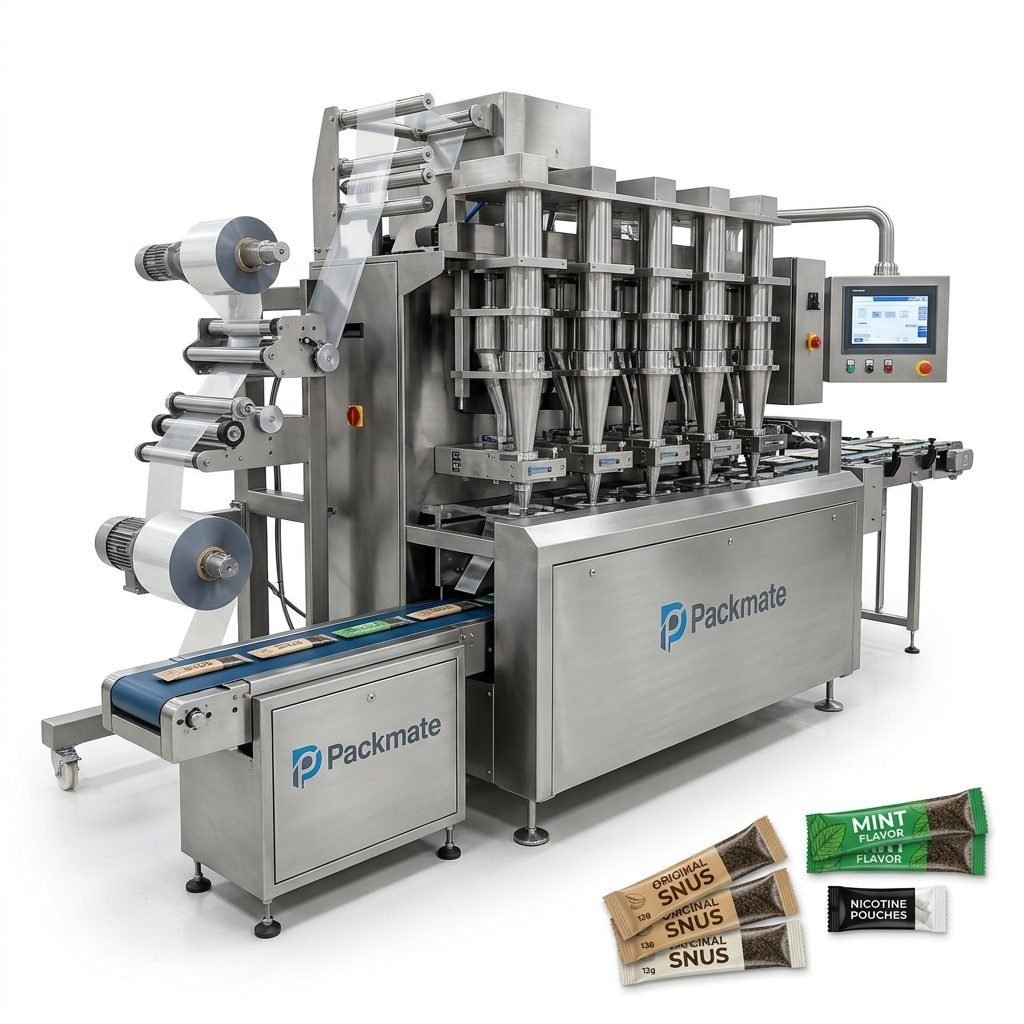
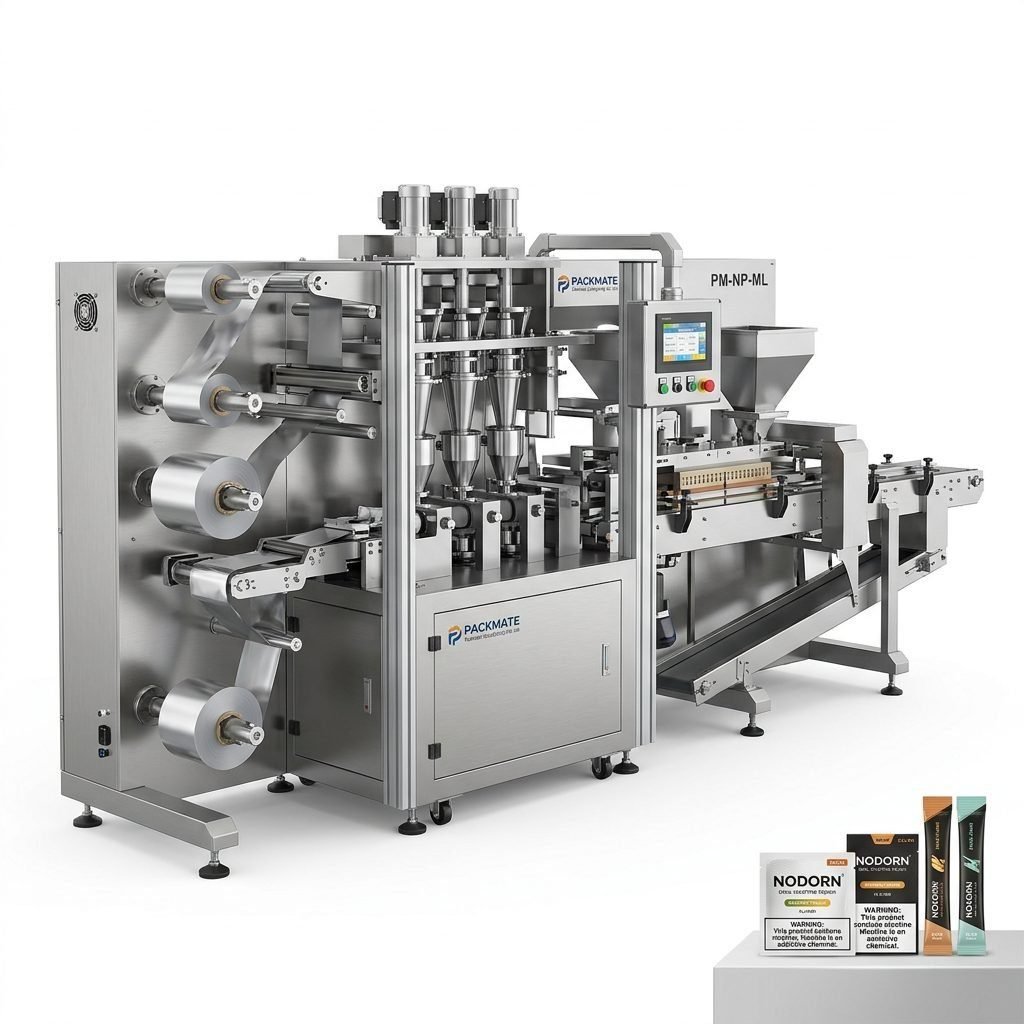
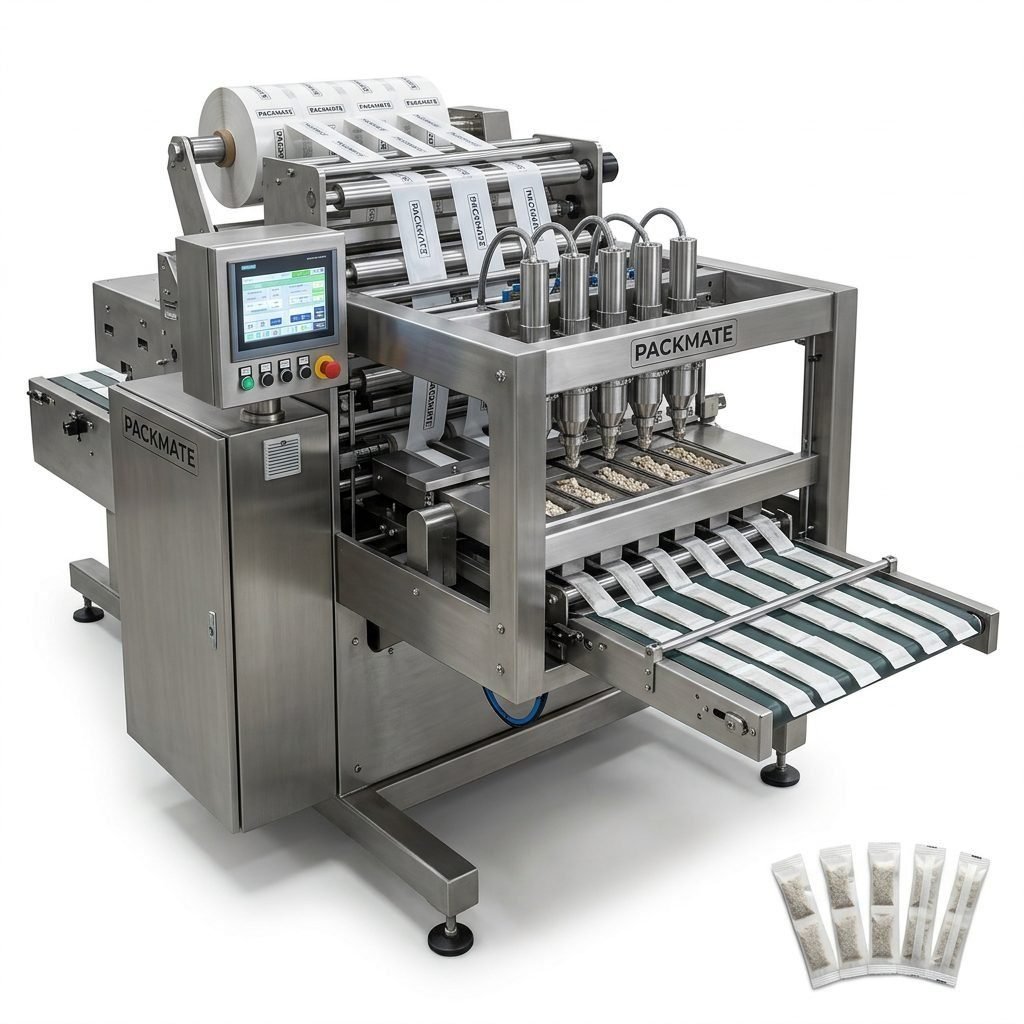
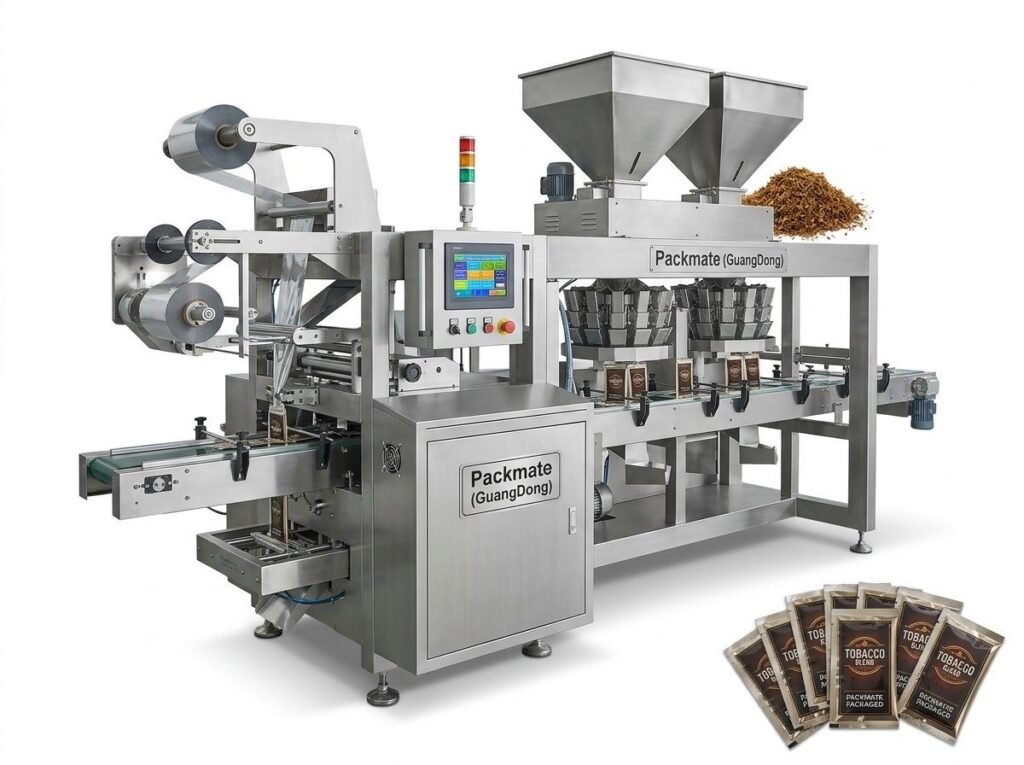
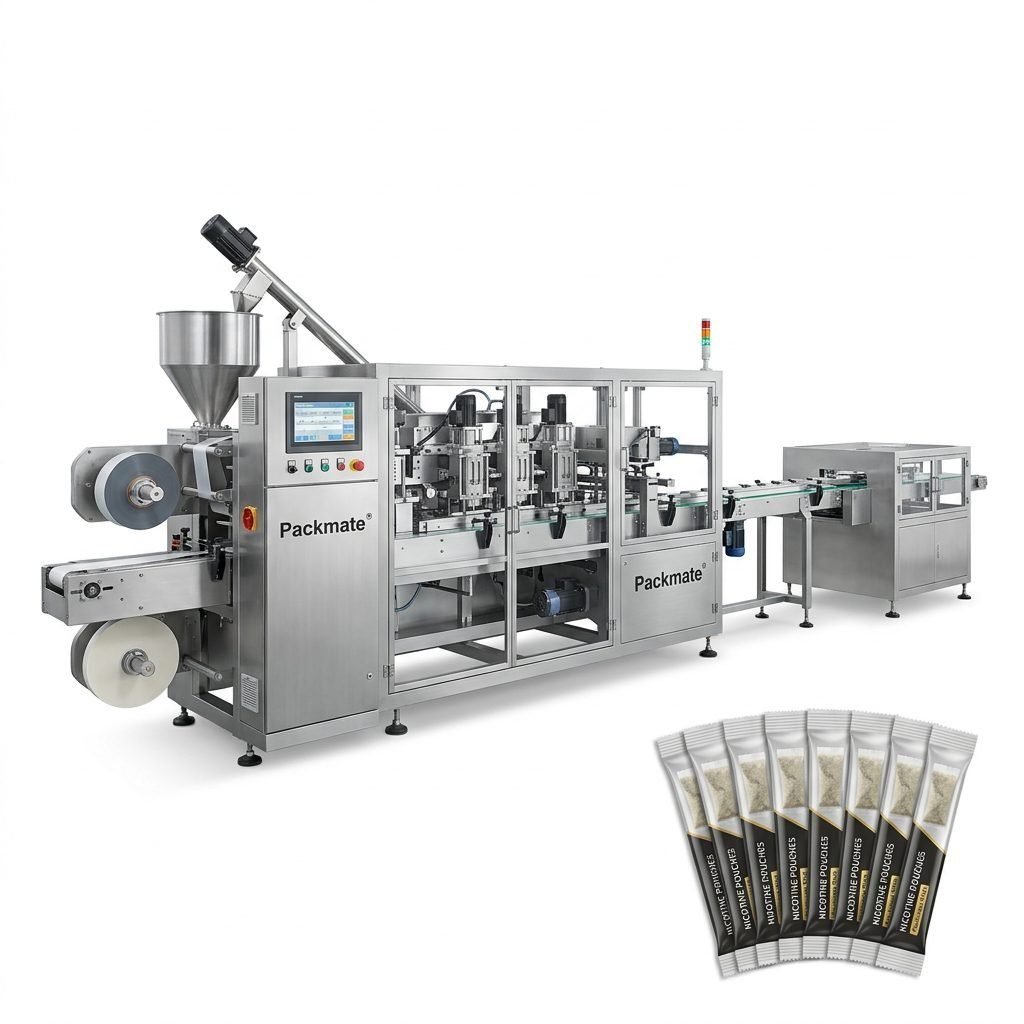
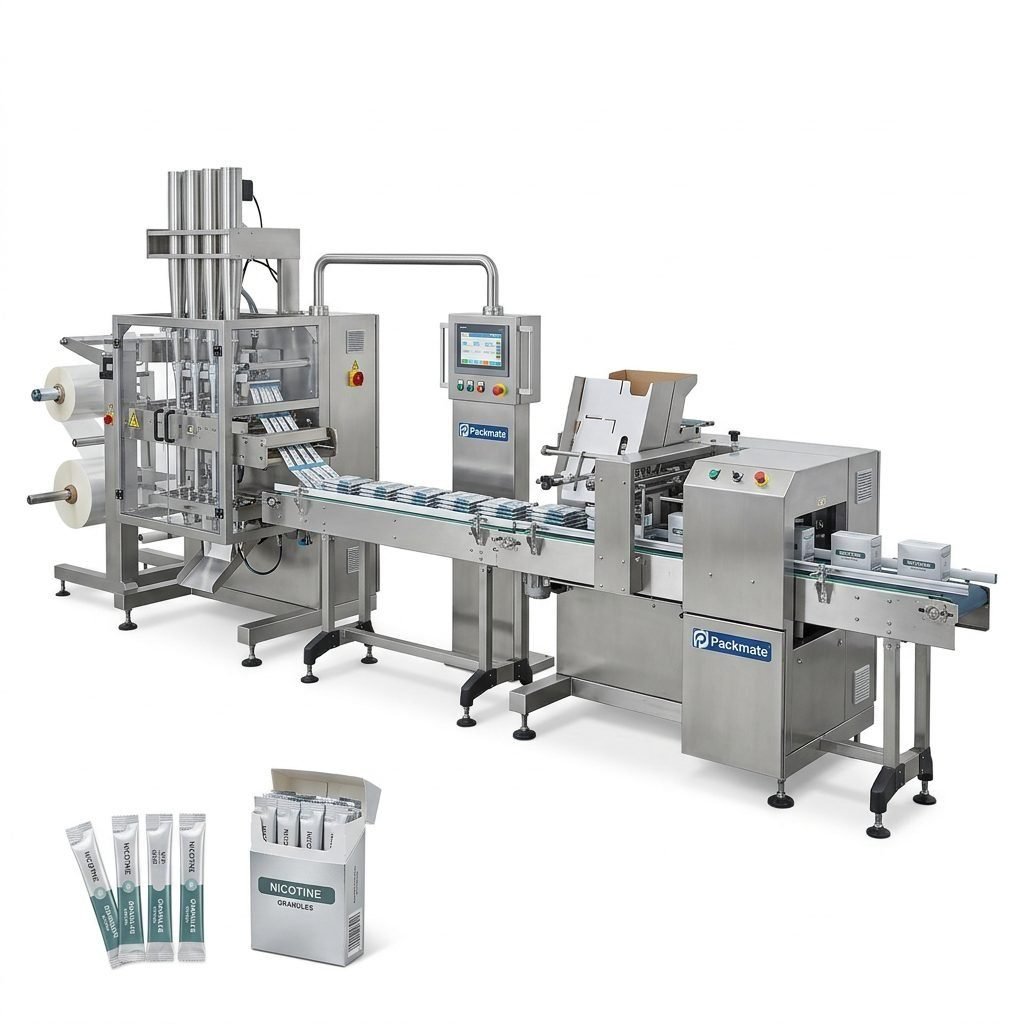
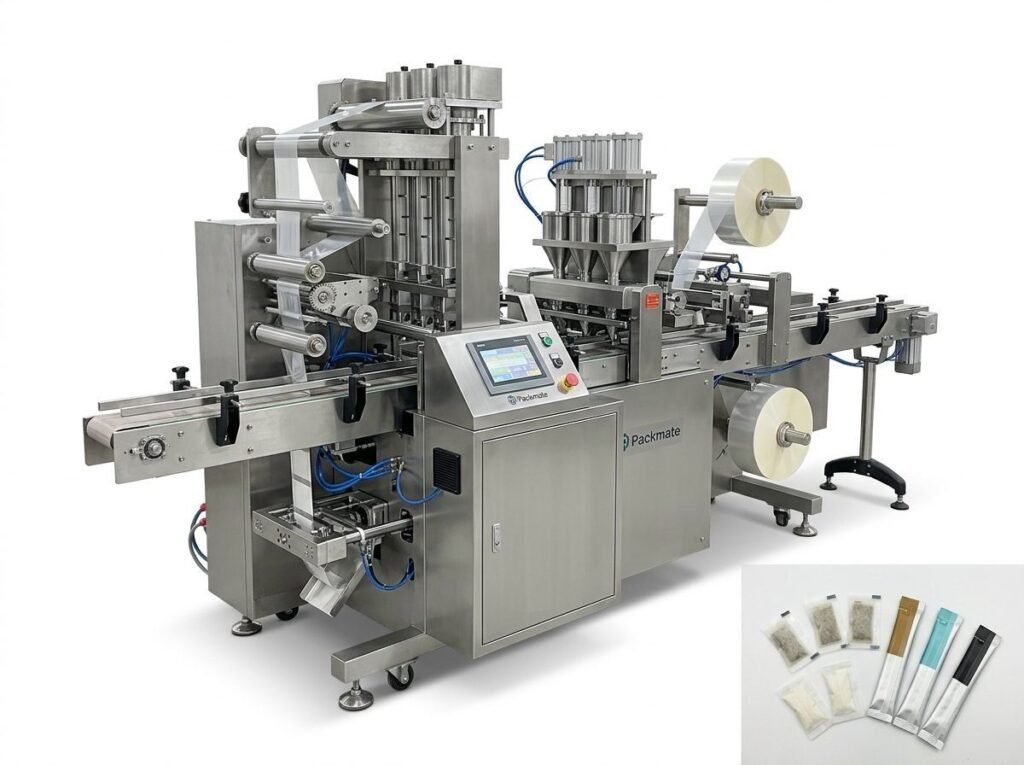
Different formats demand different machines. For single-dose snus pouches, consider sachet or stick pack equipment. Nicotine pouches often require precision dosing and hermetic sealing — a specialized snus packaging machine can handle delicate pouches with micro-dosing. If you need a complete production line, search suppliers that offer integrated solutions including dosing, packaging, checkweighers, and secondary packaging.
Quality assurance, certifications and standards
Certifications matter more than paperwork — they reflect consistent manufacturing and compliance to global benchmarks. Ask suppliers for CE and ISO certificates, plus any test reports for electrical safety and electromagnetic compatibility. Packmate Snus Machine, for example, highlights CE and ISO compliance and a long engineering history, which helps when assessing technical credibility and export readiness.
Evaluating suppliers: questions to ask and red flags
🔍 Factory & capacity: Can the supplier show factory photos, production lines, and capacity data? A modern 20,000㎡ facility with CNC centers is a positive sign.
📄 References & case studies: Request case studies and customer contacts, especially from markets similar to Zambia. Check live demos or recorded machine runs.
🛠️ After-sales & spare parts: What is the lead time for critical parts? Is there local stocking or fast courier support? Suppliers offering annual maintenance contracts reduce downtime risk.
⚠️ Red flags: vague technical specs, lack of CE/ISO proof, and unwillingness to provide references or factory visits.
Inspection, testing & acceptance criteria
Set clear acceptance criteria before purchase: cycle speed, fill accuracy tolerance, seal integrity tests, and noise/vibration limits. Include a FAT (Factory Acceptance Test) clause where the supplier demonstrates the machine running your product or an equivalent formulation. Ask for video proof and the opportunity for a remote live session.
Service, training and local workforce readiness
A machine is only as good as the team operating it. Negotiate on-site commissioning, operator training in English, and maintenance training for engineers. Suppliers that offer digital manuals, PLC backup files and remote troubleshooting tools can significantly shorten downtime for Zambian sites far from the supplier’s home country.
Import logistics, warranties and commercial terms
For Zambian buyers, factor in import duty, VAT, and possible excise taxes on nicotine products. Ask suppliers for CIF or DDP quotes to understand landed cost. Warranties should be explicit: typical 12 months for mechanical parts plus separate terms for wear items. Verify spare part kits for sealing jaws, belts, sensors and PLC components.
Payment terms & risk mitigation
💳 Typical terms: 30% deposit, 60% before shipment, 10% after commissioning is common — but negotiate milestones tied to FAT and shipping documents.
🔒 Letters of credit: Consider an LC or escrow for first-time suppliers to protect payment and ensure performance.
📝 Contract details: Include acceptance tests, spare part lists, training scope and intellectual property for print profiles and recipes.
How to shortlist suppliers practically
Create a scored checklist (0–5) for: technical fit, certifications, references, after-sales network, spare part availability, and total landed cost. Request a full spec sheet and a video of the proposed machine running a comparable product. Favor suppliers with turnkey experience — those offering integrated Filling & Packaging Lines, Weighing & Packaging Systems and auxiliary equipment simplify integration.
Three negotiation tips for Zambian buyers
1️⃣ Bundle spare parts: Get a startup spare kit included in the first shipment — cheaper than urgent air shipments to Zambia.
2️⃣ Local training included: Negotiate on-site commissioning and operator training in Lusaka; this lowers the risk of operator errors and long-term downtime.
3️⃣ Performance guarantees: Tie a portion of the final payment to achieving agreed throughput and accuracy during commissioning.
Where to find reputable suppliers and references
Start with suppliers that publish detailed product pages and case studies. For example, review specialized product lines such as Snus & Nicotine Packaging Machines, Bag & Pouch Packaging Machines, or Sachet & Stick Pack Machines. Look for documented export experience and customer testimonials in similar markets. You can also request to see case studies and exhibition records to validate the supplier’s presence at global trade shows.
Lifecycle costs and scalability
Don’t focus only on purchase price. Consider energy consumption, spare part replacement frequency, ease of cleaning (CIP where needed), and upgrade paths for higher throughput. A modular line that can receive additional lanes or an auxiliary packaging module is usually a smarter long-term investment.
Step-by-step procurement checklist
✅ Define product specs (dose, pouch size, material).
✅ Request machine spec sheet, power requirements, and footprint.
✅ Schedule FAT and request a machine demo with similar product.
✅ Agree on spare parts list, lead times, and warranty terms.
✅ Finalize delivery terms (CIF/DDP), installation schedule and training plan.
Useful resources and who to contact
For additional company background and support options such as catalogs, certifications and service networks, check the supplier’s About page, Service, and Contact sections: About Packmate, Service, and Contact Us. These pages often include downloadable catalogs and direct contact channels for quotations.
Final decision framework
When you are ready to choose, weigh technical fit, total cost of ownership, and supplier reliability equally. A vendor with decades of experience, robust factory capabilities, and proven export references is preferable. Prioritize the package that offers the best balance of performance, after-sales support and documented success in similar markets.
Quick recap
• Match machine type to your product and future volumes.
• Verify CE/ISO certificates and request FAT videos or demos.
• Negotiate spare parts, training and performance-linked payment terms.
• Factor in Zambia-specific logistics, power and humidity management.
Frequently Asked Questions (FAQ)
Q1: What certifications should I insist on? Insist on CE and ISO certifications and detailed test reports. For exported equipment, ask for electrical safety and EMC documentation to avoid customs delays.
Q2: Can suppliers train Zambian operators on-site? Yes — most reputable suppliers provide on-site commissioning and training. Negotiate the number of training days and whether materials and travel are included.
Q3: How do I reduce spare part lead times in Zambia? Ask the supplier to ship an initial startup spare kit with the machine and identify regional logistics partners for future shipments. Also request part numbers and recommended stock levels.
Q4: Should I require FAT before shipment? Yes — a Factory Acceptance Test reduces technical disputes and verifies machine performance. Request video proof and, if possible, an in-person or remote live FAT session.
Q5: Who should I contact for a turnkey solution? Look for suppliers that provide integrated Filling & Packaging Lines and auxiliary equipment so that you receive a complete production line with single-point responsibility for installation and commissioning.