Entering the Cambodian snus and nicotine pouch market means choosing the right packaging machine supplier is critical to your success. This guide walks you step by step through how to evaluate suppliers, compare machines, and make a confident purchase decision that respects local customs, logistics realities, and regulatory needs in Cambodia.
Why supplier selection matters in Cambodia
Cambodia’s market dynamics — growing consumption in certain urban centers, heavy reliance on imports, and a business culture that values trust and long-term relationships — means your supplier is more than a vendor. Your packaging machine partner must be an ally who understands machine reliability, local logistics, and after-sales support. A poor machine choice can cause costly downtime, customs delays, and compliance risks.
Key local considerations
Regulatory checks: Cambodia’s tobacco and nicotine regulations can differ from neighboring countries. Before buying, ensure the machine can produce packaging formats that meet local labeling and ingredient disclosure requirements.
Customs & logistics: Ports like Sihanoukville and Phnom Penh are key gateways — factor in lead times, import duties, and local handling capacity when estimating delivery.
Step 1 — Define your production needs clearly
Start with a clear list: expected daily output (pouches/hour), pouch formats (stick pack, sachet, multi-lane), product types (powder, granules, moist snus), and product weight ranges. Cambodian buyers often serve both local retail and cross-border trade — estimate peak demand and future growth so you avoid under-sizing your line.
Checklist for production requirements
📌 Target output per shift and per day
📌 Preferred pouch types and sizes
📌 Product characteristics (moisture, abrasiveness)
📌 Floor space, power availability, and utilities at your Cambodian site
Step 2 — Evaluate machine types and technology
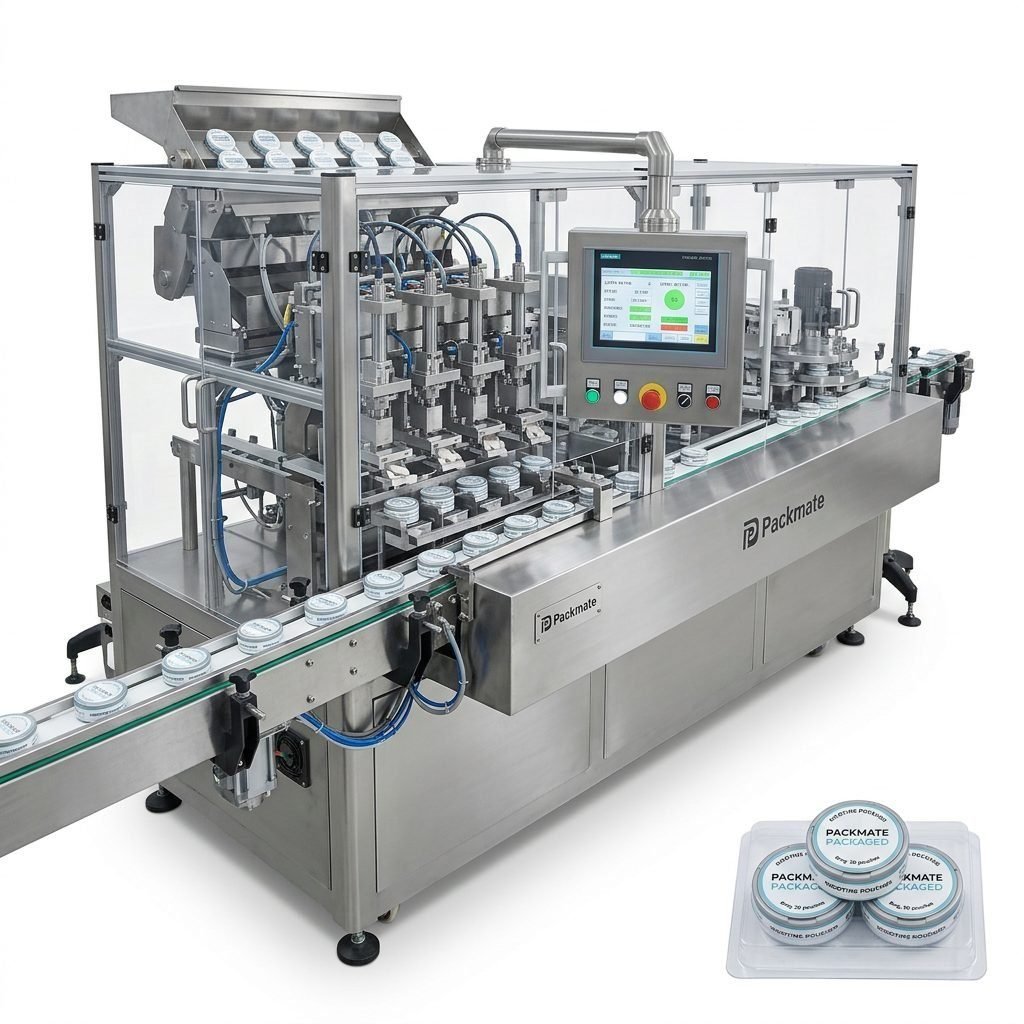
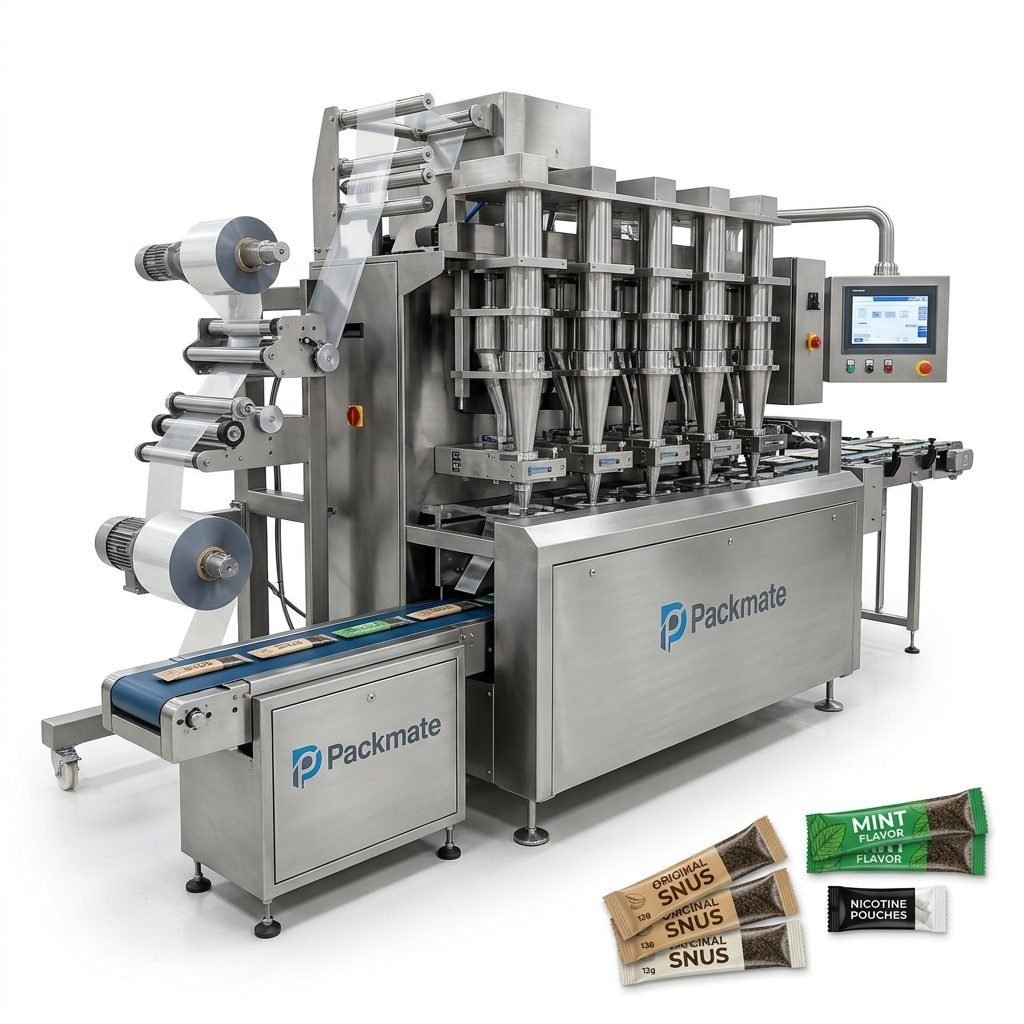
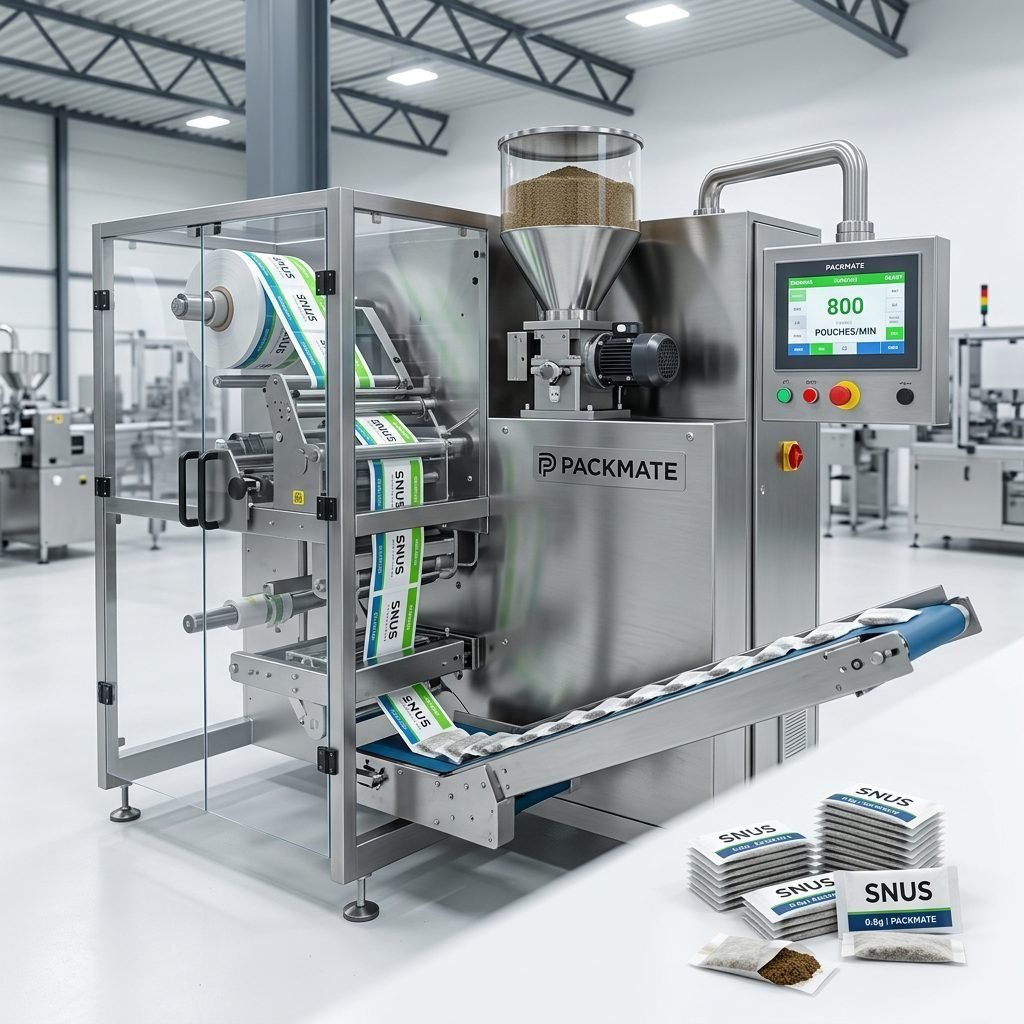
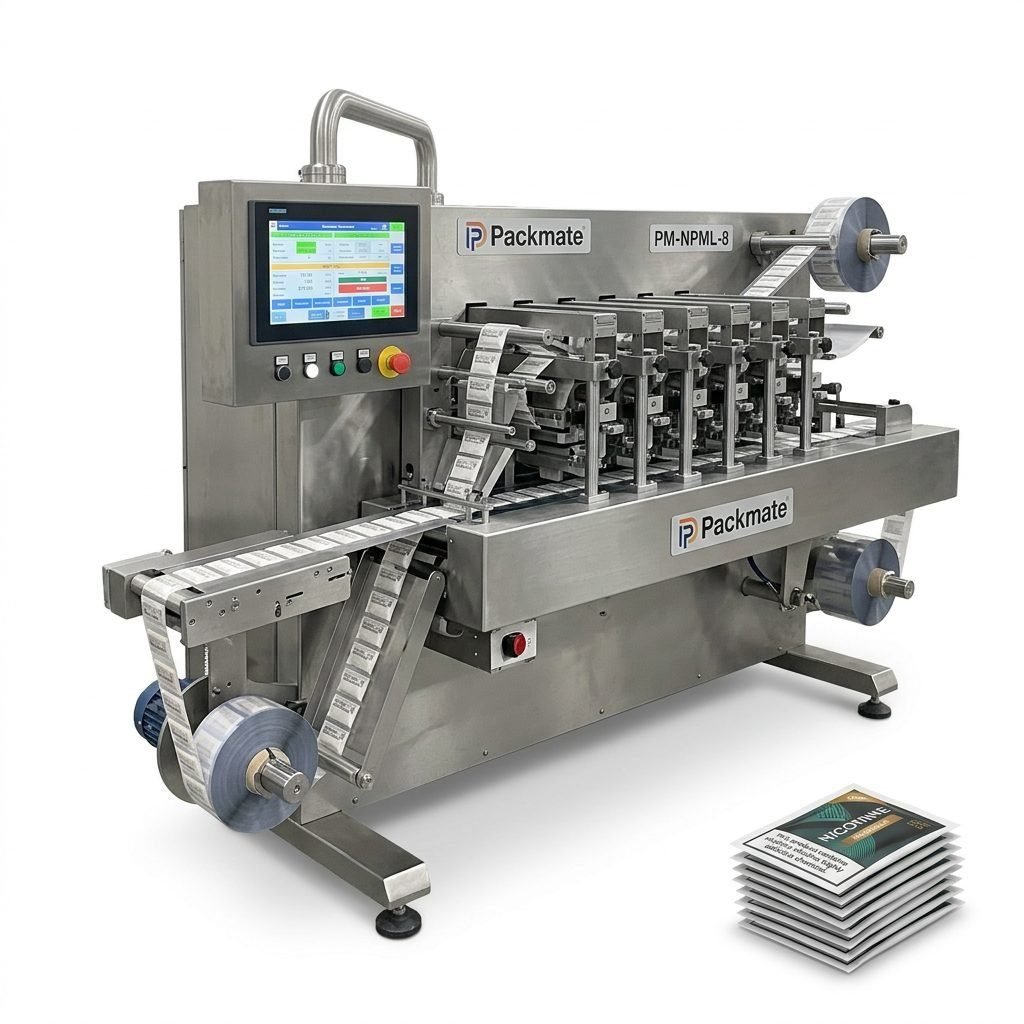
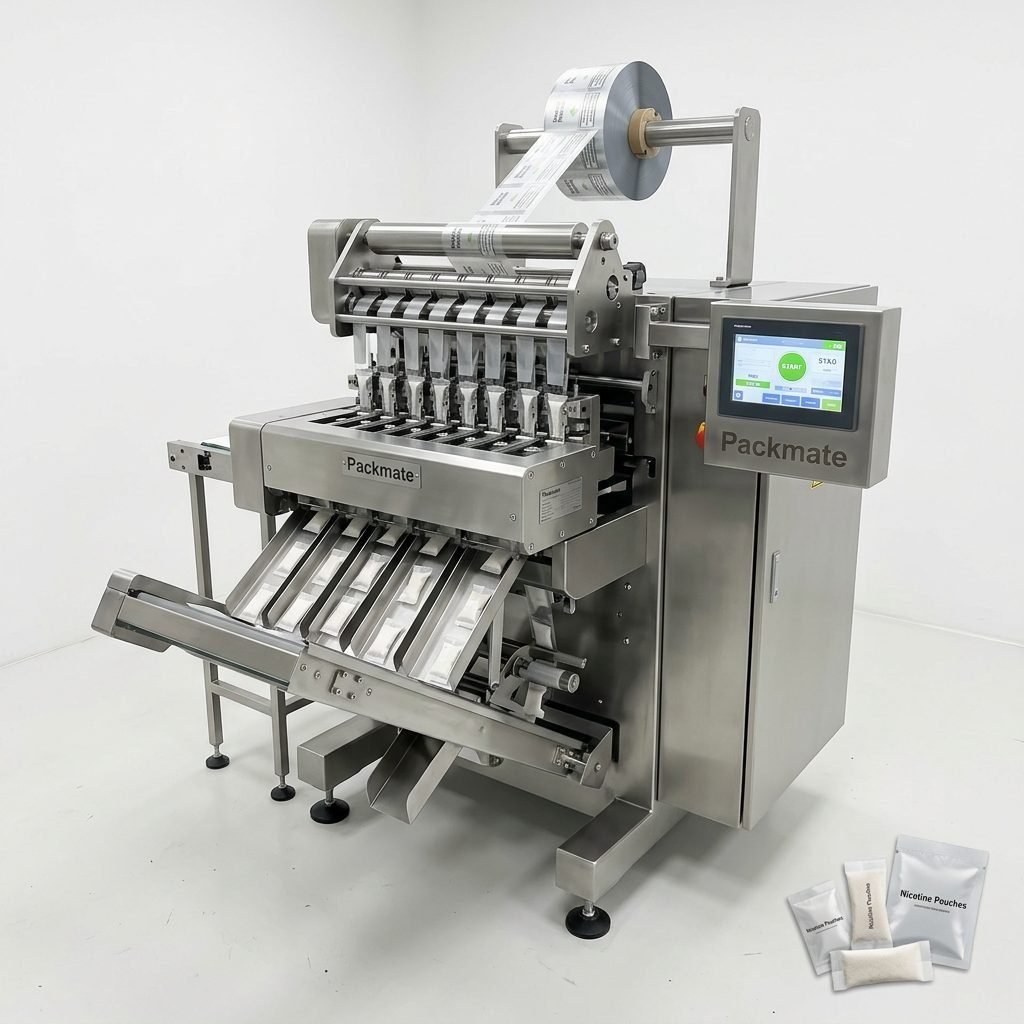
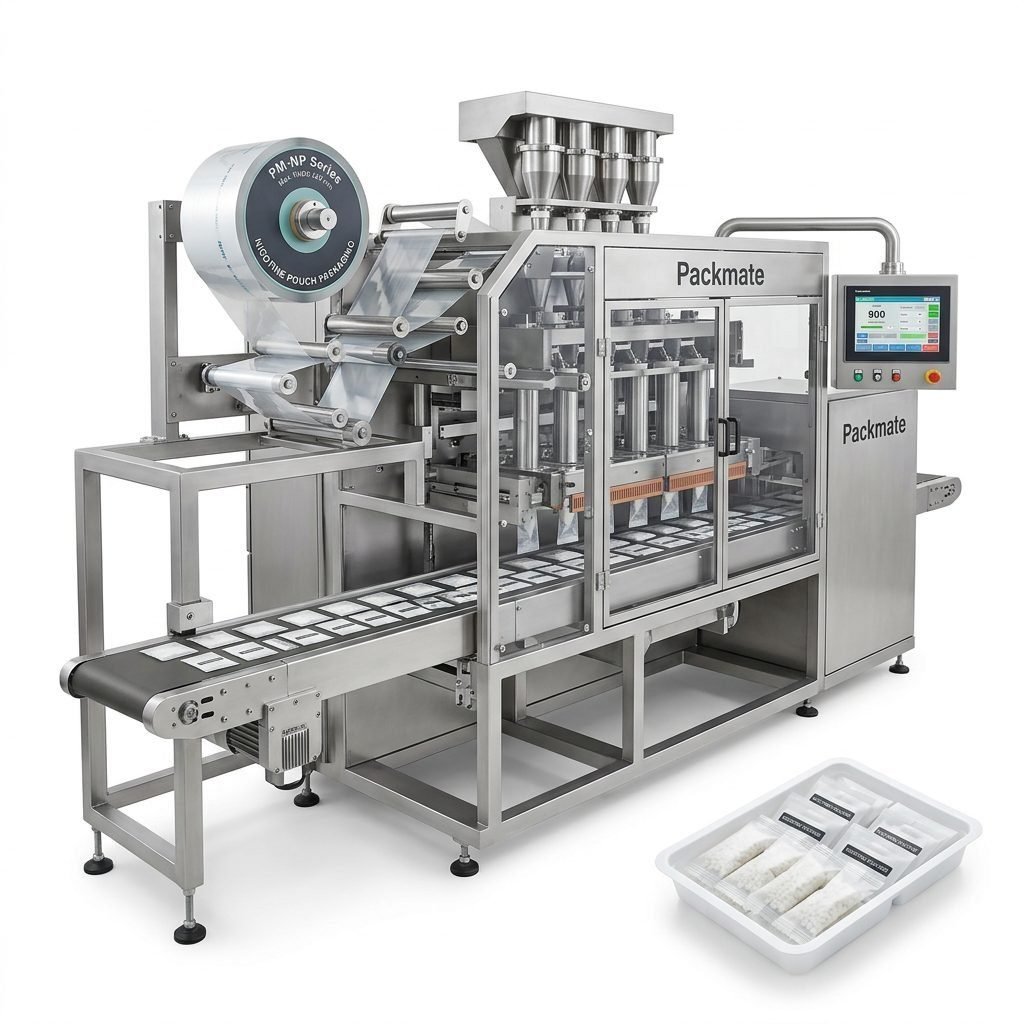
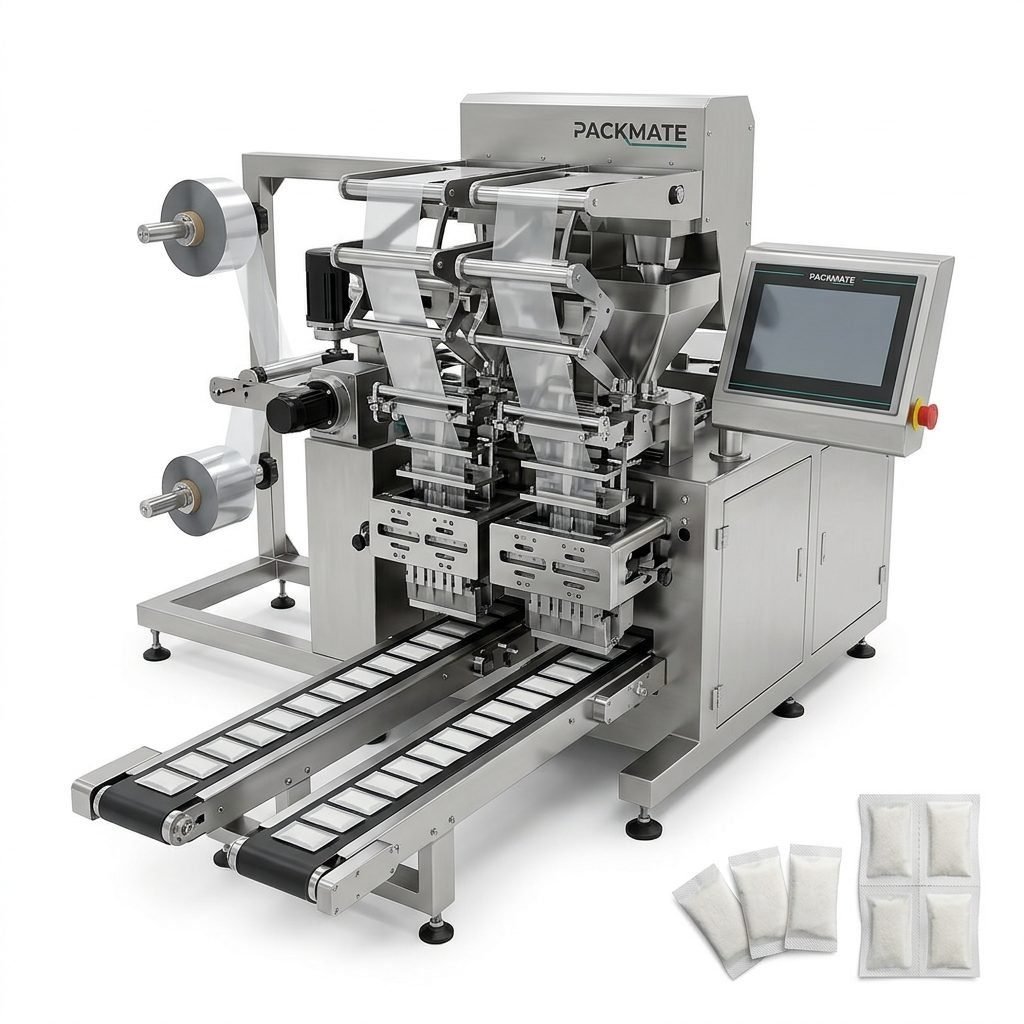
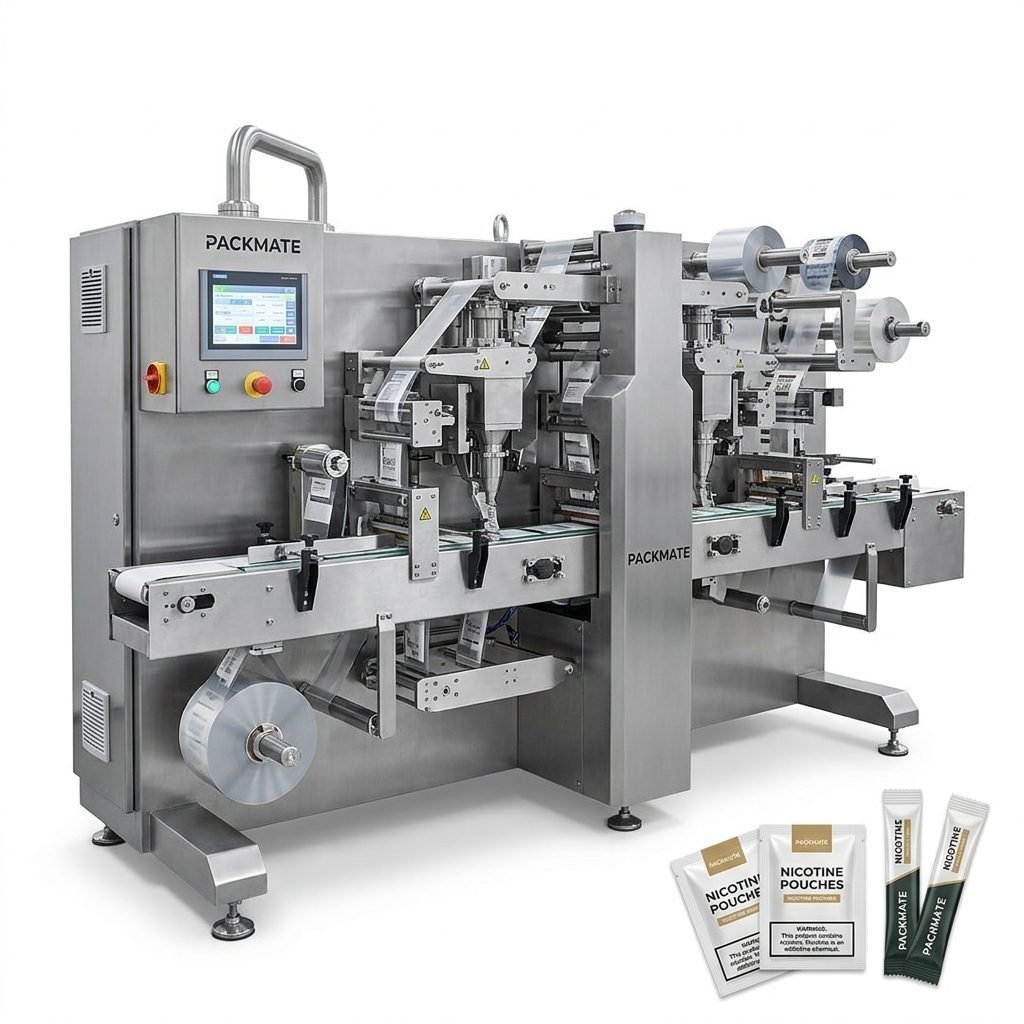
Modern snus packaging lines range from single-lane stick pack machines to high-speed multi-lane systems. For nicotine pouches and snus, look for equipment that offers gentle handling, accurate dosing, and flexible pouch formats. Check if the supplier offers machines designed specifically for small-dose multi-lane production — this is especially useful when you need high throughput with variable flavors or strengths.
Visit product pages to compare specifications and animations. Useful pages include Snus & Nicotine Packaging Machines and Sachet & Stick Pack Machines.
Technical features to prioritize
✅ Accurate weighing and dosing with minimal giveaway
✅ Fast changeover for multiple formats and minimal downtime
✅ Durable materials for moisture-prone snus products
✅ PLC & touch screen controls with remote diagnostic capability
Step 3 — Inspect supplier credibility and manufacturing strength
A supplier’s track record, factory capacity, and certifications are key validation points. Look for suppliers with large manufacturing facilities, advanced CNC equipment, and a history of delivering turnkey lines globally. Packmate Snus Machine, for example, has a 20,000㎡ factory, over 30 years of experience, and a broad machine range — all indicators of capacity to produce and support complex lines.
Check supplier pages like About Packmate and review their Case studies to see past installations and client testimonials.
Factory & quality indicators
🔍 ISO and CE certifications — ensure international compliance
🔍 Advanced CNC machining and precision assembly lines
🔍 Demonstration capability and factory acceptance testing
Step 4 — Assess after-sales, spare parts & training
In Cambodia, on-the-ground technical support can be limited. Choose a supplier who offers fast spare parts delivery, local technical partners, or remote support. Training for operators and maintenance staff is essential — request a structured training plan and post-installation support timeline. Suppliers that offer modular spare parts kits and remote diagnostics reduce downtime risk for your operations.
Support checklist
⚙️ Warranty terms and spare parts lead times
⚙️ Remote troubleshooting capability via PLC access or video
⚙️ On-site training plans and technical documentation in English (and Khmer if available)
Step 5 — Validate cost beyond the purchase price
The purchase price is just the start. Total cost of ownership includes installation, training, spare parts, energy consumption, maintenance, and estimated downtime losses. High-quality machines often pay back faster due to lower giveaway, higher uptime, and fewer maintenance events — factors especially important when servicing remote or growing Cambodian markets.
Cost assessment items
💰 Installation & commissioning costs
💰 Shipping, insurance, import duties to Cambodian ports
💰 Long-term maintenance and parts consumption
💰 Energy usage and consumables cost
Step 6 — Inspect references, case studies & exhibitions
Ask suppliers for references in similar markets or product types. Visiting an installation or watching a live demonstration gives the best insight into machine reliability. Suppliers participating in international exhibitions often showcase their most proven technologies — check their exhibition history and videos. You can learn more about exhibition appearances via their Our Exhibition page.
Step 7 — Plan logistics, installation and commissioning in Cambodia
Work with freight forwarders experienced with Cambodian ports. Plan for customs clearance documentation, local taxes, and possible inspection requirements. Schedule installation around local holidays (Khmer New Year in April, Pchum Ben in September/October) to avoid delays. Factor in crane and handling needs at your factory for machine installation.
Local partnership tips
🤝 Build relationships with local agents who know customs and local standards.
🤝 Agree on clear installation timelines and acceptance tests.
🤝 Ensure technical documents and manuals are available in English and translated to Khmer if possible.
Step 8 — Negotiate terms: warranty, spare parts, and training
Negotiation should cover warranty period, spare parts kits included in the delivery, response time for technical support, and training sessions for operators and maintenance crew. Ask for a clear Service Level Agreement (SLA) that defines response times for on-site visits or remote support. Suppliers with dedicated after-sales teams and local partners will offer faster resolution times.
Step 9 — Factory Acceptance Test (FAT) and Site Acceptance Test (SAT)
Require FAT before shipment to validate machine performance using your product or a close simulant. Record acceptance criteria and expected performance metrics. After installation, carry out SAT in Cambodia to verify the line under real production conditions. This eliminates ambiguity and reduces the risk of performance gaps upon startup.
Cultural & communication tips when working with Cambodian partners
Cambodian business culture emphasizes respect, patience, and building personal rapport. Meetings often involve small talk and relationship building before technical discussions. Arrange in-person visits when possible, or use video calls for regular check-ins. Provide clear, respectful communications and confirm agreements in writing.
Practical suggestions
📅 Avoid scheduling major shipments or installations during Khmer New Year or Pchum Ben.
🗣️ Use simple, direct English and confirm with written follow-ups; consider local translators for negotiations.
🤝 Treat suppliers as long-term partners; strong relationships often yield better service and flexibility.
Why Packmate Snus Machine is often chosen by global buyers
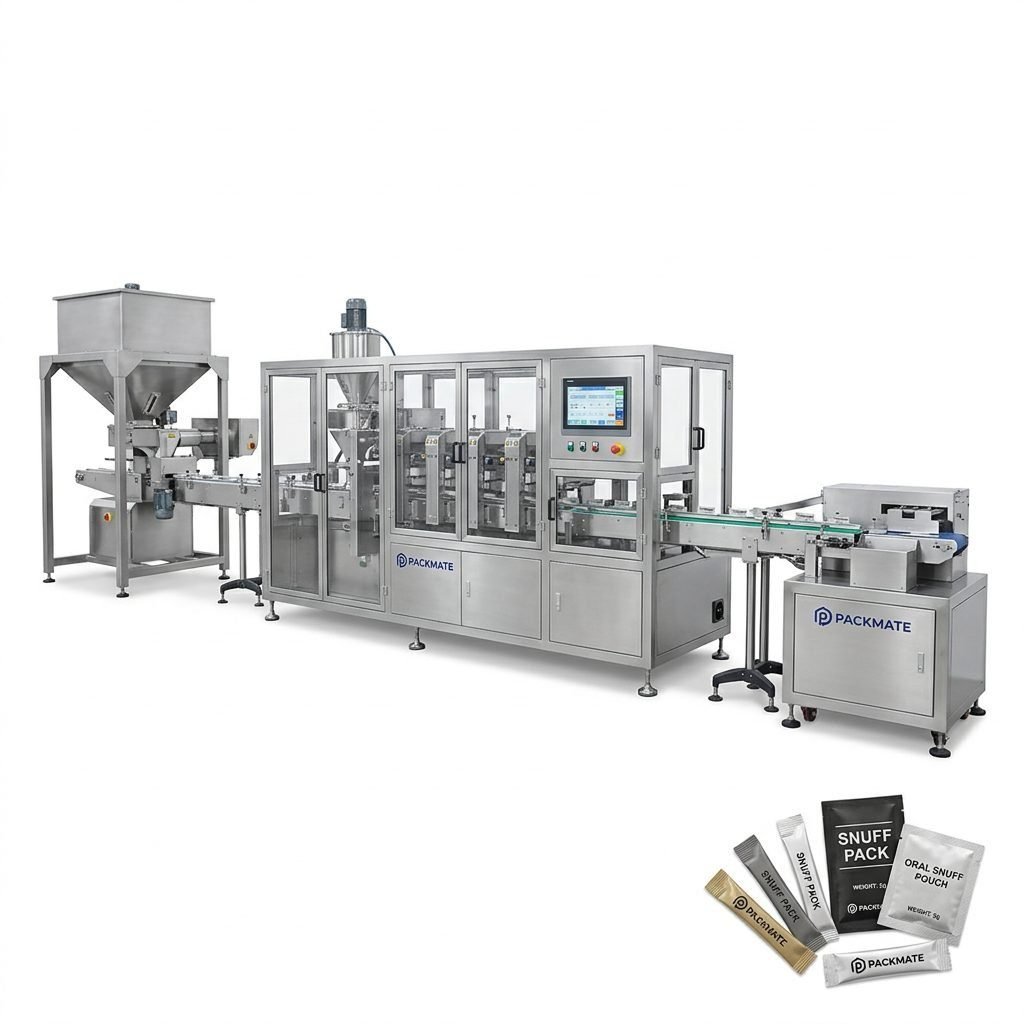
Suppliers like Packmate offer long-term engineering experience (30+ years), a wide product range including multi-lane snus systems, and factory capabilities that support turnkey solutions. Their global projects and certifications demonstrate the ability to meet rigorous performance and safety standards. Explore their product lines for suitable machines: Filling & Packaging Lines and Weighing & Packaging Systems.
Quick decision checklist before signing a contract
✔️ Are machine specs matched to your product and target output?
✔️ Has FAT been agreed upon and documented?
✔️ Are warranty, spare parts, and training included in writing?
✔️ Have customs, shipping, and import duties been estimated?
Final thoughts
Choosing a snus packaging machine supplier for Cambodia demands a balance of technical fit, supplier reliability, local logistics planning, and cultural understanding. Prioritize suppliers who offer transparent service terms, strong factory credentials, and proven installations. With the right partner, you can achieve efficient, compliant, and scalable packaging operations that support long-term growth in Cambodia and the wider Southeast Asian region.
Useful resources
For more detailed product specifications and services, see the supplier’s Auxiliary Packaging Equipment, and contact pages at Contact Us to arrange factory visits or quotations.
Common Questions
Q: How long does it typically take from order to commissioning in Cambodia? — Delivery depends on machine complexity, FAT scheduling, shipping, and customs. A typical timeframe ranges from 8 to 20 weeks. Confirm lead times with the supplier and plan for local clearance.
Q: What certifications should I ask for? — Request CE, ISO, and any relevant safety or electrical certifications. Also ask for test reports and FAT documentation showing machine performance.
Q: Are remote diagnostics supported? — Many modern suppliers provide PLC-based remote diagnostics and video support. Confirm access methods, security policies, and response times in the contract.
Q: What spare parts should be included in the initial delivery? — Commonly included parts are wear items (seals, cutters, belts), electrical spares (fuses, sensors), and critical mechanical spares for high-wear components. Agree on an initial spare parts kit and stocking plan.
Q: How do I ensure compliance with Cambodian labeling rules? — Work with local regulatory advisors or distributors to confirm labeling and ingredient disclosure requirements. Ensure your supplier can print or encode labels that meet local standards.