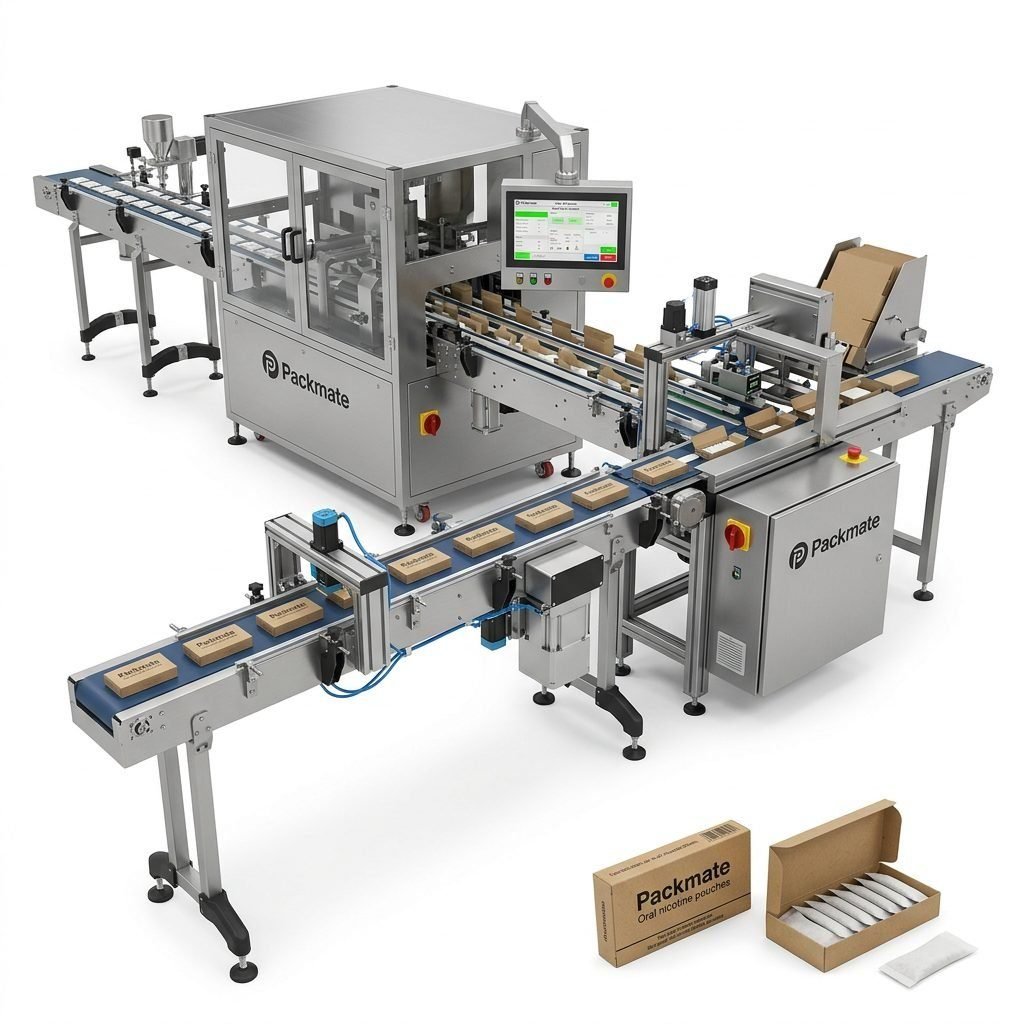
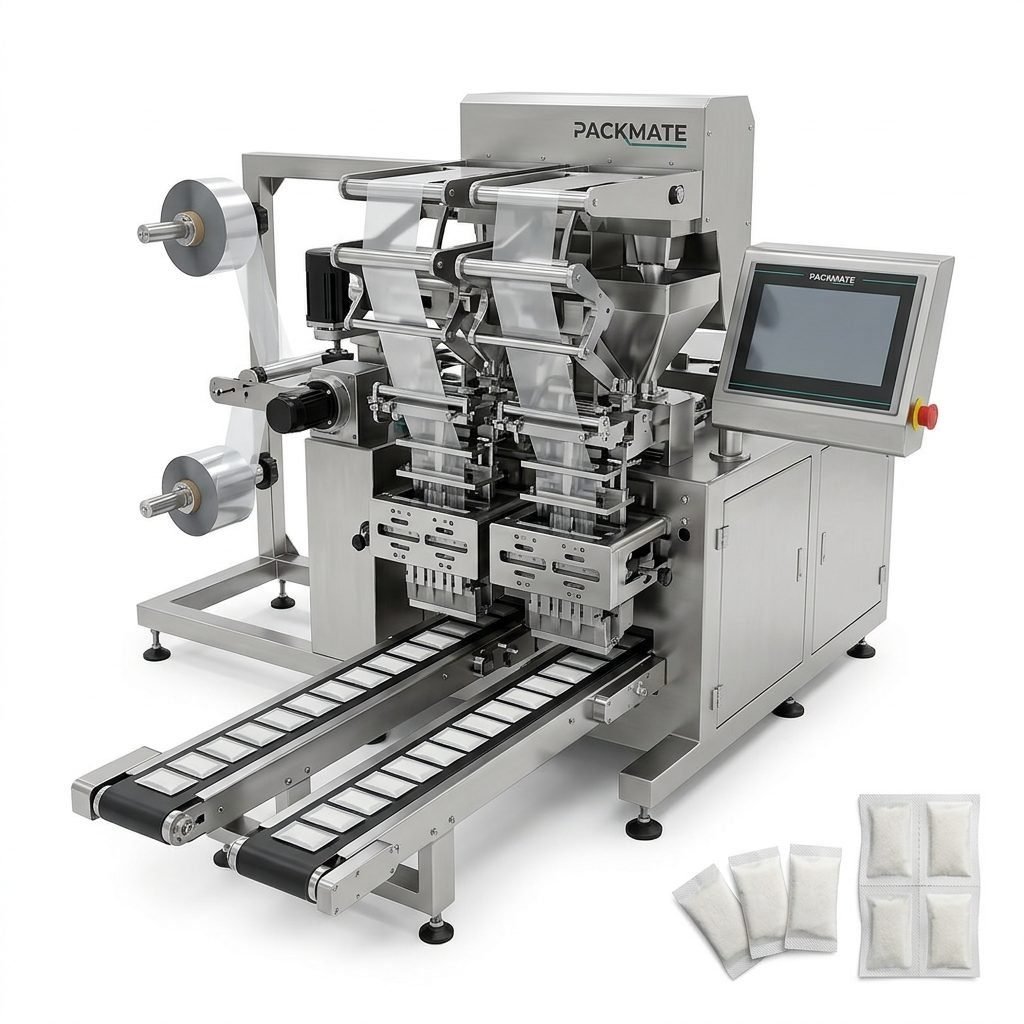
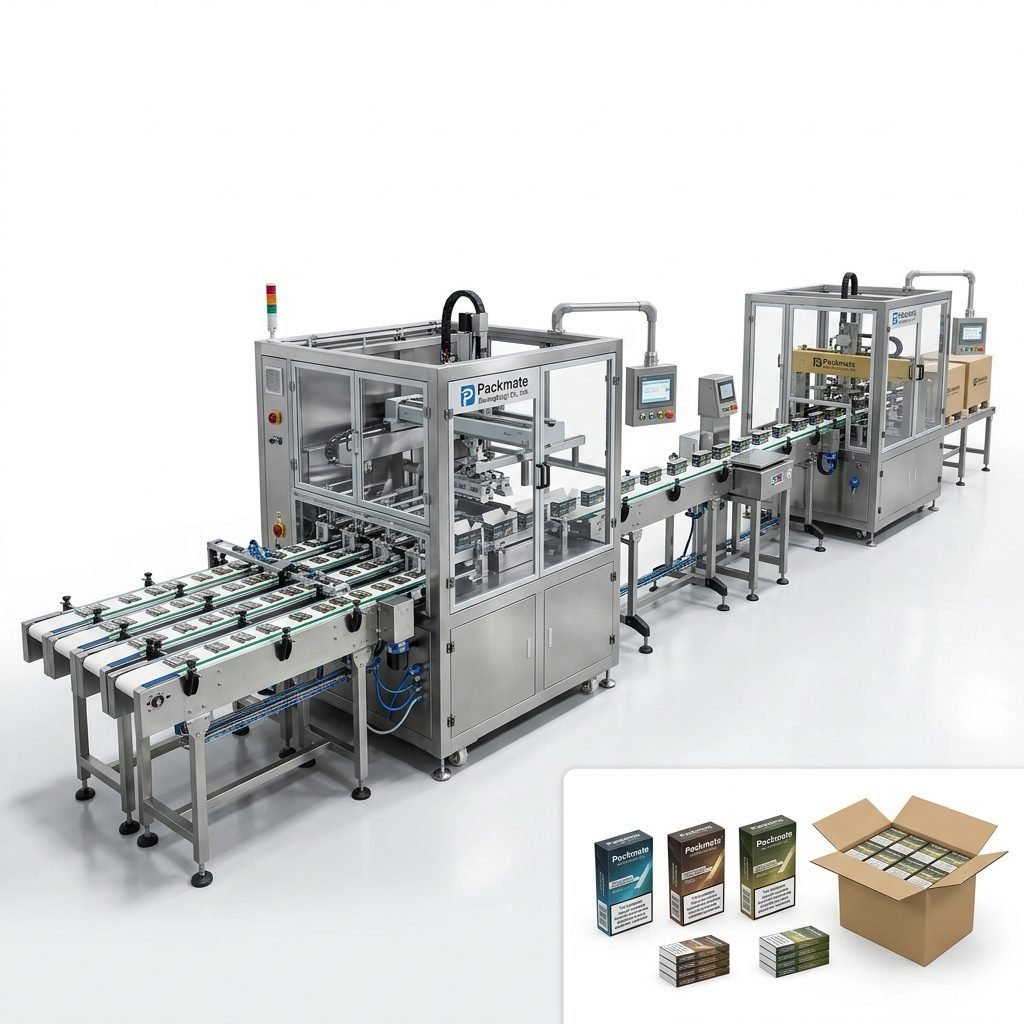
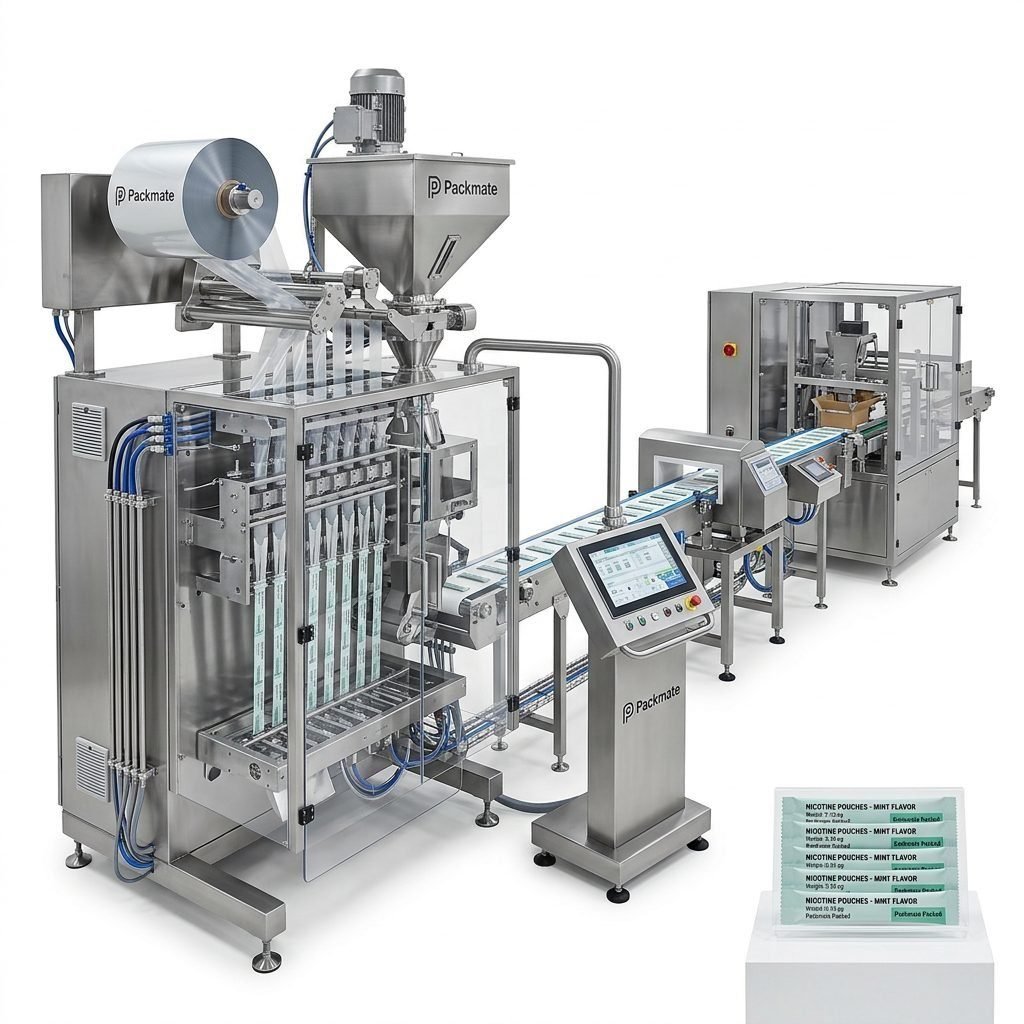
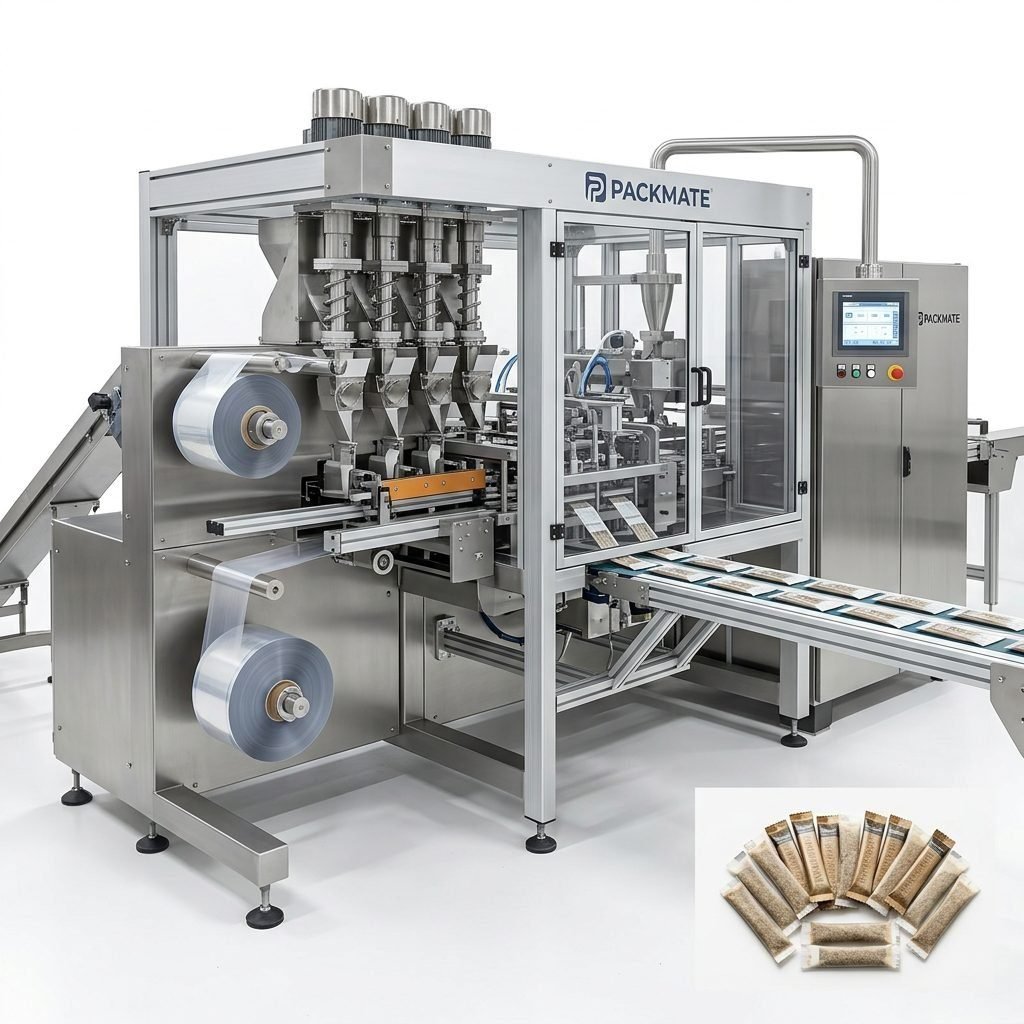
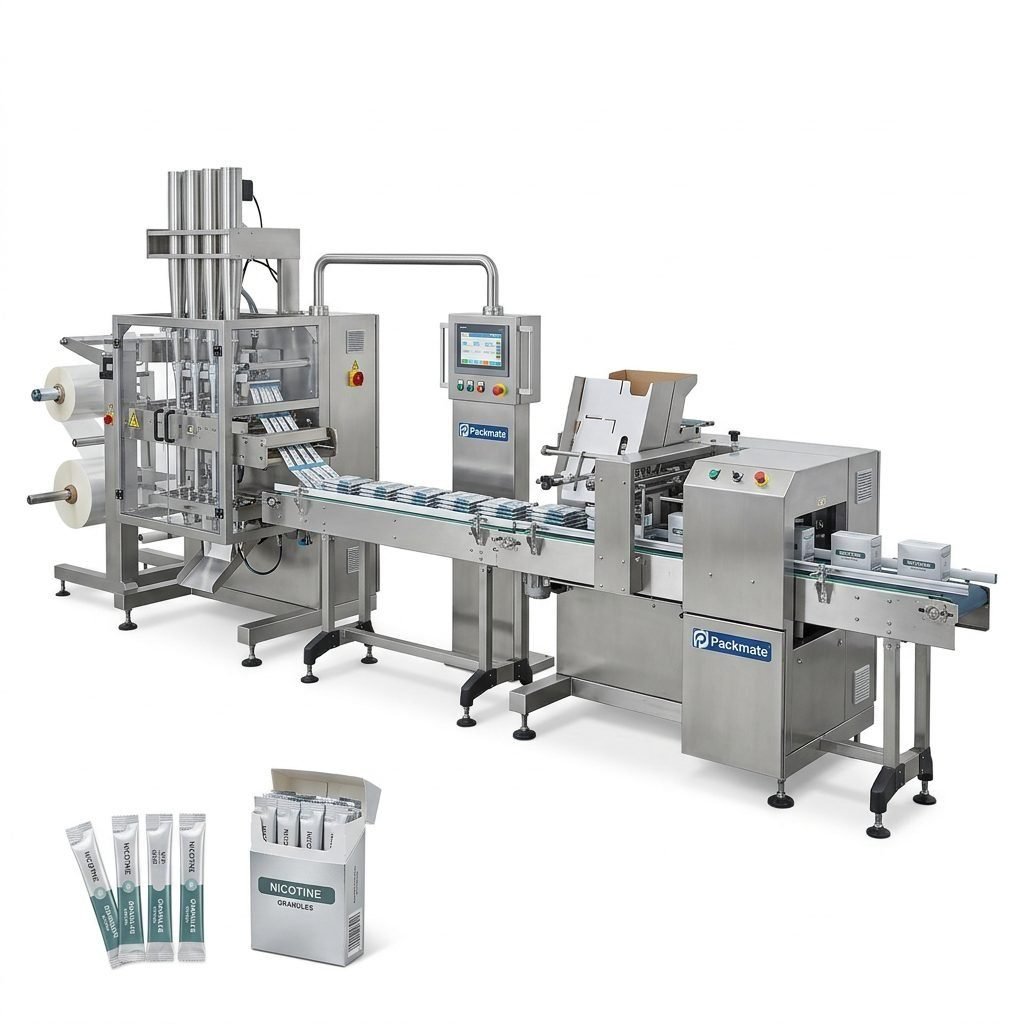
Entering the Austrian market for snus and nicotine pouch packaging requires carefully selecting a packaging machine supplier that understands local regulations, consumer preferences, and high expectations for quality and sustainability. This guide walks you through the key factors to evaluate when selecting the best snus packaging machine supplier in Austria, with practical checklists and decision points to help you make a confident choice.
Understand the Austrian Context
Austria’s consumers and regulators value product safety, clear documentation, and environmental responsibility. Business culture tends to favor punctuality, direct communication, and long-term partnerships. When choosing a supplier, prioritize partners who demonstrate compliance with European standards, speak or support German, and can align with Austrian logistics and after-sales expectations.
Why this matters
✔️ Regulatory alignment: Machines must support traceability and hygiene protocols to meet EU and Austrian requirements.
✔️ Cultural fit: Suppliers that provide German-language documentation and responsive local support improve implementation speed.
✔️ Sustainability: Austrian buyers often prefer energy-efficient machines and recyclable packaging options.
Core Technical Capabilities to Evaluate
A reliable supplier must demonstrate robust engineering and production capacity for snus and nicotine pouch packaging lines. Key technical aspects include precision dosing, multi-lane configurations, changeover flexibility, and integration with upstream/downstream systems.
Precision and output flexibility
📌 Precision: Ensure the machine supports consistent pouch weights with minimal variance — crucial for nicotine pouches where dosage control is critical.
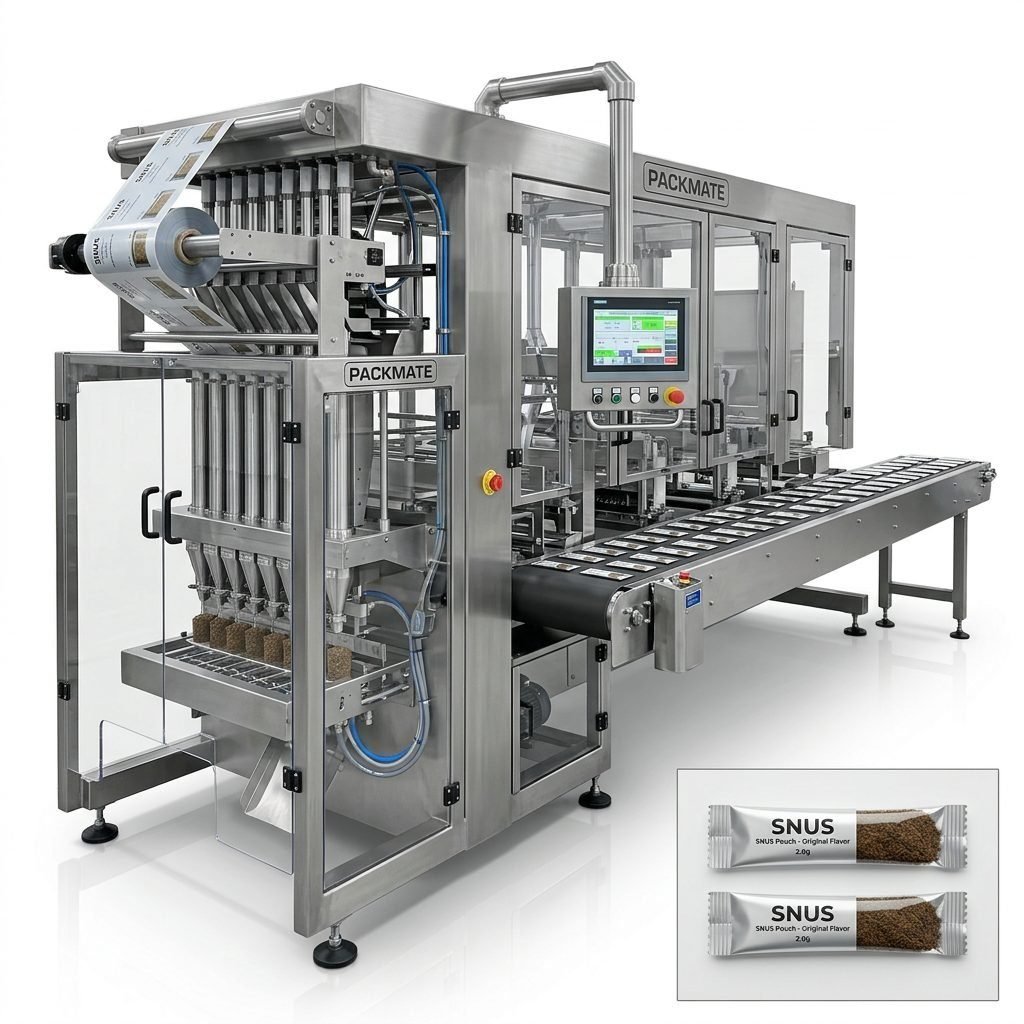
📌 Multi-lane options: Multi-lane systems increase throughput without proportionally increasing footprint — important for scaling production in compact European facilities.
📌 Changeovers: Fast tool-free format changeovers reduce downtime when switching pouch sizes or materials.
Quality Assurance & Certifications
A supplier’s quality controls and certifications reflect their commitment to long-term reliability. Look for CE marking, ISO certifications, and documented factory testing procedures.
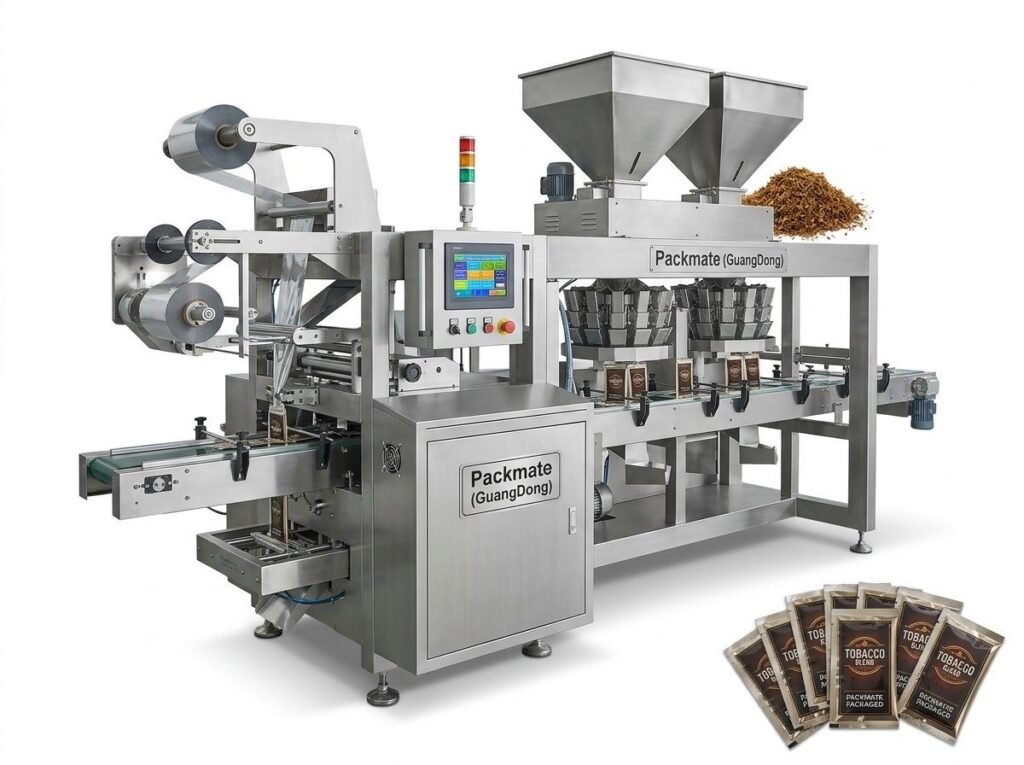
Packmate Snus Machine, for example, lists CE and ISO compliance and conducts strict quality testing at a modern 20,000㎡ facility. Third-party inspections, FAT (Factory Acceptance Tests), and sample run reports should be part of your purchase process.
Questions to ask suppliers
⚠️ Can you provide CE/ISO certificates and FAT documentation?
⚠️ Do you perform long-run stability tests and provide sample production data?
⚠️ Are spare parts and critical components standardized and available locally or via express shipping?
Customization and Turnkey Solutions
Austrian manufacturers and brand owners often require tailored solutions — from specific pouch shapes to unique multilane formats and inline weighing. Choose suppliers who can deliver customized turnkey lines, including weighing, filling, sealing, and secondary packaging.
🔍 Tip: Request a modular layout and P&ID drawings to confirm integration with your existing equipment and factory utilities.
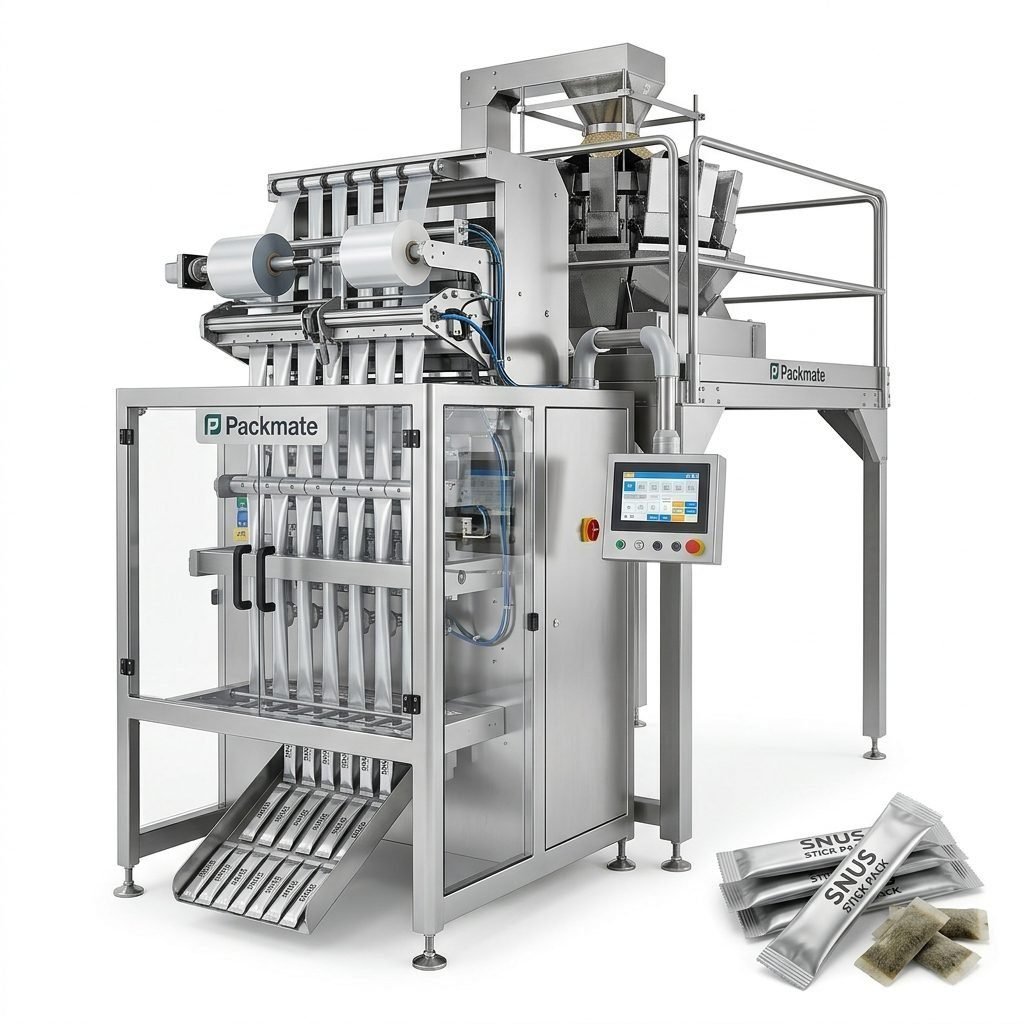
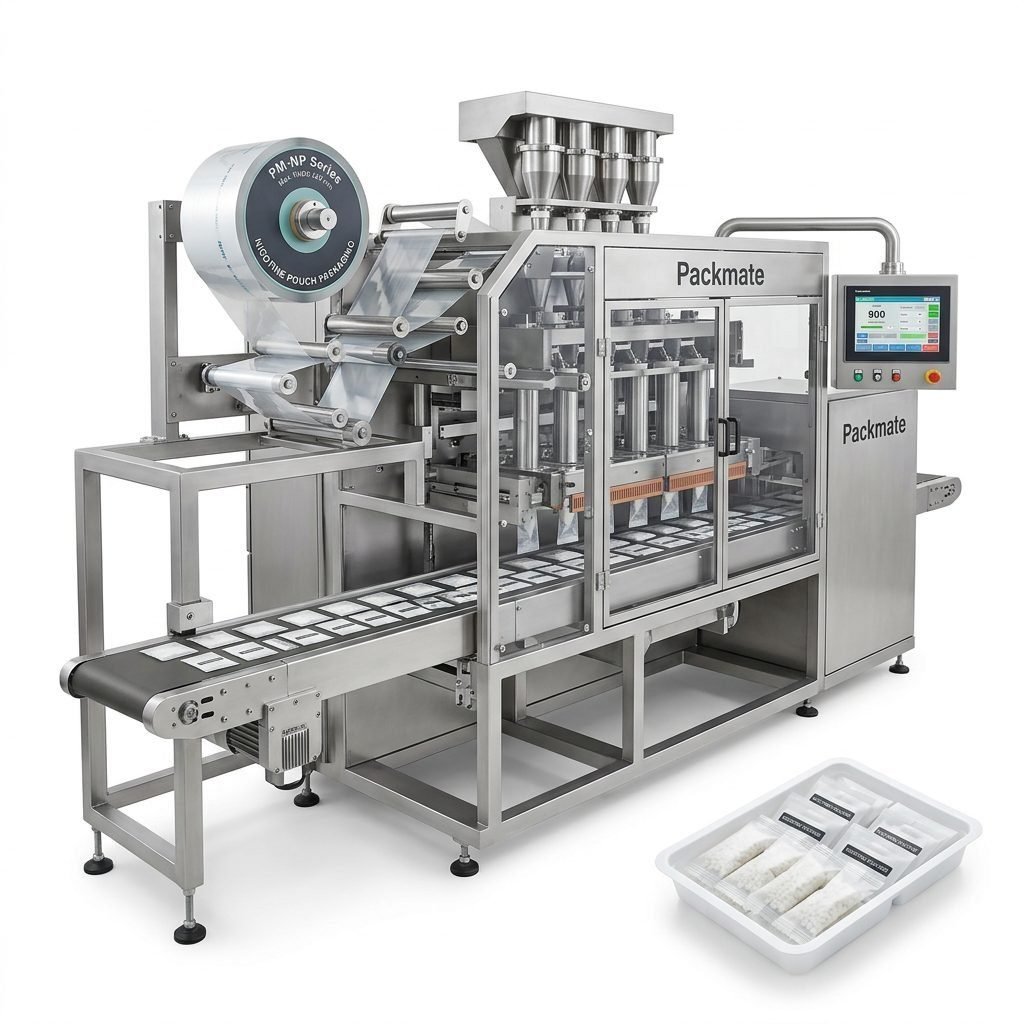
For specific equipment types, you can learn more about specialized lines like Snus & Nicotine Packaging Machines and Weighing & Packaging Systems.
After-sales Support, Spare Parts & Training
Reliable after-sales support is often the deciding factor. Evaluate supplier response times, availability of spare parts, remote diagnostics, and on-site training offerings. Austrian customers benefit from European-timezone responsiveness and fast logistics.
Service expectations
📌 Quick response: Confirm guaranteed response windows for remote support and maximum lead times for critical spares.
📌 Training: On-site commissioning and operator training in German or with translated materials reduces startup errors.
📌 Documentation: SOPs, maintenance guides, and parts lists should be provided electronically and in local language if needed.
Explore a supplier’s service offering and case studies to confirm practical experience. For more background, check a manufacturer’s company profile such as About Packmate and their Case page for examples of global turnkey implementations.
Cost Considerations: Beyond the Purchase Price
Focus on total cost of ownership: energy consumption, consumables, downtime, spare parts cost, and expected lifespan. A cheaper machine with higher operating expenses or frequent breakdowns will be more costly over time.
💡 Cost checklist: energy usage per hour, MTBF (mean time between failures), consumables compatibility, and price/availability of spare parts.
Compliance, Documentation & Traceability
Documented compliance is non-negotiable. Ask for machine CE declarations, electrical schematics, software versions, and traceability modules that log batch IDs, operator records, and production counts to meet auditing and regulatory needs.
Digital and paper records
Prefer suppliers that offer digital recipe management, production logs, and exportable traceability reports. These features simplify audits and support Austrian quality management practices.
Factory Visit, References & Demonstrations
Whenever feasible, visit the supplier’s production facility or request a live demonstration. Tour their assembly lines, check CNC machining quality, and observe a machine running your product sample. Request references from European or Austrian customers to verify performance claims.
If a physical visit isn’t possible, insist on a remote video FAT and provide clearly defined acceptance criteria so you can evaluate the machine before shipment.
Logistics, Installation & Commissioning in Austria
Coordinate installation services, customs handling, and local transport. Some suppliers offer end-to-end delivery and installation; others rely on local partners. Confirm the supplier’s experience with European shipping, CE customs documents, and on-site commissioning support.
Use the supplier’s Contact Us page to clarify lead times, installation scope, and warranty terms before signing contracts.
Selecting the Right Commercial Terms
Negotiate clear acceptance tests, payment milestones, warranty coverage, and spare parts kits included in the purchase. Define penalties for missed delivery or failed performance where appropriate.
🔑 Key contract items: FAT criteria, SAT (site acceptance test) scope, warranty length and exclusions, spare parts list, and training obligations.
Practical Decision Checklist
Use this condensed checklist before final selection:
• Proven multi-lane performance for your target throughput.
• CE/ISO certification and FAT reports.
• Local-language documentation (German) or translated manuals.
• Clear spare parts supply plan and service SLA.
• Turnkey integration capabilities (weighing, filling, secondary packaging).
• Competitive total cost of ownership and demonstrable reliability.
Where to Find Trusted Suppliers and Further Resources
Reputable suppliers often showcase their product lines and project case studies online. Review product pages like Bag & Pouch Packaging Machines and Sachet & Stick Pack Machines, then request references and factory tours to confirm claims. Consider attending European packaging exhibitions to see live demos and meet engineering teams in person.
Final Tips for Austrian Buyers
– Insist on German-language operation and maintenance sheets where possible.
– Evaluate energy efficiency — utility costs are a significant operational factor in Europe.
– Prefer suppliers with demonstrated export experience to Europe for smoother customs and documentation handling.
– Plan spare parts inventory based on supplier lead times and expected MTBF.
Summary
Choosing the best snus packaging machine supplier in Austria means balancing technical capability, regulatory compliance, local support, and long-term total cost of ownership. Prioritize suppliers with proven multi-lane systems, clear CE/ISO documentation, strong after-sales support, and the ability to deliver turnkey solutions. Use factory visits, FATs, and reference checks to validate claims before purchase.
Frequently Asked Questions
Q: How important is CE certification when buying packaging machines for Austria?
A: CE certification is essential as it indicates the machine meets EU safety and EMC standards; request documentation and verify authenticity.
Q: Should I prioritize a local European service partner or direct factory support?
A: A hybrid approach often works best — direct factory engineering for major issues and a local service partner for fast on-site response and spare parts handling.
Q: What lead time should I expect for a customized multi-lane snus packaging line?
A: Typical lead times vary widely, but plan for several months for design, manufacturing, FAT, and shipping. Confirm schedules during contract negotiation and include milestones.
Q: How do I verify a supplier’s claims about machine throughput and accuracy?
A: Require FAT with your specific product or representative samples, review machine run data, and ask for references from clients with similar applications.
Q: Where can I see real-world examples of snus packaging lines?
A: Visit supplier case studies and product pages such as Case and Filling & Packaging Lines to review turnkey installations and performance data.