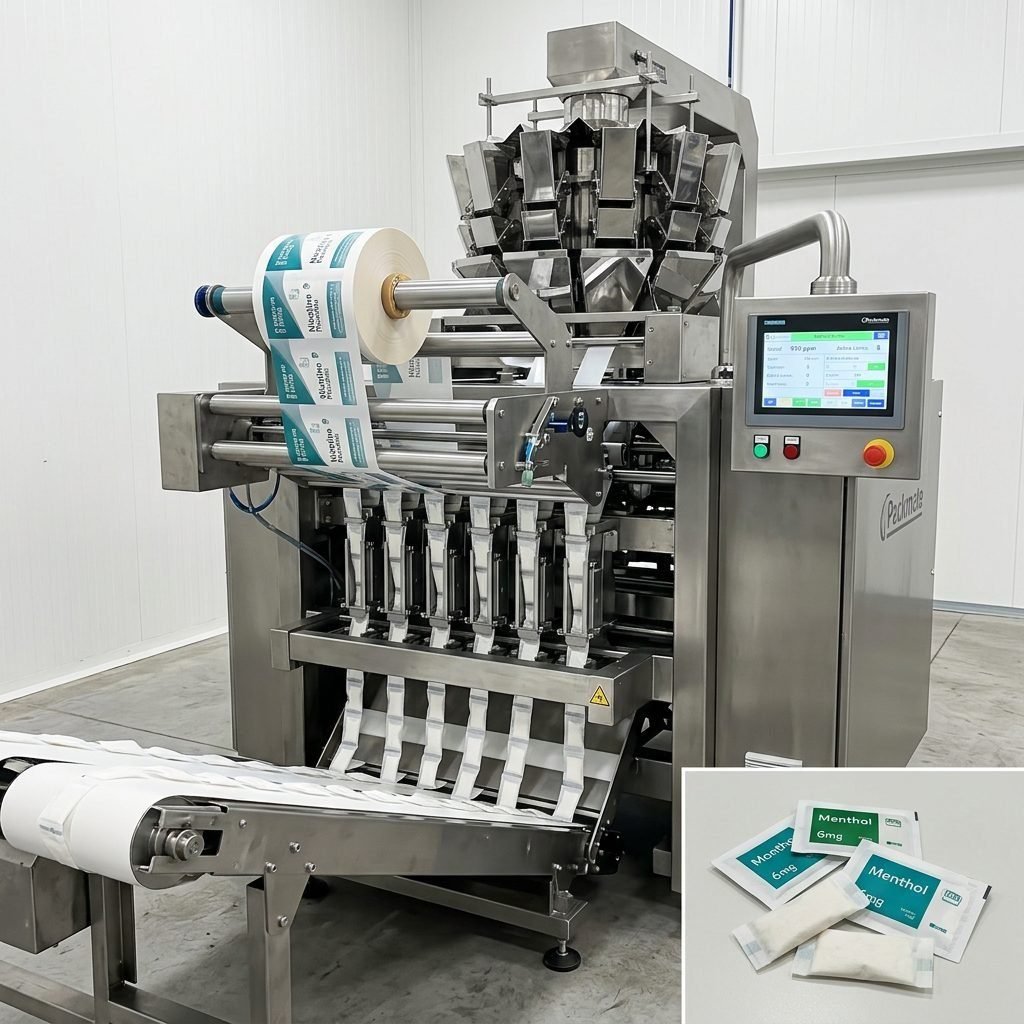
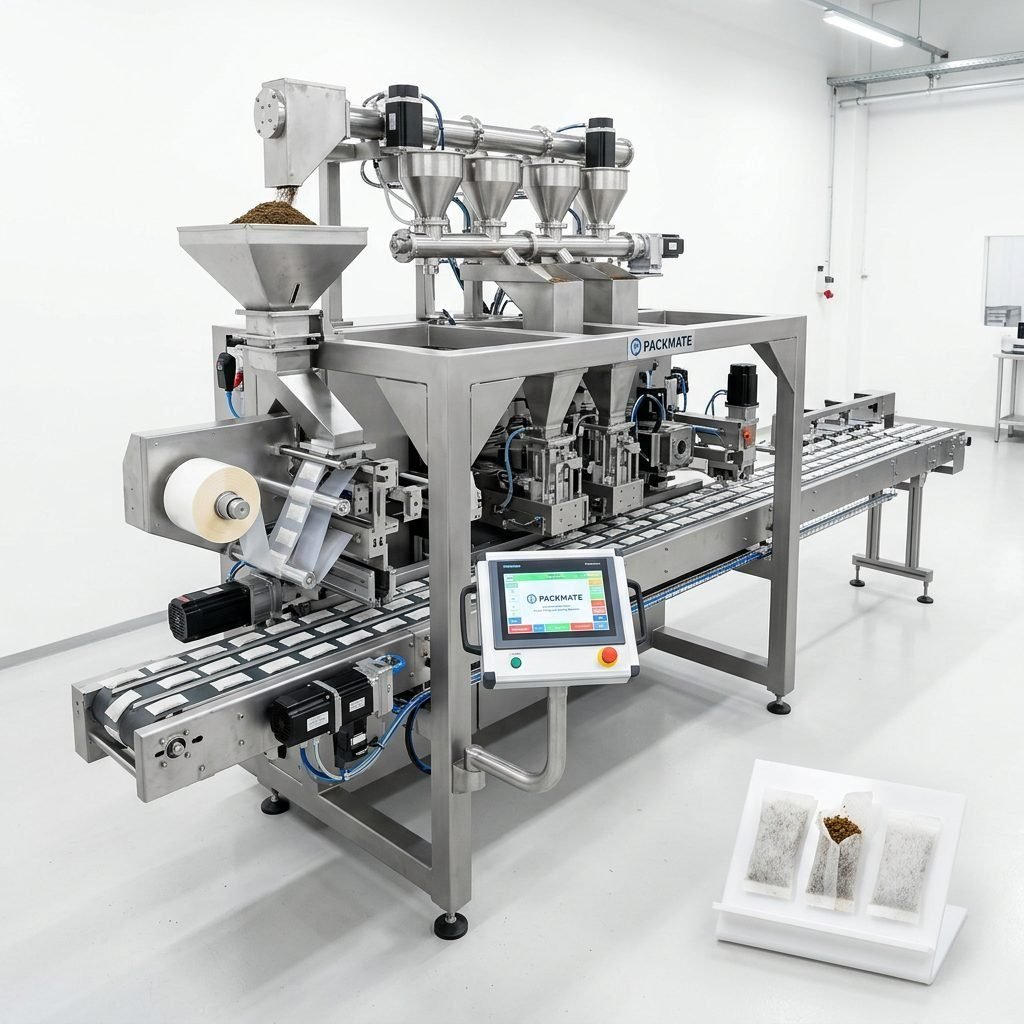
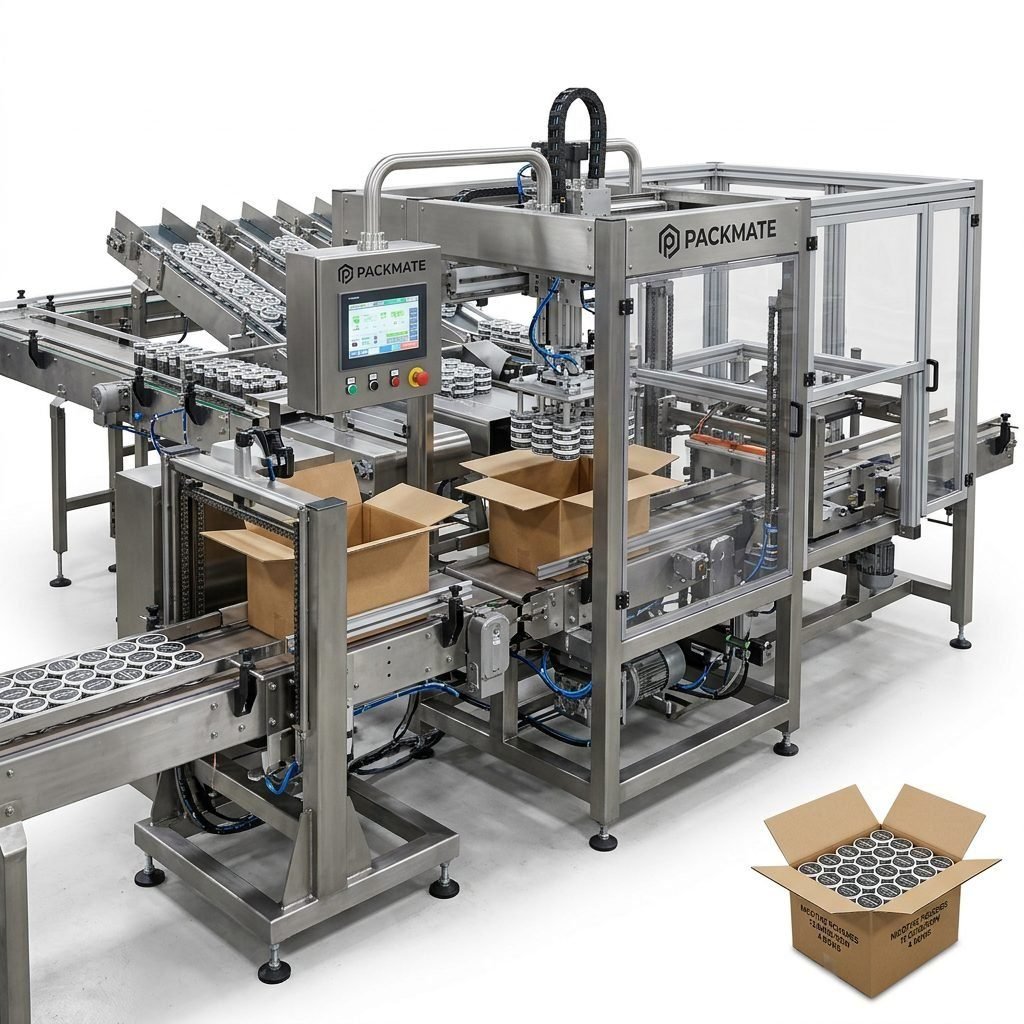
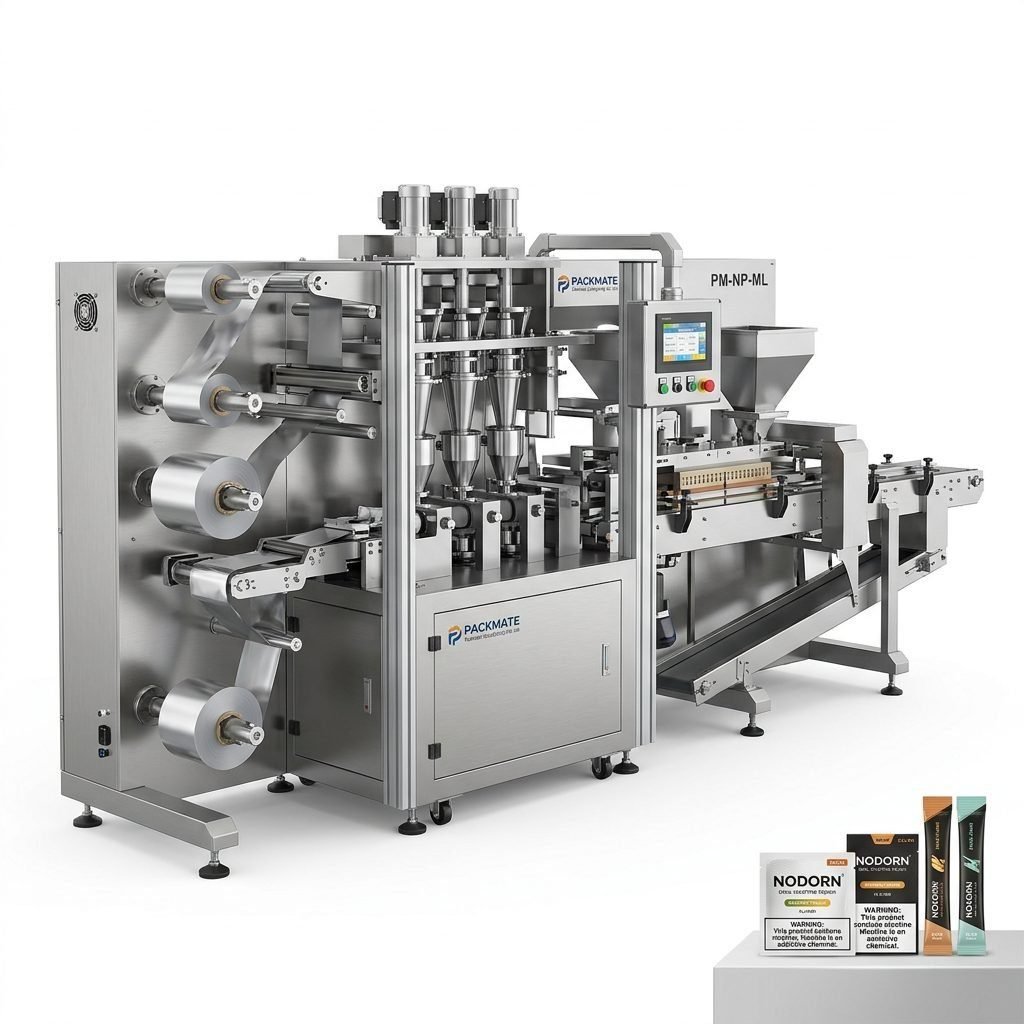
Choosing the right snus packaging machine supplier for reliable production in Sierra Leone requires more than just comparing price tags. Manufacturers need machines that withstand local climate challenges, fit into regional logistics channels, and offer dependable after-sales support. This guide walks through practical, business-focused criteria—tailored to Sierra Leone’s market realities—so production runs smoothly from installation to steady output.
🔍 Understand the Local Context: Sierra Leone Realities
Sierra Leone’s business environment presents distinct features: high humidity in coastal areas, inconsistent power supply outside urban centers like Freetown, and a reliance on sea freight for heavy equipment imports. Socially, consumer acceptance for nicotine products is evolving—both urban and peri-urban markets shape demand differently. When vetting suppliers, prioritize partners who demonstrate experience adapting machines and services for West African conditions and customs clearance procedures.
📌 Practical implications for procurement
Machines must handle high ambient humidity, be easy to maintain with locally available tools, and include clear documentation for technicians who may not speak the supplier’s native language. Consider suppliers who offer sea-shipping preparation, spare parts kits, and commissioning teams familiar with Sierra Leone’s ports and regulatory checkpoints.
Key Criteria to Choose the Best Snus Packaging Machine Supplier
Use the checklist below to compare suppliers objectively. Each item impacts long-term reliability and total cost of ownership.
✔️ Experience & Track Record — Prefer suppliers with 10+ years in pouch/snus packaging and documented installations. Experienced suppliers minimize ramp-up time and troubleshooting.
✔️ Certifications & Compliance — CE, ISO certifications and compliance with electrical and safety standards matter for insurance and resale value.
✔️ Customization & Multi-Lane Options — Look for machines that can scale (multi-lane for high throughput) and be configured for nicotine pouches, different pouch sizes, and different materials.
Manufacturing Strength & Quality Control
A supplier with a modern factory, CNC machining, and dedicated assembly lines is more likely to deliver durable machines. Ask for factory photos, production capacity (units/month), and a description of QC procedures (testing of sealing, weight accuracy, and long-run stress tests). Suppliers who publish machine models and technical specs demonstrate transparency and reliability.
Spare Parts, Local Support & Warranty
In Sierra Leone, long lead times for spare parts can stop production for weeks. Confirm spare parts availability, recommended local inventories, and shipping options. A practical warranty (with clear terms) and remote troubleshooting via video calls greatly reduce downtime. Suppliers offering on-site commissioning and training for operators are highly valued.
Technical Features to Prioritize
Technical specifications determine daily operational reliability. Below are features to review in detail.
Servo Control & Precision — Servo-driven feed and sealing systems ensure consistent pouch weight and seal quality, reducing waste.
Multi-Lane Capability — For nicotine pouches, multi-lane machines can multiply throughput while maintaining accuracy for small-dose products.
Modular Design — Modular machines allow future upgrades (additional lanes, different filling modules) without replacing the whole line.
Operational Considerations for Sierra Leone
Beyond the machine itself, local conditions will shape operations. Plan for: voltage stabilization or UPS systems, climate-controlled storage for hygroscopic materials, and staff training that accommodates language and technical skill diversity. It’s wise to choose suppliers that include an installation plan tailored to limited-availability skilled maintenance teams.
Logistics, Import & Customs
Heavy equipment usually arrives through the Port of Freetown. Ensure your supplier provides proper export packing, documentation for customs clearance, and support with local freight forwarders. Some suppliers offer assistance with Incoterms and local agent recommendations—this reduces delays and unexpected fees.
Evaluating Supplier Credentials: What to Ask
Send a structured RFQ that asks for clear information. Below are essential questions that reveal supplier capability and risk profile.
🔧 Can you provide references or case studies for snus/nicotine pouch lines? (Request videos of long-run operation.)
📄 What certifications does the equipment hold (CE/ISO)? Can you provide test certificates?
🧰 What is included in standard spare parts kits and what parts are recommended for local stock?
👷 Do you offer on-site commissioning and training in Sierra Leone or remote support options?
Red Flags to Watch For
Avoid suppliers that: refuse factory visits, provide vague technical specs, have no spare-parts plan, or push for upfront full payment without phased milestones. A reliable supplier will transparently show their factory capabilities and past projects.
Case & References
Examine case studies and ask for contacts you can call. Reputable suppliers display project examples and invite visits. For instance, review supplier case portfolios and exhibition records to confirm real-world deployments and customer feedback. See examples of packaging solutions and case histories on the supplier’s case page: Case.
Important Supplier Services to Negotiate
Negotiate terms that reduce operational risk in Sierra Leone. Key services include:
• A clear warranty with response times and defined exclusions.
• Training for operators and supervisors, with translated manuals where needed.
• A spare-parts list for 6–12 months of operation with estimated reorder timelines.
• Remote monitoring options and the ability for the supplier to support troubleshooting via video or on-site visits within an agreed SLA.
Why Technical Compatibility Matters
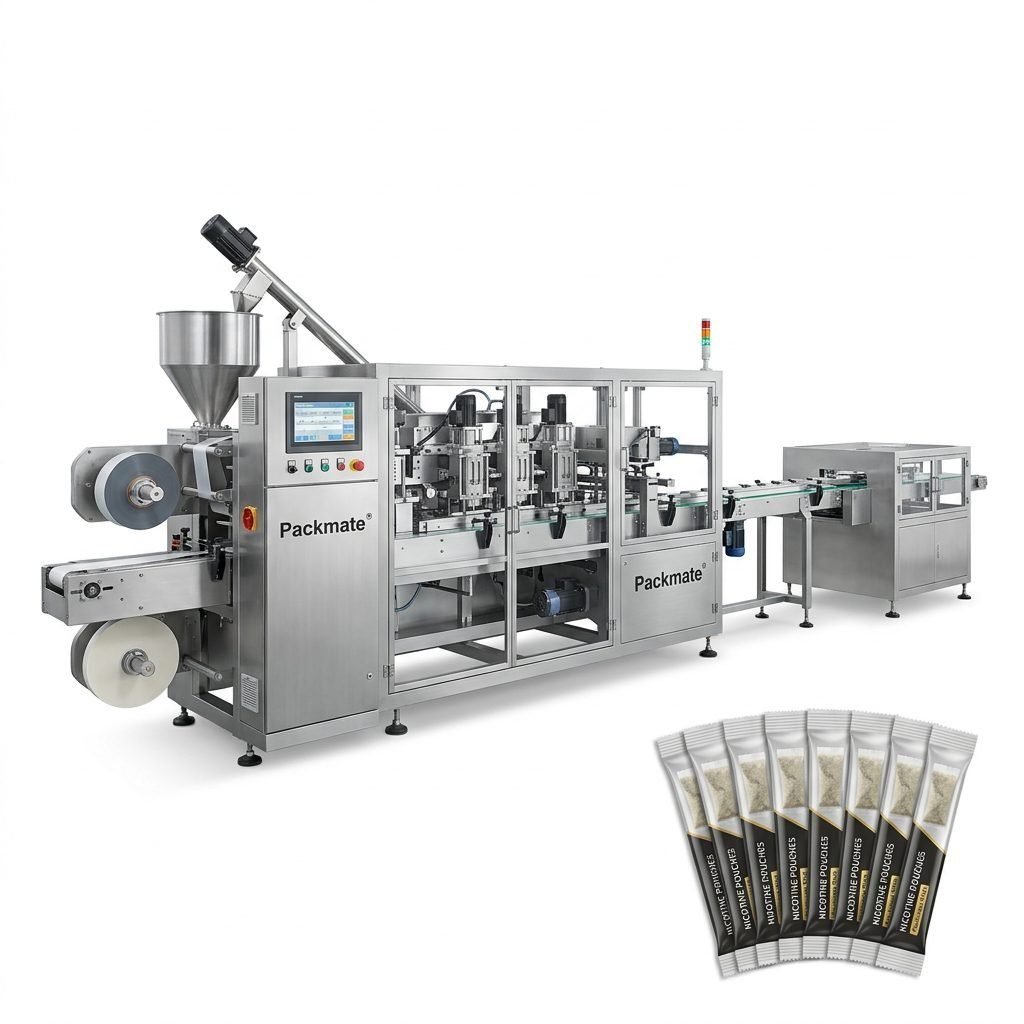
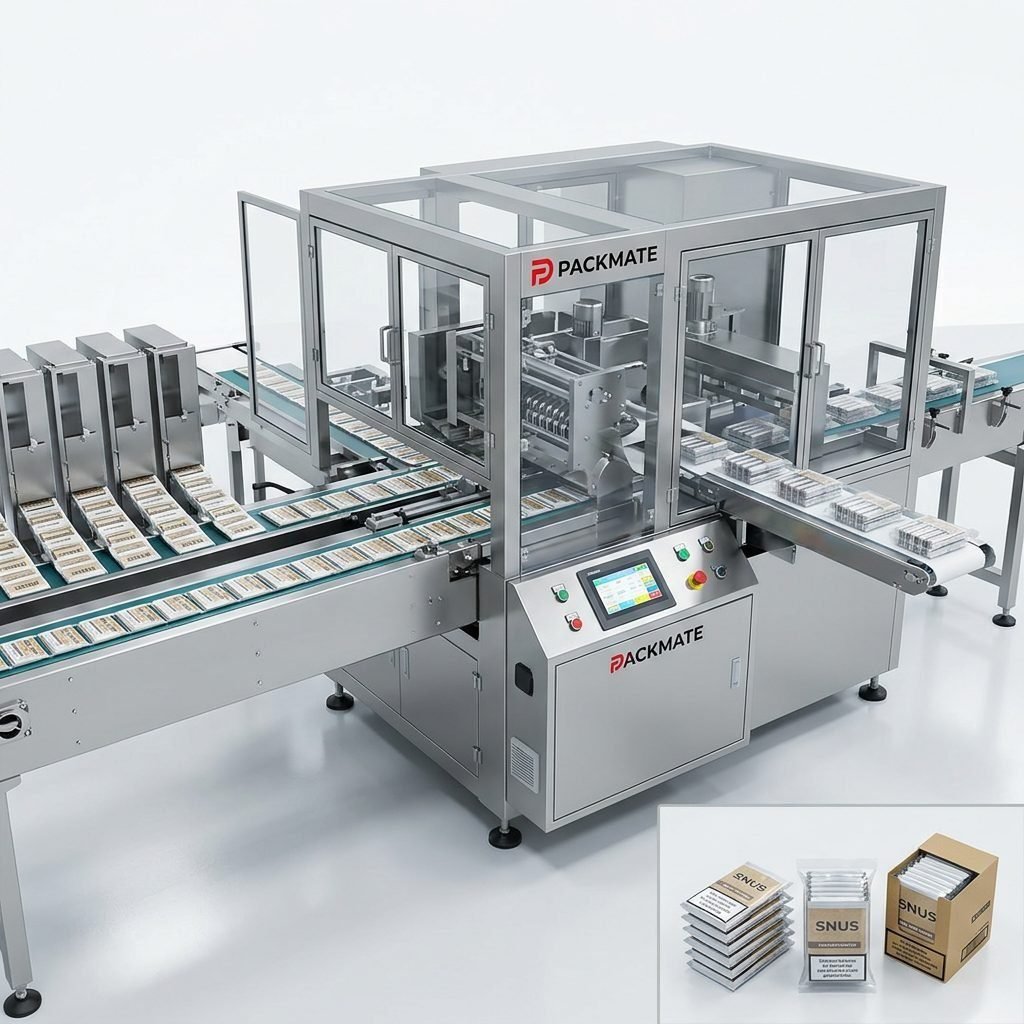
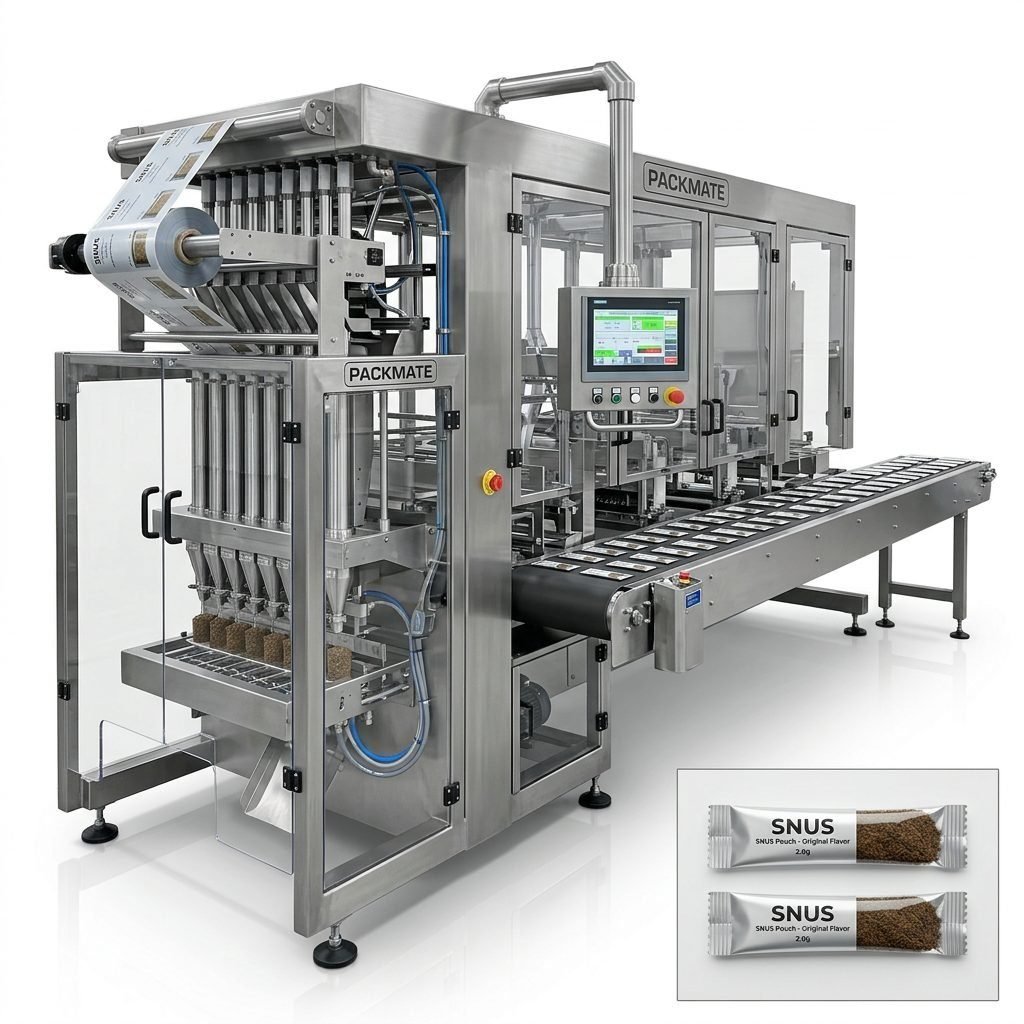
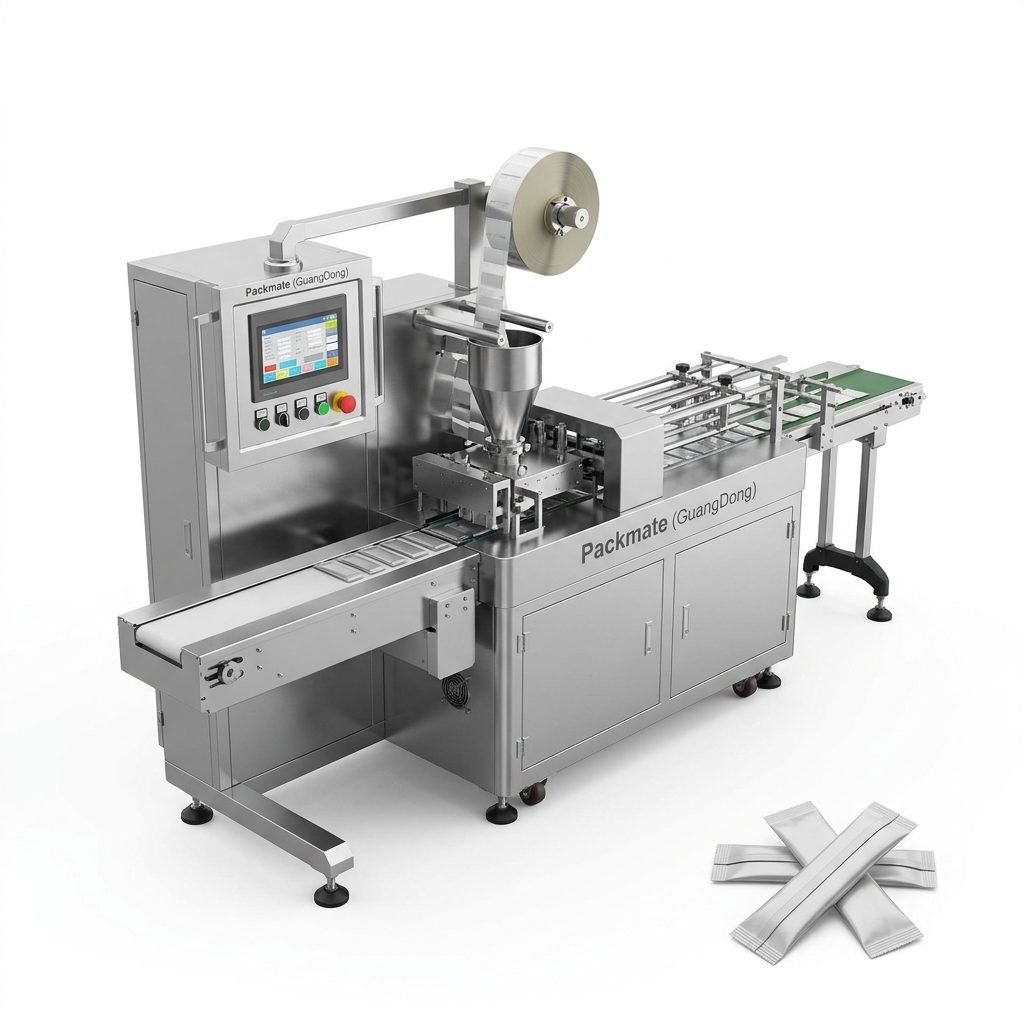
Machines designed for small-dose nicotine pouches require precise filling, sealing, and high-speed multi-lane synchronization. Choose machinery built specifically for snus/nicotine packaging—generic pouch machines often fail to meet the tight weight tolerances and seal quality required. Explore dedicated models and lines: Snus & Nicotine Packaging Machines.
Integration with Weighing & Auxiliary Systems
For stable production, make sure the main machine integrates easily with weighing systems, feeders, and auxiliary equipment. Suppliers often package turnkey lines that include weighing, filling, and packaging automation. Review integrated solutions to reduce compatibility issues: Weighing & Packaging Systems.
Evaluating Total Cost of Ownership (TCO)
Price is only one component. TCO includes installation, shipping, customs duties, electrical modifications, spare parts, consumables, and downtime risk. Build a 3–5 year TCO projection that includes conservative estimates for spare parts consumption and potential downtime in Sierra Leone.
Steps to Finalize a Reliable Purchase
1) Shortlist suppliers with proven snus experience and ask for detailed proposals.
2) Request a factory tour (virtual if needed) and videos of long-run machine operation.
3) Agree on equipment specs, spare parts list, and a commissioning plan.
4) Define payment milestones tied to delivery, FAT (Factory Acceptance Test), and site acceptance.
5) Confirm training, documentation language, and after-sales SLA.
Leverage Supplier Resources & Contact
Use supplier content (catalogs, exhibitions, certificates) to validate claims. For more detailed company information and certifications, check the supplier’s about page and certificates: About Packmate • Certificate. When ready, request a formal quote and contact their service team via: Contact Us.
Final Checklist Before Signing
🔒 Written warranty and spare-parts lead times
🧾 Factory acceptance test (FAT) clauses and acceptance criteria
📦 Export packing and customs documentation support
👨🏫 Training plan and documentation language
Conclusion
Selecting a snus packaging machine supplier for Sierra Leone should balance technical fit, supplier reliability, and practical support for local conditions. Prioritize suppliers with proven snus/nicotine experience, strong manufacturing capabilities, clear spare-parts plans, and willingness to support import and commissioning logistics. With the right partner, you can build a resilient production line that meets demand while minimizing downtime and operational risk.
Frequently Asked Questions (FAQs)
Q1: What local preparations are required before machine arrival in Sierra Leone?
A1: Secure stable power arrangements (stabilizers/UPS), prepare a climate-controlled storage area for hygroscopic materials, confirm customs clearance agent and port handling arrangements, and ensure local technicians are identified for training during commissioning.
Q2: How many spare parts should I stock locally?
A2: Stock critical wear parts for 3–6 months based on projected production: belts, sealing jaws, sensors, bearings, and electronic control modules. Your supplier should provide a recommended parts list for initial stocking.
Q3: Can these machines run different pouch types and sizes?
A3: Many modern snus packaging machines are modular and support quick-change tooling for different pouch sizes. Confirm with the supplier which range of pouch sizes and materials are supported and request demo videos.
Q4: What after-sales support can I expect from a quality supplier?
A4: Comprehensive support includes remote troubleshooting, spare-parts supply, on-site commissioning, operator training, and agreed SLAs for response and resolution times. Always get service terms in writing.
Q5: Where can I review machine models and technical specifications?
A5: Review dedicated product lines and technical specs on the supplier’s product pages, for example: Snus & Nicotine Packaging Machines and other system pages to evaluate full-line integration.