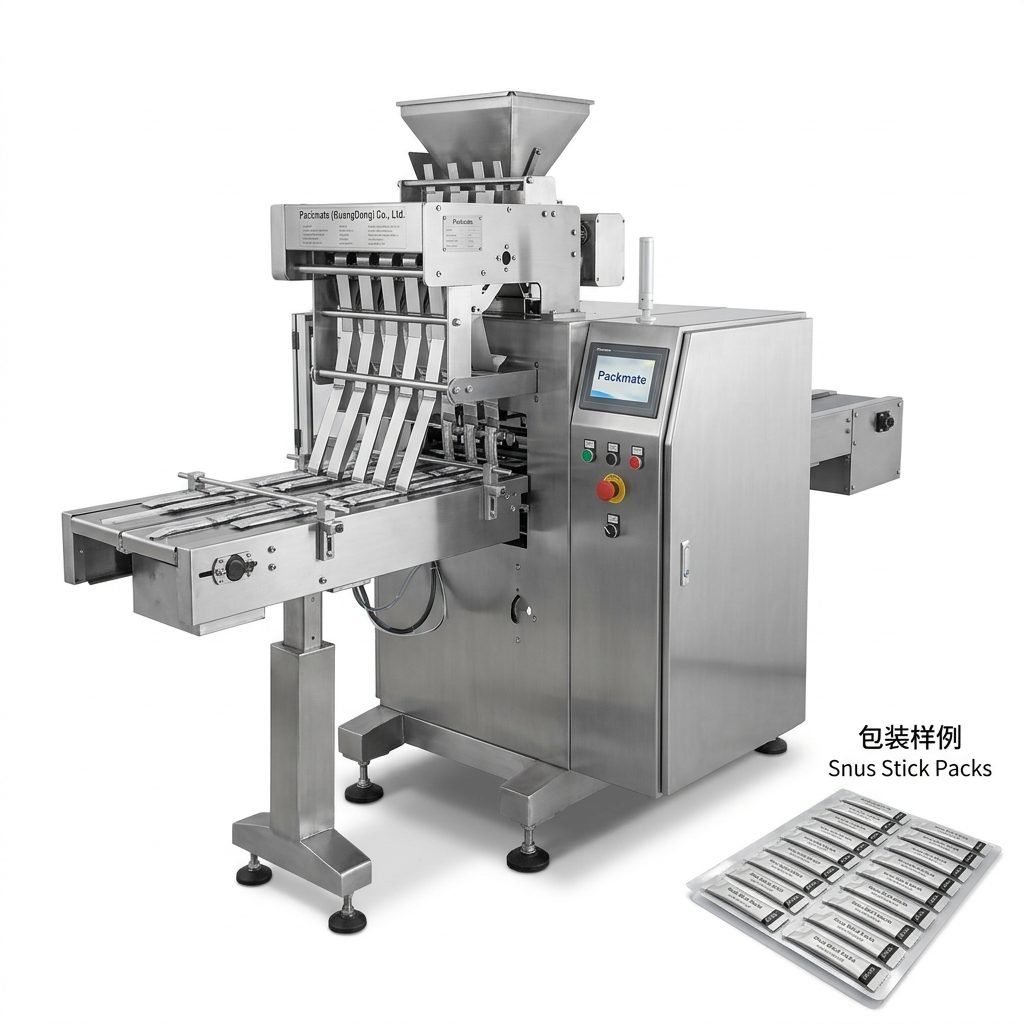
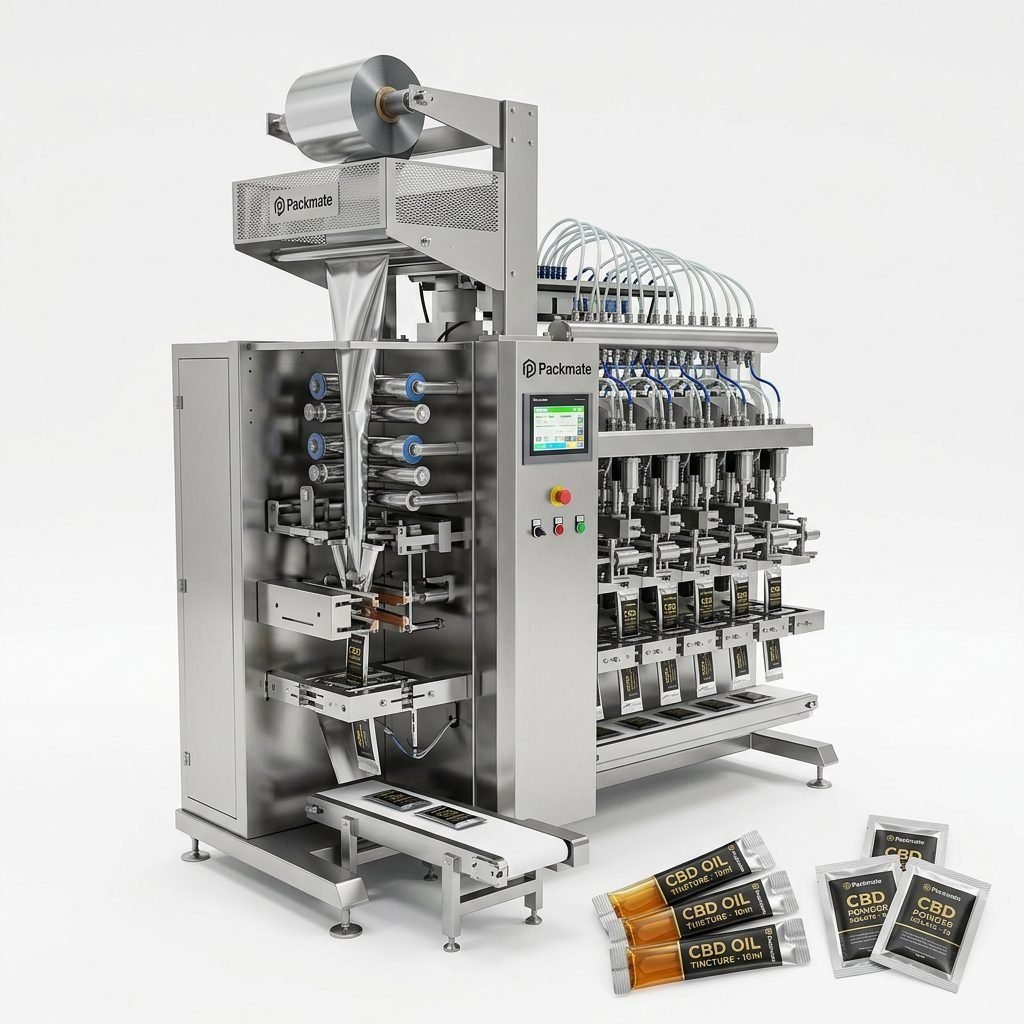
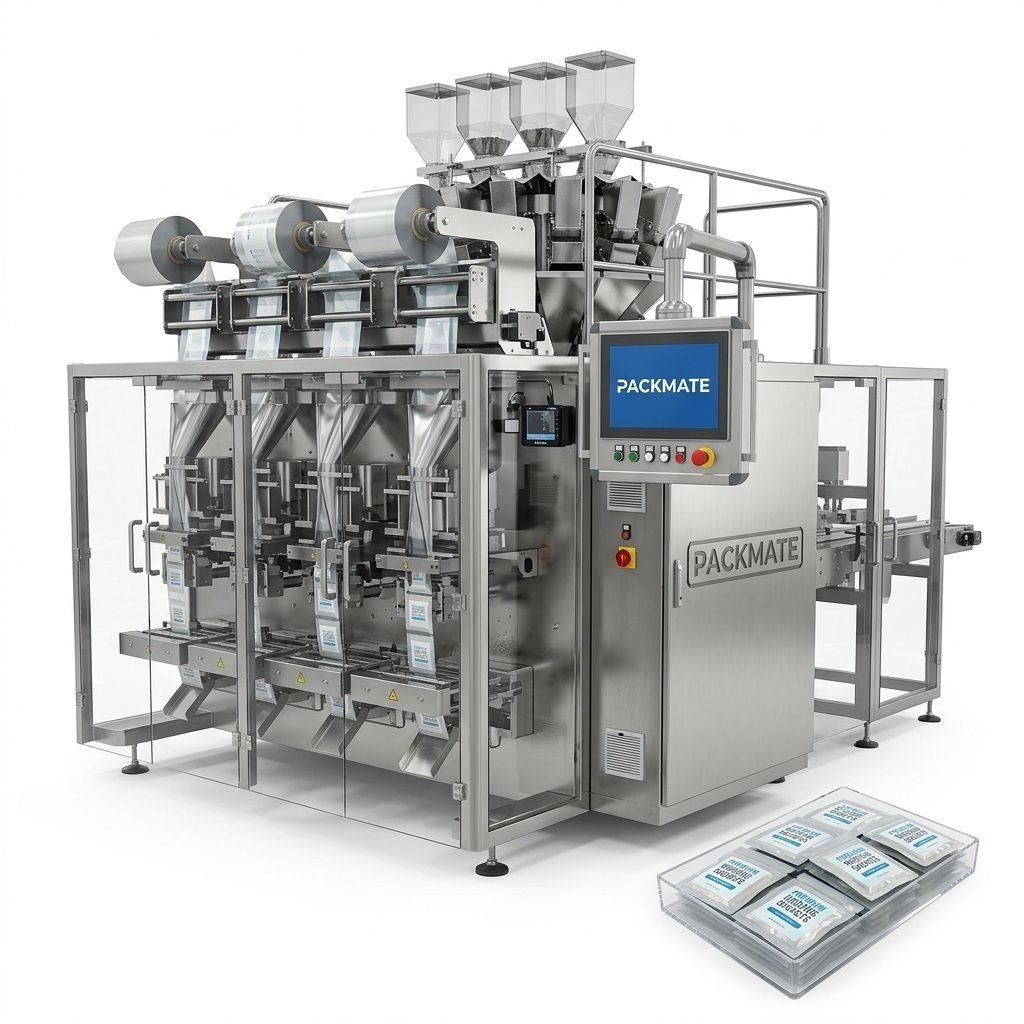
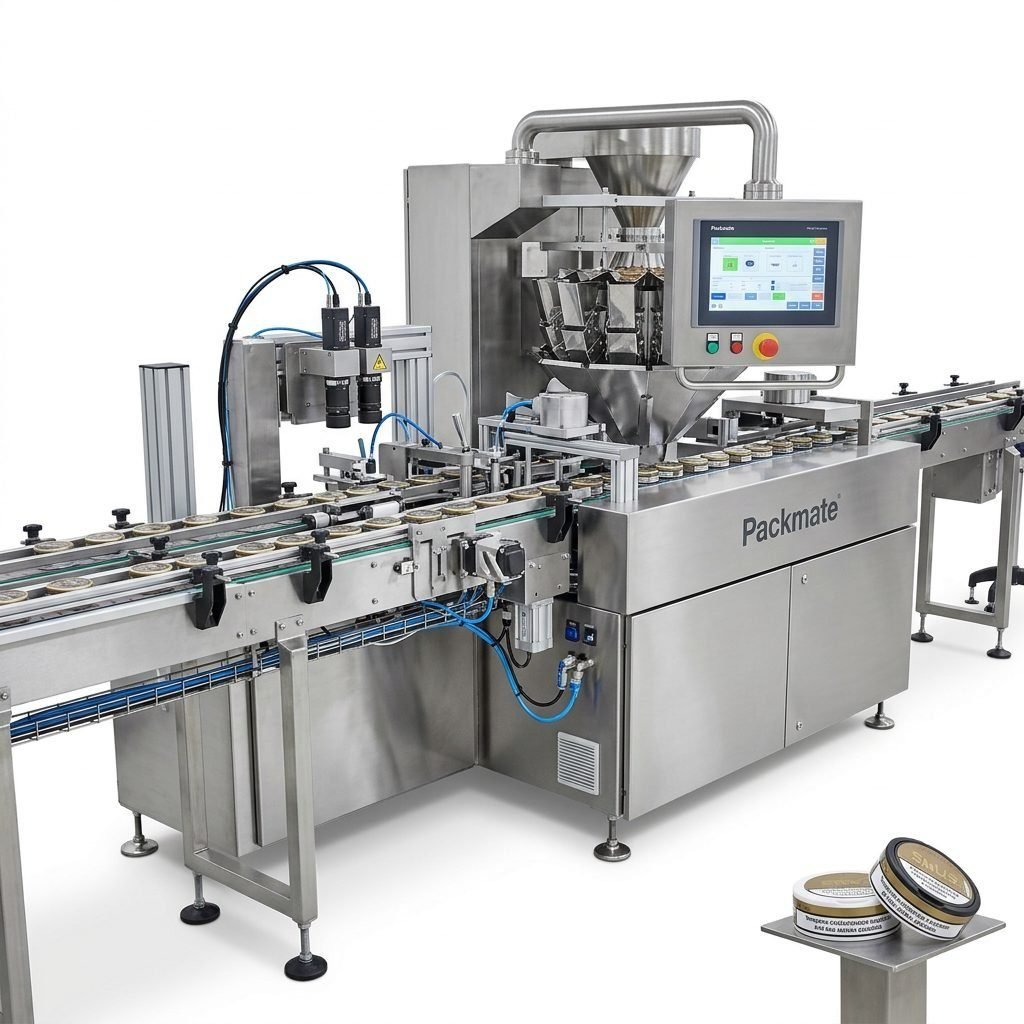
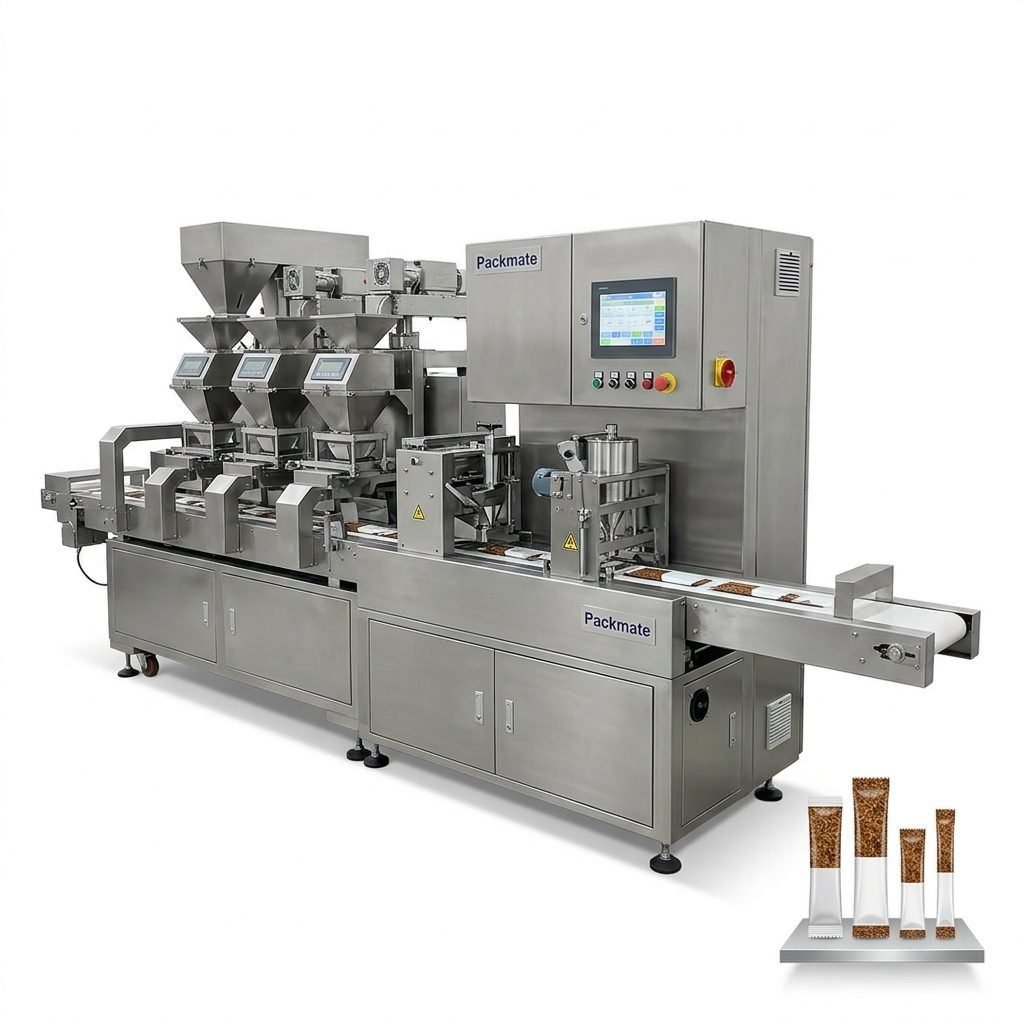
Choosing the right snus packaging machine supplier in Laos is more than a procurement decision — it’s a strategic step that affects product quality, regulatory compliance, production uptime, and your ability to scale. This guide walks you through practical buying tips, supplier evaluation criteria, local considerations for the Lao market, and a final checklist to help manufacturers, importers, and distributors make a confident choice.
Understand the Laos Market and Local Habits
Laos has a close-knit market structure with significant cross-border trade with Thailand, Vietnam and China. Many small and medium food and tobacco processors rely on compact, reliable equipment rather than ultra-high-speed industrial lines. When evaluating suppliers, keep these local realities in mind:
- Trade patterns: Expect seasonal spikes and informal distribution channels which can affect demand planning.
- Cultural context: Respect for local customs and straightforward communication helps when negotiating installation and training schedules.
- Regulation and compliance: Verify product regulations and customs clearance procedures in Laos early — regulatory shifts can affect packaging requirements and labeling.
Practical tip
Before contacting suppliers, gather a brief local compliance summary and expected monthly production targets. This will make supplier responses more precise and save time during selection.
Key Technical Features to Prioritize
Not all snus packaging machines are the same. Match machine features to your product format and business model. Prioritize the following technical elements:
Evaluate Supplier Experience and Manufacturing Strength
Supplier credentials matter. A manufacturer with deep experience in snus and nicotine packaging can anticipate process pitfalls and offer tailored solutions. Key indicators:
- Years in the industry: Longer track records generally mean refined designs and service practices.
- Range of machine models: A broad product portfolio signals the ability to customize solutions (multi-lane, sachet, stick pack, etc.).
- Factory capability: Advanced CNC machining centers and precision assembly lines reduce quality variance.
- Certifications: CE and ISO compliance demonstrate international standards adherence — crucial for export or multinational clients.
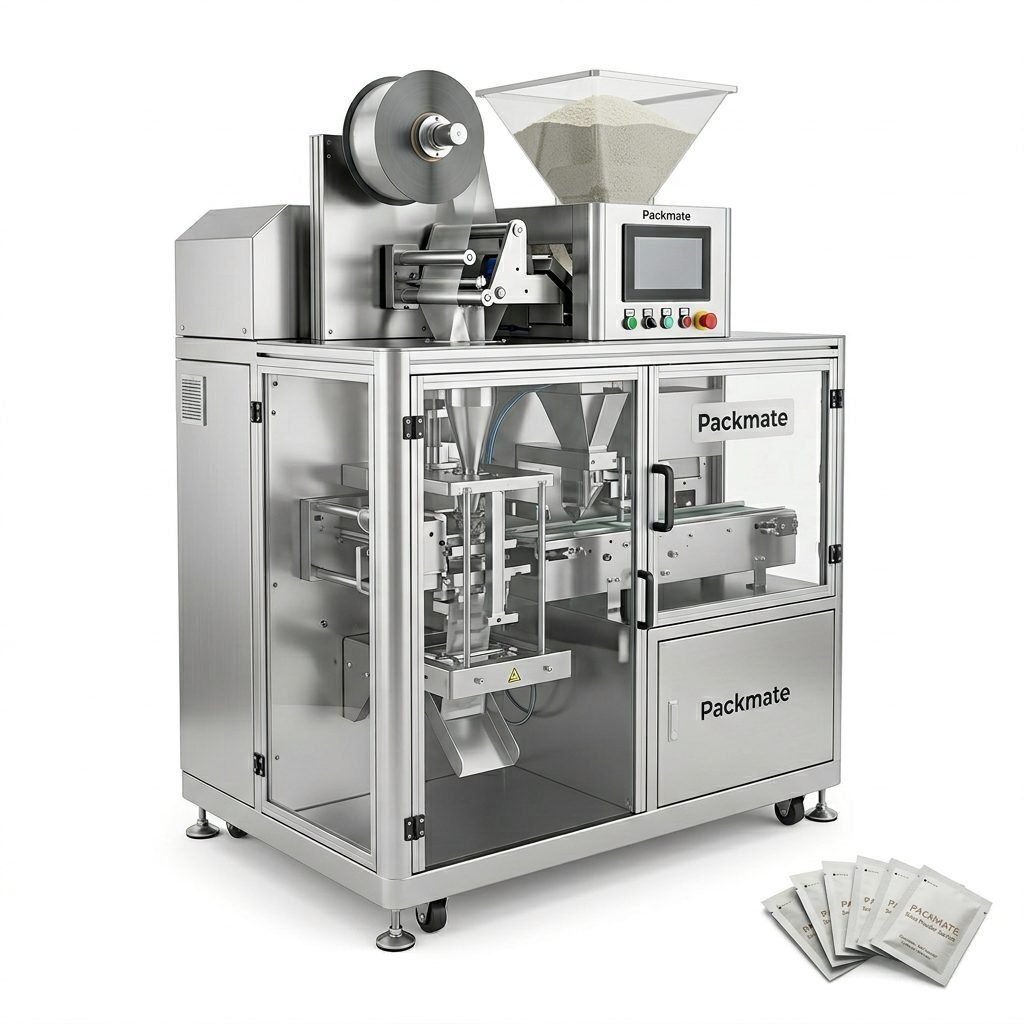
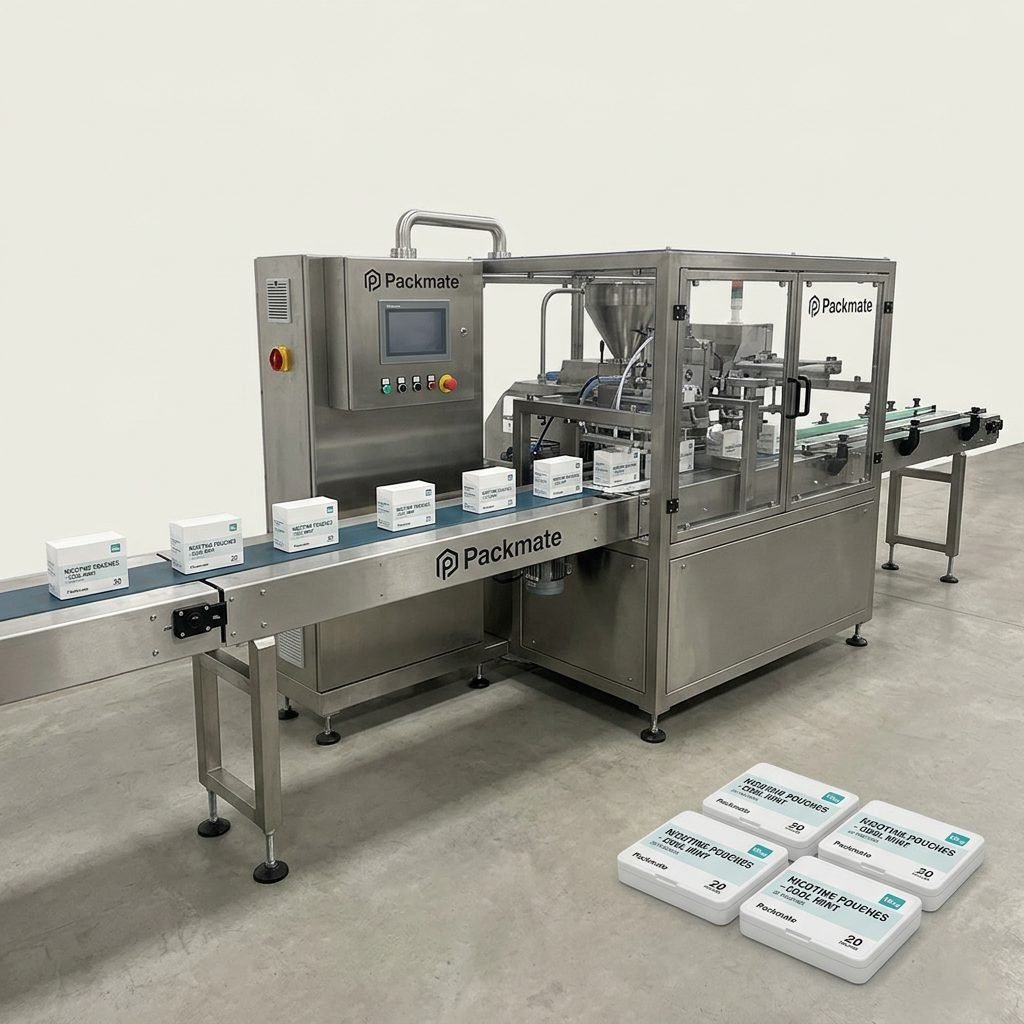
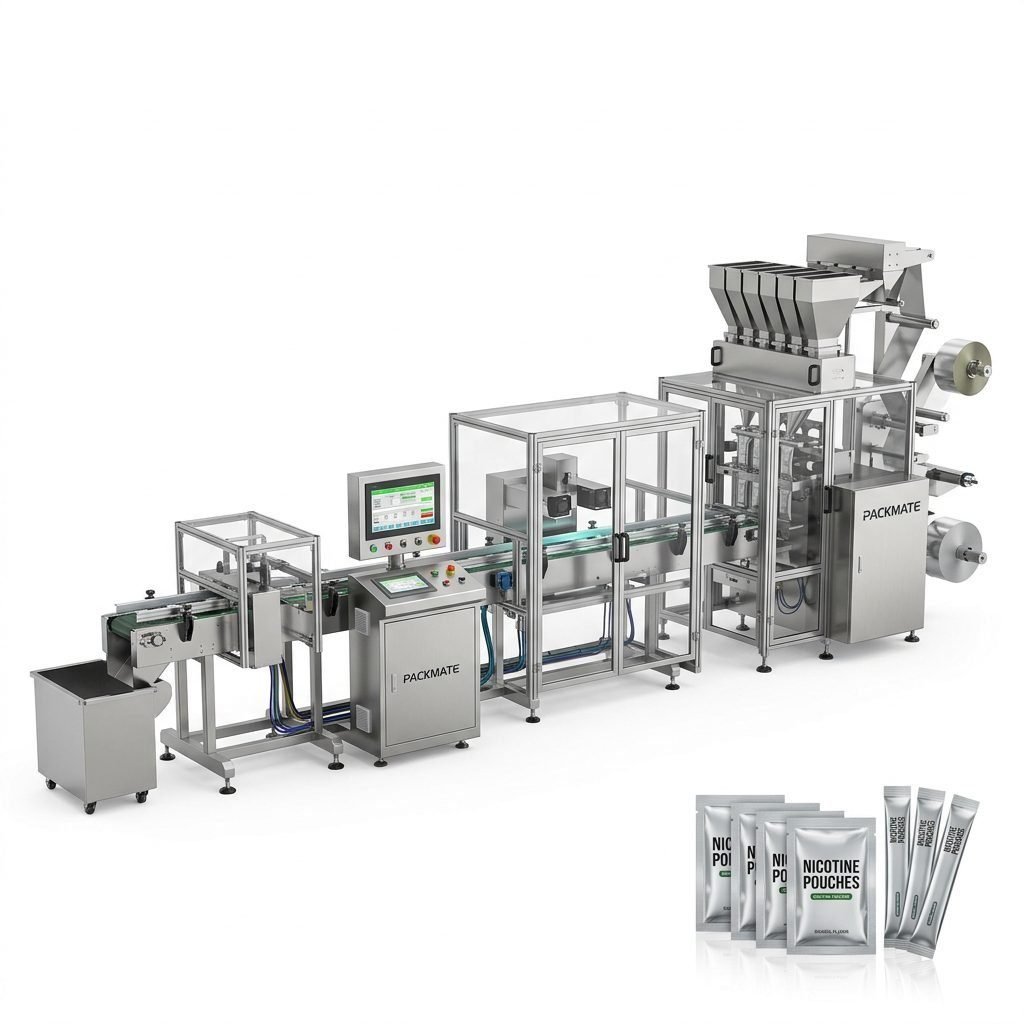
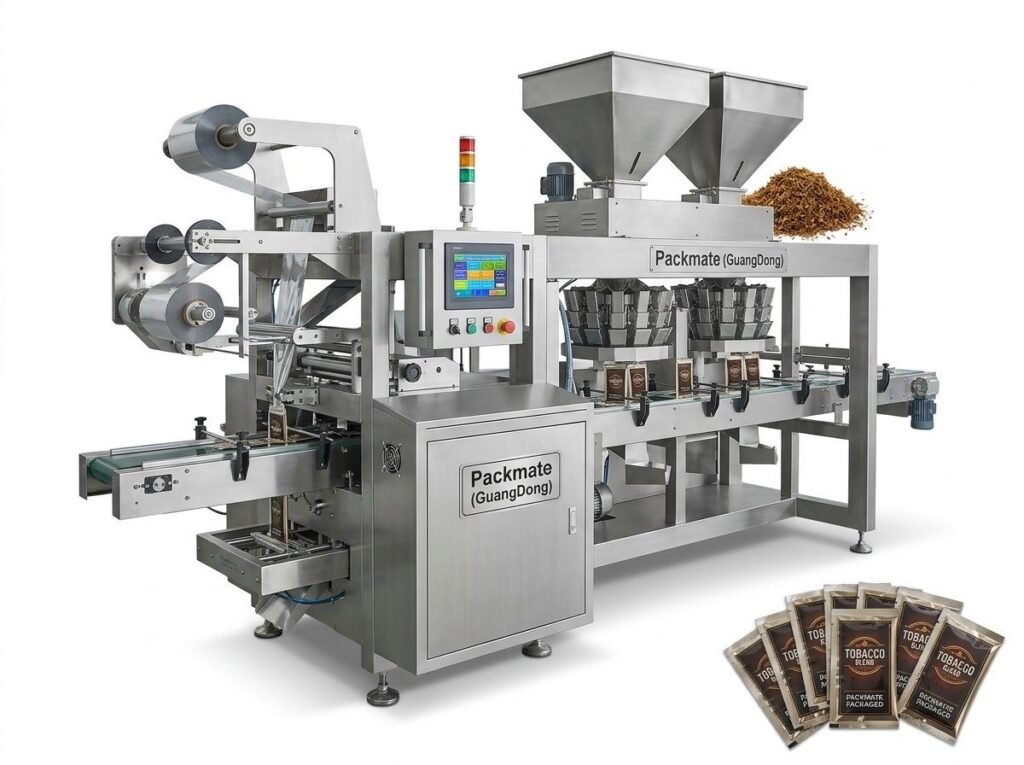
For example, Packmate Snus Machine brings decades of experience and a wide machine portfolio suitable for nicotine pouch lines. Reviewing manufacturer case studies and visiting their production documentation helps validate claims. You can learn more about product ranges such as Snus & Nicotine Packaging Machines and complete Filling & Packaging Lines from manufacturer catalogs and product pages.
Testing, Demonstrations, and Factory Acceptance
A live demonstration or a factory acceptance test (FAT) is one of the most reliable ways to confirm machine performance. Ask suppliers for:
- Video demonstrations using products similar to yours (same weight, moisture and particle size).
- On-site trials or third-party testing that show long-run stability and packaging integrity.
- Detailed FAT documentation including cycle rates, accuracy charts, and failure logs.
After-sales Support: A Deal Maker
After-sales support determines how quickly you recover from equipment issues. Evaluate support in Laos specifically:
- Local spares availability: Suppliers who can ship or stock spare parts in the region reduce downtime.
- Remote troubleshooting and PLC support: Remote assistance tools and spare PLC modules speed repairs.
- Training and documentation in English (or Lao where possible): Clear manuals and operator training prevent misuse.
- Service agreements and warranty terms: Verify response times, service visit commitments, and warranty coverage scope.
Ask for references from other customers in Southeast Asia. Case studies and exhibition attendance records are useful. See examples of manufacturer case work at the supplier’s Case pages and Exhibition list to validate international presence.
Cost, Total Cost of Ownership (TCO) and Financing
Price is important, but initial cost is only one factor. Consider TCO over 3–5 years:
- Consumables and spare parts pricing — belts, sealing bars, sensors.
- Energy consumption — more efficient machines often save operating costs.
- Maintenance frequency — simpler designs with fewer bespoke parts lower service costs.
- Depreciation and residual value — machines from recognized suppliers retain value better.
Negotiate flexible payment and financing terms if possible. Some manufacturers provide leasing, progressive delivery, or staged payments aligned with FAT milestones. Always formalize payment schedules and performance benchmarks in the contract.
Logistics, Installation and Local Customs Clearance
Importing machinery to Laos requires careful planning. Consider:
- Packing and shipping mode: Road transport from neighboring countries is common; ensure proper crating and moisture protection for tropical climates.
- Customs documentation: Ask for full export documents, commercial invoices, and certificates of origin to accelerate clearance.
- Local installation requirements: Confirm electrical standards, power supply stability, and onsite foundation or anchoring needs.
- Local language support: When possible, arrange for training in Lao or provide bilingual manuals for operators.
Regulatory and Compliance Checklist
Snus and nicotine pouch regulations vary. In Laos, ensure compliance with national laws related to tobacco and nicotine products, labeling, and product safety. Key actions:
- Consult local regulatory authorities or legal counsel to confirm allowable product formats and labeling rules.
- Ensure machine hygiene standards meet food or tobacco contact requirements.
- Request CE/ISO certificates and materials traceability documents from suppliers.
How to Compare Supplier Proposals — A Simple Scoring Model
Create a scoring table with weighted criteria. Example criteria and suggested weights:
- Technical fit (30%) — precision, format compatibility.
- Reliability and references (20%) — uptime, case studies.
- After-sales service (20%) — parts lead times, local support.
- Cost & TCO (20%).
- Delivery & installation terms (10%).
Score each proposal and compare total points — this objective approach removes emotion from buying decisions and helps justify supplier selection to stakeholders.
Supplier Red Flags
Watch for these red flags when reviewing proposals:
- Vague technical specs or refusal to conduct FAT.
- No references or unverifiable case studies.
- Long lead times without clear reasons or a lack of spare parts planning for Laos.
- Over-promising speed or efficiency without documented test results.
Negotiation and Contract Tips
When negotiating with suppliers, protect your interests through clear contractual language:
- Set clear acceptance criteria and link final payment to successful FAT and onsite commissioning.
- Detail warranty coverage, spare parts delivery times, and training obligations.
- Include penalties for missed delivery dates and documented remedies for performance shortfalls.
If you need further product detail or want to explore a manufacturer’s full range, vendor product pages such as Sachet & Stick Pack Machines and Bag & Pouch Packaging Machines provide model overviews and technical data sheets.
Implementation Roadmap for Laos Buyers
A clear implementation roadmap keeps the project on schedule:
- Define product specs & monthly targets.
- Shortlist suppliers and request quotes and FAT schedules.
- Perform FAT, confirm acceptance criteria, sign contract.
- Plan logistics, customs and installation timeline.
- Schedule operator training and preventive maintenance training.
Useful links
Explore supplier pages for technical documentation and contact details: Snus & Nicotine Packaging Machines, Case, About Packmate, and Contact Us.
Final Buying Checklist (Quick)
Keep this checklist handy when finalizing your supplier:
- Defined product formats and monthly volumes.
- FAT scheduled and acceptance criteria agreed.
- Warranty, spare parts and service SLA documented.
- Delivery, installation and training dates confirmed.
- Regulatory compliance and labeling validated for Laos.
- Payment schedule tied to milestones.
Conclusion
Selecting the best snus packaging machine supplier in Laos requires balancing technical fit, supplier credibility, local logistics, and after-sales service. Prioritize FAT-backed performance data, accessible spare parts, and clear contractual protections. A successful supplier partnership delivers consistent product quality, reliable uptime, and a clear path to scale.
Frequently Asked Questions
Q1: How important is a factory acceptance test (FAT) before buying?
A1: FAT is essential — it verifies machine performance using product-representative samples and protects you from receiving non-conforming equipment.
Q2: What certifications should I ask a snus machine supplier for?
A2: Ask for CE and ISO certificates, materials traceability for parts in contact with product, and any regional compliance documents relevant to Laos.
Q3: How do I ensure timely spare parts delivery to Laos?
A3: Negotiate a spare parts stocking plan with the supplier or a regional distributor and include lead-time guarantees in the service agreement.
Q4: Can small Lao companies afford multi-lane machines?
A4: Many suppliers offer modular or lower-capacity multi-lane options and financing terms that make advanced technology accessible to small and medium enterprises.
Q5: Where can I see real-world installations and case studies?
A5: Review supplier case pages and exhibition records for live demonstrations and customer references to validate performance claims.